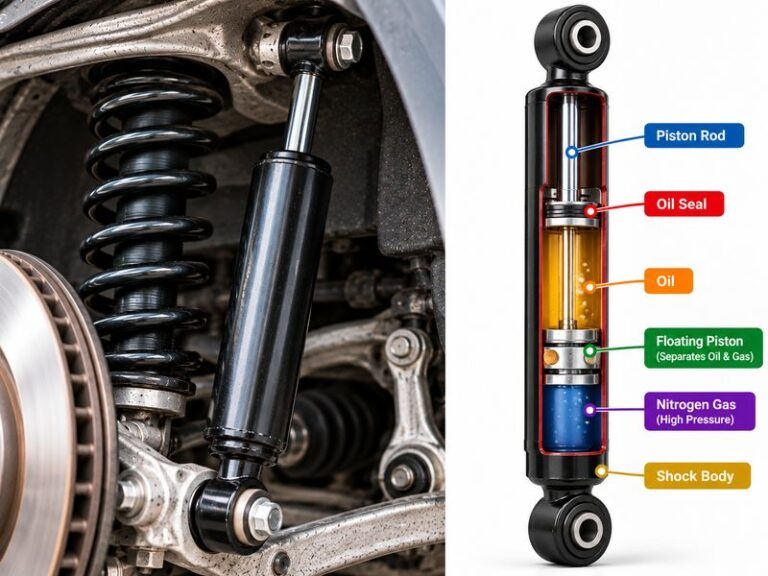
The safest way to shorten shock absorbers is to replace them with correctly sized short-body units designed for your vehicle and suspension setup. Cutting, crushing, or welding a shock absorber can damage its pressure chamber, seals, and mounting points.
For drivers in the United States, shortening shock absorbers may come up when lowering a car, fitting a custom suspension, repairing a trailer, or building a vehicle for a specific use. The right approach depends on the vehicle, the type of shock, the suspension travel, and the amount of clearance available. A shorter shock is not automatically a better shock, and the wrong length can cause the suspension to run out of travel.
Before changing any parts, measure the existing shock at full extension and compare its dimensions with the suspension’s required compressed length. Also check the mounting style, shaft travel, spring arrangement, and manufacturer’s fitment guidance. These details help determine whether a short-body shock is appropriate or whether a different suspension component is needed.
This guide explains how to determine the correct shock length, choose a suitable replacement, understand professional shortening services, and check the finished setup. It also explains why common DIY methods can fail and when a qualified suspension technician should handle the work.
Shortening a shock absorber means reducing the space it occupies or changing its working dimensions so it fits a particular suspension setup. The term can describe several different jobs, and they do not have the same risks. A shorter replacement shock, a shorter shock body, and a shock with less shaft travel are different things.
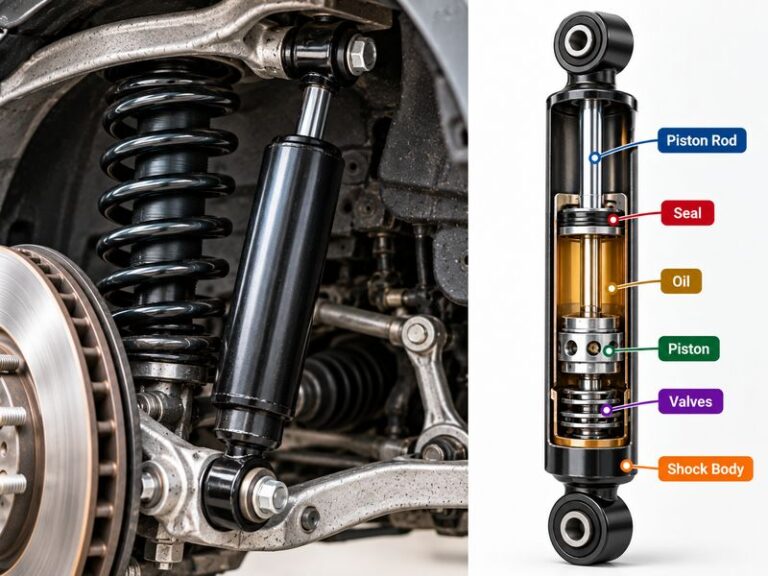
A shock absorber controls suspension movement by resisting the motion of a piston inside a fluid-filled or gas-pressurized assembly. Its length, internal stroke, seals, valves, and mounting points are designed to work together. Changing one dimension without considering the others can cause poor damping, leaks, bottoming, or mechanical damage.
In many modified vehicles, the real problem is not that the original shock needs to be physically cut. Instead, the suspension needs a shock with a shorter body or a different operating range. Selecting a compatible unit usually addresses that problem without altering a sealed component.
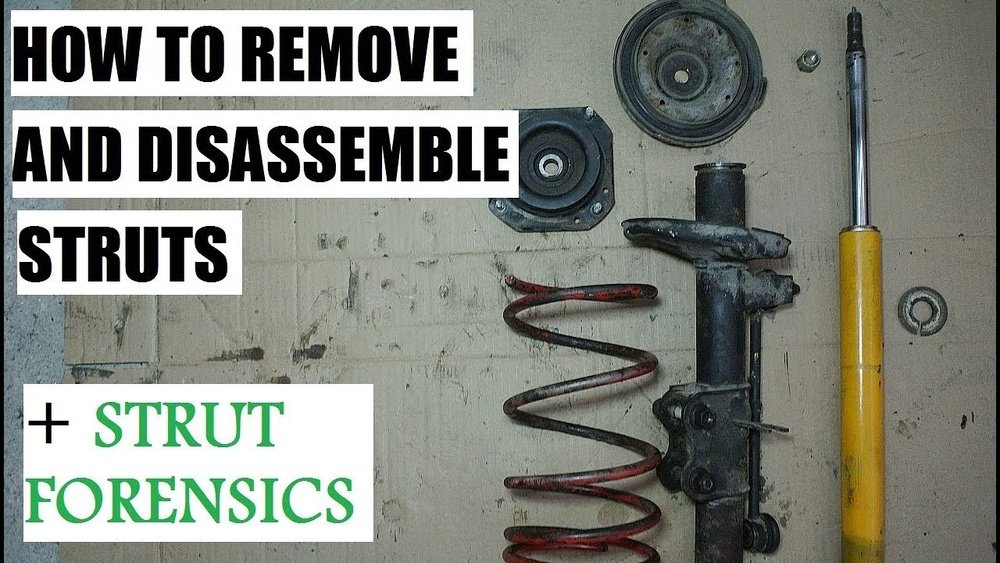
Source: i.ytimg.com
Shorter shock body
A compact shock design may provide the necessary clearance in a lowered vehicle or a custom suspension. Its stroke and damping must still suit the suspension’s movement.
Shorter extended length
A replacement may have a shorter maximum length when fully extended. This can help prevent overextension only when the suspension and mounts are designed for that limit.
Reduced working stroke
A shock with less piston travel has less room to control suspension movement. This can create a harsh ride or allow the suspension to hit its travel limits if the setup is not designed around it.
Shortened mounting arrangement
Different brackets or mounting positions may change the shock’s installed geometry. Such changes need engineering review because they can alter leverage and loading.
Why Do Drivers Need Shorter Shocks?
Lowered cars are a common example. Lowering springs or adjustable coilovers can move the suspension closer to its compressed position, leaving a standard-length shock with less compression travel. A purpose-built shorter shock may restore a more suitable operating range, depending on the spring and suspension geometry.
Custom trailers, off-road vehicles, classic cars, and motorsport projects can also need different shock dimensions. Each application has its own requirements. A trailer’s axle travel, for example, differs from the controlled wheel movement of a passenger car, so a shock selected for one application should not be assumed suitable for another.
Lowered vehicles
Use shocks designed for the specified lowering range and spring rate rather than cutting the original units.
Custom builds
Confirm the shock’s operating range and mount loads against the suspension design before installation.
Damaged or leaking shocks
Replace a failed unit with the correct part. Physical shortening does not repair worn seals, damaged valves, or lost damping.
Can You Physically Shorten a Shock Absorber?
Some shock absorbers can be shortened through specialist engineering or by replacing internal components with manufacturer-approved parts. However, many standard automotive shocks are sealed assemblies that should not be cut apart or modified by an ordinary DIY mechanic. The correct procedure depends on the exact design and the manufacturer’s service instructions.
A shock absorber may contain pressurized gas and oil. Cutting or drilling its body can release pressure, eject fluid, create sharp metal fragments, or damage internal parts. Heating the body can also harm seals and change material properties. Welding can compromise the pressure chamber, alignment, or structural integrity.
The shock shaft is equally important. Cutting the shaft can damage its surface finish, threads, heat treatment, or sealing area. Even if the modified shaft appears to fit, damage where it passes through the seal can cause a leak or premature failure.
For these reasons, do not attempt to shorten a sealed shock by cutting the body, trimming the shaft, crushing the housing, or welding new mounting points onto the pressure chamber. If a physical modification is necessary, consult a suspension specialist who can identify whether the design is serviceable and whether an approved conversion is available.
Source: i.ytimg.com
Do not cut the shock body
Cutting can open a pressurized chamber, contaminate the oil, and destroy the internal structure.
Do not trim the piston rod
The rod’s finish, dimensions, and threads are critical to sealing and safe attachment.
Do not heat or weld a sealed shock
Heat and welding can weaken the assembly or damage seals, fluid, and pressure-containing parts.
Use a specialist for rebuildable units
A qualified rebuilder can determine whether a serviceable design supports a shorter configuration and can verify its operation afterward.
When Is Professional Modification an Option?
Some motorsport and custom suspension shocks are designed to be rebuilt. Their manufacturers may offer different bodies, shafts, internal spacers, or stroke configurations. A specialist can identify compatible parts and confirm that the resulting shock meets the vehicle’s travel and damping requirements.
Professional service is not a guarantee that every shock can be shortened safely. The design may lack suitable replacement components, or the proposed dimensions may leave too little stroke for the vehicle. Ask the specialist to explain the permitted operating range, mounting requirements, and limits of the modified unit before approving the work.
Identify the exact model
Provide the manufacturer, part number, dimensions, and intended application.
Confirm approved changes
Ask whether the manufacturer supports the proposed configuration or whether a documented engineering solution exists.
Request final specifications
Obtain the finished extended length, compressed length, usable stroke, and installation requirements.
Measure the Shock Absorber Before Choosing a Shorter One
Accurate measurements are the first practical step when the goal is to fit a shorter shock absorber. Measure the existing unit only when it is safe to access, and use the suspension manufacturer’s specifications wherever possible. Measurements from an old shock alone may not reflect the correct dimensions for a modified vehicle.
The two key dimensions are extended length and compressed length. Extended length is the distance between the shock’s mounting reference points when it reaches its fully extended limit. Compressed length is the distance between those same reference points when the shock reaches its permitted compressed limit.
The difference between these dimensions is the shock’s total stroke. For example, if a hypothetical shock measures 20 inches when fully extended and 12 inches when fully compressed, its total stroke is 8 inches. These are example measurements only, not recommended dimensions for any particular vehicle.
Mounting style also matters. A shock with eyelet mounts may not interchange with one that uses a stem or stud. Check the width of the mounting eyes, bolt diameter, bushing design, shaft clearance, and angle of installation. A part that has the correct length but the wrong mounting geometry is not a safe substitute.
Source: i.ytimg.com
Extended length
Measure between the manufacturer’s specified mounting reference points with the shock fully extended.
Compressed length
Use the specified fully compressed dimension, including the correct mount reference points.
Usable stroke
Calculate extended length minus compressed length. Confirm that this travel matches the suspension’s needs.
Mounting dimensions
Record mount type, bolt size, bushing width, and any required spacers or sleeves.
Application requirements
Check the vehicle model, axle position, spring type, suspension design, and manufacturer’s fitment notes.
How to Calculate Shock Stroke
Use the following calculation to compare candidate shock absorbers: usable stroke equals extended length minus compressed length. Keep the same measurement reference points for both dimensions, or the result will be misleading.
Suppose a second hypothetical shock has an extended length of 18 inches and a compressed length of 11 inches. Its stroke is 7 inches. Although it is shorter overall than the first example, it also has less total travel, so the dimensions alone do not prove that it is a better choice.
A correct replacement must fit both the space available and the suspension’s required movement. Confirm the actual compression and extension limits at the wheel or axle before selecting the shock. Suspension motion ratios can make wheel travel different from shock travel.
20 inches − 12 inches = 8 inches of total shock stroke in this hypothetical example.
Decision rule
Compare the full operating range with the suspension’s needs, not just the overall shock length.
How to Choose the Correct Short Shock Absorber
Choose a replacement by matching the suspension’s operating dimensions, mounting hardware, load requirements, and damping needs. A shock that physically fits between the mounts may still be unsuitable if it bottoms out before the suspension reaches its designed compression limit or tops out before the suspension reaches its extension limit.
Start with the vehicle manufacturer’s specifications or the suspension kit maker’s fitment information. If the vehicle has been lowered, lifted, or otherwise modified, use specifications for the actual spring and suspension combination. The original equipment dimensions may no longer provide the correct operating range.
Do not select a shock by body length alone. Damping characteristics, spring rate, axle load, vehicle weight, intended road use, and suspension leverage all affect performance. A very short shock with insufficient stroke may limit wheel movement, while an unsuitable damping setup can make the vehicle unstable or uncomfortable.
Source: cdn.club.autodoc.de
Vehicle compatibility
Match the year, make, model, suspension type, and front or rear position where applicable.
Compression clearance
Ensure the shock can accommodate the required compression without bottoming out before the suspension reaches its intended limit.
Extension clearance
Ensure the shock does not restrict required wheel droop or place excessive strain on suspension parts.
Spring and load match
Check the spring rate, vehicle load, and shock damping requirements as a complete system.
Mount compatibility
Use the correct mounting type, fasteners, bushings, and specified torque values.
Short-Body Shocks Versus Standard Shocks
A short-body shock can provide additional room in a compact suspension package, but the shorter housing does not automatically provide more usable travel. Manufacturers design different shock bodies and internal strokes for different applications. Compare the actual dimensions and specifications rather than relying on the product name.
A standard-length shock may still work with some suspension modifications if its operating range remains appropriate. In other cases, it may reach full compression too early or extend too far. Only a dimensional and fitment check can establish whether it is suitable.
Short-body design
Useful when packaging space is limited, provided the internal travel and damping are correct.
Standard design
May remain suitable when the suspension geometry and operating range have not changed beyond its specifications.
Adjustable coilovers
Use the manufacturer’s setup procedure. Ride-height adjustment does not necessarily change the shock’s internal stroke.
Step-by-Step Guide to Replacing a Shock With a Shorter Unit
Replacing a standard shock with a compatible shorter unit is generally the preferred route when the original shock does not suit the suspension setup. The exact procedure varies by vehicle, so the service manual and replacement shock instructions must take priority over general guidance.
Before beginning, gather the correct replacement part, suitable hand tools, a torque wrench, wheel chocks, and the lifting equipment specified for the vehicle. Work on firm, level ground and use properly rated jack stands at the manufacturer’s approved support points. Never rely on a hydraulic jack alone to support a vehicle.
Some shock assemblies are combined with coil springs or other components under significant tension. Do not loosen a spring-loaded assembly unless you have the correct tools and training. If the job involves a strut with a compressed coil spring, use the specified procedure or have a qualified technician perform the work.
Source: slickmotorz.com
Step 1: Confirm fitment
Check the part number, dimensions, mount type, and intended vehicle application before lifting the vehicle.
Step 2: Secure the vehicle
Park on level ground, engage the parking brake, chock the wheels, and follow the approved lifting and support procedure.
Step 3: Inspect the mounting area
Look for corrosion, damaged bolts, worn bushings, cracked brackets, and signs of previous modifications.
Step 4: Support the suspension as specified
Use suitable support to control the suspension where required before removing the shock fasteners.
Step 5: Remove the old shock
Follow the vehicle-specific sequence and avoid disturbing unrelated suspension parts unnecessarily.
Step 6: Compare the parts
Check the new shock’s dimensions, mounts, and hardware against the approved specifications before installation.
Step 7: Install the replacement
Position the shock correctly and install the specified fasteners, bushings, sleeves, and spacers.
Step 8: Tighten correctly
Torque fasteners to the vehicle or component manufacturer’s values and follow any instructions about ride-height position during final tightening.
Step 9: Reassemble and inspect
Restore removed components, verify routing of nearby hoses and wires, and confirm that all fasteners are accounted for.
Step 10: Check the result
Confirm the vehicle sits as expected and arrange a full suspension-travel and roadworthiness check before normal driving.
What If the Shorter Shock Does Not Fit?
Do not force a shock into place, enlarge a mounting hole, or bend a bracket to make the dimensions work. Recheck the part number and compare the mounting style, compressed length, extended length, and bushing dimensions. The replacement may have been listed for a different suspension configuration.
If the mounts align but the shock cannot be installed without moving the suspension beyond its normal range, stop and reassess the setup. The correct solution may require a different shock, a compatible suspension kit, or a professional review of the mounting geometry.
Incorrect mount type
Find a unit with the correct attachment design rather than improvising an unsafe connection.
Insufficient compression space
Verify the shock’s compressed length and the suspension’s actual compression limit.
Insufficient extension
Check whether the proposed shock restricts required suspension droop or puts strain on connected components.
How Shorter Shocks Affect Ride Height and Suspension Travel
Shortening a shock absorber does not necessarily lower a vehicle. Ride height is mainly set by the springs, suspension geometry, and the load carried by the vehicle. A shock absorber primarily controls the rate of suspension movement, although it can influence the usable suspension range if it reaches a travel limit.
When a shock is too long for a lowered suspension, it may bottom out during compression or fail to provide the required clearance. When it is too short, it may reach full extension during normal wheel movement. Either condition can produce harsh impacts, unusual noises, damaged mounts, or reduced tire contact on uneven roads.
A shorter shock also does not automatically provide better handling. Damping needs to match the spring and the vehicle’s mass. A mismatch can lead to excessive bouncing, a harsh ride, poor body control, or unpredictable behavior during braking and cornering.
Source: img.youtube.com
Bottoming out
The shock reaches its compression limit before the suspension reaches its intended travel limit, which can cause impact loads and damage.
Topping out
The shock reaches full extension too early and may transmit force into its mounts or restrict wheel movement.
Reduced wheel travel
An unsuitable shock can prevent the suspension from following bumps or maintaining the intended contact with the road.
Poor damping match
The vehicle may bounce, feel harsh, or respond poorly because the shock’s damping does not suit the spring and load.
Check Full Compression and Full Extension
A proper suspension check considers both ends of the travel range. A qualified technician can determine whether the shock remains within its permitted range as the wheel moves through compression and extension. This check should also consider bump stops, spring clearance, control arms, brake hoses, ABS wiring, and other connected parts.
Do not assume that raising a wheel with a jack proves the shock has enough travel. The suspension’s motion ratio, mounting angle, and movement of other components can change the relationship between wheel travel and shock travel. Use the vehicle’s service procedure and suitable equipment to verify clearance safely.
Compression check
Confirm that the shock does not bottom out before the suspension reaches its specified compression limit.
Extension check
Confirm that the shock does not limit required droop or strain the mounts and connected parts.
Clearance check
Check tires, springs, suspension links, brake hoses, and wiring throughout the permitted movement range.
Common Mistakes When Shortening Shock Absorbers
Most problems begin when a shock is selected by appearance or overall length rather than by its full operating dimensions. Two shocks can look similar but have different stroke lengths, damping characteristics, mount dimensions, and load ratings. Matching the wrong unit can lead to premature failure or unsafe handling.
Another mistake is changing shock length without reviewing the springs. Lowering springs, stock springs, and specialized performance springs can have different rates and operating positions. The replacement shock must suit the actual spring and suspension geometry rather than simply fit the mounting holes.
Skipping the final inspection is also risky. A vehicle may sit at the desired height while the shock still bottoms out over bumps or reaches full extension when a wheel drops into a dip. Static appearance alone does not prove correct fitment.
Source: i.ytimg.com
Choosing by appearance
Use verified dimensions and application specifications instead of relying on a shock’s visual size.
Ignoring stroke length
A shorter body may have too little internal travel for the suspension’s needs.
Cutting a sealed unit
This can release pressure, damage seals, and compromise the shock’s structure.
Changing mounting points without review
Unapproved mount changes can alter leverage and place loads on parts that were not designed for them.
Skipping the travel check
A correct static ride height does not prove that the suspension is safe through its full operating range.
Ignoring related components
Springs, bump stops, brake hoses, bushings, tires, and suspension links must all remain compatible.
Warning Signs After Installation
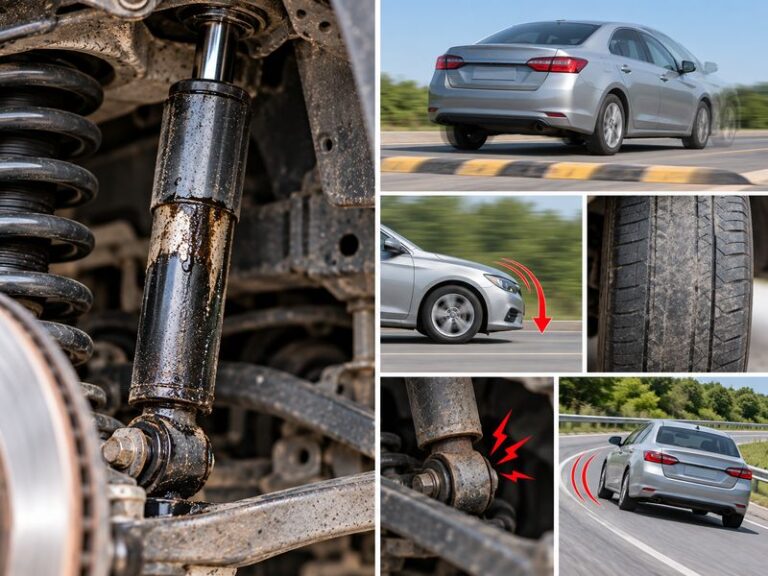
Stop driving and arrange an inspection if you hear repeated metal impacts, feel sudden suspension binding, see a loose mount, or notice a brake hose or wire becoming stretched. These signs can indicate that the shock length or installation is wrong.
Repeated bouncing, uneven tire wear, new vibration, or a change in steering response also deserves prompt attention. These symptoms can have several causes, so they should not be attributed to shock length alone. A technician should inspect the full suspension and tires before the vehicle returns to regular use.
Metallic clunks
Check for loose fasteners, travel-limit impacts, worn bushings, and incorrect fitment.
Fluid leakage
Inspect the shock for damage or seal failure and replace or professionally service it as appropriate.
Poor vehicle control
Avoid normal driving until the suspension, tires, and mounting hardware have been checked.
Cost and Practical Alternatives to Shortening Shocks
The cost of getting a shorter shock depends on the vehicle, the suspension design, the replacement part, and whether additional components need to change. A direct-fit replacement may be simpler than a custom suspension conversion. A rebuildable motorsport shock may also require specialist labor and compatible internal parts.
There is no reliable universal price for shortening a shock absorber because some units cannot be modified safely or economically. Ask for a quote based on the exact part number, required dimensions, intended use, and whether testing or a suspension alignment is needed. Confirm whether the quote includes new mounts, bushings, hardware, and any required follow-up work.
For most road vehicles, a compatible replacement shock or a complete suspension kit is the most practical option. If the real problem is excessive lowering, the correct fix may instead be a suitable spring, a revised ride height, or a suspension package designed to work together.
Source: i.ebayimg.com
Direct-fit short shock
Often the simplest option when a verified replacement is available for the modified suspension.
Matched suspension kit
Can help ensure that shocks, springs, and other supplied parts are designed to work together.
Professional rebuild or conversion
May suit a serviceable performance shock when a specialist confirms that the requested configuration is supported.
Reconsider the ride height
If the suspension lacks safe travel, returning closer to the approved ride height may be better than forcing a shorter shock into an unsuitable setup.
Questions to Ask Before Paying for Custom Work
Ask the shop to explain how the proposed shock will meet the required compressed and extended dimensions. Request the usable stroke, mounting specifications, intended application, and any limits on vehicle load or use. These details help distinguish a properly engineered solution from a modification based only on appearance.
Also ask whether the work affects the manufacturer’s warranty, vehicle inspection requirements, or road-use compliance. Rules differ across US states and vehicle classes, so verify the requirements that apply to your location and vehicle.
Compatibility
Which exact vehicle and suspension configuration is the part or modification designed for?
Technical limits
What are the finished dimensions, usable stroke, load limits, and mounting requirements?
Validation
How will the shop verify full travel, clearances, damping operation, and safe installation?
Compliance
Are there inspection, warranty, or road-use issues to resolve before driving?
A Quick Decision Guide for Shortening Shock Absorbers
The best solution depends on why the current shock is too long and whether the suspension itself has been changed. Use the following table to identify the next step before buying parts or starting work. It is a general decision aid, not a substitute for the specifications of the exact vehicle and shock model.
Source: i.ytimg.com
The car has been lowered
Check the lowering kit manufacturer’s shock recommendations and verify compression and extension travel.
The shock hits its compression limit
Confirm the compressed length and bump-stop setup, then choose a compatible shock with the correct operating range.
The shock reaches full extension too early
Review extended length, suspension droop, and mount geometry before selecting a different unit.
A custom shock is required
Ask a qualified suspension specialist whether the shock is rebuildable and whether a documented shorter configuration is available.
The original shock is leaking
Replace or professionally service it rather than attempting to shorten a damaged unit.
Comparison of Common Solutions
Each option has a different purpose. A short-body shock addresses packaging constraints, while a matched suspension kit can address a broader change in ride height and spring behavior. Custom rebuilding is appropriate only when the design and parts support it.
Short-body replacement
Best considered when the main issue is shock packaging and the unit has suitable travel and damping.
Complete matched kit
Useful when springs and shocks need to be coordinated for a modified ride height.
Specialist modification
Potentially suitable for rebuildable units when the proposed change is technically supported.
Return to a suitable ride height
May be the correct choice when the existing modification leaves too little safe suspension travel.
Frequently Asked Questions
Q
Can I cut a shock absorber to make it shorter?
No. Cutting a sealed shock absorber is unsafe because it may contain pressurized gas and oil, and the process can damage its structure and internal parts. A cut shaft can also damage the sealing surface. Use a compatible shorter replacement or ask a qualified specialist whether the specific rebuildable unit supports an approved modification.
Q
Will shorter shock absorbers lower my car?
Not necessarily. Springs and suspension geometry mainly determine ride height, while shock absorbers control suspension movement. A shorter shock can suit a lowered vehicle, but installing one does not automatically lower the body. The replacement must also have enough travel for the suspension’s operating range.
Q
How do I know what length shock absorber I need?
Determine the required extended length, compressed length, usable stroke, mounting dimensions, and damping requirements. Check the vehicle or suspension kit specifications and account for any changes to ride height or springs. If the suspension has been heavily modified, have a qualified technician measure its operating range before choosing a part.
Q
Can a shorter shock absorber improve handling?
A correctly matched shock can improve suspension control in a setup designed for it, but shorter length alone does not improve handling. Spring rate, damping, vehicle weight, suspension geometry, tire grip, and available travel all matter. An unsuitable shock can reduce wheel movement and make the vehicle less predictable.
Q
Can I shorten adjustable shock absorbers?
Adjustable shocks vary by design. Some allow damping adjustment, some allow ride-height changes through a coilover assembly, and some offer other manufacturer-defined settings. These adjustments do not necessarily shorten the shock body or reduce its internal stroke. Follow the exact manufacturer’s instructions and never cut or alter the unit unless a documented procedure explicitly supports the work.
Q
Do shorter shocks need different springs?
Not in every case, but the springs and shocks must work together. A shorter shock may be compatible with an existing spring if the spring’s installed length, rate, retention, and travel remain suitable. Lowering or changing spring rates can require a matched shock and spring combination. Check the suspension manufacturer’s fitment guidance rather than assuming the original springs will work.
Q
Can I drive with a shock absorber that bottoms out?
You should not continue normal driving when a shock repeatedly bottoms out or produces hard suspension impacts. The condition can damage the shock, mounts, and other suspension parts and may affect vehicle control. Have the suspension inspected to identify the cause, which could include incorrect shock dimensions, inadequate bump-stop clearance, excessive lowering, or a separate suspension fault.
✦ Wrapping Up
Conclusion
The safest way to shorten shock absorbers is usually to install a purpose-built shorter unit that matches the suspension’s dimensions and operating range. Cutting, drilling, crushing, or welding a sealed shock can cause serious damage and should not be treated as a routine DIY modification.
Measure extended length, compressed length, usable stroke, and mounting dimensions before choosing a replacement. Then confirm that the suspension retains the required compression and extension travel, that connected components remain clear, and that the shock’s damping suits the vehicle and springs.
If no suitable replacement exists, consult a qualified suspension specialist before changing the original shock. A safe suspension setup must work through its full range of motion, not merely fit the space available when the vehicle is parked.
💡 Key Takeaway
Before buying or modifying a shock absorber, record the required extended length, compressed length, usable stroke, and mount dimensions. Match those measurements to a manufacturer-approved part, and arrange a professional suspension-travel inspection if the vehicle has been lowered or custom modified.
Eric
Hi, I’m Eric Bennett, the person behind OffRoadTruckAccessories.com.
I created this blog to share my interest in trucks, off-road driving, automotive accessories, and DIY modifications. I enjoy learning how different truck accessories work, testing their usefulness, and understanding whether they are truly worth buying.
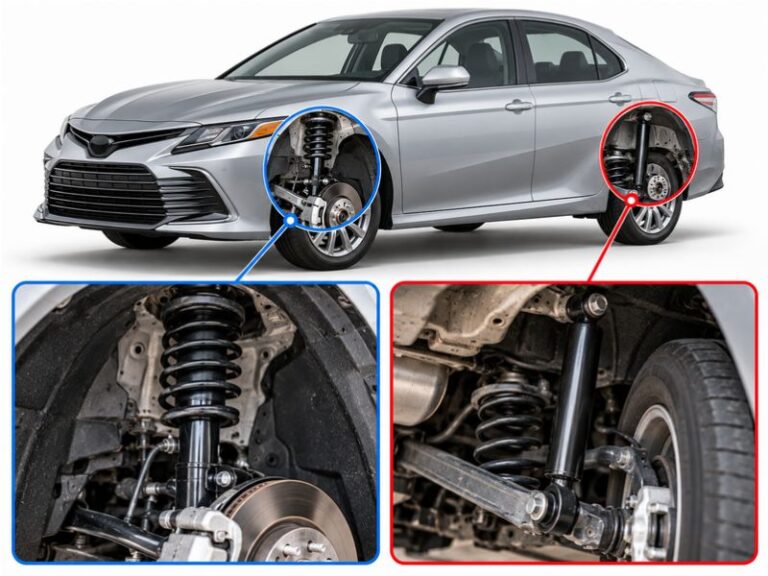
Shock absorbers are located near the wheels as part of the suspension system, usually between the vehicle’s body, frame, or subframe and a suspension component such as a control arm, axle, or wheel assembly. However, the exact answer to where are shock absorbers located on a car depends on the suspension design. Some vehicles have…
You should change shock absorbers when they are worn, leaking, damaged, or no longer controlling suspension movement properly. There is no single replacement interval that applies to every vehicle because shock absorber life depends on road conditions, vehicle weight, driving habits, suspension design, and component quality. If you are wondering when to change shock absorbers,…
A shock absorber is a suspension component that controls how quickly a vehicle’s suspension moves up and down after bumps, dips, braking, acceleration, and other road inputs. It works with the springs to prevent excessive bouncing and helps keep the tires in controlled contact with the road. So, what does a shock absorber do? It…
A gas shock absorber is a hydraulic shock absorber that uses pressurized gas, usually nitrogen, along with shock absorber oil to control suspension movement. The gas helps reduce oil foaming and keeps damping performance more consistent when the shock works repeatedly or under demanding conditions. If you are wondering what is a gas shock absorber,…