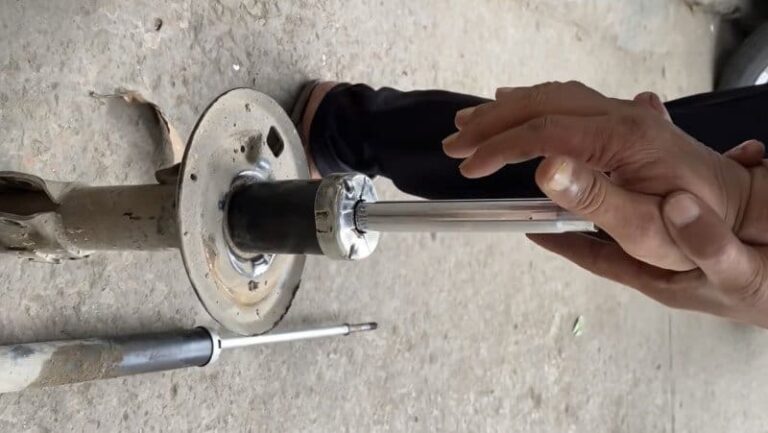
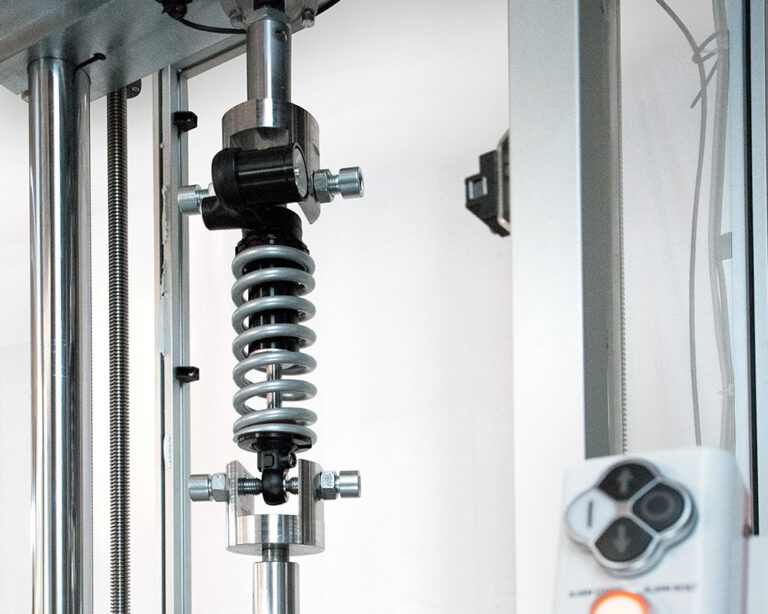
When to Change Shock Absorbers and Signs They Are Worn Out
You should change shock absorbers when they are worn, leaking, damaged, or no longer controlling suspension movement properly. There is no single replacement interval that applies to every vehicle because shock absorber life depends on road conditions, vehicle weight, driving habits, suspension design, and component quality.
If you are wondering when to change shock absorbers, pay more attention to how the vehicle behaves than to mileage alone. Excessive bouncing, nose-diving during braking, unstable cornering, unusual tire wear, fluid leakage, or a noticeably rough or uncontrolled ride can all indicate that the shocks are losing their effectiveness.
Shock absorbers play a major role in keeping the tires in contact with the road. They do not simply make the vehicle comfortable. They also help control body movement during braking, acceleration, cornering, and driving over bumps.
A worn shock absorber may deteriorate gradually, which makes the problem easy to overlook. Drivers often become used to declining ride quality without realizing how much suspension control has been lost.
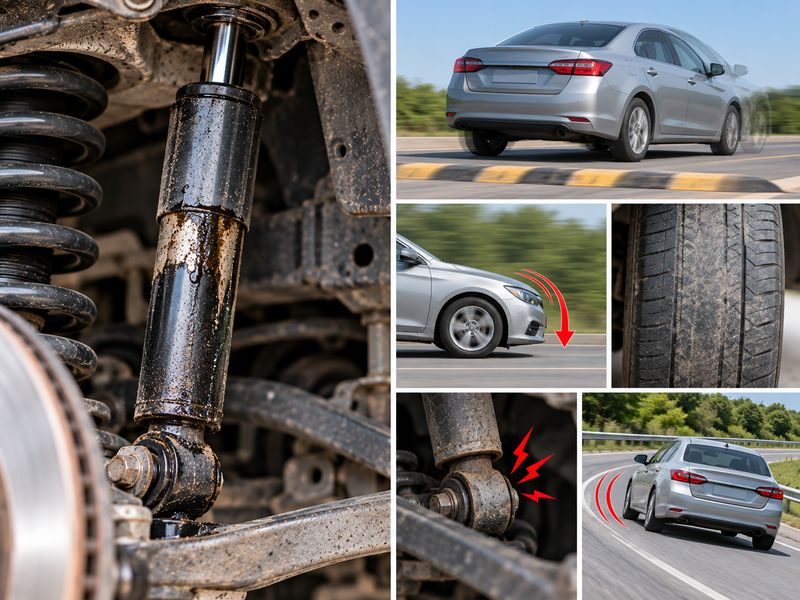
Below, you will learn the most important signs of worn shocks, how long shock absorbers typically last, how to inspect them, what causes premature wear, whether they should be replaced in pairs, and how to know when replacement is actually necessary.
When to Change Shock Absorbers
Change shock absorbers when they can no longer adequately control spring movement and vehicle body motion.
Replacement may be necessary if you notice:
- Excessive bouncing after bumps
- Fluid leaking from the shock
- Vehicle nose-diving while braking
- Rear-end squatting during acceleration
- Excessive body roll in corners
- Uneven or cupped tire wear
- Poor steering stability
- Knocking or clunking from the suspension
- Visible shock absorber damage
- Reduced tire contact on rough roads
- A noticeably unsettled ride
Mileage alone should not be the deciding factor.
Some shock absorbers may remain effective for many years, while others wear sooner because of rough roads, heavy loads, corrosion, heat, or aggressive driving.
A proper suspension inspection gives a much better indication of condition than relying on a fixed mileage number.
What Do Shock Absorbers Actually Do?
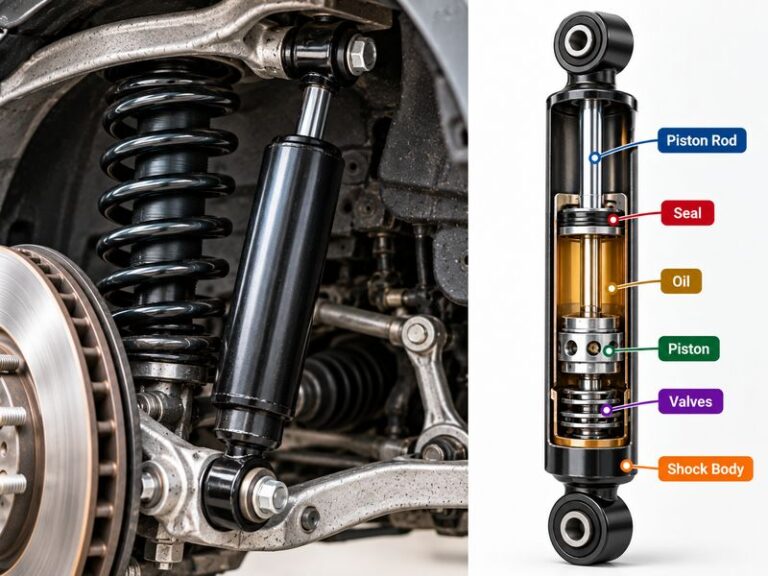
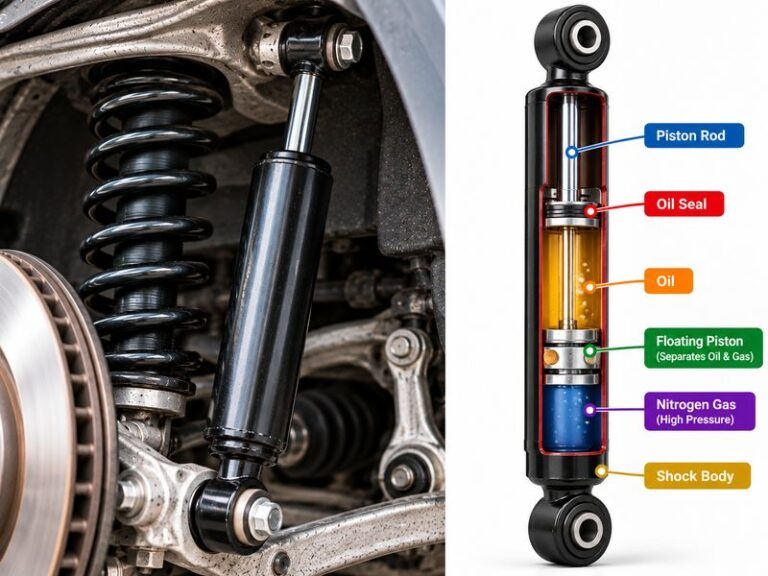
A shock absorber is a hydraulic or gas-assisted suspension component that controls the movement of the vehicle’s springs.
The spring supports vehicle weight and compresses when the wheel encounters a bump.
Without a shock absorber, the spring could continue moving up and down repeatedly after the initial impact.
The shock absorber slows this movement by forcing hydraulic fluid through calibrated internal passages.
This process converts suspension movement into heat and helps control:
- Compression
- Rebound
- Body roll
- Pitch
- Wheel movement
The result is more stable tire contact and predictable vehicle behavior.
Why Worn Shock Absorbers Matter
A worn shock absorber does more than create an uncomfortable ride.
When damping becomes weak, the wheel may move too freely after hitting a bump.
This can affect:
- Braking stability
- Steering response
- Cornering control
- Tire wear
- Vehicle balance
- Ride comfort
On uneven roads, worn shocks may allow the tires to lose consistent contact with the surface.
That reduces the suspension’s ability to keep the vehicle controlled.
For this reason, shocks should be viewed as part of the vehicle’s handling and safety system, not simply a comfort component.
How Long Do Shock Absorbers Last?
There is no universal lifespan for shock absorbers.
Their service life can vary significantly depending on:
- Vehicle type
- Road quality
- Driving environment
- Suspension design
- Vehicle loading
- Driving style
- Shock absorber quality
- Corrosion exposure
- Temperature
- Maintenance condition
Vehicles driven mostly on smooth highways may place less stress on shocks than vehicles frequently driven over potholes, gravel roads, broken pavement, or rough construction areas.
Heavy loads and frequent towing can also increase suspension stress.
Rather than replacing shocks automatically at a particular mileage, inspect them periodically and replace them when their condition or performance indicates wear.
Major Signs You Need to Change Shock Absorbers
Several symptoms can indicate weakening or failed shocks.
Excessive Bouncing
One of the most recognizable signs is continued bouncing after the vehicle passes over a bump.
A properly damped suspension should settle quickly.
If the body continues moving noticeably after the road surface has leveled out, the shocks may not be controlling the spring movement effectively.
Some movement is normal.
The key is whether the vehicle feels controlled or continues oscillating.
Nose-Diving During Braking
When you apply the brakes, vehicle weight shifts toward the front.
Some forward pitch is normal.
However, weak front shock absorbers can allow excessive nose dive, making the front of the vehicle drop more dramatically than expected.
This can make braking feel less stable.
Excessive front-end movement can also be caused by other suspension issues, so it should be diagnosed rather than attributed to the shocks automatically.
Rear Squatting During Acceleration
When accelerating, weight transfers toward the rear.
Weak rear shocks may allow the back of the vehicle to squat excessively.
You may notice this more clearly during:
- Hard acceleration
- Towing
- Heavy loading
Again, some weight transfer is normal, but excessive body movement may indicate weak suspension damping.
Excessive Body Roll
If the vehicle leans noticeably more than before while cornering, worn shocks may be contributing.
The springs, sway bars, bushings, and suspension geometry also affect body roll.
However, shock absorbers help control how quickly the body moves.
A worn shock can make transitions feel loose or unsettled.
Uneven or Cupped Tire Wear
Weak shocks can sometimes contribute to irregular tire wear.
One pattern associated with poor suspension control is cupping, also called scalloping.
This appears as alternating high and low spots around the tire tread.
However, cupping can also result from:
- Wheel imbalance
- Worn bearings
- Alignment issues
- Other suspension problems
Do not replace shocks based on tire wear alone without inspecting the rest of the suspension.
Fluid Leakage
Shock absorbers contain hydraulic fluid.
A light film or slight dampness around the shock body does not always mean the shock has failed.
However, obvious wetness or fluid running down the body can indicate seal failure.
Significant leakage may reduce damping performance.
If you see fluid on the shock, inspect it carefully and compare the condition with manufacturer service information.
Poor Stability on Rough Roads
A vehicle with worn shocks may feel unstable on rough or uneven pavement.
Possible sensations include:
- Floating
- Wandering
- Repeated bouncing
- Steering corrections
- Rear-end movement
These symptoms become especially noticeable when the wheels move rapidly over uneven surfaces.
Clunking or Knocking
A damaged shock absorber can sometimes make noise.
However, clunking does not automatically mean the internal shock mechanism is worn.
Noise may come from:
- Shock mounts
- Bushings
- Sway bar links
- Ball joints
- Control arms
- Loose fasteners
- Strut mounts
Suspension noises require careful inspection because many components can produce similar sounds.
How to Inspect Shock Absorbers
A visual inspection can reveal several common problems.
Before working around the suspension, park the vehicle securely on a level surface.
If lifting is required, support the vehicle correctly using suitable jack stands.
Check for Fluid Leakage
Look around the shock absorber body.
Watch for:
- Heavy oil residue
- Wet streaks
- Fluid running down the shock
- Oil collecting around the lower mounting area
Minor surface misting may be normal on some designs.
Large amounts of fluid are more concerning.
Look for Physical Damage
Inspect the shock body for:
- Dents
- Bends
- Cracks
- Heavy corrosion
- Damaged mounting points
A bent shock absorber can bind during suspension movement and should be replaced.
Inspect Shock Bushings
Check the rubber bushings at the mounting points.
Look for:
- Cracked rubber
- Missing pieces
- Separation
- Excessive movement
- Deformation
A shock may still be hydraulically functional while its mounting bushings are worn.
Check the Piston Rod
Where visible, inspect the rod for:
- Corrosion
- Scoring
- Bending
- Damage
A damaged rod can damage the internal seal and cause fluid leakage.
Does the Bounce Test Work?
The traditional bounce test can sometimes reveal severely worn shocks, but it is not a perfect diagnostic method.
The basic idea is to push down firmly on one corner of the vehicle and release it.
If the suspension continues bouncing repeatedly, the shock may be weak.
However, modern suspension systems can make this test unreliable.
Factors such as:
- Stiff springs
- Suspension geometry
- Vehicle weight
- Stabilizer bars
can affect how the vehicle responds.
A shock can also be degraded without producing dramatic bouncing during a stationary test.
For this reason, visual inspection and road behavior are often more useful.
What Causes Shock Absorbers to Wear Out?
Shock absorbers experience continuous movement whenever the vehicle is driven.
Several factors can accelerate wear.
Rough Roads
Potholes, gravel roads, broken pavement, and repeated hard impacts increase shock movement and stress.
Heavy Loads
Carrying heavy cargo or towing regularly can increase suspension loads.
Aggressive Driving
Frequent hard braking, sharp cornering, and rough driving can increase suspension activity and heat.
Corrosion
Road salt, moisture, and debris can damage shock bodies and mounting hardware.
Corrosion can also affect the piston rod and seals.
Heat
Shock absorbers convert suspension movement into heat.
Repeated heavy use can raise internal temperatures significantly.
Performance vehicles, towing vehicles, and vehicles driven on rough roads may generate more heat.
Damaged Suspension Components
Worn bushings, broken springs, damaged mounts, or incorrect alignment can place additional stress on shock absorbers.
Should Shock Absorbers Be Replaced in Pairs?
Yes, shock absorbers are generally best replaced in pairs on the same axle.
For example:
- Replace both front shocks together.
- Replace both rear shocks together.
Replacing only one shock can create a damping imbalance between the left and right sides.
One side may respond differently from the other during:
- Braking
- Cornering
- Road impacts
There may be unusual situations where only one component is replaced, such as very recent installation followed by accidental physical damage.
For normal wear, paired replacement is usually the better approach.
Do You Need to Replace All Four Shock Absorbers at Once?
Not necessarily.
If only the front shocks are worn and the rear shocks remain in good condition, you generally do not have to replace all four solely because one axle needs service.
The same applies in reverse.
However, if all four are similar in age and mileage, inspect the entire suspension.
If the remaining pair also shows significant wear, replacing all four may restore more consistent vehicle behavior.
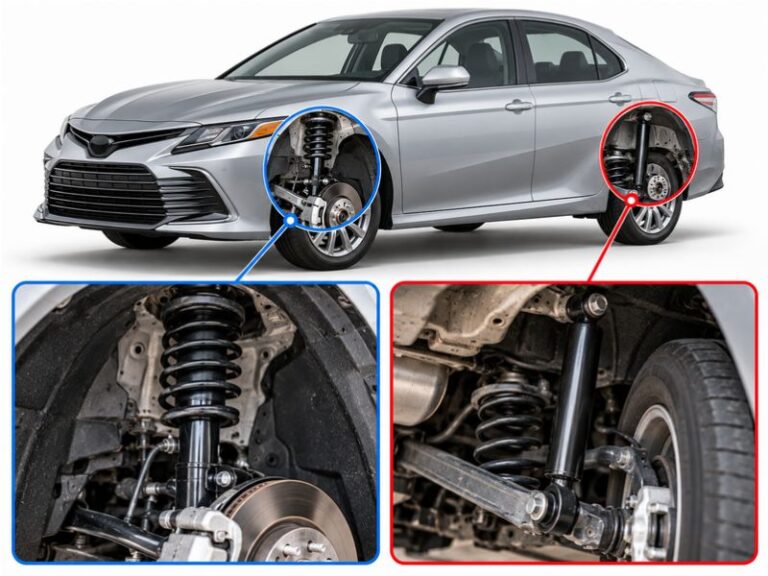
Shock Absorbers vs Struts
Shock absorbers and struts both control suspension movement, but they are not always the same type of component.
A traditional shock absorber primarily provides damping.
A strut usually performs additional structural functions.
A MacPherson strut may:
- Support the spring
- Attach directly to the steering knuckle
- Help locate the wheel
- Provide a steering pivot
- Carry structural suspension loads
Therefore, strut replacement can affect alignment and may involve more disassembly.
Some vehicles have:
- Struts in front and shocks in rear
- Shocks at all four corners
- Other suspension combinations
Check the vehicle-specific suspension design before ordering replacement parts.
Can Bad Shock Absorbers Cause Steering Problems?
Yes, worn shocks can contribute to poor steering stability.
Possible symptoms include:
- Wandering
- Excessive body movement
- Unstable cornering
- Steering corrections on rough roads
However, steering problems can also come from:
- Tie rods
- Ball joints
- Control arm bushings
- Wheel bearings
- Alignment issues
- Tire problems
The entire front suspension and steering system should be inspected when symptoms overlap.
Can Worn Shocks Affect Braking?
Worn shock absorbers can affect how stable the vehicle feels under braking.
The shocks help control weight transfer and wheel movement.
Weak damping can allow:
- Excessive nose dive
- Greater body movement
- Reduced tire stability over uneven surfaces
Brake performance itself also depends on many other factors, including tires, brake condition, road surface, and ABS operation.
So braking problems should never be diagnosed as a shock issue based on one symptom alone.
Can Bad Shocks Cause Vibration?
They can contribute to an unsettled or bouncing sensation, but vibration has many possible causes.
Common alternatives include:
- Wheel imbalance
- Bent wheels
- Tire defects
- Worn wheel bearings
- Driveshaft issues
- Engine mounts
- Suspension wear
If vibration changes with speed, road surface, braking, or acceleration, those clues can help narrow down the cause.
Can You Drive With Bad Shock Absorbers?
A vehicle may still physically move with worn shocks, but severely worn or damaged shocks should not be ignored.
The more damping control is lost, the more unpredictable the vehicle may become on:
- Rough roads
- Sudden braking
- Quick lane changes
- Wet surfaces
- Uneven corners
If a shock is badly leaking, bent, broken, or detached from its mounting point, the vehicle should be inspected before normal driving continues.
What Happens If You Do Not Change Worn Shock Absorbers?
Ignoring worn shocks may lead to broader suspension and tire problems.
Possible consequences include:
- Increased tire wear
- Poor ride quality
- Less stable handling
- Greater suspension movement
- Accelerated wear on related components
- Reduced confidence during emergency maneuvers
Other suspension parts may also experience more movement than intended.
Replacing failed shocks helps restore controlled suspension behavior.
Do New Shock Absorbers Improve Ride Quality?
They can if the old shocks are worn.
New shocks may improve:
- Ride control
- Stability
- Body movement
- Steering feel
- Suspension recovery after bumps
However, shocks are only one part of the system.
If the vehicle also has worn:
- Springs
- Bushings
- Ball joints
- Control arms
- Strut mounts
then replacing shocks alone may not completely restore the ride.
Should Springs Be Replaced With Shock Absorbers?
Not automatically.
Coil springs and shock absorbers perform different jobs.
Springs should generally be replaced if they are:
- Broken
- Cracked
- Severely corroded
- Sagging
- Damaged
A worn shock does not necessarily mean the spring is worn.
However, both components should be inspected during suspension service.
Does Replacing Shock Absorbers Require a Wheel Alignment?
It depends on the suspension design.
Replacing a simple shock absorber that does not affect wheel geometry may not always require an alignment.
Replacing a strut assembly can affect:
- Camber
- Toe
- Steering geometry
An alignment check is often recommended after strut replacement or any repair that disturbs alignment-related mounting points.
Check the vehicle-specific repair information.
How to Tell If Front or Rear Shocks Are Bad
Front and rear shock symptoms can feel slightly different.
Signs of Worn Front Shocks
Possible symptoms include:
- Nose-diving
- Front-end bouncing
- Steering instability
- Front tire cupping
- Excessive movement entering corners
Signs of Worn Rear Shocks
Possible symptoms include:
- Rear-end bouncing
- Squatting under acceleration
- Rear tire cupping
- Unstable rear movement
- Poor control when carrying cargo
These symptoms overlap, so inspection is still necessary.
Shock Absorber Replacement Safety
Replacing shocks can range from relatively straightforward to potentially dangerous depending on the suspension design.
Important precautions include:
- Park on level ground.
- Use wheel chocks.
- Support the vehicle with properly rated jack stands.
- Never rely on a hydraulic jack alone.
- Follow manufacturer lift points.
- Support suspension components before removing loaded hardware.
- Be extremely careful around coil springs.
- Do not disassemble a loaded spring assembly without proper equipment.
- Torque mounting bolts to manufacturer specifications.
Strut assemblies may contain a compressed coil spring that stores considerable energy.
Improper spring compressor use can cause serious injury.
If you are not experienced with loaded spring assemblies, professional service is safer.
Common Mistakes When Deciding When to Replace Shocks
Replacing Shocks Based Only on Mileage
Mileage can help guide inspection, but it should not be the only factor.
Condition and vehicle behavior matter more.
Assuming Every Suspension Noise Is a Bad Shock
Clunks and rattles may come from many suspension components.
Inspect before replacing parts.
Replacing Only One Worn Shock
One new shock paired with one badly worn shock can create uneven damping.
Same-axle replacement is generally preferred.
Ignoring Tire Condition
Poor tires can create symptoms that feel like suspension problems.
Check the tires along with the shocks.
Ignoring Bushings and Mounts
A new shock cannot correct worn control arm bushings, bad shock mounts, or damaged suspension links.
Inspect the complete system.
Frequently Asked Questions
How do I know when to change shock absorbers?
Change shock absorbers when they are leaking, damaged, or no longer controlling suspension movement effectively. Excessive bouncing, poor stability, and unusual tire wear are common warning signs.
How long do shock absorbers normally last?
There is no fixed lifespan that applies to every vehicle. Road conditions, driving style, vehicle load, shock quality, and suspension design all affect service life.
Should I replace shocks before they start leaking?
Yes, a shock can lose damping performance without visible leakage. Vehicle behavior and inspection results are more important than fluid leakage alone.
Should shock absorbers be replaced in pairs?
Yes, they are generally best replaced in pairs on the same axle. This helps maintain balanced damping between the left and right sides.
Can bad shock absorbers cause uneven tire wear?
Yes, worn shocks can contribute to irregular or cupped tire wear by allowing excessive wheel movement. Tire wear can also have other causes such as alignment or wheel imbalance.
Can worn shocks make a car bounce?
Yes, excessive bouncing after bumps is a classic sign of weak damping. The springs continue moving because the shocks are no longer controlling them effectively.
Do bad shocks make noise?
They can, but suspension noise does not automatically mean the shock itself has failed. Mounts, bushings, control arms, ball joints, and sway bar links can create similar noises.
Can I replace only the front shock absorbers?
Yes, if only the front pair is worn and the rear shocks are still in good condition. Replace both shocks on the affected axle rather than just one side under normal wear conditions.
Do new shocks require an alignment?
Not always, but an alignment may be needed if the repair affects suspension geometry. Strut replacement is more likely to require an alignment check than replacing a separate shock absorber.
Are worn shock absorbers dangerous?
Severely worn or damaged shocks can reduce vehicle stability and tire control, especially during braking, cornering, or driving on rough roads. Significant shock problems should be inspected and corrected promptly.
Conclusion
Knowing when to change shock absorbers is less about following one fixed mileage number and more about recognizing declining suspension performance.
Shock absorbers should be replaced when they are leaking heavily, physically damaged, or no longer providing effective damping. Common warning signs include excessive bouncing, nose-diving, body roll, unstable handling, cupped tire wear, and poor control over rough roads.
Because deterioration often happens gradually, periodic suspension inspections are valuable even when the vehicle still feels normal.
When replacement is needed, change shocks in pairs on the same axle, inspect related suspension components at the same time, and follow the correct vehicle-specific installation procedure. Properly functioning shock absorbers help keep the suspension controlled, the tires planted on the road, and the vehicle predictable during everyday driving.