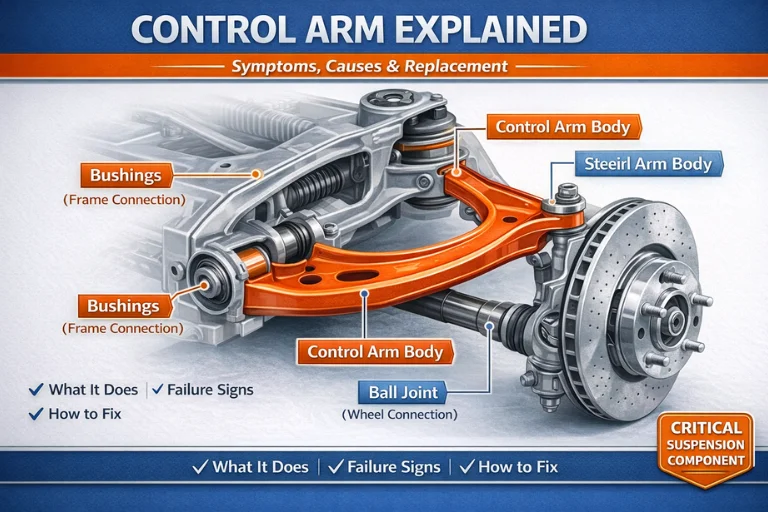
How to Replace Shocks and Struts: A Complete Step-by-Step Guide
Learning how to replace shocks and struts can save money and help you understand your vehicle’s suspension system. These parts control movement, reduce bounce, and help keep your tires connected to the road.
From years of working with vehicle maintenance, one lesson stands out: rushing suspension work can create safety issues. A careful process, the right tools, and a final inspection make a major difference.

Understanding Shocks and Struts Before Replacement
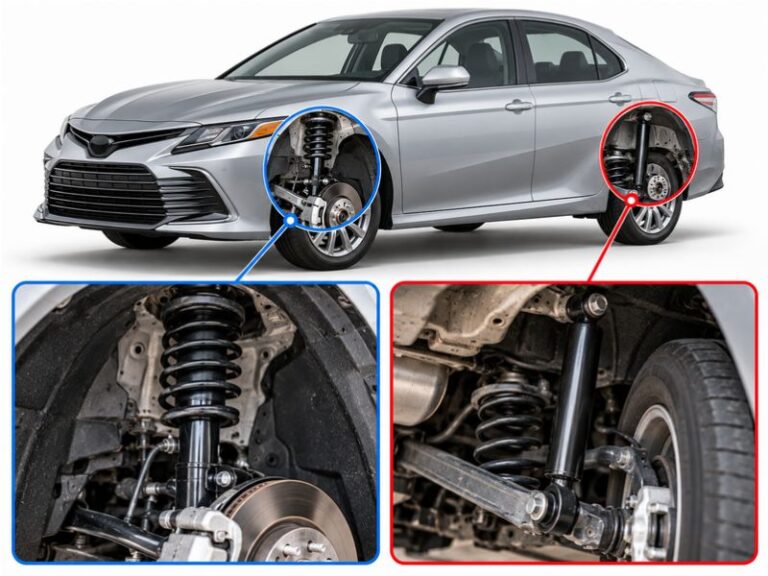
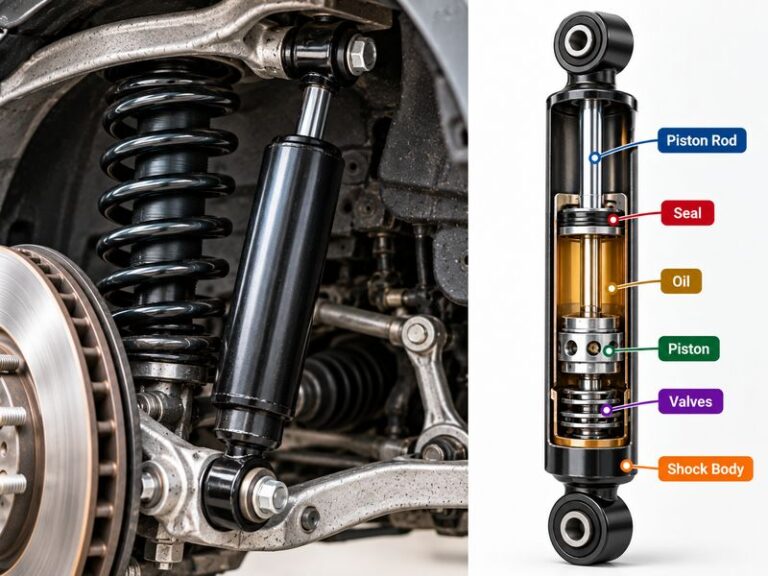
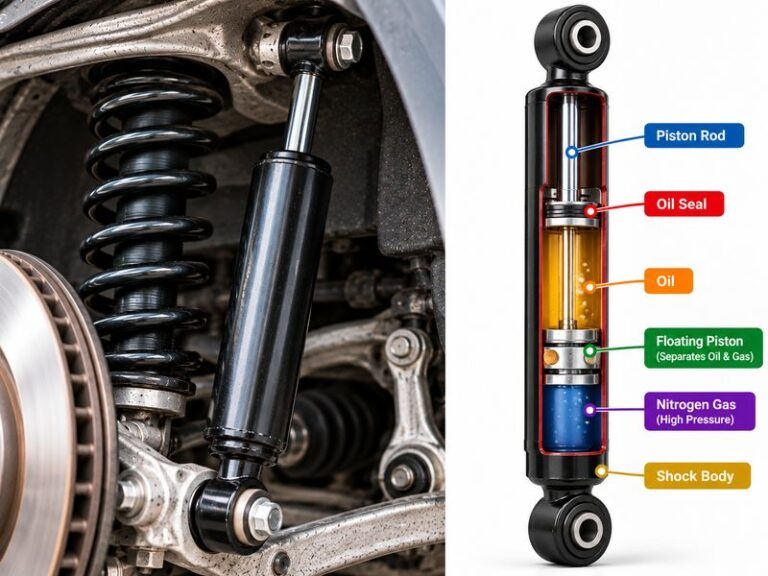
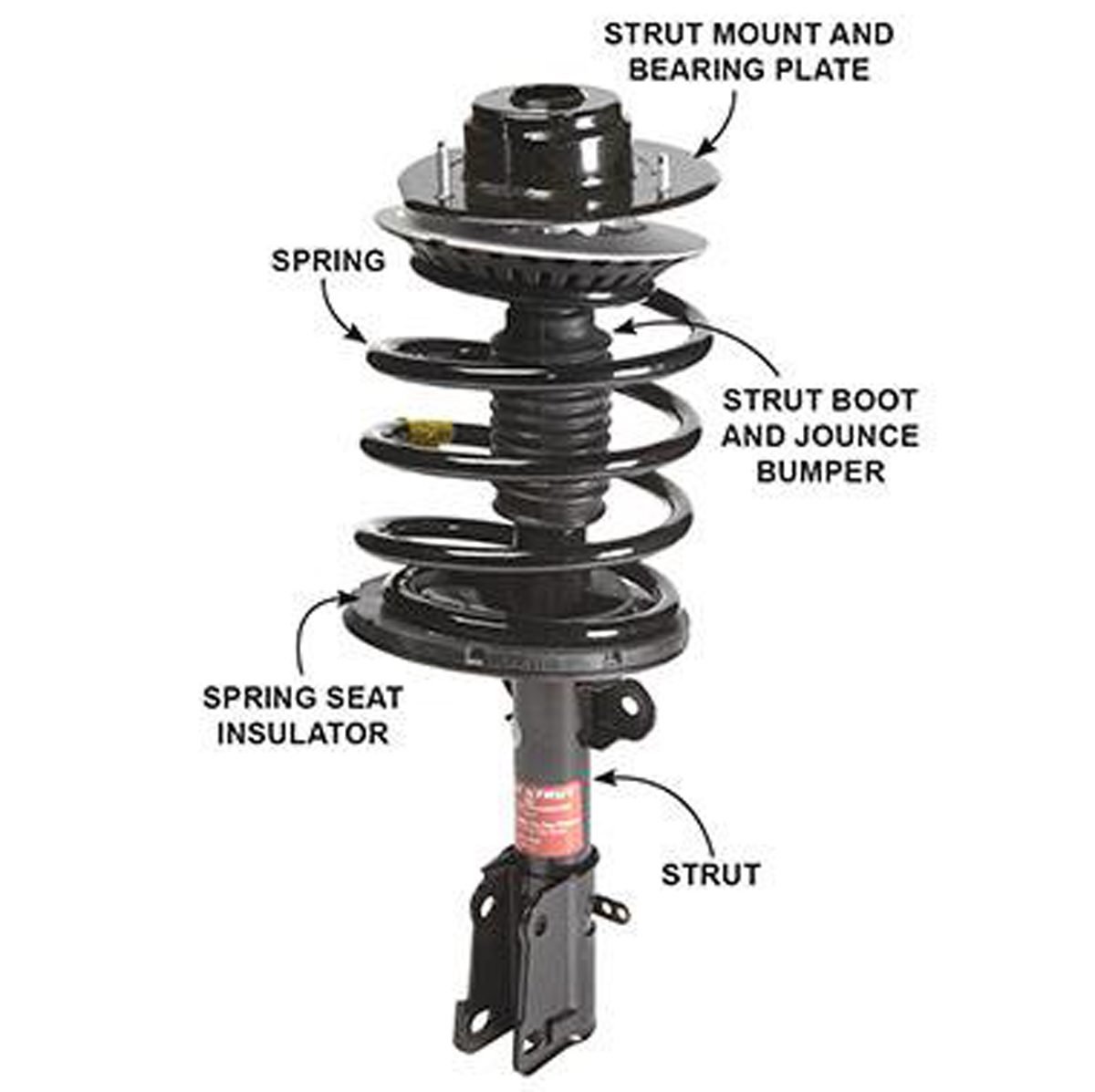
Before learning how to replace shocks and struts, it helps to know what these parts do. Shocks control suspension movement, while struts often combine a shock absorber with a spring and mounting hardware.
A worn suspension part may cause bouncing, uneven tire wear, poor steering feel, or longer stopping distances. Regular checks are useful for vehicles driven on rough roads or with heavy daily use.
- ✦ Shock absorbers
Shocks control spring movement and help keep the vehicle stable after bumps.
- ✦ Strut assemblies
Struts support suspension structure and may include springs, mounts, and bearings.
Signs Your Shocks or Struts Need Replacement
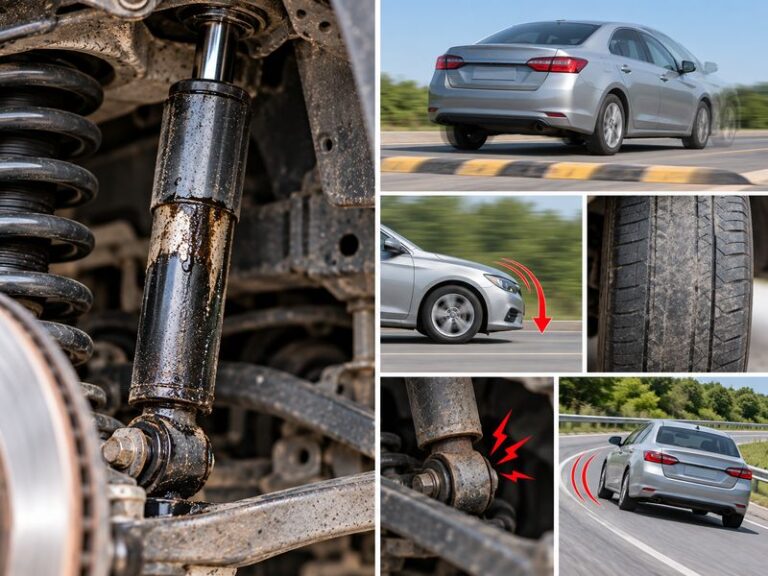
Common warning signs include oil leaks, excessive bouncing, nose diving during braking, and knocking sounds over bumps.
- ✦ Uneven tire wear
Weak suspension parts can allow tires to lose consistent contact with the road.
Tools and Safety Steps Needed for the Job
The first part of how to replace shocks and struts is preparing the workspace. Work on a flat surface and use quality tools designed for automotive repair.
Always support the vehicle with jack stands. Never depend only on a hydraulic jack because it can fail without warning.
- ✦ Basic tools
You may need sockets, wrenches, a torque wrench, penetrating oil, and safety equipment.
- ✦ Safety gear
Wear eye protection and gloves while working around rust, dirt, and metal parts.
Preparing Your Vehicle
Park the vehicle securely, set the parking brake, loosen wheel nuts, and raise the vehicle before removing wheels.
- ✦ Check the repair manual
Vehicle designs vary, so factory instructions help prevent mistakes.
How to Replace Shocks and Struts Step by Step
The exact method depends on the vehicle, but the basic process is similar. Remove the old component, compare it with the replacement, and install the new part carefully.
When replacing struts, many technicians recommend replacing complete strut assemblies when possible. This reduces the need to compress springs manually.
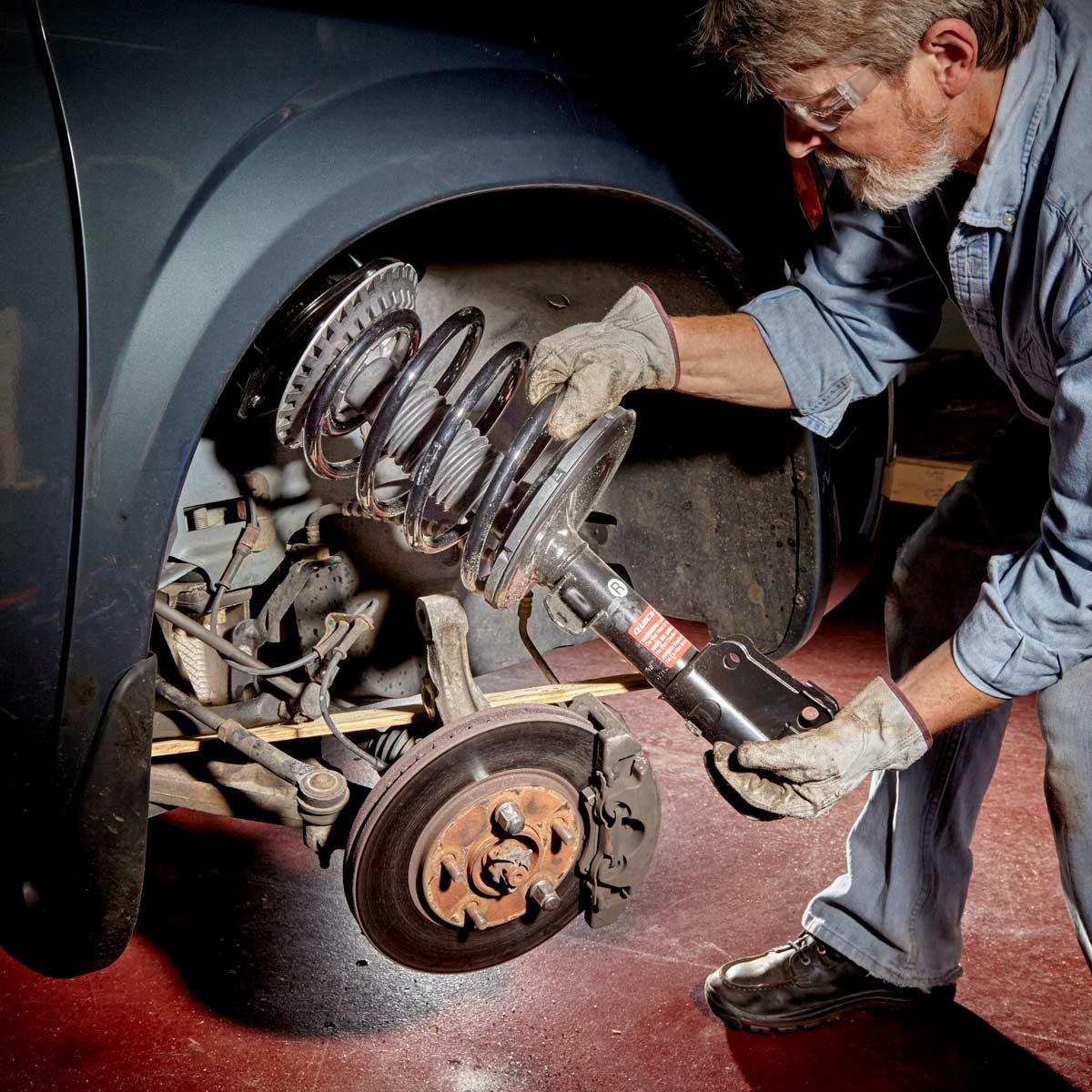
- ✦ Remove the wheel
Take off the wheel to access the suspension components.
- ✦ Remove mounting bolts
Use the correct tools to remove upper and lower fasteners.
- ✦ Install the new unit
Position the replacement part and tighten bolts to the manufacturer’s specifications.
Replacing Shock Absorbers
Shock replacement is often simpler because the spring is usually separate. Remove the old shock, install the new one, and confirm all bolts are secure.
- ✦ Match the parts
Use the correct shock designed for your vehicle model and driving needs.
Common Mistakes When Replacing Suspension Parts
Knowing how to replace shocks and struts also means knowing what mistakes to avoid. Small errors can create noise, uneven handling, or premature wear.
A common mistake is failing to tighten bolts correctly. Suspension parts handle large forces, so proper torque matters.

- ✦ Skipping wheel alignment
Many strut replacements change suspension angles and may require an alignment check.
- ✦ Using worn hardware
Old mounts and bushings may need replacement during the repair.
When Professional Help Makes Sense
Some repairs require spring compressors or advanced equipment. If you are unsure about safety, a professional shop can complete the job correctly.
- ✦ Complex strut repairs
Compressed springs can store dangerous energy and require careful handling.
Cost, Time, and Maintenance Tips After Replacement
The cost to replace shocks and struts depends on the vehicle, parts chosen, and labor rates in your area. Many U.S. drivers compare DIY savings with professional installation costs.
After learning how to replace shocks and struts, regular inspections help protect your investment. Good suspension care supports safer and smoother driving.

- ✦ Check tire condition
Healthy tires work together with a properly functioning suspension system.
- ✦ Listen for new sounds
Clunks or rattles after repair may indicate loose hardware or another issue.
Post-Repair Inspection
Take a short test drive and check steering response, ride quality, and unusual noises before returning to normal driving.
- ✦ Professional alignment
An alignment check helps ensure proper tire contact and handling.