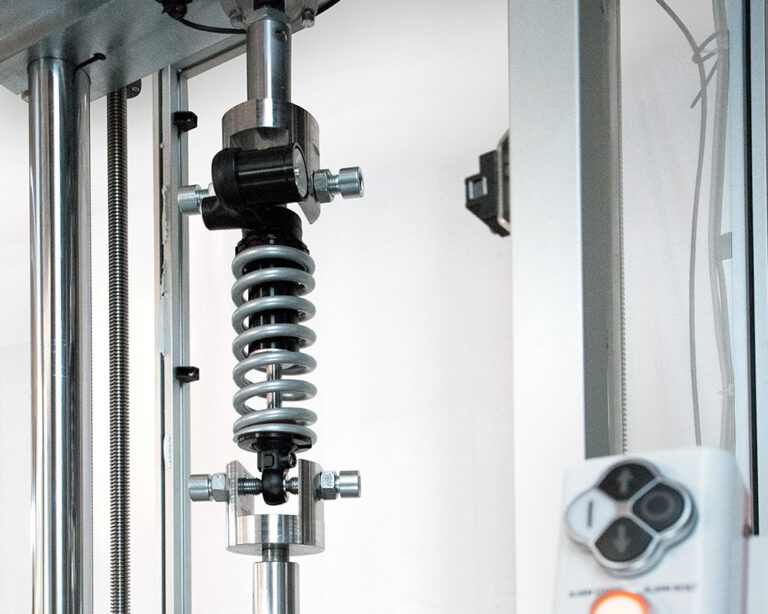
What Is a Gas Shock Absorber? How It Works and Benefits
A gas shock absorber is a hydraulic shock absorber that uses pressurized gas, usually nitrogen, along with shock absorber oil to control suspension movement. The gas helps reduce oil foaming and keeps damping performance more consistent when the shock works repeatedly or under demanding conditions.
If you are wondering what is a gas shock absorber, it is important to know that the gas does not replace the hydraulic fluid. The oil still provides most of the damping action. The pressurized gas supports the hydraulic system by helping prevent bubbles from forming in the oil as the shock absorber heats up and moves rapidly.
Gas-charged shocks are widely used in passenger cars, SUVs, trucks, performance vehicles, and other automotive applications. Depending on their design, they may provide firmer and more consistent suspension control than some conventional low-pressure hydraulic shock absorbers.
A gas shock absorber can affect how a vehicle feels over bumps, how quickly body movement settles, and how well the tires remain in contact with the road. However, not all gas shocks are the same. They can use different internal layouts, gas pressures, damping characteristics, and construction methods.
Understanding how they work can help you decide whether gas shocks are suitable for your vehicle, recognize symptoms of wear, and understand how they differ from oil shocks, struts, and other suspension components.
What Is a Gas Shock Absorber?
A gas shock absorber is a suspension damper containing hydraulic oil and a pressurized gas chamber, typically filled with nitrogen gas.
Its main purpose is to control the movement of the vehicle’s springs.
When the suspension compresses or extends, the shock absorber forces hydraulic oil through small passages and valves. This creates resistance, which slows suspension movement.
The gas pressure helps keep the oil under pressure and reduces the chance of the oil aerating or foaming.
This allows the shock absorber to maintain more predictable damping during repeated suspension movement.
Gas shock absorbers are sometimes called:
- Gas shocks
- Gas-charged shocks
- Gas-pressurized shock absorbers
- Nitrogen shocks
Although these terms are commonly used, the exact internal construction can vary considerably.
How Does a Gas Shock Absorber Work?
A gas shock absorber works by converting suspension movement into controlled hydraulic resistance.
When a wheel hits a bump, the suspension compresses. The piston inside the shock absorber moves through hydraulic oil.
The oil is forced through carefully designed valves.
These valves restrict fluid movement, creating resistance that slows the suspension.
When the spring expands again, the shock controls the rebound movement.
This process prevents the vehicle from continuing to bounce after hitting a bump.
The pressurized nitrogen gas plays an important supporting role.
As the shock moves rapidly, the hydraulic fluid can become hot and agitated. Without sufficient pressure, tiny gas bubbles can form in the oil.
This is known as aeration or foaming.
Foamed oil does not flow through damping valves as consistently as liquid oil, which can temporarily reduce damping performance.
The gas pressure helps suppress bubble formation and keeps the oil more stable.
Why Is Nitrogen Used in Gas Shock Absorbers?
Nitrogen is commonly used because it is stable and suitable for maintaining pressure inside a sealed shock absorber.
It also does not react readily with the shock’s internal components or hydraulic fluid under normal operating conditions.
The nitrogen helps:
- Maintain internal pressure
- Reduce hydraulic oil foaming
- Improve damping consistency
- Help manage fluid volume changes
- Reduce cavitation under demanding operation
The exact gas pressure varies substantially between shock designs.
A high-pressure monotube shock and a low-pressure twin-tube gas shock may operate very differently.
Because of this, there is no single universal gas pressure for all gas shock absorbers.
Main Parts of a Gas Shock Absorber
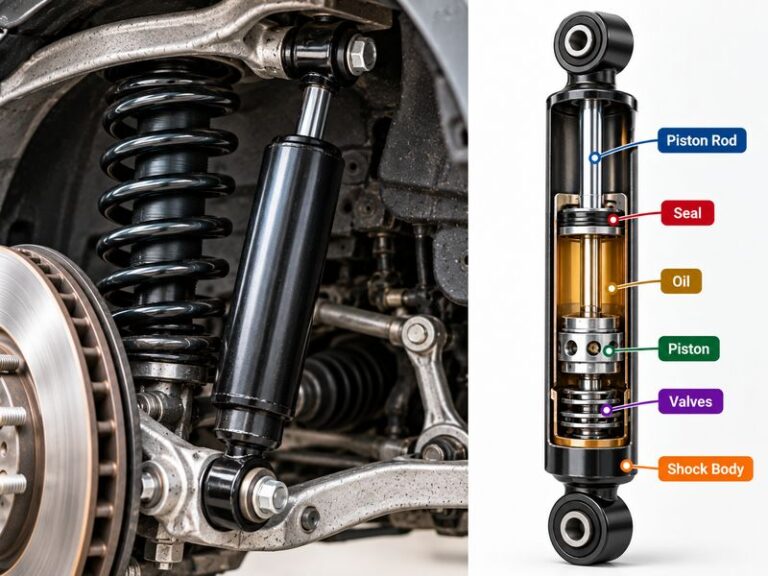
Although construction differs between manufacturers, most gas shock absorbers contain several important components.
Piston
The piston moves inside the shock absorber body as the suspension compresses and rebounds.
It contains valves and passages that control hydraulic fluid movement.
Piston Rod
The piston rod connects the piston to the suspension mounting point.
As the suspension moves, the rod travels in and out of the shock absorber body.
The exposed portion of the rod should remain smooth and undamaged.
Scratches, corrosion, or bending can damage the rod seal and lead to fluid leaks.
Hydraulic Oil
Shock absorber oil is responsible for most of the damping action.
As the piston moves, the fluid must pass through small valve openings.
The controlled resistance to fluid flow slows suspension movement.
Nitrogen Gas
The nitrogen chamber keeps pressure on the hydraulic oil and helps reduce foaming.
It may be separated from the oil by:
- A floating piston
- A bladder
- Another internal separator
The exact design depends on the type of shock absorber.
Compression Valve
The compression valve controls oil flow as the shock compresses.
Its characteristics influence how the suspension responds when the wheel moves upward.
Rebound Valve
The rebound valve controls fluid flow as the shock extends.
This prevents the spring from pushing the vehicle upward too quickly after compression.
Seals
Seals prevent hydraulic oil and gas from escaping while allowing the piston rod to move.
Damaged seals can lead to oil leakage and reduced shock performance.
Shock Body
The shock body contains the piston, oil, valves, and gas chamber.
Depending on the design, it may consist of one main tube or multiple concentric tubes.
Types of Gas Shock Absorbers
Gas shock absorbers are usually divided into two main construction types:
- Monotube gas shocks
- Twin-tube gas shocks
Both can use nitrogen pressure, but they operate differently.
What Is a Monotube Gas Shock Absorber?
A monotube shock uses a single main cylinder.
Inside the cylinder are the damping piston, hydraulic fluid, and a separate pressurized gas chamber.
A floating piston normally separates the gas from the hydraulic oil.
The damping piston moves directly through the hydraulic fluid.
This design offers several potential benefits.
Better Heat Dissipation
Because the working cylinder is directly exposed to outside air, heat can transfer out of the shock body relatively efficiently.
This can be useful during repeated or demanding suspension movement.
Larger Piston Area
A monotube design can often use a relatively large piston compared with a similar-size twin-tube shock.
A larger piston can provide precise damping control.
Consistent Damping
The pressurized gas and separated oil chamber can help reduce aeration.
This makes monotube shocks popular for performance and demanding applications.
However, monotube shocks can sometimes transmit more road harshness depending on their tuning.
They may also be more vulnerable to body damage because a dent in the working cylinder can interfere with piston movement.
What Is a Twin-Tube Gas Shock Absorber?
A twin-tube shock uses two cylinders:
- An inner working tube
- An outer reserve tube
The piston moves inside the inner tube.
Excess hydraulic fluid moves between the working and reserve chambers as the piston rod moves in and out.
In a gas-charged twin-tube design, nitrogen pressure is added to help reduce oil foaming.
Twin-tube shocks are common on everyday passenger vehicles because they can provide:
- Comfortable ride characteristics
- Compact packaging
- Good durability
- Relatively economical manufacturing
Their exact performance depends heavily on internal valve design.
Gas Shock Absorber vs Oil Shock Absorber
Gas and oil shocks both use hydraulic oil to create damping.
The major difference is the presence and pressure of gas inside the shock.
A conventional hydraulic shock may use relatively little internal gas pressure.
A gas shock uses pressurized nitrogen to help keep the hydraulic fluid stable.
| Feature | Gas Shock Absorber | Conventional Oil Shock |
| Hydraulic oil | Yes | Yes |
| Pressurized gas | Yes | Usually little or low pressure |
| Resistance to oil foaming | Generally better | Can be lower |
| Damping consistency | Often better under repeated use | Depends on design |
| Ride feel | Can feel firmer | Often comfort-focused |
| Performance applications | Common | Less common |
| Daily driving | Suitable | Suitable |
This does not mean every gas shock is automatically superior.
A well-designed conventional hydraulic shock can perform very well for normal road use.
The overall design and valving matter more than simply whether the shock contains gas.
Gas Shock Absorber vs Strut
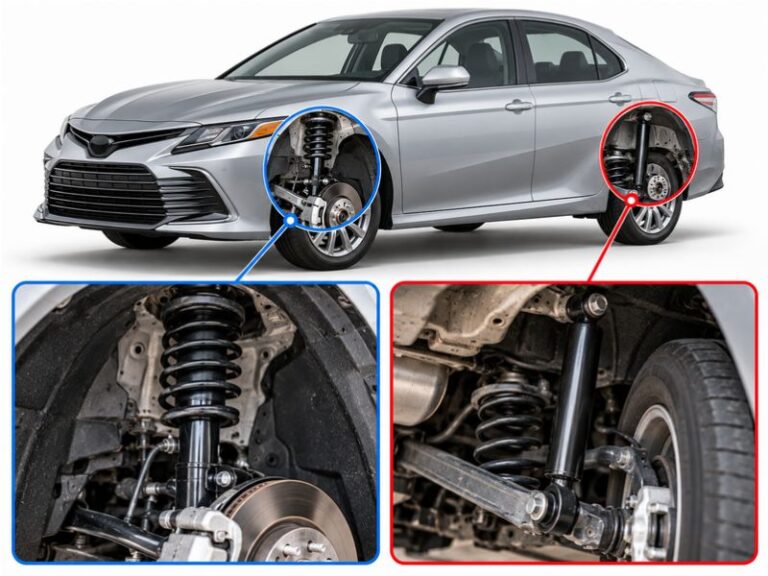
A shock absorber and a strut both control suspension movement, but they are not always interchangeable.
A shock absorber mainly provides damping.
A strut typically forms a structural part of the suspension assembly and may also help locate the wheel.
A strut can also be gas-charged.
Therefore, “gas shock absorber” describes how the damper works internally, while “strut” describes its role in the suspension structure.
A vehicle may use:
- Gas shocks
- Gas struts
- Hydraulic shocks
- Hydraulic struts
depending on its suspension design.
Gas Shock Absorber vs Coilover
A coilover combines a coil spring and damper into a single assembly.
The damper inside a coilover may itself be gas-charged.
Therefore, a gas shock absorber and a coilover are not necessarily competing technologies.
A gas shock describes the damping technology.
A coilover describes the arrangement of the spring and damper.
Many aftermarket coilovers use gas-pressurized dampers.
What Does a Gas Shock Absorber Do?
The primary purpose of a gas shock absorber is to control spring and suspension movement.
Without shock absorbers, the vehicle’s springs would continue oscillating after hitting bumps.
Gas shocks help control:
- Compression
- Rebound
- Body movement
- Wheel movement
- Suspension oscillation
They also help the tires maintain more consistent road contact.
This affects several aspects of vehicle behavior.
Controls Bouncing
After the vehicle passes over a bump, the suspension spring wants to return to its original position.
Without sufficient damping, the spring can continue moving up and down.
The shock absorber slows this motion.
Reduces Body Pitch
During braking, vehicle weight transfers toward the front.
This can cause the front suspension to compress and the rear to rise.
Shock absorbers help control the speed of this movement.
They do not eliminate weight transfer, but they can prevent excessive uncontrolled pitching.
Controls Body Roll
During cornering, the body tends to lean toward the outside of the turn.
Springs and anti-roll bars play major roles in resisting roll, while dampers control how quickly that body movement develops and settles.
Helps Maintain Tire Contact
When suspension motion is poorly controlled, a wheel may bounce after hitting irregular pavement.
A properly functioning damper helps keep the tire following the road surface more consistently.
This is important for:
- Steering
- Braking
- Handling
- Stability
Benefits of Gas Shock Absorbers
Gas-charged shocks can offer several benefits compared with some conventional hydraulic designs.
Reduced Oil Foaming
One of the most important benefits is resistance to hydraulic fluid aeration.
Repeated piston movement agitates the oil.
Gas pressure helps keep the fluid stable and reduces bubble formation.
More Consistent Damping
When hydraulic oil remains properly pressurized, damping can remain more consistent during repeated suspension movements.
This may be useful on:
- Rough roads
- High-speed driving
- Towing
- Heavy-duty vehicles
- Performance vehicles
The actual benefit depends on the shock’s construction and tuning.
Improved Suspension Control
Some gas shocks are designed to provide stronger damping than standard factory shocks.
This can improve control of:
- Body movement
- Suspension rebound
- Pitch
- Repeated bouncing
Better Performance Under Demanding Conditions
Monotube gas shocks, in particular, can manage heat effectively.
This can make them suitable for demanding driving situations.
Wide Range of Applications
Gas shock absorbers are available for:
- Passenger cars
- SUVs
- Pickup trucks
- Off-road vehicles
- Performance vehicles
- Commercial vehicles
Different versions are tuned for different applications.
Disadvantages of Gas Shock Absorbers
Gas shocks also have potential disadvantages.
They Can Feel Firmer
Some gas shocks are tuned more aggressively than factory shocks.
This may produce a firmer ride.
On rough roads, the driver may feel more road imperfections.
However, ride quality depends on the complete suspension setup rather than gas pressure alone.
Performance Shocks Can Cost More
High-quality monotube or adjustable gas dampers may cost more than basic replacement shocks.
The difference depends on brand, design, and vehicle application.
Incorrect Shocks Can Hurt Ride Quality
A shock designed for heavy loads or performance driving may feel overly stiff on a lightweight daily-driven vehicle.
Always choose a shock designed for the specific vehicle and intended use.
Damage Can Affect High-Pressure Designs
A severely dented monotube body may interfere with the internal piston.
For this reason, physical damage to a monotube shock should be taken seriously.
Do Gas Shock Absorbers Make the Ride Stiffer?
They can, but not simply because they contain gas.
Ride stiffness depends on several factors, including:
- Shock valving
- Gas pressure
- Spring rate
- Suspension geometry
- Tire sidewall
- Vehicle weight
- Bump stops
- Road surface
Many gas shocks are intentionally tuned for firmer control.
That can make them feel stiffer than worn or comfort-oriented factory shocks.
However, a properly designed gas shock can still provide a comfortable ride.
Are Gas Shock Absorbers Better?
Gas shock absorbers are not universally better for every vehicle.
They may be advantageous when consistent damping, heat control, and resistance to oil foaming are important.
For ordinary daily driving, both gas and conventional hydraulic shock designs can work well when correctly matched to the vehicle.
The best shock depends on:
- Vehicle design
- Load
- Driving style
- Road conditions
- Ride preference
- Manufacturer specifications
Choosing the correct damping characteristics is more important than simply choosing “gas” because it sounds more advanced.
Are Gas Shocks Good for Daily Driving?
Yes.
Many factory and aftermarket gas shocks are designed specifically for daily road use.
A street-oriented gas shock can provide good control without making the ride excessively harsh.
The key is selecting the correct product for the vehicle.
A performance-oriented shock installed on a comfort-focused sedan may feel much firmer than expected.
Are Gas Shocks Good for Trucks?
Gas shocks are commonly used on trucks.
They may help control suspension movement when dealing with:
- Heavier vehicle weight
- Towing
- Cargo
- Rough roads
- Off-road conditions
However, shock absorbers do not increase the vehicle’s rated payload or towing capacity.
A stronger shock may control movement better, but it does not change the structural limits established by the vehicle manufacturer.
Are Gas Shock Absorbers Good for Off-Road Driving?
Some gas shock designs are very well suited to off-road driving.
Off-road suspension may experience rapid and repeated movement, which generates heat inside the dampers.
Gas-pressurized monotube or remote-reservoir shocks can help maintain consistent damping under these conditions.
However, not every gas shock is intended for off-road use.
The shock should be matched to:
- Vehicle weight
- Suspension travel
- Driving terrain
- Spring rate
- Intended use
How Can You Tell If a Gas Shock Absorber Is Bad?
A worn gas shock can produce several symptoms.
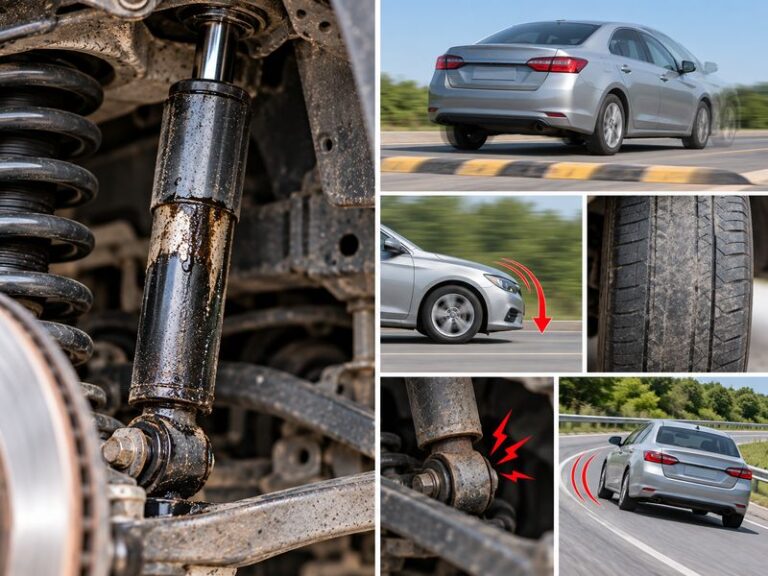
The most common signs include:
- Excessive bouncing
- Poor body control
- Fluid leakage
- Knocking or clunking
- Uneven tire wear
- Nose-diving during braking
- Excessive body movement
- Reduced stability
- Damaged mounting bushings
No single symptom proves the shock absorber is bad, so inspection is important.
Excessive Bouncing
If the vehicle continues bouncing after a bump, the shock may no longer provide sufficient damping.
However, springs, tires, suspension bushings, and other components can also influence ride behavior.
Oil Leakage
A light film near the piston rod does not always indicate serious failure.
However, obvious hydraulic oil running down the shock body can indicate a damaged seal.
Significant fluid loss reduces damping performance.
Vehicle Feels Floaty
Worn shocks may allow the body to continue moving after steering, braking, or road inputs.
The vehicle may feel:
- Floaty
- Unsettled
- Bouncy
- Slow to stabilize
These symptoms are often more noticeable on rough roads.
Excessive Nose Dive
If the front of the vehicle dives excessively during braking, worn dampers may be contributing.
Springs and suspension geometry also affect body movement, so the shocks should not be diagnosed from this symptom alone.
Clunking or Knocking
A worn shock itself can sometimes make noise, but clunking often comes from its mounting hardware or bushings.
Other suspension components can also produce nearly identical sounds.
Inspect:
- Shock mounts
- Bushings
- Control arms
- Ball joints
- Sway bar links
- Strut mounts
before assuming the shock is the source.
Uneven Tire Wear
Poor damping can allow the tire to bounce excessively.
In some cases, this may contribute to irregular or cupped tire wear.
However, tire wear can also result from:
- Incorrect alignment
- Wheel imbalance
- Tire pressure problems
- Worn steering components
The entire suspension should be checked.
How to Inspect a Gas Shock Absorber
A basic inspection can identify obvious problems.
Look for Fluid Leaks
Inspect the shock body and piston rod area.
Heavy wet oil deposits may indicate seal failure.
Check the Shock Body
Look for:
- Dents
- Severe rust
- Cracks
- Physical impact damage
A damaged body can affect internal operation.
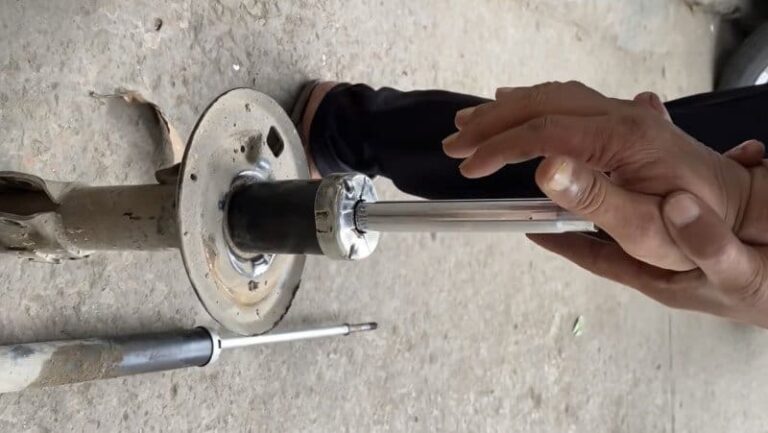
Inspect the Piston Rod
The rod should not be visibly:
- Bent
- Deeply scratched
- Severely corroded
Rod damage can destroy the seal and cause leakage.
Check Mounting Bushings
Inspect the upper and lower shock mounts.
Look for:
- Torn rubber
- Missing pieces
- Excessive looseness
- Damaged bolts
A worn mount can cause noise even when the shock itself still works.
Check Vehicle Behavior
Pay attention to how quickly the body settles after bumps.
Excessive repeated movement may indicate reduced damping.
A professional suspension inspection can confirm whether the shock is actually worn.
Can You Test Gas Shocks by Pushing Down on the Car?
The traditional bounce test can reveal a severely worn shock, but it is not a precise diagnostic method.
Pushing firmly on one corner of the vehicle and releasing it may show excessive bouncing if the damper is badly worn.
However, modern suspension systems can be difficult to evaluate this way.
A shock can be partially worn and still pass a simple bounce test.
Visual inspection, road behavior, and component testing provide better information.
How Long Do Gas Shock Absorbers Last?
There is no fixed lifespan that applies to every gas shock absorber.
Service life depends on:
- Road quality
- Vehicle weight
- Driving conditions
- Driving style
- Shock quality
- Environmental exposure
- Mileage
- Towing or heavy loads
- Off-road use
Frequent driving on potholes, rough roads, or heavily loaded conditions can increase wear.
Rather than replacing shocks solely based on mileage, inspect them periodically and consider vehicle behavior.
Follow the vehicle manufacturer’s service information when available.
Do Gas Shock Absorbers Need Maintenance?
Most automotive gas shock absorbers are sealed units and do not require routine internal maintenance.
However, the suspension should still be inspected periodically.
Check for:
- Oil leakage
- Corrosion
- Damaged mounts
- Loose hardware
- Dented bodies
- Damaged piston rods
Certain performance or motorsport shocks are rebuildable and may have specific service intervals.
Follow the shock manufacturer’s recommendations.
Can Gas Shock Absorbers Be Repaired?
Most standard replacement gas shocks are replaced rather than repaired.
Some premium, racing, or off-road dampers are specifically designed to be rebuilt.
Rebuildable shocks may allow replacement of:
- Seals
- Oil
- Internal wear components
- Gas charge
Do not attempt to drill, cut, open, or heat a pressurized shock absorber.
Gas-charged shocks contain pressurized gas and should be handled according to the manufacturer’s instructions.
Can a Gas Shock Lose Its Gas?
Yes.
If the internal seals or gas chamber fail, a gas shock can lose pressure.
Loss of gas pressure can reduce its ability to prevent oil aeration and may affect damping behavior.
However, gas pressure loss is not always externally obvious.
A shock may show poor performance without a visible external leak.
Can You Refill a Gas Shock Absorber?
Most ordinary automotive gas shocks are sealed and are not intended to be refilled by the vehicle owner.
Some rebuildable performance shocks can be serviced and recharged with nitrogen using specialized equipment.
Follow the manufacturer specifications.
Do not attempt to refill a sealed shock without an approved service procedure.
Should Gas Shock Absorbers Be Replaced in Pairs?
Replacing shocks in pairs on the same axle is generally recommended when wear is involved.
For example, if one front shock is worn from normal use, the other front shock may have similar wear.
Using one new damper and one significantly worn damper on the same axle can create uneven suspension response.
However, replacement requirements depend on the vehicle, damage type, and manufacturer guidance.
Do You Need an Alignment After Replacing Gas Shocks?
It depends on the suspension design.
Replacing a conventional shock absorber that does not determine wheel geometry may not significantly change alignment.
Replacing a strut or disturbing suspension mounting points may affect alignment.
If the repair changes:
- Camber
- Toe
- Suspension mounting position
an alignment check may be appropriate.
Follow the vehicle manufacturer’s service procedure.
Common Mistakes With Gas Shock Absorbers
Assuming Gas Replaces the Oil
A gas shock is still fundamentally a hydraulic damper.
The nitrogen supports the hydraulic system; it does not replace the shock oil.
Choosing the Stiffest Shock Available
A stiffer shock is not automatically a better shock.
Excessive damping can reduce comfort and prevent the suspension from responding properly to rough surfaces.
Ignoring Mounting Components
A new shock installed with damaged bushings or mounts may still produce noise.
Inspect the complete mounting system.
Replacing Springs Because the Shocks Are Worn
Springs and shocks perform different jobs.
The spring supports the vehicle while the damper controls movement.
A worn shock does not automatically mean the spring is defective.
Using Shocks Not Designed for the Vehicle
Shock length, mounting type, damping, and travel must match the application.
Incorrect shocks can reduce suspension travel or damage components.
Safety When Working With Gas Shock Absorbers
Suspension work requires proper precautions.
When replacing or inspecting shocks:
- Park on a stable, level surface.
- Use appropriate wheel chocks.
- Use correctly rated jack stands.
- Never work underneath a vehicle supported only by a jack.
- Follow manufacturer-approved lifting points.
- Support suspension components where necessary.
- Torque mounting bolts to the correct specification.
- Do not cut, drill, heat, or puncture pressurized shock absorbers.
If the shock is part of a strut assembly containing a compressed coil spring, additional precautions are required.
A compressed suspension spring stores significant energy and can cause serious injury if released incorrectly.
Use appropriate equipment or professional service when necessary.
FAQs
What is a gas shock absorber in simple terms?
A gas shock absorber is a hydraulic suspension damper that uses pressurized gas, usually nitrogen, along with oil. The gas helps keep the hydraulic fluid stable so the shock can control suspension movement consistently.
Does a gas shock absorber contain oil?
Yes, a gas shock absorber contains hydraulic oil. The oil creates the damping resistance, while the gas helps reduce foaming and maintains internal pressure.
What gas is used in gas shock absorbers?
Nitrogen is commonly used in automotive gas shock absorbers. It provides stable pressure and helps reduce aeration of the hydraulic oil.
Are gas shock absorbers better than oil shocks?
Gas shocks can provide more consistent damping under repeated or demanding use, but they are not automatically better for every vehicle. Shock design, valving, and vehicle compatibility are more important than the presence of gas alone.
Do gas shock absorbers make the ride harder?
Some gas shocks can feel firmer, especially performance-oriented designs. Ride comfort also depends on spring rate, tires, suspension geometry, and damper tuning.
Can a gas shock absorber leak?
Yes, hydraulic oil can leak if the piston-rod seal becomes damaged or worn. Significant leakage can reduce damping effectiveness and may indicate the shock needs replacement.
Can gas shocks lose pressure?
Yes, internal seal or chamber failure can allow the nitrogen charge to escape. Loss of gas pressure may reduce damping consistency even if there is no obvious external leak.
How do I know if my gas shocks are worn out?
Common signs include excessive bouncing, poor body control, oil leakage, instability, clunking, and irregular tire wear. These symptoms can also come from other suspension components, so proper inspection is important.
Should gas shocks be replaced in pairs?
Replacing shocks in pairs on the same axle is generally advisable when one has worn out through normal use. This helps maintain more balanced damping from side to side.
Can gas shock absorbers be repaired?
Most standard automotive gas shocks are replaced rather than repaired. Some premium, motorsport, and off-road shocks are rebuildable and can be professionally serviced and recharged.
Conclusion
Understanding what is a gas shock absorber is easier once you know that it is still primarily a hydraulic damper. The main difference is that it also contains pressurized gas, usually nitrogen, to help control the hydraulic oil and reduce foaming during suspension movement.
The shock absorber’s oil and internal valves control compression and rebound, while the gas helps maintain stable internal pressure. This can provide more consistent suspension control, particularly when the shocks are working repeatedly or under demanding conditions.
Gas shock absorbers can be found in everyday cars, trucks, SUVs, performance vehicles, and off-road applications. They are available in both twin-tube and monotube designs, each with its own characteristics.
A good gas shock absorber should control bouncing, body movement, and wheel motion without making the suspension unnecessarily harsh. If you notice fluid leakage, excessive bouncing, unstable handling, unusual noises, or damaged shock components, the suspension should be inspected rather than waiting for the problem to worsen.
Ultimately, the right gas shock absorber is not simply the one with the highest pressure or firmest ride. It is the one properly designed and tuned for the vehicle, its suspension system, and the way it is used.