How to Tell If a Lower Control Arm Is Bad: Signs, Causes, Inspection Tips, and Repair Guide
If you are wondering how to tell if a lower control arm is bad, there are several warning signs that can help you spot the problem early. The lower control arm is a key suspension component that connects the wheel assembly to the vehicle’s frame. When it wears out, your car may feel unstable, noisy, or difficult to control.
Over the years, I have seen many drivers mistake lower control arm problems for tire issues or alignment problems. In many cases, the real cause was worn bushings or a failing ball joint attached to the control arm. Knowing the symptoms can help you avoid unsafe driving conditions and expensive repairs.

What Does a Lower Control Arm Do?
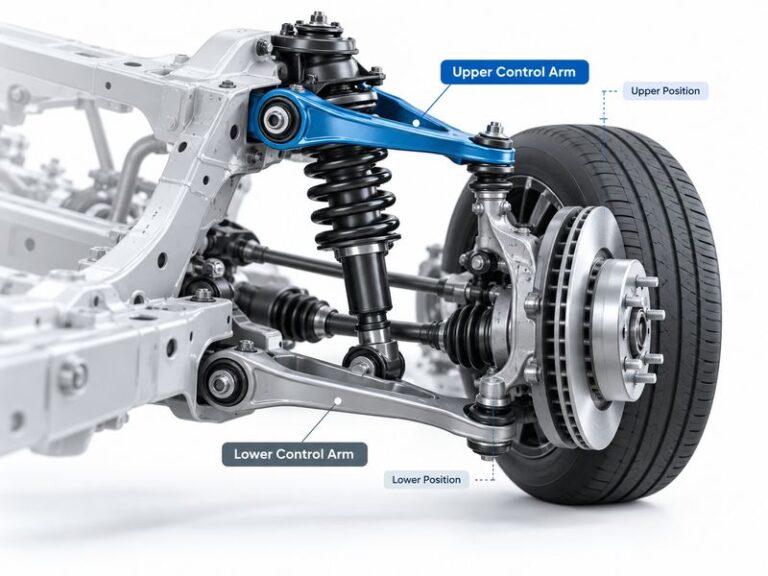
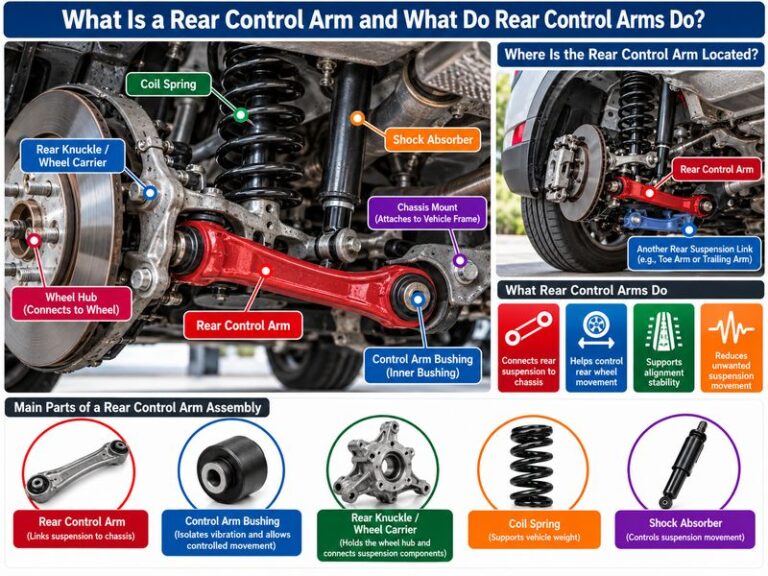
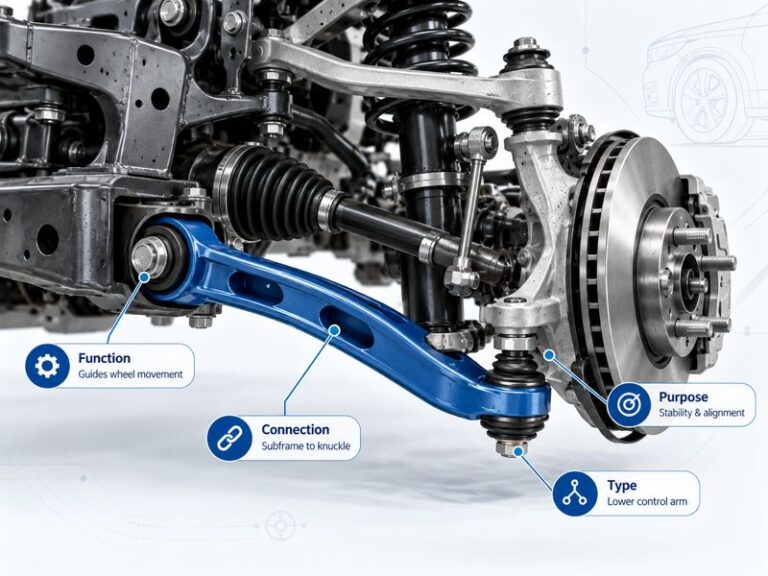
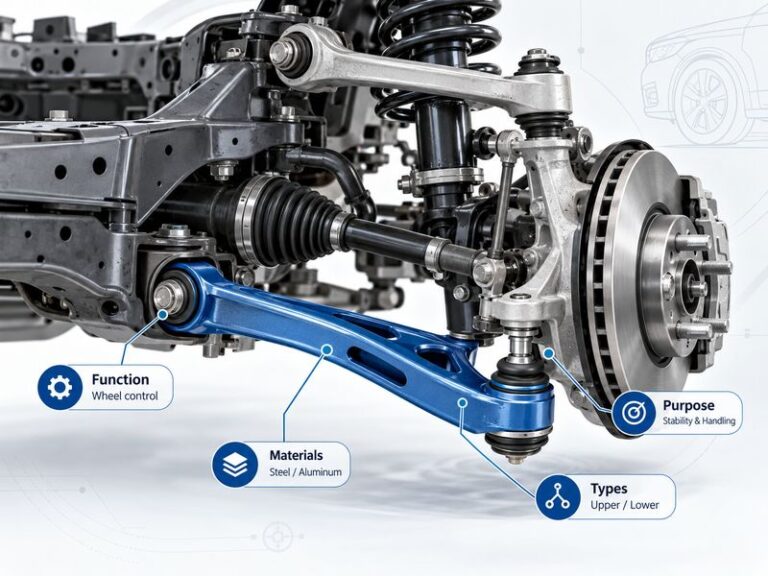
Before learning how to tell if a lower control arm is bad, it helps to understand its job. The lower control arm connects the wheel hub and steering knuckle to the vehicle’s chassis. It allows the wheel to move up and down while keeping it aligned properly.
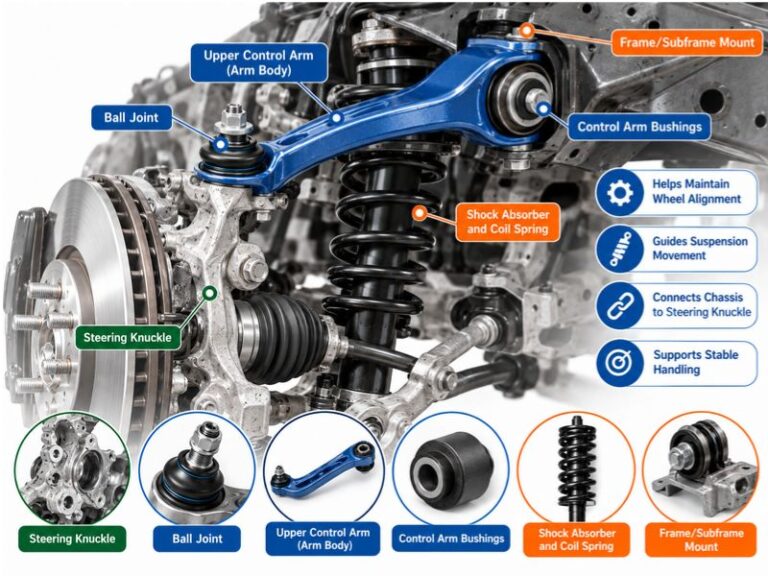
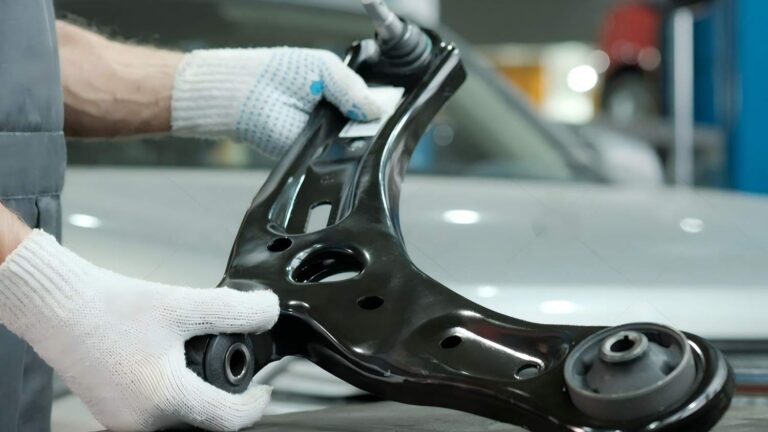
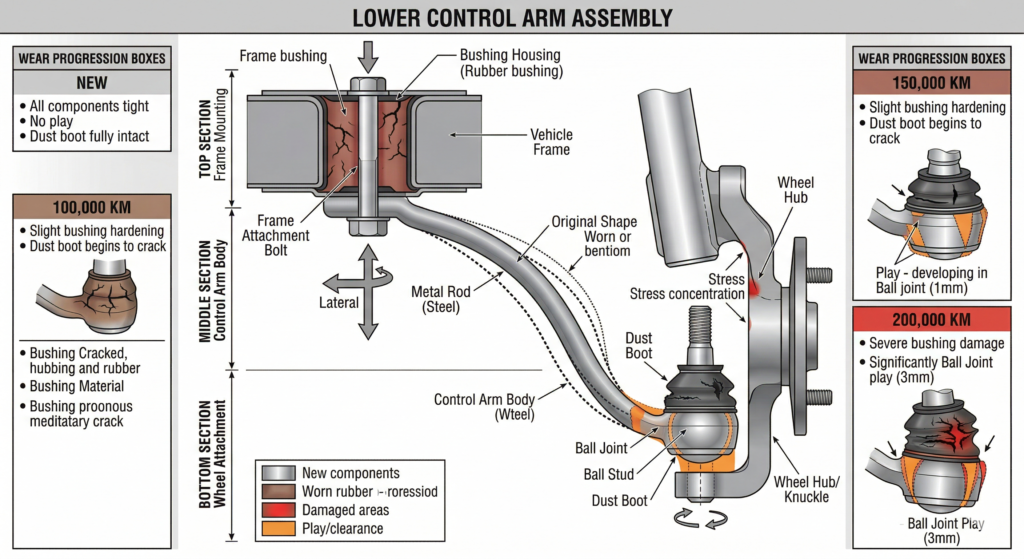
Most lower control arms contain rubber bushings and a ball joint. These parts absorb road shock and maintain stable steering. When any of these components wear out, the suspension can no longer function correctly.

- ✦ Supports Suspension Movement
Allows wheels to travel smoothly over bumps and uneven roads.
- ✦ Maintains Wheel Alignment
Helps keep tires pointed in the correct direction.
- ✦ Improves Stability
Reduces unwanted wheel movement during driving and braking.
Most Common Signs a Lower Control Arm Is Bad
One of the easiest ways to understand how to tell if a lower control arm is bad is to recognize the common symptoms. These signs usually become more noticeable as the damage worsens.
Some symptoms appear gradually, while others show up suddenly after hitting a pothole, curb, or rough road. Paying attention to these warning signs can prevent further suspension damage.

- ✦ Clunking Noises
A worn bushing or ball joint can create knocking sounds when driving over bumps.
- ✦ Loose Steering
The steering wheel may feel less responsive or wander on the highway.
- ✦ Uneven Tire Wear
Misalignment caused by a bad control arm can wear tires unevenly.
- ✦ Vehicle Pulling
The car may drift to one side even after alignment adjustments.
Suspension Vibrations
Drivers often report vibrations through the steering wheel or floor. These vibrations occur because worn suspension parts allow excess wheel movement.
- ✦ Highway Speeds
Vibrations are often more noticeable above 50 mph.
How to Inspect a Lower Control Arm
If you want to know how to tell if a lower control arm is bad, a visual inspection is often the first step. Safely raise the vehicle and inspect the control arm, bushings, and ball joint.
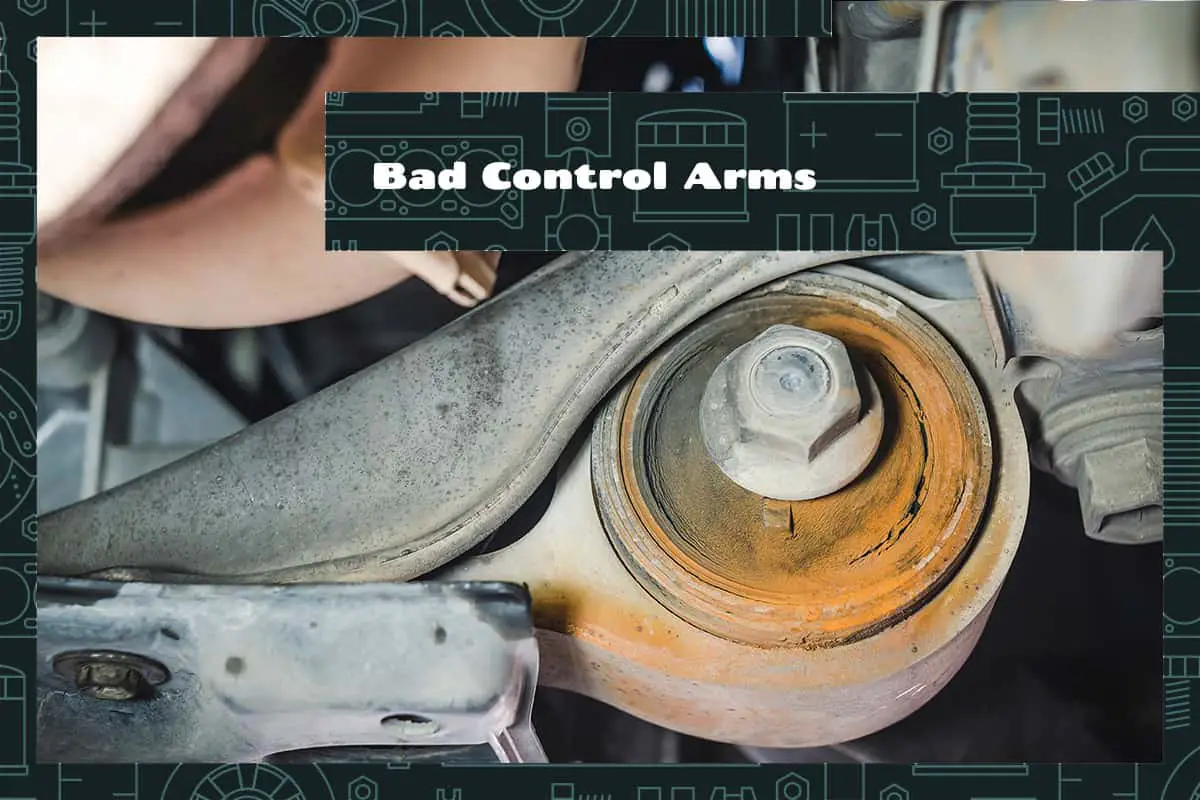
Look for cracks, torn rubber, rust, bending, or excessive movement. Any of these conditions may indicate that replacement is necessary.

- ✦ Check Bushings
Look for cracked, split, or deteriorated rubber bushings.
- ✦ Inspect Ball Joints
Watch for looseness, leaking grease, or damaged boots.
- ✦ Look for Physical Damage
Bent or rusted control arms can affect suspension geometry.
Testing for Excessive Play
With the wheel lifted, gently move it by hand. Excessive movement may indicate a worn control arm assembly, bushings, or ball joint.
- ✦ Professional Inspection
A mechanic can confirm the source of suspension play.
What Causes Lower Control Arm Failure?
Understanding the causes can make it easier to determine how to tell if a lower control arm is bad. Most failures happen due to normal wear and tear over time.
Road salt, moisture, rough roads, potholes, and accidents can accelerate damage. In northern parts of the United States, corrosion is a common factor in suspension failures.

- ✦ Aging Bushings
Rubber components eventually crack and lose flexibility.
- ✦ Impact Damage
Potholes and curbs can bend or weaken suspension parts.
- ✦ Corrosion
Rust can weaken metal components over time.
Is It Safe to Drive With a Bad Lower Control Arm?
A common question after learning how to tell if a lower control arm is bad is whether driving is still safe. In most cases, continuing to drive is risky because suspension stability becomes compromised.
A severely worn ball joint or damaged control arm can eventually fail completely. This may lead to loss of steering control, tire damage, or suspension collapse.

- ✦ Reduced Handling
The vehicle may respond unpredictably during turns.
- ✦ Longer Braking Distances
Suspension instability can affect braking performance.
- ✦ Higher Repair Costs
Ignoring the issue can damage tires and other suspension components.
Lower Control Arm Replacement and Repair Options
Once you know how to tell if a lower control arm is bad, the next step is deciding on repairs. Depending on the vehicle, you may replace the bushings, the ball joint, or the entire control arm assembly.
Many modern vehicles use complete control arm assemblies because they save labor time and ensure all wear components are replaced together.
- ✦ Replace Bushings Only
Possible when the control arm itself remains in good condition.
- ✦ Replace Complete Assembly
Common and often more cost-effective for many vehicles.
- ✦ Perform Wheel Alignment
An alignment is usually necessary after suspension work.
My Professional Recommendation
In many repair situations, replacing the complete assembly provides the best long-term reliability. It reduces the chance of future suspension issues and saves labor costs later.
- ✦ Long-Term Value
Replacing all wear items together often prevents repeat repairs.
How to Prevent Future Lower Control Arm Problems
While some wear is unavoidable, proper maintenance can extend suspension life. Regular inspections help identify small issues before they become major repairs.
Drivers who frequently travel on rough roads should inspect suspension components more often. Catching worn bushings early can prevent complete control arm failure.
- ✦ Schedule Inspections
Check suspension components during routine maintenance.
- ✦ Avoid Road Hazards
Slow down for potholes and rough road surfaces.
- ✦ Address Alignment Issues Quickly
Poor alignment can place extra stress on suspension parts.