How to Tell If a Control Arm Is Bad: Warning Signs, Inspection Tips, and Repair Advice
If you are wondering how to tell if a control arm is bad, the answer usually starts with changes in how your vehicle feels on the road. A worn control arm can make steering less precise, create unusual noises, and affect tire wear patterns. These symptoms often develop gradually, which makes them easy to overlook.
Over the years, I have seen many drivers mistake control arm problems for tire issues or wheel alignment problems. In reality, the control arm is a key suspension component that connects the wheel assembly to the vehicle frame. When it wears out, several other parts can suffer as well. Knowing how to tell if a control arm is bad early can save money and improve safety.

What Does a Control Arm Do?
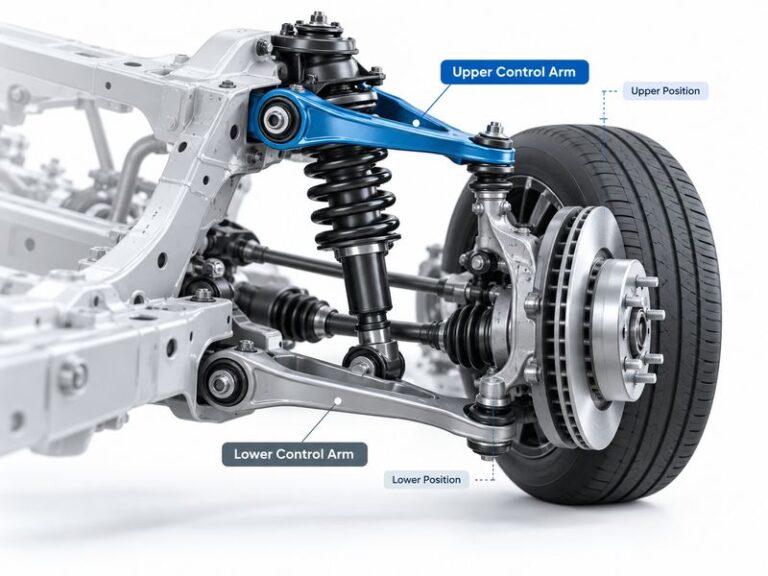
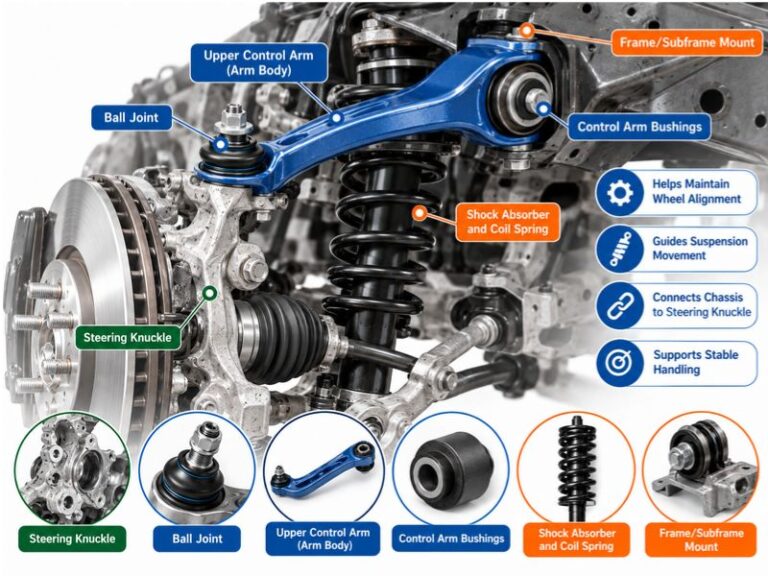
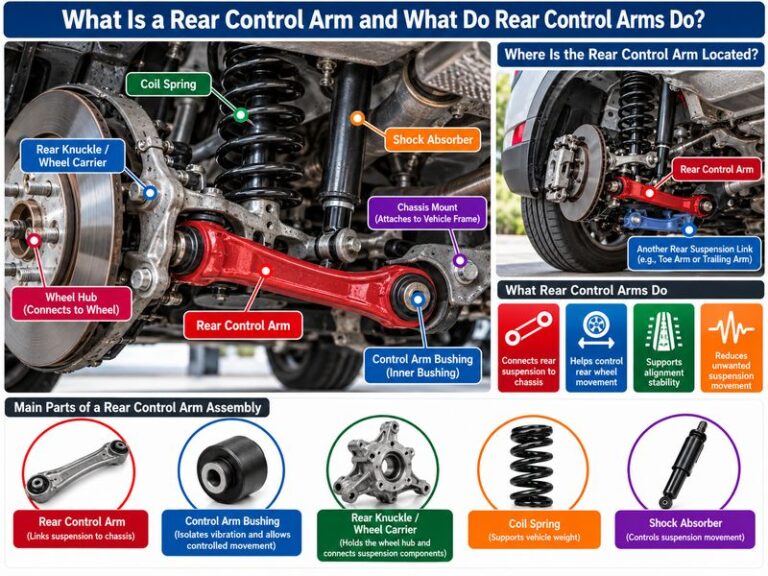
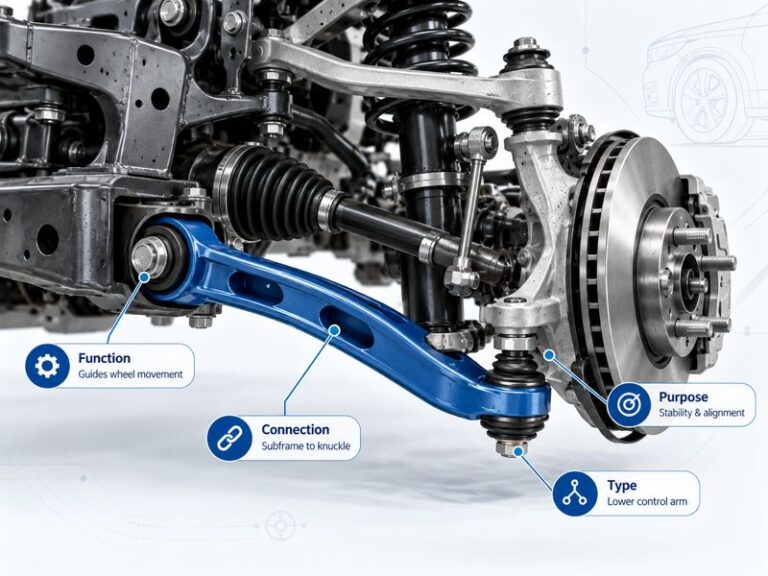
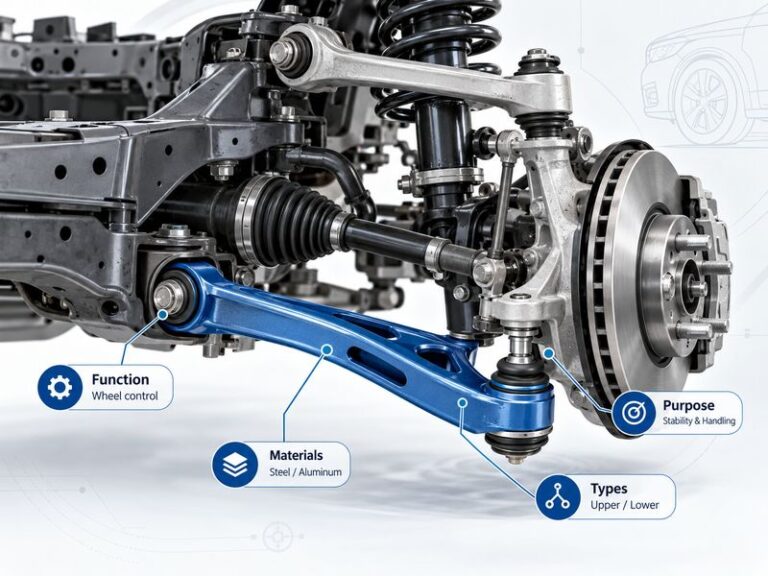
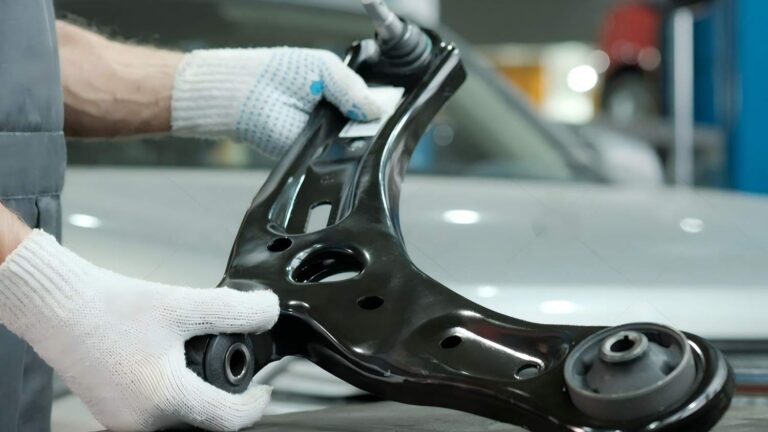
Before learning how to tell if a control arm is bad, it helps to understand its purpose. The control arm connects the wheel hub and steering knuckle to the vehicle’s suspension system. It allows the wheel to move up and down while maintaining proper alignment.
Most vehicles use upper control arms, lower control arms, or both. The arm contains bushings and often works with a ball joint. Together, these parts keep the ride stable and help the tires maintain contact with the road.
- ✦ Supports wheel movement
Allows controlled suspension travel over bumps and uneven pavement.
- ✦ Maintains alignment
Helps keep wheels positioned correctly for predictable handling.
- ✦ Reduces vibration
Bushings absorb road shock and reduce harshness inside the cabin.
Why Control Arms Wear Out
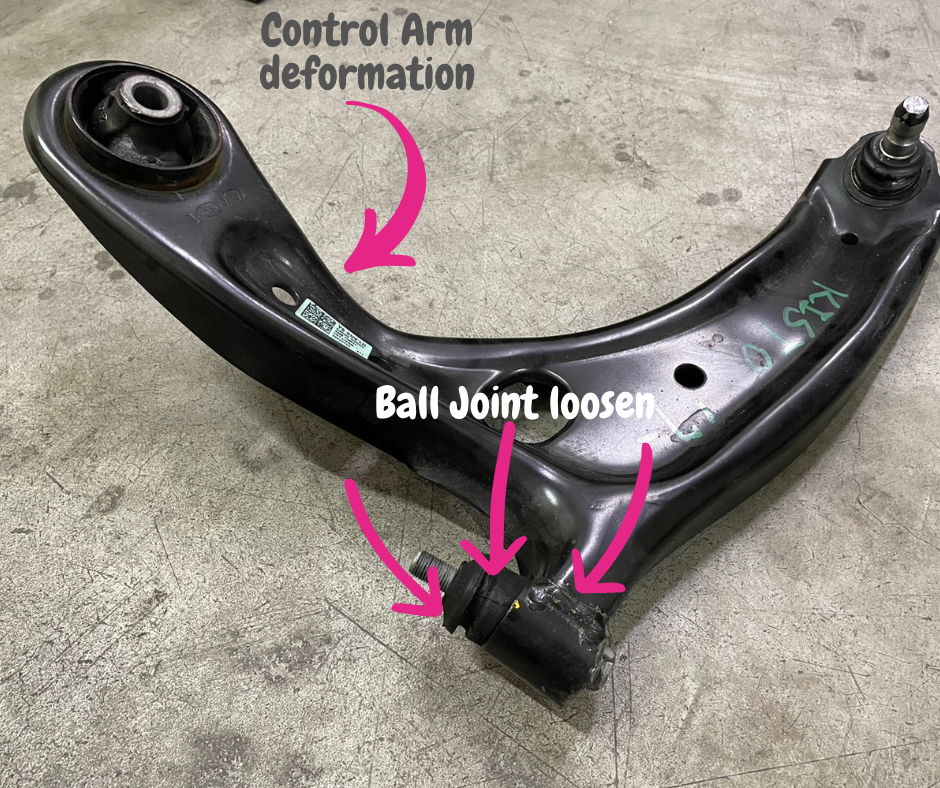
Control arms face constant stress from potholes, rough roads, speed bumps, and daily driving. Over time, bushings crack, ball joints loosen, and metal components can bend or corrode.
- ✦ Road impacts
Hard hits from potholes are a leading cause of suspension damage.
Most Common Symptoms of a Bad Control Arm
One of the easiest ways to understand how to tell if a control arm is bad is to recognize the warning signs. The symptoms often affect ride quality, steering feel, and tire condition.
Some signs appear suddenly after hitting a large pothole, while others develop slowly over thousands of miles. Paying attention to small changes can help prevent larger suspension failures.
- ✦ Clunking noises
Loose bushings or ball joints often create knocking sounds over bumps.
- ✦ Steering wander
The vehicle may drift or feel unstable at highway speeds.
- ✦ Uneven tire wear
Misalignment caused by suspension movement can wear tires quickly.
- ✦ Vibration
Excessive movement in the suspension can be felt through the steering wheel.
Changes Drivers Notice First
Many drivers first notice unusual noises when driving over speed bumps or entering driveways. Others notice the steering wheel no longer feels as precise as before.
- ✦ Road noise
Suspension noises often become louder as wear increases.
How to Tell If a Control Arm Is Bad During a Visual Inspection
A visual inspection is one of the best ways to determine how to tell if a control arm is bad. Raise the vehicle safely and inspect the suspension components closely.
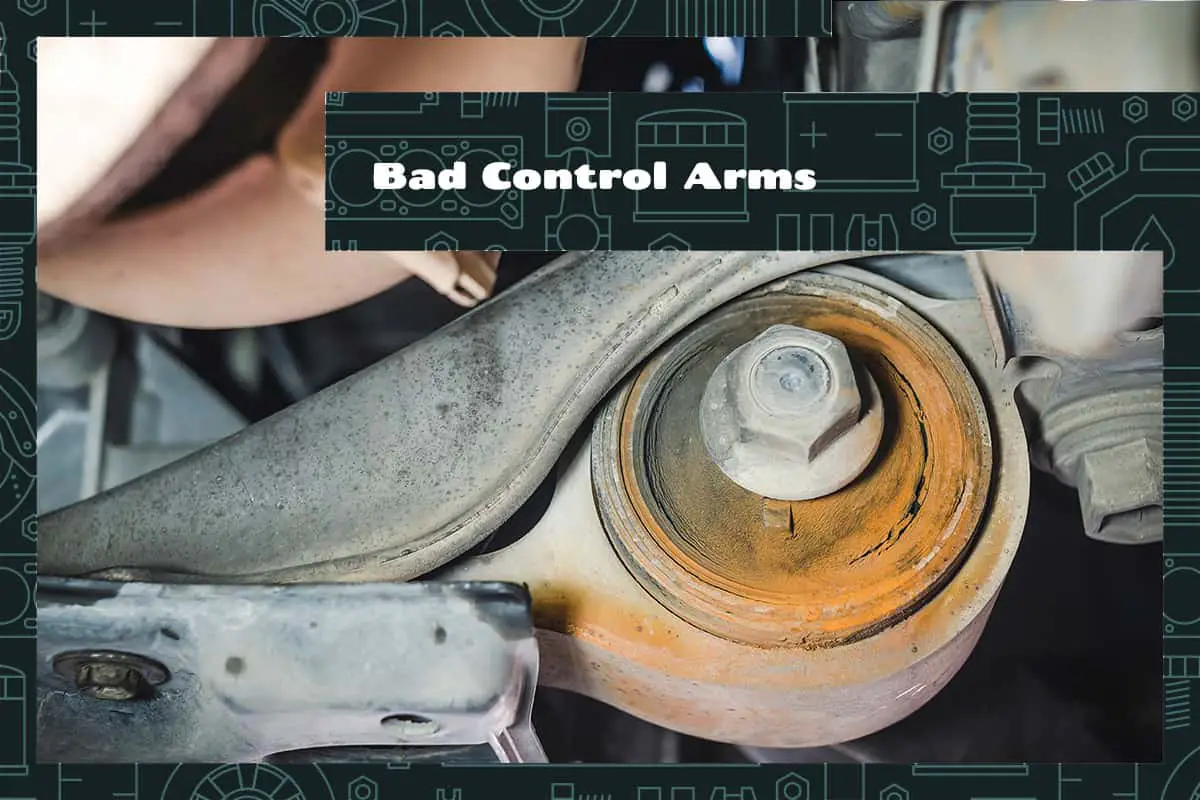
Look for cracked rubber bushings, leaking bushing material, bent metal, rust damage, or loose mounting points. Any of these issues may indicate the control arm needs attention.
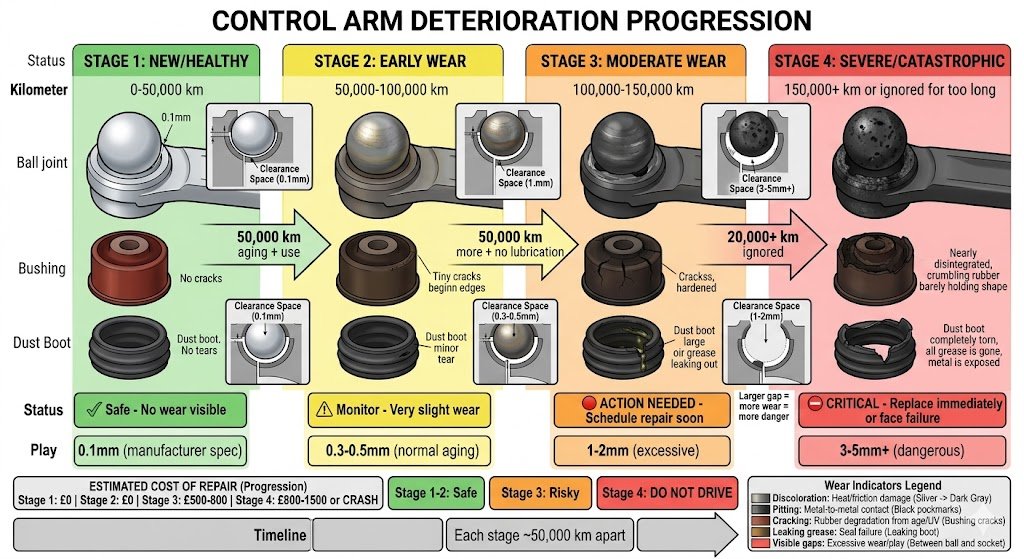
- ✦ Cracked bushings
Rubber that is torn, dry, or separated often signals wear.
- ✦ Bent control arm
Impact damage can change suspension geometry and alignment.
- ✦ Loose components
Movement where there should be none is a warning sign.
Checking for Excessive Play
Using a pry bar carefully can reveal movement in worn bushings. Excessive play often means the component is nearing the end of its service life.
- ✦ Compare both sides
Differences between the left and right side can help identify the problem.
Driving Symptoms That Point to Control Arm Problems
Knowing how to tell if a control arm is bad while driving can help you identify issues before a mechanic inspection. The vehicle may feel less stable, especially during turns or braking.
Some drivers describe the sensation as loose steering or a floating feeling. Others notice the vehicle pulling to one side even after a wheel alignment.

- ✦ Vehicle pulls sideways
A worn suspension component can affect wheel positioning.
- ✦ Poor cornering
The vehicle may lean more than normal during turns.
- ✦ Brake instability
Worn parts can shift under braking loads.
Highway Driving Clues
At highway speeds, control arm wear often becomes more obvious. The steering may require constant correction, and the vehicle may feel unsettled on uneven pavement.
- ✦ Steering correction
Frequent corrections may indicate suspension movement.
Can a Bad Control Arm Cause Tire Wear?
Yes. Uneven tire wear is one of the strongest clues when learning how to tell if a control arm is bad. As the suspension shifts, tire contact with the road changes.
You may see wear on the inner edge, outer edge, or random patches across the tread. Ignoring the issue can shorten tire life and increase operating costs.

- ✦ Inside edge wear
Often linked to alignment changes from suspension wear.
- ✦ Outside edge wear
Can occur when suspension geometry changes under load.
- ✦ Feathering
Uneven tread texture may indicate instability in wheel alignment.
Why Tire Inspections Matter
Tires often provide the earliest visible evidence of suspension issues. Regular inspections can help identify problems before major repairs become necessary.
- ✦ Check monthly
Routine inspections can reveal wear patterns quickly.
Is It Safe to Drive With a Bad Control Arm?
The answer depends on the severity of the damage. Minor bushing wear may not create an immediate safety risk, but the condition can worsen rapidly.
A severely worn control arm or ball joint can lead to loss of vehicle control. That is why understanding how to tell if a control arm is bad and addressing the problem early is important.

- ✦ Reduced handling
Steering response may become unpredictable.
- ✦ Accelerated wear
Other suspension parts may wear faster.
- ✦ Safety concerns
Major failures can affect vehicle control.
When to Stop Driving
Loud clunking, severe pulling, visible damage, or major steering instability should be inspected immediately by a qualified technician.
- ✦ Immediate inspection
Do not ignore severe suspension symptoms.
Control Arm Replacement and Repair Costs
Repair costs vary by vehicle make, model, and location. In the United States, replacing a control arm can range from a few hundred dollars to significantly more on luxury or performance vehicles.
Many mechanics recommend replacing worn bushings, ball joints, or the entire control arm assembly depending on the design. After repairs, a wheel alignment is usually necessary.

- ✦ Parts cost
Varies based on vehicle type and suspension design.
- ✦ Labor cost
Depends on accessibility and repair complexity.
- ✦ Alignment
Often required after suspension work is completed.
Preventing Future Failures
Avoiding potholes when possible, inspecting suspension parts regularly, and addressing small issues early can extend component life.
- ✦ Routine inspections
Catch wear before it becomes a major problem.