How to Tell If an Upper Control Arm Is Bad: Signs, Inspection Tips, and When to Replace It
Many drivers wonder how to tell if an upper control arm is bad because the symptoms often start small. A slight clunk over bumps or a minor steering issue may not seem serious at first. Over time, however, these problems can affect vehicle control and safety.
In my experience working around suspension systems, upper control arm issues are often mistaken for bad shocks, worn tires, or alignment problems. Learning how to tell if an upper control arm is bad can help you catch suspension damage early and avoid costly repairs later.

What Does an Upper Control Arm Do?
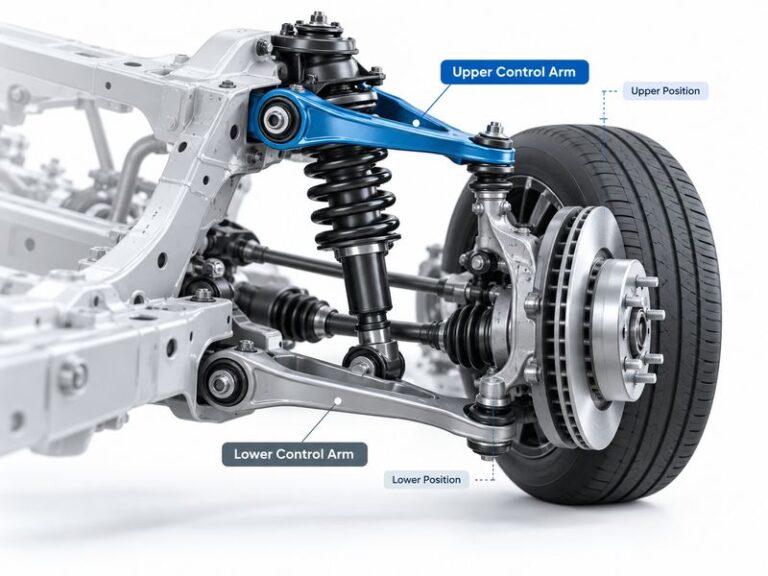
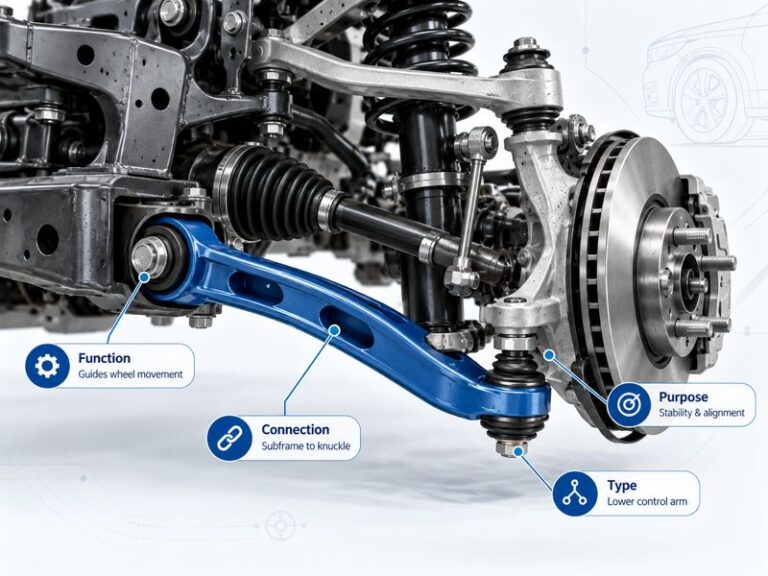
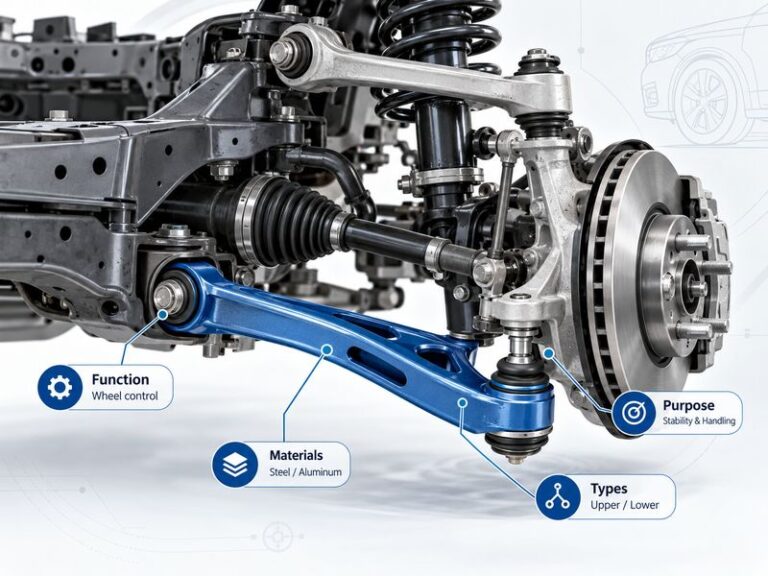
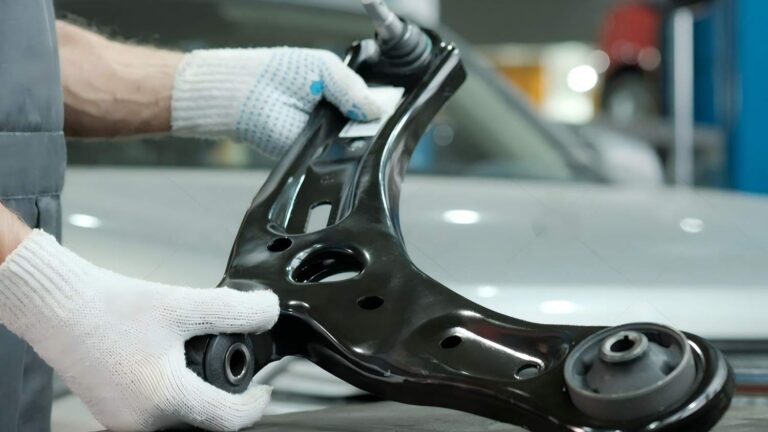
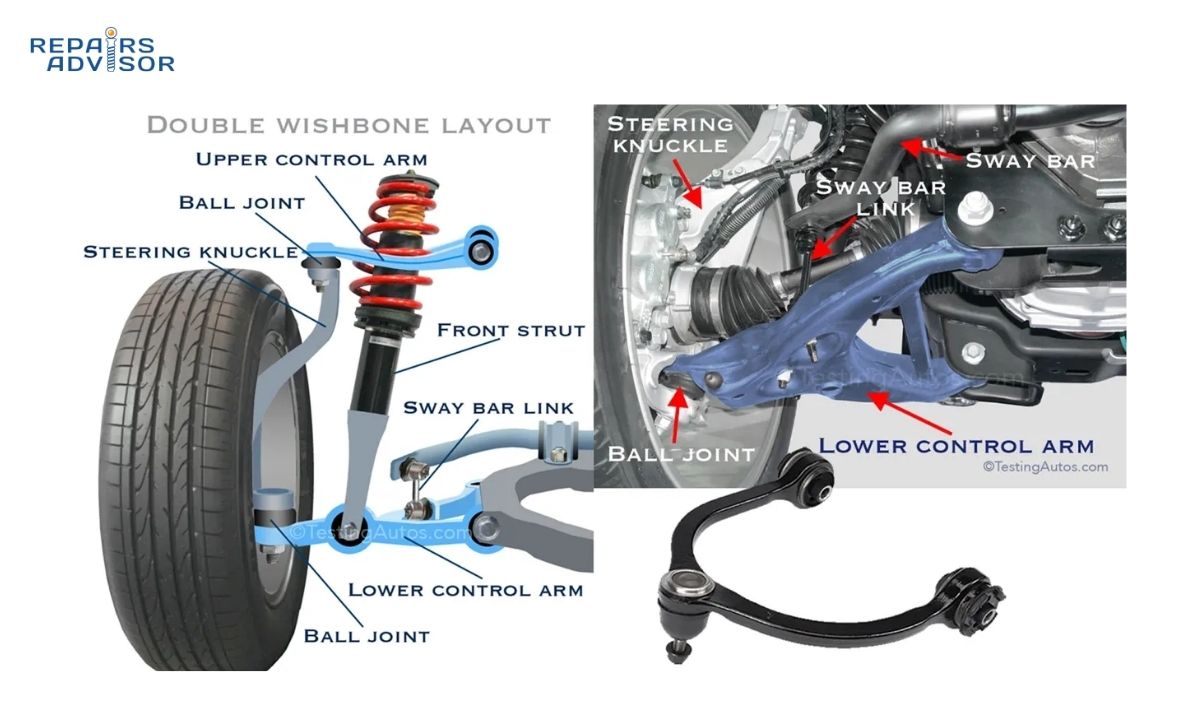
The upper control arm is a key part of your vehicle’s suspension system. It connects the frame or body to the steering knuckle and helps control wheel movement.
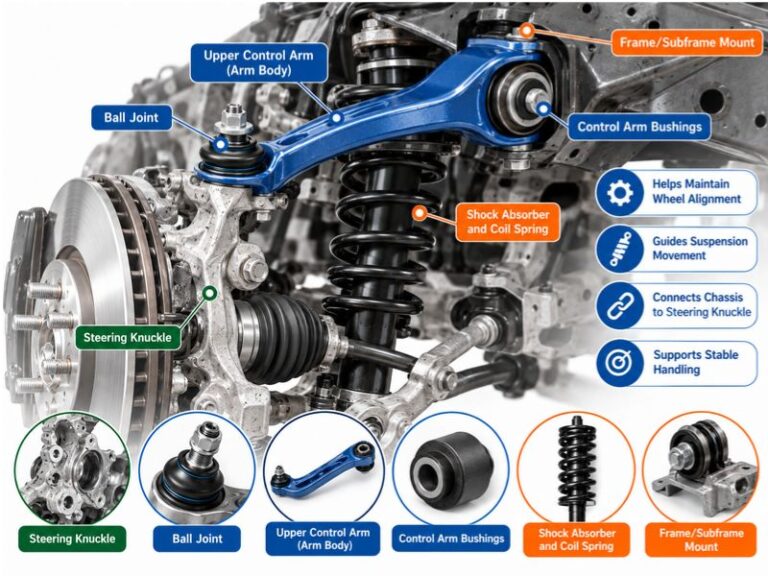
Its job is to keep the wheel aligned while allowing the suspension to move up and down. Together with bushings and a ball joint, it helps provide stable steering, better handling, and a smoother ride.
Understanding its role makes it easier to understand how to tell if an upper control arm is bad when problems develop.
- ✦ Supports Wheel Alignment
Helps maintain proper wheel position during driving and suspension movement.
- ✦ Improves Handling
Provides stability during turns, braking, and rough road conditions.
- ✦ Works with Suspension
Allows controlled wheel movement while absorbing road impacts.
Components Attached to the Upper Control Arm
Most upper control arms include bushings and connect to a ball joint. These parts wear over time and are often responsible for the first signs of failure.
- ✦ Bushings
Rubber or polyurethane components that absorb vibration.
- ✦ Ball Joint
Allows smooth steering and suspension articulation.
Top Signs an Upper Control Arm Is Bad
If you want to know how to tell if an upper control arm is bad, start by looking for common warning signs. Most vehicles give clear clues before complete failure occurs.
Symptoms may appear gradually. Drivers often notice noises, handling changes, or unusual tire wear long before the part completely fails.
- ✦ Clunking Noises
A worn ball joint or bushing can create a clunking sound when driving over bumps.
- ✦ Loose Steering
The steering wheel may feel less responsive or less precise.
- ✦ Uneven Tire Wear
Incorrect wheel alignment can cause rapid wear on one side of the tire.
- ✦ Vehicle Pulling
The vehicle may drift to one side even on straight roads.
Why Suspension Noises Matter
Suspension noises are often the first clue. A metallic knock or clunk usually means a worn connection point is allowing extra movement.
- ✦ Noise During Turns
Can indicate excessive play in the control arm assembly.
How to Inspect an Upper Control Arm
A visual inspection is one of the best ways to learn how to tell if an upper control arm is bad. You do not always need advanced tools to spot obvious damage.
Park the vehicle on a level surface and inspect the suspension area. Look closely at the bushings, ball joints, and the arm itself.

- ✦ Check the Bushings
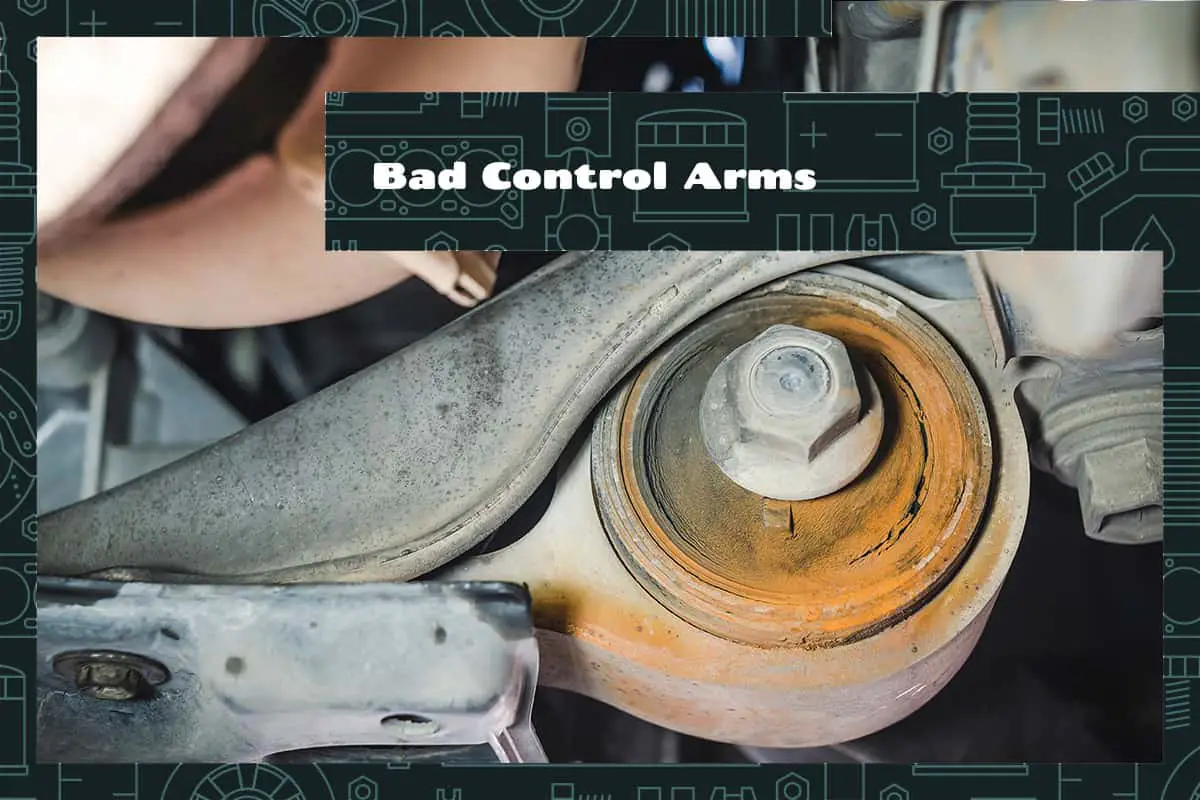
Look for cracks, tears, missing rubber, or excessive movement.
- ✦ Inspect the Ball Joint
Check for looseness, grease leakage, or damaged boots.
- ✦ Look for Physical Damage
A bent or rusted control arm may need immediate replacement.
Signs Visible During Inspection
Severe wear is often easy to see. Damaged bushings, rust, and excessive play are strong indicators that the component has reached the end of its service life.
- ✦ Excessive Movement
Movement beyond normal limits usually indicates wear.
Common Causes of Upper Control Arm Failure
Understanding why parts fail can make it easier to know how to tell if an upper control arm is bad. Most failures happen because of normal wear and tear.
Road conditions also play a major role. Potholes, rough roads, curbs, and heavy impacts can damage suspension components faster than expected.

- ✦ Worn Bushings
Rubber components deteriorate with age, heat, and road exposure.
- ✦ Ball Joint Wear
Continuous movement eventually causes looseness and play.
- ✦ Corrosion
Rust weakens metal parts and reduces structural integrity.
- ✦ Road Impacts
Potholes and curb strikes can bend suspension components.
Vehicles Most Likely to Experience Wear
Trucks, SUVs, and vehicles driven on rough roads often experience accelerated upper control arm wear due to heavier loads and harsher operating conditions.
- ✦ Frequent Off-Road Use
Increases stress on suspension joints and bushings.
Is It Safe to Drive with a Bad Upper Control Arm?
Driving with a worn upper control arm is not recommended. Small problems can quickly become major safety concerns if ignored.
As wear increases, steering accuracy decreases. Tire wear can become severe, and suspension components may experience additional stress.

- ✦ Reduced Steering Control
Loose components can affect directional stability.
- ✦ Increased Tire Wear
Poor alignment shortens tire life significantly.
- ✦ Potential Suspension Damage
Other components may wear faster due to added stress.
When Immediate Repair Is Necessary
If the vehicle has severe clunking, major steering play, or visible suspension damage, repair should be scheduled as soon as possible.
- ✦ Severe Handling Changes
These can indicate advanced component wear.
When Should You Replace an Upper Control Arm?
Once you know how to tell if an upper control arm is bad, the next step is deciding when replacement is necessary. Replacement is often recommended when bushings or ball joints show significant wear.
Many modern vehicles use complete control arm assemblies. Replacing the entire assembly can save time and improve long-term reliability.

- ✦ Visible Damage
Bent or cracked control arms should be replaced immediately.
- ✦ Failed Ball Joint
A worn ball joint can compromise steering safety.
- ✦ Destroyed Bushings
Excessive bushing wear can affect alignment and ride quality.
After Replacement
A wheel alignment is usually necessary after replacing suspension components. This helps restore proper handling and tire wear patterns.
- ✦ Alignment Check
Ensures wheels remain within manufacturer specifications.
How to Prevent Future Upper Control Arm Problems
Preventive maintenance can extend suspension life. While no part lasts forever, careful driving habits and regular inspections can help.
Routine suspension checks during tire rotations or oil changes can identify wear before it becomes a major problem.

- ✦ Avoid Potholes
Large impacts place heavy stress on suspension components.
- ✦ Inspect Suspension Regularly
Early detection reduces repair costs.
- ✦ Maintain Proper Alignment
Correct alignment helps reduce unnecessary suspension wear.
Benefits of Early Detection
Finding wear early often prevents additional damage to tires, ball joints, and steering components.
- ✦ Lower Repair Costs
Addressing minor wear is usually less expensive than major repairs.