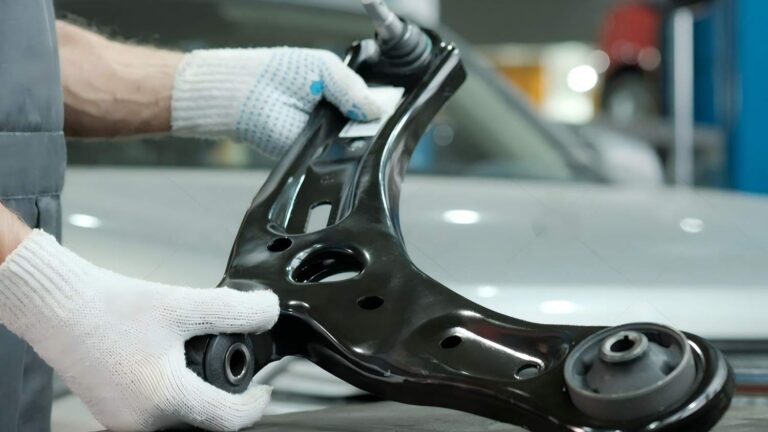
How to Replace Struts on a Car: Complete Step-by-Step Guide for Beginners
Learning how to replace struts on a car can save money and help you understand your vehicle’s suspension system. Struts support the vehicle weight, control movement, and help keep tires in contact with the road.
From my experience working with common passenger vehicles, the biggest mistakes happen when people rush safety steps or ignore alignment after the repair. A careful process matters more than speed.
This guide explains how to replace struts on a car using clear steps for U.S. drivers. It covers tools, safety, removal, installation, and the signs that tell you it may be time for new struts.

What Are Car Struts and Why Do They Need Replacement?
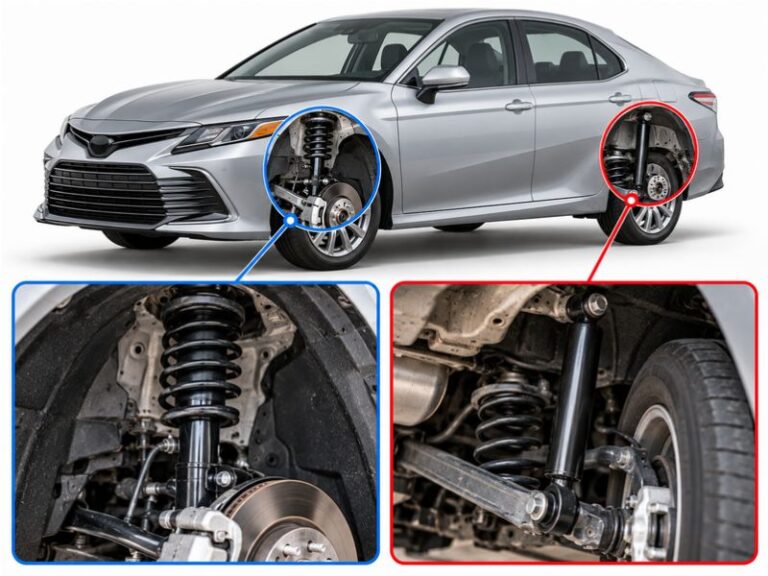
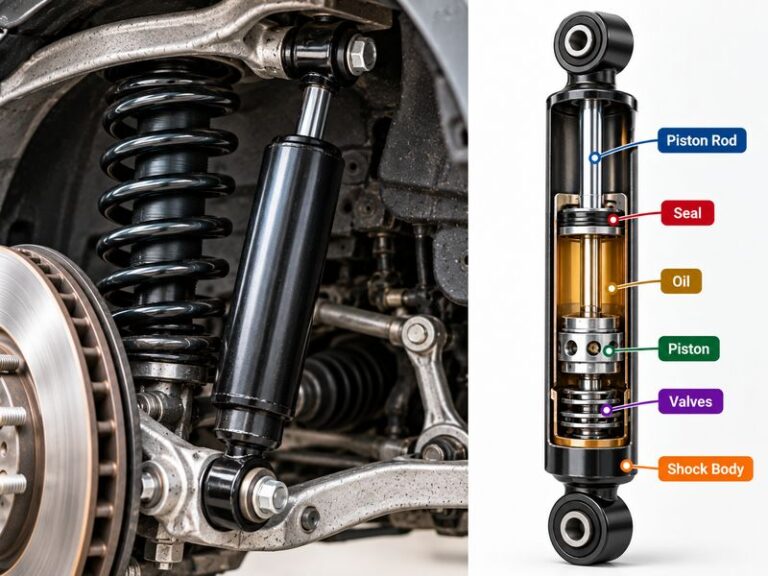
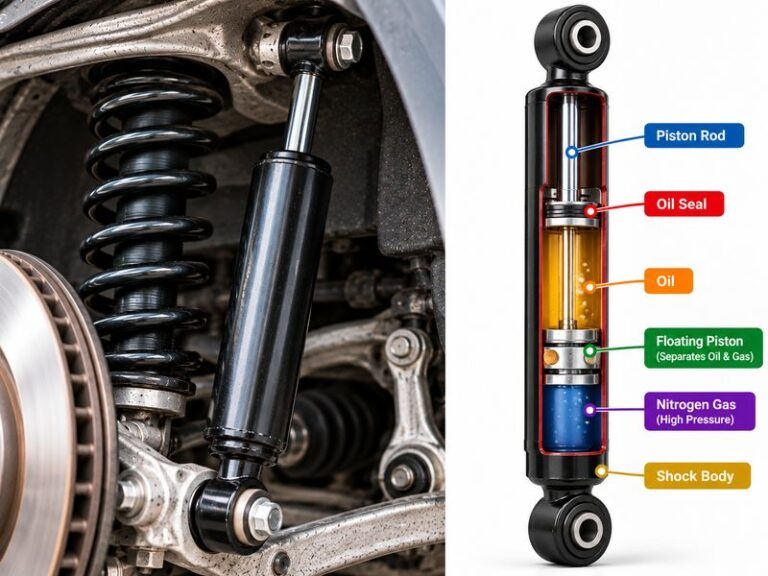
A strut is a key suspension part that combines a shock absorber with other suspension components. It helps control bouncing, supports the spring, and keeps the vehicle stable during turns and stops.
Over time, struts wear from road bumps, weather, heavy loads, and normal driving. Many U.S. vehicles need suspension repairs after years of daily use, especially when driven on rough roads.
Understanding how to replace struts on a car starts with knowing when replacement is needed. Ignoring worn struts can lead to poor handling, uneven tire wear, and longer stopping distances.
- ✦ Common signs of bad struts
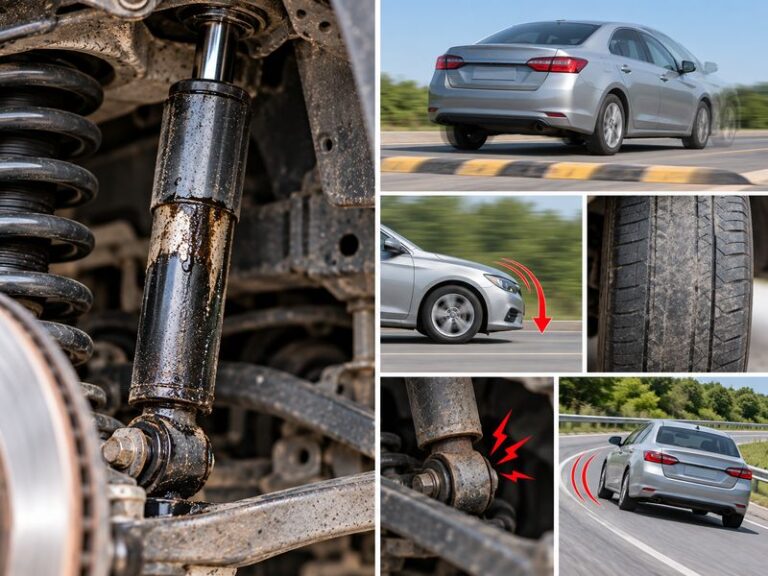
Look for bouncing after bumps, nose diving during braking, leaking fluid, uneven tire wear, and knocking sounds from the suspension.
- ✦ Strut replacement benefits
New struts can restore smoother handling, better control, and improved driving confidence.
How Long Do Struts Usually Last?
Strut life varies by vehicle, road conditions, and driving habits. Many last several years, but inspection is more important than mileage alone.
- ✦ Regular inspections
Have suspension parts checked during routine service or whenever handling changes.
Tools and Safety Equipment Needed Before Starting
Before learning how to replace struts on a car, gather the correct tools. A prepared workspace reduces mistakes and makes the repair safer.
Strut springs store a large amount of energy. Use proper spring compressors when required, and never remove a compressed spring without control.

- ✦ Basic tools
You may need a floor jack, jack stands, socket set, wrenches, torque wrench, penetrating oil, and hand tools.
- ✦ Safety gear
Wear eye protection and gloves. Always support the vehicle with jack stands on a stable surface.
Why Safety Matters During Strut Work
A vehicle suspension repair involves heavy parts and stored spring force. Taking time to secure the car protects you from serious injury.
- ✦ Safe lifting
Never rely only on a hydraulic jack while working under a vehicle.
Step-by-Step: How to Remove Old Struts
The removal process depends on the vehicle design, but the general steps are similar. Take photos before removing parts so you can reinstall everything correctly.
When explaining how to replace struts on a car, professionals often recommend replacing struts in pairs on the same axle. This helps maintain balanced handling.

- ✦ Step 1: Prepare the vehicle
Park on level ground, loosen wheel nuts, raise the vehicle, and remove the wheel.
- ✦ Step 2: Disconnect components
Remove brake line brackets, sway bar links, and bolts connecting the strut to the steering knuckle.
- ✦ Step 3: Remove the strut assembly
Support the assembly, remove upper mounting bolts, and carefully lower the strut.
Inspect Related Suspension Parts
While the strut is removed, inspect mounts, bearings, bump stops, and dust boots. Replacing worn supporting parts can prevent future repairs.
- ✦ Check nearby parts
Look for cracks, rust, damage, or unusual movement before installation.
Installing New Struts Correctly
Installing new struts requires careful attention to placement and torque settings. Follow the vehicle repair manual because specifications vary by make and model.
A major part of how to replace struts on a car is tightening fasteners correctly. Loose bolts can create noise, vibration, and safety issues.

- ✦ Install the new assembly
Position the strut, secure mounting points, and reconnect suspension components.
- ✦ Use correct torque values
Tighten bolts to manufacturer specifications instead of guessing.
Complete Final Checks
After installation, reinstall the wheel and lower the vehicle carefully. Test drive at low speed and listen for unusual sounds.
- ✦ Alignment check
Schedule a wheel alignment if recommended because suspension changes can affect wheel angles.
Cost of Replacing Car Struts and DIY vs Professional Repair
The cost to replace struts depends on the vehicle, parts quality, and labor rates in your area. DIY replacement may reduce labor costs if you have the tools and skills.
Many drivers search how to replace struts on a car because they want to avoid repair bills. However, suspension work requires care, and some vehicles need special tools.

- ✦ DIY replacement
A skilled home mechanic may save money by doing the work themselves.
- ✦ Professional service
A repair shop can handle complex designs and provide alignment service after installation.
When to Hire a Professional
Choose professional help if you lack tools, cannot safely compress springs, or find damaged suspension parts during inspection.
- ✦ Safety first
A professional repair can reduce risks when the job requires advanced equipment.