How to Adjust SPC Upper Control Arms: Step-by-Step Guide
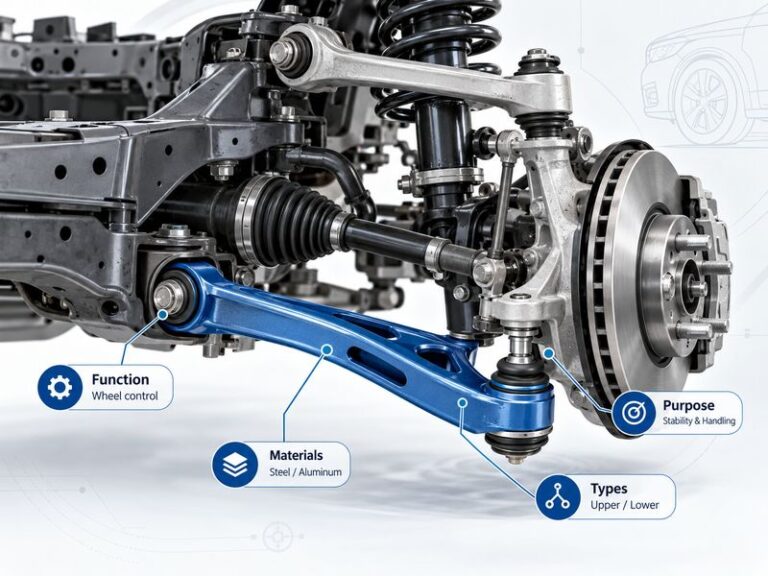
Learning **how to adjust SPC upper control arms** can make a big difference after lifting a truck or SUV. SPC adjustable upper control arms give an alignment technician more control over caster and camber than many factory arms do. This can help restore steering feel, improve tire clearance, and reduce uneven tire wear.
The key is to treat the SPC setting as part of the whole alignment process. Moving the adjustable ball joint changes suspension geometry, so one adjustment can affect more than one alignment angle. Small changes are much easier to control than large ones.
For many U.S. truck owners, the main goal is extra positive caster after installing a lift and larger tires. More useful caster can improve straight-line stability and may help move the tire away from the rear of the wheel opening. The correct setting still depends on the vehicle, ride height, tire size, and SPC part number.
This guide explains **how to adjust SPC upper control arms** safely, what each adjustment changes, how to approach caster and camber, and what to check before driving. It also explains why the final adjustment should be verified on an alignment rack.

How SPC Upper Control Arm Adjustment Works
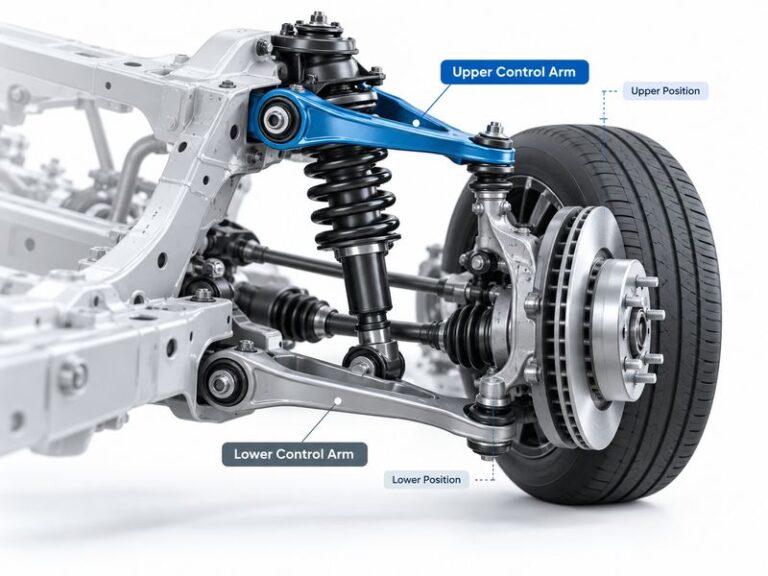
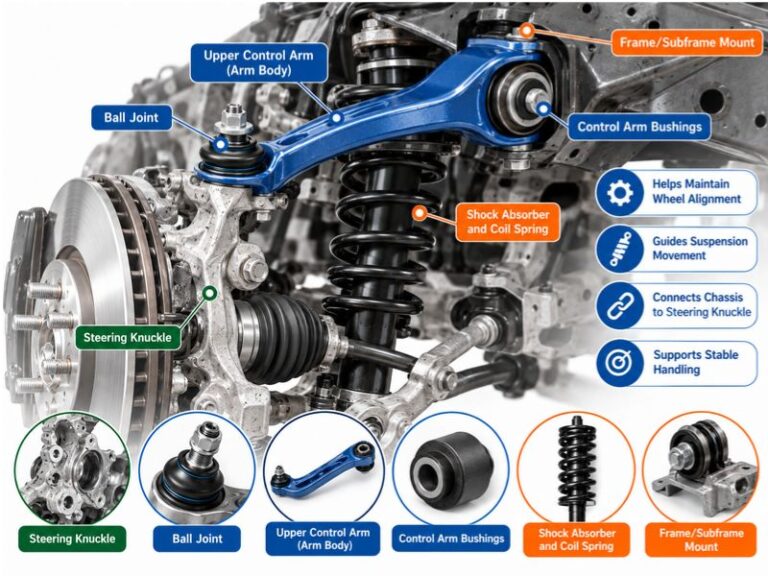
Before learning **how to adjust SPC upper control arms**, it helps to understand what makes them different. Many SPC applications use an adjustable upper ball-joint position. Changing that position changes where the steering knuckle sits in relation to the chassis.
This extra range is useful on lifted vehicles. A suspension lift can change the factory alignment angles and may leave the original adjustment hardware with too little range. An SPC upper control arm gives you another way to bring those angles back toward the desired values.
The exact adjustment design varies by SPC part number. Some arms use an indexed adjustable ball-joint assembly, while other designs may use different hardware. For that reason, you should identify your exact SPC part number before loosening anything.

- ✦ Caster
Caster describes the forward or rearward tilt of the steering axis when viewed from the side of the vehicle.
- ✦ Camber
Camber describes how much the top of the tire leans inward or outward when viewed from the front.
- ✦ Adjustment range
SPC arms can provide extra alignment range when the factory adjustments are not enough.
- ✦ Ball-joint position
On many SPC adjustable UCAs, repositioning the ball joint changes caster and camber together.
Why Caster and Camber Change Together
The upper ball joint does not move in isolation from the rest of the suspension. When you shift its position, you change the steering axis and the location of the top of the knuckle. That is why a caster correction can also cause a camber change.
This interaction is one reason small adjustments work best. Make one controlled change, measure the result, and then make another correction if needed.
- ✦ Small changes
Small adjustments make it easier to see how the suspension responds.
- ✦ Measure again
Always recheck alignment values after changing the ball-joint position.
Tools and Preparation Before Adjusting SPC Upper Control Arms
Good preparation matters when learning **how to adjust SPC upper control arms**. The vehicle must sit safely, and you need enough room to inspect the upper ball joint, tire, coil spring, and nearby parts.
Start by finding the installation sheet for your exact SPC control-arm part number. SPC has produced arms for many Toyota trucks, SUVs, and other vehicles, and the hardware is not identical on every application. Use the instructions for your arm when checking fastener torque and adjustment limits.
If your goal is a precise street alignment, an alignment rack is the best measurement tool. Home measurements can help you set a safe starting position, but they do not replace accurate caster, camber, and toe readings.

- ✦ Jack and jack stands
Use equipment rated for the weight of your vehicle and support it at approved lifting points.
- ✦ Wheel chocks
Secure the wheels that remain on the ground before raising the vehicle.
- ✦ Hand tools
Use the correct sockets and wrenches for your SPC hardware and vehicle.
- ✦ Torque wrench
Final fastener tightening should follow the torque specification for your exact application.
- ✦ Paint marker
Mark the starting position so you can track how far the adjuster has moved.
- ✦ Alignment equipment
A professional alignment machine gives the most useful caster, camber, and toe measurements.
Record the Starting Position
Before moving the adjuster, take a clear photo and mark the current ball-joint position. This gives you a reference if the new setting produces worse clearance or alignment.
If the vehicle has already been aligned, record the current caster and camber readings as well. Those numbers make the next adjustment much more predictable.
- ✦ Mark both sides
Record the left and right arm positions separately because they may not start in the same place.
How to Adjust SPC Upper Control Arms Step by Step
The basic process for **how to adjust SPC upper control arms** is simple: inspect the current setting, loosen the adjustment hardware, reposition the adjustable ball joint, secure the hardware, and measure the alignment again. The exact hardware you loosen depends on the SPC arm model.
Do not force an adjuster that does not move freely after the correct hardware has been released. Dirt, corrosion, load on the suspension, or an incorrectly loosened fastener can make the assembly hard to move.
- ✦ Step 1: Park on a safe surface
Use a firm and level work area. Set the parking brake and chock the vehicle as needed.
- ✦ Step 2: Inspect the control arm
Check the arm, ball joint, bushings, boots, and fasteners for wear or damage before making an adjustment.
- ✦ Step 3: Mark the current setting
Use a paint marker or clear reference photo so you know where the adjustment started.
- ✦ Step 4: Release the adjustment hardware
Loosen only the hardware specified by SPC for repositioning the adjustable ball-joint assembly.
- ✦ Step 5: Reposition the ball joint
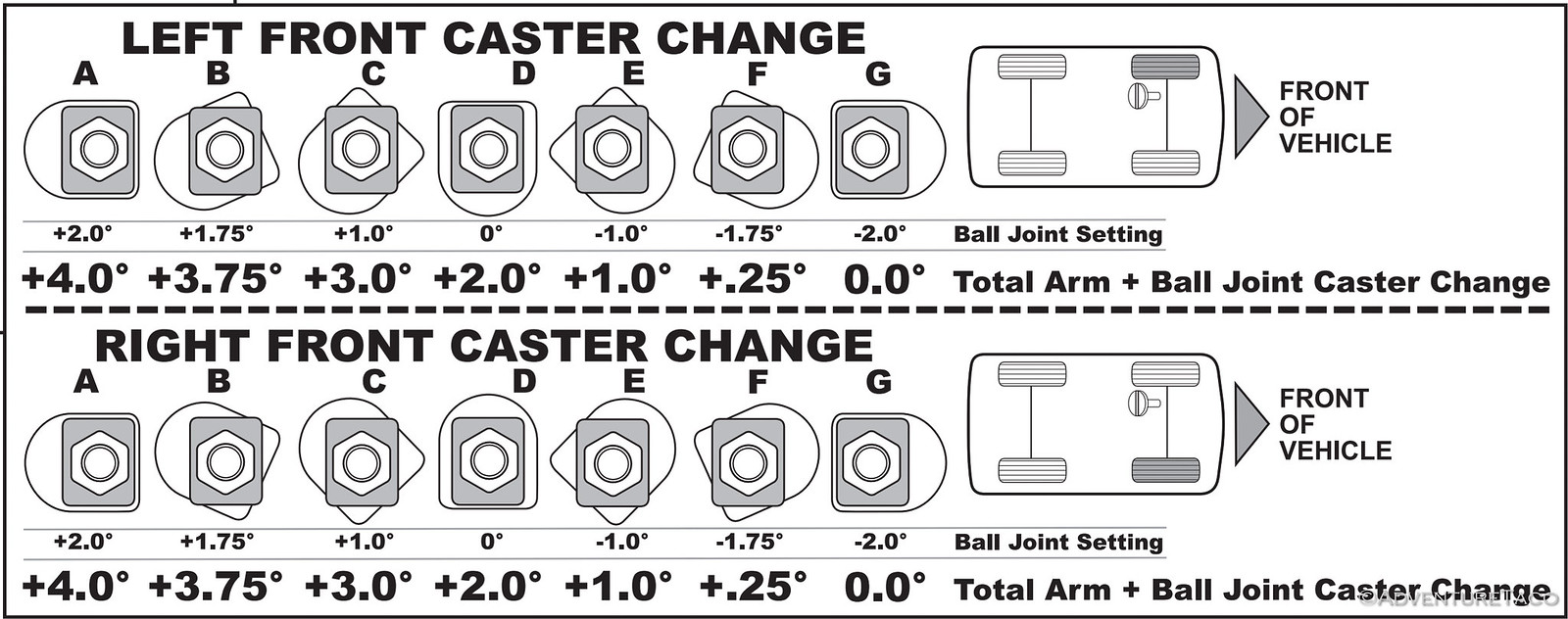
Move or rotate the adjustable assembly in small steps toward the caster and camber change you need.
- ✦ Step 6: Match your intended setup
Compare the position with the SPC reference marks or installation instructions for your exact arm.
- ✦ Step 7: Secure the adjuster
Hold the selected position while tightening the adjustment hardware according to SPC instructions.
- ✦ Step 8: Check physical clearance
Inspect the tire, spring, shock, ball joint, brake hose, ABS wire, and control arm through the steering range.
- ✦ Step 9: Measure alignment
Check caster, camber, and toe. Make another small correction if the readings are not where they need to be.
- ✦ Step 10: Final torque and inspection
Torque all disturbed hardware to the correct specification and perform a final visual check.
Make One Change at a Time
A common mistake is moving the adjuster too far at once. A large movement can correct caster but push camber farther away from the desired value.
A better method is to change the setting in a small step and measure again. This takes more time, but it gives you much better control.
- ✦ Adjust
Move the ball-joint position only enough to create a useful change.
- ✦ Measure
Check caster and camber after the change.
- ✦ Refine
Repeat until the alignment and clearance work together.
How to Adjust SPC Upper Control Arms for More Caster
Many people searching for **how to adjust SPC upper control arms** are trying to gain positive caster after a suspension lift. Positive caster often helps a truck track more steadily and improves steering return-to-center.
On some lifted Toyota applications, extra caster can also move the front tire forward in the wheel opening. This may improve clearance between a larger tire and the rear part of the fender or body mount area.
Do not assume that the maximum available caster is automatically the best setting. The suspension still needs acceptable camber, free ball-joint movement, good tire clearance, and safe operation through the full steering and suspension range.

- ✦ Use the SPC index as a guide
Set the adjustable joint near the position recommended for your desired correction, then verify it with alignment measurements.
- ✦ Compare left and right caster
The two sides should be considered together because road crown and vehicle geometry can affect the final alignment strategy.
- ✦ Watch camber
Increasing caster through the UCA can also alter camber, so check both values after each meaningful change.
- ✦ Check tire position
Turn the steering fully in both directions and inspect clearance around the tire and suspension.
Why Lifted Trucks Often Need More Alignment Range
Raising an independent front suspension changes the normal operating position of the control arms. That can reduce available factory adjustment and change caster or camber.
Adjustable UCAs help restore useful geometry without relying only on the lower control-arm adjusters. This is one of the main reasons SPC arms are common on lifted trucks and SUVs.
- ✦ Lift height matters
A mild lift and a taller lift may require very different alignment corrections.
- ✦ Tire size matters
Larger tires can make small changes in wheel position much more important.
How to Adjust Camber With SPC Upper Control Arms
Camber is another major part of **how to adjust SPC upper control arms**. Too much negative camber makes the top of the tire lean inward. Too much positive camber makes it lean outward.
The goal on most street-driven trucks is not to make the tire look perfectly vertical by eye. The goal is to put the measured camber within the correct range while also getting useful caster and proper toe.
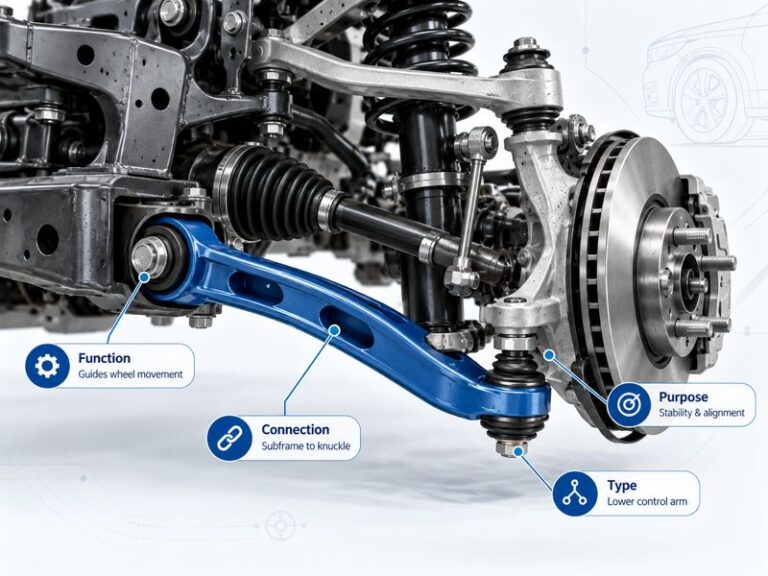
Because the SPC ball-joint position can influence both caster and camber, you may need to balance the two rather than adjust them independently. Lower control-arm alignment cams may also be used on vehicles that have them.

- ✦ Do not align by sight
Small camber errors can be hard to see but can still affect tire wear.
- ✦ Use both adjustment systems when applicable
The SPC UCA and factory lower alignment cams may work together to reach the desired geometry.
- ✦ Check toe afterward
Changes in suspension alignment can alter toe, so toe should be checked before the vehicle returns to normal driving.
Signs Camber May Need Correction
Uneven tire wear can point to an alignment problem, but it does not prove that camber is the only cause. Toe errors, worn parts, tire pressure, and loose components can produce similar wear.
If the tires lean in or out, the steering feels different after a lift, or the alignment shop cannot reach the desired specification, measure the full alignment before changing the UCA setting.
- ✦ Inside-edge wear
This can occur with excessive negative camber or incorrect toe.
- ✦ Outside-edge wear
This can occur with excessive positive camber or other alignment problems.
Adjusting SPC Upper Control Arms for Larger Tire Clearance
Another reason owners learn **how to adjust SPC upper control arms** is tire rubbing. Larger tires may contact the rear of the wheel opening, body mount area, mud flap, liner, or suspension parts during steering.
Changing caster can alter where the tire sits in the wheel opening. On some setups, moving toward more useful positive caster shifts the tire forward enough to improve rear clearance.
However, an SPC adjustment cannot solve every rubbing problem. Wheel offset, tire width, tire diameter, lift height, alignment, bump travel, and body clearance all play a role.

- ✦ Check full steering lock
Turn the wheel fully left and right while checking both front and rear tire clearance.
- ✦ Check loaded clearance
A tire that clears while the vehicle is sitting still may rub when the suspension compresses.
- ✦ Inspect UCA clearance
Make sure the tire and wheel do not contact the upper control arm.
- ✦ Inspect hoses and wiring
Confirm brake hoses and ABS wiring remain free through steering and suspension movement.
Do Not Use Caster as the Only Tire-Clearance Fix
It is tempting to keep adding caster until the tire stops rubbing. That can create a poor compromise if camber, joint angle, or other alignment values become unacceptable.
Treat clearance and alignment as two parts of the same setup. The vehicle should clear safely while maintaining sound suspension geometry.
- ✦ Balance the setup
Good clearance is useful only when steering, alignment, and suspension travel remain safe.
SPC Upper Control Arm Alignment After Adjustment
A proper alignment is the most important final step in **how to adjust SPC upper control arms**. The UCA position gives you additional adjustment range, but the tires still need measured caster, camber, and toe settings.
Tell the alignment technician that the vehicle has adjustable SPC upper control arms. Some technicians may otherwise adjust only the factory lower cams and overlook the extra range at the upper ball joint.
It also helps to explain how the vehicle is used. A daily-driven truck, an off-road build, and a vehicle with oversized tires may have different practical goals even when all three remain within safe alignment limits.

- ✦ Measure caster
Confirm both sides have suitable caster for the vehicle and its suspension setup.
- ✦ Measure camber
Keep camber within the appropriate range while maintaining the desired caster.
- ✦ Set toe
Toe should be adjusted after the major caster and camber corrections are complete.
- ✦ Center the steering wheel
The steering wheel should sit correctly when the vehicle travels straight.
- ✦ Save the alignment printout
A before-and-after printout gives you a useful reference for future tire or suspension work.
Why Toe Should Be Checked Last
Caster and camber adjustments can influence wheel position. If toe is set first, it may need to be corrected again after the other angles change.
A common alignment workflow is to correct caster and camber first, then finish with toe and steering-wheel centering.
- ✦ Final measurement
Verify all alignment values after every major adjustment is complete.
Common Mistakes When Adjusting SPC Upper Control Arms
Knowing **how to adjust SPC upper control arms** also means knowing what not to do. Most problems come from making large changes without measuring, using the wrong torque value, or failing to check clearance after the adjustment.
Another mistake is treating the left and right sides as if they must always look identical. Alignment is based on measured geometry, not just visual symmetry. Manufacturing tolerance, ride height, and road-use needs can create small differences between sides.
You should also avoid using generic internet torque values. SPC designs, model years, and vehicle applications can differ. The correct installation sheet for your exact part number should control the final tightening procedure.
- ✦ Moving the adjuster too far
Large changes make it harder to balance caster and camber.
- ✦ Skipping the alignment
A vehicle may look correct while still having poor caster, camber, or toe.
- ✦ Ignoring clearance
Always check tires, springs, brake hoses, wiring, and nearby parts after adjustment.
- ✦ Using random torque values
Use the instructions for the exact SPC part number and vehicle application.
- ✦ Adjusting worn suspension parts
Loose ball joints, bushings, bearings, or steering parts can make accurate alignment impossible.
- ✦ Forgetting to recheck hardware
Inspect the adjusted components again after the initial drive or at the interval specified by the manufacturer.
Do Not Force a Stuck Adjuster
If an adjustable ball-joint assembly will not move, stop and find the cause. The hardware may still be clamping the assembly, or dirt and corrosion may be restricting movement.
Using excessive force can damage threads, indexing surfaces, or other parts. Clean and inspect the assembly and follow the SPC service procedure for that arm.
- ✦ Inspect first
Confirm the correct hardware has been loosened before applying more force.
How to Tell if Your SPC Upper Control Arms Need Readjustment
You may need to revisit **how to adjust SPC upper control arms** after changing ride height, replacing suspension parts, installing different tires, or noticing a change in handling. Even a good previous alignment may no longer suit the vehicle after another modification.
Do not assume the SPC adjuster has moved just because the vehicle begins pulling. Tire pressure, tire wear, brake drag, damaged parts, and road crown can also affect how the vehicle tracks.
Start with an inspection and alignment measurement. That tells you whether the upper control-arm position actually needs to change.
- ✦ Uneven tire wear
New or increasing edge wear is a reason to check the alignment.
- ✦ Poor straight-line tracking
A change in stability may justify checking caster and other alignment values.
- ✦ Steering does not return well
Alignment geometry can affect how naturally the steering returns toward center.
- ✦ New tire rubbing
Suspension changes or different wheels and tires can alter available clearance.
- ✦ Ride-height changes
Changing lift height can change alignment even if the UCA itself was not touched.
Recheck After Suspension Changes
Any meaningful change in front ride height can change suspension geometry. Coilovers, springs, spacers, and other components may alter the alignment enough to justify another measurement.
Getting the alignment checked after suspension work is much cheaper than wearing out a set of tires because the old settings no longer work.
- ✦ Measure after modification
Do not assume a previous alignment remains correct after changing front suspension height.
Safety Checks After Adjusting SPC Upper Control Arms
After learning **how to adjust SPC upper control arms**, spend a few extra minutes on a safety inspection. The upper control arm is part of the vehicle’s steering and suspension system, so loose or incorrectly secured hardware can create a serious problem.
Check the adjustable joint, mounting points, ball-joint boot, nearby brake hose, ABS wiring, tire, wheel, shock, and spring. Nothing should bind, rub, stretch, or contact another component through normal steering travel.
After the vehicle has been professionally aligned and all hardware has been tightened correctly, begin with a short and cautious road check. Listen for new noises and note any unusual steering behavior.
- ✦ Check full steering travel
Turn from lock to lock and make sure the tire and suspension components remain clear.
- ✦ Inspect the ball-joint boot
Make sure the boot is seated correctly and has not been cut or pinched.
- ✦ Check brake and ABS lines
Lines and wires must have enough slack throughout steering and suspension movement.
- ✦ Verify fasteners
Confirm every disturbed fastener has been tightened according to the applicable instructions.
- ✦ Watch for new noises
Clunks, knocks, or clicking after adjustment deserve immediate inspection.
When to Let an Alignment Shop Handle the Adjustment
If you do not have a safe way to support the vehicle, cannot identify the adjustment hardware, or do not have access to the correct instructions, let a qualified shop perform the work. Suspension and steering hardware should not be adjusted by guesswork.
An alignment shop that understands adjustable aftermarket UCAs can adjust the arm while watching caster and camber readings in real time. This is often the simplest way to get an accurate final setup.
- ✦ Bring the SPC instructions
Providing the installation sheet can help the technician identify the adjustment system and correct tightening procedure.