How Often Should Shocks and Struts Be Replaced? A Complete Guide for Drivers
Many U.S. drivers ask how often should shocks and struts be replaced because these parts wear slowly and often fail without a sudden breakdown. Unlike tires or brakes, suspension wear can be harder to notice until the vehicle feels different on the road.
From years of automotive maintenance experience, one lesson stands out: mileage alone does not tell the full story. A vehicle that spends years on rough roads, carries heavy loads, or drives through harsh weather may need shocks and struts sooner than a car used mostly for smooth highway trips.

How Often Should Shocks and Struts Be Replaced?
When asking how often should shocks and struts be replaced, the common recommendation is every 50,000 to 100,000 miles. This range covers many passenger vehicles, but it is only a general guide.
Shocks and struts control how your vehicle moves after hitting bumps, turning, and braking. Over time, internal parts wear down and reduce their ability to keep the tires connected to the road.
- ✦ Normal replacement range
Many vehicles need new shocks or struts somewhere between 50,000 and 100,000 miles depending on use and maintenance.
- ✦ Earlier replacement needs
Frequent driving on potholes, gravel roads, or rough streets can shorten suspension part life.
- ✦ Inspection matters
A professional inspection can find worn suspension parts before they create bigger problems.
Why Mileage Is Only a Starting Point
Two vehicles with the same mileage may have very different suspension conditions. A car driven gently on highways may have healthier shocks than a lower-mileage vehicle used on damaged city roads.
- ✦ Driving environment
Road quality, weather, and traffic conditions affect how quickly suspension parts wear.
What Do Shocks and Struts Do?
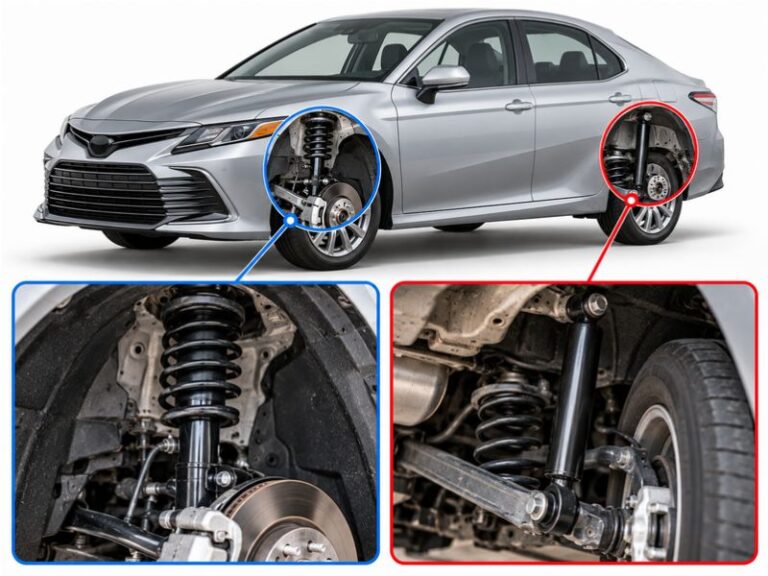
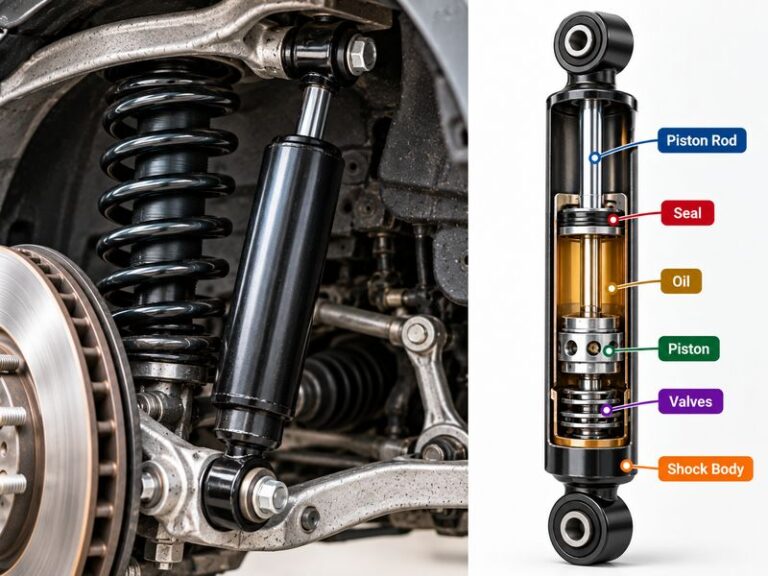
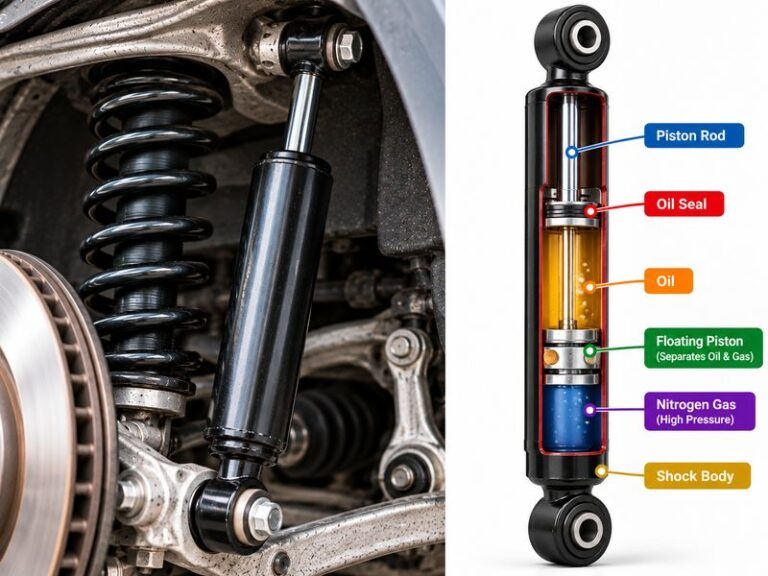
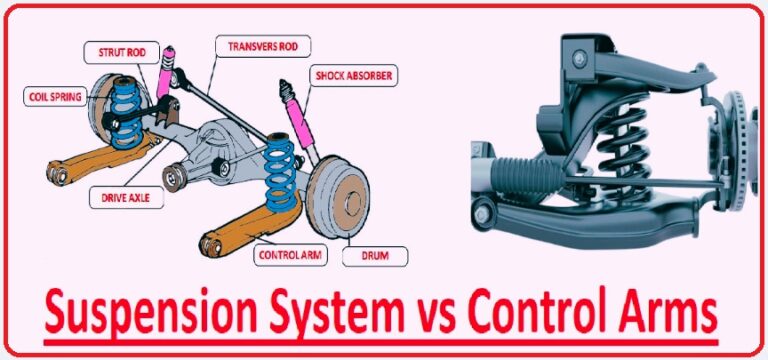
Shocks and struts are key parts of a vehicle suspension system. They help control spring movement, reduce bouncing, and improve tire contact with the road.
Many people use the terms shock and strut as if they mean the same thing, but they are different components. A shock absorber works with the suspension, while a strut is a structural part that supports the vehicle and often includes the spring assembly.

- ✦ Better control
Healthy shocks and struts help your vehicle stay stable during turns and sudden stops.
- ✦ Improved comfort
Good suspension parts reduce harsh movement and make daily driving smoother.
Why Worn Suspension Parts Matter
Old shocks and struts can allow excessive vehicle movement. This may affect handling, braking distance, tire wear, and driver confidence.
- ✦ Safety connection
Suspension performance helps maintain steady contact between tires and the road.
Signs Your Shocks or Struts Need Replacement
Knowing the signs of worn suspension parts helps answer how often should shocks and struts be replaced for your specific vehicle. Your car may show problems before reaching a certain mileage.
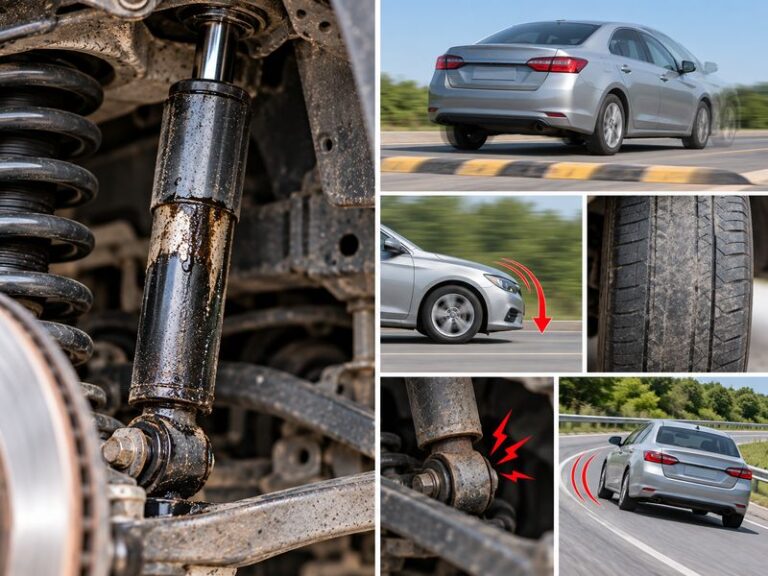
Drivers often notice small changes first, such as extra bouncing or a less controlled feeling over bumps. These signs should not be ignored because worn suspension parts can affect other vehicle systems.

- ✦ Excessive bouncing
If your vehicle continues bouncing after a bump, the shocks or struts may no longer control movement well.
- ✦ Nose diving
The front of the vehicle may dip sharply during braking when suspension control is reduced.
- ✦ Uneven tire wear
Poor suspension control can create uneven tire contact and unusual tread wear.
- ✦ Fluid leaks
Oil or fluid around a shock or strut can indicate internal failure.
Simple Checks Drivers Can Notice
Pay attention to changes in ride quality, steering feel, and vehicle stability. A suspension inspection is the best way to confirm whether replacement is needed.
- ✦ Listen for noise
Clunking or knocking sounds may point to worn suspension components.
Factors That Affect Shock and Strut Lifespan
The answer to how often should shocks and struts be replaced depends on several factors beyond mileage. Vehicle weight, driving style, and road conditions all play a role.
American drivers may experience different suspension wear based on where they live. Rural roads, winter conditions, and areas with frequent potholes can place extra stress on suspension systems.
- ✦ Road conditions
Potholes, uneven pavement, and rough roads increase suspension stress.
- ✦ Vehicle load
Heavy cargo and frequent towing can cause faster wear.
- ✦ Driving habits
Aggressive driving and hard braking can increase suspension strain.
Climate and Weather Effects
Extreme temperatures, road salt, and moisture can contribute to corrosion and wear of suspension components over time.
- ✦ Seasonal inspections
Checking suspension parts during routine maintenance can help catch problems early.
Benefits of Replacing Worn Shocks and Struts
Replacing worn shocks and struts can restore the way your vehicle feels and responds. Many drivers notice better control, smoother rides, and improved confidence after suspension repairs.
New suspension components can also help protect other parts of your vehicle by reducing stress caused by poor tire contact and excessive movement.
- ✦ Improved handling
Fresh shocks and struts help the vehicle respond more predictably during turns.
- ✦ Better tire performance
Proper suspension helps tires maintain better contact with the road.
- ✦ More comfortable driving
A healthy suspension system creates a smoother ride.
Replacing Suspension Parts as a Set
Many technicians recommend replacing shocks or struts in pairs on the same axle. This helps maintain balanced handling between the left and right sides.
- ✦ Balanced performance
Matching new components helps prevent uneven suspension behavior.