You can tell if a shock absorber is bad by checking for oil leaks, extra bouncing, uneven tire wear, clunking sounds, nose diving during braking, and poor handling. No single sign proves a shock has failed, so check several symptoms and inspect the suspension before replacing parts.
On American roads, worn shock absorbers can become easier to notice after driving over potholes, rough pavement, expansion joints, and uneven highway surfaces. A vehicle that once felt stable may begin to bounce after bumps, lean more in turns, or feel less controlled during sudden stops. These changes deserve attention because shocks help keep the tires in contact with the road.
The best way to check for a bad shock absorber is to combine a visual inspection with simple, safe checks of the vehicle’s behavior. Look for fluid around the shock body, inspect the tires for unusual wear, and pay attention to how the vehicle settles after bumps. Other suspension parts can cause similar symptoms, so a proper diagnosis matters before you spend money on repairs.
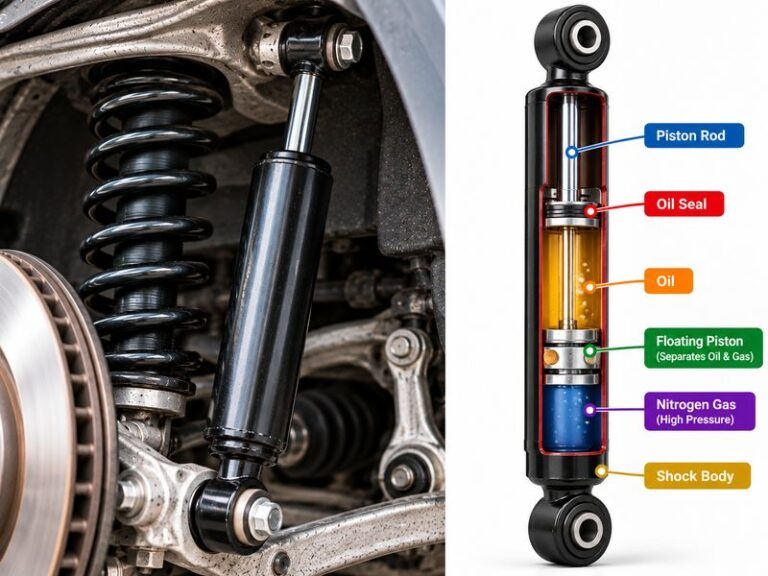
A shock absorber controls the movement of a vehicle’s suspension after the wheels hit bumps or dips. Springs support the vehicle’s weight and compress when the wheels move. Shock absorbers control that spring movement so the body does not keep bouncing after the suspension is disturbed.
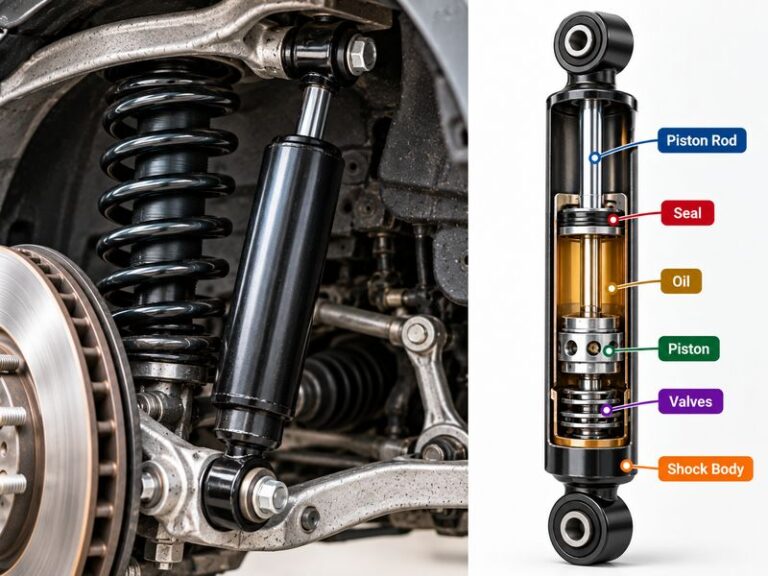
Most modern passenger vehicles use hydraulic shock absorbers or struts containing damping components. Inside the unit, fluid moves through small passages and valves to resist unwanted suspension movement. Gas pressure may also be used to help limit foaming and maintain consistent operation.
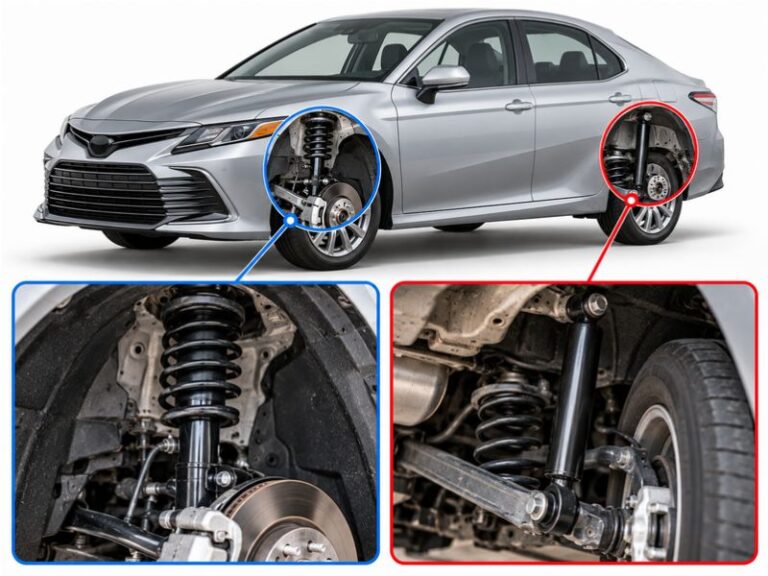
A strut and a shock absorber are related, but they are not always interchangeable terms. A conventional shock mainly controls movement, while a structural strut also forms part of the suspension’s support and alignment system. The vehicle’s design determines which unit it uses.
Source: autoevolution.com
Ride control
Shocks reduce repeated body movement after bumps and help the vehicle settle sooner.
Tire contact
Proper damping helps the tires maintain contact with the road over uneven surfaces.
Handling stability
Working shocks help control suspension movement during turns, braking, and changes in road height.
Tire and suspension wear
Failed shocks can contribute to irregular tire wear and place extra demands on other suspension components.
Can You Drive With a Bad Shock Absorber?
A vehicle with a worn shock may still move, but it may not handle or stop as predictably as it should. The level of risk depends on how badly the unit has failed, the road conditions, vehicle load, tire condition, and the condition of the rest of the suspension.
Avoid normal driving if the vehicle has severe bouncing, major fluid loss, unstable handling, a loose suspension component, or a tire that is damaged from rubbing or unusual wear. Arrange an inspection or towing service when control appears compromised.
Minor suspected wear
Schedule an inspection soon and avoid high speeds, heavy loads, and rough roads until the cause is known.
Severe handling changes
Stop in a safe place and arrange professional assistance rather than continuing to drive.
Seven Common Signs of a Bad Shock Absorber
The clearest warning signs usually involve changes in ride quality, visible damage, tire wear, or handling. One symptom by itself may have several causes, but a combination of signs makes a shock absorber problem more likely.
Check whether the symptoms occur at one corner of the vehicle or across the whole suspension. A single damaged shock may affect one side more than the other, while problems involving tires, alignment, springs, or multiple dampers can create broader changes.
Source: mechanicbase.com
1. Excessive bouncing
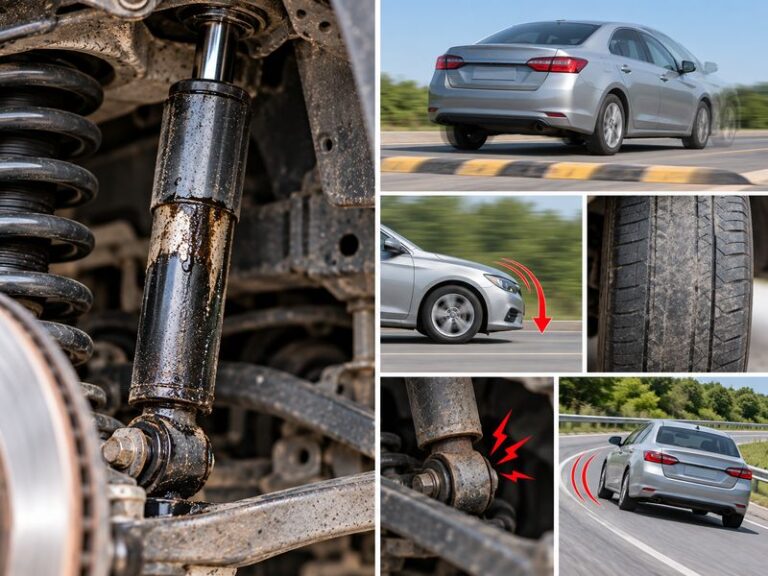
The vehicle continues to move up and down after crossing a bump instead of settling promptly. Weak damping may allow the springs to keep oscillating.
2. Fluid leakage
Wet, oily residue running down the shock body can indicate a failed seal. A thin film or light mist is not always proof of failure, so compare the amount of residue with the manufacturer’s guidance.
3. Uneven tire wear
Scalloped or cupped wear, with alternating high and low spots around the tread, can occur when a tire repeatedly loses consistent contact with the road. Tire imbalance and worn suspension joints can cause similar patterns.
4. Poor handling
The vehicle may feel loose, floaty, or unsettled over dips and uneven pavement. A vehicle that wanders may also have tire, steering, or alignment problems.
5. Excessive body movement
The front may dip more than usual during braking, or the body may lean and continue moving after a turn or lane change. Springs, anti-roll bars, and other suspension parts also affect body movement.
6. Clunking or knocking sounds
A damaged shock mount, loose fastener, worn bushing, or internal shock problem can make noise over bumps. The sound needs to be traced to its source before parts are replaced.
7. Visible damage
A bent shock body, damaged mounting point, torn protective boot, or badly corroded component can signal a problem. A torn boot alone does not always mean the shock has failed, but it can expose the shaft to dirt and damage.
How to Recognize Shock Absorber Oil Leaks
A leaking shock often has wet residue around the shaft seal or fluid streaks along the body. Dirt may stick to the oily area, making it look darker than the surrounding metal. Severe leakage can leave obvious fluid trails or a visibly wet lower section.
Do not confuse a failed seal with every trace of oil-like residue. Some shock designs can show a light film during normal operation, while road grime and fluids from nearby components can make diagnosis difficult. Clean inspection surfaces only when safe, then recheck according to the service procedure.
If fluid is running down the unit, the shock is physically damaged, or leakage appears alongside poor damping, arrange a replacement assessment. The vehicle’s service manual can help distinguish normal surface film from unacceptable leakage.
Light surface film
Inspect further and compare with the manufacturer’s criteria before deciding the unit has failed.
Heavy wetness or fluid trails
Treat this as a stronger warning sign, especially when ride or handling has also changed.
What Bad Shocks Feel Like While Driving
A worn shock may make the vehicle feel as if it floats over dips or takes too long to settle after a bump. The steering may feel less settled over rough pavement, and the body may move more than expected during turns. These sensations can be subtle at first and may become more noticeable as the unit wears.
Do not deliberately drive fast over bumps or make sudden maneuvers to test the suspension. If the vehicle already feels unstable, stop the test and arrange a professional inspection.
After a bump
Watch for repeated bouncing rather than one normal suspension movement.
During braking
Excessive front-end dive can be a clue, but brake condition, springs, load, and vehicle design also affect the result.
During turns
Extra body movement can suggest weak damping, though worn anti-roll bar links, springs, tires, or other parts may be responsible.
How to Check If a Shock Absorber Is Bad at Home
You can perform a useful first inspection at home with a flashlight, a tire-pressure gauge, and a safe, level parking area. You do not need to remove the shock to look for obvious leaks or damage. However, a home inspection cannot measure every aspect of damping performance or confirm every internal fault.
Park on level ground, switch off the engine, engage the parking brake, and let hot components cool. Keep children and pets away from the work area. If the vehicle must be raised for access, use correctly rated jack stands at the specified support points and follow the owner’s manual; never rely on a jack alone.
Source: YouTube > Education Pineapple
Step 1: Check the vehicle’s symptoms
Recall whether bouncing, noise, instability, or tire wear has changed recently. Note when the symptom occurs and whether it seems to come from the front or rear.
Step 2: Inspect the tires
Look for cupping, scalloped tread, bald areas, cracks, and uneven wear between the inner and outer edges. Check tire pressure against the vehicle placard, usually found on the driver’s door area, rather than the maximum pressure printed on the tire sidewall.
Step 3: Inspect visible shock surfaces
Use a flashlight to look for heavy fluid leakage, a bent body, corrosion that affects the component, damaged boots, and loose or visibly damaged mounts. Do not reach into moving or pinching parts.
Step 4: Compare both sides
Where the design permits, compare the left and right shocks on the same axle. Differences in leakage, damage, or condition can help identify a problem, although some vehicle designs use different components at different positions.
Step 5: Perform a gentle bounce check
Only if the vehicle design permits it, press down gently on a suitable body area above the wheel and release. Observe how the body returns. Repeated oscillation can suggest weak damping, but many modern vehicles do not respond reliably to this test.
Step 6: Arrange a professional inspection if needed
If symptoms remain, ask a technician to inspect the shocks or struts, mounts, springs, control-arm bushings, ball joints, steering parts, and tires. A road test or specialized suspension test may be needed.
How to Perform the Bounce Test Correctly
A bounce test is a quick screening method, not a final diagnosis. With the vehicle parked securely on level ground, press down on a suitable body panel above the wheel only if doing so is safe and will not dent the panel. Release it and watch how the body settles.
A body that continues to oscillate may have weak damping. Yet suspension geometry, spring stiffness, vehicle weight, and electronic or adaptive suspension systems can change the result. A vehicle that barely moves during the test can still have a worn damper.
Do not climb under the vehicle or put your hands near the wheel, suspension joints, or springs while another person pushes on the body. Stop if the vehicle rocks on its parking surface or if the test could cause injury or damage.
Repeated movement
Several continued up-and-down movements suggest the suspension deserves further inspection.
One controlled return
This is generally more reassuring than prolonged bouncing, but it does not prove that the shock is fully functional.
Unclear result
Use visible condition, driving symptoms, and a professional assessment rather than relying on the bounce test alone.
Can You Check a Shock Absorber Without Removing It?
Yes. External inspection and observation of vehicle behavior can reveal many obvious problems without removing the unit. Heavy leakage, a bent housing, a broken mount, or repeated bouncing can provide useful evidence.
Some internal faults are not visible from outside. A shock can lose damping performance without a dramatic leak, and a mount or bushing can make a healthy shock seem defective. If the evidence is mixed, further testing is more reliable than replacing parts based on guesswork.
No removal needed
Use visual checks and symptom notes to identify whether the unit needs closer inspection.
Removal may be required
A technician may need to remove the component for a closer check when the service procedure calls for it.
How to Tell If Front or Rear Shocks Are Bad
The location of a failed shock can influence the symptoms you notice, but the symptoms alone cannot identify the exact corner with certainty. Front suspension problems may be more noticeable through steering feel and front-end movement, while rear problems can affect body control, stability, and the ride of passengers in the back.
Many vehicles use front struts and rear shocks, while others use struts or different suspension layouts at both ends. Identify the actual component type from the owner’s manual or service information before ordering parts.
Source: oldoxtire.com
Possible front shock or strut symptoms
Excessive front-end movement over bumps, unusual knocking near a front wheel, or a loose ride may justify inspection. Brake dive alone is not enough to confirm a failed front damper.
Possible rear shock symptoms
Repeated rear bouncing, instability over uneven pavement, rear tire cupping, or a knocking sound near the back may point to a rear suspension issue.
One side feels different
A difference between left and right may indicate a damaged component, but tire pressure, tire wear, springs, alignment, and load distribution should also be checked.
Should You Replace One Shock or Both?
When a shock has failed, replacing both dampers on the same axle is commonly recommended so damping performance remains more balanced from side to side. The correct choice depends on the vehicle manufacturer’s instructions, the age and condition of the other unit, the type of suspension, and the parts being installed.
If only one unit is replaced on an axle, the difference between the old and new dampers may affect ride and handling. Ask the repair shop to explain whether the opposite-side unit has acceptable condition and why the proposed repair meets the manufacturer’s service guidance.
If the vehicle uses struts, replacement may involve additional alignment-related steps. Check whether a wheel alignment is required after the work, especially when suspension geometry or steering-related mounting points have been disturbed.
Replace in axle pairs when appropriate
Matching dampers can help maintain balanced response, subject to the manufacturer’s guidance and the vehicle’s suspension design.
Inspect associated parts
Check mounts, bushings, bump stops, protective boots, springs, and fasteners for damage or wear.
Bad Shock Absorber Symptoms Compared With Other Problems
A bad shock absorber is only one possible cause of a rough ride, uneven tire wear, noise, or unstable handling. Replacing it without checking related components may leave the original symptom unchanged.
Use the pattern of symptoms to decide what should be inspected first. The following comparison is a diagnostic aid, not a substitute for vehicle-specific service information or a hands-on inspection.
Source: hitchesguide.com
Repeated bouncing after bumps
Weak shock or strut damping is a possibility. Also inspect spring condition and other suspension parts.
Cupped tire tread
Worn dampers may contribute, but tire imbalance, wheel runout, alignment issues, and worn joints can also create irregular wear.
Clunking over bumps
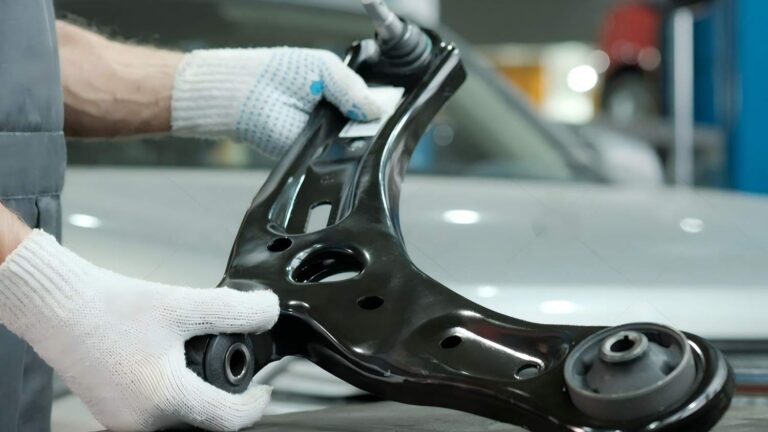
Inspect shock mounts, sway bar links, control-arm bushings, ball joints, and loose fasteners rather than assuming the shock itself is at fault.
Vehicle pulls to one side
Check tire pressure, tire condition, wheel alignment, brake drag, and suspension damage. Pulling alone is not a specific shock absorber symptom.
Vehicle sits low at one corner
A broken or sagging spring, damaged suspension component, or uneven load is often more relevant than shock damping alone.
Harsh ride over small bumps
Check tire pressure, tire type, wheel size, spring condition, suspension bushings, and damper compatibility.
Can Bad Shocks Cause Uneven Tire Wear?
Yes. Worn shocks can allow a wheel to move in a less controlled way over uneven surfaces, which may contribute to cupped or scalloped tread wear. The pattern can appear as alternating high and low spots around the tire.
However, irregular tread wear has several possible causes. Incorrect tire pressure, poor wheel balance, worn suspension joints, wheel alignment errors, and tire damage must also be considered.
If you find cupping, inspect the tread and have the cause diagnosed before installing replacement tires. New tires can develop the same pattern if the underlying suspension or wheel problem remains.
Check pressure first
Use the recommended cold tire pressure on the vehicle’s tire information placard.
Inspect the full suspension
Ask for checks of dampers, springs, joints, bushings, wheels, and alignment as indicated by the wear pattern.
Can Bad Shocks Affect Braking Distance?
Worn dampers can reduce suspension control and may make tire contact less consistent on uneven pavement. This can affect braking stability and the vehicle’s response during an emergency stop.
The exact change in stopping distance depends on the vehicle, tires, road surface, brake condition, speed, and the severity of damper wear. There is no single stopping-distance increase that applies to every vehicle with bad shocks.
If braking feels weak, the pedal changes, the vehicle pulls sharply, or a brake warning light appears, treat the issue as a possible brake fault and arrange an immediate inspection. Do not assume new shocks will fix a braking problem.
Braking instability
Have the suspension and braking systems inspected if the vehicle feels unsettled or changes direction during braking.
Brake warning signs
Investigate brake-specific symptoms separately and avoid driving when braking performance appears unsafe.
What Causes Shock Absorbers to Go Bad?
Shock absorbers wear as their internal seals, fluid, valves, and moving parts age. Heat, repeated suspension movement, road impacts, corrosion, and heavy loads can affect service life. A shock may also fail early after impact damage or because another suspension problem places unusual stress on it.
There is no single replacement interval that fits every vehicle. A shock used mainly on smooth roads may age differently from one used on rough roads, gravel, or frequent potholes. Follow the manufacturer’s maintenance guidance and investigate changes in ride or handling rather than relying on mileage alone.
Source: storage.googleapis.com
Road impacts
Deep potholes, damaged pavement, and sharp impacts can damage a shock, its mount, or other suspension components.
Age and repeated use
Seals, fluid, and internal parts can wear gradually, reducing the unit’s ability to control suspension movement.
Corrosion
Road salt, moisture, and debris can damage exposed metal surfaces and mounting hardware.
Heavy loads
Frequent towing, overloaded vehicles, and demanding operating conditions can increase suspension stress. Stay within the vehicle’s rated load limits.
Damaged mounts or bushings
Worn attachment points can create noise and unwanted movement even when the damper itself still works.
How Long Do Shock Absorbers Last?
Shock absorber life varies with vehicle design, road quality, driving style, climate, loads, and component quality. Some dampers remain serviceable for many years, while others wear sooner because of harsh use or damage.
Do not replace shocks solely because the vehicle reaches an arbitrary mileage figure. Inspect them during routine maintenance and pay attention to leaks, handling changes, tire wear, and suspension noise. Use the service interval specified by the vehicle manufacturer when one is provided.
Mileage is only a clue
A high-mileage shock is worth inspecting, but mileage alone does not establish failure.
Condition matters most
Base replacement on documented inspection findings, symptoms, and the correct service guidance.
When Should You Replace a Bad Shock Absorber?
Replace a shock absorber when inspection confirms a failed seal, damaged housing, inadequate damping, or another condition that makes it unserviceable under the vehicle manufacturer’s criteria. A badly bent component, broken attachment, or severe loss of damping should not be ignored.
If the vehicle only has a mild symptom and no obvious damage, confirm the cause before ordering parts. A worn mount, damaged tire, broken spring, or alignment problem can produce similar behavior. The correct repair should address the diagnosed fault rather than just the most visible symptom.
Source: storage.googleapis.com
Replacement is likely needed
Heavy leakage, a bent body, confirmed loss of damping, or a damaged component that fails the service inspection supports replacement.
Further diagnosis is needed
A vague noise, slight ride change, or uneven tire wear without other evidence calls for inspection of related parts.
Stop driving and seek help
Severe instability, broken suspension hardware, tire interference, or loss of vehicle control requires prompt professional assistance.
What Should Be Checked During Replacement?
A shock replacement is a useful time to inspect the related suspension components. A damaged mount or bushing can cause the new unit to make noise, while a worn spring or loose joint can leave the vehicle unstable after the repair.
Replacement procedures vary by vehicle. Some shocks are relatively accessible, while strut removal may require spring-compression equipment and careful handling of highly loaded components. A compressed coil spring stores substantial energy and can cause serious injury if released improperly.
Follow the service manual for torque values, mounting procedures, and alignment requirements. Never guess fastener torque or use improvised methods to compress a suspension spring.
Mounts and bushings
Inspect for cracks, looseness, separation, or excessive movement.
Springs and bump stops
Check for broken coils, sagging, corrosion, or damaged travel-limiting parts.
Protective boots
Check for tears, missing sections, and contamination that could damage the shaft.
Alignment
Confirm whether the vehicle requires an alignment after the repair.
Common Mistakes When Diagnosing Bad Shocks
The most common diagnostic mistake is treating one symptom as proof that a shock absorber has failed. A bounce test, a clunk, or an uneven tire does not identify the cause by itself. Reliable diagnosis comes from checking the entire pattern and ruling out other likely faults.
Another mistake is overlooking tire pressure and vehicle load. Both can change ride quality and handling, so check the basic conditions before drawing conclusions. If the vehicle has adaptive dampers or an unusual suspension layout, use the correct service procedure rather than relying on a generic test.
Source: detroitchinatown.org
Replacing parts based on noise alone
Clunks may come from mounts, sway bar links, bushings, ball joints, or loose hardware. Locate the source before replacing the shock.
Assuming every wet shock has failed
A light film may differ from a serious leak. Apply the manufacturer’s inspection criteria.
Relying only on the bounce test
Some worn dampers pass a basic bounce check, so use several diagnostic clues.
Ignoring the tires
Pressure, tread wear, damage, and wheel balance can affect symptoms that seem suspension-related.
Testing on public roads at speed
Do not use aggressive braking, fast cornering, or hard impacts to provoke symptoms. Stop driving tests if handling is unstable.
Working under an unsupported vehicle
Never place any part of your body beneath a vehicle held up only by a jack.
When Is a Professional Suspension Test Worth It?
A professional inspection is useful when symptoms persist but the cause is unclear, when a vehicle has electronic or adaptive suspension, or when the suspension needs to be dismantled. A technician can check mounting points, measure ride height, inspect joints, and use vehicle-specific diagnostic methods.
If electronic suspension warnings appear, the system may need a scan tool or manufacturer-specific procedure. Replacing a mechanical part without checking stored faults may not resolve the problem.
Ask the technician to explain which findings support the diagnosis, which related parts were checked, and whether both sides of the axle should be serviced. This makes the repair decision easier to understand and helps prevent unnecessary parts replacement.
Persistent symptoms
Seek a full inspection when bouncing, noise, or unstable handling remains after basic checks.
Special suspension systems
Use a shop familiar with the vehicle’s adaptive, air, or electronically controlled suspension when applicable.
Quick Decision Guide: Are Your Shock Absorbers Bad?
Use this decision guide to choose the next step based on what you can observe. It helps organize the evidence but cannot replace a hands-on inspection, particularly when handling or braking is affected.
Source: YouTube > Junky DIY guy
You see heavy fluid leakage or physical damage
Arrange prompt inspection and replacement if the unit fails the manufacturer’s service criteria.
The vehicle bounces repeatedly after bumps
Inspect the shocks or struts and related suspension components for weak damping or damage.
The tires show cupping or scalloped wear
Check tire pressure, wheel balance, alignment, dampers, and suspension joints before fitting replacement tires.
You hear a clunk over bumps
Have the mounts, bushings, links, joints, fasteners, and dampers checked to locate the noise.
The vehicle feels dangerously unstable
Stop driving when safe and arrange professional assistance or towing.
There are no clear symptoms
Continue routine inspections and follow the manufacturer’s maintenance guidance rather than replacing parts without evidence.
What Information Should You Give a Mechanic?
Clear symptom details can help a technician narrow the cause. Describe when the problem began, whether it occurs over bumps or during braking, and whether the sound or movement comes from the front or rear.
Mention recent tire changes, suspension repairs, pothole impacts, heavy loads, warning lights, and any visible leakage. If the symptoms change with vehicle load or road surface, explain that as well.
Record the symptoms
Note the type of movement, noise, and the conditions under which it occurs.
Share inspection findings
Point out visible leaks, damaged boots, uneven tread wear, or differences between the two sides.
Ask for evidence
Request an explanation of the failed part, the recommended repair, and any related alignment or suspension work.
Frequently Asked Questions
Q
How do I know if my shock absorbers need replacing?
Look for heavy oil leakage, repeated bouncing, damaged mounts, a bent shock body, uneven tire wear, or a noticeable loss of handling control. These signs support further inspection, but a technician should confirm the cause before replacement when the evidence is unclear.
Q
Can a shock absorber be bad without leaking?
Yes. Internal wear can reduce damping without causing an obvious external leak. A shock may allow excessive suspension movement even when its outer body looks dry, so driving symptoms and a proper inspection are also important.
Q
Does the bounce test always identify a bad shock?
No. A bounce test is only a screening method. Vehicle design, spring stiffness, suspension geometry, and damper type affect the result, and some worn shocks may not produce obvious bouncing. Use several signs and the manufacturer’s inspection procedure.
Q
Should I replace both shock absorbers at the same time?
Replacing dampers in pairs on the same axle is commonly recommended because a new unit may respond differently from an old one. Check the manufacturer’s guidance and the condition of the opposite-side unit before deciding on the repair.
Q
Can bad shocks cause a car to shake?
Worn shocks can contribute to an unsettled ride and wheel movement over rough surfaces, but shaking can also result from tire imbalance, damaged tires, bent wheels, worn steering parts, or brake problems. The speed and conditions that trigger the shaking help guide diagnosis.
Q
How long can I drive with a bad shock absorber?
There is no safe universal distance or time. A mildly worn damper and a severely damaged suspension component present different risks. Arrange an inspection promptly, and do not continue driving if the vehicle feels unstable, a tire rubs against the body, a mount is broken, or braking control is affected.
Q
Can bad shocks cause uneven tire wear?
Yes. Poor damping can contribute to cupped or scalloped tread wear, but incorrect tire pressure, wheel imbalance, alignment faults, and worn suspension joints can produce similar patterns. Inspect the full tire and suspension system before replacing parts.
✦ Wrapping Up
Conclusion
The most useful way to tell if a shock absorber is bad is to combine a visual inspection with signs of poor suspension control. Heavy leakage, repeated bouncing, damaged mounts, unusual tire wear, and unstable handling are reasons to investigate the shocks or struts. No single symptom confirms failure in every vehicle.
Start with the tires and visible suspension parts, compare the left and right sides where possible, and use the vehicle manufacturer’s service guidance. If the diagnosis remains unclear, or the vehicle feels unsafe, have a qualified technician inspect the complete suspension before replacing parts or continuing to drive.
💡 Key Takeaway
Park safely on level ground and inspect the tires, shock bodies, mounts, and visible suspension parts for leaks or damage. If you find severe leakage, repeated bouncing, or unstable handling, arrange a professional suspension inspection and avoid driving when vehicle control may be compromised.
Eric
Hi, I’m Eric Bennett, the person behind OffRoadTruckAccessories.com.
I created this blog to share my interest in trucks, off-road driving, automotive accessories, and DIY modifications. I enjoy learning how different truck accessories work, testing their usefulness, and understanding whether they are truly worth buying.
Shock absorbers are located near the wheels as part of the suspension system, usually between the vehicle’s body, frame, or subframe and a suspension component such as a control arm, axle, or wheel assembly. However, the exact answer to where are shock absorbers located on a car depends on the suspension design. Some vehicles have…
You should change shock absorbers when they are worn, leaking, damaged, or no longer controlling suspension movement properly. There is no single replacement interval that applies to every vehicle because shock absorber life depends on road conditions, vehicle weight, driving habits, suspension design, and component quality. If you are wondering when to change shock absorbers,…
A shock absorber is a suspension component that controls how quickly a vehicle’s suspension moves up and down after bumps, dips, braking, acceleration, and other road inputs. It works with the springs to prevent excessive bouncing and helps keep the tires in controlled contact with the road. So, what does a shock absorber do? It…
A gas shock absorber is a hydraulic shock absorber that uses pressurized gas, usually nitrogen, along with shock absorber oil to control suspension movement. The gas helps reduce oil foaming and keeps damping performance more consistent when the shock works repeatedly or under demanding conditions. If you are wondering what is a gas shock absorber,…