How Often Should You Replace Shocks? A Complete Guide for Car Owners
Knowing how often should you replace shocks helps you protect your vehicle and avoid costly suspension problems. Shocks slowly lose performance over time, even when they do not look damaged from the outside.
In my experience working with vehicle maintenance topics, many drivers wait until their ride feels unsafe before checking their shocks. A better approach is to inspect them during routine service and replace them before performance drops too far.

How Often Should You Replace Shocks on a Typical Vehicle?
The common answer to how often should you replace shocks is every 50,000 to 100,000 miles. This is a general guideline, not a strict rule. Some vehicles need new shocks sooner, while others can go longer with careful driving.
American drivers often face different conditions, from smooth highways to rough city streets and rural roads. Heavy loads, towing, potholes, and extreme weather can shorten shock life.
- ✦ Normal driving conditions
Many vehicles perform well with shocks lasting close to the 50,000 to 100,000 mile range.
- ✦ Severe driving conditions
Frequent rough roads, towing, or carrying heavy cargo may require earlier replacement.
- ✦ Regular inspections
A mechanic can check shock performance during tire rotations, brake service, or routine maintenance.
Why Mileage Is Only a General Guide
Mileage alone cannot show the true condition of your shocks. Two vehicles with the same miles may have very different suspension wear because their driving conditions are not the same.
- ✦ Road quality
Bumpy roads and frequent impacts create more stress on shock absorbers.
What Do Shocks Do and Why Are They Important?
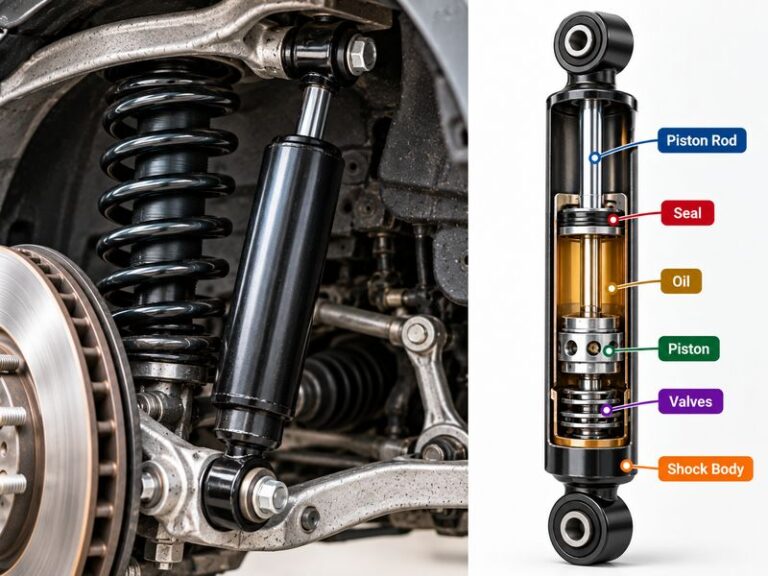
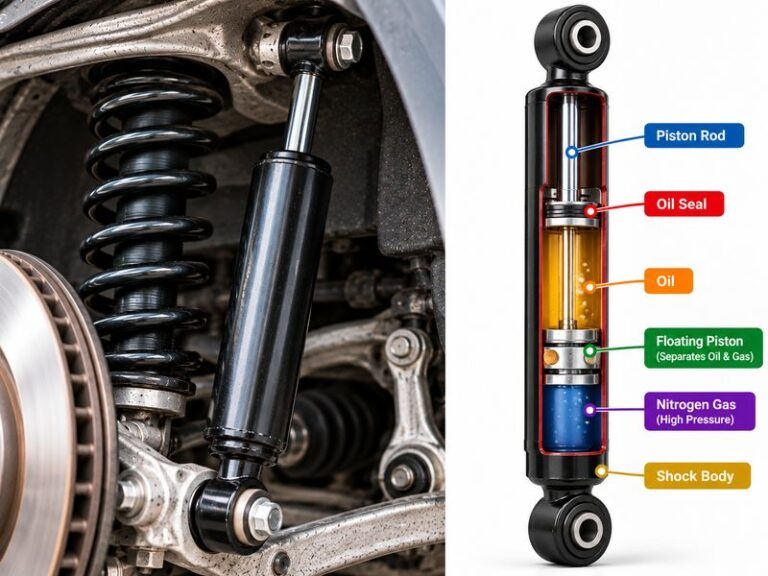
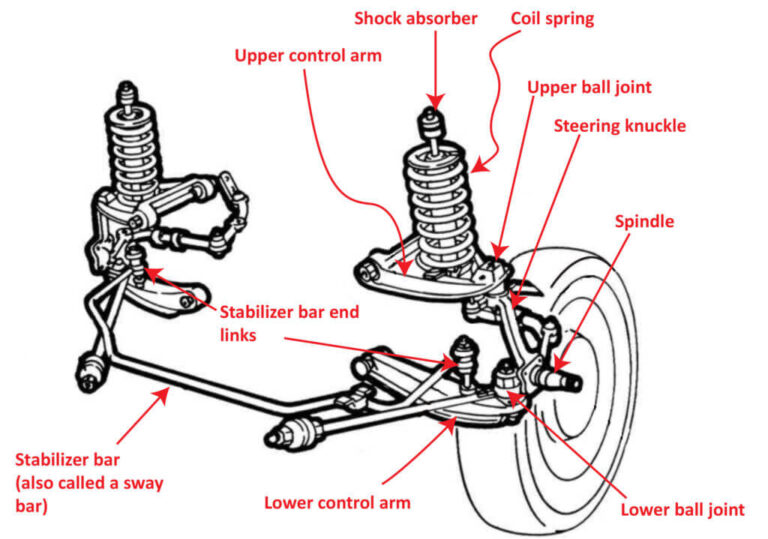
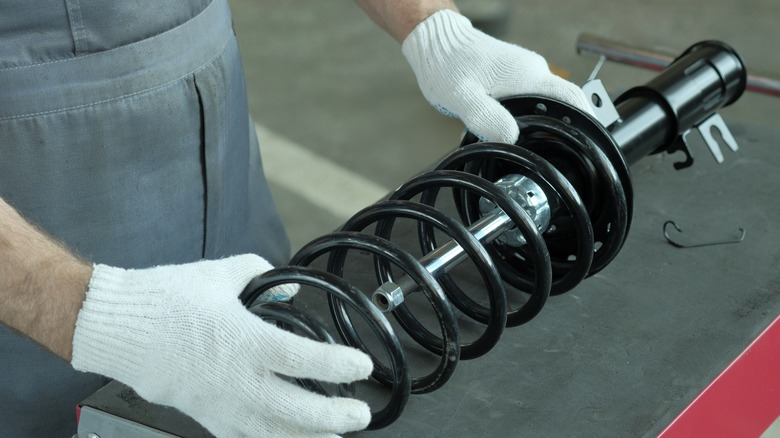
Shocks control how your vehicle moves after hitting bumps, braking, or turning. They keep your tires connected to the road and help prevent excessive bouncing.
A worn shock does not usually cause an immediate breakdown. However, it can reduce handling ability and make your vehicle feel less stable, especially during emergency situations.
- ✦ Better vehicle control
Healthy shocks help your vehicle stay balanced during turns and sudden stops.
- ✦ Improved tire contact
Good shocks help tires maintain better contact with the road surface.
- ✦ More comfortable driving
Working shocks reduce harsh bouncing and improve ride quality.
Shocks vs. Struts
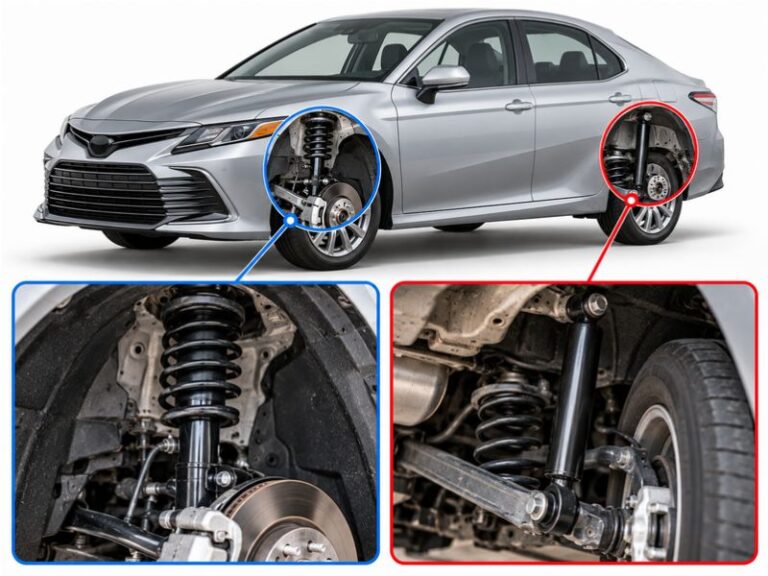
Many people use the terms shocks and struts in the same way, but they are different parts. Shocks control movement, while struts are a larger suspension assembly that also supports vehicle structure.
- ✦ Shock absorbers
These parts mainly control suspension movement.
- ✦ Strut assemblies
These combine suspension support and damping functions.
Signs Your Shocks May Need Replacement
Learning the warning signs can help you decide when to inspect your suspension. Many drivers searching how often should you replace shocks are actually noticing symptoms of worn parts.
A vehicle with weak shocks may still drive, but the experience often changes. Paying attention to small problems can prevent larger repair needs.

- ✦ Excessive bouncing
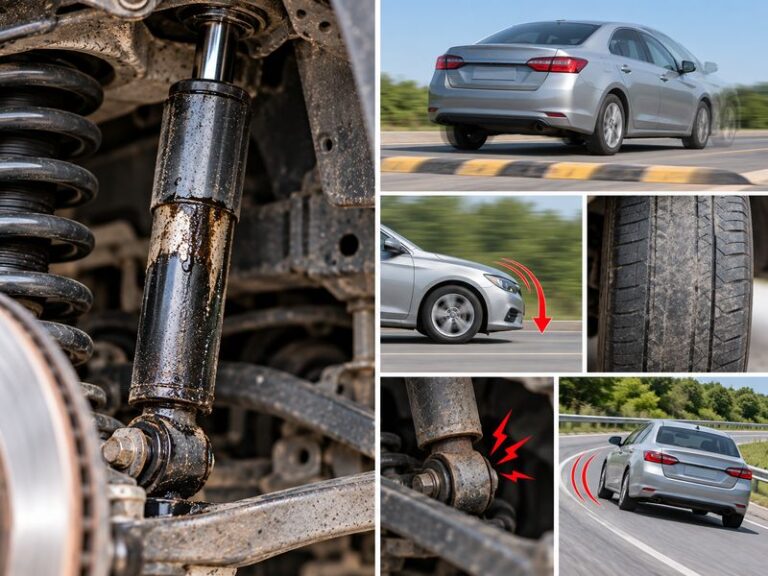
Your vehicle may continue bouncing after going over bumps.
- ✦ Nose diving while braking
The front end may dip more than normal when you stop.
- ✦ Uneven tire wear
Weak shocks can contribute to uneven contact between tires and the road.
- ✦ Fluid leaks
Visible oil around a shock may indicate internal damage.
How Drivers Can Notice Suspension Changes
A change in steering feel is often one of the first clues. You may notice more body movement, longer stopping distance, or a less controlled ride.
Factors That Affect How Long Shocks Last
The answer to how often should you replace shocks depends on several factors. Vehicle design, driving style, and environment all affect shock lifespan.
A family sedan used mostly on smooth highways may keep its shocks longer than a truck that carries loads on rough roads.
- ✦ Driving habits
Hard braking, fast cornering, and aggressive driving increase suspension stress.
- ✦ Climate conditions
Extreme temperatures and corrosion can affect suspension parts.
- ✦ Vehicle load
Heavy cargo and towing place extra pressure on shocks.
How Much Does It Cost to Replace Shocks?
Shock replacement costs vary based on vehicle type, parts quality, and labor rates. Many drivers spend several hundred dollars for a complete replacement, while luxury or specialized vehicles may cost more.
Replacing shocks in pairs on the same axle is often recommended because balanced suspension performance matters. Your repair professional can explain the best option for your vehicle.

- ✦ Parts cost
Prices vary based on the vehicle model and shock brand.
- ✦ Labor cost
Installation time depends on suspension design and access.
Should You Replace All Four Shocks?
Not every situation requires replacing all four shocks. A mechanic should inspect the complete suspension system and recommend repairs based on wear and vehicle condition.
Tips to Extend the Life of Your Shocks
While shocks eventually wear out, good habits can help them last longer. Simple maintenance choices can reduce unnecessary suspension stress.
Regular inspections also help catch problems early. This is especially useful for drivers who travel long distances or drive on rough roads.
- ✦ Maintain proper tire pressure
Correct tire pressure helps reduce unnecessary impact on suspension parts.
- ✦ Avoid heavy overloading
Stay within your vehicle’s recommended weight limits.
- ✦ Inspect suspension regularly
Routine checks can identify worn parts before they create safety concerns.