How Many Control Arms Does a Car Have? Complete Guide to Suspension Control Arms
Many drivers ask, “how many control arms does a car have” when learning about suspension repairs or estimating maintenance costs. The answer is not always the same because automakers use different suspension layouts for different vehicles.
In my experience working with vehicle owners and reviewing suspension systems, I have seen everything from simple front-wheel-drive sedans with two control arms to luxury SUVs with multiple links and control arms at each wheel. Understanding the design on your vehicle helps you make smarter repair and maintenance decisions.

What Is a Control Arm?
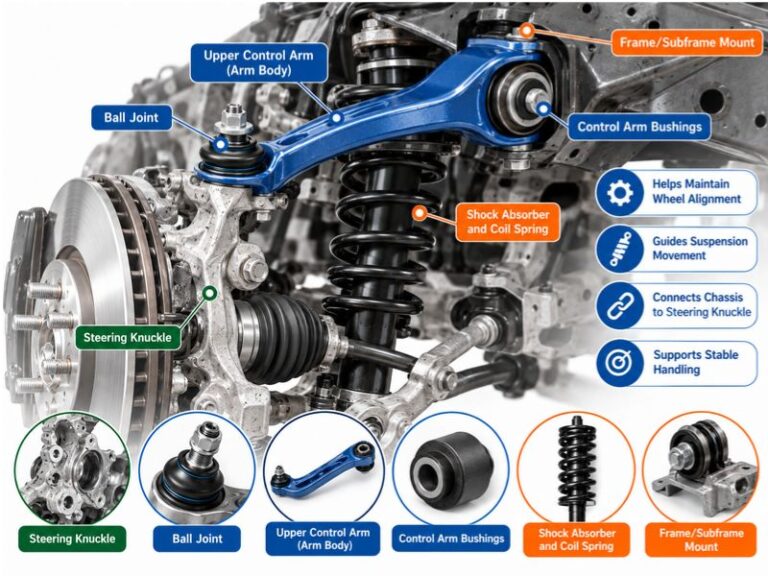
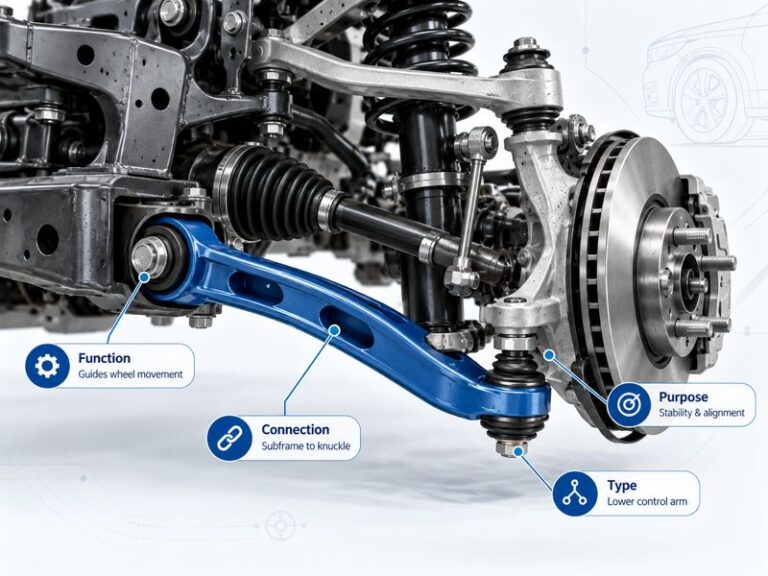
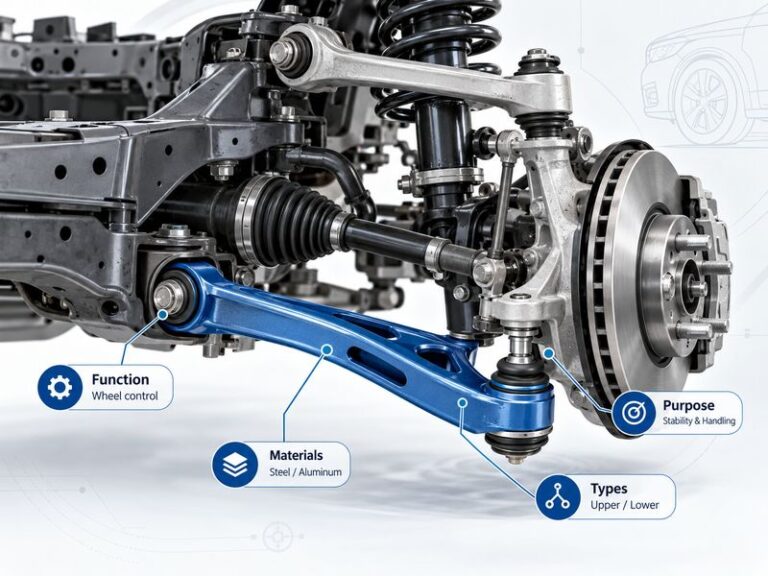
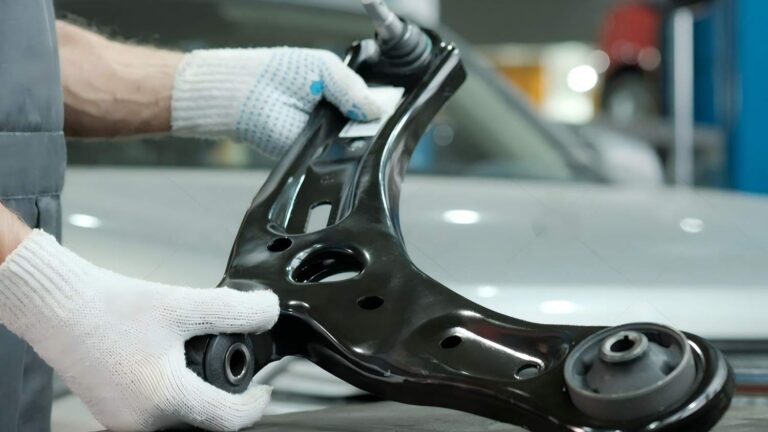
A control arm is a suspension component that connects the wheel assembly to the vehicle’s frame or subframe. It helps the wheel move up and down while keeping it aligned with the road.
Control arms work with bushings, ball joints, springs, and shock absorbers. Together, these parts provide stability, handling, and ride comfort.

- ✦ Primary Function
Connects the suspension and wheel assembly to the vehicle structure.
- ✦ Ride Quality
Helps absorb road impacts and supports smooth handling.
- ✦ Wheel Control
Maintains proper wheel position during driving and cornering.
Why Control Arms Matter
Without control arms, the wheels would not stay properly positioned. This would lead to poor steering response, uneven tire wear, and reduced vehicle stability.
- ✦ Safety
Supports predictable steering and braking performance.
How Many Control Arms Does a Car Have?
The most accurate answer to how many control arms does a car have is that it depends on the suspension design. Most passenger vehicles have between 2 and 8 control arms in total.
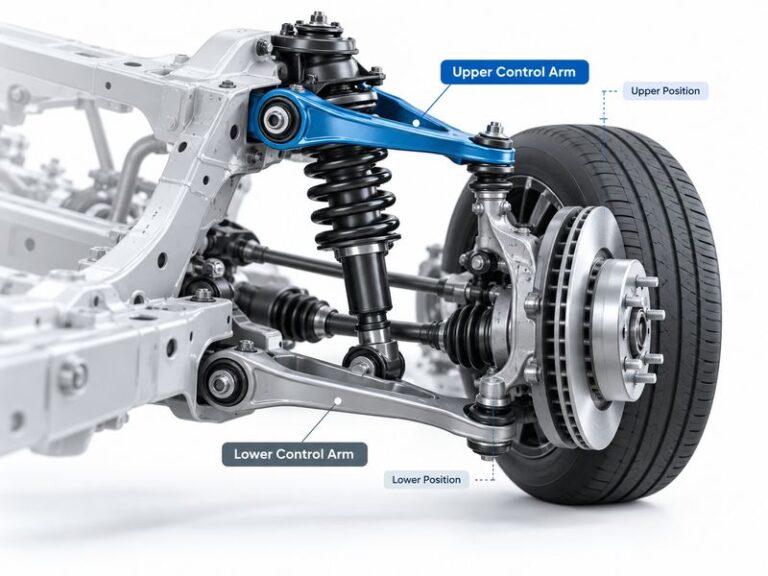
Some cars have only lower control arms in the front suspension. Others use both upper and lower control arms. Performance vehicles and luxury models may have even more control arms as part of advanced multi-link systems.

- ✦ Basic Layout
Many compact cars have 2 front lower control arms.
- ✦ Double Wishbone
Often includes 4 front control arms, with upper and lower arms on both sides.
- ✦ Multi-Link Systems
Can include several control arms at each wheel.
Typical Vehicle Counts
A small sedan may have 2 to 4 control arms. A crossover or SUV may have 4 to 8. High-end vehicles with multi-link suspension can have even more suspension links that perform similar control functions.
- ✦ Sedans
Commonly 2 to 4 control arms.
- ✦ SUVs
Often 4 to 8 control arms depending on design.
Control Arms by Suspension Type
To understand how many control arms does a car have, you must first identify the suspension type. Different designs use different numbers of arms and links.
The three most common systems are MacPherson strut, double wishbone, and multi-link suspension.
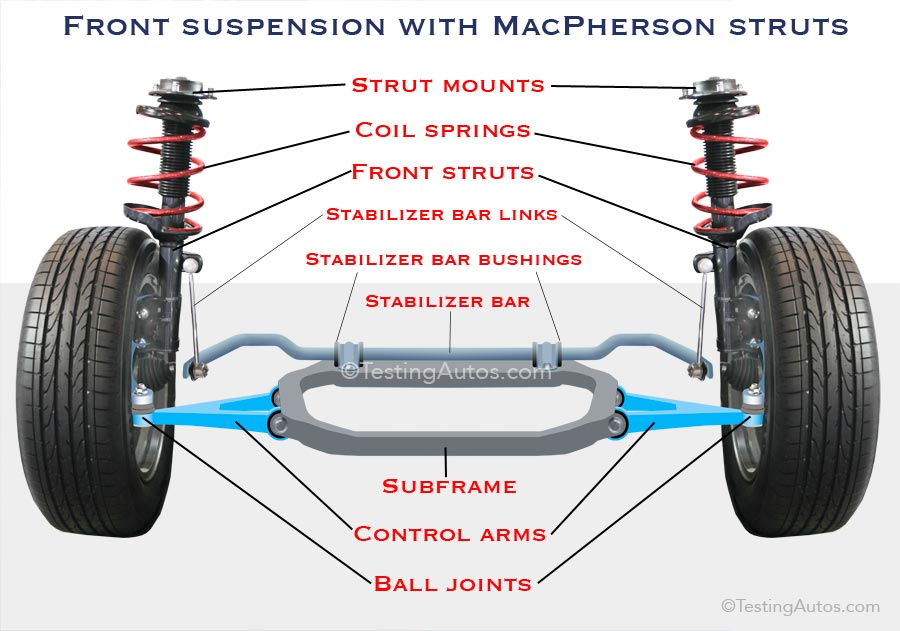
- ✦ MacPherson Strut
Usually one lower control arm per side in the front.
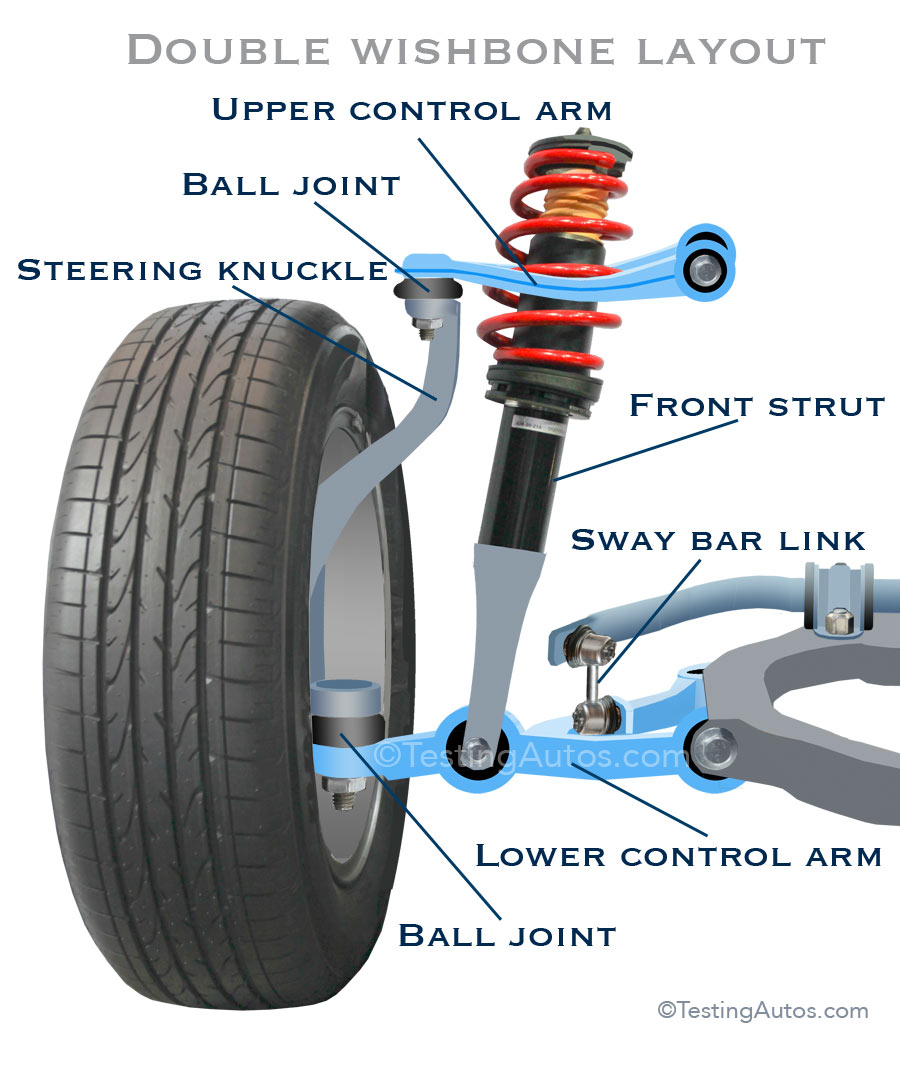
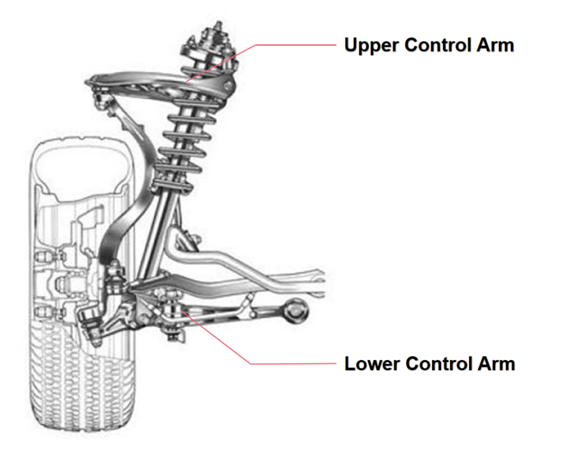
- ✦ Double Wishbone
Uses both upper and lower control arms.
- ✦ Multi-Link
Uses multiple arms and links for wheel control.
MacPherson Strut Suspension
This is one of the most common suspension designs in the United States. It is compact, affordable, and often uses a single lower control arm on each front wheel.
- ✦ Common Usage
Economy cars, sedans, and compact SUVs.
Double Wishbone Suspension
This setup uses upper and lower control arms. It provides excellent wheel control and is often found on trucks, sports cars, and performance vehicles.
- ✦ Advantage
Improves handling and suspension travel.
Where Are Control Arms Located?
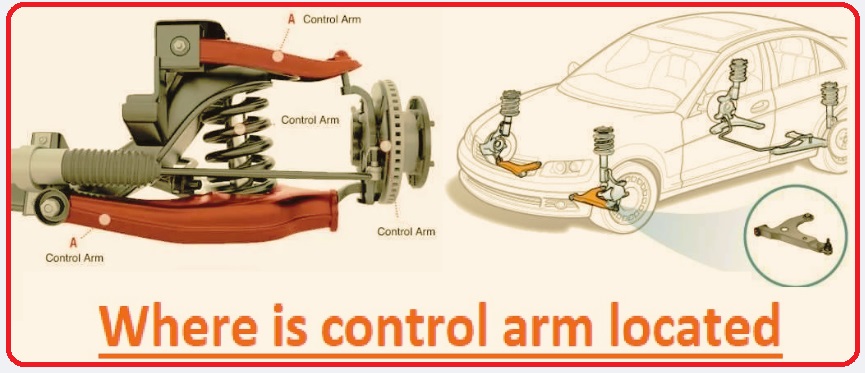
Control arms are located between the vehicle frame and the wheel hub assembly. They are usually visible underneath the car near each wheel.
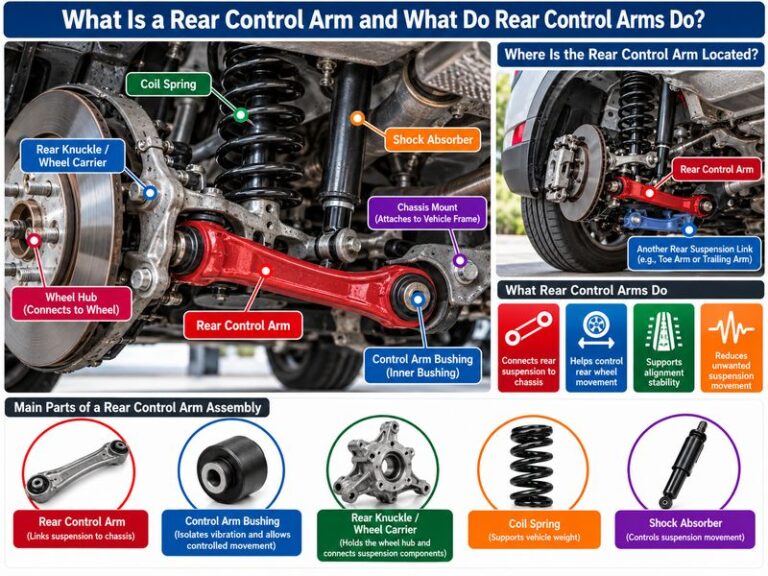
Front suspension systems almost always include control arms. Rear suspension systems may also use them, especially in independent rear suspension designs.
- ✦ Front Location
Mounted near the steering and wheel assembly.
- ✦ Rear Location
Found on many independent rear suspension systems.
Front vs Rear Control Arms
Front control arms handle steering and suspension movement. Rear control arms mainly manage wheel positioning and ride stability.
- ✦ Steering Role
Front control arms contribute directly to steering behavior.
Signs of a Bad Control Arm
Knowing how many control arms does a car have is useful, but recognizing failure symptoms is even more important. Worn control arms can affect safety and handling.
Most problems occur when bushings wear out or ball joints develop excessive play.
- ✦ Clunking Noises
Common when bushings or joints become loose.
- ✦ Uneven Tire Wear
Can result from suspension misalignment.
- ✦ Poor Handling
Vehicle may wander or feel unstable.
- ✦ Steering Vibration
May indicate worn suspension components.
When Replacement Is Necessary
If a mechanic finds damaged bushings, bent arms, or worn ball joints, replacement is often the safest option. Delaying repairs can increase tire wear and suspension damage.
- ✦ Inspection
Check suspension components during routine maintenance.
How Long Do Control Arms Last?
Control arms can last many years under normal driving conditions. In many vehicles, they may remain functional for 90,000 to 150,000 miles or more.
Road conditions, climate, and driving habits affect lifespan. Rough roads and frequent pothole impacts often accelerate wear.
- ✦ Highway Driving
Usually causes less suspension stress.
- ✦ Rough Roads
Increase wear on bushings and joints.
Maintenance Tips
Regular inspections help detect problems early. Addressing worn bushings before they fail completely can reduce repair costs.
- ✦ Alignment Checks
Help identify suspension issues before they worsen.
Can You Drive with a Damaged Control Arm?
Driving with a damaged control arm is not recommended. A severely worn or broken control arm can affect steering, braking, and wheel alignment.
If you hear loud clunks, notice uneven tire wear, or experience unstable handling, have the suspension inspected as soon as possible.

- ✦ Safety Risk
Suspension failure can reduce vehicle control.
- ✦ Higher Costs
Ignoring problems may damage tires and other suspension parts.
Professional Diagnosis
A trained technician can determine whether the control arm, ball joint, or bushings need replacement. Accurate diagnosis prevents unnecessary repairs.
- ✦ Best Practice
Schedule an inspection when symptoms first appear.