How Long Does It Take to Replace Shocks and Struts? Complete Guide
Many U.S. drivers ask, how long does it take to replace shocks and struts before they schedule service. The answer depends on the vehicle design, the number of parts being replaced, and the condition of the suspension system.
From years of working with vehicle maintenance questions, the biggest time differences come from access and preparation. A simple shock replacement may fit into a short appointment, while a full strut replacement with alignment can take most of a workday.
How long does it take to replace shocks and struts on a typical vehicle?
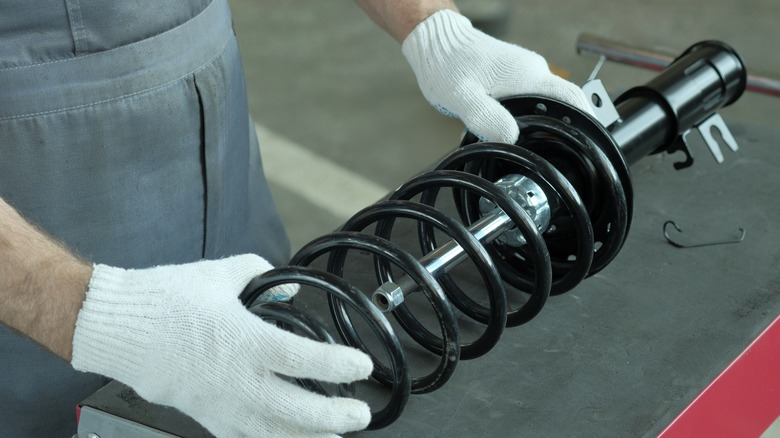
The average answer to how long does it take to replace shocks and struts is about 2 to 5 hours for most cars and SUVs. A mechanic must safely lift the vehicle, remove old parts, install new components, and test the suspension.
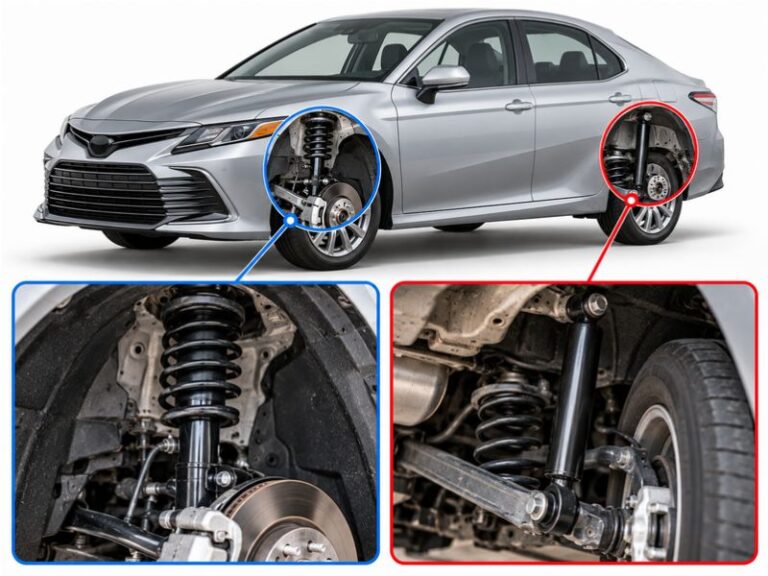
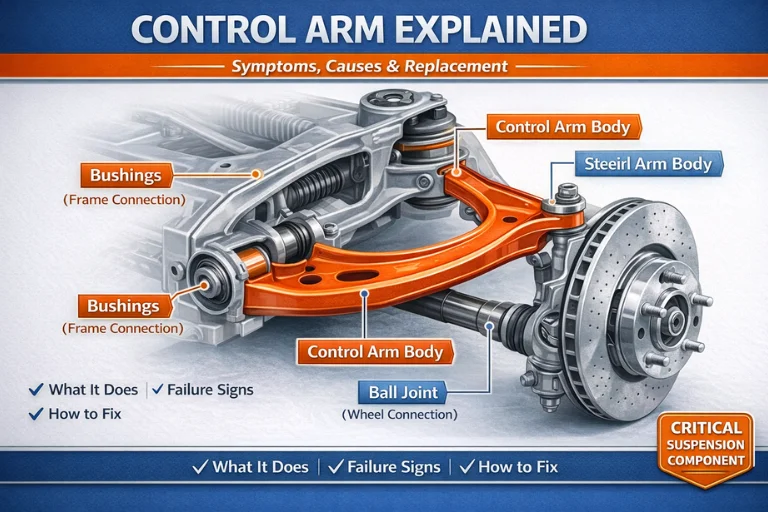
Front struts often take longer because they connect several suspension parts. Rear shocks may be quicker because they usually have a simpler design.
- ✦ Shock replacement
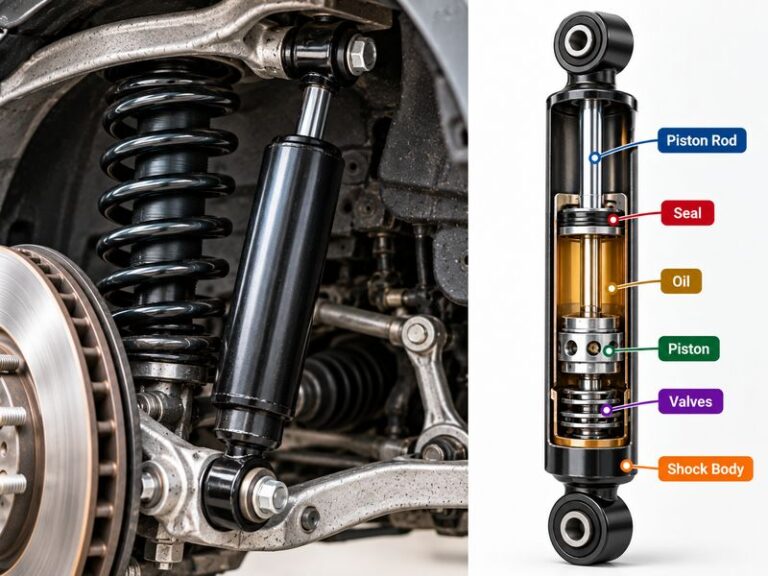
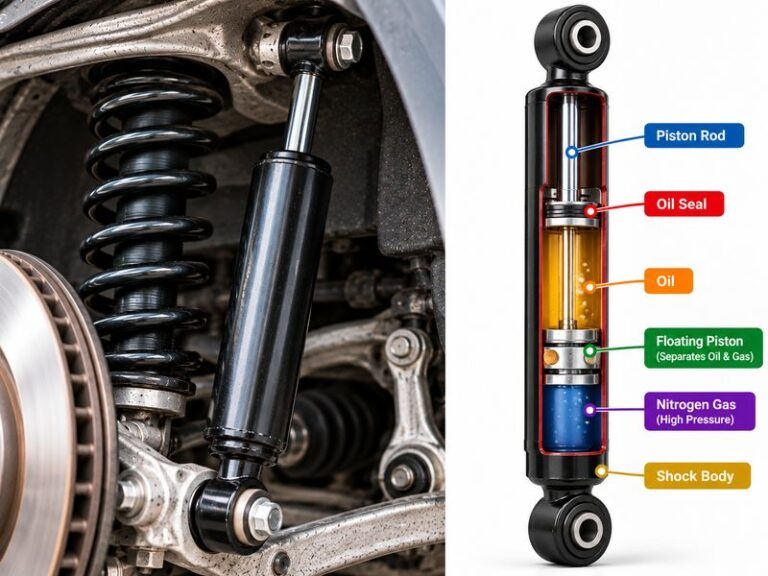
Replacing shocks alone often takes around 1 to 3 hours because the job usually involves fewer connected parts.
- ✦ Strut replacement
Replacing struts can take around 3 to 5 hours because the assembly may include springs and other suspension pieces.
Why repair shops give different time estimates
Every vehicle has a different suspension layout. A compact sedan may need less work than a large truck or luxury vehicle with advanced suspension parts.
- ✦ Vehicle design
Some vehicles place suspension parts in easy-to-reach areas, while others require more steps.
What affects how long does it take to replace shocks and struts?
Several factors affect how long does it take to replace shocks and struts. A professional technician looks at the vehicle model, rust, damaged hardware, and whether extra suspension work is needed.
Cars driven in areas with winter road salt may take longer because bolts and fasteners can become difficult to remove.

- ✦ Rust and corrosion
Rusty bolts can slow the repair because technicians may need extra time to remove and replace damaged hardware.
- ✦ Parts availability
Having the correct parts ready can prevent delays during the repair visit.
- ✦ Extra repairs
Worn mounts, springs, or other suspension parts may add time to the job.
Front versus rear suspension replacement time
Front suspension work often takes longer because it affects steering and may require alignment checks. Rear shock replacement is commonly faster on many vehicles.
The step-by-step process of replacing shocks and struts
Knowing the repair steps helps explain how long does it take to replace shocks and struts. Technicians follow a careful process to keep the vehicle safe and restore proper ride quality.
A complete job includes inspection, removal, installation, and final testing. Skipping steps can lead to poor handling or uneven tire wear.

- ✦ Inspection
The technician checks suspension parts and confirms which components need replacement.
- ✦ Removal
Old shocks or struts are removed with proper tools and safety procedures.
- ✦ Installation and testing
New parts are installed, fasteners are checked, and the vehicle is tested.
Do you need an alignment after replacing shocks and struts?
Many drivers wonder how long does it take to replace shocks and struts when an alignment is included. An alignment can add about 30 minutes to an hour after the suspension repair.
A wheel alignment helps make sure the tires meet the road correctly. This can improve steering feel and reduce uneven tire wear.

- ✦ Better handling
Proper alignment helps the vehicle track straight and respond normally.
- ✦ Tire protection
Correct alignment may help prevent uneven tire wear after suspension work.
Signs your vehicle may need shocks or struts replaced
Knowing the warning signs can help drivers plan repairs before suspension problems become worse. The need for replacement depends on mileage, driving conditions, and vehicle use.
If you notice poor handling or unusual movement, a suspension inspection can help identify the cause.

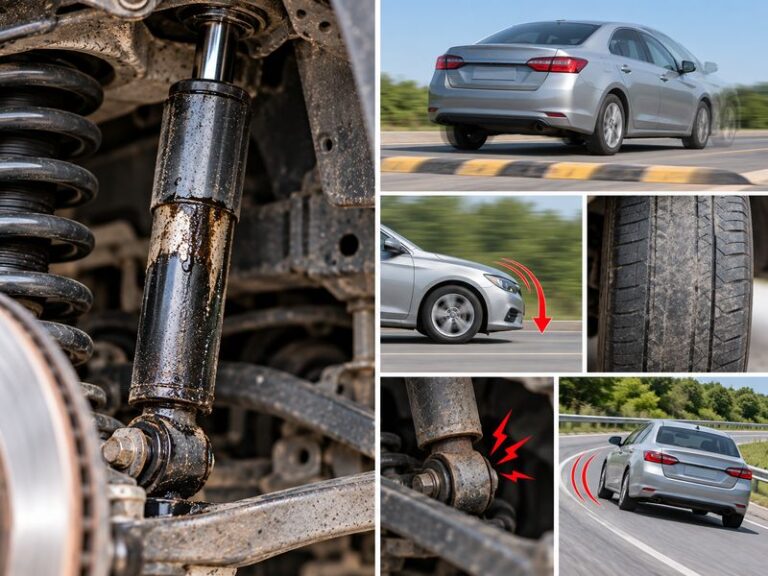
- ✦ Vehicle bouncing
Excessive bouncing after bumps may indicate worn shock absorbers.
- ✦ Nose diving
The front of the vehicle dropping during braking can point to suspension wear.
- ✦ Uneven tire wear
Suspension problems can contribute to irregular tire patterns.
Can you replace shocks and struts yourself?
Some experienced DIY mechanics replace shocks and struts at home, but the job requires proper tools and safety knowledge. Strut assemblies can contain compressed springs that require careful handling.
For many drivers, professional service is the safer choice because suspension parts directly affect vehicle control.

- ✦ DIY challenges
The work may require specialty tools, a safe lifting setup, and suspension experience.
- ✦ Professional benefits
A repair shop can complete the job correctly and check related suspension issues.