How Long Does It Take to Replace Shocks? Complete Time Guide for Car Owners
If you are wondering how long does it take to replace shocks, the answer depends on your vehicle and the condition of its suspension parts. Many cars can have shocks replaced in a few hours, while some trucks and older vehicles may take longer because of rust, tight spaces, or extra repairs.
From a professional repair perspective, shock replacement is a common suspension service. A technician must safely lift the vehicle, remove the old shock absorbers, install new parts, and check the suspension before the vehicle returns to the road.
In my experience working with vehicle maintenance topics, the biggest delays rarely come from the shock itself. Problems like seized bolts, damaged mounts, or worn suspension parts often add extra time to the job.

How Long Does It Take to Replace Shocks on Most Vehicles?
For most passenger cars, replacing shocks takes about 1 to 3 hours. A professional mechanic with the right tools can often complete the work during a single service visit.
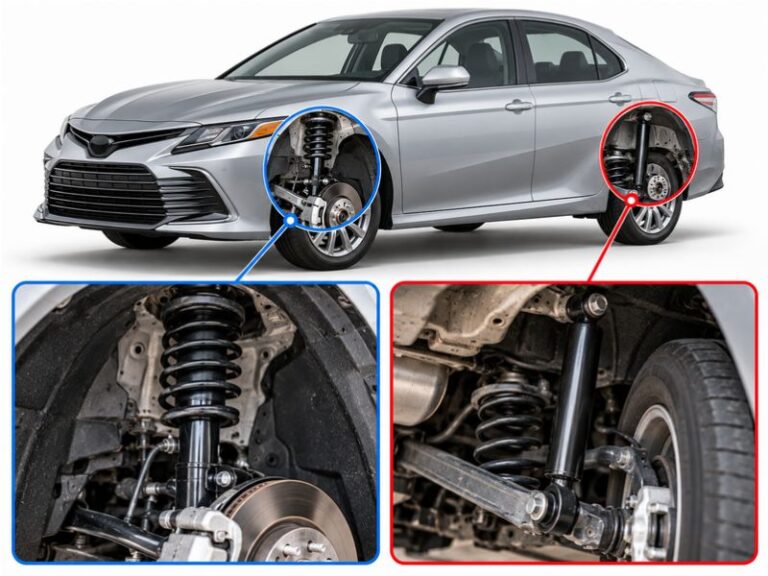
The time changes based on whether the vehicle uses simple rear shocks or a more complex suspension setup. Some vehicles have easy access points, while others require more parts to be removed first.

- ✦ Single axle replacement
Replacing shocks on one axle often takes around 1 to 2 hours depending on the vehicle.
- ✦ All four shocks
Replacing all four shocks may take several hours because each corner of the suspension must be serviced.
- ✦ Older vehicles
Rust and worn hardware can increase repair time on older cars and trucks.
Why Replacement Time Can Vary
Every vehicle has a different suspension layout. A mechanic working on a compact sedan may finish faster than someone repairing a large SUV with heavy suspension components.
- ✦ Vehicle design
Some manufacturers place shocks in easy-to-reach areas, while others require more disassembly.
Factors That Affect How Long Does It Take to Replace Shocks
Several factors decide how long does it take to replace shocks. A simple job on a newer vehicle may be quick, but difficult conditions can extend the repair time.
Understanding these factors helps drivers plan their repair appointment and avoid surprises.
- ✦ Rust and corrosion
Rusty bolts and suspension parts can slow removal and may require extra tools or replacement hardware.
- ✦ Shock location
Rear shocks are often easier to access than front suspension assemblies on many vehicles.
- ✦ Additional repairs
Broken mounts, bushings, or worn springs can add more time to the service.
Professional Tools Make a Difference
A repair shop has lifts, power tools, and safety equipment that make shock replacement faster. A home mechanic may need more time because of limited tools and experience.
- ✦ Shop equipment
Vehicle lifts and specialized tools help technicians complete suspension work efficiently.
The Shock Replacement Process Explained Step by Step
Knowing the repair process explains why people ask how long does it take to replace shocks. Each step requires care because shocks are important parts of the suspension system.
A qualified technician follows safety steps to make sure the new shocks work correctly after installation.

- ✦ Vehicle inspection
The mechanic checks the suspension and confirms that worn shocks are the cause of the problem.
- ✦ Old shock removal
The technician removes mounting bolts and takes out the damaged shock absorber.
- ✦ New shock installation
The replacement shock is installed and secured according to manufacturer specifications.
- ✦ Final inspection
The vehicle is checked for proper fit, noise, and suspension performance.
Shock Replacement Versus Strut Replacement
Many drivers confuse shocks and struts because both control suspension movement. Struts are usually part of a larger assembly, so replacing them can take longer than replacing separate shocks.
- ✦ Shocks
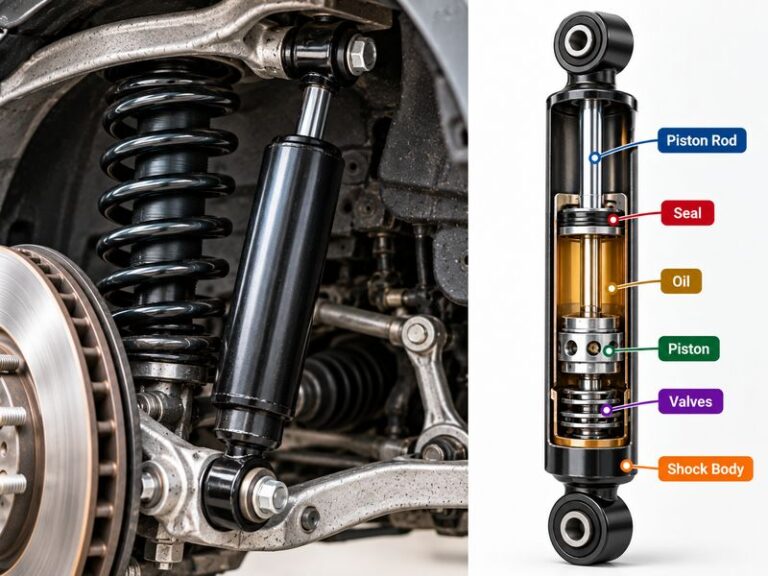
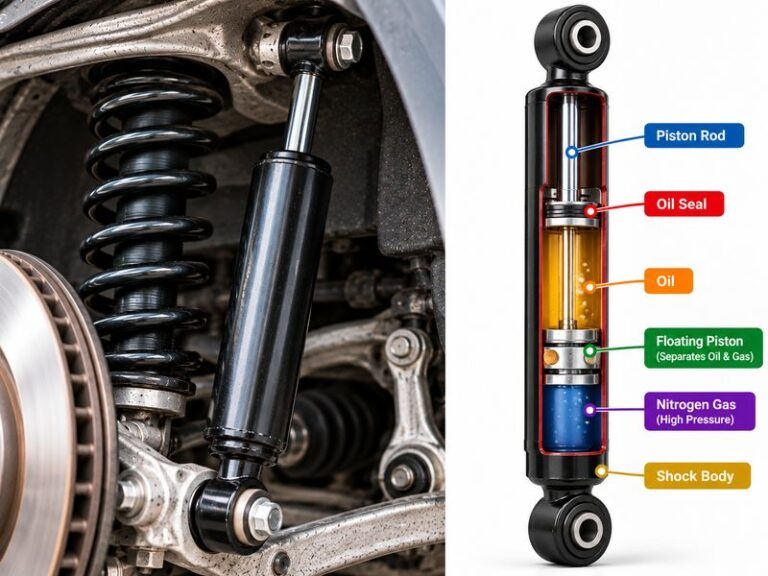
Shocks mainly control movement and help keep tires connected to the road.
- ✦ Struts
Struts support suspension structure and often require more labor to replace.
Signs Your Vehicle May Need New Shocks
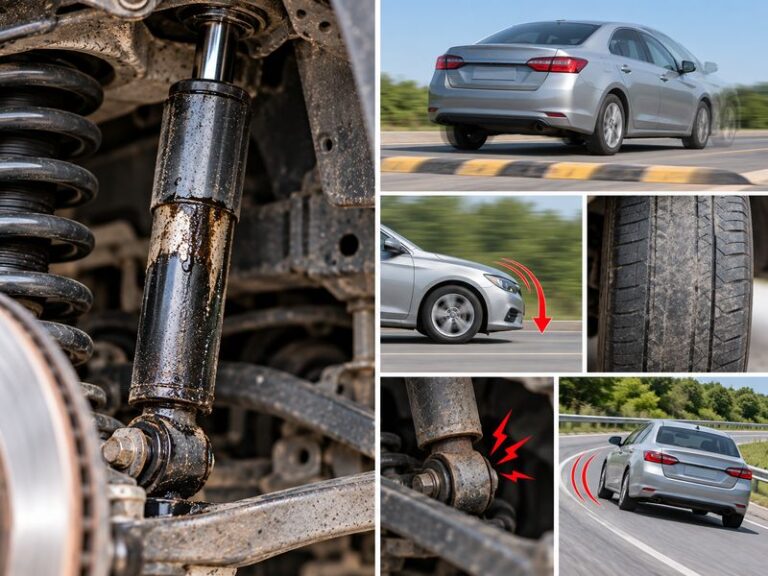
Knowing when to replace shocks helps prevent handling problems and uneven tire wear. Worn shocks often show clear warning signs during normal driving.
Drivers should pay attention to changes in ride quality, steering feel, and vehicle control.

- ✦ Excessive bouncing
A vehicle that keeps bouncing after bumps may have worn shock absorbers.
- ✦ Poor handling
Worn shocks can make the vehicle feel unstable during turns or lane changes.
- ✦ Uneven tire wear
Suspension problems can cause irregular tire wear patterns.
- ✦ Fluid leaks
Visible oil around the shock body can indicate a damaged shock absorber.
Why Driving With Bad Shocks Can Be Risky
Weak shocks can reduce vehicle stability and make it harder to maintain control in certain driving conditions. Regular inspections help catch problems before they become larger repairs.
Can You Replace Shocks Yourself?
Some experienced DIY mechanics replace shocks at home, but the job requires proper tools and safety knowledge. Suspension components can hold significant force, so careful procedures matter.
For many drivers, a professional repair shop is the safer choice because technicians can complete the job efficiently and inspect related suspension parts.

- ✦ DIY advantages
Home repairs may reduce labor costs if the person has the correct tools and experience.
- ✦ Professional advantages
A mechanic can identify hidden suspension issues and complete the repair with proper equipment.
When Professional Service Is Recommended
Professional service is recommended when bolts are heavily rusted, suspension parts are damaged, or the vehicle design is complex.