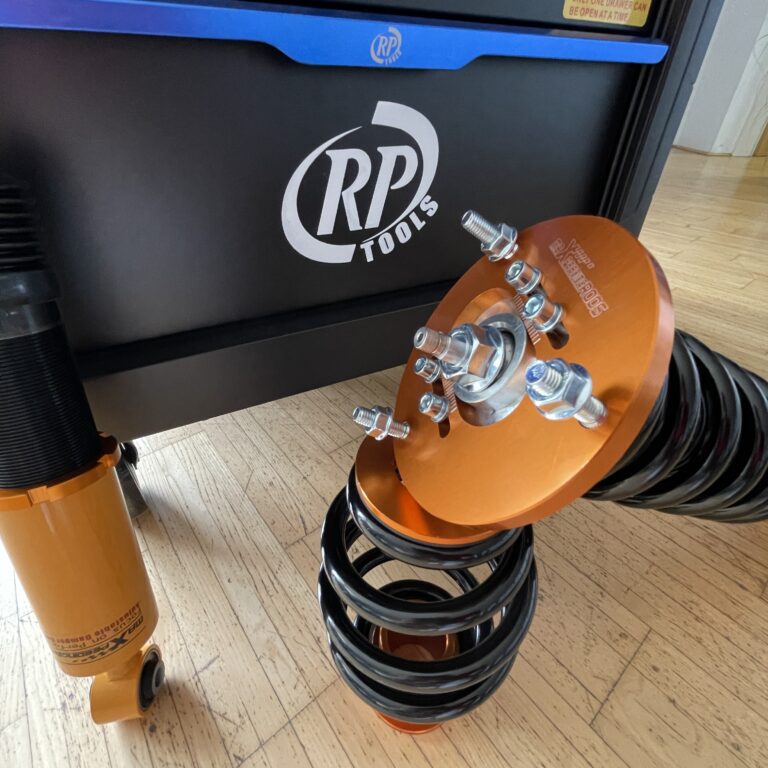
Yes, new shock absorbers can improve ride comfort, especially when the old shocks are worn, leaking, or unable to control bouncing. They can help your car settle faster after bumps, maintain better tire contact, and feel more stable. However, new shocks cannot fix every suspension problem, and some performance shocks may create a firmer ride.
Drivers across the United States face a wide range of road conditions, from potholes on city streets to cracked rural roads, highway expansion joints, and rough gravel surfaces. If your car feels bouncy, sways in turns, or keeps moving after hitting a bump, worn shock absorbers may be part of the problem. Replacing them can make a clear difference when the old parts no longer control suspension movement.
Shock absorbers do more than soften bumps. They help control how the suspension moves after the tires hit an uneven surface. This control affects comfort, handling, braking stability, and tire contact with the road. The size of the improvement depends on the condition of the old shocks, the type of replacement parts, and the health of the rest of the suspension.
Before spending money on new shocks, it helps to know what they can and cannot change. They may reduce excessive bouncing and improve control, but they will not automatically correct worn tires, damaged springs, loose steering parts, or a harsh ride caused by low-profile tires. A proper inspection helps identify the real cause and avoid replacing parts that are still working well.
New shock absorbers can improve the way a vehicle responds to bumps by controlling suspension movement. When a tire hits a pothole or raised road joint, the suspension moves to absorb the impact. The shock absorber then resists unwanted movement so the vehicle body does not keep rising and falling.
A worn shock may allow the body to bounce several times after a bump. A sound replacement can help the suspension settle sooner. This often makes the car feel more composed and reduces the repeated movement that passengers notice on uneven roads.
The improvement is not always a softer ride. A shock absorber that controls the suspension well may feel firmer during some impacts while reducing the floaty, loose feeling that comes from worn parts. Better control and softer impact feel are related, but they are not the same thing.
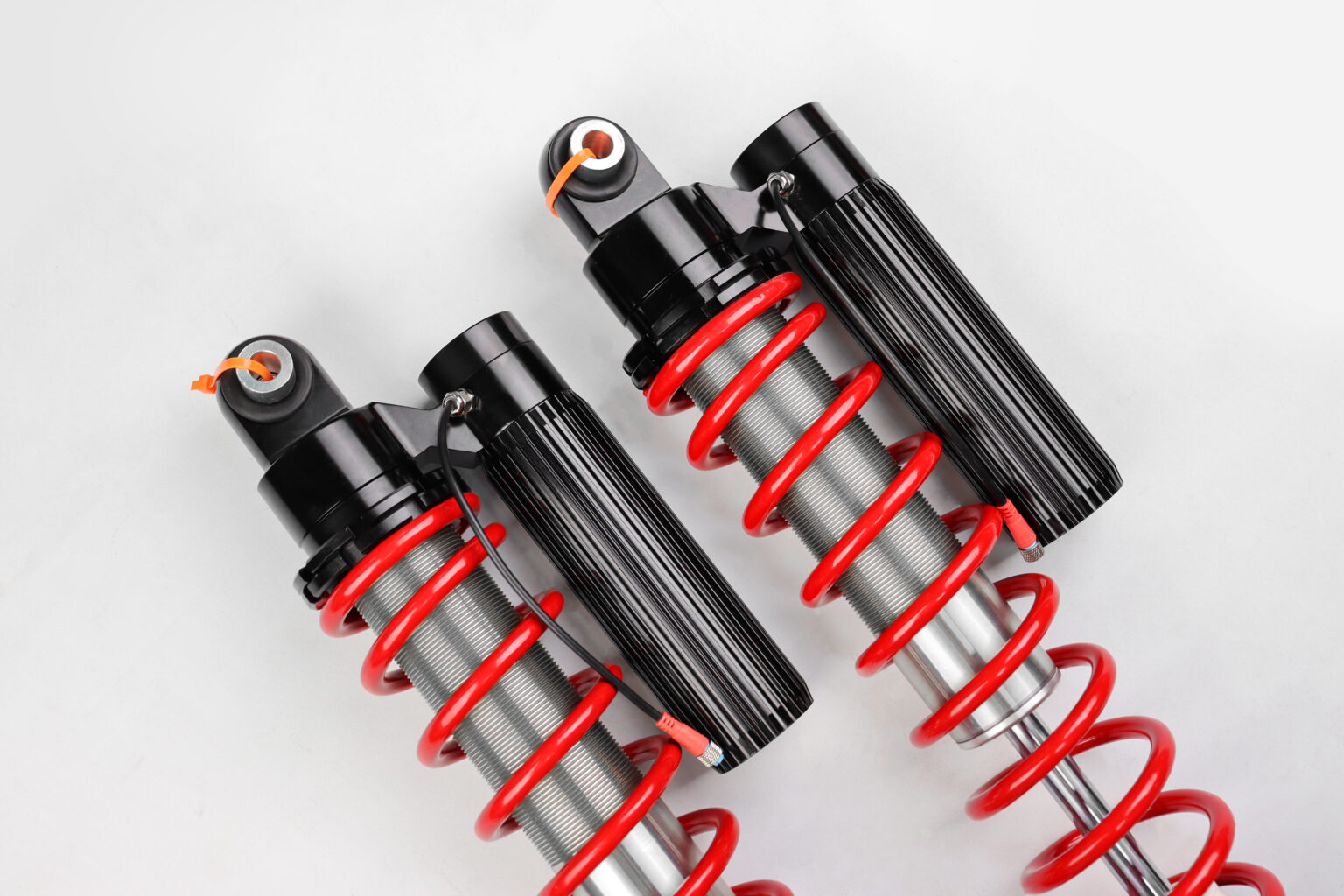
Source: matrixautorepair.com
Less bouncing
Healthy shocks limit repeated suspension movement after a bump, helping the vehicle settle more quickly.
Better body control
Proper damping helps reduce excessive nose dive, body roll, and rear-end movement, although springs and vehicle design also affect these motions.
More consistent tire contact
Shocks help control wheel movement so tires can follow uneven road surfaces more effectively.
A more settled highway ride
Replacing badly worn shocks may reduce excessive floating and repeated movement over dips and road joints.
What Happens When Shock Absorbers Wear Out?
Shock absorbers contain components that resist suspension movement. Depending on the design, they use hydraulic fluid, gas pressure, valves, and moving parts to control how quickly the suspension compresses and extends. Wear, internal damage, seal failure, or fluid loss can reduce their ability to control motion.
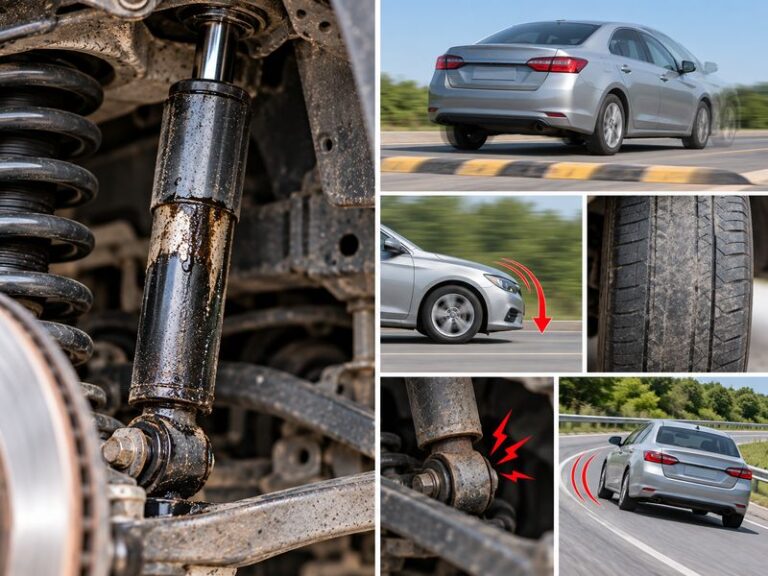
When damping becomes weak, the springs can continue moving after an impact. The driver may feel repeated bouncing, greater sway, or a vehicle that seems less settled on rough roads. These symptoms can also come from other suspension faults, so they should be checked rather than treated as proof that the shocks have failed.
Weak damping
The vehicle continues moving after a bump instead of settling promptly.
Fluid leakage
Wet oil around a shock body may indicate a leaking seal, although light surface residue alone may not establish failure.
Uneven control
A damaged shock on one side can contribute to different suspension responses across an axle.
Why Better Damping Can Feel More Comfortable
Comfort depends on how the vehicle handles both the initial impact and the movement that follows. A worn shock may seem soft at first because it offers little resistance, yet the car may bounce repeatedly. A correctly matched replacement can control those motions and make the overall ride feel calmer.
The best result comes from matching the shock to the vehicle’s original suspension design, load range, and intended use. A heavy-duty or sport-oriented shock may resist body movement more strongly but transmit sharper impacts through the cabin on rough roads.
Comfort-focused replacement
A suitable original-equipment-style shock is generally the starting point when the goal is to restore the factory ride.
Performance replacement
Sport or heavy-duty shocks may improve control under certain conditions but can feel firmer, depending on their tuning and the vehicle.
Signs That New Shock Absorbers May Improve Your Ride
New shocks are most likely to help when the current parts show clear signs of reduced damping or damage. Look for a pattern of symptoms rather than relying on one bump test or one unusual noise. The vehicle’s service history, mileage, road use, and inspection findings can help determine whether replacement is appropriate.
A change in ride quality can develop slowly, which makes it easy to become used to the problem. If the car has become less stable over time, compare its behavior with how it performed when the suspension was in good condition. A qualified inspection can help separate shock problems from faults elsewhere.
Source: blog.torqueusa.com
Repeated bouncing
The body continues to move after a dip, speed bump, or uneven section of pavement.
Excessive sway
The vehicle feels less controlled during turns or lane changes, especially when combined with other signs of worn damping.
A loose or floating feel
The car seems to rise and fall over rolling highway surfaces instead of settling promptly.
Visible damage or leakage
Bent components, damaged mounts, or significant fluid leakage warrant inspection.
Uneven tire wear
Scalloped or cupped wear can be associated with poor wheel control, but tire balance, alignment, and other suspension faults must also be checked.
Reduced confidence on rough roads
The vehicle may feel unsettled over repeated bumps or dips when damping is no longer adequate.
Can a Car Feel Better Immediately After Replacement?
Yes. If worn shocks were the main cause of poor body control, the difference may be noticeable on the first drive. The car may settle more quickly after bumps, feel less floaty, and respond more consistently to steering inputs.
The result depends on the condition of the old parts and the quality and tuning of the new ones. If the old shocks were still working properly, the change may be small. If several suspension components are worn, replacing the shocks alone may leave much of the original problem unchanged.
A clear improvement
Excessive bouncing decreases and the vehicle feels more controlled over familiar roads.
A small improvement
The old shocks may not have been the main cause, or the remaining suspension parts may still be worn.
A harsher ride
The replacements may have different damping characteristics, or another fault may be affecting comfort.
Will New Shocks Make a Car Ride Softer?
New shock absorbers do not always make a vehicle softer. Their main job is to control suspension motion, not simply to reduce every impact. The ride can feel more comfortable when worn shocks allow too much movement, but a firmer replacement can make sharp bumps more noticeable.
Ride softness depends on the entire suspension system. Spring rates, tire sidewall height, tire pressure, bushings, seat design, vehicle weight, and suspension geometry all influence how road impacts reach the cabin. Shocks are one part of that system.
If your main complaint is that the car feels harsh over small cracks, check tire pressure and tire condition before buying new shocks. If the car feels floaty or keeps bouncing after larger bumps, worn shocks are a more relevant possibility.
Source: gsaishockabsorber.com
Standard Shocks Versus Sport Shocks
Standard replacement shocks are generally designed to restore the intended balance of comfort and control. For a daily-driven sedan, crossover, or family SUV, a correctly specified replacement is usually a sensible choice when the goal is to return the ride to its original character.
Sport shocks may use firmer damping to control body movement during more aggressive driving. Depending on the design, they may improve response and reduce sway, but they can also transmit more road texture into the cabin. Their suitability depends on the vehicle and the driver’s priorities.
Daily commuting
Choose a replacement that matches the vehicle’s original specifications and comfort goals.
Frequent heavy loads
Check the manufacturer’s load and fitment guidance. A shock alone does not increase a vehicle’s approved carrying capacity.
Sportier handling
Consider a compatible suspension package, while accepting that firmer control may reduce comfort on rough pavement.
Rough rural roads
Use parts intended for the vehicle and road conditions. Heavy-duty does not automatically mean smoother.
Do Gas-Charged Shocks Provide a Smoother Ride?
Gas-charged shocks can help limit fluid aeration, which can affect damping consistency under some operating conditions. However, gas pressure alone does not determine comfort. Internal valve design, damping force, travel, and the match between the shock and vehicle matter more when judging how a replacement will feel.
Two shocks described as gas-charged can produce different ride characteristics. Check the application and intended use instead of assuming that a particular label guarantees a softer or smoother ride.
Check fitment
Confirm the exact vehicle, trim, suspension package, and axle position.
Compare intended use
Review whether the part is designed for standard driving, sport handling, towing applications, or off-road use.
Do New Shock Absorbers Improve Handling and Safety?
New shocks can improve handling when worn dampers are preventing the suspension from controlling wheel movement properly. Better damping may help reduce excessive body motions and maintain more consistent tire contact over uneven pavement. This can make steering response feel more predictable.
Shock absorbers also play a role in braking stability because they influence how the suspension responds to weight transfer and road irregularities. However, shocks do not create tire grip on their own, and replacing them does not guarantee a shorter stopping distance in every situation.
The effects depend on the condition of the original parts, tire grip, road surface, brake condition, vehicle load, and suspension design. New shocks should be viewed as one part of a properly maintained vehicle, not as a substitute for tires, brakes, or other repairs.
Source: facts.net
How Shocks Affect Tire Contact
A tire needs to follow the road surface to generate useful grip. When a wheel moves over an uneven surface, the suspension allows movement while the shock controls how quickly that movement occurs. If damping is poor, the wheel and body may continue oscillating instead of settling efficiently.
Restoring proper damping can help the tire remain in more consistent contact with the pavement. This matters on rough roads, during cornering, and when the vehicle encounters repeated bumps. The result still depends on tire condition, alignment, springs, and the rest of the suspension.
Cornering
Sound shocks help control suspension movement, although springs and anti-roll bars also influence body roll.
Braking
Proper damping supports suspension control during weight transfer but cannot compensate for worn brakes or poor tires.
Uneven pavement
Correct damping can reduce repeated wheel and body movement after bumps.
Can Worn Shocks Cause Tire Wear?
Yes, worn shocks can contribute to irregular tire wear by allowing excessive wheel movement under certain conditions. Cupping or scalloped wear may be a clue, but it is not specific to shock failure. Wheel imbalance, alignment errors, worn joints, damaged bushings, and tire problems can produce similar patterns.
If you replace shocks because of uneven tire wear, inspect the tires and suspension as a whole. Correct any alignment or mechanical faults that require attention. New shocks cannot reverse wear that has already developed on a tire.
Inspect tread patterns
Look for uneven wear across the tread, repeated dips, or unusual edge wear.
Check other causes
Ask for an inspection of alignment, balance, wheel bearings, and worn suspension joints when appropriate.
Address damaged tires
Replace tires when wear or damage makes them unsafe, regardless of whether the shocks are also replaced.
What Else Can Cause a Rough Ride?
A rough ride does not automatically mean the shock absorbers need replacement. Tires, springs, bushings, struts, mounts, and other suspension components can create similar symptoms. Diagnosing the cause before buying parts helps avoid unnecessary work.
Start with simple checks, such as tire pressure and visible tire damage. Then consider whether the symptoms involve excessive bouncing, sharp impacts, clunking, steering changes, or a vehicle that sits lower on one corner. Different patterns point toward different possible faults, but inspection is needed to confirm the cause.
Source: i.ytimg.com
Tire Pressure and Tire Design
Tires are the first part of the vehicle to meet the road, so their pressure and construction have a direct effect on impact comfort. Overinflated tires may feel harsh over small road defects, while underinflated tires can overheat and become unsafe. Use the pressure listed on the vehicle’s tire information placard or in the owner’s manual, not the maximum pressure printed on the tire sidewall.
Low-profile tires generally have less sidewall height to flex over road imperfections than comparable tires with taller sidewalls. A change in wheel and tire size can therefore affect ride quality even when the shocks are in good condition.
Check cold tire pressure
Use a reliable gauge when the tires are cold and follow the vehicle manufacturer’s recommended pressure.
Inspect tire condition
Look for bulges, cuts, uneven wear, and other signs of damage that require professional attention.
Springs, Struts, Bushings, and Mounts
Springs support the vehicle’s weight and establish much of its ride height. A broken or sagging spring can cause the vehicle to sit unevenly or strike its bump stops. New shocks will not restore the correct ride height if the spring is damaged.
On many vehicles, a strut combines the damping function with a structural role in the suspension. Worn strut mounts, damaged bushings, loose joints, or other faults may cause clunks, vibration, harsh impacts, or poor steering response. These parts should be checked during suspension service.
Uneven ride height
Inspect springs, mounts, and other load-bearing suspension components rather than assuming the shocks are responsible.
Clunking over bumps
Check mounts, bushings, links, joints, and fasteners for wear or looseness.
Arrange an inspection if the vehicle has severe bouncing, unstable handling, a broken spring, significant fluid leakage, or a sudden change in ride height. A vehicle that pulls, wanders, clunks heavily, or feels difficult to control may have a fault beyond the shocks.
Do not crawl under a vehicle supported only by a jack. Suspension components can store substantial spring force, and some strut assemblies require specialized tools for safe service. If the work involves compressed springs, damaged structural parts, or uncertain lifting points, use a qualified technician.
Stop driving when unsafe
If the vehicle is difficult to control, a tire is damaged, or a suspension component appears broken, pull over safely and arrange professional assistance.
Use the correct service information
Follow vehicle-specific lifting, torque, and installation instructions.
How to Choose New Shock Absorbers for a Better Ride
The best replacement shock is one that fits the exact vehicle and restores the ride characteristics you want. Start with the year, make, model, trim, drivetrain, and suspension package. Some vehicles use different parts based on body style, engine, towing package, or factory sport suspension.
Choose the intended ride before comparing brands. If your goal is everyday comfort, an original-equipment-style replacement is often the most direct option. If you carry heavy loads or drive on rough terrain, check whether a different application is approved for your vehicle rather than assuming that a heavy-duty shock will improve comfort.
Source: 6hoursofwarriorcreek.com
Compare the Main Replacement Options
Replacement choices include original-equipment-style shocks, comfort-oriented aftermarket options, sport dampers, heavy-duty applications, and adjustable designs. Their performance depends on the exact product and vehicle, so broad labels should not replace fitment and specification checks.
Adjustable shocks can allow changes to damping characteristics, but adjustment ranges and procedures vary. They cannot correct broken springs, worn joints, or a suspension setup that is otherwise unsuitable for the vehicle.
Original-equipment-style shocks
A practical starting point for drivers who want to restore the factory balance of comfort and control.
Comfort-oriented aftermarket shocks
Potentially suitable when the part is designed for the vehicle and its intended ride characteristics are documented.
Sport shocks
Designed to change suspension response and body control; ride firmness may increase.
Heavy-duty shocks
Useful for certain approved applications, but they do not increase the vehicle’s rated payload or towing capacity.
Adjustable shocks
Allow selected damping changes on supported applications but require correct setup and realistic expectations.
Should You Replace Shocks in Pairs?
When a shock needs replacement, replacing both shocks on the same axle is commonly recommended. This helps maintain comparable damping performance from side to side, especially when the original parts have similar age and use.
The exact recommendation depends on the vehicle and manufacturer guidance. Some suspension systems use matched assemblies or have specific replacement requirements. Follow the service information for the vehicle rather than relying on a universal rule.
Replace the axle pair when recommended
Matched parts can help avoid a noticeable difference in damping between the left and right sides.
Inspect related parts
Check mounts, bushings, springs, bump stops, and fasteners while the suspension is accessible.
Confirm the alignment requirement
Some repairs can affect alignment, particularly when struts or related suspension components are removed. Follow vehicle-specific guidance.
What to Expect After Installing New Shock Absorbers
After replacement, the vehicle should show the expected change in damping if worn shocks were the main problem. The body may settle sooner after bumps, and the car may feel more controlled over dips and during ordinary turns. The ride may still feel firm because the springs, tires, and suspension design have not changed.
Compare the vehicle on familiar roads at legal speeds and under similar conditions. Do not perform aggressive maneuvers to test the new parts. If the car develops new noises, uneven handling, or an unexpected change in ride quality, have the installation and surrounding suspension checked.
Source: images.51microshop.com
A Simple Before-and-After Ride Check
Use a consistent route that includes ordinary pavement, mild road joints, and gentle turns. Keep tire pressure and vehicle load consistent, and pay attention to body movement rather than trying to judge every single bump. This practical comparison can help identify a meaningful change, but it is not a substitute for a professional road test or inspection.
Check body movement
Notice whether the vehicle settles sooner after normal bumps and dips.
Listen for unusual noise
Clunks, knocks, or squeaks may indicate a loose fastener, worn mount, or another unresolved issue.
Assess steering stability
The vehicle should respond predictably during ordinary driving without new pulling or wandering.
Review the repair
If the ride is worse or symptoms remain, ask the installer to inspect part fitment, installation, and other suspension components.
Do New Shock Absorbers Need Time to Settle?
Shock absorbers generally do not need a long break-in period to begin controlling suspension movement. Their damping function operates as soon as the suspension moves. A driver may need time to notice and adapt to the changed response, but a large improvement should not depend on waiting for the shocks to settle.
If the ride changes significantly after installation, check the vehicle-specific instructions and have any unusual symptoms inspected. New shocks should not be used to explain away persistent clunks, binding, severe harshness, or poor handling.
Follow installation instructions
Some designs have specific handling, priming, orientation, or tightening requirements.
Avoid assuming all noise is normal
New or persistent suspension noises deserve a check, especially if handling has changed.
How Much Difference Will New Shocks Make?
The difference ranges from substantial to barely noticeable. A vehicle with severely worn shocks may feel much more settled after replacement, while a vehicle with serviceable dampers may show little change. There is no reliable universal percentage for how much smoother a car will become because vehicles, parts, road conditions, and starting conditions vary.
Think of the result as restoring lost control rather than adding comfort beyond the suspension’s design. If the shocks are the main source of the problem, replacement can address it directly. If the cause is a stiff tire setup, damaged spring, worn bushing, or road surface, new shocks may have limited effect.
Source: mayfair-london.co.uk
Factors That Affect the Improvement
The most useful prediction comes from a careful diagnosis. Visible damage and clear damping symptoms make a shock-related problem more plausible, while vague complaints such as a generally firm ride need broader checks. Part selection and installation quality also matter.
Condition of the old shocks
The more damping performance has been lost, the greater the potential change from a suitable replacement.
Quality of diagnosis
Correctly identifying the cause helps prevent spending money on parts that will not address the symptom.
Replacement specification
Damping design and intended use influence the balance between comfort and control.
Condition of the rest of the suspension
Worn springs, mounts, bushings, or joints can limit the benefit of new shocks.
Use this table as a starting point for deciding whether shock replacement is likely to help. The symptoms indicate possible causes, not a confirmed diagnosis.
Car bounces repeatedly after a bump
Shock absorbers are a strong item to inspect, along with springs, mounts, and other suspension components.
Car feels harsh over small cracks
Check tire pressure, tire construction, suspension travel, and the replacement shock specification before blaming worn shocks.
Car sits low on one corner
Inspect springs, mounts, and structural suspension components because shocks alone generally do not support vehicle ride height.
Car sways more than before
Inspect shocks, struts, anti-roll bar links, bushings, tires, and steering components.
Tires show scalloped wear
Inspect damping, wheel balance, alignment, and suspension joints before deciding which parts need replacement.
Ride remains rough after new shocks
Recheck tire pressure, fitment, installation, springs, mounts, bushings, and other potential causes.
Frequently Asked Questions
Q
Will new shock absorbers make my car ride smoother?
They can, especially if the old shocks are worn and allow excessive bouncing or floating. A correctly matched replacement can help the suspension settle sooner and make the vehicle feel more controlled. If the ride problem comes from tires, springs, bushings, or other parts, the improvement may be limited.
Q
How do I know if my shocks are bad?
Common warning signs include repeated bouncing, excessive body movement, visible damage, significant fluid leakage, and unusual tire wear. None of these symptoms alone confirms that a shock has failed. A suspension inspection can identify the cause and determine whether replacement is needed.
Q
Will new shocks improve ride height?
Usually, replacing ordinary shock absorbers does not restore ride height because the springs support the vehicle’s weight. A vehicle that sits too low may have a broken or sagging spring, a damaged mount, or another suspension problem. Some specialized suspension systems differ, so check the vehicle’s design before drawing a conclusion.
Q
Should I replace all four shock absorbers at once?
Not every vehicle requires all four shocks to be replaced at the same time. Replacing both shocks on the affected axle is commonly recommended when one has failed, subject to the manufacturer’s guidance. The condition of the other axle, the vehicle’s design, and the inspection findings should guide the decision.
Q
Can new shocks make the ride worse?
Yes. A firmer sport or heavy-duty shock may transmit more road impact into the cabin than a comfort-oriented replacement. Incorrect fitment, installation errors, damaged mounts, or other unresolved suspension faults can also worsen ride quality. Choose parts designed for the exact vehicle and intended use.
Q
Do new shocks improve braking distance?
Sound shocks help control suspension movement and may support more consistent tire contact on uneven roads. However, they do not guarantee shorter braking distances in every condition. Tires, brakes, road surface, speed, vehicle load, and other factors remain critical.
Q
How long should new shock absorbers last?
Service life varies with vehicle design, road conditions, load, driving habits, part quality, and exposure to water, salt, and debris. There is no single replacement interval that applies to every car. Follow the vehicle manufacturer’s maintenance guidance and inspect the suspension when symptoms or damage appear.
Q
Why is my car still uncomfortable after replacing the shocks?
The cause may be tire pressure, low-profile tires, worn springs, damaged bushings, strut mounts, limited suspension travel, or incorrect replacement parts. Installation problems can also affect the result. Have the vehicle inspected if the rough ride persists, particularly if new noises or handling changes have appeared.
✦ Wrapping Up
Conclusion
New shock absorbers can improve ride quality when worn or damaged shocks are responsible for excessive bouncing, poor body control, and an unsettled feel on the road. The most noticeable gains often come from restoring damping that the old parts have lost. A properly matched replacement can help the suspension settle sooner and make everyday driving feel more controlled.
However, new shocks do not guarantee a softer ride or fix every suspension problem. Tire pressure, spring condition, bushings, mounts, wheel alignment, and the design of the replacement parts all affect comfort. If your vehicle still rides harshly after replacement, investigate the whole suspension rather than assuming the new shocks need more time to settle.
💡 Key Takeaway
Check tire pressure and inspect the suspension for leakage, damage, and excessive movement. If the shocks are worn, choose vehicle-specific replacements that match your comfort goals, follow the manufacturer’s service instructions, and have related suspension faults corrected.
Eric
Hi, I’m Eric Bennett, the person behind OffRoadTruckAccessories.com.
I created this blog to share my interest in trucks, off-road driving, automotive accessories, and DIY modifications. I enjoy learning how different truck accessories work, testing their usefulness, and understanding whether they are truly worth buying.
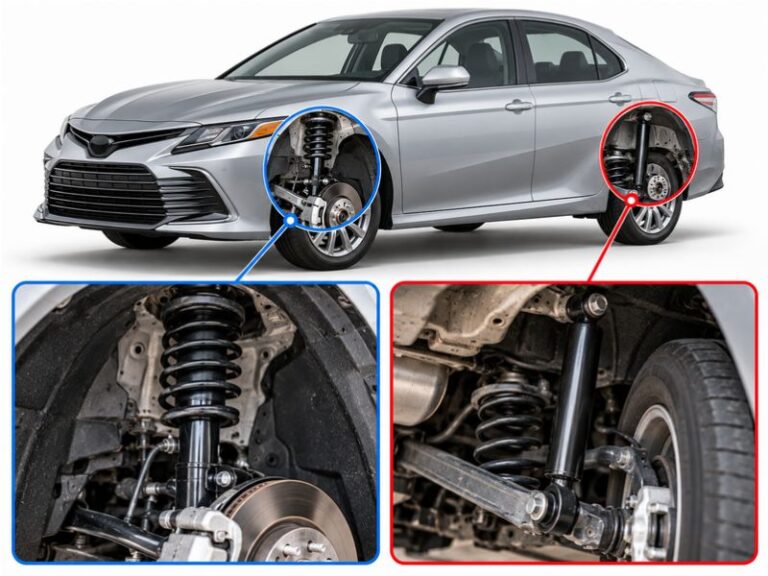
Shock absorbers are located near the wheels as part of the suspension system, usually between the vehicle’s body, frame, or subframe and a suspension component such as a control arm, axle, or wheel assembly. However, the exact answer to where are shock absorbers located on a car depends on the suspension design. Some vehicles have…
You should change shock absorbers when they are worn, leaking, damaged, or no longer controlling suspension movement properly. There is no single replacement interval that applies to every vehicle because shock absorber life depends on road conditions, vehicle weight, driving habits, suspension design, and component quality. If you are wondering when to change shock absorbers,…