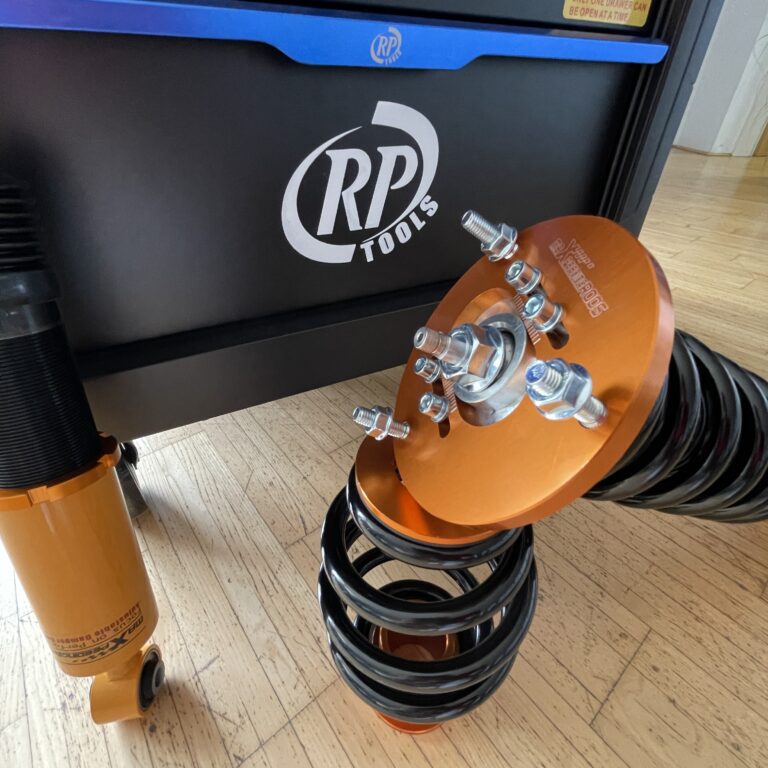
Yes, shock absorbers directly affect ride quality. They control how quickly a vehicle’s suspension moves after hitting bumps, dips, and uneven pavement. Worn, damaged, or poorly matched shocks can make a car feel bouncy, unstable, harsh, or less comfortable. However, ride quality also depends on springs, tires, bushings, struts, and the vehicle’s design.
On American roads, a comfortable drive can depend on how well a vehicle handles potholes, expansion joints, rough rural pavement, and uneven city streets. Shock absorbers play a key role in this process. They help keep the body from bouncing long after a bump and help the tires maintain contact with the road. When the shocks no longer control suspension movement well, the change can affect both comfort and control.
The connection between shock absorbers and ride quality is not simply a matter of choosing the softest parts. Shocks that provide too little damping can allow repeated bouncing, while overly firm or poorly matched damping can make sharp bumps feel harsh. The right setup balances body control, tire contact, comfort, and handling for the vehicle’s intended use.
This guide explains how shock absorbers affect ride comfort, how to recognize worn parts, and what to check before replacing them. It also explains why new shocks do not always make a vehicle feel softer and why some ride problems come from parts other than the shocks.
Shock absorbers affect ride quality by controlling the speed and amount of suspension movement. When a tire hits a bump, the spring compresses to absorb the impact. The spring then tries to return to its original position. Without enough damping, the spring can keep moving up and down, causing the vehicle body to bounce.
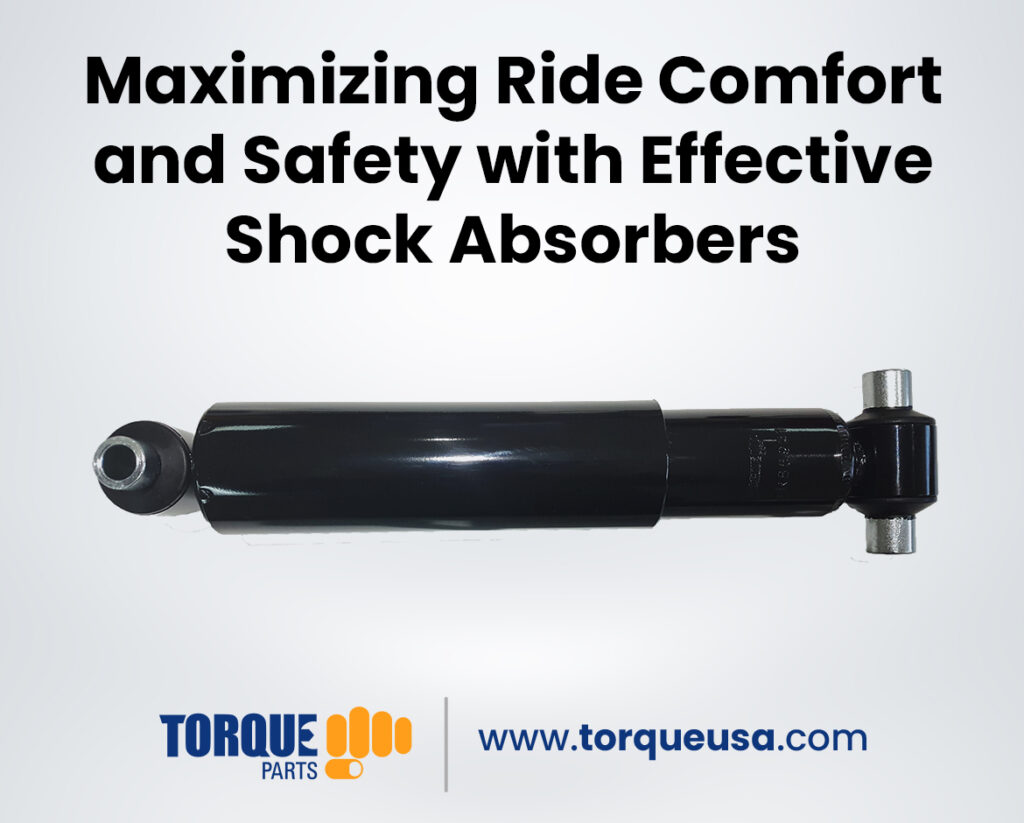
A shock absorber uses hydraulic fluid, valves, and a moving piston to resist suspension movement. This resistance turns part of the suspension’s movement energy into heat. The process helps settle the vehicle after a road impact and reduces unwanted movement during braking, cornering, and acceleration.
The result is a vehicle that feels more settled when its suspension is working correctly. Passengers may experience less repeated bouncing, while the driver benefits from more predictable steering and body control. The exact improvement depends on the condition of the original parts, the replacement design, the road, and the vehicle.
Source: blog.torqueusa.com
Bump absorption
The springs absorb much of the initial impact, while the shocks control the spring’s movement afterward. Together, these parts help the vehicle pass over uneven pavement without excessive body motion.
Reduced bouncing
Working shocks limit repeated up-and-down movement after a bump. Weak damping allows the vehicle to continue bouncing after the initial impact.
Improved body control
Correct damping helps manage body movement during turns, lane changes, braking, and acceleration.
Better tire contact
Controlling wheel movement helps tires follow the road surface. This supports predictable grip and braking, although tire condition and other suspension components also matter.
What Is the Difference Between a Shock Absorber and a Spring?
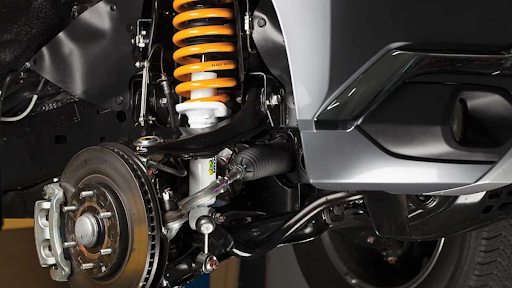
A spring supports the vehicle’s weight and compresses when the wheel moves over a bump. A shock absorber controls the spring’s movement. These parts work together, but they do different jobs.
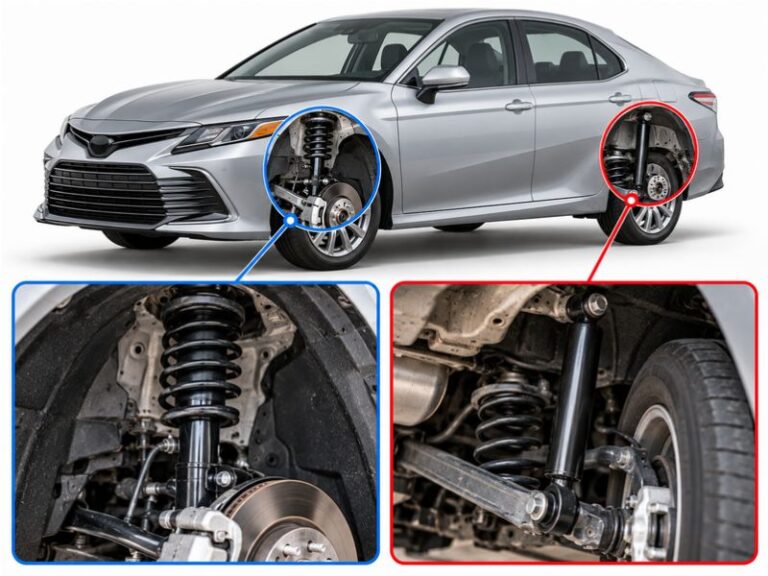
If a spring sags or breaks, the vehicle may sit lower than normal or feel unusually harsh because less suspension travel remains. If a shock loses damping, the vehicle may sit at a normal height while bouncing excessively. Some suspension designs combine a spring and damper in a strut assembly, but the functions remain distinct.
Spring problem
Look for sagging, uneven ride height, a broken coil, or signs that the suspension frequently reaches the end of its travel.
Shock problem
Look for excessive bouncing, poor body control, fluid leakage, or unstable behavior over uneven roads.
Do Shock Absorbers Make a Car Feel Softer?
They can, but the outcome depends on the shock design and its condition. Replacing worn shocks with correctly matched replacements may make a vehicle feel more composed and less tiring to drive. However, a new shock is not automatically softer than an old one.
A firmer shock may reduce body movement but transmit more of certain road impacts into the cabin. A softer damping setup may feel more comfortable over some bumps but allow more body motion. Vehicle manufacturers balance these effects according to the intended use of the car, truck, or SUV.
Comfort-focused damping
This can allow more suspension movement over small road irregularities, depending on the complete suspension design.
Control-focused damping
This can reduce body movement during fast steering inputs and rough-road driving, but may feel firmer in some conditions.
Signs That Worn Shock Absorbers Are Affecting Your Ride
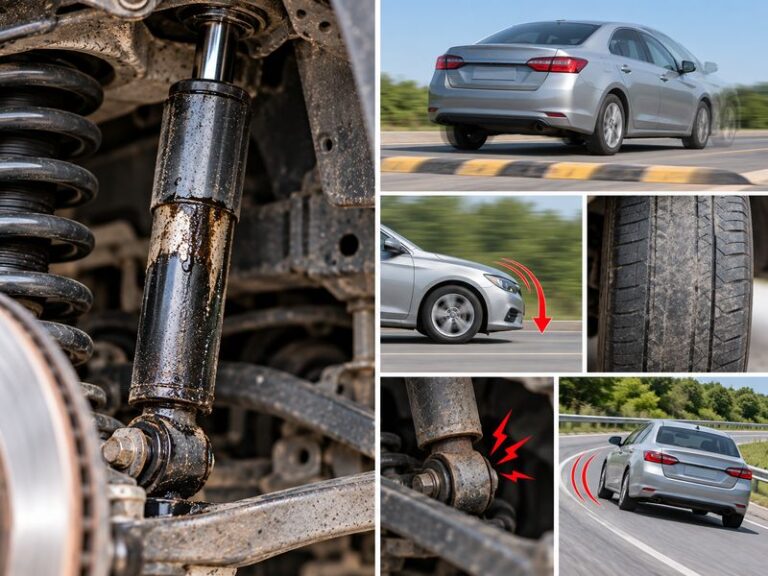
Worn shock absorbers often cause changes in the way a vehicle responds to road inputs. The signs may appear gradually, so drivers sometimes adjust to the worsening ride without realizing that the suspension needs attention.
No single symptom proves that the shocks have failed. Similar problems can come from worn tires, damaged springs, loose suspension joints, failing strut mounts, or incorrect tire pressure. Look for several clues together and arrange an inspection when symptoms persist.
Source: classicautoadvisors.com
Repeated bouncing
The vehicle continues moving up and down after passing over a bump instead of settling promptly.
Excessive nose dive
The front of the vehicle dips more than expected under braking. Worn dampers may contribute, but braking forces, springs, and vehicle design also affect this movement.
Body roll in turns
The vehicle leans excessively or takes longer to settle during cornering or lane changes.
Harsh impacts
Sharp bumps seem to travel directly into the cabin. This can result from incorrect or damaged shocks, but stiff tires, excessive tire pressure, and worn bushings are also possible causes.
Fluid leakage
Wet oil around a shock body can indicate a seal problem. A light film may not mean the same thing as active leakage, so the component should be assessed against manufacturer guidance.
Uneven or cupped tire wear
Repeated high and low areas around the tread may indicate poor wheel control. Alignment, tire balance, and other suspension faults can also cause uneven wear.
Poor stability on rough roads
The vehicle may feel unsettled after dips or bumps, with less predictable wheel contact and body movement.
Can Bad Shock Absorbers Make a Car Ride Rough?
Yes. Failed or damaged shocks can contribute to a rough ride, although the effect is not always the same. Some worn dampers allow excessive bouncing and floating, while damaged internal parts or poorly matched replacements can create harsh or inconsistent responses.
A rough ride that starts immediately after a shock replacement deserves special attention. Check whether the parts match the vehicle, whether the correct mounting hardware was used, and whether the installation followed the service procedure. Do not assume that every new part needs time to wear in before a harsh ride can be addressed.
When the ride feels floaty
Inspect damping performance, leaks, tire condition, and suspension wear.
When the ride feels unusually stiff
Verify the shock specification, tire pressure, spring condition, and suspension travel.
How Shock Absorbers Affect Comfort, Handling, and Safety
Shock absorbers influence more than passenger comfort. They help control the movement of each wheel and the vehicle body, which affects how the tires respond to changing road surfaces. When damping is poor, the vehicle may be harder to keep settled over bumps and during sudden steering inputs.
Tire grip depends on many factors, including tire design, tread condition, road temperature, pavement quality, and the forces applied to the tire. Proper shock absorber function supports consistent contact, but it does not guarantee shorter stopping distances or eliminate the risk of losing control.
The difference may be most noticeable on uneven highways, broken pavement, winding roads, or during a sudden change in direction. A vehicle with weak dampers may continue to move after the driver’s steering input, while a correctly functioning suspension is designed to settle in a more controlled way.
Source: www.pinterest.com
Effect on Braking
During braking, the vehicle’s weight shifts toward the front. Shock absorbers help control the suspension movement associated with that shift. Worn dampers may allow more pitching, which can make the vehicle feel less settled.
The shocks are only one part of the braking system and do not replace sound brakes, tires, or suspension components. If the vehicle pulls to one side, vibrates strongly, or takes longer than usual to stop, have the cause diagnosed rather than assuming the shocks are responsible.
What to watch for
Excessive pitching, unsettled movement over bumps while braking, or changes in stability deserve inspection.
Effect on Cornering and Lane Changes
Shocks help manage the suspension movement that occurs as a vehicle turns or changes lanes. Weak damping can allow the body to continue rolling or bouncing after a steering input, making the vehicle feel less precise.
Springs and anti-roll bars also influence body roll. A vehicle that leans more than normal may have worn dampers, but the full suspension system should be checked before replacing parts.
Handling clue
Excessive movement that continues after a turn or lane change may indicate weak damping or another suspension fault.
Effect on Tire Wear
Poor damping can allow a wheel to move repeatedly over uneven pavement, which may contribute to irregular tread wear. Tire cupping or scalloping is one possible clue, but it is not unique to bad shock absorbers.
Incorrect alignment, worn wheel bearings, unbalanced tires, and damaged suspension joints can create similar patterns. Inspect the tires and suspension together instead of replacing shocks based on tread appearance alone.
Practical check
Look for uneven tread depth, repeated high and low patches, and differences between tires on the same axle.
What Else Can Affect Ride Quality Besides Shock Absorbers?
Shock absorbers are a major part of ride control, but they are not the only reason a vehicle may feel uncomfortable. A useful diagnosis starts with the simplest checks and then moves to a full suspension inspection if the problem remains.
A vehicle that feels rough after a tire change, for example, may have a different tire construction or sidewall stiffness rather than a shock problem. Similarly, a car that sits low on one side may have a broken spring or another supporting component that a shock replacement will not correct.
Source: gaugemagazine.com
Tires and Tire Pressure
Tires are the first parts to meet road irregularities, so their construction and pressure have a direct effect on comfort. Low-profile tires often have less sidewall to flex over sharp edges, while higher-profile tires may provide more cushioning when properly specified.
Excessive tire pressure can make the ride firmer and may reduce the tire’s ability to absorb small irregularities. Underinflation can cause excessive flex, heat, and poor handling. Set pressure according to the vehicle manufacturer’s placard, usually found on the driver’s door jamb, rather than the maximum pressure printed on the tire sidewall.
Check pressure first
Use an accurate gauge when the tires are cold and compare the readings with the recommended pressures on the vehicle placard or in the owner’s manual.
Springs, Struts, and Mounts
Coil springs, leaf springs, torsion bars, and other supporting elements help carry the vehicle’s weight and determine much of its ride height. A damaged or sagging spring can reduce suspension travel and cause harsh impacts or an uneven stance.
Strut mounts and other suspension bushings isolate vibration and allow parts to move as designed. When these components wear, the driver may hear clunks, feel vibration, or notice poor steering response. Some vehicles use a strut that combines the damper and a structural suspension role, so the correct inspection procedure depends on the design.
Inspect for damage
Look for broken springs, cracked or deteriorated rubber mounts, loose hardware, and signs that the suspension is contacting its travel limits.
Vehicle Load and Suspension Design
A vehicle loaded with passengers, luggage, tools, or cargo will usually respond differently from the same vehicle carrying only a driver. Exceeding the rated load can reduce suspension travel and make impacts harsher, while also affecting handling and braking.
Passenger cars, pickup trucks, SUVs, and performance vehicles use different suspension designs. A truck set up for heavy loads may feel firmer when empty, while a comfort-focused passenger car may permit more body movement. Judge ride quality against the vehicle’s intended use and manufacturer specifications.
Check the load
Remove unnecessary cargo and confirm that the vehicle remains within its specified passenger, cargo, and axle weight limits.
Alignment, Bushings, and Other Suspension Parts
Incorrect wheel alignment can cause the vehicle to wander, pull, or respond poorly to steering. Worn control-arm bushings, ball joints, tie rods, and wheel bearings can create noise, vibration, or unstable behavior that may be mistaken for bad shocks.
These faults require different repairs. If the ride problem occurs with clunks, steering looseness, uneven tire wear, or visible damage, a professional inspection is more useful than replacing dampers by guesswork.
Avoid parts swapping
Identify the fault before buying replacement parts. Replacing shocks will not correct a loose ball joint, a broken spring, or incorrect alignment.
Do New Shock Absorbers Improve Ride Quality?
New shock absorbers can improve ride quality when the original dampers are worn, damaged, or no longer meet the vehicle’s needs. Correct replacements may reduce repeated bouncing, improve body control, and help restore the handling intended by the manufacturer.
The change may be subtle if the old shocks still work well. If the main problem comes from tires, springs, mounts, or bushings, new dampers alone may produce little improvement. The best result comes from diagnosing the actual fault and using parts that match the vehicle’s make, model, year, trim, and suspension configuration.
Source: deinfa.com
Can New Shocks Make a Vehicle Ride Worse?
Yes. New shocks can make a vehicle feel firmer if they use a different damping design or are not matched to the original springs and intended use. Incorrect fitment, damaged parts, installation errors, or suspension components that were already worn can also affect the result.
A change in ride feel does not always mean that a replacement part is defective. Some performance-oriented dampers deliberately provide firmer control, and some heavy-duty truck shocks are designed around load and handling demands rather than maximum softness. Confirm the part specification before deciding whether the new setup is appropriate.
Verify the part number
Confirm fitment using the exact vehicle details and any factory suspension package, towing option, or electronic damping system.
Check installation
Have the mounting hardware, fasteners, bushings, and installation procedure reviewed against the service instructions.
Inspect related parts
Check springs, mounts, bump stops, tire pressure, and available suspension travel if the ride remains harsh.
Should Shock Absorbers Be Replaced in Pairs?
Replacing shocks in axle pairs is often recommended because it helps maintain similar damping behavior on the left and right sides. If one shock has failed from age or wear, the other shock on that axle may have a similar amount of service wear.
The correct repair depends on the vehicle and the manufacturer’s guidance. Some systems have specific requirements for paired replacement, calibration, or matching components. Follow the service manual, particularly for electronically controlled suspension systems and vehicles with unusual axle designs.
Keep damping balanced
Use matching, correctly specified components on the same axle when required or recommended by the manufacturer.
How to Diagnose Ride Quality Problems
A step-by-step check can help narrow down the cause of an uncomfortable ride. Start with basic observations and tire checks, then inspect the suspension for visible damage. If the vehicle feels unsafe, skip the road test and arrange professional inspection or towing as appropriate.
A bounce test may offer a rough clue on some conventional suspensions, but it cannot reliably measure damper performance on every vehicle. Modern suspension geometry, friction, spring rates, and electronic systems can affect the result. Use it only as a preliminary observation, not as proof that a shock is good or bad.
Source: fity.club
Step 1: Identify When the Problem Occurs
Pay attention to the conditions that trigger the change. Repeated bouncing after a bump may suggest weak damping, while a sharp impact over small road joints may point toward tire pressure, tire construction, limited suspension travel, or overly firm damping.
Record whether the issue occurs at low speeds, on highways, during braking, while turning, or when carrying a load. This information helps a technician distinguish a damping problem from a tire, spring, alignment, or steering fault.
Note the pattern
Record the location of the symptom, road conditions, speed range, load, and any unusual sounds.
Step 2: Check Tire Pressure and Condition
Check all tires for correct cold inflation pressure, uneven wear, bulges, cuts, and other visible damage. Tire pressure should match the vehicle manufacturer’s recommendation for the current operating conditions.
A damaged tire or a visible sidewall bulge can create an immediate safety risk. Do not continue driving on a tire with serious structural damage. Have it assessed by a qualified tire professional.
Use the placard
Read the recommended cold tire pressure from the vehicle placard or owner’s manual and correct any differences.
Step 3: Inspect Shocks and Struts Visually
With the vehicle parked safely, look for obvious shock damage, severe corrosion, loose mounting hardware, or active fluid leakage. Also inspect visible springs and rubber mounts for damage. Some parts may be hidden behind wheels or covers, so a visual check from outside the vehicle is limited.
Never crawl beneath a vehicle supported only by a jack. Suspension work can involve heavy components and stored spring energy. If the inspection requires lifting the vehicle, use the specified lifting points and properly rated jack stands, or have a qualified technician perform the work.
Look for obvious faults
Visible damage, broken springs, loose parts, or significant leakage warrant further inspection.
Step 4: Compare Ride Height and Tire Wear
Park on level ground and compare the vehicle’s stance from side to side and front to rear. Uneven ride height can point toward spring sag, a broken spring, a load imbalance, or another suspension problem rather than shock wear alone.
Compare tire wear across all four wheels. Irregular patterns can help guide diagnosis, but they should be interpreted alongside alignment measurements, tire balance, and suspension condition.
Do not diagnose by height alone
Shocks generally control movement rather than support static vehicle weight, although integrated suspension systems can have more complex functions.
Step 5: Arrange a Professional Suspension Inspection
If the vehicle continues to bounce, feels unstable, leaks fluid, or has abnormal tire wear, ask a qualified repair shop to inspect the dampers and related suspension parts. A technician can use the correct lift points, inspect mounting hardware, check for looseness, and follow any manufacturer-specific test procedure.
If a warning light appears on a vehicle with electronically controlled suspension, the system may require a scan tool and a model-specific diagnostic process. A standard visual inspection may not identify an electrical or control-system fault.
Seek help promptly
Excessive instability, broken suspension parts, severe tire damage, or major fluid leakage should not be ignored. Avoid driving a vehicle that cannot be controlled safely.
How to Choose Shock Absorbers for Better Ride Quality
The right shock absorbers are those that fit the vehicle and provide the damping characteristics needed for its normal use. A part marketed as heavy-duty or performance-oriented is not automatically more comfortable. Matching the part to the vehicle’s suspension design and driving conditions matters more than choosing a label.
Before buying replacement shocks, confirm the exact application. Model year, engine, trim, body style, drivetrain, towing package, suspension package, and factory electronic controls can affect fitment. Use a trusted fitment catalog and verify any special installation or calibration requirements.
Source: www.youtube.com > ecologicaltime
Compare the Main Shock Absorber Types
Conventional hydraulic and gas-charged shocks are common in many passenger cars and trucks. Gas-charged designs use pressurized gas to help limit fluid aeration under certain conditions, but the presence of gas alone does not determine how soft or firm a shock will feel.
Adjustable dampers allow changes in damping settings on compatible systems. Some electronic dampers change their response based on driving conditions or selected modes. These systems can provide a broader range of ride and handling behavior, but compatibility, maintenance, and repair cost vary by vehicle.
Standard replacement shocks
Often suit drivers who want to restore the original vehicle behavior with correctly specified parts.
Heavy-duty shocks
May suit vehicles used for demanding loads or work when the manufacturer specifies them, but can feel firmer when the vehicle is lightly loaded.
Performance shocks
May prioritize body control and response over softness, depending on their design and adjustment range.
Adjustable or electronic dampers
May offer different settings or automatic damping changes, but require exact system compatibility.
Match the Suspension to the Way You Drive
For daily commuting, the original equipment specification is a sensible starting point because it is designed around the vehicle’s weight, spring rates, geometry, and intended use. If comfort is the main concern, avoid assuming that a stiffer performance shock will provide a smoother ride.
Pickup owners who tow or carry heavy cargo should follow the manufacturer’s load and suspension recommendations. A damper can help control movement, but it does not increase the vehicle’s rated payload or towing capacity. For vehicles used on rough roads, choose parts designed for the specific vehicle and operating conditions rather than relying on generic claims.
Daily driving
Prioritize correct fitment and restoration of the intended ride and handling.
Frequent towing
Confirm that the selected dampers are approved for the vehicle’s configuration and intended load.
Sporty handling
Understand that increased body control may come with a firmer feel over some road surfaces.
Common Mistakes When Trying to Improve Ride Quality
Many ride complaints persist because the repair targets a symptom rather than the underlying fault. Replacing shock absorbers without checking the tires, springs, mounts, and suspension geometry may waste money and leave the vehicle uncomfortable.
A good repair plan identifies the problem, confirms the correct part, and checks the result under normal operating conditions. It should also account for safety and manufacturer requirements instead of relying on assumptions about how every vehicle should feel.
Source: mayfair-london.co.uk
Replacing shocks to correct low ride height
Low height usually calls for an inspection of springs, supporting components, load, and suspension design. Conventional shocks alone generally do not restore sagging springs.
Choosing the softest part available
Too little damping can create excessive bouncing and poor body control. Select parts designed for the vehicle rather than choosing solely by perceived softness.
Ignoring tire pressure
Incorrect inflation can change comfort, tire wear, and handling. Check the vehicle’s recommended pressure before blaming the suspension.
Replacing only visibly leaking parts without a wider inspection
A leak may identify a problem, but worn mounts, springs, or other dampers can also affect ride quality. Inspect the relevant components as a system.
Assuming new shocks will fix every handling issue
Steering, braking, alignment, tire, and structural problems may require separate repairs.
Ignoring installation instructions
Incorrect fastener torque, damaged bushings, improper mounting, or skipped electronic procedures can affect performance and safety.
Do Shock Absorbers Need Time to Settle In?
Shock absorbers do not normally need an extended break-in period to begin controlling suspension movement. A vehicle may feel different after replacement because damping has been restored or because the new parts have different characteristics from the old ones.
If the ride is severely harsh, the vehicle sits unevenly, a noise appears, or handling becomes unpredictable after installation, have the repair checked promptly. Do not assume that an obvious fitment or safety problem will disappear with use.
What is normal
A modest change in body control or ride feel may be expected when worn components are replaced with correctly specified parts.
What needs checking
Persistent clunks, binding, uneven height, serious harshness, or unstable handling may indicate incorrect parts, installation issues, or another fault.
Research Notes and Reader Question Gaps
This guide focuses on the main informational task: understanding whether shock absorbers affect ride quality and how to tell when they may be part of the problem. The explanations are based on established suspension principles, common diagnostic practice, and the distinction between damping, spring support, tire behavior, and suspension geometry. No vehicle-specific road test or laboratory measurement was conducted for this article.
The following question map separates practical next steps inferred from the main topic from claims about observed search demand. No Search Console records, customer support logs, or verified live People Also Ask results were supplied for this task, so these questions are not presented as measured search trends.
Source: contesting.com
Question: Can bad shocks cause a rough ride?
Basis: Inferred next need from the main query. Coverage: Answered in the worn-shock symptoms section. Benefit: Helps readers connect symptoms with possible causes without treating one symptom as conclusive.
Question: Can new shocks make the ride worse?
Basis: Inferred next need because replacement decisions follow diagnosis. Coverage: Answered in the new-shock section. Benefit: Explains the effects of damping choice, fitment, and installation.
Question: Do shocks affect ride height?
Basis: Inferred next need based on confusion between springs and dampers. Coverage: Addressed in the spring-versus-shock and diagnosis sections. Benefit: Reduces the risk of replacing the wrong component.
Question: What else causes a harsh ride?
Basis: Inferred next need from the need to diagnose symptoms. Coverage: Answered in the tires, springs, mounts, load, and alignment sections. Benefit: Encourages a more complete inspection.
Question: Should shocks be replaced in pairs?
Basis: Inferred next need after a suspected damper failure. Coverage: Answered in the replacement section. Benefit: Encourages balanced damping and compliance with vehicle-specific instructions.
Evidence Limits and Practical Use
The guide explains general suspension behavior and does not claim that a particular shock absorber will produce a measured improvement in comfort for every vehicle. Ride quality varies with the exact vehicle, tire setup, road surface, load, and damper specification.
For a repair decision, the most useful evidence is the vehicle’s service information, a direct inspection, relevant diagnostic results, and correct part fitment. Product descriptions alone cannot establish that a replacement will be softer, safer, or more durable under every condition.
Recommended next action
Check tire pressure and visible suspension condition, document the symptoms, and have the vehicle inspected if bouncing, leakage, or instability persists.
Frequently Asked Questions
Q
Do shock absorbers affect ride quality?
Yes. Shock absorbers control suspension movement after a bump, helping reduce repeated bouncing and body motion. Worn or poorly matched shocks can make the vehicle feel unstable, floaty, or harsh. Tires, springs, mounts, and other suspension components also affect comfort.
Q
Will new shock absorbers make my car ride smoother?
They may improve comfort if the original shocks are worn or damaged and the replacements match the vehicle. New shocks will not necessarily make the car softer, and firmer performance or heavy-duty parts may increase the impact felt over some bumps. Diagnose the cause before replacing parts.
Q
Can bad shock absorbers affect ride height?
Conventional shock absorbers mainly control suspension movement and usually do not support the vehicle’s static weight. Sagging springs, broken springs, excess load, or other supporting components are more common reasons for low ride height. Some integrated or specialized suspension systems work differently, so check the vehicle’s design.
Q
Can worn shocks cause tire wear?
Yes. Poor damping can allow repeated wheel movement that may contribute to irregular or cupped tire wear. However, alignment problems, wheel imbalance, worn bearings, and loose suspension components can create similar patterns. Inspect the tires and suspension together.
Q
Should I replace shock absorbers in pairs?
Replacing shocks in axle pairs is often recommended to maintain similar damping on both sides. The exact requirement depends on the vehicle and suspension system. Follow the manufacturer’s service instructions, particularly when the vehicle uses electronic or specialized suspension components.
Q
How can I tell if my shocks are bad?
Common clues include repeated bouncing, excessive body movement, fluid leakage, unstable handling, and irregular tire wear. None of these signs proves shock failure by itself. A proper inspection should also consider tire pressure, springs, mounts, bushings, alignment, and other suspension parts.
Q
Can stiff shock absorbers improve handling but reduce comfort?
Yes. Firmer damping can help control body movement, depending on the design, but it may make sharp road impacts more noticeable. The best setup balances comfort and control for the vehicle, tires, springs, and intended driving conditions.
✦ Wrapping Up
Conclusion
Shock absorbers have a direct effect on ride quality because they control how the suspension moves after hitting bumps and dips. Properly functioning dampers help reduce repeated bouncing, keep the vehicle more settled, and support consistent tire contact with the road. Worn or incorrectly matched shocks can contribute to a rough, floaty, or unstable ride.
However, shocks are only one part of the suspension system. Tire pressure, tire construction, springs, strut mounts, bushings, alignment, and vehicle load can all change how a car feels. Replacing shock absorbers is most effective when inspection confirms that the dampers are the cause and the replacement parts match the vehicle’s design.
A comfortable ride should not come at the expense of predictable handling. Choose parts based on correct fitment and intended use, follow the manufacturer’s service instructions, and address persistent bouncing, leaks, or instability before they create a greater safety concern.
💡 Key Takeaway
Start by checking cold tire pressure and looking for visible tire or suspension damage. If the vehicle still bounces repeatedly, feels unstable, or shows signs of shock leakage, arrange a qualified suspension inspection before buying replacement parts.
Eric
Hi, I’m Eric Bennett, the person behind OffRoadTruckAccessories.com.
I created this blog to share my interest in trucks, off-road driving, automotive accessories, and DIY modifications. I enjoy learning how different truck accessories work, testing their usefulness, and understanding whether they are truly worth buying.
Shock absorbers are located near the wheels as part of the suspension system, usually between the vehicle’s body, frame, or subframe and a suspension component such as a control arm, axle, or wheel assembly. However, the exact answer to where are shock absorbers located on a car depends on the suspension design. Some vehicles have…
You should change shock absorbers when they are worn, leaking, damaged, or no longer controlling suspension movement properly. There is no single replacement interval that applies to every vehicle because shock absorber life depends on road conditions, vehicle weight, driving habits, suspension design, and component quality. If you are wondering when to change shock absorbers,…