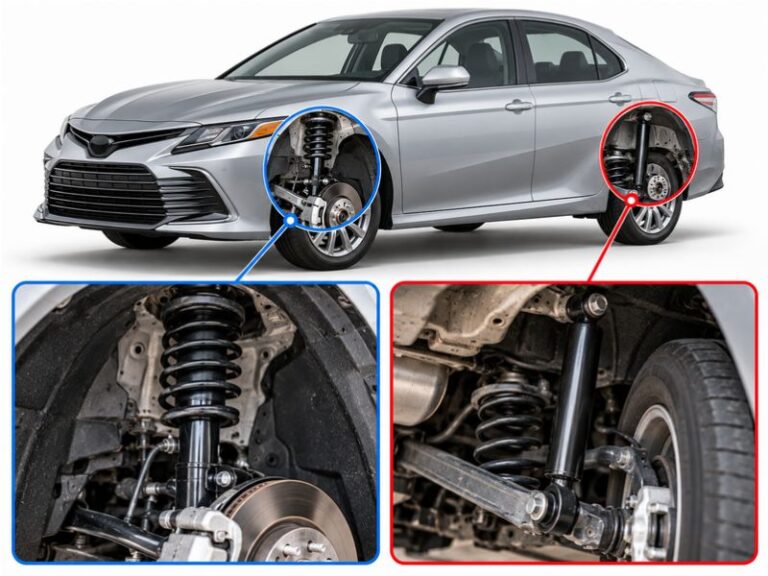
The main types of shock absorbers include twin-tube, monotube, gas-charged, hydraulic, adjustable, and position-sensitive designs. Coilover units combine a spring and damper assembly, while remote-reservoir shocks add fluid capacity for demanding use. The right type depends on your vehicle, suspension design, driving conditions, and manufacturer specifications.
For drivers in the United States, shock absorbers are a key part of a vehicle’s suspension system. They help control wheel movement on highways, city streets, gravel roads, and uneven surfaces. A shock absorber also helps the tires maintain contact with the road, which supports steering control, braking stability, and a more predictable ride.
Not all shock absorbers use the same design. Some have two fluid chambers, while others use a single main cylinder. Some use pressurized gas to reduce fluid aeration, and others allow changes to damping force or use a remote reservoir to manage heat. These differences affect performance, packaging, cost, and the type of driving each unit can support.
The terms used to describe shock absorbers can overlap. For example, a monotube shock may also be gas-charged, and an adjustable shock may use either a twin-tube or monotube construction. Understanding these categories makes it easier to compare replacement parts without assuming that one design is always better than another.
A shock absorber controls the movement of a vehicle’s suspension. When a wheel passes over a bump, the spring compresses and then expands. Without enough damping, the spring can continue moving up and down, causing repeated bouncing and reducing the driver’s control over the vehicle.
Inside a typical hydraulic shock absorber, a piston moves through oil. The oil passes through small openings and valves that resist the piston’s movement. This resistance converts part of the suspension’s mechanical energy into heat, which is then released from the shock body into the surrounding air.
Shock absorbers do not normally support the vehicle’s static weight in the same way that springs do. Springs support the body and allow the suspension to move, while shocks control how quickly that movement occurs. Some specialized suspension assemblies combine these functions in one unit, but the spring and damping functions remain distinct.
A properly matched shock absorber helps reduce excessive body motion, improve tire contact, and make steering responses more predictable. It cannot compensate for worn tires, damaged suspension joints, weak springs, or incorrect alignment.
Source: blogspot.com
Compression damping
This resists the suspension as the shock shortens. It influences how the vehicle responds when a wheel hits a bump or the body transfers load.
Rebound damping
This resists the suspension as the shock extends after compression. It helps prevent the spring from releasing its stored energy too quickly.
Heat control
Repeated suspension movement creates heat in the damping fluid. The shock’s construction and available cooling area affect how it manages that heat.
1. Twin-Tube Shock Absorbers
Twin-tube shock absorbers use two nested cylinders: an inner working cylinder and an outer reserve tube. The piston moves inside the working cylinder, while excess fluid can move between the two chambers through a base valve. This design is widely used in passenger vehicles and many light-duty applications.
During suspension movement, oil flows through calibrated valves in the piston and base valve. The size and arrangement of these passages determine the resistance to compression and rebound. Engineers tune the valves to suit the vehicle’s weight, spring rates, handling targets, and comfort requirements.
The nested-cylinder design can offer practical packaging and manufacturing benefits. It is common in original-equipment suspension systems where a balance of cost, comfort, durability, and predictable behavior matters. Some twin-tube models also use pressurized gas to help reduce foaming during repeated operation.
A twin-tube shock is not automatically softer or less capable than every monotube shock. Performance depends on the complete design, including valve calibration, piston construction, fluid, gas pressure, temperature range, and vehicle application.
Source: offroading.com
Main advantage
The two-cylinder construction can provide a practical, compact, and cost-conscious solution for everyday driving.
Main limitation
The design’s fluid circulation and chamber arrangement can make heat and aeration management different from that of a well-designed monotube unit.
Common applications
Many passenger cars, crossovers, minivans, and light-duty trucks use twin-tube shocks or related strut designs.
Hydraulic Twin-Tube Shocks
A conventional hydraulic twin-tube shock uses oil as its damping medium and may operate with relatively low gas pressure or an atmospheric reserve chamber, depending on the design. Its damping force comes from the resistance created as oil moves through the valves.
These units can work well for ordinary road use when correctly matched to the vehicle. However, repeated hard impacts or sustained high-speed operation can heat the fluid, and aeration may alter damping behavior in designs that are more susceptible to it.
Best fit
Routine commuting and normal road driving when the shock matches the original suspension specification.
Gas-Pressurized Twin-Tube Shocks
A gas-pressurized twin-tube shock uses gas pressure to help limit the formation of bubbles in the oil during operation. Many designs use nitrogen or another specified gas in a pressurized chamber. This can support more consistent damping under changing operating conditions.
Gas pressure does not eliminate heat or make a shock immune to wear. It is one part of the design, and the quality of the valves, seals, fluid, and overall construction still affects performance.
Best fit
Drivers who want the intended factory ride and control from a compatible gas-pressurized replacement.
2. Monotube Shock Absorbers
Monotube shock absorbers use a single main cylinder containing the working piston and damping fluid. A floating separator piston divides the oil from a pressurized gas chamber in many common designs. As the shock compresses, the separator piston moves to make room for the displaced shaft volume.
Separating the gas and oil helps limit direct mixing between them. The large working piston can also provide useful control over oil flow through the damping valves. The outer cylinder is exposed to the surrounding air, which may help release heat depending on the vehicle’s airflow and installation.
Monotube construction is used in performance cars, some factory suspensions, and many heavy-duty or off-road applications. It can support precise damping and good heat management, but the actual result depends on the specific shock and its calibration.
Monotube shocks may cost more than some basic twin-tube units, and their dimensions or mounting requirements can limit interchangeability. A monotube design is not automatically the best replacement for every vehicle or driver.
Source: dreamstime.com
Main advantage
The working piston, oil chamber, and gas separator can support responsive damping and effective heat management in a suitable application.
Main limitation
Packaging, cost, ride calibration, and mounting compatibility must be considered for the exact vehicle.
Common applications
Performance-oriented cars, certain factory suspension systems, and selected truck or off-road setups.
When Is a Monotube Shock Worth Considering?
A monotube shock may be useful when a vehicle regularly faces repeated suspension movement, demanding cornering, towing within approved limits, or rough-road use. The important question is whether the selected unit has been engineered and validated for the vehicle and the intended operating conditions.
For a daily driver used mainly on paved roads, a correctly specified original-equipment-style shock may provide the desired balance of comfort and control. Changing to a different construction without checking the full suspension specification can produce an unwanted ride or handling change.
Check first
Confirm fitment, damping characteristics, load suitability, and whether any additional hardware is required.
3. Gas-Charged Shock Absorbers
Gas-charged shock absorbers contain pressurized gas in addition to damping oil. The gas helps control aeration, which occurs when bubbles form in the fluid and can interfere with predictable damping. Nitrogen is commonly used in pressurized designs because it is relatively inert.
Gas charging is a design feature rather than a separate cylinder layout. A gas-charged shock can use twin-tube or monotube construction, so these labels should not be treated as mutually exclusive categories.
Gas pressure can also create an extension force on the shock shaft. Depending on the pressure and suspension geometry, this may affect how the suspension responds when unloaded or raised. It does not mean that a shock absorber acts as a substitute for the vehicle’s spring.
Some drivers describe gas-charged shocks as firmer than conventional hydraulic models. That can happen in particular comparisons, but it is not a universal rule. Valve settings, gas pressure, piston design, spring rate, and the vehicle’s suspension all influence perceived firmness.
Source: vehiclefreak.com
Main benefit
Pressurized gas can help reduce foaming and support consistent damping during repeated movement.
Possible trade-off
The vehicle may feel firmer if the shock’s damping and extension forces differ from the original specification.
Important distinction
Gas-charged does not automatically mean racing-grade, adjustable, or suitable for towing.
4. Hydraulic Shock Absorbers
Hydraulic shock absorbers use fluid resistance to control suspension movement. The piston forces oil through small passages and valves, converting movement into heat. This basic principle is shared by many conventional automotive shocks, including both twin-tube and monotube models.
The term hydraulic describes the damping method rather than one exclusive body construction. A hydraulic shock may have a twin-tube layout, a monotube layout, or another application-specific arrangement. Some hydraulic shocks also use pressurized gas, so the categories can overlap.
Valve design is central to how a hydraulic shock feels. A unit can provide different levels of resistance during compression and rebound, and the resistance may vary with shaft speed. This lets engineers control how the suspension reacts to slow body movement and sharper road impacts.
Hydraulic damping components are used in passenger vehicles, trucks, trailers, and many other mechanical systems. In automotive use, the right specification must account for suspension geometry, wheel travel, vehicle mass, and the spring system.
Source: storage.googleapis.com
Main benefit
Fluid and valve-based damping allows engineers to tune suspension control for a specific vehicle and use.
Main limitation
Fluid temperature, aeration, seal condition, and valve calibration can influence damping behavior.
Common misconception
Hydraulic and gas-charged are not always opposing categories because a gas-charged shock also uses hydraulic damping.
5. Adjustable Shock Absorbers
Adjustable shock absorbers let the user change one or more aspects of damping. Depending on the model, an adjustment may affect rebound, compression, or a combined damping setting. Some adjustments are made with an external knob, while others require tools or specialist equipment.
Adjustability can help drivers tailor the suspension to different roads, loads, or driving goals. However, a knob with several settings does not guarantee that the shock can handle every vehicle weight or use. The available adjustment range remains limited by the unit’s internal design.
Some adjustable shocks use manual controls, while electronically controlled systems can change damping based on sensor inputs and control-unit commands. Electronic adaptive dampers are a distinct system category, although their internal damping elements may share features with conventional hydraulic shocks.
A useful adjustment is one that improves control without creating excessive harshness, poor tire contact, or unwanted body movement. Changes should follow the manufacturer’s guidance, and the original setting should be recorded so the driver can return to it if the result is worse.
Source: sejautoparts.com
Single-adjustable shocks
These offer one external adjustment, although the setting may influence more than one part of the damping response.
Double-adjustable shocks
These provide separate controls for two damping functions, often compression and rebound, depending on the product.
Electronic adaptive dampers
These alter damping through electronic controls and may use vehicle sensors to respond to changing conditions.
Who Needs Adjustable Shocks?
Adjustable shocks may suit drivers who have a clear reason to tune their suspension, such as track use, changing loads within approved limits, or a carefully planned modified setup. They can also suit certain off-road vehicles where adjustment helps adapt the suspension to different terrain.
For ordinary commuting, a well-matched fixed-rate shock may be simpler and less expensive. An adjustable model can be a poor value if the driver has no clear setup goal or cannot follow the adjustment procedure.
Practical rule
Choose adjustability for a real tuning need, not merely because the feature is available.
6. Position-Sensitive Shock Absorbers
Position-sensitive shock absorbers change their damping response according to where the piston sits within its travel. The design may use special grooves, sleeves, bypass passages, or valves that alter fluid flow at particular positions. This lets engineers provide one response through much of the suspension travel and a different response near selected points.
A position-sensitive design can help balance comfort and control. For example, a shock may provide a more compliant response over small road irregularities while adding resistance as the suspension approaches the end of its travel. The exact behavior depends on the internal design and the direction of movement.
Position-sensitive shocks are found in some performance and off-road applications. They may be useful where suspension travel varies widely, but the label alone does not establish how soft, firm, or durable a particular shock will be.
These units must match the suspension’s travel and geometry. Installing a shock with the wrong length or unsuitable damping range can limit wheel movement or cause mechanical contact before the suspension reaches its intended travel limit.
Source: storage.googleapis.com
Primary purpose
To tailor damping at specific points in the suspension’s travel rather than rely only on a single general response.
Potential benefit
A carefully engineered design can help manage large suspension movements without making every small bump feel equally firm.
Fitment concern
Correct extended and compressed lengths are essential to avoid topping out, bottoming out, or restricting suspension movement.
7. Remote-Reservoir Shock Absorbers
Remote-reservoir shock absorbers connect the main damper to a separate fluid and gas reservoir through a hose or rigid passage. The reservoir provides extra space for oil and gas separation, depending on the design. Some versions use a floating piston to keep the pressurized gas apart from the oil.
The extra fluid capacity can help manage heat during repeated, demanding suspension movement. The remote layout also gives designers more flexibility in packaging the main shock body. These features can be useful in off-road vehicles and other applications where shocks face frequent, substantial movement.
A remote reservoir does not automatically make a shock suitable for every truck or rough road. Spring rates, damping calibration, travel, mounting points, hose routing, and the vehicle’s actual weight remain important. The reservoir and hose must also be installed where they will not strike moving parts or contact hot or sharp components.
Reservoir shocks may cost more and require more installation space than simpler designs. They are usually most useful when their additional capacity, adjustment options, or packaging benefits solve a real suspension requirement.
Source: theengineerspost.com
Main advantage
Additional oil capacity and a separated gas chamber can support heat management in demanding applications.
Main limitation
Higher cost, extra installation requirements, and more components can make the system unnecessary for normal road use.
Common applications
Selected off-road trucks, competition vehicles, and suspension systems designed for sustained high loads or movement.
Remote Reservoir Versus Internal Reservoir
An internal-reservoir design keeps its working chambers within the main shock body. A remote-reservoir design moves some of that volume into a separate component connected to the shock. Neither layout is universally superior; the intended use and complete engineering specification determine which one is appropriate.
Choose by application
Use a remote reservoir when its added capacity, packaging, or other documented features match the vehicle’s operating demands.
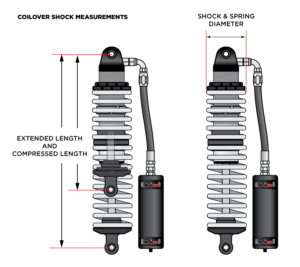
8. Coilover Shock Absorber Assemblies
A coilover assembly places a coil spring around a shock absorber or damper body. The spring supports the vehicle and stores energy as the suspension moves, while the damper controls the spring’s oscillation. Combining the components into one assembly can help package the suspension and provide options for tuning.
Coilovers are common in performance vehicles and modified suspension systems, but some factory vehicles also use strut assemblies with coil springs. The term coilover is often used broadly, so it is necessary to check the exact product rather than assume all coilovers have the same features.
Some coilover kits provide adjustable spring-seat positions for ride-height changes. Others offer damping adjustment, and some provide both. Changing the spring seat can affect ride height and available suspension travel, but it does not automatically improve handling or preserve the factory alignment.
A coilover must be matched to the vehicle’s weight, spring rate, suspension geometry, and intended use. Incorrect installation, unsuitable spring preload, or excessive lowering can cause poor ride quality, limited travel, tire interference, and other problems.
Source: kiaratarotyler.blogspot.com
Main benefit
The integrated layout can support compact packaging and, in selected designs, coordinated adjustment of spring and damping settings.
Main limitation
Adjustment options and ride quality vary widely, and some kits require additional setup or alignment work.
Important distinction
A coilover is an assembly arrangement, not a guarantee of monotube construction, gas charging, or adjustable damping.
How the Different Types Compare
The most useful comparison separates the shock’s physical construction from its operating features. Twin-tube and monotube describe body layouts, while hydraulic and gas-charged describe aspects of the damping system. Adjustable and position-sensitive describe ways the damping response can change.
The table below summarizes common characteristics rather than ranking all products. A carefully engineered twin-tube unit may suit a particular vehicle better than a poorly matched monotube unit. Manufacturer fitment and the complete suspension specification matter more than the category name alone.
Source: offroading.com
Twin-tube
Two nested cylinders; often practical for everyday vehicles and factory-style replacements.
Monotube
One main cylinder; can offer useful piston area and heat-management characteristics when correctly designed.
Gas-charged
Uses pressurized gas to help manage aeration; can be combined with twin-tube or monotube construction.
Hydraulic
Uses oil and valves to create damping resistance; this operating principle is common across many shock designs.
Adjustable
Allows changes to one or more damping settings within the unit’s designed adjustment range.
Position-sensitive
Changes damping response according to piston position or suspension travel.
Remote-reservoir
Uses a separate reservoir that can add fluid capacity and support heat management.
Coilover assembly
Combines a coil spring and damper; adjustment features depend on the specific assembly.
Which Shock Absorber Type Is Best for Daily Driving?
For daily driving, the best choice is generally a shock that matches the vehicle’s original engineering intent and current condition. A factory-equivalent twin-tube or monotube replacement may be appropriate, depending on what the vehicle was designed to use.
Drivers should avoid choosing a shock solely because it is advertised as heavy-duty, performance-oriented, or gas-charged. A unit designed for a different spring rate, vehicle weight, or suspension travel may produce a harsher ride or less predictable handling.
Practical decision
Start with the vehicle identification number, exact year, make, model, trim, drivetrain, and any factory suspension package.
Which Shock Absorber Type Is Best for Trucks?
Truck shock selection depends on the truck’s suspension, axle load, tire and wheel setup, payload, towing requirements, and road conditions. A replacement designed for an unloaded passenger vehicle may not provide the correct travel or damping for a heavy-duty truck.
Remote-reservoir or specialized monotube shocks may be useful for certain off-road or demanding applications, but they are not automatic upgrades for every pickup. Follow the vehicle and shock manufacturer’s limits, and do not use a shock absorber to compensate for overloaded tires, springs, or axles.
Before upgrading
Verify the exact load rating, fitment, compressed and extended lengths, mounting hardware, and any towing or off-road limitations.
How to Choose the Correct Shock Absorber
Choose a shock absorber by matching the vehicle and its intended use before comparing price or design labels. A shock that physically bolts into place may still have the wrong damping characteristics, travel, or load suitability.
Start with the owner’s manual and a reliable vehicle-specific parts catalog. Confirm whether the vehicle uses conventional shocks, struts, an integrated coilover, electronically controlled dampers, or another system. Some vehicles have different suspension equipment across trim levels or production dates.
Next, consider how the vehicle is used. Daily commuting, frequent highway travel, approved towing, rough-road driving, and competition use place different demands on the suspension. Use a shock designed for the actual application rather than relying on broad descriptions such as comfort, sport, or heavy-duty.
If the vehicle has modified springs, a lift kit, lowered suspension, larger tires, or added equipment, check the full setup. Modified ride height can change suspension geometry and available travel. A suitable shock may require different lengths or valving, and some changes may affect alignment, handling, or legal compliance.
Source: vehiclefreak.com
Verify vehicle fitment
Confirm the year, make, model, trim, drivetrain, axle position, and factory suspension package.
Check dimensions
Verify mounting style, extended length, compressed length, shaft clearance, and the suspension’s usable travel.
Match the application
Consider vehicle mass, spring rate, normal road conditions, approved load use, and desired ride behavior.
Review system requirements
Check whether the vehicle requires electronic compatibility, special mounting hardware, calibration, or a particular replacement procedure.
Plan the installation
Follow the service manual for torque values, fastener replacement, spring handling, and alignment checks.
Should Shock Absorbers Be Replaced in Pairs?
Replacing shocks in axle pairs is generally a sound practice because matching units help maintain balanced damping from side to side. Installing one new shock beside a significantly worn one can create differences in how the vehicle responds to bumps, braking, and steering inputs.
The exact replacement plan depends on the vehicle, the condition of the remaining shocks, and manufacturer guidance. Some electronic or specialized systems require additional checks or calibration. Inspect related parts, including mounts, bushings, springs, and protective boots, before completing the repair.
Recommended approach
When a shock has failed or worn substantially, assess both shocks on the same axle and follow the vehicle manufacturer’s replacement guidance.
Signs That Shock Absorbers May Need Replacement
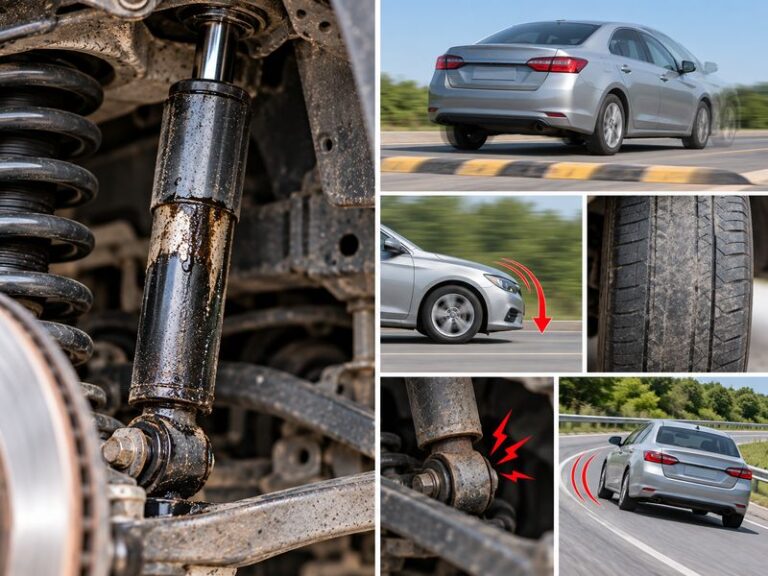
Shock absorber wear can cause excessive bouncing, repeated body movement after a bump, poor control over uneven pavement, or unusual tire wear. Some drivers also notice nose dive under braking, excessive body roll, or a vehicle that feels less settled through curves. These symptoms can indicate a damping problem, but none proves by itself that a shock has failed.
Oil leaking from a shock body can be a sign of seal failure, although a light film of oil and normal residue must be distinguished from substantial wetness or dripping. A bent shaft, damaged mounting point, broken bushing, or severe corrosion can also justify inspection.
Other suspension faults can produce similar symptoms. Worn tires, incorrect tire pressure, loose steering parts, weak springs, damaged control-arm bushings, and alignment problems can all affect ride or handling. A proper diagnosis should examine the whole suspension instead of replacing parts based on one symptom.
If the vehicle becomes difficult to control, repeatedly loses stable tire contact, makes severe suspension noises, or has a visibly damaged shock mount, arrange prompt professional inspection. Avoid high-speed driving until the cause is understood.
Source: theengineerspost.com
Repeated bouncing
May indicate weak damping, but spring condition and other suspension faults should also be checked.
Fluid leakage
Inspect the shock body and shaft area to determine whether the fluid loss is abnormal and whether replacement is required.
Uneven tire wear
Can be associated with poor wheel control but may also result from alignment, tire pressure, or worn suspension joints.
Clunking or knocking
May come from shock mounts, bushings, loose hardware, or another suspension component rather than the damper itself.
Can You Test a Shock Absorber by Pushing Down on the Car?
A push-down test can reveal obvious excessive bouncing on some vehicles, but it is not a reliable stand-alone diagnosis. Modern suspension geometry, spring stiffness, vehicle weight distribution, and damper design affect the result. A shock can also be weak without causing dramatic bouncing during a stationary test.
Inspect for leaks, damaged mounts, and unusual tire wear, then use the vehicle manufacturer’s service procedure where available. A qualified technician can check the suspension more thoroughly when symptoms remain unclear.
Safety note
Do not crawl under a vehicle supported only by a jack or attempt to compress a loaded suspension in an unsafe position.
Common Shock Absorber Selection and Installation Mistakes
Many suspension problems begin when a replacement is selected by appearance or a broad product description instead of exact fitment. Shock absorbers that look similar can differ in shaft length, mounting design, damping force, gas pressure, and permitted travel. These differences can affect both ride quality and safety.
Another common mistake is assuming that a firmer shock automatically improves handling. Excessive damping can prevent the suspension from responding well to uneven roads, while insufficient damping can allow continued body movement. The correct balance depends on the vehicle, springs, tires, and operating conditions.
Installation errors can also damage the new part or create unsafe behavior. Incorrect fastener torque, poorly routed reservoir hoses, damaged bushings, and improper spring handling can cause problems. Some vehicles require a specific procedure for electronic dampers or suspension calibration.
A suspension repair should follow the service manual and the shock manufacturer’s instructions. If the job involves a loaded coil spring, complex strut disassembly, damaged structural mounts, or unfamiliar electronic systems, professional service is the safer choice.
Source: kiaratarotyler.blogspot.com
Buying by appearance
Use verified fitment information and dimensions rather than assuming that a visually similar shock will work.
Ignoring ride height changes
Lowering or lifting a vehicle can alter suspension travel and may require a shock designed for the new geometry.
Overlooking other worn parts
Inspect springs, mounts, bushings, tires, and steering components instead of blaming every handling issue on the shocks.
Using incorrect tools or torque
Follow the service procedure and specified fastener torque; do not rely on impact tools alone for final tightening when the manual requires a different method.
Opening a sealed shock
Do not drill, cut, heat, or disassemble a pressurized shock absorber. Replace it or use a specialist service intended for that model.
Research Scope and Useful Follow-Up Questions
This guide distinguishes shock construction from features such as gas charging, damping adjustment, and reservoir layout. That distinction matters because many online lists present overlapping categories as though each were a completely separate design. The article uses established suspension principles and general automotive service considerations; it does not claim new hands-on testing or measured comparisons between specific products.
The most useful next step for a vehicle owner is to identify the exact suspension system fitted to the vehicle. The vehicle service manual and a reliable fitment catalog can confirm whether a conventional shock, strut, coilover, or electronically controlled damper is required. For modified vehicles, the setup should be reviewed as a complete system.
Questions about replacing a shock, diagnosing a leak, measuring travel, or selecting a gas-charged versus oil-based unit are related but distinct tasks. They require vehicle-specific details and should not be answered with one universal rule. The best follow-up is the question that matches the actual decision the owner needs to make.
Source: sejautoparts.com
Next question: What is the difference between gas and oil shocks?
This comparison should explain gas pressure, oil damping, aeration, and why gas-charged shocks still rely on hydraulic fluid.
Next question: Can you replace only one shock absorber?
The answer should address axle-pair balance, the condition of the opposite shock, and vehicle-specific service guidance.
Next question: How do you know a shock is bad?
A useful diagnosis separates leakage, excessive movement, mounting faults, tire problems, and other suspension causes.
Frequently Asked Questions
Q
What Are The Main Types Of Shock Absorbers?
Common categories include twin-tube, monotube, gas-charged, hydraulic, adjustable, position-sensitive, and remote-reservoir designs. Coilover assemblies combine a coil spring and damper. These categories overlap because some describe construction while others describe operating features.
Q
Are Gas-Charged Shocks Better Than Oil Shocks?
Neither type is universally better. Gas pressure can help limit oil aeration during repeated suspension movement, while the damping valves, body design, and vehicle application determine the overall response. Choose a unit that matches the manufacturer’s specification and your driving needs.
Q
What Is The Difference Between Twin-Tube And Monotube Shocks?
A twin-tube shock has an inner working cylinder and an outer reserve chamber. A monotube shock uses one main cylinder and commonly separates its oil from pressurized gas with a floating piston. Their heat management, packaging, and damping behavior can differ, but actual performance depends on the complete design.
Q
Do All Cars Use The Same Type Of Shock Absorber?
No. Vehicles use different suspension layouts, including conventional shocks, struts, coilover assemblies, and electronically controlled dampers. The correct component depends on the exact vehicle, suspension package, axle position, and any modifications.
Q
Can I Install Performance Shocks On A Daily Driver?
Yes, if the shocks are compatible with the vehicle and designed for the intended use. However, a performance-oriented shock may produce a firmer ride or work poorly with the original springs if the specifications do not match. Confirm fitment, travel, damping characteristics, and any required alignment or calibration.
Q
How Long Do Shock Absorbers Last?
Shock absorber life varies with road conditions, vehicle load, climate, component quality, and driving habits. There is no single mileage figure that applies to every vehicle. Follow the maintenance guidance for your vehicle and inspect the shocks when you notice leakage, unusual bouncing, poor control, or suspension noise.
Q
Can I Replace Shock Absorbers Myself?
Some conventional shock replacements are manageable for a person with suitable tools, mechanical knowledge, and safe vehicle support. Strut assemblies and coilover systems may contain highly loaded springs, while some electronic systems require special procedures. Follow the service manual and seek professional help if the job involves spring compression, damaged mounts, or unfamiliar suspension components.
✦ Wrapping Up
Conclusion
The different types of shock absorbers serve different suspension needs. Twin-tube and monotube designs describe the main construction, hydraulic damping describes how resistance is created, and gas charging helps manage fluid aeration. Adjustable, position-sensitive, and remote-reservoir designs add other features, while coilover assemblies combine a spring and damper.
No single category is best for every car or truck. A suitable shock must match the vehicle’s suspension geometry, spring setup, weight, travel, and intended use. A correctly matched standard replacement can be a better choice for daily driving than a more complex unit designed for a different purpose.
💡 Key Takeaway
Before buying shock absorbers, confirm your vehicle’s exact year, make, model, trim, suspension package, and axle position. Compare verified fitment and manufacturer specifications first, then choose the construction and features that suit your driving conditions.
Eric
Hi, I’m Eric Bennett, the person behind OffRoadTruckAccessories.com.
I created this blog to share my interest in trucks, off-road driving, automotive accessories, and DIY modifications. I enjoy learning how different truck accessories work, testing their usefulness, and understanding whether they are truly worth buying.
Shock absorbers are located near the wheels as part of the suspension system, usually between the vehicle’s body, frame, or subframe and a suspension component such as a control arm, axle, or wheel assembly. However, the exact answer to where are shock absorbers located on a car depends on the suspension design. Some vehicles have…
You should change shock absorbers when they are worn, leaking, damaged, or no longer controlling suspension movement properly. There is no single replacement interval that applies to every vehicle because shock absorber life depends on road conditions, vehicle weight, driving habits, suspension design, and component quality. If you are wondering when to change shock absorbers,…