How Often Should You Replace Struts? A Complete Guide for Car Owners
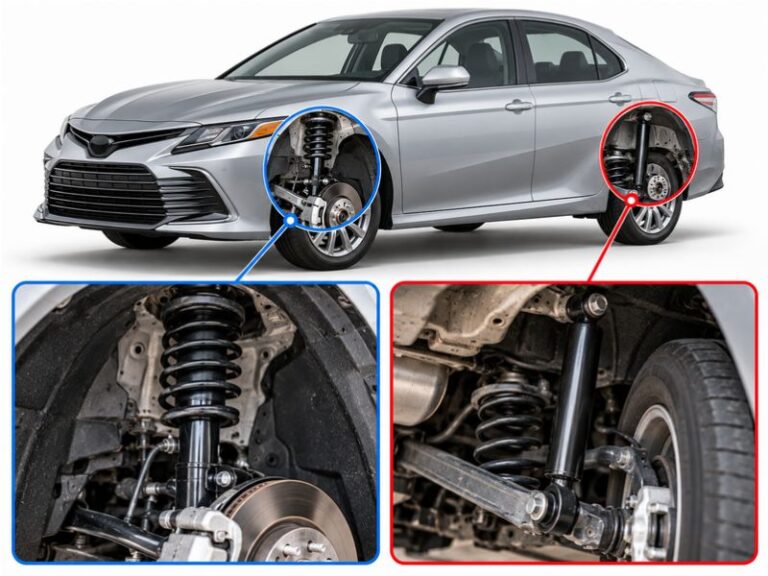
Many U.S. drivers ask how often should you replace struts because struts slowly lose performance over time. Unlike a tire or oil change, struts do not have a simple replacement date. Their lifespan depends on mileage, road conditions, vehicle weight, and driving habits.
From a vehicle maintenance perspective, I have found that waiting until a strut completely fails can lead to rough rides and added stress on other suspension parts. Regular inspections help catch problems early and keep your car safer on highways, city streets, and rough roads.
How Often Should You Replace Struts on Most Vehicles?
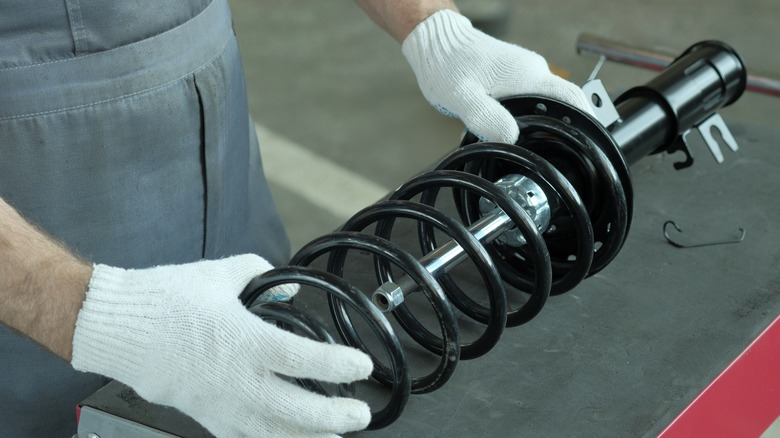
The common answer to how often should you replace struts is about every 50,000 to 100,000 miles. This range works as a general guide, but some vehicles may need new struts earlier or may keep good performance longer.
Drivers who travel on smooth highways may get more life from their struts. Vehicles used on pothole-filled roads, gravel paths, or heavy traffic routes often experience faster suspension wear.
- ✦ Mileage range
Many mechanics inspect struts closely after 50,000 miles and consider replacement as mileage approaches 100,000 miles.
- ✦ Driving environment
Rough roads, extreme weather, and frequent heavy loads can shorten strut life.
Why There Is No Exact Replacement Schedule
Struts wear gradually, so two vehicles with the same mileage may have different suspension conditions. A careful inspection is more reliable than mileage alone.
The best answer to how often should you replace struts combines mileage, symptoms, and a professional suspension check.
Signs Your Car Struts May Need Replacement
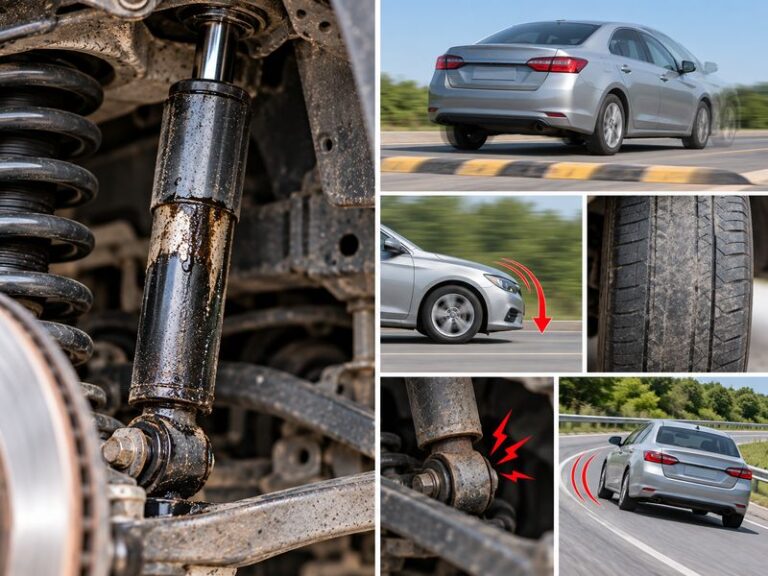
Knowing the warning signs can help you decide how often should you replace struts before handling problems become serious. Worn struts often affect comfort, control, and tire performance.
A vehicle with weak struts may feel less stable during turns or braking. These changes are often easy to notice during normal driving.

- ✦ Excessive bouncing
The vehicle may continue bouncing after going over a bump because the struts no longer control movement well.
- ✦ Uneven tire wear
Bad struts can allow uneven tire contact with the road, causing unusual tread patterns.
- ✦ Nose diving during braking
The front of the vehicle may dip more than normal when stopping.
- ✦ Fluid leaks
Visible oil around a strut can indicate internal damage and reduced performance.
What Factors Affect How Long Struts Last?
When considering how often should you replace struts, it is important to look at the conditions your vehicle faces every day. Suspension parts work harder when roads are rough or when vehicles carry heavy loads.
A family SUV used for long trips may wear differently from a small sedan used mainly for short city drives.

- ✦ Road quality
Potholes, bumps, and uneven pavement create more stress on suspension components.
- ✦ Vehicle load
Heavy cargo and frequent towing can increase wear on struts.
- ✦ Climate conditions
Salt, moisture, and temperature changes may contribute to suspension corrosion.
Driving Habits and Strut Life
Hard braking, aggressive cornering, and frequent driving on damaged roads can reduce strut lifespan. Smooth driving habits may help suspension parts last longer.
Why Replacing Worn Struts Matters for Safety and Comfort
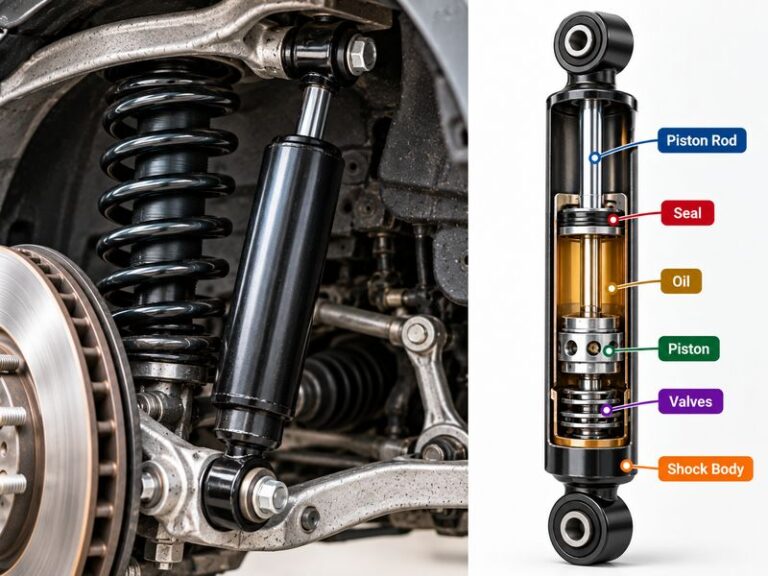
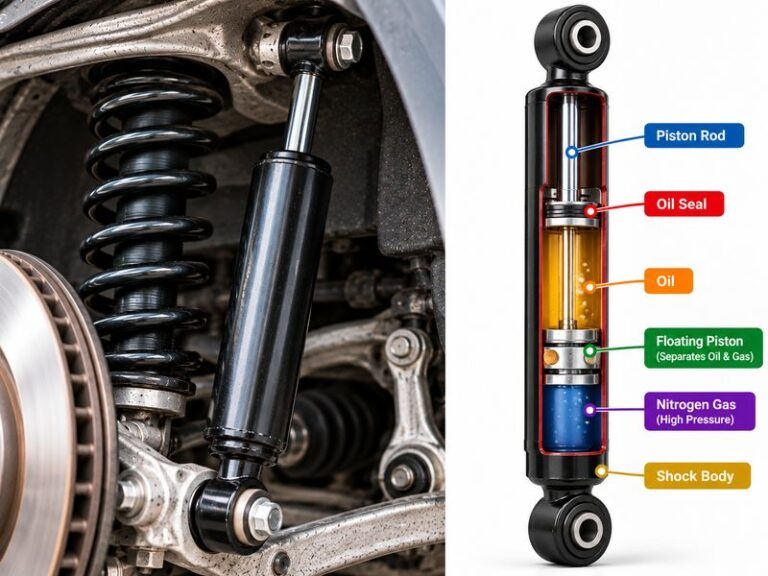
Struts do more than create a smooth ride. They help keep tires connected to the road and support proper vehicle control during braking and turning.
If you delay replacement after clear warning signs appear, your vehicle may develop more suspension problems. Understanding how often should you replace struts helps you plan repairs before they become urgent.

- ✦ Better handling
New struts can improve steering response and vehicle stability.
- ✦ Improved ride quality
A fresh suspension system can reduce harsh bumps and excessive movement.
- ✦ Protects other parts
Healthy struts may reduce stress on tires, springs, and suspension mounts.
How Much Does Strut Replacement Cost?
The cost of replacing struts varies based on the vehicle model, parts quality, and labor rates in your area. Many drivers pay several hundred dollars per axle, though luxury vehicles and complex suspension systems may cost more.
When planning how often should you replace struts, include related services such as wheel alignment. A proper alignment after replacement helps protect new tires and improves handling.

- ✦ Parts cost
Strut assemblies vary widely in price depending on brand and vehicle requirements.
- ✦ Labor cost
Replacement usually requires specialized tools and suspension experience.
- ✦ Additional services
An alignment and inspection of nearby suspension parts may be recommended.
Can You Drive With Bad Struts?
A vehicle with worn struts may still move, but driving with damaged suspension can reduce comfort and control. The longer you wait, the more likely other parts may experience extra wear.
If you notice major bouncing, poor steering response, or leaking struts, schedule an inspection. Knowing how often should you replace struts helps you avoid waiting for a complete failure.

- ✦ Short-term driving
Minor wear may not create immediate problems, but monitoring is important.
- ✦ Long-term risks
Severely worn struts can affect braking stability and tire contact.