Do Leveling Kits Affect Ride Quality: Practical Guide and Tips
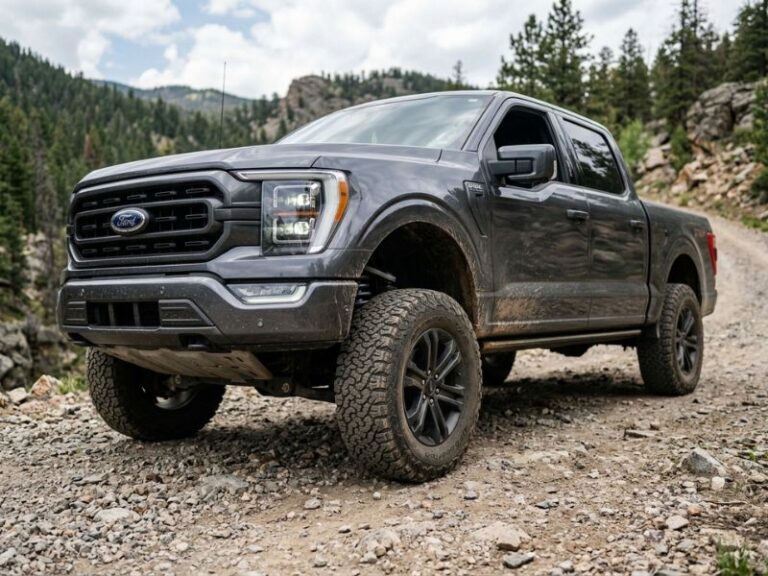
A truck that sits nose-down can invite an early suspension change, especially when the front end looks noticeably lower than the rear or when larger tires are part of the plan. Yet correcting that stance before the suspension actually needs help can create a different problem: a harsher ride, less suspension travel, or accelerated wear.
The important distinction is between a small, well-matched correction and a lift component that changes suspension geometry beyond what the original parts can comfortably handle. A leveling kit may preserve near-factory behavior, but its effect depends on the kit design, vehicle, installation, alignment, and the condition of the shocks and springs.
Before buying one, it helps to separate appearance from function. The details below explain when ride quality changes, which kit types are most predictable, what symptoms indicate a poor setup, and which steps protect handling and safety.
How a Leveling Kit Changes the Suspension
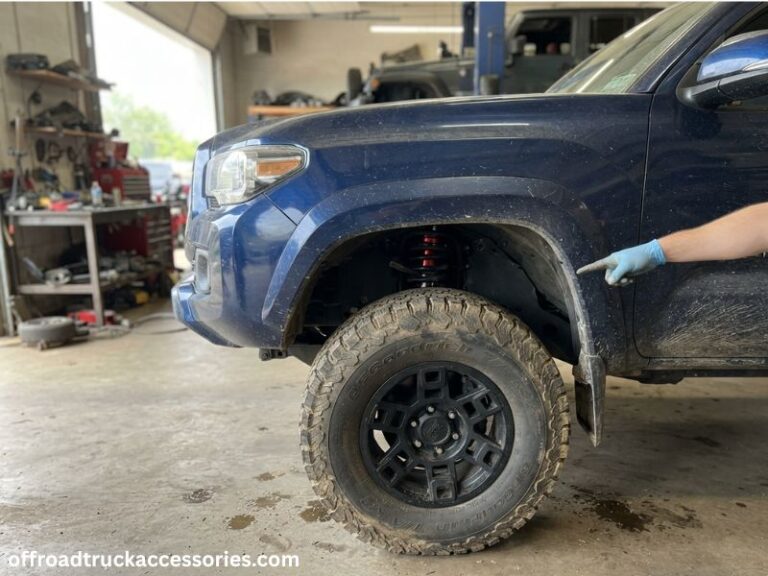
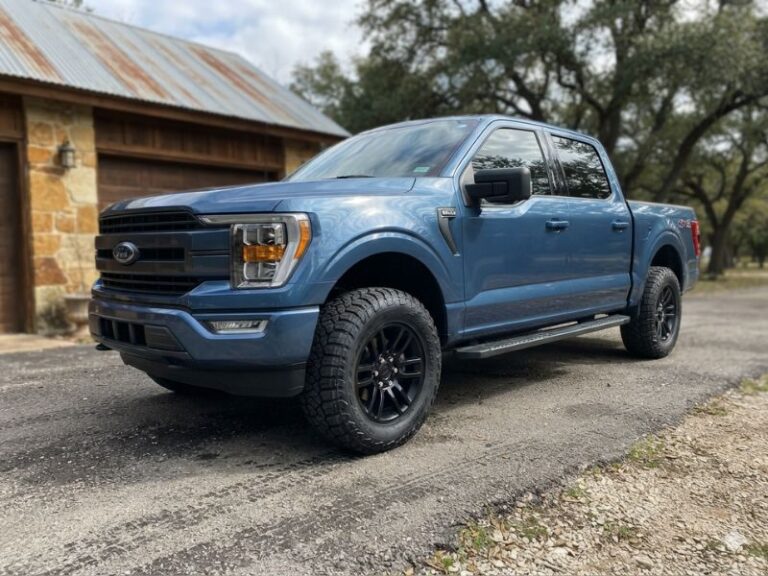
A leveling kit raises the front of a truck or SUV to reduce the factory rake, the slight rear-high stance built into many vehicles. Most kits provide roughly a modest front lift, although the actual amount varies by vehicle and product design.
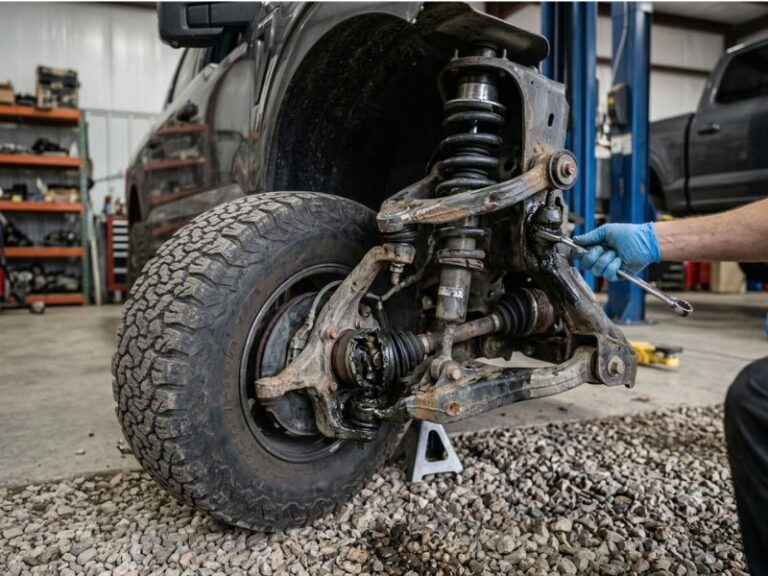
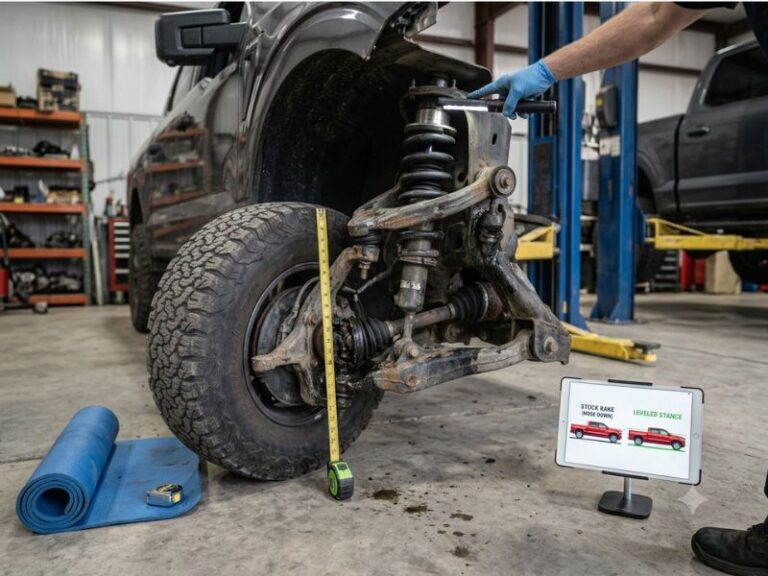
The kit does not simply raise the body in isolation. It changes the working position of suspension components, including the coil spring, strut, upper control arm, ball joint, tie-rod end, and shock absorber. That altered position is the main reason ride quality can change.
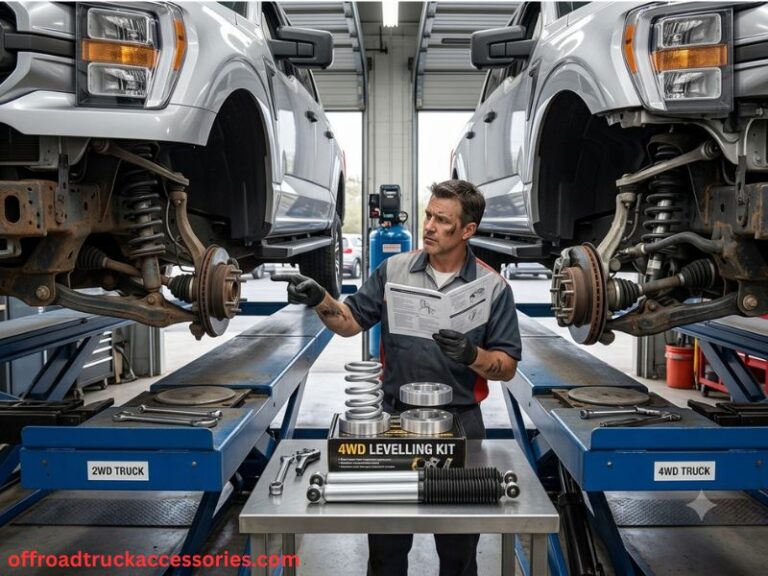
On a torsion-bar suspension, adjustment may increase front ride height by changing spring preload. On a coil-spring vehicle, a spacer may sit above or below the spring, while a coil spring or complete strut assembly may replace the original component. Each method produces a different balance of comfort, travel, and geometry.
The best result comes from a kit engineered for the specific suspension platform. A part that works well on one model year may not provide the same travel or clearance on another, even when the vehicles appear similar.
Do Leveling Kits Affect Ride Quality?
They can affect ride quality, but the change is not automatically negative. A properly matched kit with a moderate height increase may feel nearly stock, while a poorly matched or overly aggressive setup can make the vehicle noticeably firmer, less controlled, or more unsettled over uneven pavement.
The most common change is a **firmer front ride**. A spacer placed above a coil spring or strut can increase preload, leaving less room for the suspension to compress before reaching the bump stop. The spring itself may not become dramatically stiffer, but the reduced usable travel can make potholes and sharp edges feel harsher.
Some drivers notice more impact over expansion joints, bridge transitions, and rough gravel. Others notice little difference during normal commuting but feel the change when the truck is lightly loaded, driven off-road, or fitted with heavier tires and wheels.
Ride quality also includes more than softness. Steering response, body control, rebound behavior, tire contact, and noise all contribute to how a vehicle feels. A setup that feels firm but controlled may be preferable to a soft suspension that bounces or bottoms out.
What Determines the Ride-Quality Change?
Kit design and lift height
A small spacer or spring adjustment generally places less demand on the suspension than a larger front lift. As height increases, control arms and ball joints operate at steeper angles, and the original shock may have less ideal travel available.
Spacer thickness also does not always equal actual lift. On some strut suspensions, a top-mounted spacer can produce more front lift than its physical thickness because of the suspension’s motion ratio. The manufacturer’s stated vehicle-specific lift amount matters more than the spacer’s dimensions.
Spacer location
A top-mounted strut spacer usually increases preload and can reduce available compression travel. A lower spring spacer may produce a different change in spring position, while a replacement coil spring changes the spring rate and overall suspension behavior.
None of these designs is automatically best for every use. The relevant questions are whether the components work with the original shock, retain adequate travel, and maintain acceptable suspension angles at the chosen height.
Shock absorber condition
Old or worn shocks can make any suspension modification feel worse. A leveling kit may expose weak damping that was already present, leading to bouncing, extra body motion, or a rough response after bumps.
Factory shocks often work acceptably with a modest level, but they may not be appropriate if the kit extends suspension travel beyond their intended operating range. A shock designed for the new ride height can improve control, but it cannot correct incorrect geometry or insufficient spring travel.
Vehicle load and intended use
A truck used mostly for commuting may have a different ideal setup than one carrying tools, towing, or traveling on rough trails. Added front-end weight from a winch, bumper, or accessories can change the effective ride height and make the original springs less suitable.
Likewise, a vehicle that frequently carries a heavy load may benefit from retaining some factory rake. Leveling the unloaded stance can reduce the visual margin available when cargo or trailer tongue weight compresses the rear suspension.
Tires and wheels
Many owners install a leveling kit to clear larger tires. Heavier all-terrain or mud-terrain tires, wider wheels, and reduced-offset wheels can add steering effort, noise, and impact harshness even if the suspension itself remains comfortable.
Rubbing against the fender liner, sway bar, or control arm can also be mistaken for a ride-quality problem. Tire pressure has a major effect as well, so pressures should be set according to the vehicle’s load and tire requirements rather than raised unnecessarily for appearance or perceived handling.
Signs a Leveling Kit Is Hurting Comfort or Control
A slight difference in firmness is not necessarily a defect. However, a new pattern of harshness, instability, or noise deserves inspection instead of being dismissed as normal for a modified truck.
- Repeated bottoming over bumps or driveway transitions
- Excessive bouncing after the vehicle crosses a dip
- Clunks, squeaks, or popping from the front suspension
- Steering that feels darty, heavy, or slow to return to center
- Uneven tire wear after installation and alignment
- Visible coil spring unloading or a shock that appears near its travel limit
- Control arms or ball joints operating at an unusually steep angle
- New rubbing during turns or when the suspension compresses
Uneven tire wear is especially important because it can indicate alignment or component problems, not merely a comfort preference. A vehicle that pulls, wanders, or requires constant steering correction should be checked promptly.
Alignment, Geometry, and Ride Safety
Any change in front ride height can alter **wheel alignment**, including camber, caster, and toe. The vehicle may look level while the tires are no longer positioned correctly for stable handling and even wear.
An alignment should be performed after installation, not assumed to be unnecessary because the lift is small. The alignment printout can also reveal whether the vehicle remains within the adjustable range of its factory components.
Raising the front can reduce caster or change the relationship between the steering axis and tire contact patch, depending on the suspension design. The result may be less natural steering return or a less planted feeling at highway speed.
Clearance should be checked through the complete steering and suspension range, including full lock, full compression, and full droop. A tire that clears while parked may contact a liner or suspension component when the wheel is turned and the suspension is loaded.
Some trucks need additional parts, such as control arms, extended bump stops, or compatible shocks, when lifted beyond a modest amount. The correct requirement depends on the vehicle and kit; guessing can compromise travel and component life.
Can a Leveling Kit Make the Ride Better?
In limited situations, the vehicle can feel better after leveling, but the kit is not inherently a comfort upgrade. If the original front suspension is sagging, worn, or overloaded, replacing tired parts with properly selected components may restore control and ride height.
A complete replacement strut or spring designed for the vehicle can provide more predictable behavior than stacking a spacer onto a weak original assembly. Even then, the objective is usually to restore a sound suspension while changing stance, not to guarantee a softer ride.
Some owners also prefer the more balanced visual stance and improved clearance for their driving needs. That perceived improvement can make the vehicle feel more satisfying, but it should not be confused with increased suspension performance.
How to Keep a Leveled Truck Comfortable
Start by identifying the reason for the change. If the front end is sagging, inspect springs, struts, shocks, and suspension joints before adding height. A leveling kit should not be used to hide a worn or damaged component.
Choose a vehicle-specific kit with clearly stated compatibility, installation requirements, and suspension limits. Avoid selecting the tallest option merely because it provides more visual change; additional height usually creates more geometry and travel concerns.
- Measure the vehicle on level ground before installation, checking both sides of the front end.
- Inspect shocks, springs, ball joints, tie-rod ends, bushings, and control arms.
- Confirm that the kit matches the exact model, drivetrain, suspension type, and intended lift height.
- Install the components using the manufacturer’s specified method and hardware.
- Check fastener torque, brake-line clearance, steering travel, and shock travel.
- Test drive slowly on a familiar route and listen for new noises.
- Obtain a four-wheel alignment and recheck tire clearance.
- Inspect for uneven tire wear and loose hardware after the initial driving period.
Ride comfort can also improve through simple setup choices. Correct tire pressure, lighter wheel-and-tire combinations, fresh shocks, and avoiding excessive preload can make a noticeable difference without changing the lift height.
Professional installation is particularly sensible when the kit requires spring compression, strut disassembly, altered control arms, or changes to brake and steering components. A qualified shop can identify geometry problems that are difficult to see from outside the vehicle.
When to Avoid a Leveling Kit
Delay the modification if the suspension already has worn parts, uneven ride height, steering looseness, or persistent tire wear. Adding lift before repairing those issues can make diagnosis harder and place additional stress on weak components.
A level may also be a poor choice for a truck that regularly tows or carries heavy front-to-back loads. Removing factory rake can leave less room for rear compression under cargo, and the vehicle may sit nose-high when loaded.
Owners seeking substantial tire clearance, serious off-road travel, or a major height increase may need a more complete suspension system rather than a basic leveling kit. The right solution should preserve travel and geometry for the intended use, not just achieve a target measurement.
Stop driving and arrange an inspection if the steering becomes unstable, a suspension component contacts another part, a spring is loose at full droop, or a tire rubs severely. These are safety concerns, not normal break-in characteristics.
FAQ About Leveling Kits and Ride Quality
Do leveling kits affect ride quality on pavement?
They can make the front ride firmer on pavement. The change is often most noticeable over sharp bumps and rough joints, especially when a spacer reduces compression travel or the original shocks are worn.
Will a leveling kit make my truck ride rough?
A leveling kit may make a truck rougher, but it is not guaranteed. Ride harshness is more likely with excessive lift, incorrect parts, heavy wheels and tires, inadequate shock travel, or a suspension that was already in poor condition.
Do leveling kits affect ride quality more than a full
Not necessarily, although a modest leveling kit usually creates fewer changes. A well-designed full lift can ride better than a poorly chosen level, while a basic spacer can feel harsh if it limits travel or operates outside the factory geometry.
Do leveling kits affect ride quality and alignment?
Yes, a front leveling kit can alter alignment and steering geometry. An alignment after installation is essential because even a small height change may affect camber, caster, toe, tire wear, and steering return.
Can factory shocks be used with a leveling kit?
Factory shocks may work with some modest kits, but compatibility must be verified. The original shock may have inadequate extension or compression travel at a greater ride height, and worn shocks should not be reused simply to save installation cost.
Will larger tires make a leveled truck ride worse?
Larger or heavier tires can reduce comfort independently of the leveling kit. Extra unsprung weight, stiffer sidewalls, wider tread, and incorrect tire pressure can increase impacts and steering effort, so the entire wheel-and-tire package must be considered.
How long does it take for ride quality to settle
Springs and bushings may settle slightly, but severe harshness should not be blamed on break-in. Check installation, alignment, tire pressure, and suspension travel soon after fitting the kit rather than waiting for a serious symptom to disappear.
Conclusion: Choose the Smallest Correct Suspension Change
Do leveling kits affect ride quality? They can, mainly by changing spring preload, suspension travel, geometry, and the operating range of the shocks. A modest, vehicle-specific kit may preserve comfortable handling, while excessive height or poor installation can create harshness, noise, tire wear, and unsafe steering behavior.
The major limitation is that no kit can compensate for worn suspension parts or incorrect alignment. Inspect the vehicle first, select a setup suited to its load and use, verify clearance and travel, and have the alignment checked by a qualified professional after installation.