Will a Leveling Kit Stop My Tires from Rubbing? Eric’s Expert Guide
Yes, a leveling kit often stops or greatly reduces tire rubbing, especially on the front end. However, it depends on your tire size, wheel offset, and specific truck model. It is not a guaranteed fix for every setup.
If you’ve installed bigger off-road tires on your truck and now hear that annoying scraping sound when turning the steering wheel or going over bumps, you’re not alone. Tire rub is one of the most common problems I see as a mechanic and truck leveling kit expert.
Many truck owners come to me looking for a simple and affordable way to gain extra clearance without doing a full lift. That’s exactly why I recommend starting with a good leveling kit in most cases.
In this complete guide, I’ll explain exactly how leveling kits work, when they successfully eliminate tire rub, when they might fall short, and what extra steps you can take for a perfect no-rub setup. Whether you drive a Ford F-150, Chevy Silverado, Ram, Toyota Tundra, or GMC Sierra, I’ll give you practical, real-world advice.
All the details you need are written below.
What Causes Tire Rubbing on Trucks?
Tire rubbing is one of the most frustrating issues I deal with as a truck mechanic. Before we talk about solutions like leveling kits, it’s important to understand exactly why your tires are rubbing in the first place.
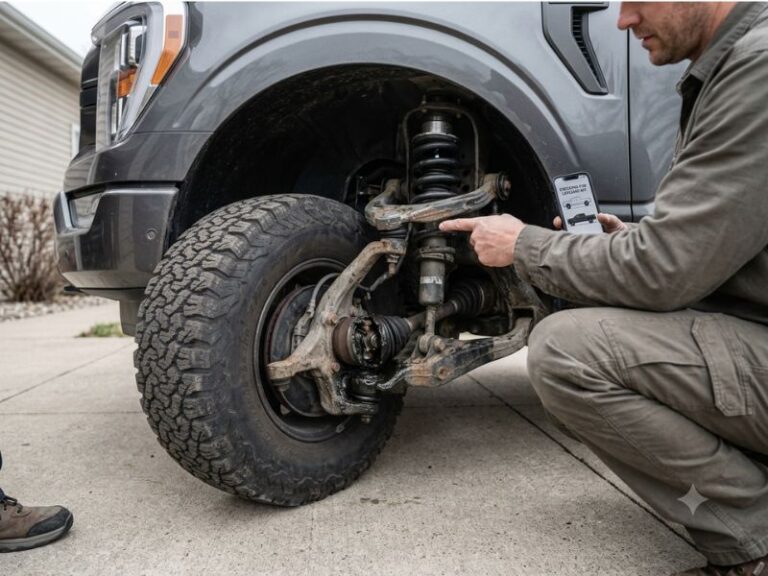
The most common cause is simply installing larger diameter or wider tires than your truck was designed to handle from the factory. While bigger tires look great and improve off-road performance, they reduce the available clearance in the wheel wells. This becomes especially noticeable during turns (at full steering lock) or when the suspension compresses over bumps or dips.
Here are the main factors that cause tire rub:
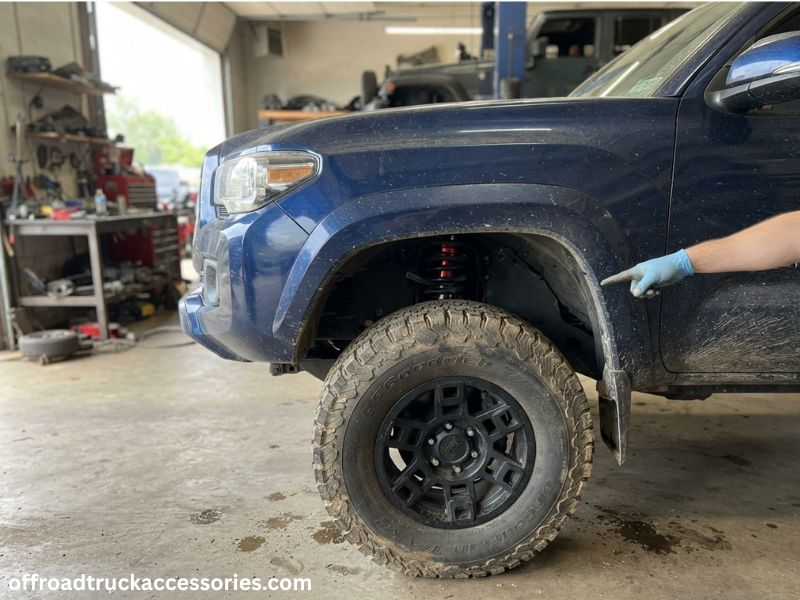
- Wheel Offset and Backspacing: Tires that stick out too far (negative offset or low backspacing) rub against the fender liners or outer fenders. On the other hand, some wheels push the tire too far inward and cause rubbing on control arms or frame components.
- Suspension Geometry: When your truck is at stock height, the suspension has limited travel. Adding bigger tires without lifting the front end often causes the tire to make contact during articulation.
- Worn Suspension Parts: Old shocks, sagging springs, or damaged bushings allow the tire to move more than it should, creating rub even with stock-sized tires.
- Steering Angle: At full lock, the front tires turn sharply and move closer to the inner fender liner or crash bars. This is where most rubbing happens after upgrading to 33″, 35″, or larger tires.
- Heavy Loads or Off-Roading: Adding weight in the bed or aggressive off-roading increases suspension compression, which brings the tires closer to the body.
In my experience, most customers I talk to face rubbing on the front tires at full lock after fitting 35-inch tires on a stock or near-stock truck. Rear rubbing is less common but can happen on the leaf springs or inner wheel wells if you go very aggressive with tire size.
Understanding these causes is the first step. Now let’s move to the main question — how a leveling kit helps fix this problem.
What Is a Truck Leveling Kit and How Does It Work?
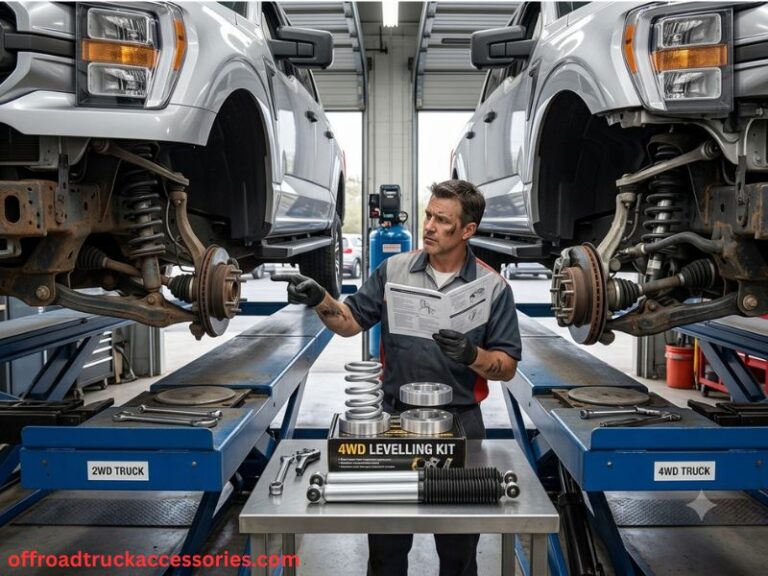
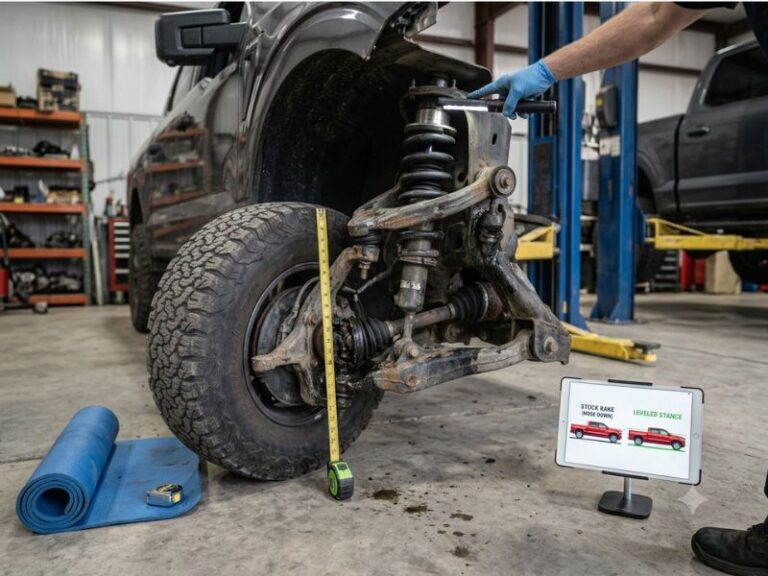
A truck leveling kit is one of the most popular and affordable upgrades I recommend to my customers. It is designed to raise the front of your truck by 1.5 to 3 inches so that the front end matches the height of the rear, giving your truck a clean, level stance.
Unlike a full lift kit that raises both front and rear, a leveling kit focuses only on the front. This makes it simpler, cheaper, and easier to install while still providing noticeable benefits.
How Does a Leveling Kit Work?
There are two main types I commonly use:
- Strut Spacer Kits — These are the most popular. I install a spacer on top of the factory strut assembly. This pushes the entire front suspension downward, increasing ground clearance and tire room without changing the factory spring.
- Strut Replacement Kits — These replace the stock struts with new, taller units. They usually offer a better ride quality and are my preferred choice for customers who want improved handling along with the lift.
By raising the front end, the leveling kit creates extra space in the wheel well. This added clearance is exactly what allows many people to fit larger tires without rubbing.
Main Benefits I See in Real Life
- Gives your truck a much better look (no more “nose down” stance)
- Increases front ground clearance
- Provides room for bigger tires (often 33″ to 35″ depending on your truck)
- Improves approach angle for light off-roading
- Keeps your factory suspension geometry mostly intact
However, it’s important to understand that while a leveling kit adds vertical space, it can slightly change your suspension angles. This is why some people still experience rubbing even after installation — which I’ll explain in detail in the next section.
At offroadtruckaccessories.com, I always help customers choose the right leveling kit based on their truck model and tire goals.
Will a Leveling Kit Stop Tires from Rubbing? The Honest Answer
This is the question I get asked almost every day. Will a leveling kit stop my tires from rubbing?
My honest answer as a mechanic is: Yes in many cases, but not always. It depends on several important factors.
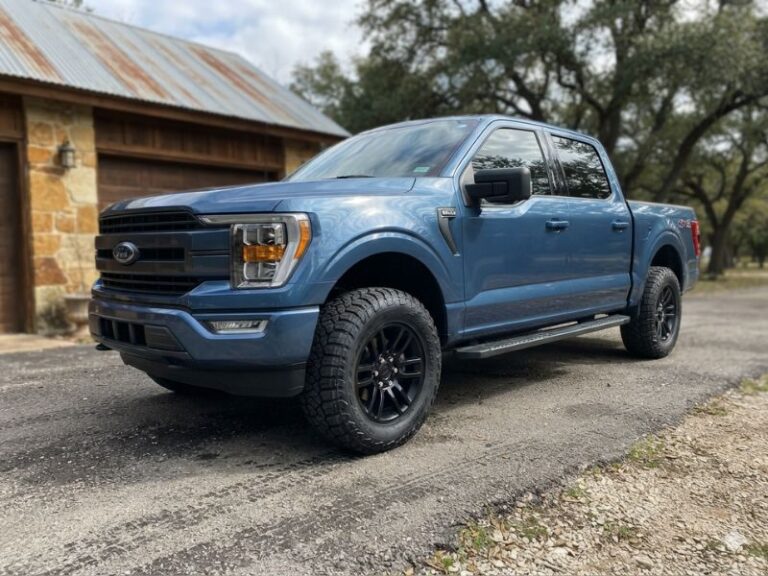
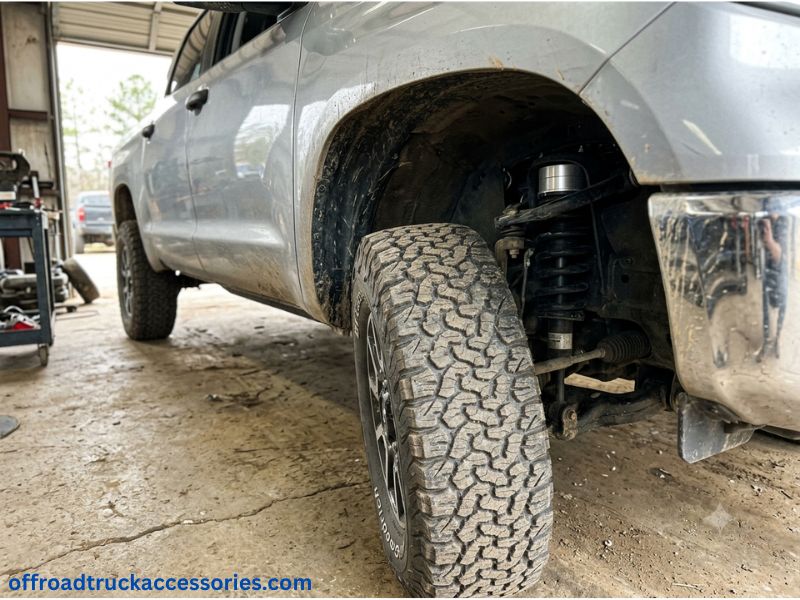
A leveling kit frequently solves tire rub problems, especially mild to moderate rubbing on the front fenders or liners. By lifting the front end 2 to 2.5 inches, it gives the tires more vertical room so they don’t hit the fender when turning or when the suspension compresses. Many of my customers successfully run 35-inch tires with a quality 2.5″ leveling kit and have zero rub.
When a Leveling Kit Works Well
- You are running mildly oversized tires (33″ to 35″)
- Your wheels have decent backspacing or factory offset
- The rub is mainly on the upper fender liner or plastic guard
- You install a good quality kit (not the cheapest ones)
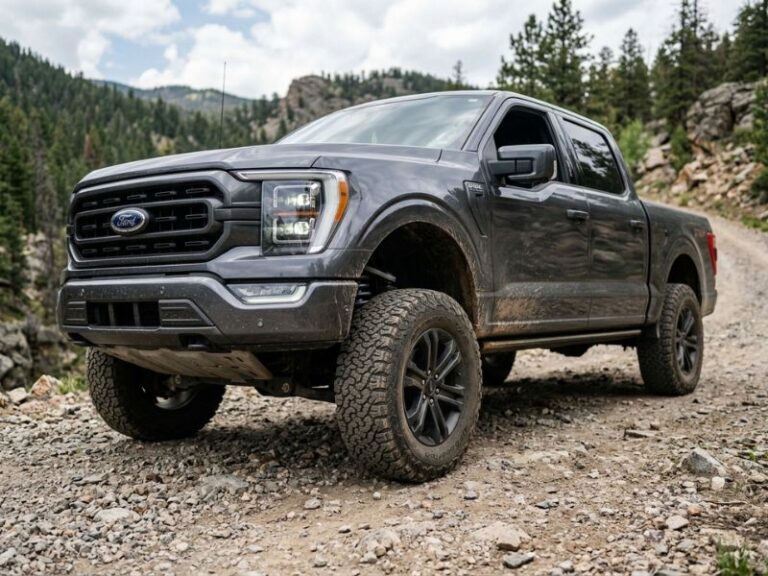
I’ve seen excellent results with 2.5″ leveling kits on Ford F-150s, Chevy Silverados, and Toyota Tundras. Many owners report no more rubbing at full steering lock after installation.
When a Leveling Kit May Not Fully Fix the Rub
- Your tires are very wide or have aggressive offset (stick out too far)
- You’re trying to fit 37″ or larger tires
- Rubbing happens on the inner crash bars or control arms
- The suspension geometry change actually pulls the tire inward during turns
Sometimes after installing a leveling kit, new rubbing appears because the control arms change angle. This can move the tire slightly inward at full lock. In these cases, a leveling kit helps but may need support from other mods.
My Real-World Recommendation
In my experience, a 2″ to 2.5″ leveling kit is the sweet spot for most trucks wanting to run 35″ tires without major modifications. If you still have slight rub after installation, minor fender liner trimming or wheel spacers can usually solve the remaining issue.
However, if you plan to go bigger than 35″ or do serious off-roading, I usually advise considering a full lift kit instead of just leveling.
Bottom line: A leveling kit is an excellent first step and stops tire rubbing for the majority of truck owners. But success depends on your exact setup — tire size, wheel choice, and truck model.
In the next sections, I’ll show you how to install it properly and what extra accessories I recommend for a perfect no-rub result.
Step-by-Step: Installing a Leveling Kit to Maximize Tire Clearance
Installing a leveling kit is one of the most effective ways I recommend to fix tire rubbing. Here’s the practical guidance I give to truck owners who want the best results.
Tools You’ll Need:
- Floor jack and jack stands
- Torque wrench (very important)
- Socket set (including 18mm, 21mm, etc.)
- Spring compressor (for some kits)
- Alignment tools (highly recommended after install)
My Recommended Installation Process
- Preparation Park on a flat surface, loosen the lug nuts, and jack up the front of the truck. Remove the wheels.
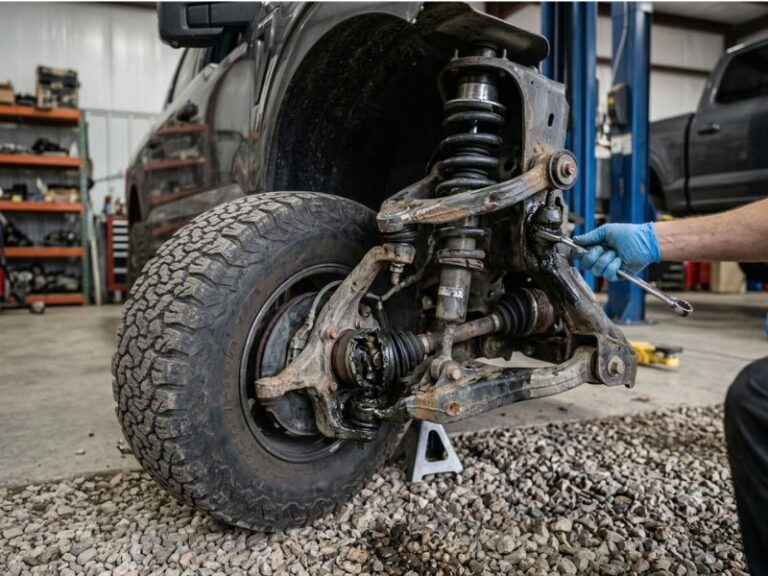
- Remove the Strut Assembly Disconnect the brake line bracket, sway bar link, and the bolts holding the strut. Carefully lower the strut out.
- Install the Leveling Spacer Place the spacer on top of the strut and secure it properly. For strut replacement kits, install the new strut.
- Reinstall Everything Put the strut back in place, torque all bolts to factory specifications. Reconnect sway bar and brake lines.
- Reinstall Wheels and Test Put the wheels back on, lower the truck, and torque the lug nuts.
- Get a Professional Alignment This step is critical. A leveling kit changes your suspension angles, and a proper alignment prevents uneven tire wear and handling issues.
Pro Tips from My Experience
- Always use a torque wrench — loose bolts can cause serious problems.
- Check for rubbing at full steering lock both left and right after installation.
- Test drive over bumps and during turns.
- If you still have minor rub, you can trim the plastic fender liner carefully — this is very common and effective.
- For best results, I often recommend pairing the leveling kit with upgraded shocks.
Safety Note: If you’re not comfortable with suspension work, take it to a professional shop. Improper installation can affect safety and handling.
Once installed correctly, most customers see a big improvement in tire clearance. In the next section, I’ll share my top leveling kit recommendations that work great for stopping rub.
Best Leveling Kits and Accessories to Prevent Tire Rub
After installing hundreds of leveling kits, I’ve learned which ones actually deliver good clearance and reliability. Here are my top recommendations for stopping tire rub effectively.
My Top Leveling Kit Picks:
- Best Overall: 2.5″ Strut Spacer Leveling Kit I recommend this for most truck owners. It gives enough lift for 35″ tires on many models with minimal rub. Look for kits with high-quality anodized aluminum spacers and new hardware.
- Best Ride Quality: Loaded Strut Leveling Kit These come with new struts and coils. I prefer these for daily drivers because they maintain or even improve ride comfort while adding clearance.
- Best Value Option A solid 2″ leveling kit works well for lighter tire upgrades (33–34″). Great if you’re on a budget but still want reliable performance.
Must-Have Accessories to Eliminate Rub Completely:
- Wheel Spacers (1.25″–2″) — Very effective if your tires are rubbing on the outer fender. I use these carefully, especially for off-road trucks.
- Fender Flares or Pocket Rivet Flares — These add extra tire coverage and look aggressive.
- Upgraded Shocks or Coilovers — Helps control suspension movement so tires don’t rub during compression.
- Adjustable Upper Control Arms — Highly recommended if you still have rub after leveling. They correct alignment and add extra clearance.
- Mud Flaps or Trim Guards — Simple way to protect against minor contact.
At offroadtruckaccessories.com, I always suggest customers buy a complete package — leveling kit + proper shocks + any needed spacers. This combination gives the best chance of running larger tires without any rubbing.
My Advice: Don’t buy the cheapest kit you find. A good quality leveling kit lasts for years and avoids problems like spacer cracking or sagging. Tell me your truck model and tire size, and I can recommend the perfect setup for you.
Alternatives and Additional Solutions If a Leveling Kit Alone Isn’t Enough
Sometimes a leveling kit reduces tire rub but doesn’t completely eliminate it. When that happens, here are the additional solutions I recommend to my customers:
1. Wheel Spacers
I often suggest 1.25″ or 1.5″ wheel spacers to push the tires outward slightly. This is one of the quickest ways to stop outer fender rub. However, I advise using quality hub-centric spacers and proper torque. Not ideal for heavy off-roading.
2. Fender Modifications
- Trimming the Plastic Liner: This is the most common and effective fix I use. Removing or cutting a small portion of the inner fender liner usually clears up rubbing without affecting looks.
- Fender Flares: Bolt-on or pocket-style flares give extra room and a more aggressive appearance.
3. Adjustable Control Arms
If the leveling kit changes your suspension geometry too much, upgraded upper control arms help restore proper alignment and add extra clearance at full lock. This is one of my favorite upgrades for trucks running 35″+ tires.
4. Full Suspension Lift Kit
For those wanting 37″ tires or more, I usually recommend moving from a leveling kit to a 3–6″ suspension lift. It gives significantly more room and better performance.
5. Other Smart Fixes
- Switch to wheels with better backspacing
- Install larger bump stops to limit compression
- Adjust tire pressure (slightly lower for off-road, higher for highway)
- Remove or modify splash shields
My Recommendation:
Start with a quality 2–2.5″ leveling kit first. Drive it for a week and check where the rub is happening. Most of the time, a small additional mod (like trimming or spacers) completely solves the problem.
Maintenance and Long-Term Considerations After Installing a Leveling Kit
Once you install a leveling kit to fix tire rubbing, proper maintenance is important to keep everything working safely and effectively.
Things I Always Tell My Customers to Do:
- Get an Alignment Immediately — A leveling kit changes your camber and caster angles. Driving without alignment causes fast tire wear and poor handling.
- Check Torque on All Bolts — Especially the strut spacers and lug nuts. Re-torque them after the first 100 miles and again after 500 miles.
- Inspect for Rub Regularly — Especially after off-roading. Listen for any new scraping sounds when turning or going over bumps.
- Monitor Suspension Components — Leveling kits put extra stress on factory parts. Check shocks, ball joints, and tie rods more frequently.
- Tire Rotation and Balancing — More important than ever with bigger tires.
Long-Term Effects to Keep in Mind:
- Slight change in ride quality and handling (especially if using cheap spacers)
- Possible effect on fuel economy
- May affect warranty (check with your dealer)
- Steering feel might feel slightly different due to changed geometry
In my experience, a well-installed quality leveling kit lasts many years with proper care. Trucks that combine the leveling kit with good shocks and regular maintenance have the fewest problems and almost no tire rub issues.
If you notice new rubbing or strange noises later, bring it to me — small adjustments can usually fix it quickly.
Frequently Asked Questions (FAQs)
Here are the most common questions I get about leveling kits and tire rubbing:
Will a 2.5″ leveling kit stop tire rub on 35″ tires?
Yes, in most cases it works very well. Many trucks can run 35″ tires with a 2.5″ kit and little to no rubbing. However, wheel offset plays a big role.
Does installing a leveling kit cause new rubbing problems?
Sometimes. It can change suspension geometry and pull the tire slightly inward at full lock. This is why alignment and possible minor trimming are important.
Is a leveling kit better than wheel spacers?
They serve different purposes. I usually recommend starting with a leveling kit for vertical clearance, then adding spacers only if needed for side clearance.
How much lift do I need to run 37″ tires without rubbing?
Usually a 3–4″ lift or more, depending on your truck model and wheel setup. A leveling kit alone is often not enough for 37s.
Do I need an alignment after installing a leveling kit?
Yes. I strongly recommend it. Skipping alignment is one of the biggest mistakes I see.
Will a leveling kit ruin my truck’s ride quality?
Not if you choose a good quality kit. Loaded strut kits usually maintain or improve the ride.
Can I install a leveling kit myself?
Yes, it’s DIY-friendly for many people. But if you’re not comfortable working on suspension, I recommend professional installation.
Does leveling kit affect fuel economy?
Slightly. Bigger tires and added height can reduce mileage a bit, but proper alignment helps minimize this.
Got more questions? Feel free to contact me through offroadtruckaccessories.com.
Conclusion
A leveling kit is one of the smartest and most affordable ways to stop tire rubbing on your truck. In most cases, a quality 2–2.5 inch leveling kit gives you the extra clearance you need to run larger tires comfortably, especially on the front end.
Throughout this guide, I’ve shared everything I’ve learned as a mechanic and truck leveling kit expert — from the main causes of tire rub to installation tips, best products, and additional fixes when needed. The key takeaway is this: A leveling kit works very well for many truck owners, but success depends on your specific tire size, wheel choice, and truck model.
If you’re tired of hearing your tires rub every time you turn the wheel, I strongly recommend starting with a good leveling kit. It can completely transform the look, performance, and usability of your truck.