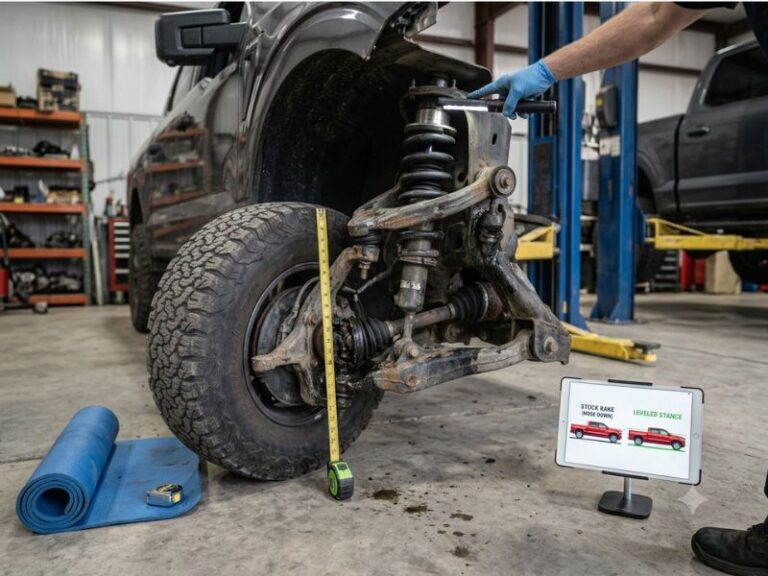
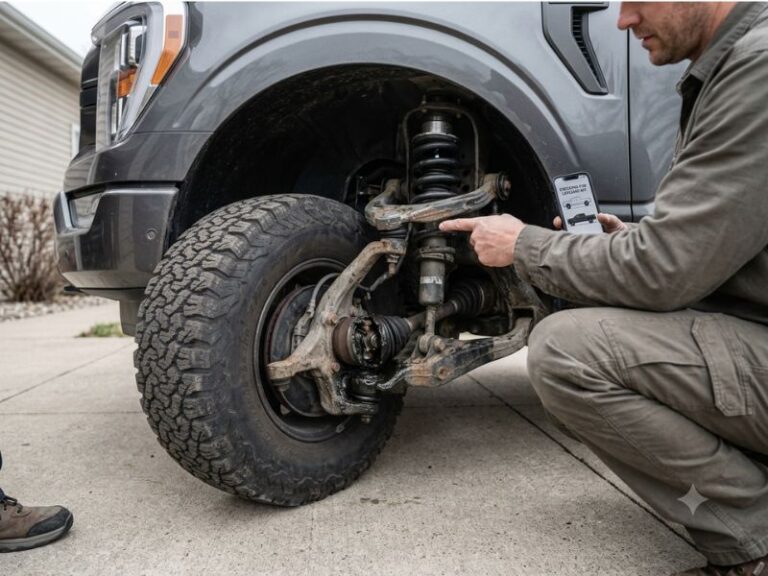
Will a 4wd Leveling Kit Fit a 2wd Truck? Here Is My Honest Answer
In most cases, a 4WD leveling kit will not directly fit a 2WD truck properly. While some parts may bolt on, there are important differences that can cause problems with fitment, ride quality, and safety.
As a mechanic and truck leveling kit expert, I get this question almost every week. Many 2WD truck owners see cheaper or more available 4WD leveling kits and wonder if they can use them to save money or get more lift. It’s a tempting idea, but it’s not always straightforward.
2WD and 4WD trucks may look very similar from the outside, but their front suspensions are designed differently. Using the wrong kit can lead to poor alignment, uneven ride height, and even dangerous handling issues.
In this guide, I’ll explain the real differences between 2WD and 4WD leveling kits, when a 4WD kit might work on a 2WD truck, the risks involved, and most importantly — what I recommend you do instead for the best and safest results.
What Is the Difference Between 2WD and 4WD Leveling Kits?
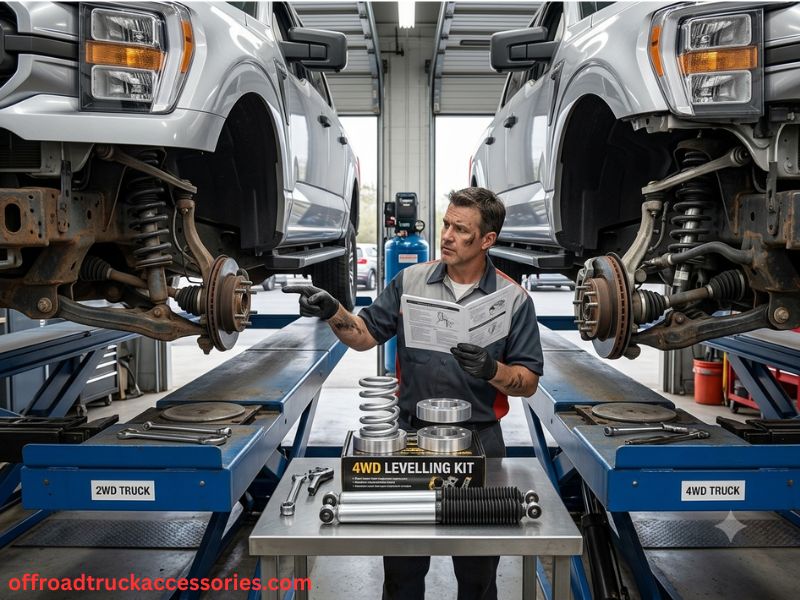
This is the most important question I explain to customers who are confused about 4WD vs 2WD leveling kits. Even though the trucks look similar, the front suspension is quite different.
Main Differences:
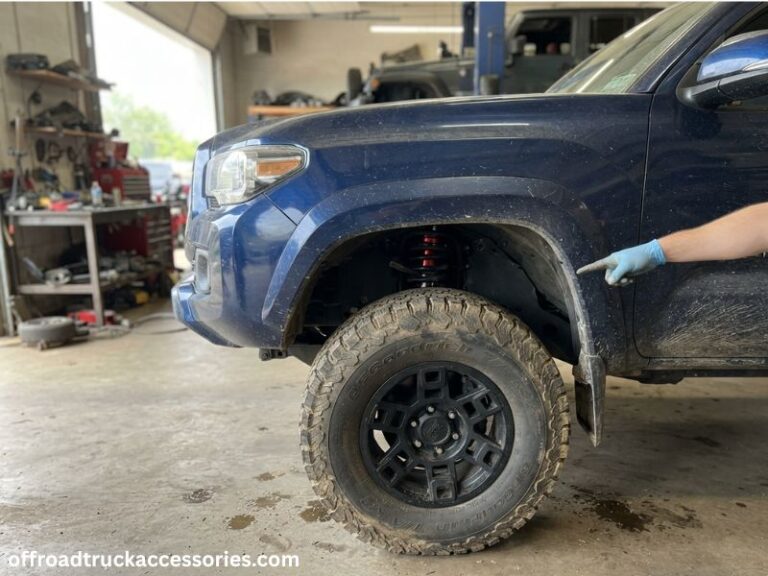
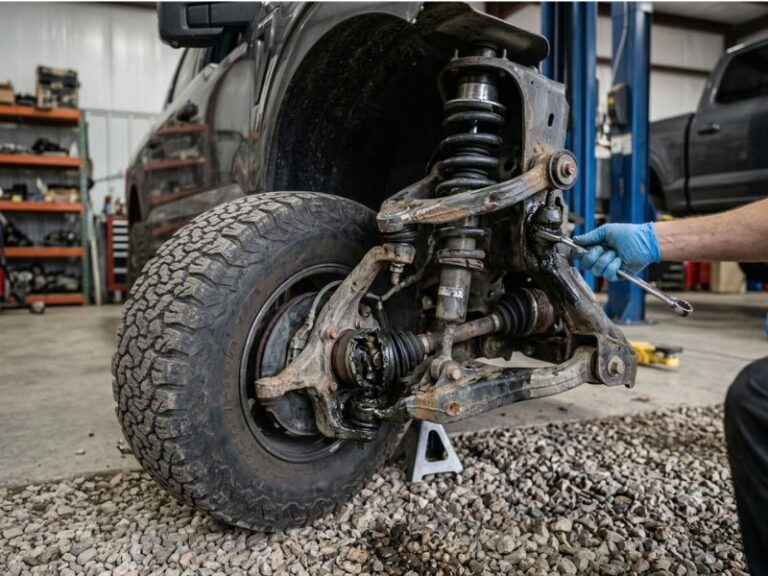
- Strut Design & Mounting 4WD trucks have different strut assemblies because they need space for the front driveshaft, differential, and CV axles. 2WD trucks have a simpler setup without these components.
- Coil Spring & Spacer Design 4WD leveling spacers are often shaped differently to clear the CV axle and steering components. Using a 4WD spacer on a 2WD truck can cause it to sit crooked or not seat properly.
- Control Arms and Brackets 4WD kits usually come with brackets or components designed for the heavier and more complex 4WD front end. These may not line up correctly on a 2WD truck.
- Ride Height and Geometry Because 4WD trucks sit higher from the factory (due to the extra drivetrain weight), their leveling kits are tuned differently than 2WD kits.
- Shock Length Some 4WD kits include or recommend different shock lengths that may be too long or too short for a 2WD application.
Quick Comparison Table:
| Feature | 2WD Leveling Kit | 4WD Leveling Kit |
| Spacer Shape | Designed for 2WD knuckle | Designed around CV axle |
| Fitment | Direct bolt-on for 2WD | May need modification |
| Ride Quality | Optimized for 2WD | May feel stiffer on 2WD |
| Recommended For | 2WD trucks only | 4WD trucks |
In my experience, using the correct 2WD-specific leveling kit always gives better results in terms of fit, ride comfort, and long-term reliability.
Will a 4WD Leveling Kit Fit a 2WD Truck? The Honest Answer
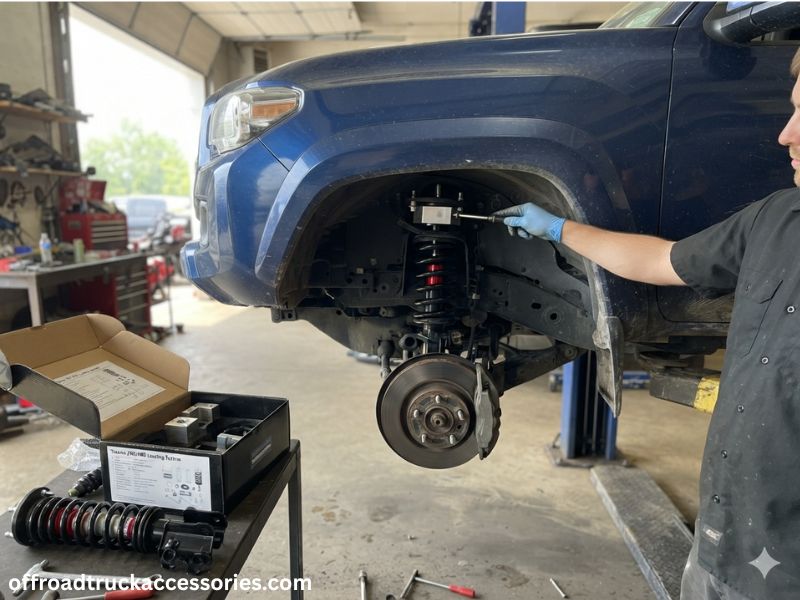
This is the question I get asked the most. Will a 4WD leveling kit fit on my 2WD truck?
My Direct Answer: Technically, some parts might bolt on, but in most cases I do not recommend using a 4WD leveling kit on a 2WD truck. It is not a perfect or safe fit for the majority of vehicles.
Here’s what actually happens in real life:
When It Might Work (Partially):
- On some older truck models (pre-2010 in many cases), a 4WD spacer can physically bolt onto a 2WD strut.
- You may get 1.5″ to 2″ of lift.
- Some people report it “works” for cosmetic leveling.
When It Usually Causes Problems:
- The spacer sits at the wrong angle because 4WD kits are designed around the CV axle bulge.
- Uneven ride height (one side higher than the other).
- Poor strut seating, which can cause noise, vibration, and premature wear.
- Alignment issues that are hard or impossible to correct.
- Reduced suspension travel.
- In some cases, the longer 4WD shocks bottom out or limit compression on a 2WD truck.
Brand-Specific Reality Check:
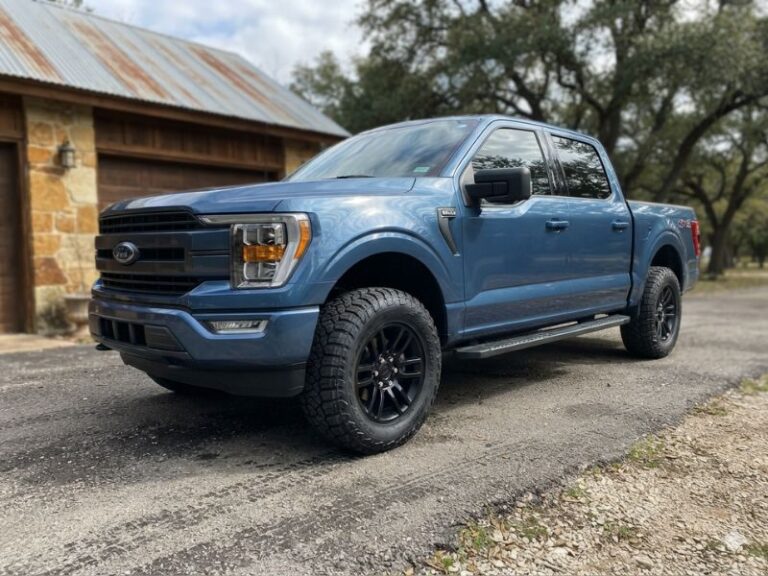
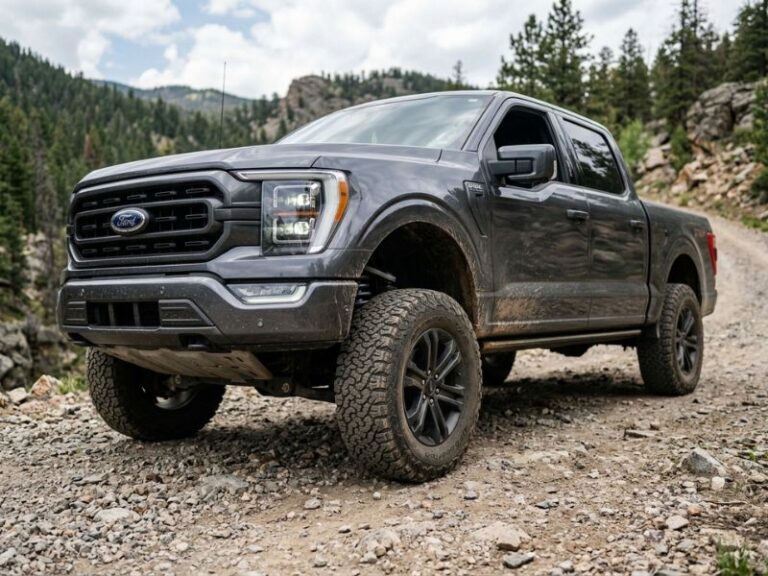
- Ford F-150 — 4WD kits rarely fit 2WD properly due to different knuckle and strut design.
- Chevy Silverado / GMC Sierra — Often causes the front end to sit crooked.
- Ram 1500 — Major differences in control arm angles.
- Toyota Tundra / Tacoma — Not recommended at all.
- Nissan Titan — Mixed results, but usually needs modifications.
From my years of experience, when customers try to save money by using a 4WD kit on their 2WD truck, they often end up buying a proper 2WD kit later anyway. The small initial saving is not worth the headaches, extra shop time, and potential safety risks.
Bottom Line: For the best fit, ride quality, and safety, always use a leveling kit specifically designed for your 2WD truck.
Risks of Using a 4WD Leveling Kit on a 2WD Truck
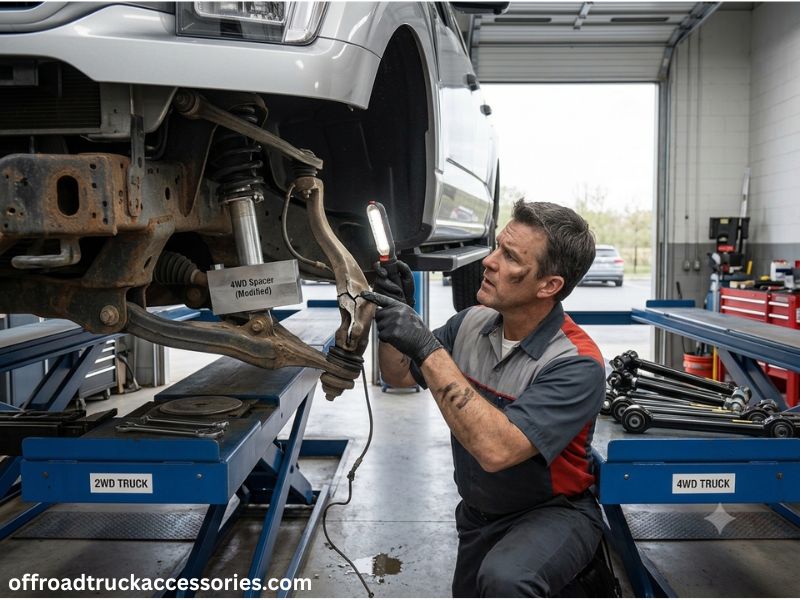
Even if a 4WD leveling kit physically bolts onto your 2WD truck, I usually advise against it. Here are the real risks I’ve seen in my workshop:
1. Safety & Handling Issues
Because the spacer and strut geometry are not designed for 2WD suspension, it can change your camber, caster, and toe angles in unpredictable ways. This often leads to unstable steering, especially at highway speeds, and poor cornering performance.
2. Premature Wear and Tear
- Uneven pressure on bearings and ball joints
- Faster strut wear
- Noisy suspension (clunking sounds)
- Premature tire wear due to bad alignment
3. Alignment Problems
Many 2WD trucks cannot achieve proper alignment specs after installing a 4WD kit. This means you’ll waste money on frequent tire replacements.
4. Warranty Concerns
Most manufacturers and dealers will void suspension-related warranty if they find a mismatched 4WD kit on a 2WD truck. This can become expensive if something fails.
5. Ride Quality Issues
The ride often becomes harsher or bouncier. Some customers complain that one side sits higher than the other, giving the truck an awkward stance.
6. Resale Value
Modified trucks with incorrect parts are harder to sell. Smart buyers usually notice mismatched components during inspection.
My Strong Advice:
The small amount of money you save by using a 4WD kit is not worth the long-term headaches. I’ve fixed many trucks where owners tried this shortcut and later had to replace the entire setup.
It’s always better and safer to install the correct 2WD leveling kit from the beginning.
Best Leveling Kit Options for 2WD Trucks
After working on many 2WD trucks, here are the types of leveling kits I recommend for best results:
1. Best Overall for Most 2WD Trucks – 2.5″ Loaded Strut Leveling Kit
These kits include new struts already assembled with the proper spring and spacer. They usually offer the best balance of lift, ride comfort, and reliability for daily driving and light off-roading.
2. Best Budget-Friendly Option – 2″ or 2.5″ Strut Spacer Kit
Simple spacer kits that sit on top of your factory struts. These are easier to install and work well if you only want a mild lift and plan to run stock or slightly larger tires.
3. Best Premium Option – Adjustable Leveling Systems
These come with adjustable upper control arms along with the lift. They are ideal if you want to run larger tires (35″+) while maintaining good alignment and handling.
Important Factors to Consider When Choosing a 2WD Leveling Kit:
- Make sure the kit is clearly labeled as “2WD Specific”
- Check compatibility with your exact truck model and year
- Look for kits that include proper hardware and detailed instructions
- Consider pairing it with quality aftermarket shocks for better performance
- Read reviews from other owners with the same 2WD truck model
The right 2WD leveling kit will give you a clean level stance, extra ground clearance, and better tire fitment without the complications that often come with using a 4WD kit.
Step-by-Step Installation Guide for 2WD Leveling Kit
Installing a leveling kit on a 2WD truck is generally straightforward. Here’s the step-by-step process I recommend:
Tools You Will Need:
- Floor jack and jack stands
- Torque wrench (essential)
- Socket set (mainly 18mm–24mm)
- Spring compressor (if required by the kit)
- Breaker bar
Installation Steps:
- Preparation Park on a flat surface, loosen the front lug nuts, and raise the front of the truck. Remove both front wheels.
- Remove the Strut Assembly Disconnect the brake line bracket, sway bar link, and ABS sensor if applicable. Remove the three top strut nuts and the bottom bolts. Carefully remove the strut.
- Install the Leveling Spacer or New Strut For spacer kits: Place the spacer on top of the factory strut. For loaded kits: Install the new strut assembly.
- Reassemble Reinstall the strut, torque all bolts to manufacturer specifications. Reconnect sway bar, brake lines, and sensors.
- Repeat on the Other Side Always do both sides for even height.
- Final Steps Reinstall wheels, lower the truck, and torque lug nuts properly. Get a professional wheel alignment as soon as possible.
2WD Specific Tips:
- 2WD trucks usually have simpler strut removal compared to 4WD.
- Pay close attention to the orientation of the spacer.
- Double-check that everything is properly seated before torquing.
- After installation, check for any rubbing on full lock turns.
Safety Note:
If you are not experienced with suspension work, it is safer to have a professional mechanic install it.
Benefits of Leveling a 2WD Truck
Leveling a 2WD truck is one of the most popular modifications I see, and for good reason. Here are the main benefits:
1. Improved Appearance
The biggest reason most people level their 2WD truck is the stance. A leveled truck looks much more aggressive and balanced instead of the factory “nose-down” look.
2. Better Tire Fitment
A leveling kit gives you extra clearance in the front wheel wells. This allows you to fit larger tires without rubbing — something many 2WD owners want for better looks and light off-road capability.
3. Increased Ground Clearance
You gain 1.5″ to 3″ of front ground clearance, which helps when going over speed bumps, driveway entrances, or light trails.
4. Better Approach Angle
The raised front end improves the approach angle, making it easier to drive over obstacles without scraping the front bumper.
5. Higher Resale Value
A properly leveled 2WD truck with a clean stance often appeals to more buyers and can increase resale value compared to a stock truck with the factory rake.
6. Cost-Effective Upgrade
Compared to a full lift kit, a leveling kit is much more affordable while still delivering noticeable improvements in both looks and functionality.
For many 2WD truck owners who don’t need full-time 4WD capability, a leveling kit is the perfect balance between performance, cost, and simplicity.
Frequently Asked Questions (FAQs)
Here are the most common questions I receive about 4WD leveling kits on 2WD trucks:
Will a 4WD leveling kit fit a 2WD truck?
In most cases, no. While some parts may bolt on, it is not recommended due to differences in suspension design, geometry, and fitment issues.
Can I use a 4WD spacer on my 2WD truck?
Sometimes it will physically fit, but it often causes uneven lift, alignment problems, and poor ride quality. I generally advise against it.
What is the main difference between 2WD and 4WD leveling kits?
4WD kits are designed around CV axles and front differential, while 2WD kits are made for simpler suspension setups. The spacers and components are shaped differently.
Will using a 4WD kit void my warranty?
It can. Many manufacturers consider using the wrong kit as an improper modification, which may void suspension-related warranty coverage.
How much lift can I get safely on a 2WD truck?
Most 2WD trucks handle 2″ to 2.5″ very well. Going over 3″ usually requires additional modifications.
Do I need new shocks with a leveling kit on 2WD?
It is highly recommended. Stock shocks may not work well with the extra height and can cause poor ride quality.
Is leveling a 2WD truck worth it?
Yes, for most owners. It improves appearance, allows larger tires, and increases ground clearance at a reasonable cost.
Should I get an alignment after installing a leveling kit?
Absolutely. This is one of the most important steps for safety and tire life.
Can a 2WD truck handle off-roading after leveling?
Light off-roading is fine, but 2WD trucks still have limitations compared to 4WD models.
Conclusion
So, will a 4WD leveling kit fit a 2WD truck?
In most situations, the answer is no — or at least not recommended. While it might seem like a shortcut, the differences in suspension design, geometry, and components usually lead to fitment issues, poor ride quality, and potential safety concerns.
As a mechanic and truck leveling kit expert, I always suggest using a leveling kit specifically designed for your 2WD truck. It ensures proper fit, better performance, easier installation, and long-term reliability.
Whether you want a cleaner stance, room for bigger tires, or just a bit more ground clearance, the right 2WD leveling kit can make a big positive difference without unnecessary complications.
If you’re planning to level your 2WD truck, take time to choose the correct kit for your model and year. It will save you time, money, and headaches in the long run.
Thanks for reading! Drop your questions in the comments if you need help with your specific truck setup.