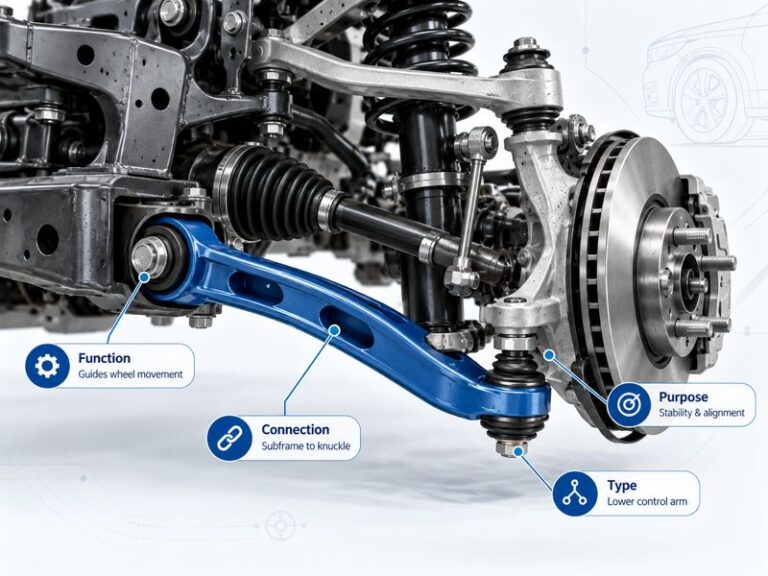
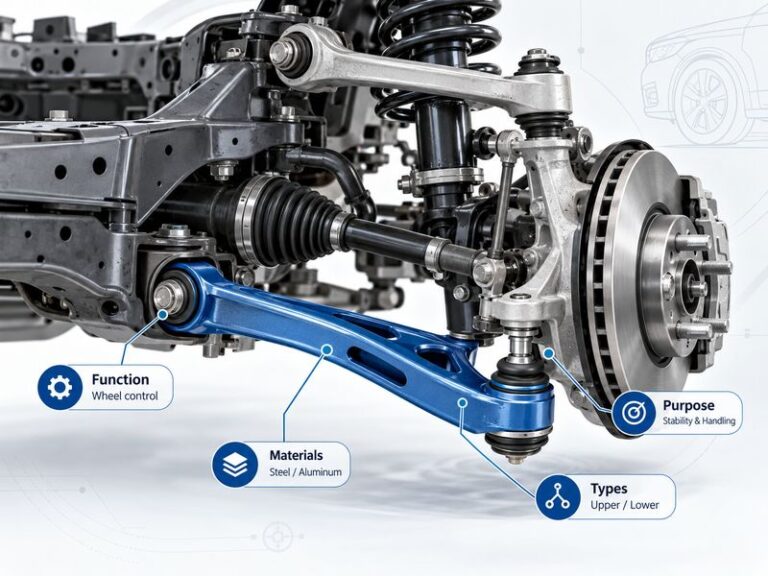
Can You Replace Just One Control Arm? What You Need to Know
If you are asking **can you replace just one control arm**, the answer is usually yes. Control arms do not always have to be replaced in pairs. A mechanic can replace the failed arm and leave the other side alone when its bushings, ball joint, and arm structure are still sound.
The important part is checking why the first control arm failed. One side may have been damaged by a pothole, curb hit, rust, torn bushing, or worn ball joint. In that case, replacing only the damaged side can be a sensible repair. If both sides are simply worn from age and mileage, replacing the pair may offer better long-term value.
For U.S. drivers, this question often comes up after a suspension inspection, tire service, state inspection, or a visit to a repair shop for clunking or uneven tire wear. Parts and labor can add up fast, so there is a clear reason to avoid replacing good parts without a need.
A useful repair rule is simple: **replace parts based on condition, not just because there is another matching part on the opposite side**. This guide explains when one control arm is enough, when replacing both makes sense, what happens if you replace only one, and what checks should follow the repair.
Can You Replace Just One Control Arm Safely?
Yes, **you can replace just one control arm safely** in many vehicles. There is no general rule that says both control arms must always be changed together. Each arm can wear or fail at a different rate.
The real question is whether the control arm on the other side is still healthy. A technician should inspect its rubber bushings, ball joint, mounting points, and metal structure. If these parts are tight and free from serious cracks or damage, replacing one side is usually reasonable.
This is different from some maintenance parts that are commonly replaced in axle pairs. Control arms are suspension links, and one can suffer impact damage while the other remains almost perfect.
So, if you ask a repair shop, **can you replace just one control arm**, a good answer should depend on inspection results. The shop should be able to explain what failed on one side and what condition the opposite side is in.
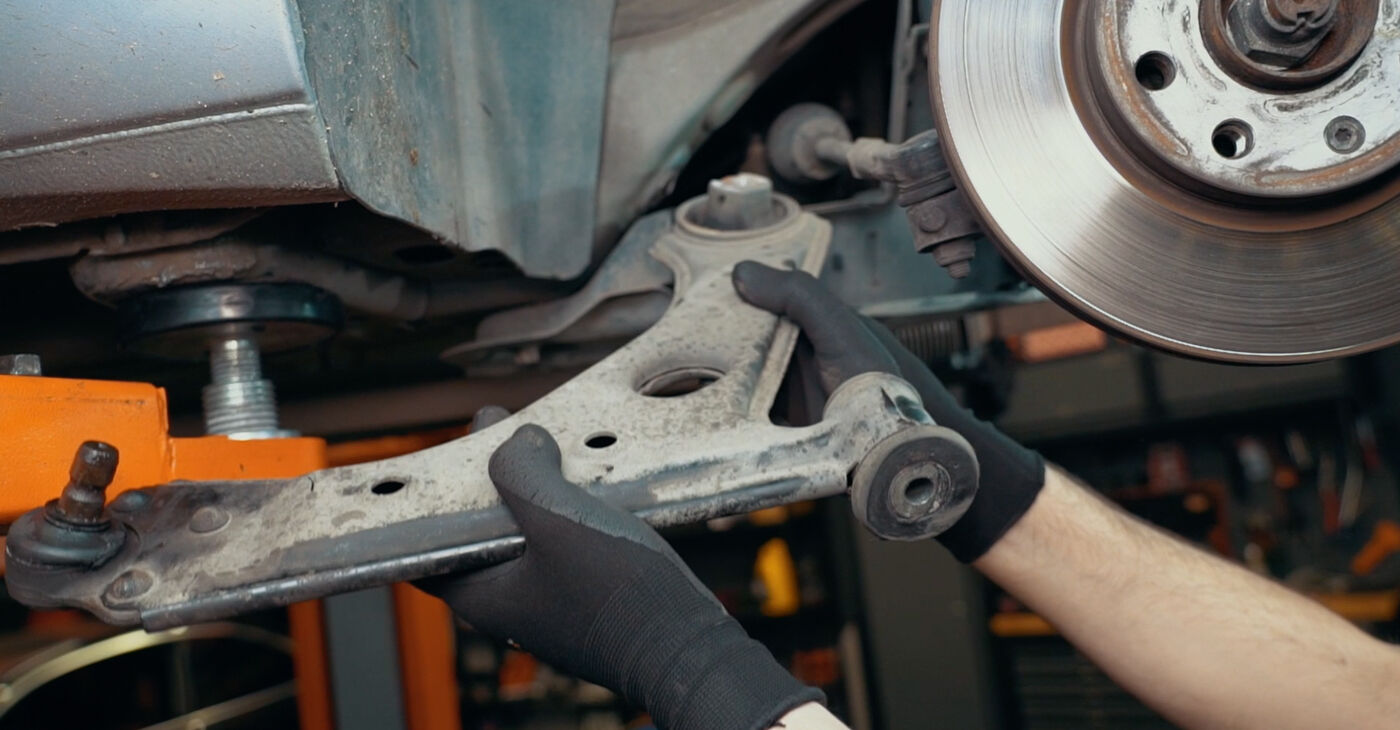
- ✦ One-sided impact damage
A pothole, curb strike, or road debris can bend or damage one control arm without harming the opposite side.
- ✦ One failed bushing
A single control arm may need replacement because its bushing has split, separated, or become loose.
- ✦ One loose ball joint
Some control arms include a ball joint. If that joint wears out and is not serviced separately, the complete arm may need replacement.
- ✦ Healthy opposite side
Replacing one arm makes more sense when the matching control arm has firm bushings, a tight ball joint, and no structural damage.
Why Control Arms Do Not Always Wear at the Same Rate
Road conditions are not equal from side to side. The right side of a car may hit more potholes, road edges, drains, or curbs. A vehicle may also have had a past collision or suspension repair on only one corner.
Rubber bushings can also age differently due to heat, oil leaks, road salt, or previous part quality. Because of this, two control arms installed at the same time may not fail at the same time.
- ✦ Road impact
One wheel may take a much harder impact than the other.
- ✦ Contamination
Oil or fluid can damage rubber bushings on one side.
- ✦ Previous repairs
One control arm may already be newer because it was replaced earlier.
When Replacing Only One Control Arm Makes Sense
Replacing one control arm makes the most sense when the failure is clearly limited to one side. This can save money without reducing safety, as long as the other suspension parts pass inspection.
For example, suppose the passenger-side lower control arm bends after a hard curb hit. The driver-side arm may have no looseness, cracks, rust damage, or bushing problems. In that case, replacing both arms simply because one bent may add cost without adding much benefit.
The same logic applies when one arm was replaced recently. If a two-year-old control arm on one side is still in excellent condition and the older arm on the other side fails, there is little reason to remove the good part.
This is why **can you replace just one control arm** is not really a yes-or-no repair rule. It is a condition-based decision.

- ✦ The damage came from one impact
A single bent arm caused by a pothole or curb strike often supports one-side replacement.
- ✦ The opposite arm was replaced recently
A newer control arm normally does not need replacement just to match the failed side.
- ✦ The opposite bushings are healthy
Rubber should not show severe cracking, tearing, separation, or excessive movement.
- ✦ The opposite ball joint is tight
A ball joint with no harmful play or damaged boot may remain in service.
- ✦ No severe corrosion is present
The arm and mounting areas should remain structurally sound.
A Practical Example
Imagine a vehicle with 70,000 miles that had its left lower control arm replaced at 55,000 miles after road damage. At 70,000 miles, the original right arm develops a torn rear bushing. Replacing the right arm alone can be a logical choice because the left side has far fewer miles on it.
Now change the situation. If both original arms have 140,000 miles and one has failed bushings while the other already shows deep cracks, replacing both sides may prevent another repair visit soon.
- ✦ Condition matters more than matching age
The decision should reflect what an inspection shows on each side.
When Should You Replace Both Control Arms?
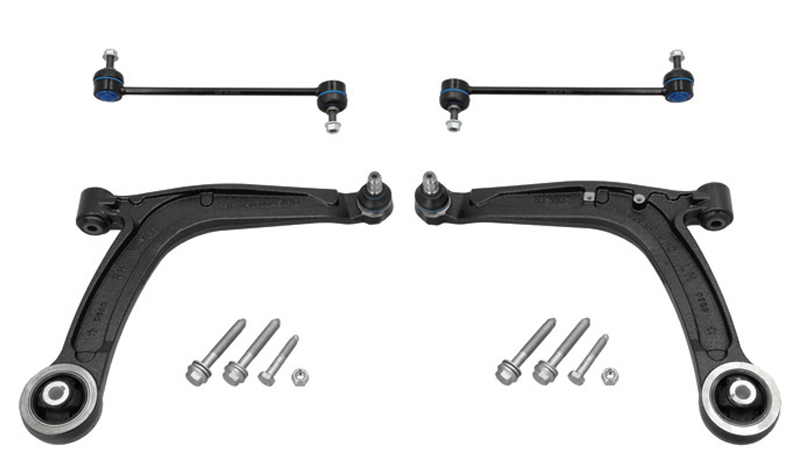
You do not always need to replace both control arms, but there are times when doing the pair is sensible. This is common on older vehicles where both sides have lived through the same years, mileage, weather, and road conditions.
If one arm has failed because its rubber bushings are simply worn out, the matching side may not be far behind. A close inspection can show whether its rubber is starting to crack or separate.
Replacing both sides can also reduce repeat labor. You may pay more today, but you could avoid another appointment, another alignment, and another suspension repair a few months later.
Still, do not assume that both automatically need replacement. When considering **can you replace just one control arm**, ask for the condition of the second arm before approving extra work.
- ✦ Both sides have cracked bushings
Visible rubber deterioration on both arms is a strong reason to consider replacing the pair.
- ✦ Both ball joints have wear
If both joints have looseness or damaged boots, replacing both complete assemblies may be practical.
- ✦ Very high mileage
High mileage alone does not prove failure, but it makes a detailed inspection of the matching arm more important.
- ✦ Severe rust
Vehicles from areas that use road salt may develop corrosion on both control arms and mounting areas.
- ✦ Similar wear on both sides
When both arms are near the same condition, doing the pair can prevent another repair soon.
Should Control Arms Be Replaced in Pairs as Preventive Maintenance?
There is no universal maintenance interval that requires control arms to be replaced in pairs. Many original control arms last a long time, and their life depends on road use, design, bushing type, and driving conditions.
Preventive pair replacement makes the most sense when inspection shows that the second arm is already near the end of its useful life. Replacing a healthy arm only because the opposite side failed may not be necessary.
- ✦ Inspect first
Use actual bushing, ball joint, and structural condition to guide the repair.
- ✦ Consider future labor
If the second arm is already marginal, replacing it now may reduce future labor and alignment costs.
What Happens If You Replace Only One Control Arm?
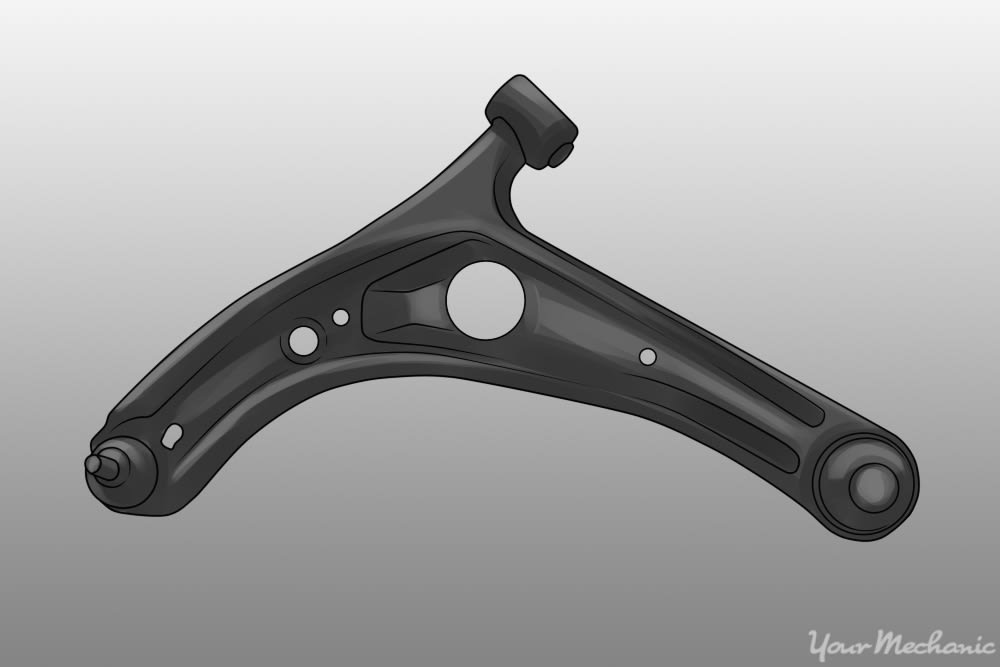
If the other arm is healthy, replacing only one usually does not create a problem. The new arm will have fresh bushings and possibly a new ball joint, while the older side will keep its existing parts.
You may notice that the suspension feels tighter after the repair. This can happen because the damaged bushing or joint was allowing movement before the replacement. It does not automatically mean the opposite arm is bad.
The concern starts when the older arm already has significant wear. A new arm on one side and a badly worn arm on the other can allow uneven suspension movement. That may affect steering feel, tire wear, braking stability, or alignment.
This is why the answer to **can you replace just one control arm** depends on the inspection of the whole axle. The goal is not to make both parts equally new. The goal is to make sure both sides are safe and working correctly.
- ✦ Normal result
One new arm and one good used arm can work together without an issue.
- ✦ Possible steering difference
If the older side has soft or worn bushings, steering response may feel less even.
- ✦ Possible tire wear
Loose suspension parts can allow wheel angles to change while driving.
- ✦ Possible repeat repair
An aging second arm may fail later and require another shop visit.
Will One New Control Arm Make the Car Sit Unevenly?
A control arm normally does not set ride height by itself. Springs or air suspension carry most of the vehicle’s weight. A properly installed new control arm should not make one side of the car sit much higher or lower.
If the vehicle leans after the repair, the cause may involve a spring, strut, mounting issue, incorrect installation, or another suspension problem. The repair should be checked before assuming the new control arm caused the height difference.
- ✦ Control arms guide wheel movement
They locate the wheel and allow controlled suspension travel.
- ✦ Springs support vehicle weight
Ride-height problems usually require checking the spring or related components.
How to Tell If the Other Control Arm Should Also Be Replaced
Before deciding whether to replace one or both, inspect the second control arm carefully. A visual check alone may not reveal every problem. Some worn bushings and ball joints show excessive movement only when the suspension is tested correctly.
A technician may raise the vehicle and check the wheel and suspension for play. The exact test depends on the suspension design because loading a ball joint the wrong way can hide looseness.
Rubber bushings deserve close attention. Small surface marks can be normal, while deep cracks, tearing, separation, or major movement can point to failure.
Ask for the inspection findings if a shop recommends both arms. A clear explanation helps you decide whether replacing the second side is needed now or whether it can remain in service.

- ✦ Clunking noise
A worn bushing or ball joint can cause a clunk over bumps, during braking, or while changing direction.
- ✦ Steering wander
Excess movement in the suspension can make the car feel less stable or require frequent steering corrections.
- ✦ Uneven tire wear
Worn control arm components can allow wheel alignment angles to shift.
- ✦ Torn bushing rubber
Severe tears or separation between rubber and metal can show that the bushing has failed.
- ✦ Ball joint play
Excessive ball joint movement can become a serious safety concern and should not be ignored.
- ✦ Bent metal
A visibly bent control arm often follows an impact and may change wheel geometry.
- ✦ Heavy corrosion
Deep structural rust can weaken the arm or affect the mounting area.
Symptoms That Need Fast Attention
A mild bushing crack is very different from a loose ball joint or badly bent control arm. If the wheel has obvious movement, the steering changes suddenly, or the vehicle feels unstable, driving may not be safe.
Have the vehicle inspected as soon as possible if you hear strong clunks, feel the car pull or wander, or notice a wheel sitting at an unusual angle. Suspension failures can affect steering and tire contact with the road.
- ✦ Major looseness
Do not delay inspection when a wheel or ball joint has obvious free play.
- ✦ Sudden handling change
A rapid change in steering or stability deserves immediate attention.
Do You Need an Alignment After Replacing One Control Arm?
A wheel alignment is often recommended after replacing a control arm. The control arm helps locate the wheel in relation to the vehicle, so removing and installing it can affect alignment angles.
Even when the part bolts into fixed mounting points, small changes in bushing position, manufacturing tolerance, ride position, or related adjustment points can alter wheel geometry. An alignment check can confirm that the tires sit at the correct angles.
Alignment is especially important if the old arm was bent or the vehicle hit a pothole or curb. The impact that damaged the arm may also have changed another suspension part or alignment setting.
If you replace only one control arm, alignment does not make the repair less valid. It simply ensures that the suspension and steering geometry are correct after the work.

- ✦ Check toe
Incorrect toe can cause fast tire wear and poor straight-line tracking.
- ✦ Check camber
Camber affects how the tire leans in or out relative to the road.
- ✦ Check caster where applicable
Caster affects steering return and straight-line stability on many suspension designs.
- ✦ Inspect after impact
A curb or pothole strike can damage more than one suspension component.
What If the Car Drives Straight After the Repair?
A car can feel straight while still having alignment angles outside specification. Small errors may not be obvious from the driver’s seat but can still shorten tire life.
If the repair changed a suspension locating part, an alignment check is a smart final step. It also gives the technician a chance to spot a bent component or adjustment that cannot be brought into specification.
- ✦ Driving feel is not a full alignment test
A proper alignment machine measures angles that cannot be judged accurately by feel alone.
Control Arm Bushings and Ball Joints Matter in the Decision
Many control arm replacements happen because of worn bushings or ball joints rather than damage to the metal arm itself. Knowing which part failed can help explain whether one-side or pair replacement is the better choice.
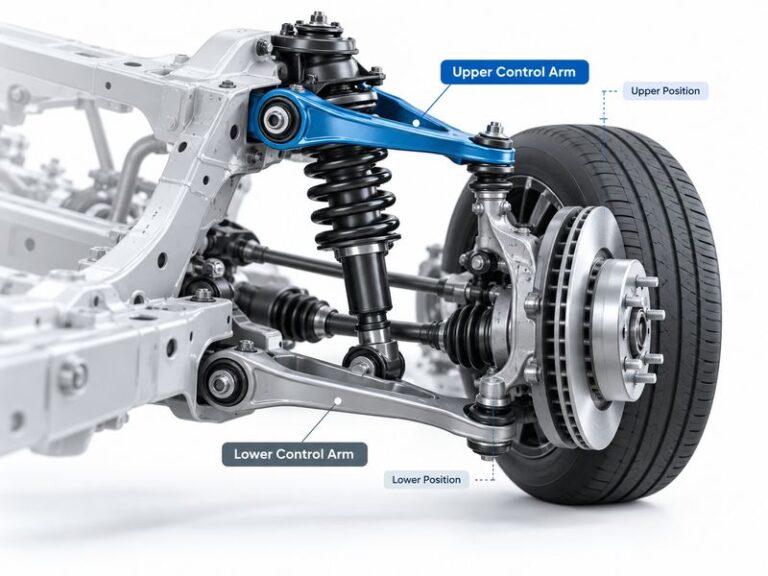
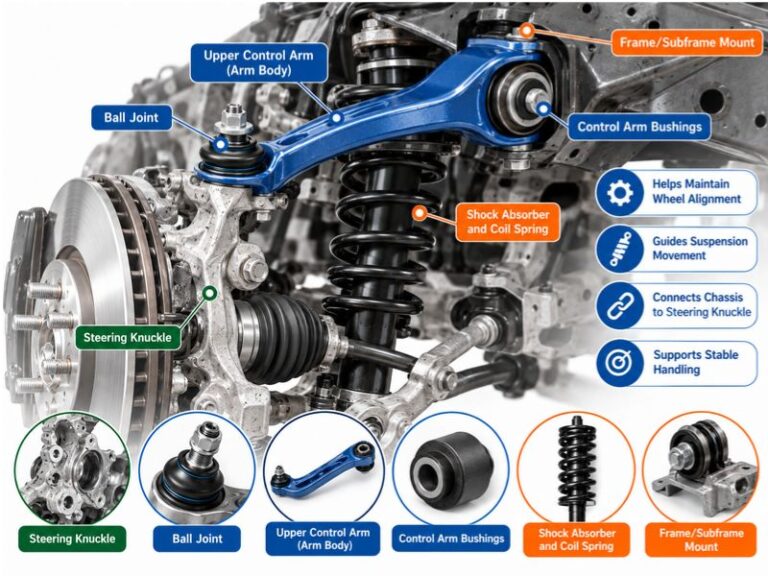
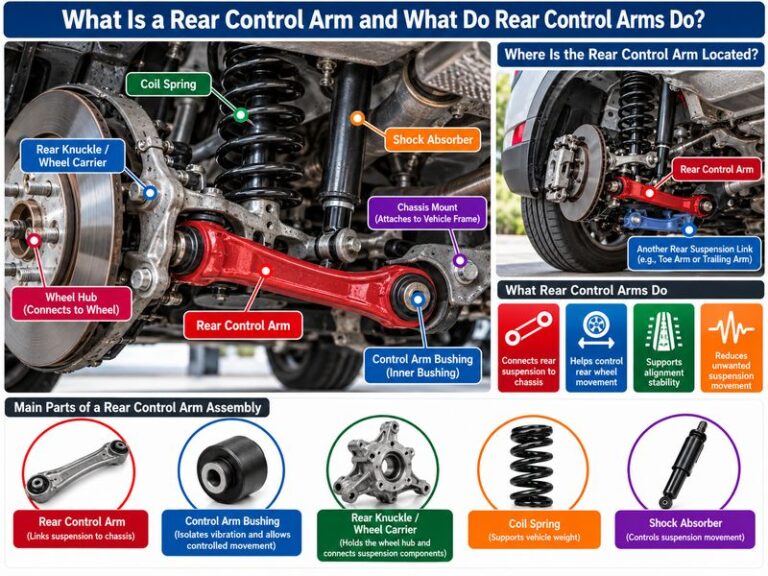
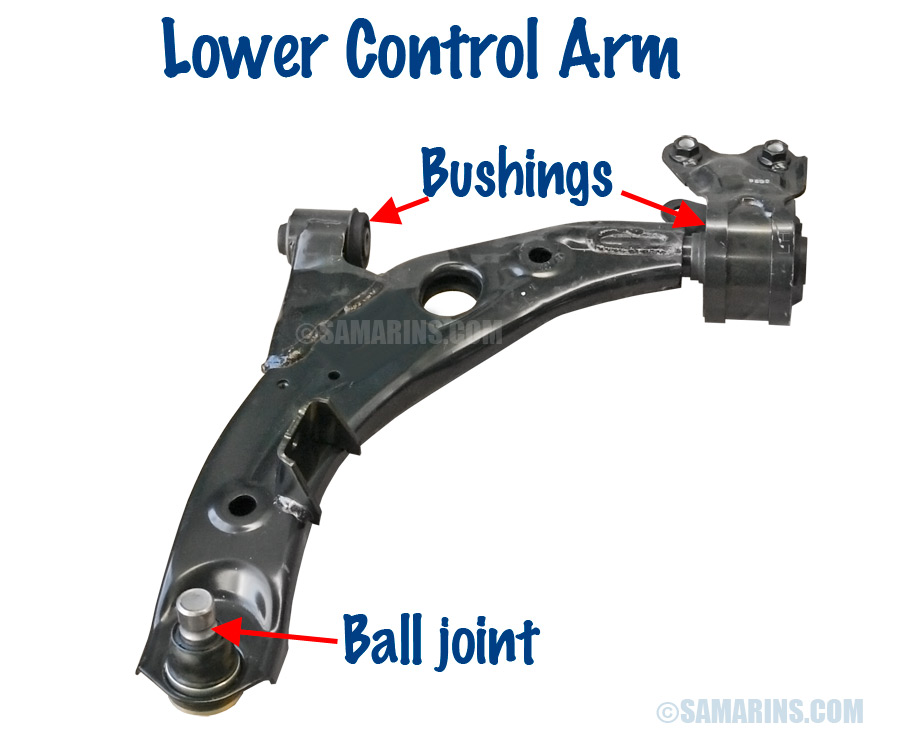
A control arm bushing is a rubber or rubber-like mount between the arm and vehicle structure. It lets the suspension move while limiting unwanted motion and vibration. When it tears or separates, the wheel can shift more than designed.
A ball joint allows the suspension to move while the steering and wheel change angle. Some ball joints bolt or press into the control arm and can be replaced separately. On other vehicles, the joint comes as part of the complete control arm assembly.
This matters when asking **can you replace just one control arm** because the complete arm may be replaced even though only one built-in component has failed.
- ✦ Integrated ball joint
The whole control arm may need replacement when the ball joint is built into the assembly.
- ✦ Non-serviceable bushing
Some shops replace the complete arm because changing the bushing alone requires special tools or more labor.
- ✦ Serviceable components
On some vehicles, bushings or ball joints can be replaced without changing the entire arm.
- ✦ Complete assemblies
A new complete arm may include fresh bushings and a ball joint, which can simplify the repair.
Is Replacing the Complete Arm Better Than Replacing Only the Bushing?
It depends on the vehicle, part prices, labor time, and the condition of the rest of the arm. Pressing a bushing in and out may take more labor than installing a complete new assembly.
A complete arm can also renew several wear items at once. However, if the original arm and ball joint are excellent and the bushing is easy to service, replacing only the failed bushing may cost less.
- ✦ Compare total repair cost
Look at parts, labor, and alignment rather than only the price of the component.
- ✦ Check part quality
A good original arm with a serviceable bushing may be worth keeping in some cases.
How Much Does It Cost to Replace One Control Arm?
Control arm replacement cost varies widely in the United States. The vehicle design, arm location, labor rate, part brand, rust level, and whether an alignment is needed can all change the final bill.
A simple lower control arm on a common passenger car may be easier to replace than an upper arm buried behind other parts on a truck or luxury vehicle. Some cars also use several individual control arms on each corner.
When comparing one-arm and two-arm repair estimates, look at the full invoice. Replacing the second arm during the same visit may save some labor on certain vehicles, but not all repairs have large overlapping labor.
Do not replace a good part only to avoid a possible future labor charge. At the same time, if the second arm is clearly worn and will likely need attention soon, combining the repairs can be practical.

- ✦ Parts
Prices differ based on vehicle, control arm type, brand, and whether bushings or ball joints are included.
- ✦ Labor
Rust, seized bolts, tight access, and suspension design can increase repair time.
- ✦ Alignment
Include the cost of an alignment or alignment check when comparing estimates.
- ✦ Related repairs
Worn sway bar links, ball joints, tie rods, or damaged hardware may add to the total.
Is Replacing Both Sides Cheaper in the Long Run?
It can be, but only when the second side is already worn enough to need replacement soon. Doing both at once may avoid a second alignment and another repair appointment.
If the other arm has plenty of service life left, replacing it early may cost more overall. The best value comes from balancing current condition, expected vehicle ownership, repair labor, and part quality.
- ✦ Replace both when both are worn
This can reduce repeat service when the second arm is already near failure.
- ✦ Replace one when the other is healthy
There is little value in discarding a sound part without a clear reason.
Can Different-Age Control Arms Cause Problems?
Having control arms of different ages does not automatically cause a problem. What matters is whether each side holds the wheel correctly and whether its bushings and joints work within normal limits.
Cars often have suspension parts replaced at different times. One side may have been damaged years earlier, while the opposite side still uses the original arm. This is common and does not mean the vehicle must have a matching pair.
Problems arise when the older control arm is badly worn. Soft bushings or loose joints can let that wheel move differently under braking, acceleration, or cornering.
If both arms are mechanically sound, the fact that one is new and one is older should not by itself stop you from replacing only one.
- ✦ Different age is acceptable
Parts do not need matching installation dates to work correctly.
- ✦ Different condition is more important
A major difference in wear can affect handling and alignment stability.
- ✦ Part design should match
The replacement arm should meet the correct fit and specifications for the vehicle.
Can You Use a Different Brand on One Side?
In many cases, yes, as long as the replacement part is correct for the vehicle and meets suitable quality standards. The geometry and mounting dimensions need to match the original design.
However, very different bushing stiffness or poor-quality components may change how the suspension feels. When possible, use a reputable part that matches the intended design of the vehicle.
- ✦ Correct fit comes first
Use the exact application specified for the vehicle.
- ✦ Quality matters
Low-quality bushings and joints may wear quickly or affect suspension feel.
Important Installation Details After Replacing a Control Arm
A good control arm repair depends on more than installing the correct part. Hardware torque, bushing position, ball joint installation, and final alignment all matter.
Many bonded rubber suspension bushings should be tightened in their normal ride position when required by the vehicle’s service procedure. Tightening certain bushings while the suspension hangs can preload the rubber once the car returns to the ground.
That extra twist can shorten bushing life and may affect ride quality. The correct method varies by vehicle, so repair information and torque specifications should be followed.
After the job, listen for noise and check steering behavior. A new clunk, pull, loose feeling, or steering wheel change should be inspected rather than treated as normal break-in.
- ✦ Use correct torque
Control arm and ball joint fasteners must be tightened to the vehicle manufacturer’s specifications.
- ✦ Follow bushing procedures
Some bonded bushings require final tightening at normal ride height.
- ✦ Check hardware
Damaged, stretched, rusted, or one-time-use fasteners may need replacement.
- ✦ Inspect nearby parts
Check tie rods, sway bar links, struts, wheel bearings, and other suspension parts while access is available.
- ✦ Verify alignment
An alignment check helps confirm that wheel geometry is correct after the repair.
Why a Cheap Repair Can Become Expensive
A low-cost control arm may seem attractive, but poor bushings or ball joints can wear quickly. Paying for labor and alignment twice can erase the original savings.
Part quality matters most on components that affect wheel location and steering. Choose a suitable part from a trusted source and have it installed using the correct procedure.
- ✦ Think beyond purchase price
Labor, alignment, repeat repairs, and tire wear all affect total cost.
Questions to Ask Before Approving Control Arm Replacement
If a repair estimate recommends one or two control arms, ask what the technician found. You should be able to understand whether the issue is a torn bushing, loose joint, bent arm, corrosion, or another problem.
If both arms are recommended, ask whether both have failed or whether the second is being suggested as preventive maintenance. That difference can help you decide whether the extra repair makes sense for your vehicle and budget.
When asking **can you replace just one control arm**, focus on evidence rather than a blanket rule. A clear inspection is more useful than assuming suspension parts must always be changed in pairs.
- ✦ What exactly failed?
Ask whether the problem is the bushing, ball joint, metal arm, or mounting area.
- ✦ What condition is the other side in?
Ask whether it has cracks, looseness, corrosion, or other signs of wear.
- ✦ Does the part include a ball joint?
Knowing what comes with the new arm helps you compare repair options.
- ✦ Is alignment included?
Make sure you know whether alignment is part of the estimate.
- ✦ Are other suspension parts worn?
Related wear can change the repair plan and affect alignment.
When a Second Opinion Can Help
A second inspection can be useful if one shop recommends several suspension parts but cannot clearly explain why. This does not mean the first shop is wrong. It simply gives you more information before approving a large repair.
Ask to see worn bushings, looseness, damage, or inspection photos when practical. Clear evidence makes it easier to understand what needs attention now.
- ✦ Ask for evidence
Photos, movement tests, and clear explanations can help you understand the repair recommendation.