How to Know If Struts Need Replacing: Warning Signs, Costs, and Expert Tips
Knowing how to know if struts need replacing helps drivers avoid unsafe handling and costly suspension damage. Struts support your vehicle’s weight, help control movement, and keep your tires connected to the road. When they wear out, your car may feel less stable, especially during braking, turning, or driving over rough roads.
From years of working with vehicle suspension systems, one common lesson is that drivers often notice comfort problems before they notice safety problems. A car that feels floaty, pulls during turns, or takes longer to settle after bumps may be giving early warning signs. Checking these symptoms early can prevent bigger repairs later.

What Are Struts and Why Do They Matter?
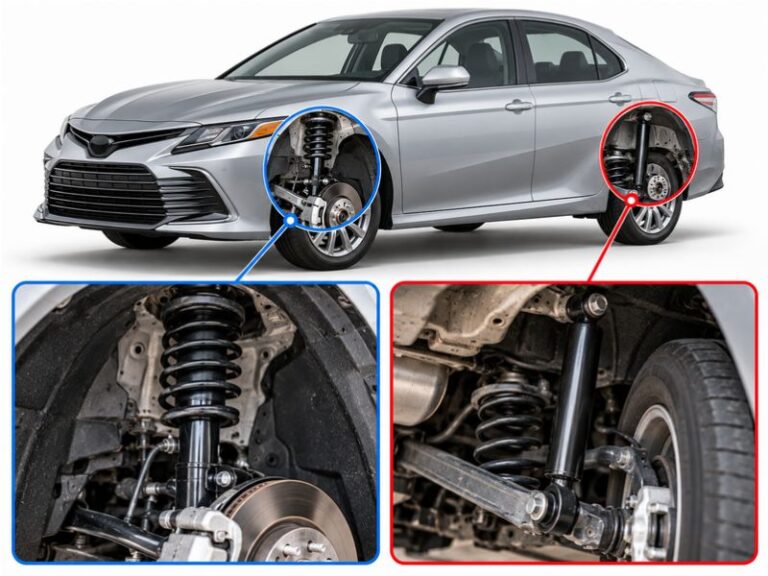
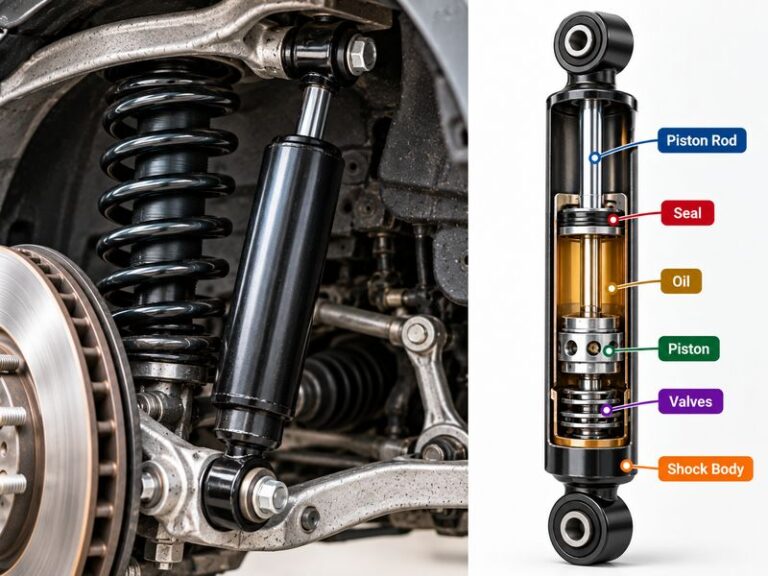
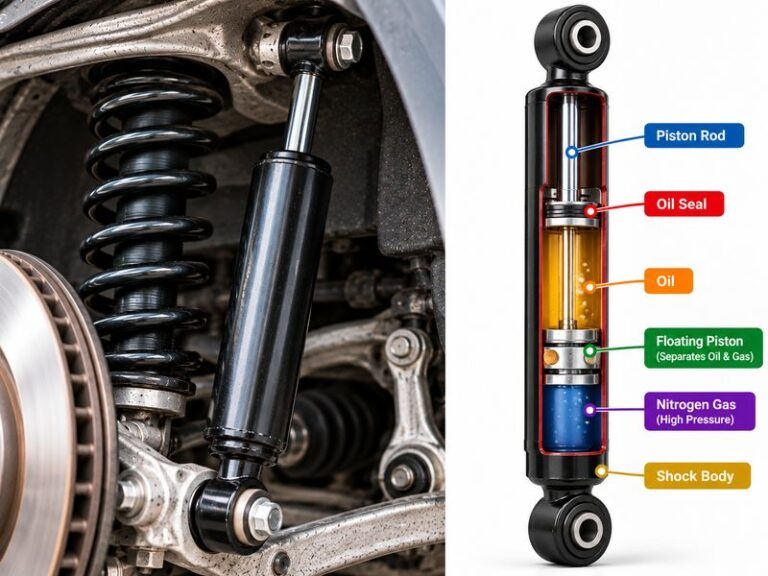
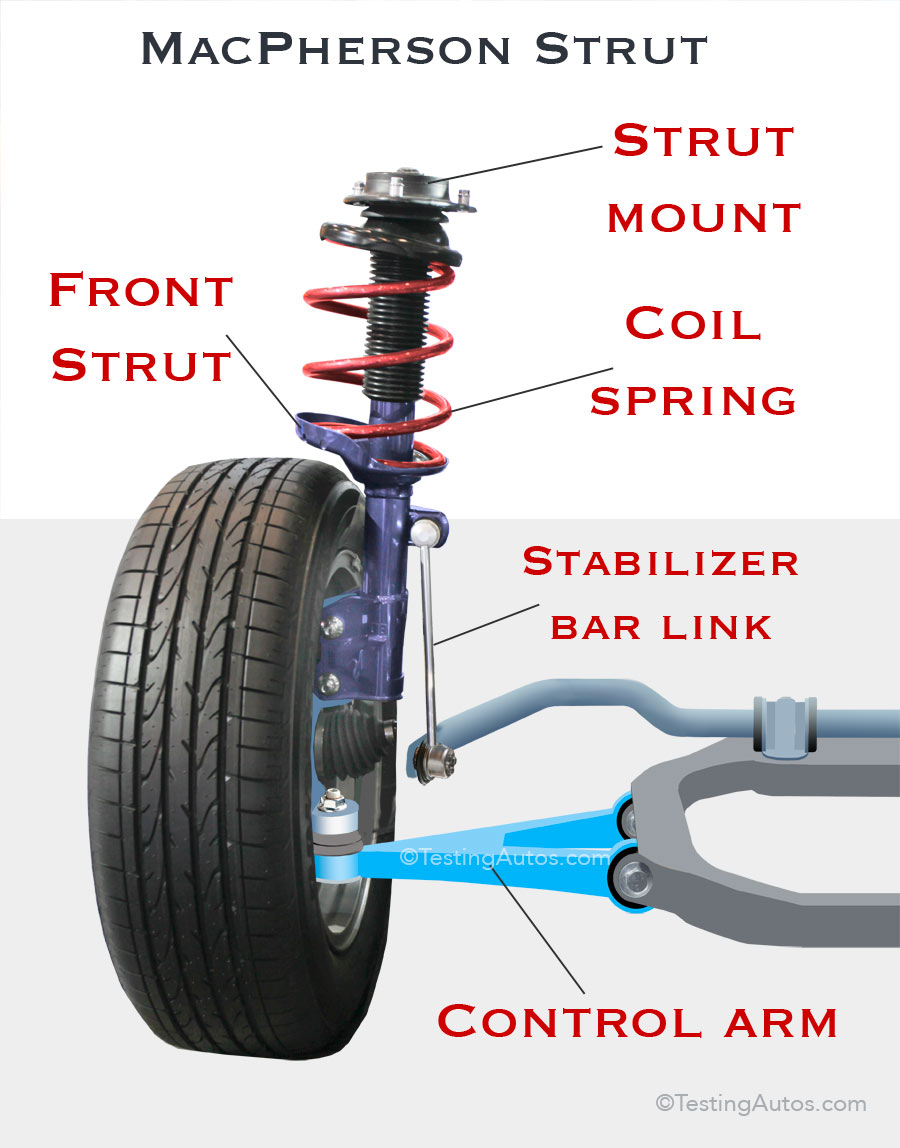
Struts are a key part of a vehicle’s suspension system. They combine a shock absorber with other suspension parts to support the vehicle and control spring movement. Many cars in the United States use MacPherson strut designs on the front suspension.
A worn strut cannot control vehicle movement as well as a healthy one. This can lead to extra bouncing, reduced steering control, and uneven pressure on tires. Understanding the role of struts makes it easier to recognize when replacement may be needed.
- ✦ Ride control
Struts help keep your vehicle steady by reducing excessive movement after bumps and turns.
- ✦ Tire contact
Healthy struts help tires stay firmly connected to the road for better grip.
- ✦ Suspension support
Struts carry part of the vehicle load and work with springs to support normal driving.
Common Signs That Your Struts Need Replacing
Learning how to know if struts need replacing starts with noticing changes in how your vehicle drives. Strut problems usually develop slowly, so many drivers adjust to poor performance without realizing something is wrong.
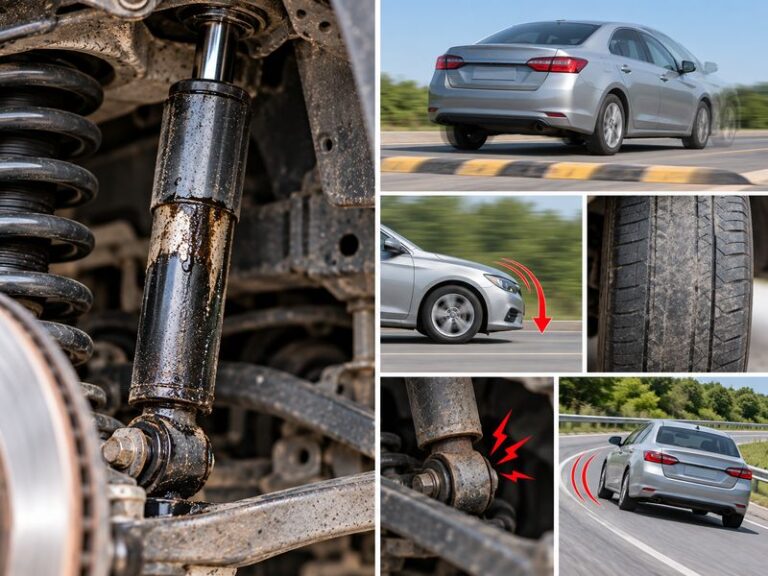
A vehicle with worn struts may still run, but the suspension may no longer provide proper control. Pay attention to changes in handling, sounds, and tire condition.

- ✦ Excessive bouncing
If your vehicle keeps bouncing after hitting a bump, the struts may not be controlling spring movement properly.
- ✦ Nose diving during braking
A worn front strut can allow the front of the vehicle to drop too much when stopping.
- ✦ Vehicle leaning during turns
Poor suspension control can make the car feel unstable when cornering.
- ✦ Uneven tire wear
Bad struts can create uneven contact between tires and the road, causing irregular tread wear.
How Driving Feel Can Reveal Strut Problems
Many drivers first notice a softer or less controlled ride. The car may feel like it floats, sways, or takes longer to settle after a rough patch. These changes are important clues when deciding how to know if struts need replacing.
- ✦ Steering changes
Loose or delayed steering response may point to suspension wear.
How to Inspect Struts at Home
A simple visual check can help you spot possible strut issues before visiting a repair shop. Always inspect your vehicle on a flat surface and avoid touching suspension parts that may be hot after driving.
A home inspection does not replace a professional diagnosis, but it can help you understand whether your vehicle needs attention.
- ✦ Check for fluid leaks
Oil around the strut body may indicate that the internal seal has failed.
- ✦ Look for damage
Bent parts, broken mounts, or damaged boots can signal suspension trouble.
- ✦ Compare vehicle height
A vehicle sitting lower on one side may have a suspension component problem.
The Bounce Test and Its Limits
Some drivers use the bounce test by pushing down on a corner of the vehicle and watching how it reacts. While excessive movement can be a clue, modern suspension systems often require a professional inspection for accurate results.
How Long Do Struts Usually Last?
Strut life depends on driving habits, road conditions, vehicle weight, and climate. Many vehicles may need strut replacement after years of use, but there is no single mileage number that applies to every car.
Drivers who regularly travel on rough roads, carry heavy loads, or drive in areas with harsh weather may notice wear sooner. Regular suspension checks help identify problems before performance drops too far.
- ✦ Road conditions
Potholes, gravel roads, and rough pavement can increase suspension wear.
- ✦ Driving style
Hard braking and aggressive cornering can place extra stress on suspension parts.
- ✦ Vehicle use
Heavy loads and frequent driving can shorten component life.
Cost to Replace Struts and What to Expect
The cost of strut replacement depends on your vehicle type, parts quality, and labor rates in your area. In the United States, repair prices can vary widely between vehicles and repair shops.
Replacing struts often involves more than changing one part. Technicians may inspect related components such as mounts, springs, and alignment settings to ensure proper performance.

- ✦ Parts cost
Strut prices vary based on vehicle model and whether you choose standard or premium components.
- ✦ Labor time
Professional replacement requires specialized tools and careful installation.
- ✦ Wheel alignment
An alignment check is often recommended after strut replacement.
Why Professional Installation Matters
Struts contain compressed springs that store significant energy. Incorrect handling can cause injury or damage. A trained technician has the tools and experience needed for safe installation.
Why Replacing Worn Struts Improves Driving Safety
Worn struts can affect how your vehicle responds during emergency situations. Better suspension control helps your tires maintain contact with the road during braking and turning.
Replacing damaged struts can also improve ride comfort and reduce stress on other suspension parts. A smoother ride is helpful, but improved control is the main reason to address worn components.
- ✦ Better braking stability
Proper suspension control helps reduce excessive front-end movement during stops.
- ✦ Improved handling
New struts can help restore predictable steering and cornering behavior.