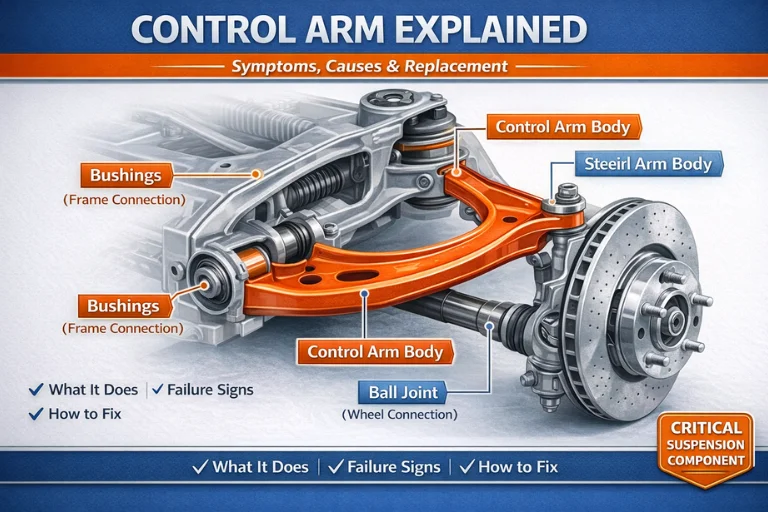
How Much Do Struts Cost? A Complete Guide to Strut Replacement Prices
If you are asking how much do struts cost, the short answer is that there is no single price for every car. A small sedan may cost far less than a large SUV, luxury car, or vehicle with a complex suspension. The part itself can also vary a lot in price.
In the U.S., many drivers pay several hundred dollars to replace a pair of struts. The bill can rise when the repair also needs an alignment, new mounts, bearings, or other suspension parts. The best way to judge a quote is to split it into parts, labor, and related work.
One useful lesson from auto repair is simple: do not compare repair quotes by the total alone. Ask what parts the shop will use, whether the price covers one or two struts, and whether the quote includes an alignment. Those details can explain a large price gap between two shops.

How Much Do Struts Cost on Average?
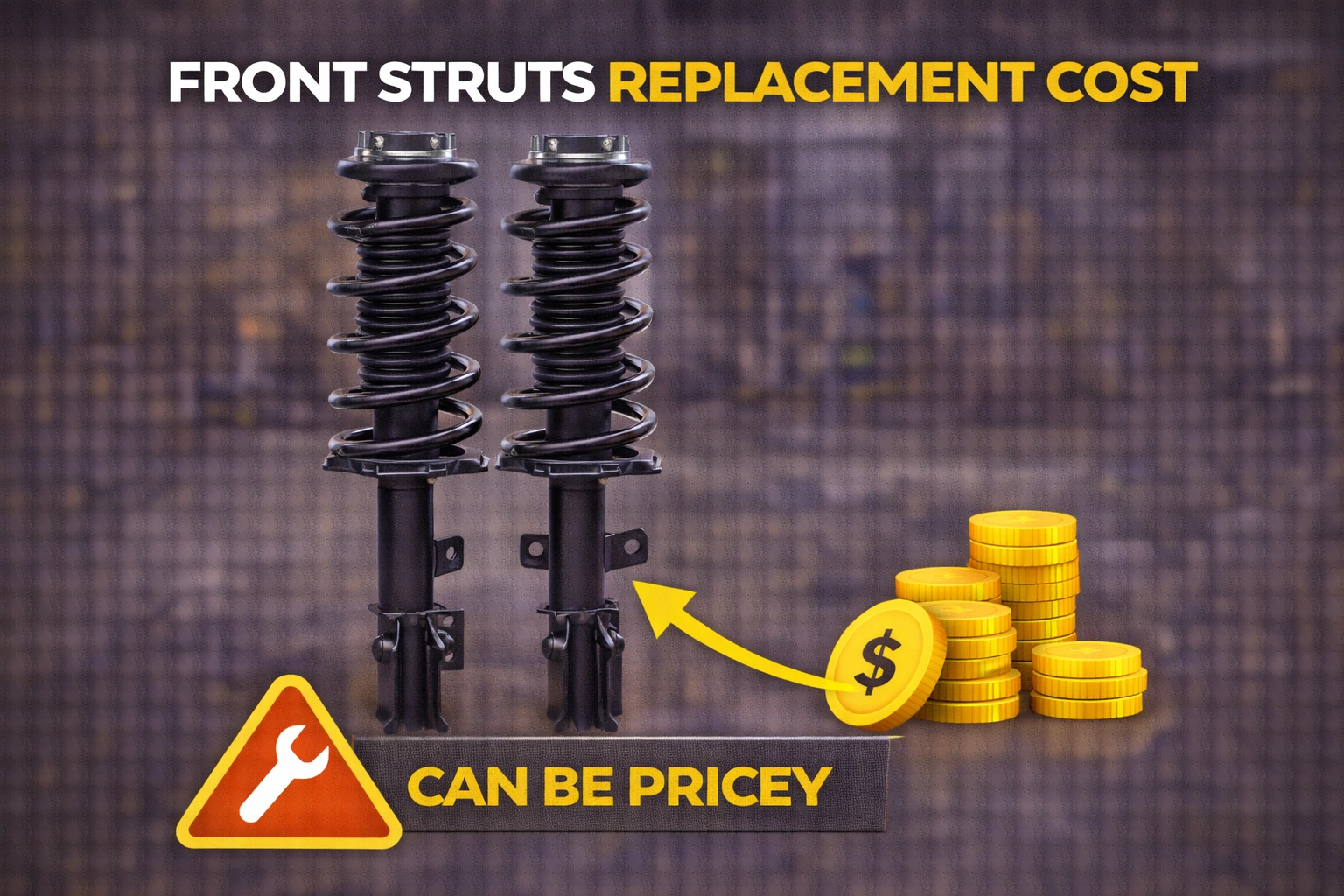
So, how much do struts cost in a typical U.S. repair shop? A reasonable general range is about $300 to $1,200 for two struts on the same axle. Some vehicles may cost less, while high-end cars and complex suspension systems can cost much more.
The price usually includes the strut parts and labor. It may not include an alignment or extra suspension parts. That is why a quote that looks high at first may include more work than a lower quote.
A single strut can sometimes be replaced, but many shops recommend replacing both struts on the same axle. Struts on the same axle work under similar loads and may wear at a similar rate.

- ✦ Budget range
A basic vehicle may fall near the lower end of the range when parts and labor are simple.
- ✦ Mid-range repair
Many everyday cars and SUVs can land around $500 to $900 for a pair, depending on the parts and shop rate.
- ✦ Higher-cost repair
Luxury vehicles, specialty suspension systems, difficult access, or extra worn parts can push the bill above $1,000.
- ✦ One strut
Replacing one strut may cost roughly half of a pair in parts, but labor does not always fall by half.
Typical Strut Cost by Vehicle Type
Vehicle type has a major effect on price. Compact cars often use simpler parts and have easier access. Larger SUVs and trucks may use larger or more costly suspension components.
Luxury and performance vehicles can have higher parts prices. Some also use adjustable or electronic suspension systems, which can make the repair much more expensive.
- ✦ Compact cars
Often have lower parts and labor costs than larger or luxury vehicles.
- ✦ Midsize cars and SUVs
Often fall in the middle of the general price range.
- ✦ Large SUVs and trucks
May cost more because of larger parts, heavier vehicles, and more labor.
- ✦ Luxury and performance cars
Can have costly parts and special suspension systems that raise the total bill.
Cost of Front Struts Versus Rear Struts
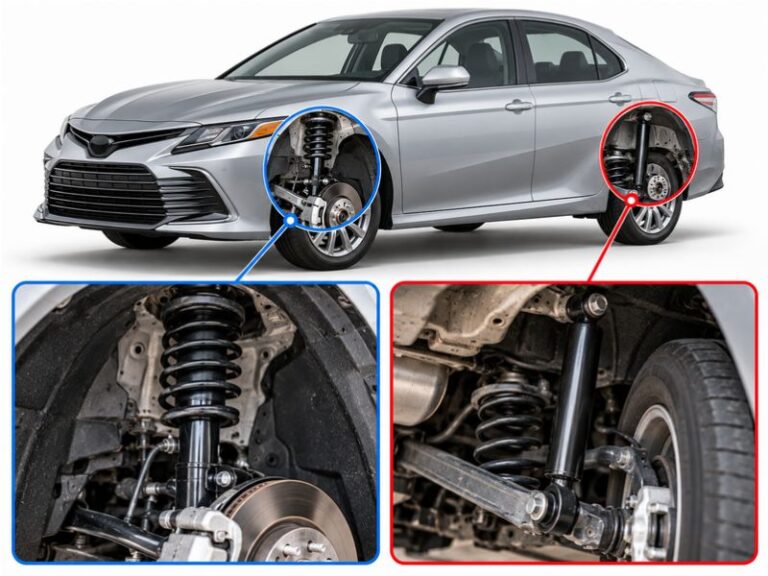
Front struts are common on vehicles that use a MacPherson strut suspension. Front suspension work can take more time because the strut may include the spring, mount, bearing, and other parts.
Rear suspension can use a different design. Some vehicles use a separate shock and spring rather than a complete strut. Always check the exact suspension design on your vehicle before comparing prices.
- ✦ Front struts
Often involve a complete strut assembly and may require more labor.
- ✦ Rear struts
Price depends on whether the rear uses a full strut or a separate shock and spring.
What Makes Strut Replacement Cost More or Less?
When people ask how much do struts cost, the biggest mistake is expecting one fixed number. Several factors affect the final bill. The car model, part quality, labor rate, repair method, and condition of nearby parts all matter.
A shop in a large U.S. city may charge a higher labor rate than a shop in a smaller town. Dealer labor rates may also differ from independent repair shops. Parts prices can vary in the same way.
The repair can also become more expensive if the strut has damaged a mount, spring, bearing, or other suspension component. A good quote should show these items instead of hiding them in one large total.

- ✦ Vehicle make and model
Parts and labor procedures differ from one vehicle to another.
- ✦ Part quality
Economy, mid-grade, premium, and original-equipment parts can have different prices.
- ✦ Labor rate
Shop labor rates vary by location, business type, and technician.
- ✦ Strut design
A complete assembly may cost more than replacing selected components, although assembly replacement can reduce installation work.
- ✦ Related damage
Worn mounts, bearings, springs, or other suspension parts can add to the repair.
- ✦ Wheel alignment
An alignment may be recommended after strut work, adding to the final price.
Parts Cost
Strut parts can range from fairly inexpensive aftermarket units to costly original-equipment or specialty parts. The exact price depends on the vehicle and the part brand.
A complete quick-strut or loaded strut assembly includes more components than a bare strut. It may include the spring, mount, and related hardware. That can raise the parts price but may lower the amount of assembly work needed.
- ✦ Bare strut
Usually contains the main strut component but may require transferring or replacing other parts.
- ✦ Complete assembly
May include the spring, mount, bearing, and other parts needed for installation.
Labor Cost
Labor can make up a large part of the total. A shop may charge a flat labor time or an hourly rate. The amount of time needed depends on the vehicle and the repair method.
Rust can also slow the job. This matters in parts of the U.S. where road salt is common. Stubborn bolts or damaged hardware can add time and sometimes require replacement parts.
- ✦ Shop labor rate
Hourly rates differ by region and repair facility.
- ✦ Vehicle access
Some suspension layouts take more time to remove and install.
- ✦ Rust and seized hardware
Corrosion can make a normal strut job take longer.
What Does a Strut Do?
A strut is a key part of a vehicle’s suspension. It helps support the vehicle and control the movement of the wheel. It also works with the spring to help the tire stay in contact with the road.
A strut is not the same as a simple shock absorber, even though both help control suspension movement. Many struts also form part of the suspension structure. That is why strut repairs can involve more parts and labor.
A worn strut can affect ride comfort and vehicle control. It can also contribute to uneven tire wear and poor handling. This is why it is useful to address clear signs of strut wear rather than waiting for a larger suspension problem.

- ✦ Controls movement
The strut helps slow unwanted suspension movement after bumps and turns.
- ✦ Supports the suspension
On many vehicles, the strut is part of the structure that connects the wheel assembly to the body.
- ✦ Works with the spring
The spring supports the vehicle while the strut helps control the spring’s movement.
- ✦ Helps tire contact
A healthy suspension helps keep the tire in contact with the road over bumps and during turns.
Struts Versus Shocks
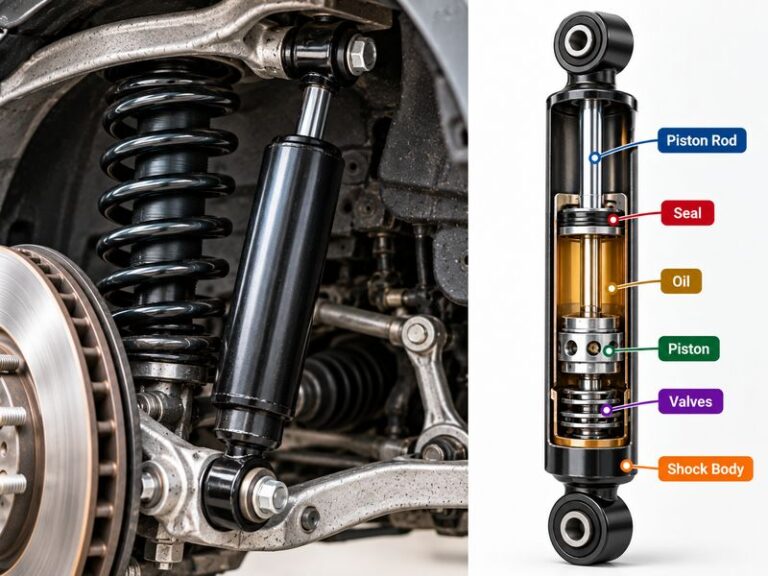
People often use the words shocks and struts as if they mean the same thing. They both help control suspension movement, but their roles and designs differ.
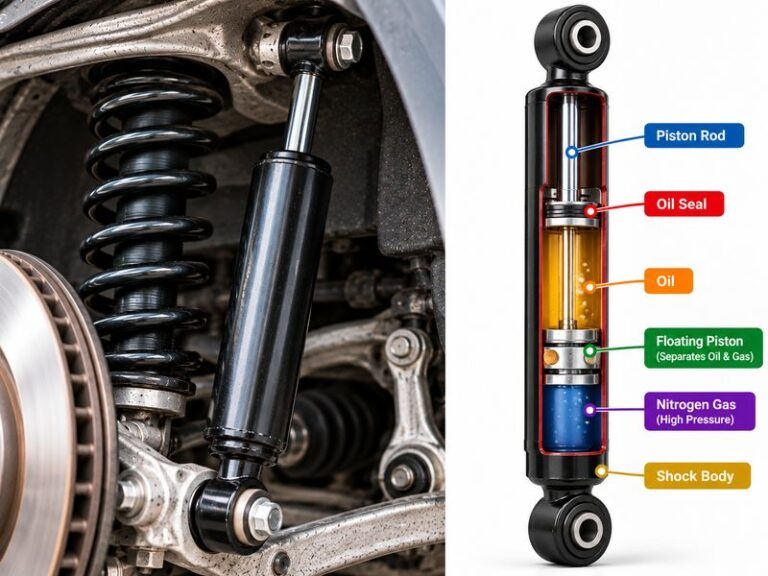
A shock absorber is mainly a damping device. A strut can also serve as a structural suspension component. Your vehicle may use struts on one axle and shocks on the other.
- ✦ Shock
Mainly controls suspension movement and does not normally serve as the main structural suspension member.
- ✦ Strut
Controls movement and can also form an important structural part of the suspension.
Signs That Your Struts May Need Replacement
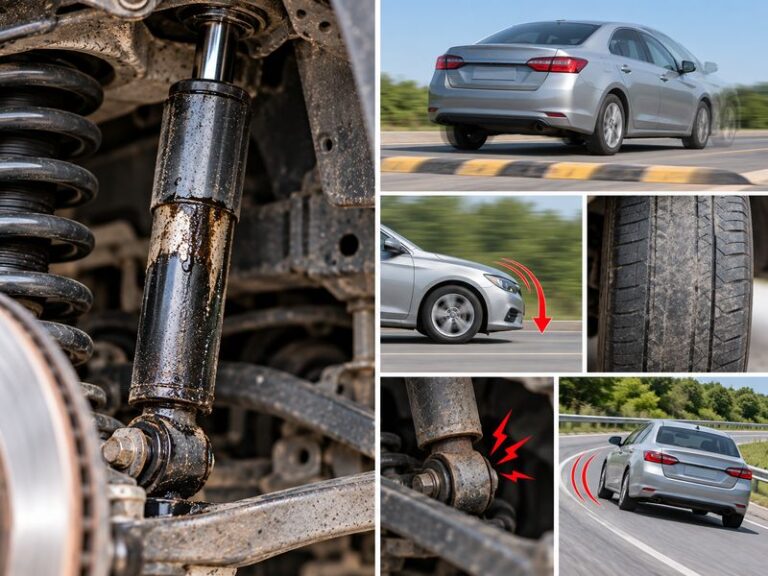
Knowing how much do struts cost is useful, but first you need to know whether the repair is needed. A worn strut can show several warning signs. Some signs can also come from tires, brakes, steering parts, or other suspension components, so a proper inspection matters.
A vehicle that keeps bouncing after a bump deserves attention. The same is true if the front end dives during hard braking or the car feels loose in turns.
Do not rely on one symptom alone. A technician should inspect the suspension and confirm the cause before you approve a major repair.
- ✦ Repeated bouncing
The vehicle continues to bounce after going over a bump instead of settling quickly.
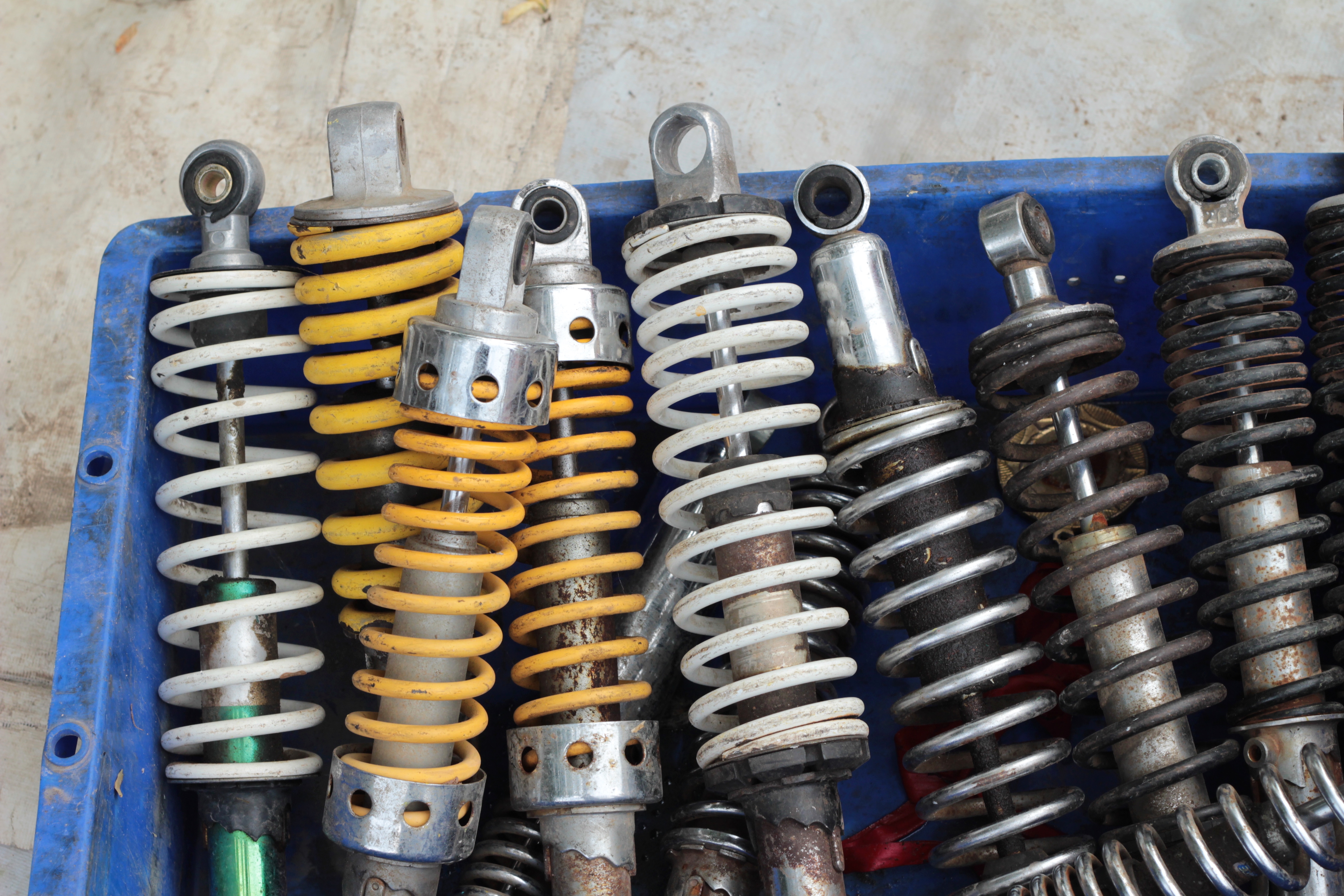
- ✦ Oil or fluid leakage
Visible fluid around the strut can indicate a damaged or worn unit.
- ✦ Nose diving
The front of the vehicle drops more than expected during hard braking.
- ✦ Poor handling
The car may feel loose, floaty, or less stable during turns.
- ✦ Uneven tire wear
Suspension problems can contribute to unusual tire wear patterns.
- ✦ Knocking sounds
Clunks or knocks over bumps may point to strut or related suspension problems.
Can You Drive With Bad Struts?
A worn strut may not fail all at once, but driving with a badly worn suspension can reduce ride control. That can make bumps, turns, and emergency maneuvers harder to manage.
If the strut is leaking badly, damaged, or causing major handling problems, have the vehicle inspected promptly. Avoid treating a serious suspension problem as a simple comfort issue.
- ✦ Mild wear
A technician can assess the condition and help you plan the repair.
- ✦ Severe wear
Major leaks, damage, or poor handling call for prompt inspection and repair.
Should You Replace One Strut or Both?
If one strut fails, you may wonder whether you really need two. In many cases, replacing both struts on the same axle makes sense because the parts work as a pair. A new strut beside an old, worn strut can produce different damping behavior from side to side.
This does not mean every repair must include four struts. Front and rear suspension can wear at different rates. The important point is to replace the parts that need attention while keeping the suspension balanced.
Ask the shop to inspect both sides of the axle. If one strut is bad and the other is already worn, replacing the pair may prevent another repair visit soon after.

- ✦ Replace the axle pair
Many repairs replace both left and right struts on the same axle.
- ✦ Inspect the other axle
The front and rear suspension should be checked, but both axles do not always need replacement.
- ✦ Check related parts
Mounts, bearings, springs, bump stops, and other components can also wear.
- ✦ Follow vehicle guidance
Use the vehicle maker’s repair guidance and the technician’s inspection to decide what needs replacement.
What Else May Need Replacement?
A strut assembly can contain several parts. If one of them is worn, replacing only the main strut may not solve every problem.
Common related parts include the upper mount, bearing, spring, dust boot, and bump stop. The need for these parts depends on their condition and the design of the vehicle.
- ✦ Strut mount
The mount connects the upper part of the strut to the vehicle and can wear or make noise.
- ✦ Strut bearing
Some front struts use a bearing that allows the suspension to turn with the steering.
- ✦ Coil spring
A damaged or weak spring may need replacement during strut service.
- ✦ Dust boot and bump stop
These parts protect the strut and limit suspension travel.
Does Strut Replacement Require a Wheel Alignment?
An alignment may be needed after strut replacement, but it depends on the vehicle and how the strut connects to the steering and suspension. Many front strut designs affect wheel alignment when the strut is removed and installed.
An alignment checks wheel angles so the tires point and sit as intended. If the angles are off, the vehicle may pull to one side or wear tires unevenly.
When comparing how much do struts cost, ask whether the quote includes an alignment. A quote that leaves alignment out may look cheaper even if you need to pay for it afterward.
- ✦ Ask before approving work
Find out whether the shop recommends an alignment for your specific vehicle.
- ✦ Check tire wear
Uneven wear can be a sign that alignment or suspension work is needed.
- ✦ Compare complete prices
Compare parts, labor, alignment, and related work rather than only the strut line item.
Why Alignment Matters
Correct alignment helps the vehicle track properly and can support even tire wear. It also helps keep the steering feel consistent.
A strut replacement is a good time to ask about alignment because suspension parts have been removed and installed. The technician can check the angles and confirm whether adjustment is needed.
- ✦ Straight tracking
Proper alignment helps the vehicle travel straight without unwanted pulling.
- ✦ Tire life
Correct wheel angles can help reduce uneven tire wear.
How to Save Money on Strut Replacement
If you are concerned about how much do struts cost, you have several ways to control the bill without cutting corners. Start by getting a clear written estimate. Ask the shop to separate parts, labor, alignment, and any extra work.
Compare quotes from a dealer and at least one reputable independent repair shop when practical. Make sure each quote covers the same work. A lower quote is not useful if it uses different parts or leaves out necessary services.
You can also ask whether the shop offers different part grades. The cheapest part is not always the best value, but a mid-range option may fit your needs if the vehicle does not require a specific original-equipment part.

- ✦ Get multiple estimates
Compare at least two or three complete quotes when the repair is not urgent.
- ✦ Ask about part brands
Find out what brand and type of strut the shop plans to install.
- ✦ Request a written estimate
A written quote makes it easier to see what is included and compare shops.
- ✦ Ask about the axle pair
Confirm whether the quote covers one strut or both struts on the axle.
- ✦ Check the warranty
Ask how long the parts and labor are covered before approving the repair.
- ✦ Do not delay a clear safety issue
Saving money is not worth putting off a needed suspension repair when handling or control is affected.
Dealer Versus Independent Shop
A dealer can be useful when the vehicle has special suspension parts or when you want factory-specific service. An independent shop may offer more choices in parts and labor pricing.
Neither shop type guarantees a lower final bill. Compare the exact parts, labor time, warranty, and included services before choosing.
- ✦ Dealer
May offer factory parts and brand-specific repair knowledge.
- ✦ Independent shop
May offer different part options and competitive labor rates.
- ✦ Best comparison method
Compare the complete written repair scope, not just the headline price.
How Long Do Struts Last?
There is no fixed mileage at which every strut needs replacement. Strut life depends on road quality, driving style, vehicle weight, climate, and the condition of other suspension parts.
Cars that spend years on rough roads, potholes, gravel, or heavily broken pavement may wear suspension parts faster. Frequent heavy loads can also add stress.
Instead of replacing struts only because the odometer reaches a certain number, watch for symptoms and have the suspension inspected during routine service. This approach can help catch wear before it causes related problems.
- ✦ Road conditions
Potholes, rough roads, and broken pavement can increase suspension wear.
- ✦ Driving habits
Hard impacts and aggressive driving can place extra stress on suspension parts.
- ✦ Vehicle load
Frequent heavy loads can increase suspension stress.
- ✦ Climate and corrosion
Moisture, salt, and corrosion can affect suspension hardware and repair time.
How to Keep Struts in Good Condition
You cannot prevent normal strut wear, but you can reduce unnecessary stress. Slow down for potholes and avoid carrying loads beyond the vehicle’s rated limits.
Keep tires at the correct pressure and inspect them often. Tire problems can hide or worsen suspension symptoms, while proper tire care supports good handling.
- ✦ Avoid hard pothole hits
Reduce speed when road damage is visible and safe to avoid.
- ✦ Maintain tire pressure
Use the pressure listed by the vehicle maker.
- ✦ Inspect the suspension
Ask for a suspension check when you notice noise, bouncing, leaks, or unusual tire wear.