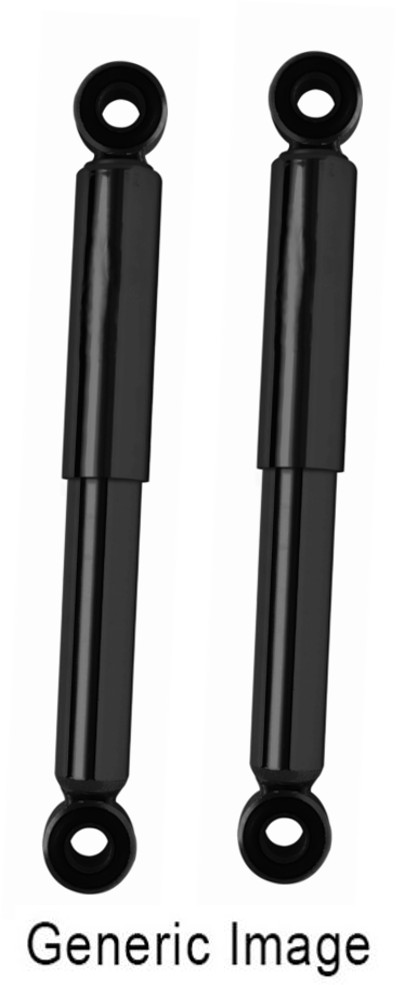
Shock absorbers are sold individually, in pairs, and in complete sets, depending on the vehicle, part number, and seller. For most passenger cars, replacing both shocks on the same axle is recommended when one has worn out.
If you are shopping for shock absorbers in the United States, the package size can affect your repair budget. An auto parts store may list one rear shock, a pair of front shocks, or a complete suspension kit. The product title alone does not always make it clear how many parts are included, so check the quantity before you order.
Shock absorbers help control spring movement and keep the tires in contact with the road. When one shock wears out, the other shock on the same axle may have a different level of damping. Replacing both sides together helps maintain more consistent handling, braking stability, and ride comfort. The correct choice still depends on the vehicle design, the condition of the existing parts, and the manufacturer’s repair instructions.
Yes, shock absorbers are often sold in pairs, but not every product includes two units. Many auto parts retailers offer individual shocks for customers who need one part, while other listings package two matching shocks for the front or rear axle. Complete kits may include four shocks for a vehicle with four separate shock absorbers.
The packaging depends on the brand, vehicle application, and product type. A listing described as a front shock absorber may contain one unit or two. A listing described as a front shock absorber pair should contain two compatible units, but you should verify the product details before purchasing.
For a typical car with separate shocks at all four wheels, a complete replacement may involve four shocks. However, some vehicles use front struts and rear shocks, while others have different suspension layouts. The number and type of components must be confirmed for the exact make, model, year, trim, and suspension configuration.
Source: wandamotor.com
Single shock absorber
Usually contains one shock. This option can suit certain repairs, but replacing only one side of an axle may leave unequal damping if the other shock has aged or worn.
Pair of shock absorbers
Contains two compatible units, commonly intended for the left and right sides of one axle. Confirm the application and included quantity.
Complete shock absorber set
May contain four shocks for both axles or a different combination of suspension parts. Read the package contents rather than assuming every kit includes four identical units.
Why Do Stores Offer Shock Absorbers in Pairs?
The main reason is that suspension components work together across an axle. The left and right shocks both help control body movement, wheel motion, and the effect of road bumps. A matched pair with the correct specifications helps maintain similar damping on both sides.
Pair packaging can also simplify ordering. Instead of selecting two separate listings, a buyer can purchase one kit designed for the intended axle. However, pair packaging is a retail choice, not a universal rule that every manufacturer follows.
Balanced damping
Matching shocks can help the left and right sides respond more consistently to bumps, turns, and changes in road surface.
Simpler parts selection
An axle kit may reduce the risk of ordering two incompatible parts, provided the vehicle fitment is correct.
Should You Replace Shock Absorbers in Pairs?
In most cases, replace shock absorbers in pairs on the same axle. If the left rear shock has failed, replacing both rear shocks is usually the better repair when the vehicle uses a conventional matched pair. The same principle applies to the front axle when both sides use separate shock absorbers.
The reason is that the old and new units may not control suspension movement equally. A worn shock can allow extra bouncing, body roll, or wheel movement, while a new shock may damp those movements more effectively. This difference can affect ride quality and handling, especially during emergency maneuvers or on uneven roads.
Pair replacement is a general maintenance recommendation, not an absolute rule for every vehicle. Some vehicles have special electronic damping systems, unusual suspension designs, or manufacturer-specific procedures. Follow the vehicle service information and use compatible components on both sides.
Replacing both sides does not mean that every suspension component must be replaced at the same time. Springs, control arms, bushings, mounts, and other parts should be inspected and replaced when their condition or the manufacturer’s instructions justify it.
Source: image.partsinmotion.co.uk
Replace both front shocks when appropriate
If one front shock is worn and the vehicle uses separate front shocks, inspect both and generally replace the pair with matching parts.
Replace both rear shocks when appropriate
If one rear shock leaks or no longer controls movement well, inspect the other rear shock and plan a matched replacement pair when needed.
Check special suspension systems
Vehicles with adaptive, electronically controlled, or other specialized suspension may require specific parts, calibration, or service procedures.
Can You Replace Only One Shock Absorber?
It may be physically possible to replace one shock, but that does not make it the best repair. If the opposite shock has similar age and mileage, it may have lost some of its damping ability even if it has no visible leak. Installing one new unit beside a worn unit can produce different responses from the two sides.
A single replacement may be reasonable in limited circumstances, such as when the opposite shock is nearly new and has been confirmed to be the correct matching part. A documented repair history can help establish this. Check the manufacturer’s recommendations before deciding.
If one shock is damaged by an impact, inspect the surrounding suspension for bent parts, damaged mounts, broken springs, or alignment problems. Replacing a shock alone will not correct damage elsewhere.
Consider the age of the other shock
A recently replaced, compatible unit may not need replacement solely because the other side failed.
Inspect the whole axle
Check for leaks, damage, worn mounts, tire wear, and handling symptoms on both sides.
How Many Shock Absorbers Does a Car Have?
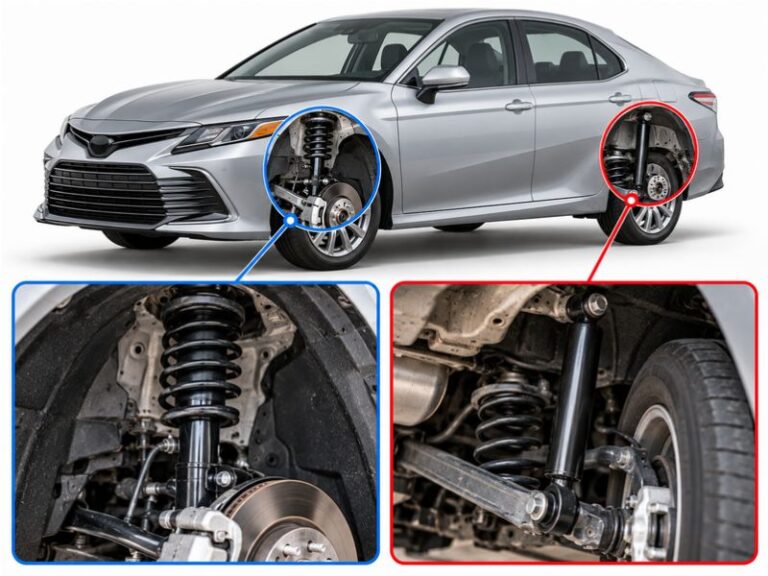
Many passenger vehicles have four wheel-position damping units, but the exact arrangement varies. A car may use four separate shock absorbers, front struts with rear shocks, or a more specialized suspension system. The number of shock absorbers you should buy cannot be determined from the number of wheels alone.
A strut is a structural suspension component that often combines damping with support for the wheel assembly. A conventional shock absorber generally controls suspension movement without serving the same structural role as a strut. Both can contain damping mechanisms, but they are not interchangeable terms when ordering parts.
Before shopping, check your owner’s manual, vehicle service information, or a reliable parts catalog. Enter the full vehicle details and review the diagrams. Some models have different suspension parts for different trims, engine options, production dates, or electronic suspension packages.
Source: d1vxm2qfpf42cg.cloudfront.net
Four separate shocks
Some vehicles use a shock at each wheel, so replacing all four means purchasing two axle pairs.
Front struts and rear shocks
Other vehicles use struts at the front and separate shocks at the rear. A rear shock kit will not replace the front struts.
Specialized suspension
Air suspension, adaptive dampers, and other systems can have unique parts and service requirements.
Are Front and Rear Shock Absorbers the Same?
No. Front and rear shock absorbers often differ in length, mounting design, damping characteristics, and fitment. The front suspension may also use struts rather than separate shocks.
Even two shocks from the same brand may not be interchangeable. The correct part must match the intended wheel position and the vehicle’s suspension specifications. Never choose a shock based only on appearance or overall length.
A parts catalog may list left and right versions separately, or it may use one part number for both sides. Some kits contain two identical units, while other applications need distinct parts. Confirm the exact fitment before checkout.
Check the axle
Confirm whether the part is designed for the front or rear suspension.
Check side-specific fitment
Verify whether the left and right positions use the same part number or different parts.
How to Tell Whether a Shock Absorber Is Sold as a Pair
Check the product’s package quantity, part number, and fitment notes before placing an order. The main product title may say shock absorber without making clear whether the price covers one unit or two. The detailed description, specifications, and package contents are more useful for confirming the quantity.
If the listing is unclear, ask the retailer whether the displayed price includes one shock or an axle pair. Also confirm whether any mounting hardware is included. Do not assume that photographs showing two shocks prove that two units are supplied.
When ordering online, compare the part number with the vehicle’s exact requirements. A compatible-looking product can still have the wrong mount, length, damping design, or electronic connection. Use the manufacturer’s fitment information whenever possible.
Source: msshocks.com
Read the package quantity
Look for terms such as one unit, two pieces, pair, set of two, or four-piece kit.
Check the part number
Confirm that the listed number matches the required front or rear application and any relevant suspension option.
Review the included parts
Find out whether the package contains shocks only or also includes mounts, boots, bump stops, and fasteners.
Confirm with the seller
If the package quantity or fitment is not stated clearly, obtain confirmation before paying.
What Does a Pair of Shock Absorbers Include?
A pair normally means two shock absorbers, but it does not automatically include all the other parts needed for a suspension repair. Some kits contain the dampers alone, while others include mounting hardware or protective parts.
Dust boots help protect the shock rod from dirt and debris. Bump stops help limit suspension travel under certain conditions. Mounts and bushings connect components and help manage movement and vibration. These parts may be sold separately or included in a more complete kit.
If a shock assembly includes a coil spring and related components, check whether it is a complete assembly or only a damper. The package description should identify what is supplied. This distinction matters when comparing prices because a cheaper listing may contain fewer parts.
Shock absorbers
The main damping units included in the package.
Mounts and hardware
May be included, but the package details must confirm this.
Dust boots and bump stops
May be supplied with a kit or reused only when the service instructions and component condition allow.
How Much Does It Cost to Replace Shock Absorbers in Pairs?
The cost depends on the vehicle, part design, brand, package quantity, labor rate, and condition of the surrounding suspension. A pair of basic shocks for one axle may cost much less than specialized electronic dampers or complete strut assemblies. There is no single price that applies to every car in the United States.
When comparing prices, first determine whether each listing includes one unit or two. A listing with a low unit price may become more expensive once you add the second shock, shipping, hardware, and labor. A kit may have a higher initial price but include both sides or additional components.
Labor can also differ between vehicles. Access to the mounting points, corrosion, suspension design, and the need for additional repairs can affect the total bill. Some repairs may require a wheel alignment, especially when the work disturbs alignment-related components or the manufacturer’s procedure calls for it.
Ask for an itemized estimate that separates parts, labor, hardware, and any alignment or diagnostic work. This makes it easier to compare repair options without assuming that two quotes cover the same work.
Source: gdstauto.com
Parts
Compare the total price for two compatible shocks, not just the price shown for one unit.
Labor
Labor depends on vehicle design, access, corrosion, and the time needed to remove and install the components.
Additional components
Worn mounts, damaged fasteners, boots, bump stops, or other suspension parts can increase the bill when replacement is needed.
Alignment
Ask whether an alignment is required for the specific repair and vehicle design instead of assuming it is always necessary.
Is Buying a Pair Cheaper Than Buying Two Individual Shocks?
Sometimes. A pair kit may have a lower combined price than two separately purchased units, but that is not guaranteed. Retail promotions, brand differences, shipping fees, and included hardware can change the comparison.
For a fair comparison, calculate the total cost of two compatible individual shocks and compare it with the full price of the pair kit. Check that both options use equivalent parts and provide the same required components.
Do not choose a kit only because it is cheaper. The parts must match the vehicle, axle, suspension type, and intended use. An incorrect kit can lead to returns, installation delays, or an unsafe repair.
Compare like for like
Use the same vehicle fitment, part type, and quantity for each option.
Include extra costs
Account for shipping, taxes, hardware, and any parts that the kit does not contain.
Signs That Your Shock Absorbers May Need Replacement
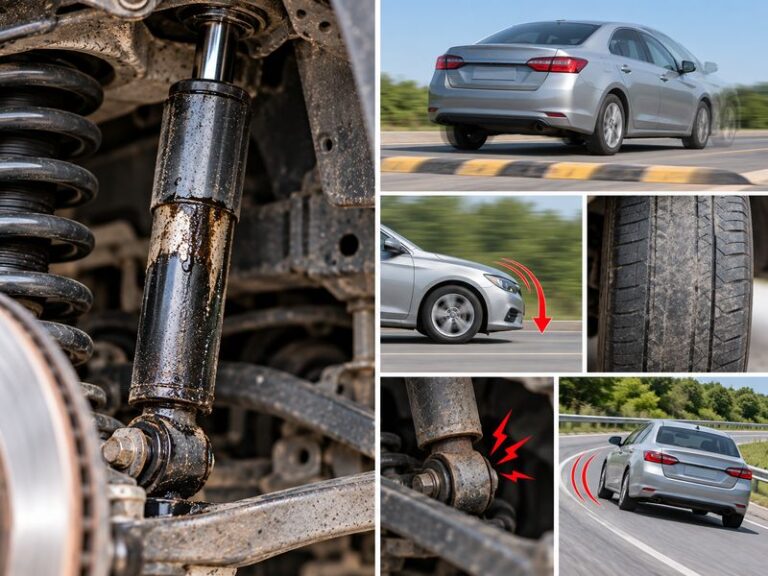
Common signs of worn shocks include repeated bouncing after a bump, excessive body movement, uneven tire wear, fluid leaking from a damper, and reduced control over rough roads. These symptoms can indicate a suspension problem, but they do not prove that the shock absorber is the cause.
Other parts can create similar symptoms. Worn tires, damaged springs, loose suspension joints, bad mounts, or wheel alignment problems can affect ride quality and tire wear. A proper inspection should check the whole suspension rather than replacing parts based on one symptom.
If the vehicle becomes unstable, shows a major change in steering response, or has a damaged suspension component, avoid driving it until the problem has been assessed. Poor damping can affect vehicle control, and a broken mount or spring can create additional hazards.
Source: imgcdnblog.carmudi.com.ph
Repeated bouncing
The body continues moving after a bump instead of settling promptly. Worn dampers are one possible cause.
Fluid leakage
Wetness or oil on the shock body may suggest a leak. A technician can distinguish a significant leak from dirt or residue.
Uneven tire wear
Uneven wear can result from poor damping, but alignment, tire pressure, and worn suspension parts should also be checked.
Excessive body movement
More sway, nose movement during braking, or poor control over bumps may indicate a suspension issue that needs diagnosis.
How Can You Check Shock Absorbers Before Buying Replacements?
Start with a visual inspection while the vehicle is parked on level ground. Look for obvious fluid leaks, damaged mounts, broken springs, or other visible faults. Compare both sides of the same axle and note any clear difference in condition.
Do not rely only on a bounce test. Modern suspension systems, spring rates, tire conditions, and vehicle designs can affect how the body moves during this test. A vehicle may also have worn shocks without dramatic bouncing when pushed by hand.
If symptoms remain unclear, ask a qualified technician to inspect the suspension and road-test the vehicle when safe. The inspection should identify the failed component and determine whether both shocks on the axle need replacement.
Inspect both sides
Look for leaks, physical damage, loose mounts, and other visible differences.
Check the tires
Review tire pressure and wear patterns because these can affect handling and may point to other faults.
Get a diagnosis
Use a professional inspection if the cause is uncertain or the vehicle shows serious handling changes.
Can You Install Shock Absorbers Yourself?
Some shock absorber replacements are within the skills of an experienced home mechanic, but the difficulty depends on the vehicle and suspension design. Access may be simple on one model and much harder on another. Rusted fasteners, limited working space, electronic damping systems, and integrated spring assemblies can make the job more complex.
Use the vehicle service manual for the correct removal and installation steps, torque specifications, lifting points, and any required calibration. Work on a firm, level surface, use properly rated jack stands, and secure the vehicle before working underneath it. Never rely on a hydraulic jack alone to support a vehicle.
A conventional shock absorber may be separate from the coil spring, while a strut assembly can contain a spring under substantial stored force. Do not loosen a strut’s spring-retaining hardware without the correct spring compressor, training, and safe procedure. A spring can release with enough force to cause severe injury.
If you are not sure how the suspension is assembled, have a qualified repair shop complete the work. Correct installation matters as much as buying the right pair. Loose fasteners, incorrect mounting, or damaged parts can compromise suspension performance.
Source: engineeringlearn.com
Use the correct service information
Confirm the procedure, torque values, lifting points, and required replacement hardware for the exact vehicle.
Support the vehicle safely
Use appropriate jack stands and wheel chocks on a firm, level surface. Never work beneath a vehicle supported only by a jack.
Respect spring tension
Do not disassemble a loaded strut spring without the correct equipment and procedure.
Verify the finished repair
Check fasteners, mounting points, and any manufacturer-required alignment or electronic suspension procedures before returning the vehicle to service.
Should You Replace Mounts When Replacing Shocks?
Not always. Shock mounts should be inspected during the repair and replaced when they are damaged, excessively worn, noisy, or required by the service procedure. Some kits include mounts, while others supply only the shock absorbers.
A worn mount can cause noise or unwanted movement even after new shocks are installed. On the other hand, replacing sound parts without a technical reason can increase the repair cost. Base the decision on the part’s condition, the vehicle manufacturer’s instructions, and the design of the assembly.
Inspect the mounts
Look for cracks, deterioration, looseness, or other signs of damage.
Check the kit contents
Confirm whether mounts and other service parts are included before buying.
Common Mistakes When Buying Shock Absorbers in Pairs
The most common buying mistake is assuming that every shock absorber listing includes two units. A product image may show a pair even when the price is for one shock. Another frequent error is ordering a front pair when the repair requires rear shocks, or buying a conventional damper for a vehicle that needs a specialized electronic unit.
A second mistake is replacing only the visibly damaged side without checking the other shock. A shock that does not leak may still be worn. The condition of both sides should guide the repair decision, with the usual preference for replacing conventional shocks in axle pairs.
Buyers may also overlook the mounting hardware and installation requirements. A kit that excludes worn mounts or other required parts can lead to another parts order and more labor. Review the complete repair plan before selecting the least expensive listing.
Source: chgclassics.co.uk
Assuming the photo shows the package quantity
Use the written package contents and seller confirmation, not the photograph alone.
Ignoring vehicle variations
Check the model year, trim, axle, and suspension package because fitment can differ within the same model range.
Mixing incompatible shocks
Use components with the correct specifications and matching intended application on the same axle.
Skipping the related inspection
Check mounts, springs, tires, and other suspension parts so the repair addresses the actual fault.
A Simple Example of Choosing the Correct Quantity
Suppose a car needs both rear shock absorbers, and the correct parts catalog lists one shock per package. You would need two individual packages. If a compatible rear pair kit contains two shocks, you would need one kit instead.
If the same car also needs front struts, the rear shock pair will not complete the entire suspension repair. You must identify the front parts separately and confirm whether the struts are sold as individual units or complete assemblies.
This example shows why quantity and fitment must be checked together. Buying two parts is not enough if the parts are not designed for the correct axle and vehicle.
One rear shock per package
Purchase two packages for a two-shock rear axle.
Two rear shocks per kit
Purchase one compatible pair kit for that axle.
Different front suspension
Order the required front struts or shocks separately after confirming the correct design.
Frequently Asked Questions
Q
Are front shock absorbers sold in pairs?
Yes, many retailers sell front shock absorbers as a pair, but some sell them individually. Check the package quantity and confirm whether the vehicle uses separate front shocks or struts. The correct quantity depends on the suspension design and the specific product listing.
Q
Are rear shock absorbers sold in pairs?
Rear shocks are commonly available as individual units or pairs. A pair normally contains two compatible shocks for the left and right sides of the rear axle. Confirm the fitment and package contents before ordering.
Q
Do I need to replace all four shock absorbers at once?
Not necessarily. The usual recommendation is to replace both shocks on the same axle when one has worn out. Replacing all four may make sense when all are worn or when an inspection and maintenance plan support it, but it is not automatically required when only one axle needs service.
Q
Can I mix old and new shock absorbers?
Mixing an old shock with a new one on the same axle is generally not recommended because their damping performance may differ. A single replacement may be appropriate in a limited case when the opposite shock is nearly new, compatible, and confirmed to be in good condition. Follow the vehicle manufacturer’s guidance.
Q
Do shock absorber pairs include mounting hardware?
Not always. Some kits contain only two shocks, while others include mounts, bushings, boots, bump stops, or fasteners. Read the package contents and check the service requirements for the vehicle before ordering additional parts.
Q
Are shock absorbers and struts sold in the same type of kit?
They can be sold in similar package formats, but shocks and struts are different suspension components. Some vehicles use separate shocks, while others use struts at one or both axles. A complete strut assembly may include a spring and mount, whereas a basic shock kit may contain only the dampers.
Q
How do I know whether a shock absorber listing contains one or two units?
Check the product specifications for the package quantity, the part number, and the included components. Terms such as pair or set of two usually indicate two units, but the written details should confirm this. If the listing remains unclear, ask the seller before placing the order.
✦ Wrapping Up
Conclusion
Shock absorbers are sold individually, in pairs, and in larger kits. The package format depends on the manufacturer, retailer, and vehicle application, so never assume that a listing includes two units just because its photograph shows a pair.
For most conventional passenger vehicles, replacing both shock absorbers on the same axle is the preferred approach when one has worn out. This helps keep damping more consistent between the left and right sides. The final decision should account for the condition of the other shock, the vehicle’s suspension design, and the manufacturer’s repair instructions.
Before buying, confirm the exact vehicle fitment, the required axle, the package quantity, and whether mounts or other hardware are included. If the suspension uses struts, electronic dampers, or loaded spring assemblies, check the correct service procedure and seek professional help when needed.
💡 Key Takeaway
Check your vehicle’s exact fitment, confirm whether the listing contains one shock or a pair, and plan to replace both shocks on the same axle when appropriate. Inspect related suspension parts before installation.
Eric
Hi, I’m Eric Bennett, the person behind OffRoadTruckAccessories.com.
I created this blog to share my interest in trucks, off-road driving, automotive accessories, and DIY modifications. I enjoy learning how different truck accessories work, testing their usefulness, and understanding whether they are truly worth buying.
Shock absorbers are located near the wheels as part of the suspension system, usually between the vehicle’s body, frame, or subframe and a suspension component such as a control arm, axle, or wheel assembly. However, the exact answer to where are shock absorbers located on a car depends on the suspension design. Some vehicles have…
You should change shock absorbers when they are worn, leaking, damaged, or no longer controlling suspension movement properly. There is no single replacement interval that applies to every vehicle because shock absorber life depends on road conditions, vehicle weight, driving habits, suspension design, and component quality. If you are wondering when to change shock absorbers,…