Do I Need New Control Arms for a Leveling Kit ? Complete Guide
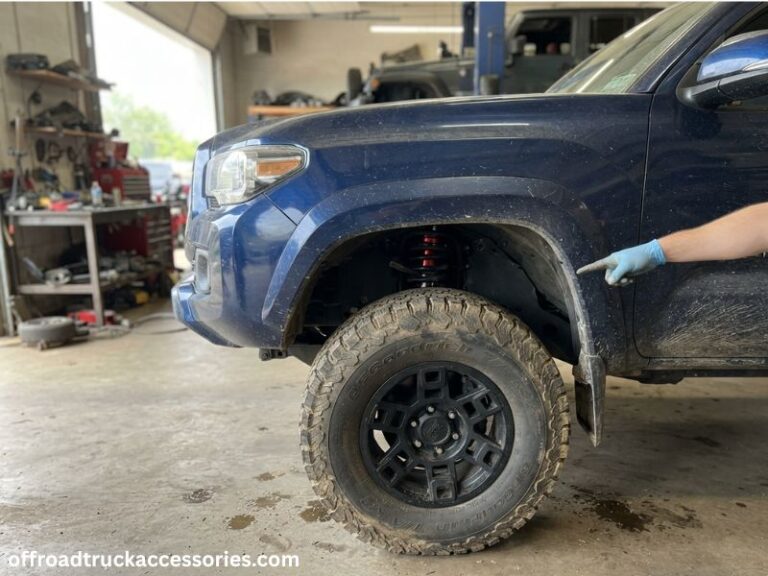
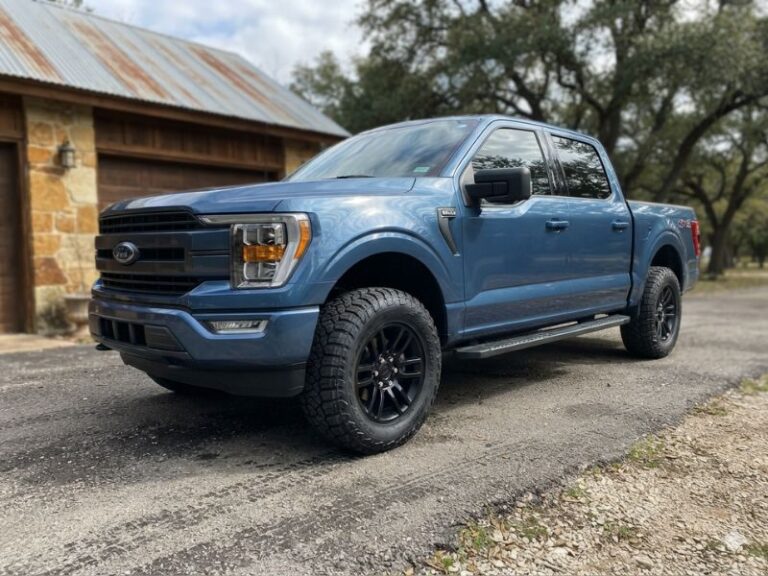
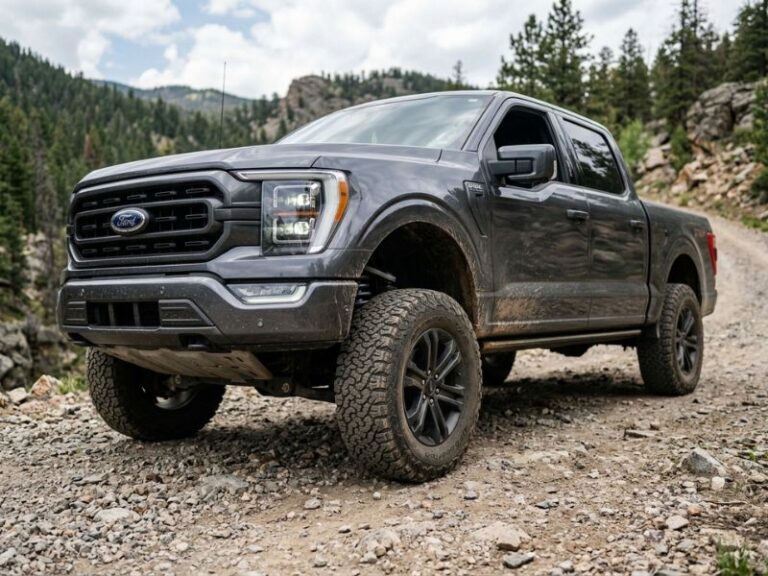
Installing a leveling kit is a popular way to remove a truck’s factory nose-down stance, increase front tire clearance, and create a more aggressive appearance. However, raising the front suspension changes the position of the control arms, ball joints, steering components, and CV axles.
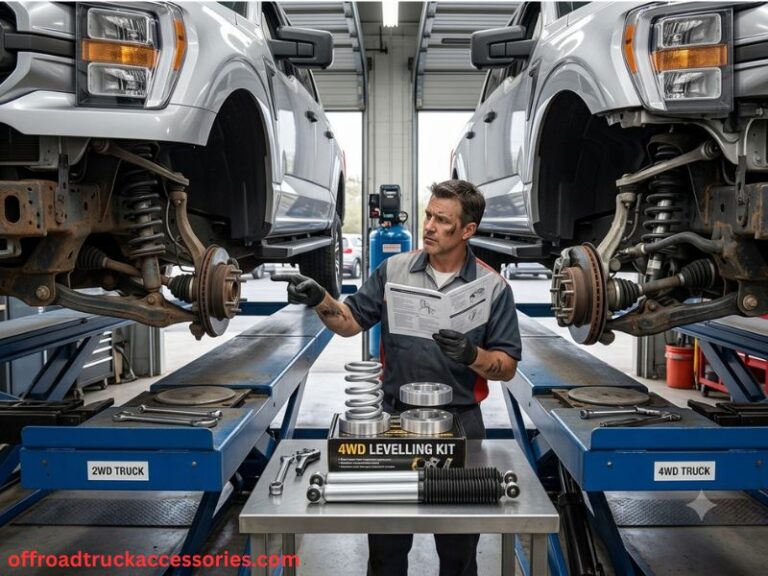
This leads many owners to ask, do I need new control arms for a leveling kit? In many cases, you do not need replacement control arms for a mild 1-inch to 2-inch leveling kit. Factory control arms can often handle a moderate increase when the kit is designed for the exact vehicle and the suspension can still be aligned correctly.
However, upgraded control arms may become necessary when the leveling kit raises the front by approximately 2.5 to 3 inches, pushes the upper ball joint into a severe angle, reduces suspension travel, causes coil-spring contact, or prevents the technician from achieving acceptable alignment settings.
Another common question is, do I need upper control arms for a leveling kit? Upper control arms are usually the first control-arm components considered because leveling a truck often changes their angle more significantly than the lower arms. Aftermarket upper control arms can improve ball-joint position, increase alignment adjustment, and provide more clearance during suspension movement.
The correct answer depends on your truck, leveling height, suspension design, tire setup, and how you plan to use the vehicle.
Do I Need New Control Arms for a Leveling Kit?
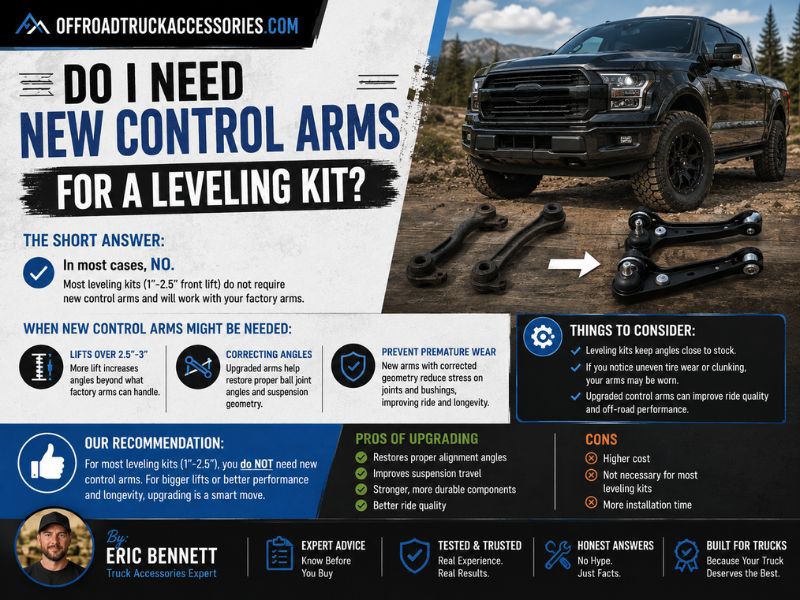
You may not need new control arms when installing a small, vehicle-specific leveling kit. Many trucks can use their original control arms with a 1.5-inch or 2-inch front leveling system, provided that the suspension remains within its normal operating range.
The factory arms may be suitable when the truck can be aligned correctly, the ball joints are not binding, and there is enough clearance between the upper control arm and the coil spring or strut assembly.
New control arms become more important when the leveling kit significantly changes suspension geometry. Raising the front causes the control arms to sit at a steeper angle at normal ride height. This changes the operating position of the ball joints and may reduce available downward suspension travel.
If the factory upper control arm reaches its movement limit when the wheel drops into a hole or the suspension fully extends, the ball joint may bind or experience repeated impact loads. Over time, this can contribute to premature wear, damaged ball-joint boots, clunking noises, or alignment problems.
The advertised leveling height alone does not determine whether new control arms are required. A 2-inch kit may work perfectly on one truck but create alignment limitations on another because different models use different suspension designs and factory angles.
Do I Need Upper Control Arms for a Leveling Kit?
You may need upper control arms for a leveling kit when the factory arms cannot maintain proper alignment or safe ball-joint angles at the new ride height.
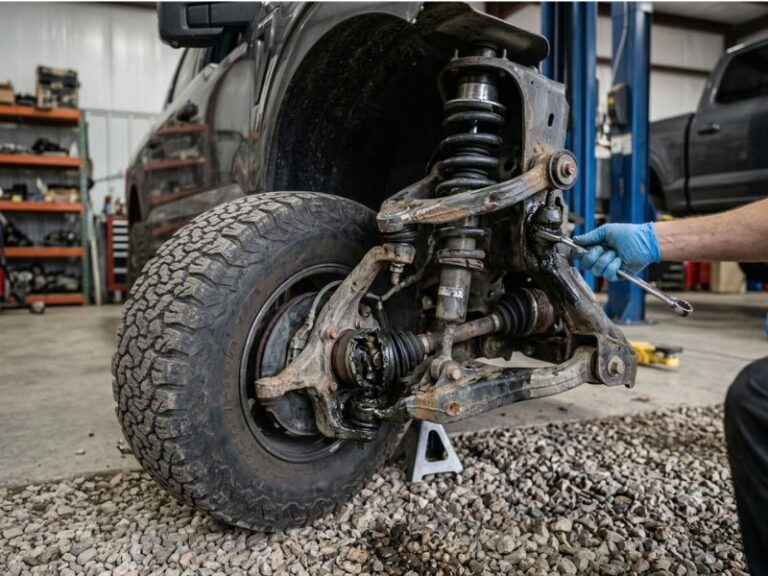
Upper control arms connect the upper part of the steering knuckle to the truck’s frame. They help control wheel movement and maintain the correct position of the suspension as the wheel travels up and down.
When the front suspension is raised, the upper control arms usually angle downward more sharply. This can move the upper ball joint closer to the edge of its operating range.
Aftermarket upper control arms are often designed with a repositioned ball-joint cup or corrected geometry. This allows the ball joint to sit closer to its normal position after the truck is leveled.
They may also provide additional caster adjustment, more clearance around the coil spring, and greater droop travel. These benefits can improve handling, alignment, and long-term suspension reliability.
However, installing aftermarket upper control arms is not automatically necessary for every leveling kit. A properly designed 1.5-inch leveling kit may work safely with completely stock control arms. Replacing them unnecessarily increases the project cost without providing a meaningful benefit.
The best approach is to follow the leveling-kit manufacturer’s recommendations and confirm whether your exact truck can reach acceptable alignment specifications with factory parts.
How a Leveling Kit Changes Control-Arm Angles
Most pickup trucks use an independent front suspension with upper and lower control arms. These arms allow each front wheel to move independently while maintaining controlled steering and suspension geometry.
At factory ride height, the control arms and ball joints operate within a specific range. Engineers design this range to provide proper handling, alignment, suspension travel, and component life.
A leveling kit raises the front of the truck by changing the position of the strut, spring, torsion bar, or coilover. The body and frame move higher, while the wheel remains on the ground.
As a result, the control arms sit at a different resting angle. The upper arm may point downward toward the wheel, while the ball joint operates closer to its maximum extension.
A mild height increase usually causes a relatively small change. A taller kit can create more severe angles and reduce the distance the wheel can move downward before the arm, ball joint, or shock reaches its limit.
This is why control-arm requirements are closely connected to leveling height.
When Factory Control Arms Are Usually Enough
Factory control arms are often sufficient when the leveling kit provides a moderate amount of front lift and has been engineered specifically for the vehicle.
A 1-inch to 2-inch leveling kit commonly stays within the adjustment and movement range of the original suspension. The exact safe range varies by truck, so manufacturer fitment information is essential.
The stock arms are more likely to work when the truck has relatively low mileage and the existing ball joints and bushings are in good condition. Worn components may already have excessive movement before the leveling kit is installed.
Factory arms may also be suitable when the vehicle is primarily used for normal street driving rather than aggressive off-road travel. Daily driving usually produces less full-extension suspension movement than rough trails.
After installation, the truck should receive a professional wheel alignment. If camber, caster, and toe can be restored to appropriate settings and the suspension moves freely without contact or binding, upgraded control arms may not be necessary.
Signs That You Need Aftermarket Upper Control Arms
One of the clearest signs that new upper control arms are needed is an inability to achieve proper alignment.
A leveling kit changes camber and caster, and the factory adjustment points may not provide enough range to correct them. The alignment technician may be able to correct toe but still leave caster or camber near or outside the acceptable range.
Low caster can cause the truck to wander on the highway, feel unstable, or return slowly to center after a turn. Incorrect camber can create visible tire lean and uneven tread wear.
Ball-joint angle is another important warning sign. If the upper ball joint sits close to its maximum angle while the truck is parked, it may bind when the suspension extends.
You may also notice limited suspension droop, clunking over dips, upper control-arm contact with the coil spring, or torn ball-joint boots. These conditions indicate that the factory arm is no longer operating comfortably at the new height.
Aftermarket arms may also be recommended when a truck is used regularly on rough trails. The additional suspension movement can place greater demands on factory ball-joint angles.
Does a 2-Inch Leveling Kit Need Upper Control Arms?
A 2-inch leveling kit does not automatically require upper control arms. On many trucks, 2 inches is considered a moderate leveling height that can work with the factory suspension.
However, the answer depends on the exact vehicle. Some trucks have generous factory alignment adjustment and ball-joint movement, while others have limited range.
A 2-inch strut spacer may also affect the suspension differently from an adjustable replacement strut, coilover, or torsion-key system. The final fender height may be similar, but suspension travel and component position can differ.
Before buying control arms, inspect the kit manufacturer’s installation instructions. Reputable manufacturers usually state whether the factory arms can be retained or whether upgraded arms are recommended.
After installation, the alignment report provides valuable evidence. If the technician can achieve suitable camber, caster, and toe without maxing out the adjustment points, the factory arms may remain acceptable.
Does a 2.5-Inch or 3-Inch Leveling Kit Need Control Arms?
A 2.5-inch or 3-inch leveling kit is more likely to require aftermarket upper control arms.
At these heights, the upper ball joint often operates at a steeper angle, and factory caster adjustment may become limited. The upper arm may also move closer to the coil spring or strut.
Some manufacturers include upper control arms in taller leveling packages because they are considered an important geometry-correction component rather than an optional upgrade.
A 3-inch front increase can also remove more suspension droop and place additional stress on CV axles, tie rods, and ball joints. At that point, the setup begins to behave more like a small suspension lift than a simple cosmetic leveling adjustment.
Choosing a shorter kit may sometimes be a better solution than adding several expensive supporting components. If the truck has only 2 inches of factory rake, a 3-inch kit may create a nose-high stance while increasing suspension stress unnecessarily.
Upper vs Lower Control Arms for a Leveling Kit
Most leveling-kit discussions focus on the upper control arms because they usually experience the greatest geometry change.
The upper arms control the upper portion of the steering knuckle and contain the upper ball joints. Raising the front may place these joints at more severe angles and reduce clearance near the spring or strut.
The lower control arms generally remain factory components in most basic leveling setups. Replacing lower arms is less common unless they are damaged, worn, or part of a specialized long-travel or performance suspension system.
A typical aftermarket leveling setup may therefore combine factory lower control arms with upgraded upper control arms.
However, the lower ball joints, bushings, and mounting points should still be inspected. Larger wheels, heavier tires, aggressive offset, and off-road use place additional loads on the entire front suspension.
How Aftermarket Upper Control Arms Help Alignment
Aftermarket upper control arms can provide additional caster correction after a leveling kit is installed.
Caster is the forward or backward angle of the steering axis when viewed from the side. Positive caster supports straight-line stability and helps the steering wheel return to center.
When the front suspension is raised, the available positive caster may decrease. A technician may use all the factory adjustment range but still struggle to achieve an ideal setting.
Corrected upper control arms reposition the ball joint to create more usable alignment range. This can help the technician achieve better caster without forcing camber or other measurements into less desirable positions.
Not all aftermarket arms provide the same amount of correction. Some are designed for a specific leveling range, such as 2 to 3 inches. The arms must match the exact truck, suspension, and intended lift height.
Do Aftermarket Control Arms Improve Ride Quality?
Aftermarket control arms do not directly soften the springs or change shock damping, so they may not transform basic ride comfort.
However, they can improve how the suspension moves by reducing ball-joint binding and restoring usable droop travel. This may make the suspension feel more controlled over dips and uneven terrain.
Correct alignment can also improve steering feel and highway stability. A truck that wanders because of low caster may feel more predictable after corrected arms are installed and aligned.
Some aftermarket arms use stronger ball joints or uniball joints for increased movement and durability. Uniballs can provide excellent articulation but may require more maintenance and may transmit more noise than factory-style sealed ball joints.
For a daily-driven truck, a high-quality arm with a serviceable or sealed ball joint may provide a better balance between performance, noise, and maintenance.
Larger Tires Can Increase the Need for Stronger Control Arms
Many owners install leveling kits to fit larger tires. The added tire size can place more stress on control arms, ball joints, wheel bearings, and steering components.
A larger tire is usually heavier than the factory tire. This increases unsprung weight and adds force during braking, turning, and suspension movement.
Aggressive wheel offset can have an even greater effect. Moving the tire farther outward increases leverage against the ball joints and control arms.
A moderate leveling kit with factory-size tires may operate comfortably on stock control arms, while the same kit combined with heavy 35-inch tires and negative-offset wheels may accelerate component wear.
Control-arm decisions should therefore consider the complete build rather than leveling height alone.
Inspect Existing Control Arms Before Installation
A leveling kit should not be installed without inspecting the existing suspension.
Check the upper and lower ball joints for looseness, torn boots, grease leakage, or corrosion. Inspect control-arm bushings for cracks, separation, and excessive movement.
Worn factory parts may prevent accurate alignment and become more problematic after the suspension height changes.
High-mileage trucks may benefit from replacing worn control arms even when upgraded geometry is not strictly required. In some vehicles, the ball joints are integrated into the control arms, making complete arm replacement the practical repair.
Installing a leveling kit over damaged components can lead to clunking, unstable steering, uneven tire wear, and repeated alignment problems.
Professional Installation and Alignment Matter
Even the best upper control arms can cause problems when installed incorrectly.
Suspension fasteners must be tightened to the proper torque. Control-arm bolts with rubber bushings often need to be torqued at normal ride height rather than while the suspension is hanging.
Tightening the bushings in the wrong position can preload the rubber and contribute to premature failure or restricted suspension movement.
After the installation is complete, obtain a professional alignment. Ask for a printed report showing the final camber, caster, and toe readings.
The technician should also check tire clearance, brake-line routing, ABS wiring, ball-joint position, and control-arm contact throughout the steering and suspension range.
Are Aftermarket Upper Control Arms Worth It?
Aftermarket upper control arms are worth the cost when they solve a real geometry, alignment, or clearance problem.
They can be a valuable upgrade for taller leveling kits, trucks used off-road, setups with limited factory caster adjustment, and vehicles experiencing poor upper ball-joint angles.
They may not be necessary for a mild leveling kit on a daily-driven truck that aligns correctly with factory components.
Quality also matters. Poorly designed control arms can create new fitment problems or use low-quality ball joints that wear quickly. Choose vehicle-specific arms from a reputable manufacturer and confirm that replacement ball joints or bushings are readily available.
A professional suspension inspection can help you avoid spending money on parts that your truck does not need.
Final Thoughts
So, do I need new control arms for a leveling kit? Not always. Many trucks can safely use factory control arms with a properly designed 1-inch to 2-inch leveling kit, especially when the suspension is in good condition and can be aligned correctly.
However, do I need upper control arms for a leveling kit becomes a more important question when the front is raised 2.5 to 3 inches, the upper ball-joint angle becomes severe, factory caster adjustment is insufficient, or the control arm contacts nearby suspension components.
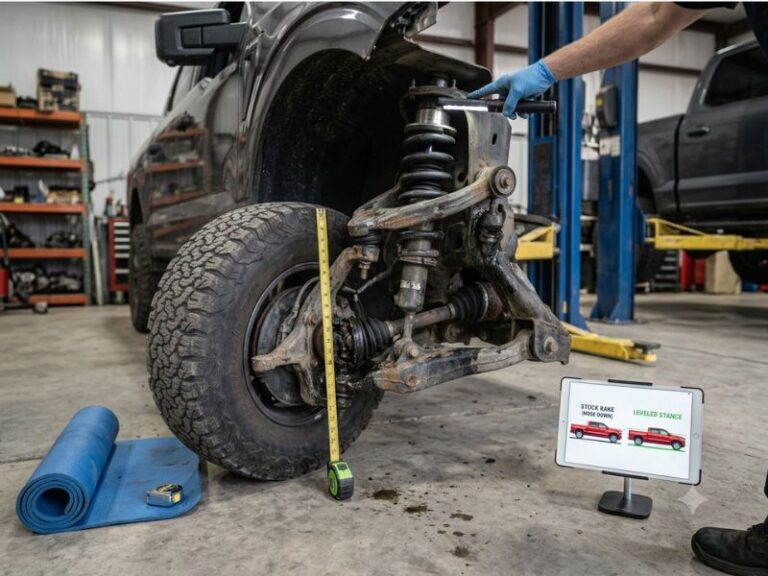
Measure the truck’s rake, follow the kit manufacturer’s requirements, inspect the existing suspension, and review the alignment results after installation. Upgraded upper control arms should be used when they correct a genuine geometry problem, not simply because they are commonly advertised with leveling kits.