Can You Put a Leveling Kit on a 2WD Truck? Complete Guide
Can you put a leveling kit on a 2WD truck? Yes, you can install a leveling kit on a 2WD truck as long as the kit is designed for your specific vehicle and suspension setup. A 2WD truck can benefit from a leveling kit by improving its stance, increasing front-end clearance, and allowing slightly larger tires. The complete details are explained below.
In this article, you will learn how leveling kits work on 2WD trucks, how they differ from 4WD applications, which suspension components are affected, whether they improve ground clearance, what tire sizes may fit, and what to consider before installation.
Can You Put a Leveling Kit on a 2WD Truck?

Yes, a leveling kit can be installed on a 2WD truck. In fact, many truck owners choose leveling kits for two-wheel-drive models because they provide a noticeable appearance upgrade without the cost and complexity of a full suspension lift.
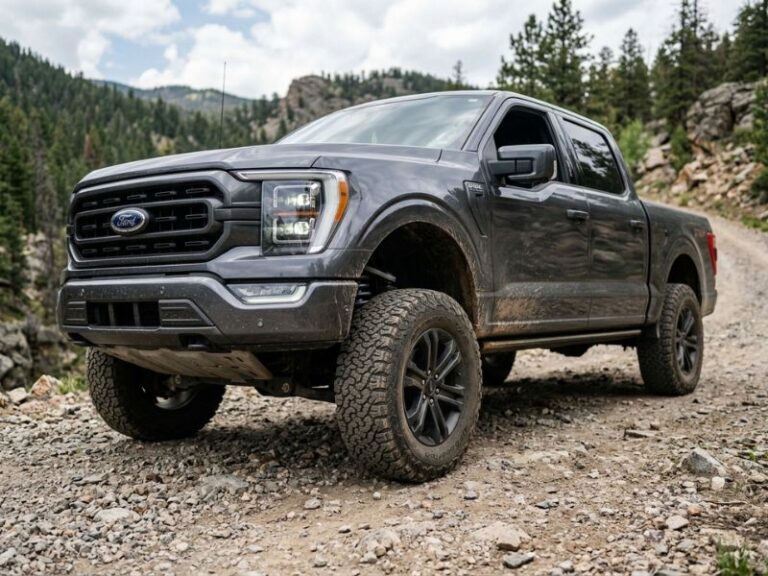
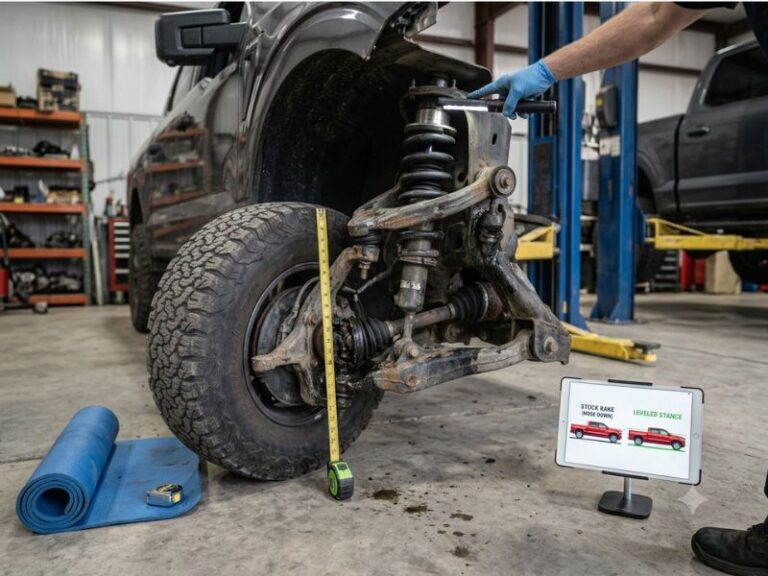
A leveling kit raises the front of the truck to reduce the factory rake, which is the difference in height between the front and rear. Most pickups leave the factory with the rear slightly higher because manufacturers design them to handle additional cargo or trailer weight.
On a 2WD truck, a leveling kit can create a more balanced stance, improve front bumper clearance, and provide additional room for larger tires.
However, the kit must match the truck’s exact suspension design. A 2WD Silverado, F-150, Ram 1500, Ranger, Tacoma, or Colorado may use different suspension components from their 4WD versions, meaning the same leveling kit may not fit both configurations.
The drivetrain does not automatically determine whether a leveling kit works. The suspension type, front axle design, and manufacturer specifications are what matter most.
How Does a Leveling Kit Work on a 2WD Truck?
A leveling kit works by increasing the front ride height while keeping the rear suspension mostly unchanged.
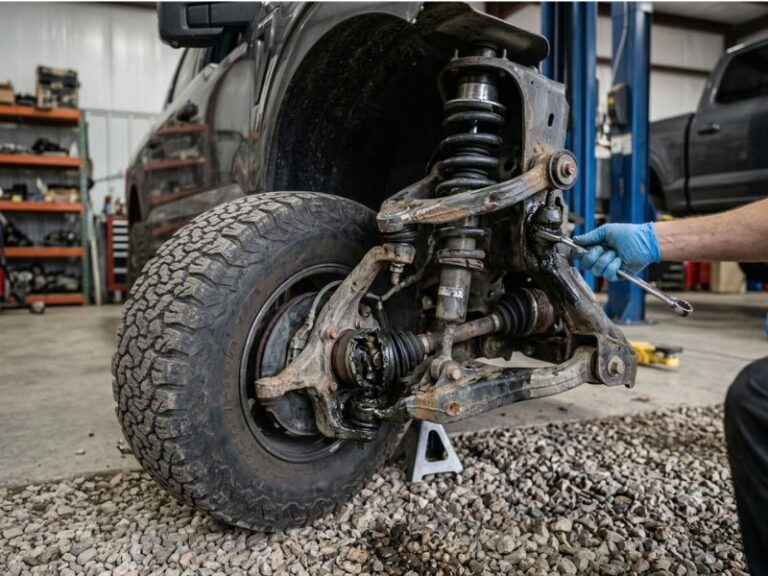
Many 2WD trucks use independent front suspension with components such as:
- Coilover or strut assemblies
- Upper and lower control arms
- Ball joints
- Tie rods
- Steering knuckles
Depending on the truck, a leveling kit may use a strut spacer, coil spacer, replacement strut, adjustable coilover, or torsion-key system.
A front spacer changes the position of the factory suspension assembly and raises the front body height. Replacement struts or coilovers may provide a more complete solution by combining height adjustment with improved damping.
The goal is not to create a large suspension lift. Instead, a leveling kit corrects the factory front-to-rear height difference and provides a cleaner, more aggressive appearance.
Because 2WD trucks usually have different front suspension components than 4WD models, selecting a drivetrain-specific kit is important.
Is a 2WD Leveling Kit Different From a 4WD Leveling Kit?
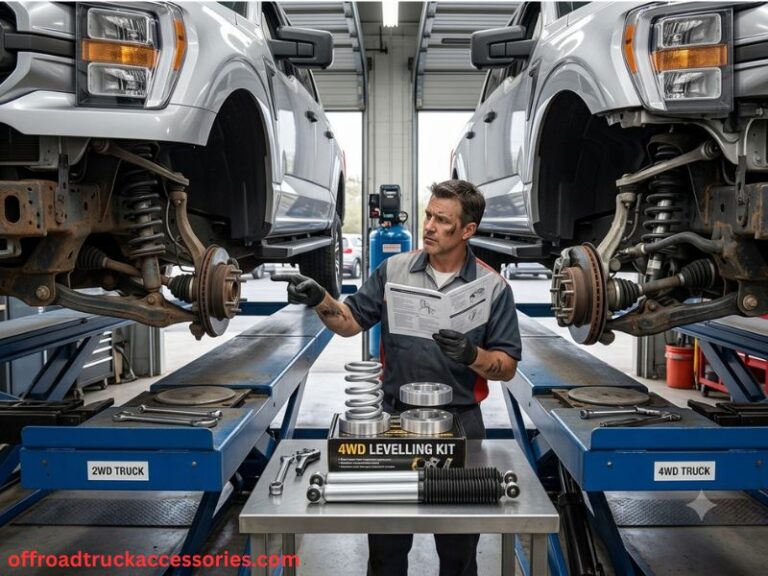
Yes, a 2WD leveling kit can be different from a 4WD leveling kit.
Many truck manufacturers offer separate suspension configurations for two-wheel-drive and four-wheel-drive models. The front suspension geometry, drivetrain components, axle design, and available clearance may vary.
A 4WD truck typically has front CV axles because power is delivered to the front wheels. Raising a 4WD truck can affect CV axle angles, differential positioning, and four-wheel-drive components.
A 2WD truck does not have front drive axles, which removes some concerns related to CV angles. However, it still has suspension geometry considerations involving:
- Control-arm angles
- Ball joints
- Alignment settings
- Shock travel
- Steering components
This means a 2WD truck may avoid some 4WD-specific issues but still requires proper installation and alignment.
Never assume a 4WD leveling kit will fit a 2WD truck simply because the body style is similar.
Does a Leveling Kit Improve a 2WD Truck’s Appearance?
Improving appearance is one of the biggest reasons owners install leveling kits on 2WD trucks.
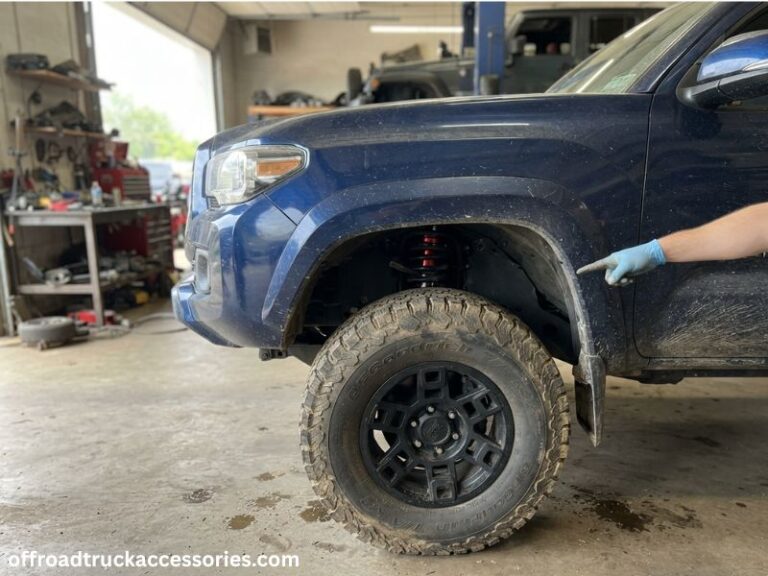
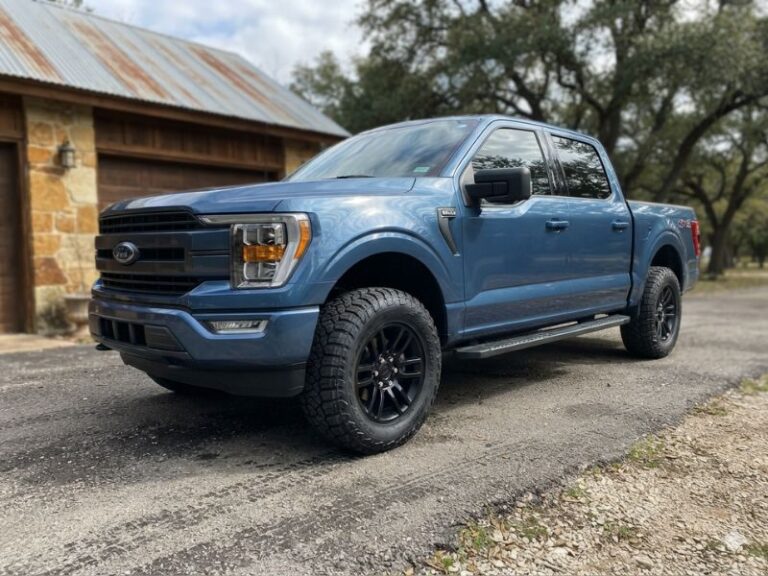
Many pickups have a noticeable factory nose-down stance when viewed from the side. A leveling kit raises the front fender height so the truck appears more balanced.
The visual changes include:
- More aggressive front-end appearance
- Better wheel-well proportions
- Improved stance with aftermarket wheels
- More room for larger tires
A leveled 2WD truck can achieve the appearance of an off-road-style build without the additional height, maintenance, and cost associated with a full suspension lift.
The final appearance depends on the truck’s original rake, wheel size, tire choice, and leveling height.
A 1.5-inch or 2-inch leveling kit often provides a noticeable difference while maintaining a factory-like driving experience.
Does a Leveling Kit Increase Ground Clearance on a 2WD Truck?
A leveling kit can increase some areas of front-end clearance, but it does not raise every part of the truck.
The front bumper, lower valance, and some front suspension components may sit higher after installation. This can help reduce scraping on steep driveways, uneven roads, and light off-road surfaces.
However, a leveling kit does not significantly increase axle clearance because the rear axle and other low points remain at their original height.
The largest increase in true underbody clearance usually comes from installing larger tires. A taller tire increases the distance between the axle and the ground.
For a 2WD truck used mainly on pavement, the clearance improvement may be more about appearance and front-end protection than extreme off-road capability.
Can a 2WD Truck Fit Bigger Tires After Leveling?
Yes, one of the main advantages of installing a leveling kit on a 2WD truck is improved tire clearance.
Raising the front creates additional space inside the wheel opening, allowing some owners to install slightly larger tires.
However, tire fitment depends on several factors:
- Tire diameter
- Tire width
- Wheel offset
- Wheel backspacing
- Fender design
- Suspension travel
A tire that fits while the truck is parked may still rub during full steering lock or when the suspension compresses.
Common rubbing areas include inner fender liners, mud flaps, bumper brackets, and control arms.
A leveling kit does not automatically guarantee that a specific tire size will fit. The complete wheel-and-tire combination should be checked before purchase.
Does a 2WD Leveling Kit Affect Alignment?
Yes, a leveling kit affects alignment on a 2WD truck.
Raising the front suspension changes the relationship between the control arms, steering knuckle, and tie rods. This can alter the three main alignment measurements:
- Camber
- Caster
- Toe
Incorrect camber can cause uneven tire wear on the inside or outside edge of the tire. Poor caster can affect highway stability and steering return. Incorrect toe can quickly damage expensive tires.
A professional wheel alignment should be completed after installation.
The technician should confirm that the truck can return to acceptable alignment specifications. Some taller leveling kits may require additional components such as aftermarket upper control arms to restore proper geometry.
Skipping alignment may save money initially but can lead to much higher tire replacement costs later.
Do 2WD Trucks Need Different Leveling Heights?
The ideal leveling height depends on the truck’s factory stance.
Some 2WD trucks have more front rake than others. A truck with a larger front-to-rear height difference may need a taller kit to achieve the desired appearance.
Common leveling heights include:
- 1 inch
- 1.5 inches
- 2 inches
- 2.5 inches
For many daily-driven 2WD trucks, a 1.5-inch or 2-inch kit provides a good balance between appearance, tire clearance, and suspension reliability.
A taller kit may create additional stress on suspension components and reduce available suspension travel.
Choosing the maximum available height is not always the best option. The correct height should match the truck’s actual measurements and intended use.
Does a Leveling Kit Affect Ride Quality on a 2WD Truck?
A properly installed leveling kit usually has a small effect on ride quality, but changes are possible.
A basic spacer kit often keeps the factory springs and shocks, meaning the original ride characteristics remain mostly unchanged.
However, raising the front changes suspension positioning. Some trucks may experience:
- Slightly firmer ride quality
- Reduced suspension travel
- Different steering feel
- Increased road feedback
If the original shocks are worn, a leveling kit may make existing suspension problems more noticeable.
For trucks with high mileage, replacing worn shocks or struts during installation can improve the final result.
Adjustable coilovers or replacement suspension systems may provide better performance than simple spacers, especially for owners who want improved handling or off-road capability.
Do You Need New Shocks for a 2WD Leveling Kit?
Not always.
Many mild 2WD leveling kits are designed to work with factory shocks or struts. However, the answer depends on the kit design and the amount of front lift.
A larger leveling kit may move the factory shock closer to its extension limit. If the shock reaches full extension too often, it can create a harsh impact known as topping out.
Signs that the shocks may not be suitable include:
- Clunking over bumps
- Harsh suspension movement
- Reduced comfort
- Poor wheel control
If the factory shocks are already worn, replacing them during the leveling-kit installation may be a practical decision.
The best approach is to follow the leveling-kit manufacturer’s recommendations rather than assuming factory shocks will always work.
Are Leveling Kits Safe for 2WD Trucks?
A properly selected and installed leveling kit is generally safe for most 2WD trucks.
The key factors are:
- Correct vehicle-specific kit
- Proper installation
- Professional alignment
- Suitable tire and wheel combination
- Regular suspension inspection
Problems usually occur when owners install oversized kits, ignore alignment, use incorrect wheel offset, or combine multiple suspension modifications without considering geometry.
A moderate leveling kit does not change the truck into an extreme off-road vehicle. It is mainly a stance and clearance modification designed to improve appearance and provide modest functional benefits.
Does a Leveling Kit Affect Towing on a 2WD Truck?
A leveling kit does not increase towing capacity or payload rating.
Because leveling reduces factory rake, the truck may sit closer to level when unloaded. However, when towing a trailer or carrying heavy cargo, the rear suspension will still compress.
Some owners prefer keeping a small amount of rake because it helps the truck handle additional weight.
A completely level truck may appear lower at the rear when loaded, which can affect:
- Headlight aim
- Steering feel
- Trailer balance
If the truck is frequently used for towing, choose a leveling height carefully and avoid removing all factory rake.
Leveling Kit vs Lift Kit for a 2WD Truck
A leveling kit and a suspension lift serve different purposes.
A leveling kit:
- Raises mainly the front
- Costs less
- Maintains more factory-like driving characteristics
- Provides modest tire clearance
A suspension lift:
- Raises front and rear
- Provides more overall height
- Requires more components
- Creates greater changes to suspension geometry
For a 2WD truck used for daily driving, commuting, and occasional outdoor activities, a leveling kit is often the more practical choice.
For serious off-road use or maximum ground clearance, a complete suspension lift may be more appropriate.
How to Choose the Right Leveling Kit for a 2WD Truck
Start by confirming the exact truck details:
- Model year
- Cab configuration
- Engine
- Suspension type
- Existing modifications
Choose a kit from a reputable manufacturer that specifically lists compatibility with your 2WD model.
Consider how the truck will be used. A daily driver may benefit from a simple spacer kit, while a performance-focused build may require adjustable struts, upgraded control arms, or improved shocks.
Avoid choosing a kit only based on the highest advertised lift amount. More height does not always mean better performance.
A properly matched 2WD leveling kit should improve appearance while maintaining reliable handling and suspension function.
Final Thoughts
So, can you put a leveling kit on a 2WD truck? Yes, you can install one as long as the kit is designed for your specific truck and suspension setup.
A leveling kit can improve the stance, increase front clearance, and create room for larger tires without the complexity of a full suspension lift. While 2WD trucks avoid some four-wheel-drive-specific concerns, alignment, suspension geometry, and tire fitment still need careful attention.
Choose a vehicle-specific kit, install it correctly, complete a professional alignment, and select a reasonable height. A well-planned leveling setup can enhance your 2WD truck’s appearance and function while maintaining everyday reliability.