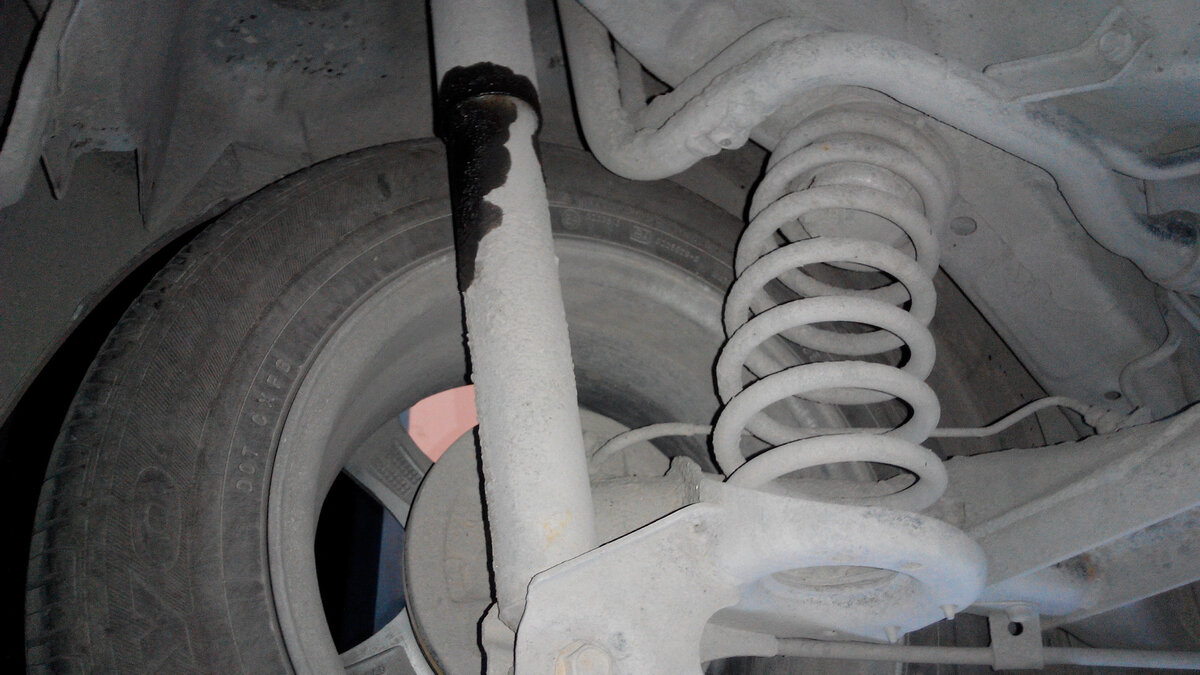
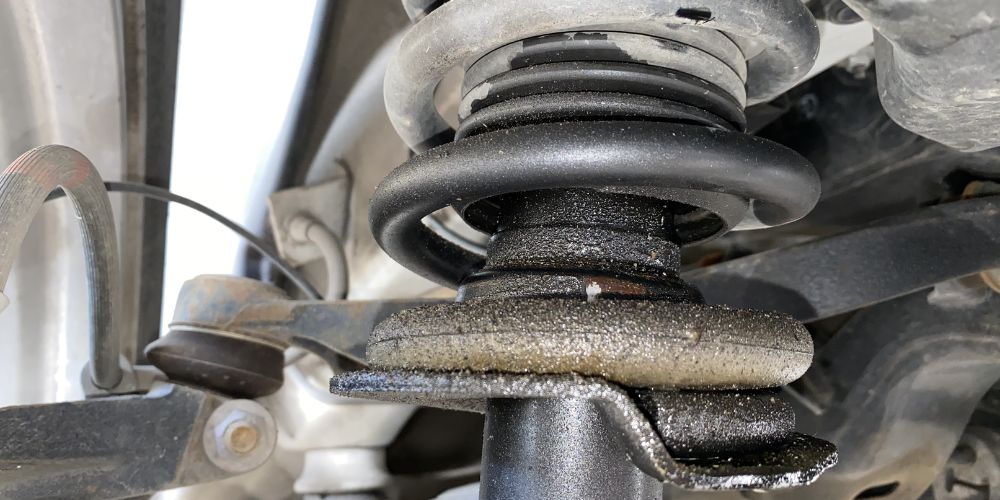
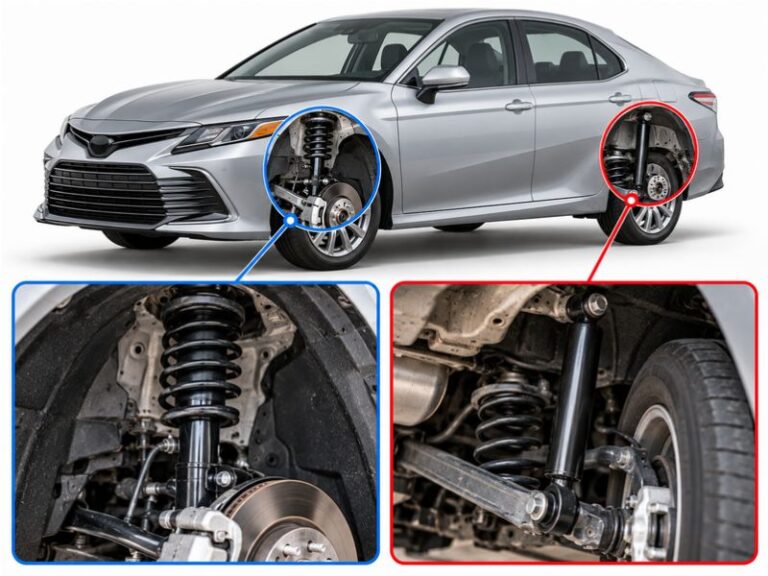
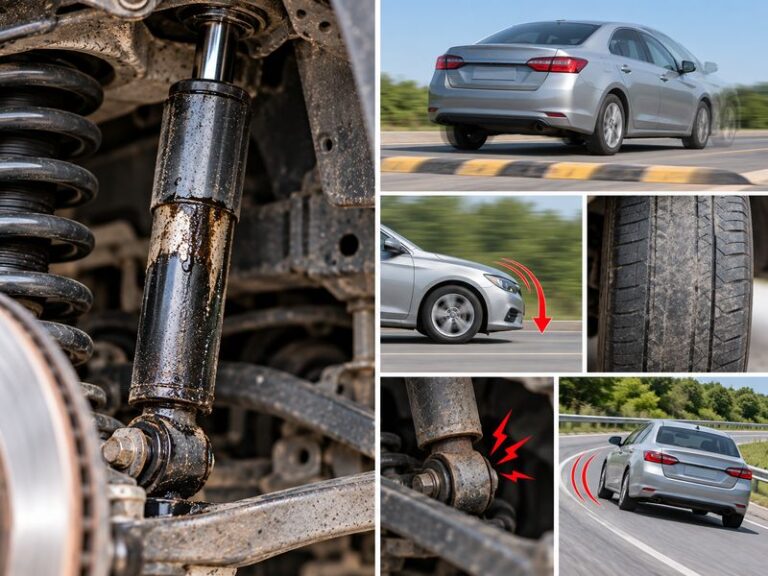
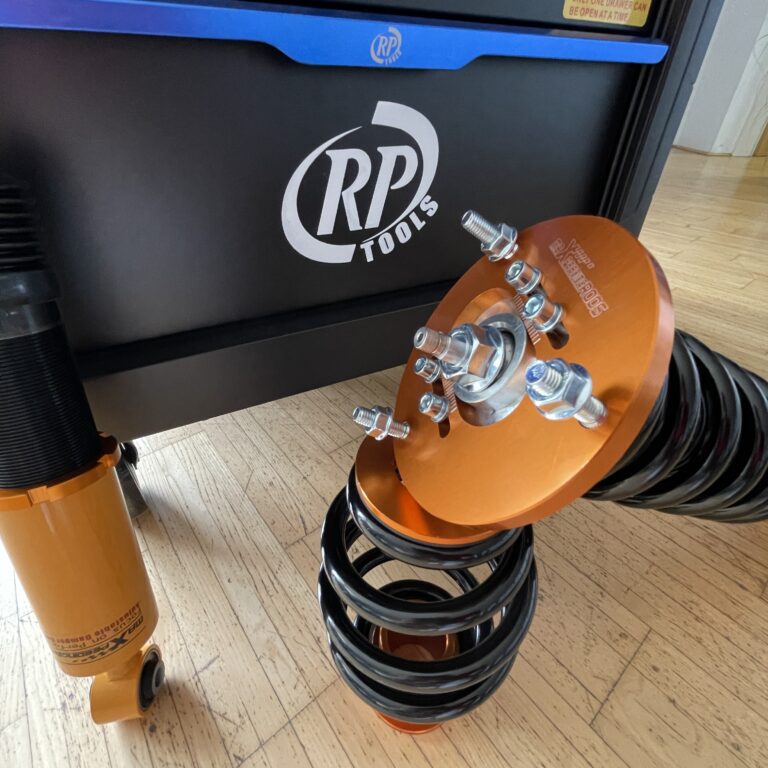
When shock absorbers leak, they can lose the fluid needed to control suspension movement. As the damage worsens, your car may bounce more, handle poorly, take longer to stop in some conditions, and develop uneven tire wear. A confirmed leak that reduces damping usually calls for replacement.
On American roads, a leaking shock absorber can become a safety concern on highways, city streets, and rough rural routes. Potholes, uneven pavement, and sudden lane changes can expose weak suspension control. A small amount of residue does not always mean a shock has failed, but a wet shock body, repeated fluid buildup, or clear loss of damping deserves attention.
Shock absorbers help keep a vehicle’s body and wheels under control as the suspension moves. They do this by resisting motion through hydraulic fluid and internal valves. When a seal fails and fluid escapes, the unit may no longer control spring movement as designed. The result can be a rougher ride, less predictable handling, and reduced tire contact with the road.
The right response depends on the amount of fluid loss, the vehicle design, and the symptoms you notice. Drivers should look for visible damage without crawling under an unsupported vehicle or touching hot parts. If the car feels unstable, bounces repeatedly, or shows severe suspension damage, stop driving and arrange professional inspection or towing.
When shock absorbers leak, their ability to control suspension movement may decline. The vehicle can continue to move, but it may not settle as quickly after a bump, remain as stable through a turn, or keep its tires in consistent contact with uneven pavement. The severity depends on how much damping remains and whether other suspension parts are also worn.
A shock absorber is designed to resist movement rather than hold up the vehicle’s weight by itself. Springs support the vehicle and compress over bumps, while shocks help control how quickly the springs compress and rebound. A leaking shock can therefore affect control even when the car’s ride height looks normal.
Fluid loss does not always cause an immediate or complete failure. A shock may weaken gradually, and the driver may adjust to the change without noticing how much the handling has deteriorated. However, once a leak is accompanied by clear loss of damping, continued use can increase safety risks and place more stress on related parts.
Source: gdstauto.com
More bouncing
The body may continue moving after a bump because the shock no longer controls spring rebound effectively.
Reduced handling control
The vehicle may lean, pitch, or feel unsettled more than expected during turns, braking, and lane changes.
Uneven tire contact
A poorly controlled wheel may lose consistent contact with rough pavement, reducing grip in some conditions.
Possible tire wear
Repeated wheel movement can contribute to irregular tire wear, especially when alignment or other suspension parts are also faulty.
Does a Leaking Shock Absorber Stop Working Completely?
Not always. A shock absorber may still provide some resistance after a seal begins to leak. Its performance can decline over time, although a damaged unit may also fail more suddenly. The amount of remaining control cannot be determined accurately from the size of the wet patch alone.
A shock that looks only slightly damp may still work, while a shock with obvious fluid trails and repeated wetness may have lost substantial performance. A technician can combine visual inspection with checks for loose mounts, abnormal movement, and other signs of wear. Where necessary, the technician can follow the vehicle manufacturer’s diagnostic procedure.
Minor residue
A thin film near the seal may require cleaning and reinspection before a failure is confirmed.
Active leakage
Fluid running down the housing or repeatedly collecting around the seal is a stronger reason for inspection and likely replacement.
Severe failure
A detached mount, bent body, broken attachment, or major loss of control requires the vehicle to be taken out of service until repaired.
Common Symptoms of Leaking Shock Absorbers
The most useful clues are visible fluid leakage and changes in how the vehicle behaves. Neither clue should be judged in isolation. A worn tire, damaged spring, loose suspension joint, or failed strut mount can produce symptoms that resemble a bad shock absorber.
Check the vehicle while it is parked on level ground. Look at the accessible shock or strut body for wet streaks, damaged parts, or signs that a mounting point has moved. Do not put any part of your body under a vehicle supported only by a jack.
Source: autodoc.co.uk
Repeated bouncing
After crossing a bump, the vehicle may continue oscillating instead of settling promptly.
Nose dive or body roll
The front may dip noticeably under braking, or the body may lean more during a turn. These symptoms have other possible causes, so they need a full assessment.
Clunking or knocking
A damaged shock, loose mount, worn bushing, or another suspension component may knock over bumps.
Fluid on the shock body
Wet, oily trails near the seal suggest leakage, particularly when they return after cleaning and normal driving.
Irregular tire wear
Scalloped or cupped tread wear can occur when wheel control is poor, but alignment, balance, tire pressure, and worn joints should also be checked.
Unsettled highway driving
The vehicle may feel less composed over dips, pavement joints, or crosswinds. Wind and road conditions can also affect stability.
How to Tell a Leak From Normal Seal Misting
Some shock absorbers develop a light oily film around the shaft seal during normal use. This is sometimes called misting. Misting generally leaves a thin coating or slight residue, rather than a clear trail of fluid running down the housing.
A severe leak is more likely when the shock body is visibly wet, fluid has collected below the seal, or fresh streaks continue to appear. Dirt may stick to the oil and make the area look worse, so appearance alone can be misleading. The shock manufacturer’s service guidance and a technician’s inspection provide a more reliable basis for deciding whether replacement is needed.
Misting
A light film with no clear fluid trail may be normal for some designs and should be assessed against the manufacturer’s guidance.
Confirmed leakage
Repeated fluid buildup or oil running down the housing suggests a failed seal or another internal problem.
Uncertain condition
Clean, dry, and reinspect only if it can be done safely. Ask a technician to confirm the source when the result remains unclear.
Why Do Shock Absorbers Leak?
Shock absorbers usually leak when fluid escapes past a seal or through damage to the unit. The cause may involve normal wear, contamination, corrosion, impact damage, or an installation problem. Finding the cause matters because replacing the shock alone may not correct a separate issue that damaged it.
Many shocks use a piston and hydraulic fluid inside a sealed housing. As the piston moves, valves regulate fluid flow and create resistance. A worn seal can allow fluid to escape along the piston rod, reducing the amount of fluid retained inside the unit and potentially affecting damping.
Source: msg.equipment
Worn shaft seal
Age, repeated movement, and exposure to dirt can wear the seal that helps keep hydraulic fluid inside the shock.
Corrosion or shaft damage
Rust, pitting, or a damaged piston rod can harm the sealing surface and allow fluid to escape.
Road impact
A severe pothole or collision can damage the shock body, rod, mount, or surrounding suspension parts.
Contamination
Dirt and debris near the shaft seal can contribute to wear, especially if protective components are damaged.
Incorrect installation
Improper handling, incorrect parts, or installation outside the manufacturer’s procedure can damage components or create related problems.
Age and accumulated use
Seals and internal parts can deteriorate with use. There is no single mileage that guarantees every shock will leak or fail.
Can a Damaged Dust Cover Cause a Shock to Leak?
A dust cover helps protect the piston rod and seal area from dirt and road debris. If the cover is torn or missing, contamination can reach exposed surfaces and contribute to wear. However, a damaged cover does not prove that the shock itself is already leaking.
During inspection, check the cover and any protective bump stop for damage. If the shaft is corroded or the seal has begun leaking, replacing the cover alone will not restore the shock’s internal damping. The damaged shock may need replacement along with any failed protective parts.
Cover damaged, shock dry
Assess the protective parts and inspect the shaft for damage before deciding whether the shock can remain in service.
Cover damaged, shock wet
Check for active leakage, corrosion, and shaft damage. Replacement may be necessary if the seal or damping function has failed.
How Leaking Shocks Affect Braking and Handling
A leaking shock absorber can make braking and steering less predictable because it helps control the movement of the wheels and vehicle body. The effect is most noticeable when the suspension must respond quickly to rough pavement, a sudden maneuver, or a change in load. The precise effect varies by vehicle, speed, road surface, tires, and the condition of the remaining suspension.
Shock absorbers do not generate the main braking force. The brakes slow the wheels, and the tires transfer that force to the road. Shocks help control wheel movement and body motion while those systems work. When damping is weak, a tire may have more difficulty maintaining consistent contact with an uneven surface.
It would be misleading to claim that every leaking shock automatically increases stopping distance by a fixed amount. There is no single figure that applies to all vehicles and all leak conditions. The practical concern is that a vehicle with worn or failed dampers may respond less consistently during hard braking or evasive steering.
Source: storage.googleapis.com
Braking stability
Excessive front-end movement or poor wheel control may make the vehicle feel less stable during braking, particularly on rough roads.
Cornering control
Weak damping can allow body motion to continue longer, making the vehicle feel less settled through a turn.
Wet-road response
Maintaining tire contact is important on wet pavement. Worn shocks can make wheel movement harder to control, but tire condition and speed remain major factors.
Emergency maneuvers
A suspension that responds poorly may be less predictable during a sudden lane change or obstacle avoidance.
Can Leaking Shock Absorbers Cause Hydroplaning?
A leaking shock does not directly create the water film that causes hydroplaning. Hydroplaning occurs when a tire cannot clear enough water to maintain proper contact with the road. Tire tread, water depth, vehicle speed, inflation pressure, and road conditions all affect that risk.
Weak shock absorbers can contribute to poor wheel control on uneven, wet pavement, which may reduce consistent tire contact. However, it is not accurate to say that every leaking shock will cause hydroplaning. Replace failed dampers, maintain suitable tires, and slow down in heavy rain.
Reduce speed in rain
Use a speed appropriate for water depth, visibility, traffic, and the condition of your tires.
Maintain tire condition
Check tread and pressure against the vehicle and tire manufacturer’s specifications.
Repair suspension faults
Do not rely on careful driving as a substitute for repairing a confirmed failed shock absorber.
Can You Keep Driving With a Leaking Shock Absorber?
Whether you can drive with a leaking shock depends on the severity of the leak and the vehicle’s behavior. A slight film with no confirmed failure is different from a shock that is losing fluid rapidly, no longer controls movement, or has a damaged mounting point. The safest choice is to arrange an inspection promptly rather than assume the vehicle is safe because it still moves normally.
A leaking shock does not always require the car to be towed immediately. If the vehicle remains stable and a qualified inspection has not identified severe damage, a short, cautious trip to a nearby repair shop may be reasonable. This is not a guarantee of safety, and it is not a substitute for a professional assessment.
Do not continue driving if the vehicle has severe bouncing, sudden instability, a broken or detached shock mount, tire contact with the body, or other signs of major suspension damage. Arrange a tow if the vehicle cannot be controlled normally or if you are unsure whether a damaged component could separate.
Source: shockabsorberpro.com
Possible short trip for inspection
Consider this only when there is no major damage, handling remains normal, and a technician or roadside professional considers the vehicle suitable for the trip.
Stop driving
Stop in a safe place if steering or handling becomes unstable, a wheel or suspension component appears displaced, or the vehicle develops severe abnormal movement.
Arrange towing
Tow the vehicle when a shock or mount has detached, a tire is contacting another part, or the vehicle cannot be controlled safely.
What Makes a Leaking Shock More Urgent?
The amount of leakage is only one factor. A shock that leaks while the vehicle remains stable may be less urgent than one accompanied by a broken spring, loose fastener, damaged tire, or sudden change in handling. The location of the leak and the design of the suspension also affect the repair decision.
If the vehicle is loaded with passengers, cargo, or a trailer, poor damping may be more noticeable. Avoid towing, high speeds, rough roads, and abrupt maneuvers until the suspension has been checked. Do not deliberately perform hard braking tests or high-speed swerves to determine whether the shock is failing.
Rapid fluid loss
Fresh fluid trails or a housing that becomes wet again after cleaning call for prompt inspection.
Major handling changes
Repeated bouncing, wandering, or sudden instability means the vehicle should not be treated as safe for normal use.
Related component damage
Broken springs, loose mounts, damaged tires, or bent suspension parts can turn a shock problem into a more serious fault.
How to Check a Leaking Shock Absorber Safely
A safe initial inspection can help you decide what to report to a repair shop, but it cannot confirm every internal failure. Begin with the vehicle parked on level ground, the engine off, and the parking brake applied. Allow hot components to cool, and keep clear of traffic if the vehicle is parked outdoors.
Never crawl beneath a vehicle supported only by a jack. If a closer view requires the wheel to be removed or the suspension to be raised, use suitable lifting equipment and approved support points, or have a qualified technician perform the inspection. Some suspension systems contain highly loaded springs that can cause serious injury if dismantled incorrectly.
Source: storage.googleapis.com
1. Locate the shock or strut
Use the owner’s manual or service information to identify the suspension component. On many vehicles, a front strut is part of the spring and steering assembly.
2. Look for wet streaks
Inspect accessible surfaces for fresh oil, especially near the piston rod seal and along the shock body.
3. Check nearby parts
Look for damaged boots, rust, loose-looking mounts, broken springs, and tire damage without touching hot or moving parts.
4. Note driving symptoms
Record when bouncing, clunking, uneven wear, or instability occurs. These details can help the technician narrow down the fault.
5. Arrange a professional assessment
Ask the shop to confirm the source of the fluid, assess damping and mounts, and check related suspension and tire conditions.
Why the Bounce Test Is Not Enough
A traditional bounce test involves pressing down on a corner of the vehicle and observing how the body moves when released. Repeated oscillation may indicate weak damping, but the test is not a reliable stand-alone diagnosis for every modern suspension design. Vehicle weight, spring rates, bushings, and suspension geometry affect the result.
Some worn shocks may pass a casual bounce test even when their performance on the road is poor. Conversely, body movement can have causes other than shock failure. Treat the test as a preliminary clue, not proof that a shock is good or bad.
Use visual evidence with care
A visible oil trail can support a diagnosis, but it should be assessed alongside the component’s condition and the manufacturer’s guidance.
Avoid risky road tests
Do not drive aggressively or use public roads to test emergency handling.
Request a complete inspection
Ask the technician to check tires, alignment-related components, springs, mounts, and other parts that can create similar symptoms.
Does a Leaking Shock Absorber Need to Be Replaced?
A shock absorber with a confirmed active leak or inadequate damping generally needs replacement. Most sealed passenger-vehicle shocks are not designed for routine fluid refilling or seal repair in ordinary repair shops. The correct remedy is normally to fit a suitable replacement unit and correct any related problem that caused the damage.
Not every damp-looking shock needs immediate replacement. A light film may be normal for a particular design, and fluid from another source can collect on suspension parts. Before authorizing a repair, ask the technician to identify where the fluid comes from and explain the evidence that the shock has failed.
The repair may include more than the shock itself. Damaged mounts, worn bushings, a torn dust cover, a broken spring, or a leaking component nearby can require separate attention. Replacing only the visibly wet part without checking the rest of the suspension can leave the original handling problem unresolved.
Source: storage.googleapis.com
Replace a confirmed failed unit
Active leakage, loss of damping, physical damage, or a failed mount usually supports replacement according to the vehicle’s service procedure.
Inspect both sides of the axle
The shock on the opposite side may have similar wear even if it is not visibly leaking.
Use the correct replacement
Choose parts compatible with the exact vehicle, suspension configuration, load requirements, and any electronic damping system.
Check related components
Inspect springs, mounts, bushings, boots, tires, and alignment-related parts where applicable.
Should You Replace Shock Absorbers in Pairs?
Replacing shocks in pairs on the same axle is often recommended because similar damping on both sides helps maintain balanced handling. If one shock has failed after years of use, the other may have comparable wear even if it remains dry. Installing one new shock beside a badly worn one can leave different damping characteristics across the axle.
The final decision depends on the vehicle manufacturer’s instructions, the condition and age of the other shock, and the type of suspension. Some repair situations may justify a different approach, but a shop should explain why replacing only one side is appropriate. Do not assume that both front and rear shocks must always be replaced together.
Same axle
Assess replacement in pairs to help maintain consistent damping between the left and right sides.
Different axle
Front and rear components may differ in design and wear, so replacement decisions should follow inspection and vehicle guidance.
Can You Repair a Leaking Shock Instead of Replacing It?
For most sealed original-equipment-style passenger-car shocks and struts, replacement is the normal repair when an internal seal fails. Adding fluid externally will not restore the correct internal pressure, seal integrity, or valve performance. A damaged unit should not be drilled, opened, or modified as a shortcut.
Some specialized serviceable dampers can be rebuilt by qualified specialists using the correct parts and procedures. That option depends on the specific shock design and parts availability. Follow the manufacturer’s service information rather than assuming all dampers are rebuildable.
Sealed standard shock
Replacement is generally the practical repair for confirmed leakage or internal failure.
Serviceable performance damper
A qualified specialist may be able to rebuild it if the design supports service and suitable parts are available.
What Happens If You Ignore a Leaking Shock?
Ignoring a confirmed leaking shock can allow poor damping to continue or worsen. The driver may notice more bouncing, reduced comfort, or less predictable responses over uneven roads. A gradual decline can be easy to overlook because the vehicle may still start, steer, and move under normal conditions.
The longer-term effects depend on the severity of the leak and the rest of the suspension. A failed shock can contribute to uneven tire wear and place added demands on some related components. It does not follow that every leak will damage every nearby part, but delaying diagnosis can make it harder to separate the original failure from secondary wear.
The greatest concern is not cosmetic oil on the shock body. It is the possible loss of control when the suspension cannot manage wheel movement properly. The risk becomes more concerning when the vehicle is driven fast, carries a heavy load, travels over rough roads, or must brake or steer suddenly.
Source: www.carid.com
Ongoing poor ride quality
Passengers may feel more impact and continued body movement after bumps.
Possible irregular tire wear
Repeated wheel movement may contribute to tread wear, which can lead to earlier tire replacement if the cause is not corrected.
Less predictable control
Weak damping may affect stability during turns, braking, and uneven-road driving.
More involved repairs
If mounts, tires, springs, or other suspension parts also become damaged, the final repair may require more work than replacing the shock alone.
Will a Leaking Shock Affect Ride Height?
A conventional shock absorber does not normally support the vehicle’s static weight, so a leaking shock by itself does not usually make one corner of a car sit much lower. Springs and other load-supporting components do most of that work.
If the vehicle sits low on one side, inspect for a broken or sagging spring, a damaged suspension mount, a load-leveling fault, or a problem with an air suspension system. Some specialized struts or suspension units combine damping with load support, so the exact design matters. Do not assume that replacing a conventional shock will correct a low ride height.
Vehicle sits normally
A normal ride height does not rule out a leaking or weak shock absorber.
One corner sits low
Ask for an inspection of springs, mounts, and any load-supporting suspension system as well as the shock.
How Much Does It Cost to Fix a Leaking Shock?
The cost of fixing a leaking shock absorber varies by vehicle, part type, labor rates, and the amount of related work required. A basic replacement on a common passenger car may cost far less than replacing a specialized electronically controlled damper or a complicated strut assembly. Without the vehicle’s year, make, model, and location, a single price would be misleading.
A shock absorber replacement may involve removing interior trim, wheels, or other components to reach the mounts. Some strut designs require additional procedures, and some vehicles need an alignment check after suspension work. If a coil spring, mount, bearing, or other part is damaged, the repair estimate can increase.
Ask the shop for an itemized estimate that separates parts, labor, related components, and any alignment work. Confirm whether the quoted price covers one shock or a pair on the same axle. Also ask whether the replacement part meets the vehicle manufacturer’s specifications and whether any warranty terms apply.
Part type
Standard shocks, complete strut assemblies, and electronically controlled dampers have different parts and labor requirements.
Labor access
The time required depends on the suspension design, rust, access, and the service procedure.
Related repairs
Mounts, boots, bump stops, springs, tires, and alignment-related work can add to the total.
Pair replacement
Replacing both shocks on one axle may raise the initial bill but can help maintain balanced damping when both units are worn.
What Should a Repair Estimate Include?
A useful estimate should identify the failed part, explain why replacement is recommended, and list the proposed repair work. It should also state whether the technician found damage elsewhere in the suspension. This helps prevent confusion between the cost of the leaking shock and the cost of correcting related faults.
If the shop recommends replacing both sides, ask whether the other unit shows leakage, wear, or age-related deterioration. A recommendation based on consistent damping and similar service life may be reasonable, but the explanation should relate to your vehicle rather than a universal rule.
Parts and labor
Confirm the part numbers, quantity, labor charges, and whether the quote is for one unit or a pair.
Additional components
Ask which mounts, boots, bump stops, or other items need replacement and why.
Post-repair checks
Confirm whether an alignment check, diagnostic procedure, or road test is required for your vehicle.
How to Prevent Further Shock Absorber Problems
You cannot prevent every shock absorber leak, but routine inspection can help you find damage before it becomes more severe. Look for wet streaks, corrosion, damaged protective boots, and changes in ride or handling when checking your tires and suspension. Follow the maintenance schedule and inspection guidance in the owner’s manual.
Driving more slowly over rough pavement can reduce the severity of some impacts, although it cannot eliminate suspension wear. Keep tires at the specified pressure and avoid overloading the vehicle. If you hit a deep pothole or curb, check for new noises, tire damage, fluid leakage, and changes in steering or ride height.
Do not spray oil or lubricant onto the shock shaft to try to stop a leak. Do not tighten random fasteners or dismantle a strut without the correct service procedure. If a shock is leaking, identifying the source and correcting the failed part is more useful than treating the visible oil as a surface problem.
Inspect during routine maintenance
Ask for a visual suspension inspection when tires are serviced or other maintenance gives access to the relevant components.
Protect the suspension from harsh impacts
Reduce speed on rough roads and avoid potholes when possible.
Maintain tires correctly
Use the recommended inflation pressure and address uneven wear promptly.
Repair related damage
Replace failed boots, mounts, or other damaged parts when required by the manufacturer’s service procedure.
Frequently Asked Questions
Q
Can a leaking shock absorber damage other parts of the car?
Yes, it can contribute to additional wear, particularly when poor damping leads to repeated wheel movement or irregular tire contact. Tires, mounts, bushings, and other suspension parts may also have their own faults. A complete inspection is needed to determine which components are damaged and whether the shock caused or merely accompanied the problem.
Q
Does a leaking shock absorber always make noise?
No. A shock can leak without making any unusual sound. Knocking, clunking, or rattling may occur when a shock, mount, bushing, or related component is damaged, but noise alone cannot identify the source. A quiet suspension can still contain a failed damper.
Q
Can I just refill the fluid in a leaking shock absorber?
Most standard sealed passenger-car shocks are not designed for routine fluid refilling. Adding fluid will not repair a failed seal or restore damaged internal parts. Some specialized dampers can be serviced or rebuilt, but only when the design supports it and the correct procedures and parts are available.
Q
Will a leaking shock absorber cause my car to fail inspection?
That depends on the inspection program and the condition of the component. Requirements differ among U.S. states and inspection categories. A confirmed leak, severe damage, or inadequate damping may be treated differently under different rules, so check the applicable state inspection requirements and have the vehicle assessed by a qualified shop.
Q
How long can I drive with a leaking shock absorber?
There is no safe universal mileage or number of days. A light film that has not been confirmed as a failure differs from an actively leaking shock with poor damping. Arrange an inspection promptly, avoid high speeds and heavy loads, and do not continue driving if the vehicle becomes unstable or shows signs of serious suspension damage.
Q
Should I replace both shock absorbers if only one leaks?
Often, replacing both shocks on the same axle is recommended when one has failed because the other may have similar wear. However, the correct choice depends on the vehicle manufacturer’s guidance and the condition of the opposite shock. Ask the technician to explain the evidence and whether a paired replacement is appropriate for your vehicle.
✦ Wrapping Up
Conclusion
When shock absorbers leak, they may lose the hydraulic fluid needed to control suspension movement. Depending on the severity, the vehicle may bounce more, feel less stable, respond less predictably during braking and steering, and develop irregular tire wear. A small amount of residue is not always proof of failure, but an active leak should not be ignored.
The best next step is to inspect the accessible suspension components safely and arrange a professional assessment if leakage is visible or handling has changed. A confirmed failed shock usually needs replacement, along with any damaged mounts, boots, or related parts. Assessing both sides of the axle helps determine whether replacing a pair is appropriate.
Do not base the decision only on how the car feels during a short drive or whether it sits at the correct height. Shock absorbers can weaken without obvious signs, and a leaking unit may still retain some damping. Prompt diagnosis helps restore proper suspension control and reduces the chance of continued wear or unsafe handling.
💡 Key Takeaway
If you see fresh oil running down a shock absorber, notice repeated bouncing, or feel a change in handling, schedule a suspension inspection promptly. Stop driving and arrange towing if the vehicle is unstable or a suspension component is broken or detached.
Eric
Hi, I’m Eric Bennett, the person behind OffRoadTruckAccessories.com.
I created this blog to share my interest in trucks, off-road driving, automotive accessories, and DIY modifications. I enjoy learning how different truck accessories work, testing their usefulness, and understanding whether they are truly worth buying.
Shock absorbers are located near the wheels as part of the suspension system, usually between the vehicle’s body, frame, or subframe and a suspension component such as a control arm, axle, or wheel assembly. However, the exact answer to where are shock absorbers located on a car depends on the suspension design. Some vehicles have…
You should change shock absorbers when they are worn, leaking, damaged, or no longer controlling suspension movement properly. There is no single replacement interval that applies to every vehicle because shock absorber life depends on road conditions, vehicle weight, driving habits, suspension design, and component quality. If you are wondering when to change shock absorbers,…