Do Leveling Kits Affect Ball Joints? A Complete Owner’s Guide
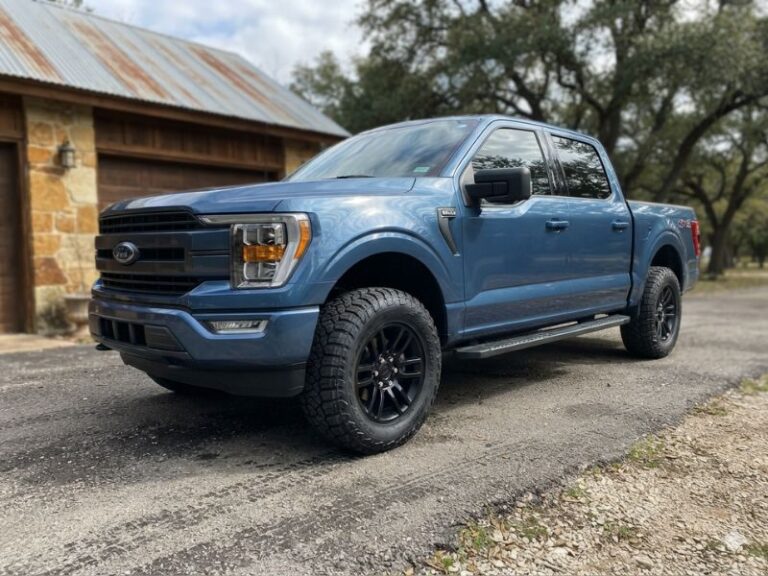
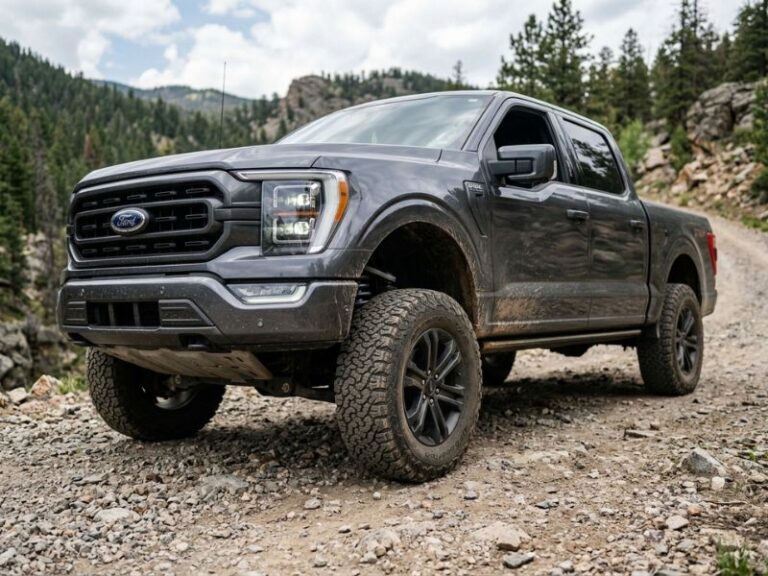
A leveling kit can improve a truck’s stance, create additional tire clearance, and remove the factory nose-down appearance. However, raising the front suspension also changes the position of several steering and suspension components.
So, do leveling kits affect ball joints? Yes, they can. A leveling kit changes the normal operating angle of the upper and lower ball joints, especially on trucks with independent front suspension. A moderate, vehicle-specific leveling kit may cause only a small change, while an oversized or poorly installed kit can increase stress and contribute to premature ball joint wear.
The level of risk depends on the truck’s suspension design, the amount of front lift, the type of leveling kit, wheel and tire size, alignment quality, and how the vehicle is driven. A properly engineered 1.5-inch or 2-inch kit is generally less demanding on ball joints than an aggressive 3-inch setup that pushes the factory suspension close to its limits.
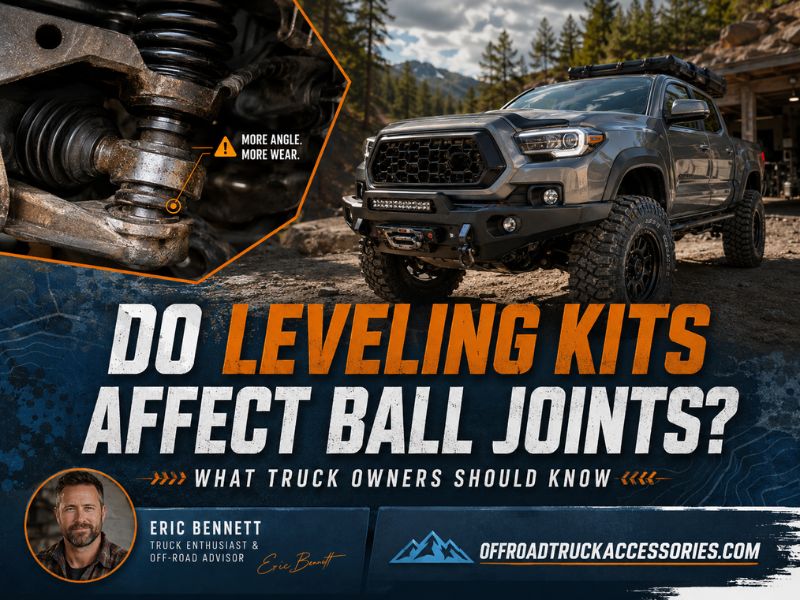
Understanding how leveling kits change suspension geometry can help you avoid expensive repairs and choose a safer setup for your truck.
Do Leveling Kits Affect Ball Joints?
Yes, leveling kits can affect ball joints because raising the front of a truck changes the angle at which the control arms and ball joints operate.
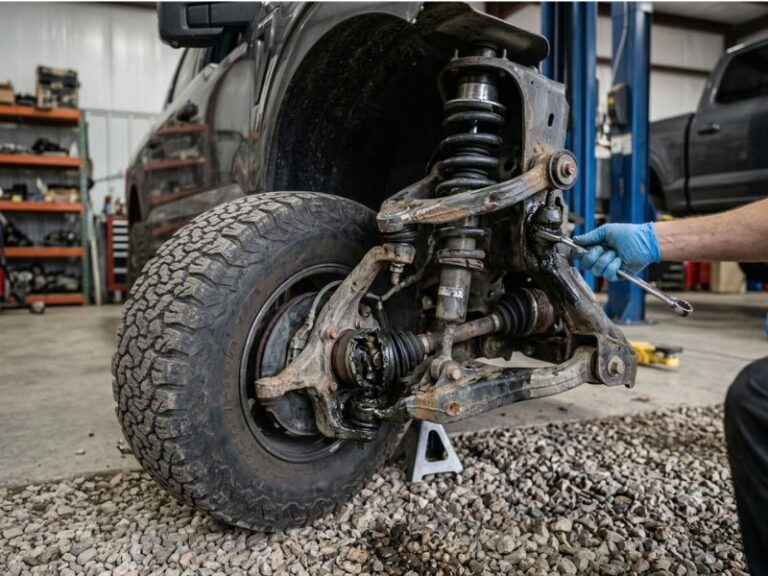
Ball joints connect the steering knuckle to the control arms. They allow the wheel to move up and down with the suspension while also turning left and right with the steering system. From the factory, these components operate within a specific range of motion.
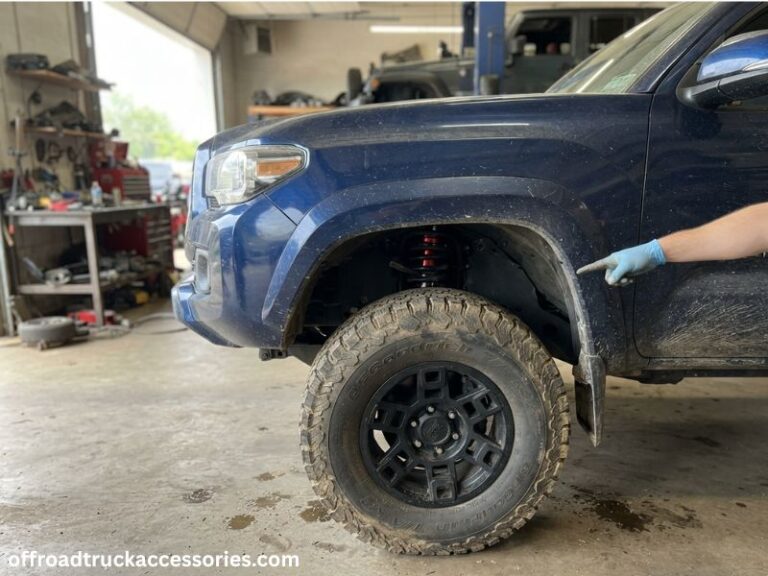
When a leveling kit raises the front suspension, the control arms move into a different resting position. On many trucks, the upper control arm sits at a steeper downward angle, which places the upper ball joint closer to the end of its normal range.
A small height increase may remain within acceptable limits. However, a taller leveling kit can reduce available suspension travel and place extra pressure on the ball joint when the suspension extends fully.
This does not mean every leveled truck will experience ball joint failure. Many trucks operate reliably with moderate leveling kits. Problems are more likely when suspension height, installation quality, and supporting components are not properly considered.
How Ball Joints Work in a Truck Suspension
Ball joints function like flexible pivot points between the suspension and steering knuckle. They allow controlled movement in several directions while supporting the weight and forces placed on the wheel assembly.
Most trucks with independent front suspension use upper and lower ball joints. The lower ball joint may carry a significant portion of the vehicle’s weight, while the upper ball joint helps guide suspension and steering movement.
During normal driving, ball joints move continuously as the truck encounters bumps, turns, braking forces, and changes in road surface. They are designed to operate within certain angles established by the original suspension geometry.
When the truck is raised, those angles change. The ball joint may sit closer to its maximum operating angle even when the truck is parked on level ground. That leaves less available movement when the suspension extends over a dip, pothole, or off-road obstacle.
Over time, excessive angle and repeated stress can wear the joint, boot, socket, or internal bearing surface.
Why Leveling Height Matters
The amount of lift is one of the most important factors affecting ball joint wear.
A mild 1-inch to 1.5-inch leveling kit usually creates a smaller change in suspension geometry. A 2-inch kit is common and may remain within an acceptable range on many trucks, although compatibility depends on the specific model.
A 2.5-inch or 3-inch leveling kit creates a more aggressive stance but may place the upper control arms and ball joints at noticeably steeper angles. On some vehicles, this can make it difficult to achieve proper alignment using factory components.
The advertised height should not be chosen only for appearance. Trucks have different amounts of factory rake, and not every vehicle needs the same front lift.
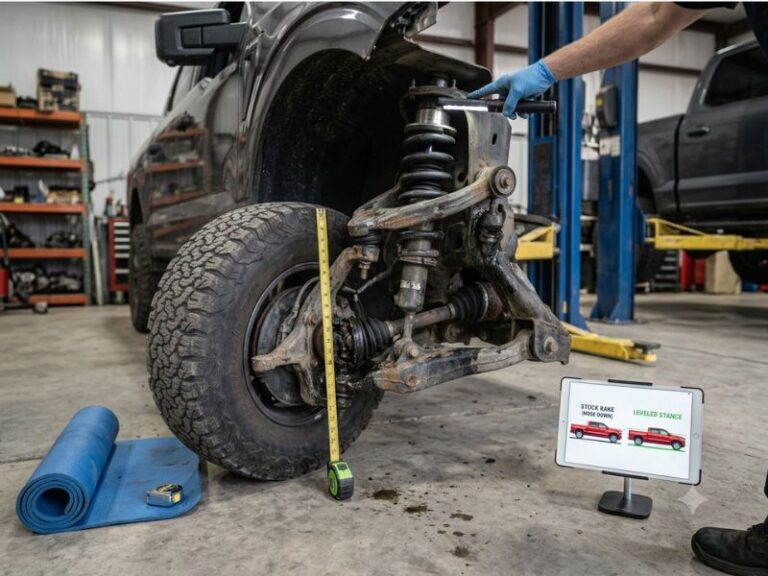
For example, a truck with 1.75 inches of factory rake may become slightly nose-high with a full 2.5-inch kit. The unnecessary extra height creates more suspension stress without providing a meaningful practical benefit.
Measuring the truck before choosing a kit can help you select the smallest height needed to achieve the desired stance.
Can Leveling Kits Cause Premature Ball Joint Wear?
A leveling kit can contribute to premature ball joint wear, but the kit is not always the only cause.
Ball joint lifespan can also be affected by road conditions, vehicle mileage, lubrication, tire weight, wheel offset, driving habits, off-road use, and component quality.
After leveling, the ball joint may operate at a more severe angle. This can increase pressure on the internal socket and protective boot. If the boot stretches, cracks, or tears, dirt and moisture can enter the joint while grease escapes.
Once contamination enters the ball joint, wear can accelerate quickly.
Larger tires can add even more stress. A heavier tire increases the force placed on suspension and steering components every time the truck accelerates, brakes, turns, or hits a bump.
Aggressive wheel offset can also increase leverage against the ball joints. When the wheel sits farther outward than the factory position, the load is moved away from the hub and suspension pivot points.
Therefore, ball joint wear often results from the complete modified setup rather than the leveling spacer alone.
Upper Ball Joints Are Usually the Main Concern
On many independently suspended trucks, the upper ball joints face the greatest geometry change after leveling.
Raising the front causes the upper control arms to angle downward. This can place the upper ball joint closer to its maximum movement when the suspension is at normal ride height.
When the wheel drops into a hole or the suspension reaches full extension, the ball joint may approach its movement limit. In severe cases, the joint can bind against the housing or create repeated impact loads.
This condition may produce clunking noises, poor suspension movement, torn boots, or accelerated wear.
Lower ball joints can also wear, especially when larger wheels and tires are installed. However, their angle may not change as dramatically as the upper joints on certain suspension designs.
The exact effect depends on whether the truck uses struts, torsion bars, coilovers, or another front suspension arrangement.
Do You Need Aftermarket Upper Control Arms?
Some leveled trucks benefit from aftermarket upper control arms, particularly when the front is raised 2.5 inches or more.
Aftermarket control arms may use repositioned ball joint mounts or improved joint designs to restore a more natural operating angle. They can also provide additional alignment adjustment and greater suspension clearance.
However, replacement control arms are not automatically required for every leveling kit.
A properly designed 1.5-inch or 2-inch kit may work with factory control arms on many applications. Other trucks may have limited factory adjustment and require upgraded arms even with a moderate height increase.
The leveling kit manufacturer should clearly state whether control arms are recommended or required. Vehicle-specific owner forums and professional suspension shops can also provide useful fitment experience, but manufacturer instructions should remain the primary guide.
Installing aftermarket control arms adds cost, but it may improve alignment, suspension travel, and long-term ball joint reliability.
How Alignment Affects Ball Joint Stress
A professional wheel alignment is essential after installing a leveling kit.
Changing front ride height affects camber, caster, and toe. If these measurements remain outside the correct range, the tires and suspension components may operate under constant additional stress.
Poor alignment can cause the truck to pull, wander, wear tires unevenly, or feel unstable at highway speeds. It can also force steering and suspension components to work against incorrect angles.
Caster is especially important on leveled trucks. Insufficient caster can reduce straight-line stability and steering return. Some factory control arms do not provide enough adjustment to restore ideal caster after a larger front lift.
An alignment technician should not simply make the dashboard warning lights disappear or center the steering wheel. The technician should verify that all measurements fall within appropriate specifications for the modified setup.
Requesting a printed alignment report allows you to confirm the final camber, caster, and toe readings.
Can a Spacer Leveling Kit Damage Ball Joints?
A spacer kit does not automatically damage ball joints. However, some spacer designs can create more geometry concerns than replacement suspension systems.
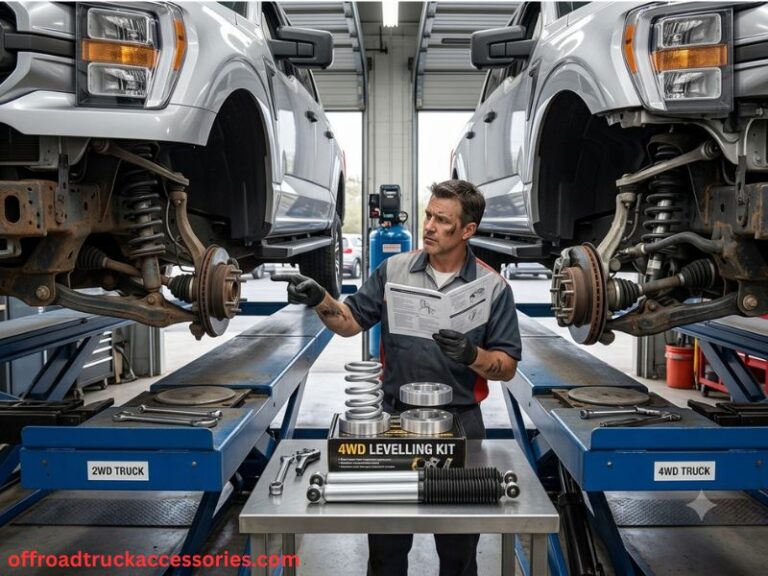
A strut spacer raises the front by changing the position of the factory strut assembly. The spring rate may remain unchanged, but the suspension rests in a different position.
Depending on the design, the kit may reduce downward suspension travel and place the upper control arm closer to the coil spring or strut at full extension.
A preload spacer works differently by increasing spring preload. This may raise the truck while also affecting ride firmness and available suspension movement.
Premium adjustable struts or coilovers can provide a more controlled method of gaining height. However, they still change control-arm and ball joint angles if the truck is raised to the same final height.
The brand name or kit type alone does not determine safety. The most important factors are final ride height, suspension geometry, component quality, and correct installation.
Larger Tires and Wheel Offset Increase the Risk
Many truck owners install a leveling kit specifically to fit larger tires. While the added clearance is useful, the new wheel-and-tire setup may place more stress on ball joints than the leveling kit itself.
A taller tire is generally heavier than the factory tire. This additional unsprung weight makes the suspension work harder over every bump.
A wider tire creates more resistance during steering. Aggressive tread patterns can also increase vibration and road forces transferred through the steering knuckle.
Wheel offset is equally important. A wheel with a large negative offset pushes the tire outward, creating additional leverage on the ball joints, wheel bearings, tie rods, and control arms.
For better reliability, choose a wheel offset close to factory specifications and avoid installing the largest possible tire simply because the wheel opening appears to have enough space.
The tire must also clear at full steering lock and throughout the entire suspension travel, not only while the truck is parked.
Signs of Ball Joint Problems After Leveling
Ball joints should be inspected regularly after any suspension modification.
Common warning signs include clunking or popping noises when turning, braking, or driving over bumps. The steering may feel loose, vague, or unstable. The truck may wander on the highway or require frequent steering corrections.
Uneven tire wear can also indicate ball joint movement, although alignment problems may produce similar symptoms.
A damaged ball joint boot is another warning sign. Cracks, tears, or visible grease leakage can allow contamination to enter the joint.
In more advanced cases, the wheel may develop noticeable movement when lifted and checked by a technician. Excessive play should be addressed immediately because a severely worn ball joint can become a major safety concern.
Do not continue driving if the steering feels dangerously loose or a mechanic identifies significant ball joint play.
Does Off-Road Driving Make the Problem Worse?
Off-road driving places greater loads on leveled suspension components.
When a wheel drops into a rut, the suspension may extend fully and place the upper ball joint near its maximum angle. Rocks, washboard roads, and repeated hard impacts can accelerate wear.
A basic spacer kit designed for appearance and street driving may not be ideal for aggressive trail use. Drivers who regularly go off-road may benefit from upgraded control arms, high-quality shocks, reinforced ball joints, and a suspension system designed to maintain proper travel.
Driving technique also matters. High-speed impacts and repeated jumping create significantly more stress than careful low-speed trail driving.
A truck intended for serious off-road use should be built as a complete suspension system rather than modified with the cheapest front spacer available.
How to Protect Ball Joints After Installing a Leveling Kit
Choose a moderate kit specifically designed for your truck’s model year, drivetrain, and suspension package. Avoid using a universal spacer or a kit intended for a different configuration.
Have the installation completed by a qualified technician unless you have proper suspension experience. Incorrect torque, damaged boots, improperly seated struts, or loose hardware can cause problems unrelated to the kit’s basic design.
Complete an alignment immediately after installation and have the suspension rechecked after the components settle.
Keep the wheel offset reasonable and avoid unnecessarily heavy tires. Inspect ball joint boots, control arms, CV axles, and steering components during routine maintenance.
If the chosen height places factory ball joints at poor angles, install properly designed aftermarket upper control arms rather than accepting compromised geometry.
Is a Leveling Kit Safe for Factory Ball Joints?
A moderate leveling kit can be safe for factory ball joints when the vehicle manufacturer’s suspension limits are respected.
Many trucks operate successfully with 1.5-inch or 2-inch leveling kits and original control arms. However, no single height is safe for every truck.
The condition of the existing ball joints also matters. Installing a leveling kit on a high-mileage truck with already worn joints may make existing symptoms more noticeable.
Inspecting the suspension before installation is a smart precaution. Replacing worn ball joints before leveling can prevent alignment problems and reduce the risk of future failures.
Owners should also remember that leveling kits do not improve ball joint strength. They only change ride height. If the truck will use oversized tires or face hard off-road conditions, stronger supporting components may be worthwhile.
Final Thoughts
So, do leveling kits affect ball joints? Yes, they can change ball joint angles and may contribute to premature wear, particularly when the front is raised too high or combined with heavy tires and aggressive wheel offset.
A properly engineered, moderate leveling kit is less likely to create serious ball joint problems. Correct alignment, appropriate control arms, professional installation, and regular inspections can significantly reduce the risk.
Choose the smallest height that achieves your desired stance, follow the kit manufacturer’s requirements, and evaluate the entire wheel, tire, and suspension setup together. A carefully planned leveling kit can improve your truck’s appearance and tire clearance without unnecessarily sacrificing ball joint reliability.