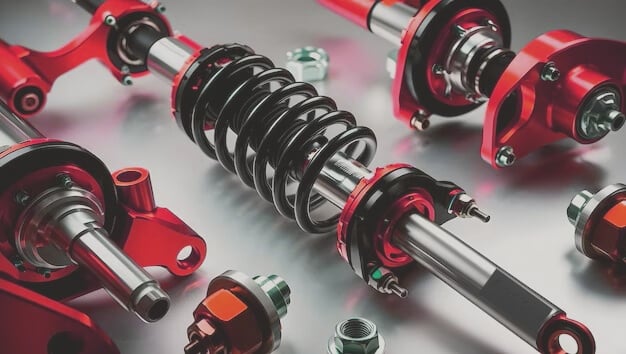
Yes, you can put coilovers on many trucks, but the correct setup depends on the truck’s make, model, year, suspension design, and intended use. Some trucks accept direct-fit coilovers, while others need a compatible suspension conversion or a different type of shock and spring system.
Truck owners across the United States use coilovers to change ride height, improve suspension control, and prepare vehicles for street driving, towing, or off-road travel. However, a coilover kit designed for a sports car will not automatically fit a pickup. The mounting points, spring rates, suspension travel, and weight limits must match the truck.
The first step is to identify the truck’s current suspension. Many independent front suspensions can use a coilover assembly made for that exact application. Other trucks use a solid front axle, leaf springs, torsion bars, or a separate spring and shock arrangement. These designs affect which upgrades are possible and how much work they require.
Before buying parts, decide whether you want to lift the truck, lower it, improve handling, or support regular off-road use. The right setup for a light street truck may not suit a pickup that carries heavy tools or tows a trailer. Correct fitment and load ratings matter more than appearance alone.
A coilover combines a coil spring and a shock absorber into one assembly. The spring supports the vehicle’s weight, while the shock controls how quickly the spring compresses and extends. This helps the tire stay in contact with the road as the suspension moves.
Many coilovers also have an adjustable spring seat or threaded body. Depending on the design, this can change ride height or provide a way to tune damping. Some models offer adjustable damping, while others use fixed settings. Not every coilover has the same adjustment features.
On a truck, the assembly must handle the load at the wheel and work through the suspension’s full range of motion. A suitable coilover must also fit the mounting points and clear nearby parts. A spring that fits physically can still have the wrong rate or load capacity.
Source: i.ytimg.com
Coil spring
Supports the vehicle’s weight and affects how much the suspension compresses under a given load.
Shock absorber
Controls spring movement to reduce bouncing and improve suspension control.
Mounting hardware
Connects the assembly to the suspension and frame at approved mounting points.
Adjustment mechanism
May allow ride-height or damping changes, depending on the coilover design.
Coilovers Versus Separate Shocks and Springs
A traditional suspension may use a coil spring beside a separate shock absorber. Other truck suspensions use leaf springs to support the axle and separate shocks to control movement. A coilover combines the spring and shock in one unit, but the truck still needs a suspension structure designed to carry the resulting forces.
Replacing a separate spring and shock arrangement with a coilover can require new brackets, reinforced mounting points, or a complete suspension conversion. Such changes are not simple shock replacements. They need engineering that accounts for loads, geometry, and safe suspension travel.
Direct replacement
Uses a coilover designed for the truck’s existing mounting points and suspension layout.
Suspension conversion
Changes the original design and may require custom components, fabrication, and professional engineering.
Which Trucks Can Use Coilovers?
Many pickup trucks can use coilovers at the front, rear, or both ends, but the available options differ by model. The vehicle’s suspension layout is the main factor. The presence of a coil spring alone does not guarantee that a particular coilover kit will fit.
Some midsize and full-size pickups use independent front suspension with coil springs or strut-style assemblies. These trucks may have direct-fit coilover upgrades available. A kit can still be limited to specific model years, cab configurations, drivetrain layouts, or factory suspension packages.
Trucks with solid axles and leaf springs require a different approach. A coilover conversion may be possible, especially in a custom off-road build, but it can involve new mounts and careful assessment of axle movement and frame loads. A conventional coilover should not replace a leaf spring without a properly engineered conversion.
The rear suspension needs separate attention. A truck may use front coilovers and rear leaf springs, or it may have a coil-spring rear suspension. Installing front coilovers does not mean the rear can accept the same parts.
Source: i.ytimg.com
Independent front suspension
May support vehicle-specific coilover upgrades when the mounting design and load rating match.
Leaf-spring rear suspension
Usually retains its leaf springs unless a complete, engineered conversion is performed.
Coil-spring rear suspension
May allow a suitable coilover conversion or replacement, subject to the original mounting layout.
Solid front axle
May need custom suspension design and reinforced mounts rather than a simple bolt-on kit.
Can You Put Coilovers on a Ford, Chevy, or Ram Truck?
Ford, Chevrolet, GMC, and Ram have offered many trucks with different suspension layouts across their model ranges. Some versions have aftermarket coilover kits, while others rely on different spring and shock arrangements. The brand name alone is not enough to confirm compatibility.
Check the exact model, model year, trim, two-wheel-drive or four-wheel-drive configuration, and factory suspension package. A kit for one version of a truck may not fit another version, even when both share the same name. Verify the manufacturer’s application list before ordering.
Check the year range
Suspension geometry and mounting points can change between generations or model updates.
Check the drivetrain
Four-wheel-drive and two-wheel-drive versions may use different suspension parts and clearances.
Check the axle and trim
Special trims, heavy-duty models, and different axle packages can require distinct components.
Why Put Coilovers on a Truck?
The main reasons to install truck coilovers are to adjust ride height, tune suspension response, or build a vehicle for a particular driving style. The benefits depend on the parts, installation, and setup. A well-matched system can improve control, but an unsuitable one can make the ride harsh or reduce usable suspension travel.
A truck used on highways and city streets has different needs from one used on rocky trails. A lowered street truck may need a firm, controlled setup and enough bump travel for potholes. An off-road truck may need greater usable travel, suitable damping, and protection against damage from rocks and debris.
Coilovers can also make ride-height adjustments more convenient when the design supports them. However, adjustment is not a substitute for the correct spring rate or a proper suspension design. Raising or lowering a truck beyond the intended range can create handling, alignment, and clearance problems.
Source: i.ytimg.com
Ride-height changes
A compatible adjustable system can raise or lower the truck within its intended range.
Improved control
Suitable springs and damping can reduce unwanted body movement and improve response.
Off-road preparation
A truck-specific system may support a build designed for rough terrain and repeated suspension movement.
Setup flexibility
Some systems let owners adjust damping or ride height for different driving conditions.
Are Coilovers Good for Daily Driving?
Coilovers can work well for daily driving if they are designed for the truck and tuned for normal roads. A quality setup can provide predictable handling without making every bump uncomfortable. The result depends on spring rate, damping, tire choice, ride height, and the condition of the rest of the suspension.
A very stiff spring or aggressive damping setting can make rough roads less comfortable. Lowering the truck too far may also reduce ground clearance and the suspension’s ability to absorb large bumps. For a daily driver, prioritize usable travel, a sensible ride height, and settings suited to public roads.
Good fit
A road-focused kit with suitable spring rates, controlled damping, and adequate travel.
Poor fit
An aggressive setup chosen mainly for appearance, with little regard for road quality or vehicle use.
Are Coilovers Good for Off-Road Trucks?
Truck-specific coilovers can suit off-road use when their travel, damping, spring rates, and mounting hardware match the terrain and vehicle weight. Rough trails place repeated demands on suspension parts, so durability and heat control matter as well as ride height.
A longer coilover does not automatically create more usable wheel travel. Control-arm geometry, axle movement, driveshaft angles, brake hoses, and steering links can all limit suspension travel. The entire system must be checked before a truck is used on difficult terrain.
Match the terrain
Choose a system designed for the intended mix of dirt roads, rocks, sand, or high-speed off-road use.
Preserve full movement
Check compression and droop limits, bump stops, and clearance through the suspension’s range.
Plan for maintenance
Inspect seals, mounting hardware, bushings, and other parts at intervals suited to use and manufacturer guidance.
Can Coilovers Lift or Lower a Truck?
Yes, some truck coilovers can change ride height, but the permitted range depends on the specific assembly and the truck’s suspension design. A coilover advertised as adjustable does not necessarily provide a safe lift or drop of any size. Follow the manufacturer’s limits and any related suspension requirements.
For a lifted truck, the goal is not simply to place the body higher above the tires. The suspension must retain suitable geometry and travel, and it must avoid binding at full compression or extension. Excessive lift can change alignment, steering response, axle angles, and driveline operation.
For a lowered truck, a suitable kit must maintain enough bump travel to absorb road impacts. Excessive lowering can cause frequent contact with bump stops, tire rubbing, or damage to the underbody. The truck may also need different alignment settings and changes to related suspension components.
Changing coilover ride height can affect the spring’s working position, but it does not always change spring rate. On many threaded-body designs, adjusting the spring seat changes preload, while a separate ride-height adjustment changes the assembly’s installed length. The exact effect depends on the design, so use the manufacturer’s instructions rather than guessing.
Source: i.ytimg.com
Lifted setup
Must preserve alignment, steering function, driveline compatibility, and sufficient suspension travel.
Lowered setup
Must retain adequate bump travel, tire clearance, and safe ground clearance for road use.
Adjustment range
Must remain within the coilover maker’s stated limits for that vehicle and configuration.
Does Adjusting Coilovers Make the Ride Stiffer?
Not always. Changing ride height alone does not automatically make a coil spring stiffer. However, changing preload, reducing available travel, or moving the suspension away from its intended operating range can alter how the truck responds to bumps.
Damping adjustments change the resistance to suspension movement rather than directly changing the spring’s rate. More damping may control body motion, but too much can prevent the suspension from responding comfortably to rough surfaces. Make changes in small steps and follow the manufacturer’s setup guidance.
Spring rate
Describes the force needed to compress the spring by a given distance.
Preload
Describes how much the spring is compressed from its free length in the installed assembly.
Damping
Controls the speed of suspension movement as the shock resists compression and extension.
How to Choose the Right Coilovers for Your Truck
Choose coilovers by exact vehicle fitment, intended use, axle loads, and the manufacturer’s specifications. Do not buy a set simply because the length or mounting style appears similar. Two assemblies can look alike yet differ in load capacity, travel, valving, or mounting strength.
Start with the truck’s factory configuration and any changes already made to it. Added bumpers, winches, toolboxes, campers, and other equipment can change the load carried by each axle. A coilover that suits an unloaded truck may not provide the right support after these items are installed.
Next, identify the main goal. A street truck, a light-duty work truck, and an off-road build may need different spring rates and damping characteristics. Tell the supplier how the truck is used, whether it carries extra weight, and whether the planned ride height differs from stock.
Verify that the spring and assembly suit the actual load carried at the relevant axle.
Usable travel
Check that the assembly provides suitable compression and extension without binding or bottoming out.
Adjustment features
Determine whether the system offers ride-height adjustment, damping adjustment, or both.
Service support
Check replacement-part availability, rebuild options where applicable, and maintenance instructions.
What Spring Rate Does a Truck Need?
There is no single spring rate that suits every truck. The correct rate depends on the weight supported by each spring, suspension motion ratio, intended ride height, available travel, and driving conditions. A motion ratio describes how wheel movement relates to spring movement.
A spring that is too soft may allow excessive compression, poor body control, or frequent contact with bump stops. A spring that is too stiff can make the ride harsh and reduce the suspension’s ability to follow uneven ground. Use the vehicle-specific recommendations from the coilover manufacturer or a qualified suspension specialist.
Do not copy spring-rate figures from a different truck without checking the full setup. Even vehicles that look similar can have different axle loads, suspension geometry, and equipment. The manufacturer’s application data is a better starting point than a generic online recommendation.
For street use
Prioritize predictable handling, comfort, and enough travel for the roads the truck uses.
For work use
Account for normal cargo and equipment without exceeding vehicle or component limits.
For off-road use
Match the spring and damping setup to vehicle weight, terrain, and the required suspension travel.
What Should You Check Before Ordering?
Ask for a written fitment confirmation when the truck has a modified suspension or an uncommon factory package. Compare the part number with the manufacturer’s application guide. Also confirm whether the kit includes every required bracket, spring, mount, and adjustment tool.
Check whether installing the kit changes the warranty on related parts, requires extra components, or affects local inspection rules. A seller’s statement that a part fits is not proof that the finished vehicle will comply with every road-use requirement.
Part number
Match the exact kit to the truck’s documented configuration.
Included hardware
Confirm which mounts, fasteners, bump stops, and other parts are included or required separately.
Legal requirements
Check applicable state rules and any inspection or lighting requirements for modified ride height.
How Much Does It Cost to Put Coilovers on a Truck?
The cost depends on the truck, the coilover kit, the number of axles being changed, and the amount of extra work needed. A direct-fit replacement is usually simpler than a custom conversion that needs fabricated mounts or major suspension changes. There is no reliable single price for every truck.
The parts bill may include coilovers, springs, mounting hardware, bump stops, and other application-specific components. Labor may include removing the old suspension, installing the new parts, checking clearances, setting ride height, and performing a wheel alignment. Custom work can add engineering and fabrication costs.
Ask the installer for a written estimate that separates parts, labor, alignment, and any additional modifications. A low initial quote may not include worn suspension parts or required changes to steering, braking, or driveline components. Comparing complete estimates gives a more useful picture of the total cost.
Source: i.ytimg.com
Coilover kit
The main cost depends on design, materials, adjustment features, and truck-specific fitment.
Installation labor
Direct-fit kits generally require less fabrication than custom suspension conversions.
Wheel alignment
A suspension change commonly requires checking and setting alignment to the vehicle’s specifications.
Related repairs
Damaged mounts, worn bushings, seized fasteners, or other faults can increase the final bill.
Long-term upkeep
Some systems require periodic inspection, replacement parts, or professional rebuilding.
Can You Install Truck Coilovers Yourself?
A person with suitable mechanical skills, the correct tools, and a vehicle-specific installation guide may be able to install a direct-fit kit. However, truck suspension parts can be heavy and may remain under substantial spring force. Incorrect handling can cause serious injury or damage.
Use the service manual, approved lifting points, correctly rated jack stands, and the specified tools. Never rely on a hydraulic jack alone to support a vehicle. Do not loosen a loaded spring assembly unless the manufacturer’s procedure and suitable spring-handling equipment make the task safe.
A custom conversion, uncertain mounting design, or installation that requires cutting or welding structural parts should be handled by a qualified suspension shop. After installation, the truck needs checks for loose hardware, binding, leaks, brake-hose tension, steering clearance, and proper alignment.
DIY may be suitable
The kit is a confirmed direct fit, the instructions are complete, and the installer has the necessary tools and skills.
Use a professional
The job involves structural fabrication, uncertain fitment, major geometry changes, or spring-handling procedures beyond your training.
Will Coilovers Affect Truck Towing and Payload?
Coilovers do not automatically increase a truck’s towing capacity or payload rating. Those limits depend on the vehicle’s design and specifications, including its frame, axles, brakes, tires, drivetrain, and other systems. Changing the suspension does not change the manufacturer’s rated limits.
A coilover setup may improve suspension control when properly matched to the truck’s load. However, better control is not the same as permission to carry more weight. The vehicle must remain within its gross vehicle weight rating, axle weight ratings, tire limits, and applicable trailer and tongue-weight limits.
If the truck regularly carries heavy tools, construction materials, a camper, or a trailer, tell the suspension supplier about those loads before selecting springs. A setup intended for an unloaded street truck may sit too low or behave poorly under work conditions. The right choice should account for both normal driving and the truck’s actual duty cycle.
Some coilover systems are designed for particular load ranges, while others are intended mainly for handling or ride-height changes. Verify the documented load application instead of assuming that a stronger-looking spring is suitable for towing.
Source: motortrend.com
Check vehicle ratings
Use the owner’s manual and vehicle certification label to identify the relevant weight limits.
Consider axle loads
The front and rear axles can carry different loads, so one spring specification may not suit both ends.
Do not exceed rated limits
Suspension upgrades cannot by themselves authorize extra payload or trailer weight.
Common Problems After Installing Truck Coilovers
A truck that rides poorly or handles differently after a coilover installation may have an incorrect setup, a fitment issue, or a separate suspension fault. Do not assume that every new noise or change in handling is normal. Inspect the vehicle before continuing regular driving if a fault could affect control or safety.
Start with visible problems and the installation instructions. Check for leaking shock fluid, loose or misplaced hardware, damaged bushings, and contact between the tire and nearby components. Any inspection under the vehicle must be done with the truck safely supported.
If the truck pulls to one side, the steering wheel sits off-center, or the tires show unusual wear, have the alignment checked. If there is severe bouncing, binding, a strong clunk, or a major change in steering, stop driving and arrange a professional inspection.
Source: dropinblog.net
Harsh ride
Possible causes include excessive spring rate, unsuitable damping, low tire pressure variation between tires, or insufficient suspension travel.
Repeated bottoming
The ride height, spring setup, bump stops, or available compression travel may be unsuitable.
Tire rubbing
The wheel and tire combination, ride height, steering angle, or suspension geometry may create contact.
Clunks or knocks
Loose fasteners, worn joints, incorrect assembly, or interference may be responsible.
Poor steering or tire wear
Incorrect alignment or changed suspension geometry may need correction.
How to Check Whether the Setup Is Working Properly
A successful installation should match the intended ride height, move through its designed travel, and avoid contact with nearby parts. The steering should operate smoothly, and the truck should not show new warning signs such as leaks, severe noises, or unstable handling.
After installation, follow the kit maker’s instructions for fastener checks, alignment, and any required settling or reinspection. Do not guess at torque values. Use the specified figures for the exact truck and hardware.
Have a qualified technician verify the installation if the truck has custom mounts, modified control arms, altered axle geometry, or any unresolved handling issue. A visual check alone cannot confirm that a custom suspension is structurally sound.
Verify ride height
Compare measurements with the kit’s intended range and the truck’s approved setup.
Inspect full travel
Confirm that suspension movement does not cause binding, hose tension, or contact with nearby parts.
Check alignment
Have the wheels aligned after the suspension work and correct any out-of-range settings.
Reinspect hardware
Follow the manufacturer’s service interval and specified fastener-check procedure.
Coilovers Versus Other Truck Suspension Upgrades
Coilovers are one option among several truck suspension upgrades. The best choice depends on whether the goal is ride-height adjustment, extra load support, more suspension travel, or improved damping. Replacing a part with a different design is not always better than upgrading the original system.
A direct-fit shock upgrade may be enough if the truck already has suitable springs and the main problem is poor damping. A lift kit may better suit a truck that needs a coordinated change to suspension geometry and ride height. A truck that carries heavy loads may need a load-specific spring solution designed for that application.
A custom coilover conversion can make sense for a specialized build, but it usually needs more planning than a direct-fit kit. Consider the complete cost, maintenance needs, legal requirements, and impact on normal road use before deciding.
Source: i.ytimg.com
Direct-fit coilovers
Useful when a vehicle-specific kit provides the desired ride-height or damping changes.
Shock absorber upgrade
May address poor suspension control without changing the original spring layout.
Lift kit
Can provide a coordinated lift with components designed for the truck’s suspension and geometry.
Load-support springs
May better suit certain work applications when added weight is the main concern, subject to vehicle limits.
Custom coilover conversion
May suit a specialized project when designed and installed with proper attention to strength, geometry, and travel.
Are Coilovers Better Than Stock Truck Suspension?
Coilovers are not automatically better than stock suspension. A suitable aftermarket system may provide adjustment or more appropriate damping for a specific use. The factory setup may remain the better choice for an owner who values original ride comfort, load capability, low maintenance, and factory behavior.
Compare the complete systems under the conditions that matter to you. Consider comfort, handling, ground clearance, load support, service costs, and parts availability. The correct choice is the one that meets the truck’s real needs without sacrificing essential safety or function.
Choose coilovers
When a compatible system offers useful adjustments or suspension performance for the truck’s intended use.
Keep or repair stock suspension
When the original design meets your needs or the main issue is a worn part that needs replacement.
Frequently Asked Questions
Q
Can you put coilovers on any truck?
No. Many trucks can use coilovers, but not every truck accepts a direct-fit kit. The suspension design, model year, drivetrain, axle layout, mounting points, and load requirements determine compatibility. Some trucks need a custom conversion, which requires proper engineering and fabrication.
Q
Can you install coilovers on a truck with leaf springs?
It may be possible, but coilovers cannot simply replace leaf springs without a suitable suspension design. Leaf springs often support the axle and help control its position. A conversion may require new mounts and changes to the suspension layout, so a qualified shop should assess the design.
Q
Can coilovers make a truck ride smoother?
They can, if the coilover spring rate and damping are suited to the truck and road conditions. Poorly matched parts can make the ride harsher or reduce suspension travel. Tire condition, tire pressure, bushings, and other suspension parts also affect comfort.
Q
Do truck coilovers increase towing capacity?
No. Coilovers do not automatically increase the truck’s rated towing capacity or payload. Those limits depend on the complete vehicle, including its frame, axles, brakes, tires, and drivetrain. Keep the truck within its documented weight ratings even after a suspension upgrade.
Q
Do coilovers need an alignment after installation?
A wheel alignment is generally needed after a suspension change, especially if ride height or suspension geometry changes. The technician should check the settings against the specifications for the exact truck and confirm that steering and tire clearance remain suitable.
Q
Can you use car coilovers on a pickup truck?
You should not assume that car coilovers are suitable for a pickup. They may have incompatible mounts, spring rates, damping, or load capacity. Use a kit confirmed for the exact truck, or have a qualified suspension engineer design and assess any proposed conversion.
Q
Are truck coilovers expensive to maintain?
Maintenance costs vary by design and use. Some systems need only routine inspections, while others may require replacement parts or professional rebuilding. Rough terrain, heavy use, corrosion, and neglected maintenance can increase service needs. Check the manufacturer’s maintenance instructions before buying.
✦ Wrapping Up
Conclusion
You can put coilovers on many trucks, but the correct setup depends on the truck’s suspension design, weight, and intended use. A direct-fit kit can make the job simpler, while a custom conversion needs careful attention to mounting strength, suspension geometry, and travel.
Before buying, confirm the exact fitment, check the load and adjustment specifications, and compare the total installation cost. Consider how the truck will handle daily driving, cargo, towing, or off-road travel. A good suspension upgrade should improve the qualities you need without creating new safety or maintenance problems.
💡 Key Takeaway
Write down your truck’s make, model, year, drivetrain, current suspension type, and intended use. Then ask a reputable suspension supplier to confirm a compatible coilover kit and its load and ride-height limits before ordering.
Eric
Hi, I’m Eric Bennett, the person behind OffRoadTruckAccessories.com.
I created this blog to share my interest in trucks, off-road driving, automotive accessories, and DIY modifications. I enjoy learning how different truck accessories work, testing their usefulness, and understanding whether they are truly worth buying.
Will G37 coilovers fit G35? Learn which model years may share fitment, what changes with coupe, sedan, and AWD setups, and how to verify compatibility.