Are Torsion Key Leveling Kits Bad? Pros, Cons, and Risks
Are torsion key leveling kits bad? No, torsion key leveling kits are not automatically bad, but they can create problems when they are adjusted too aggressively, poorly designed, or installed without proper alignment. When used within a reasonable range and installed correctly, torsion key leveling kits can be a practical way to raise the front of certain trucks.
The complete details are explained below. In this article, you will learn how torsion key leveling kits work, why some truck owners avoid them, their advantages and disadvantages, how they affect suspension components, and when they are a good or bad choice for your truck.
Are Torsion Key Leveling Kits Bad?
Torsion key leveling kits are not inherently bad. They are a common modification for trucks that use a torsion bar front suspension system, especially many GM trucks and SUVs.
The main concern is not the torsion key itself. The concern is how much additional preload is added to the torsion bars and how that changes the suspension’s operating position.
A properly designed torsion key leveling kit can provide a small front lift while maintaining acceptable suspension performance. However, excessive adjustment can push the suspension beyond its intended range.
Problems are more likely when owners try to gain maximum height instead of achieving a moderate level stance.
Like any suspension modification, the result depends on:
- Kit quality
- Lift amount
- Installation method
- Alignment
- Tire and wheel setup
- Driving conditions
A conservative torsion key setup can work well. An aggressive setup can create unnecessary stress and reduce ride quality.
How Do Torsion Key Leveling Kits Work?
Torsion key leveling kits work by changing the starting position of the factory torsion bars.
A torsion bar is a spring-like suspension component that uses twisting resistance to support the weight of the truck. One end connects to the vehicle frame, while the other connects to the suspension assembly.
The factory torsion key controls the position where the torsion bar mounts to the frame.
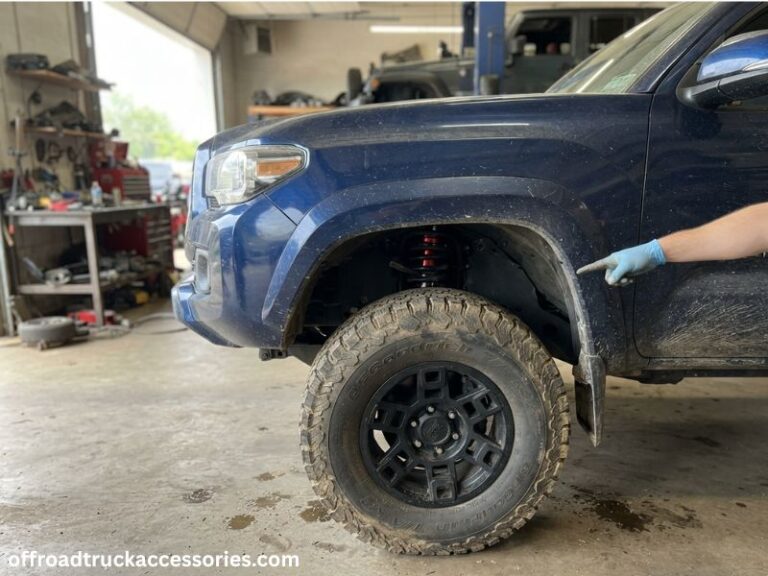
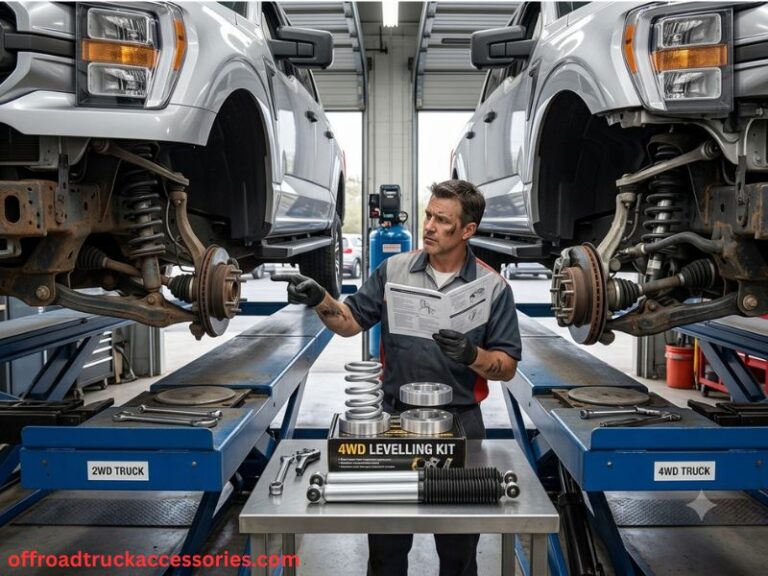
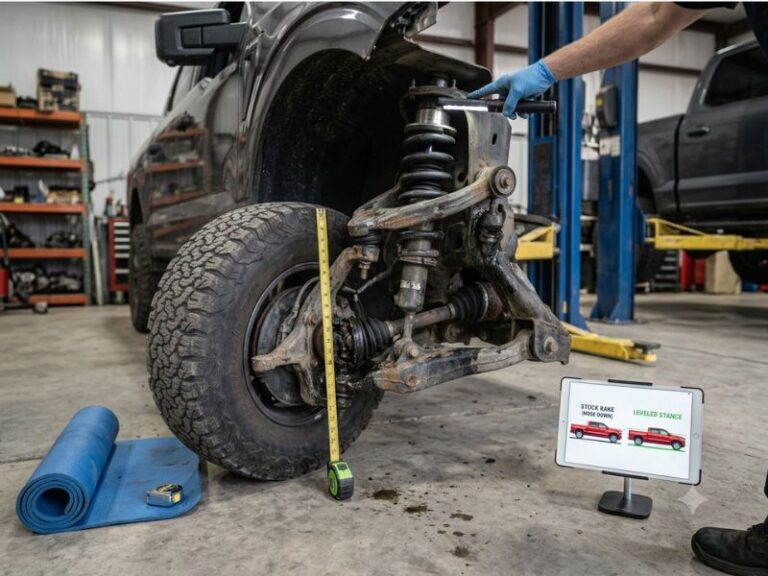
A leveling key changes this mounting position, allowing additional preload on the torsion bar. This raises the front of the truck without replacing the entire suspension system.
The basic process is:
- Replace the factory torsion key with a modified key
- Increase torsion bar preload
- Raise the front ride height
- Realign the suspension
The truck sits higher because the torsion bar is holding the suspension at a higher resting position.
However, the suspension components are now operating in a different part of their travel range.
Why Do People Install Torsion Key Leveling Kits?
Many truck owners choose torsion key leveling kits because they offer a simple way to improve appearance.
Common reasons include:
- Removing factory front rake
- Creating a more aggressive stance
- Making room for larger tires
- Improving front-end appearance
- Achieving a lifted look at lower cost
Factory trucks often sit lower in the front because manufacturers design them with rake for towing, hauling, and suspension load management.
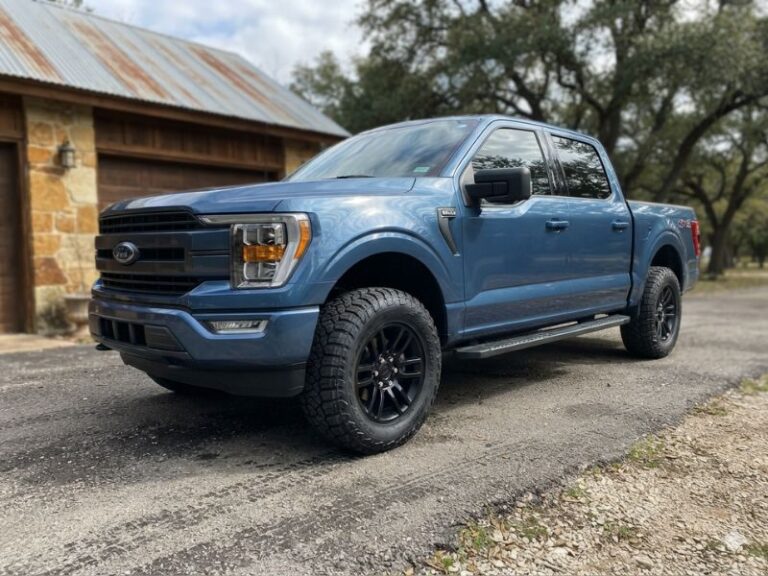
A torsion key leveling kit can reduce that difference and create a more balanced appearance.
Compared with a complete suspension lift, torsion keys are usually less expensive and require fewer replacement components.
For owners who want a mild visual upgrade rather than extreme off-road performance, they can be an attractive option.
The Biggest Problem With Torsion Key Leveling Kits
The biggest concern with torsion key leveling kits is excessive suspension preload.
A torsion key does not create additional suspension travel. It simply changes the resting position of the suspension.
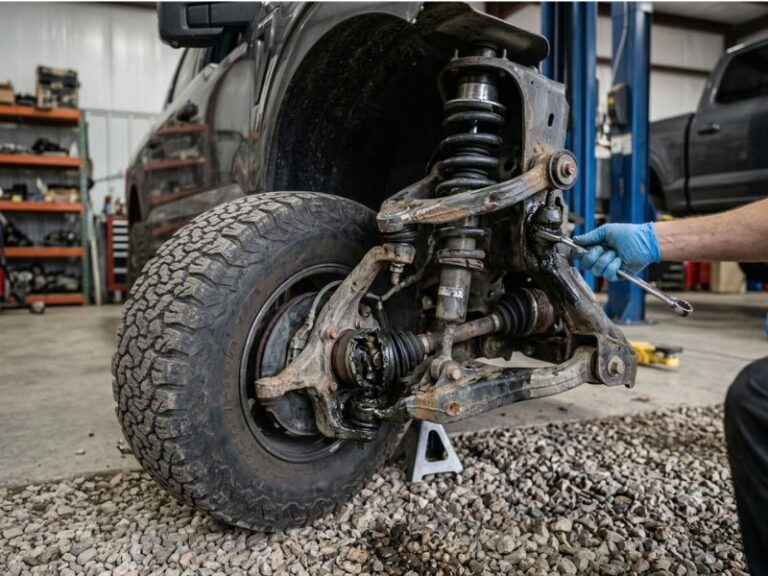
When the front is raised, the upper and lower control arms move downward from their factory position.
This can reduce available downward suspension movement, also called droop travel.
Less droop travel means:
- The suspension reaches full extension sooner
- The ride may feel harsher
- Wheels may lose contact more easily off-road
- Shock topping out may occur
The truck may look taller, but the suspension may have less ability to absorb uneven terrain.
A quality leveling setup focuses on achieving the desired height without sacrificing too much suspension movement.
Do Torsion Keys Hurt Ride Quality?
Torsion key leveling kits can affect ride quality, especially when adjusted aggressively.
Many owners report a firmer front-end feel after increasing torsion preload.
This happens because the torsion bar is already under more load before the truck moves. The suspension has less room to absorb smaller bumps naturally.
Possible ride-quality changes include:
- Firmer front suspension
- More noticeable road impacts
- Reduced comfort on rough roads
- Less suspension compliance
A small adjustment may produce only a minor difference. A large adjustment can make the truck feel noticeably stiffer.
The condition of the factory shocks also matters. Worn shocks may make the ride quality problems more noticeable after leveling.
Do Torsion Keys Damage Ball Joints?
Torsion key leveling kits can increase stress on ball joints if they raise the truck beyond a reasonable range.
When the front suspension is lifted, the control arms operate at a different angle. This changes the working position of the ball joints.
Excessive angles can contribute to:
- Faster ball joint wear
- Torn ball joint boots
- Reduced suspension movement
- Alignment problems
The risk is higher when combined with:
- Maximum torsion adjustment
- Large tires
- Heavy wheels
- Off-road driving
A moderate torsion key installation usually does not create immediate problems. The issue comes from pushing the suspension too far beyond its designed operating range.
Regular inspection of ball joints and suspension components is important after installation.
Do Torsion Key Leveling Kits Affect CV Axles?
On four-wheel-drive trucks, torsion key leveling kits can affect CV axle angles.
The CV axle connects the front differential to the wheels and must operate while the suspension moves.
Raising the front changes the angle of the axle shafts. More extreme adjustments create steeper angles.
Potential problems include:
- Increased CV joint stress
- Torn axle boots
- Grease leakage
- Clicking sounds during turns
- Premature axle wear
The issue is usually not caused by a small leveling adjustment. It becomes more common when owners try to gain maximum lift from the torsion keys.
Adding large tires and aggressive wheel offset increases stress even further.
A balanced setup keeps CV angles reasonable while achieving the desired appearance.
Do Torsion Key Leveling Kits Require Alignment?
Yes, alignment is required after installing torsion key leveling kits.
Changing torsion bar preload changes suspension height, which affects alignment angles.
The main alignment measurements affected are:
Camber: Controls tire angle from the front view. Incorrect camber can cause uneven tire wear.
Caster: Affects steering stability and steering-wheel return.
Toe: Controls whether the tires point inward or outward.
Without alignment, the truck may experience:
- Steering pull
- Uneven tire wear
- Off-center steering wheel
- Poor handling
A professional alignment should be completed after installation.
If alignment cannot be corrected within acceptable specifications, the truck may have been raised beyond a practical range.
Do Torsion Keys Increase Ground Clearance?
Torsion key leveling kits increase front ride height, but the actual ground clearance improvement is limited.
The front bumper, lower control arms, and some suspension components may sit higher.
However, the lowest point of the truck is not always increased by the full advertised lift amount.
The biggest improvement in underbody clearance usually comes from larger tires.
A torsion key leveling kit is primarily a stance and tire-clearance modification rather than a major ground-clearance upgrade.
For serious off-road use, a complete suspension system may provide better performance.
Are Aftermarket Torsion Keys Better Than Factory Keys?
Quality aftermarket torsion keys can provide benefits, but not every aftermarket key is automatically better.
A well-designed torsion key is engineered to achieve a specific lift amount while maintaining proper fitment.
Poor-quality keys may create:
- Incorrect suspension angles
- Limited adjustment range
- Poor fitment
- Excessive stress
Some factory torsion keys are already designed with safety limits. Simply replacing them with a more aggressive key does not guarantee better performance.
The goal should be achieving the required height with minimal suspension stress.
A reputable manufacturer with vehicle-specific testing is usually a better choice than a cheap universal option.
Do Torsion Keys Ride Worse Than Coil Spring Leveling Kits?
The ride difference depends on the truck and the amount of adjustment.
Torsion keys can create a firmer ride because they increase torsion bar preload.
A coil spring or strut-based leveling system may maintain a different suspension feel because it uses different spring and shock characteristics.
However, the ride quality depends on more than the leveling method.
Important factors include:
- Shock condition
- Tire size
- Tire pressure
- Wheel weight
- Suspension design
A properly installed torsion key kit may feel completely acceptable for daily driving.
A maximum-height adjustment combined with heavy tires may create a noticeably harsher ride.
Can You Install Larger Tires With Torsion Keys?
One of the main reasons people install torsion keys is to create additional tire clearance.
The extra front height may allow slightly larger tires, but tire fitment depends on more than lift height.
Factors include:
- Tire width
- Wheel offset
- Backspacing
- Fender clearance
- Suspension compression
A tire may clear while driving straight but rub during:
- Full steering lock
- Suspension compression
- Off-road articulation
Large tires also increase stress on suspension components.
A successful setup requires matching the torsion key height, wheel specifications, and tire size together.
Are Torsion Key Leveling Kits Good for Off-Road Use?
Torsion key leveling kits can work for light off-road use, but they are not the best choice for extreme terrain.
Off-road driving requires suspension travel and articulation.
Because torsion keys mainly increase preload, they do not provide additional suspension travel.
Aggressive trails may expose limitations such as:
- Reduced droop travel
- Harsh impacts
- Increased component stress
For serious off-road builds, a complete suspension system with properly matched shocks, springs, and geometry correction is usually a better solution.
For occasional dirt roads, camping trails, and outdoor use, a moderate torsion key setup may be completely adequate.
Can Torsion Keys Hurt Your Truck Long Term?
A properly installed torsion key leveling kit should not destroy your truck.
Long-term problems usually come from:
- Excessive lift height
- Poor installation
- Lack of alignment
- Oversized tires
- Ignoring worn suspension parts
A moderate setup with regular maintenance can provide years of reliable service.
After installation, inspect:
- Ball joints
- Tie rods
- CV boots
- Shocks
- Tires
Pay attention to changes in steering feel, noises, and tire wear.
Early detection prevents small problems from becoming expensive repairs.
Torsion Key Leveling Kit vs Suspension Lift
A torsion key leveling kit and a suspension lift serve different purposes.
A torsion key leveling kit:
- Costs less
- Raises mainly the front
- Keeps more factory components
- Provides a mild appearance upgrade
A suspension lift:
- Raises front and rear
- Provides more ground clearance
- Includes more supporting components
- Offers better off-road capability
For daily driving and appearance improvements, torsion keys can be practical.
For serious off-road performance or significant height increases, a complete suspension lift is usually the better option.
How to Install a Torsion Key Leveling Kit Correctly
Proper installation is important for avoiding problems.
The process should include:
- Measuring factory ride height
- Installing the correct torsion keys
- Adjusting height evenly
- Checking suspension clearance
- Completing alignment
The torsion bolts should not simply be tightened until maximum height is reached.
A professional installer can measure suspension angles and ensure the truck remains within acceptable operating limits.
After installation, monitor tire wear and suspension performance.
Final Thoughts
So, are torsion key leveling kits bad? No, they are not automatically bad. A properly designed torsion key leveling kit installed at a reasonable height can be a reliable and affordable way to improve your truck’s stance.
The problems happen when owners use excessive adjustment, install poor-quality parts, ignore alignment, or push the suspension beyond its limits.
A torsion key leveling kit is best viewed as a moderate height adjustment rather than a replacement for a complete suspension lift. Choose the correct lift amount, maintain proper alignment, and inspect suspension components regularly to keep your truck reliable.