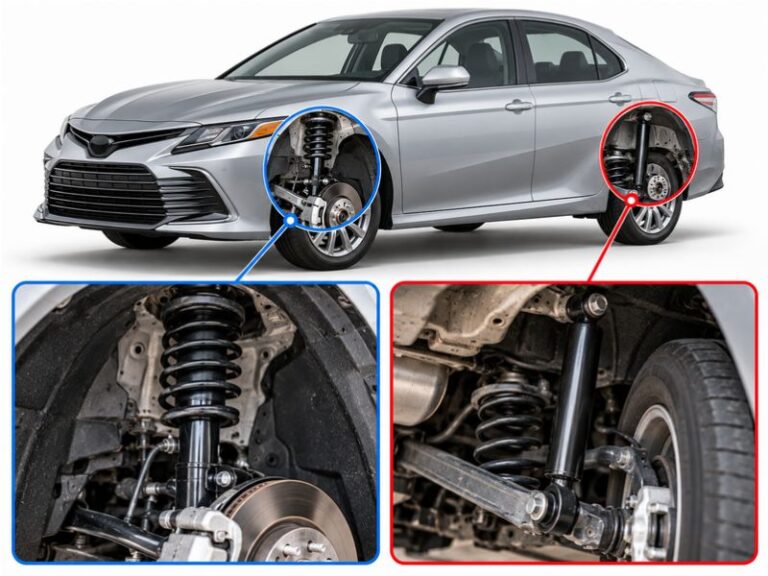
Yes, most vehicles benefit from shock absorber dust covers because they help keep dirt, road grit, moisture, and debris away from the exposed shock absorber shaft. However, the exact need depends on the suspension design and the protection built into the original equipment.
Across the United States, cars and trucks face a wide range of road conditions. A vehicle in Minnesota may encounter road salt and slush, while one in Arizona may travel over dusty roads and gravel. In both cases, exposed suspension parts can collect debris that contributes to wear over time. Shock absorber dust covers help limit this exposure.
A dust cover is usually a flexible rubber or plastic boot that fits around the exposed portion of a shock absorber. It does not absorb bumps or support the vehicle’s weight. Instead, it helps shield the polished shaft and nearby components from dirt, water, and small particles that could damage seals or interfere with smooth movement.
If your vehicle came with dust covers, keeping them in good condition is generally the sensible choice. If a cover is torn, missing, or badly worn, check the manufacturer’s parts information before buying a replacement. Some shocks have integrated protection, and certain suspension designs use different covers or protective sleeves.
The key is to distinguish a protective accessory from a part that is essential to the specific suspension assembly. A dust cover does not make a worn shock absorber safe, stop an existing oil leak, or replace a damaged seal. It is one part of a broader maintenance plan.
A shock absorber dust cover is a protective sleeve or boot that surrounds part of the shock absorber. It is often made from flexible rubber, thermoplastic, or another material suited to repeated movement and exposure to road conditions. Depending on the design, it may look like a ribbed tube, a smooth sleeve, or a shaped protective shield.
The cover typically protects the exposed piston rod, often called the shock shaft, as it moves into and out of the shock body. The shaft must remain smooth so it can pass through the seal without carrying damaging particles into the sealing area. A cover helps reduce the amount of dirt and grit that reaches this region.
Dust covers are sometimes sold in kits with bump stops. These parts have different jobs. The dust boot blocks debris, while the bump stop limits compression near the end of suspension travel and helps cushion severe movement. Some assemblies combine the two into one component, but their functions remain distinct.
Source: gsfcarparts.com
Dust boot
A flexible sleeve that shields the exposed shock shaft from dirt, grit, and other contaminants.
Bump stop
A compressible component that helps prevent harsh metal-to-metal contact when suspension travel approaches its limit.
Shock absorber seal
A sealing component that helps retain working fluid and keep contaminants out of the shock absorber.
Shock absorber body
The main housing that contains the damping mechanism and, in hydraulic designs, the working fluid.
Are Dust Covers the Same as Strut Boots?
The terms dust cover, dust boot, and shock boot are often used for similar protective parts. A strut boot serves a similar purpose on a strut assembly, but the exact shape and mounting arrangement can differ. A strut is a structural suspension component in many vehicles, while a conventional shock absorber generally does not serve the same structural role.
This distinction matters when ordering parts. A boot listed for a rear shock may not fit a front strut, even if both are described as dust covers. Always match the component to the vehicle, suspension position, and part number.
Check the assembly
Identify whether the part is for a conventional shock, a strut, or a complete suspension assembly.
Check the application
Confirm the vehicle’s year, make, model, trim, and axle position before purchasing a replacement.
Why Do Shock Absorber Dust Covers Matter?
Dust covers matter because the shock absorber shaft and seal operate in an area exposed to road contamination. A small amount of grit may seem harmless, but particles carried toward the seal can contribute to surface wear. Keeping contaminants away from the moving shaft helps preserve the condition of the assembly.
The cover is particularly useful when driving on gravel, dirt roads, or routes with frequent standing water. Road salt in colder parts of the United States can also create a harsh environment for exposed metal and rubber components. A suitable boot reduces direct exposure, although it does not make the assembly waterproof or corrosion-proof.
A properly fitted cover can also help keep mud and packed debris from collecting around the shaft. That protection may support long-term component condition, but the amount of benefit depends on the vehicle, cover design, driving conditions, and quality of the underlying parts.
Dust covers are preventive components rather than repair parts for internal damage. They cannot restore a scratched shaft, renew a hardened seal, or return a worn shock absorber to proper damping performance. Their value lies in reducing avoidable exposure before damage develops.
Source: gsfcarparts.com
Less direct contamination
The boot helps block dust, sand, grit, and road debris from reaching the exposed shaft.
Support for seal protection
Reducing contamination around the moving shaft may help limit wear at the sealing area.
Protection in severe weather
The cover reduces direct exposure to splash, mud, and road grime, though it does not eliminate moisture or corrosion.
Preventive maintenance
Replacing a damaged boot can help preserve an otherwise serviceable suspension component.
What Happens If Dirt Reaches the Shock Shaft?
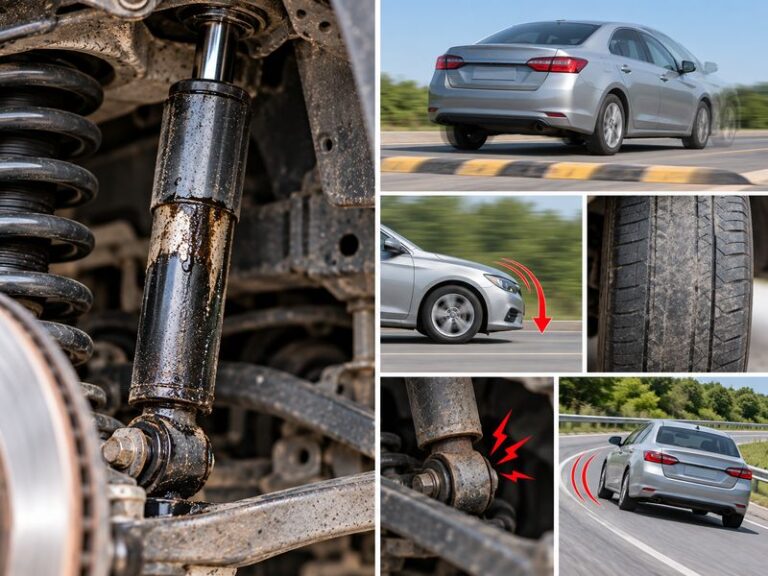
When the suspension moves, the shaft slides through a seal. If abrasive particles collect on the shaft, they may be carried toward that seal during repeated compression and extension. Depending on the particle size, shaft condition, and seal design, this contamination can contribute to wear or leakage.
A leaking shock may lose damping ability, but dirt is not the only possible cause. Age, corrosion, seal deterioration, impact damage, and normal wear can also contribute. A damaged boot therefore signals a need for inspection, not proof that the shock absorber has already failed.
Inspect the shaft
Look for visible scoring, rust, pitting, or damage when the area can be viewed safely.
Inspect for leakage
Check for wet oil residue or other signs of a leak, distinguishing a persistent leak from ordinary road grime.
Assess damping
If the vehicle bounces excessively, feels unstable, or shows other handling changes, arrange a suspension inspection.
Do You Need Dust Covers on Every Shock Absorber?
No, not every shock absorber requires a separate aftermarket dust cover. The correct setup depends on the original equipment design and the replacement shock being installed. Some shocks use a distinct boot, while others have integrated protective features or a design that does not accept a conventional removable boot.
If the vehicle originally used a dust boot, keeping that protection in place is generally advisable. If a replacement shock comes with its own protective sleeve or an integrated cover, adding another boot may be unnecessary or could interfere with movement. The manufacturer’s installation instructions should decide the matter.
The type of vehicle also affects the answer. Passenger cars, pickup trucks, SUVs, and off-road vehicles can use different suspension layouts. Even two models from the same manufacturer may use different parts at the front and rear.
Do not assume that an exposed shock absorber is defective simply because no rubber boot is visible. Some designs are built that way. Confirm the original configuration through the owner’s information, an accurate parts catalog, or the shock manufacturer’s instructions before deciding whether a cover is missing.
Source: gsfcarparts.com
Factory-equipped cover
If the original suspension includes a boot, inspect it and replace it if damaged or missing.
Integrated protection
Follow the instructions supplied with a shock that already includes a protective sleeve or another built-in feature.
Specialty suspension
Modified, lifted, performance, and off-road suspensions may require application-specific boots or shields.
No separate cover specified
Do not add a universal boot unless the part maker confirms that it fits and will not interfere with operation.
Should You Add Dust Covers to Aftermarket Shocks?
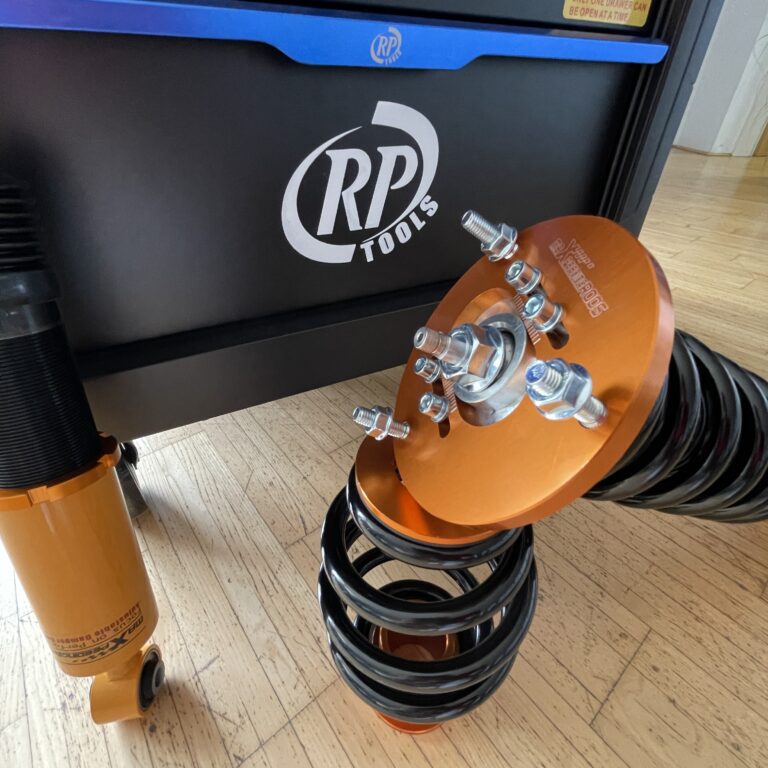
An aftermarket shock does not automatically need an extra dust cover. Some replacement units are supplied with a boot, while others are designed to work with a separate cover or with no removable cover at all. Read the product instructions and check the intended application.
If the manufacturer offers a compatible boot, it may be a useful choice for a vehicle that regularly travels over gravel, mud, or salted roads. However, the presence of a boot alone does not establish that one shock design will last longer than another. Construction, materials, sealing, maintenance, and operating conditions also matter.
For modified suspension systems, check available clearance throughout the full range of travel. A boot that fits while the vehicle is parked could become pinched, stretched, or trapped when the suspension compresses or extends.
Use verified compatibility
Choose a cover approved for the exact shock model or confirmed by a reliable vehicle-specific parts listing.
Check full suspension travel
Make sure the cover cannot bind, tear, or contact the spring, tire, steering parts, or other moving components.
Signs Your Shock Absorber Dust Cover Needs Replacement
Replace a dust cover when it is torn, split, loose, severely hardened, or unable to remain in its intended position. A damaged boot leaves part of the shock shaft more exposed to contamination. A cover that has come off its mounting point may also rub against nearby components or fail to provide useful protection.
Some damage is easy to spot during a routine tire or suspension inspection. Other damage may be hidden behind a wheel, inside a strut assembly, or above a spring. If the cover cannot be inspected safely from outside the vehicle, a repair shop can examine it during suspension service.
A damaged dust cover does not always require replacement of the complete shock absorber. The boot may be a separate service part, allowing the cover to be replaced while retaining a shock that remains in good condition. However, the design may require substantial disassembly, which can affect the labor cost and the practical repair choice.
Source: amazon.com
Cracks or tears
Splits in the material allow more dirt and debris to reach the shaft.
Loose or detached boot
A cover that slips out of position may no longer protect the intended area.
Hard or brittle material
A boot that has lost flexibility may crack further as the suspension moves.
Rubbing or pinching
Contact with a spring, tire, or other component can damage the cover and may indicate a fitment problem.
Missing cover
If the original design includes a separate boot, confirm the correct replacement rather than leaving the shaft exposed indefinitely.
How to Tell a Damaged Boot From a Failed Shock
A torn boot is a visible protection problem. A failed shock absorber is a damping problem, a fluid leak, or another mechanical fault. The two can occur together, but one does not prove the other.
Look for signs such as persistent oil leakage, excessive body movement after bumps, poor tire contact over uneven roads, unusual suspension noise, or changes in handling. These symptoms can have several causes, including worn tires, loose suspension joints, damaged bushings, and spring problems.
A light film of oil or road grime should be assessed in context because dirt can make the area look wet. A mechanic can determine whether the shock is leaking and whether its damping performance is acceptable. Do not replace a serviceable shock solely because its dust boot has split unless the manufacturer’s service guidance calls for a complete assembly.
Boot damaged, shock dry
Inspect the shaft and seal area, then replace the boot if a compatible service part is available.
Boot damaged, shock leaking
Have the shock assessed for failure and replace it if the leak or other damage makes it unserviceable.
Boot intact, poor handling
Investigate the shock absorber and the rest of the suspension rather than assuming the cover is the cause.
Can You Drive Without Shock Absorber Dust Covers?
A vehicle may remain drivable with a missing dust cover if the shock absorber itself is intact and the suspension is otherwise safe. However, whether the vehicle can be driven safely depends on the condition of the exposed shaft, the original design, and the surrounding components. A missing cover should not be treated as proof that the suspension is safe.
If the boot has just torn and the shock shows no visible damage, arrange an inspection and replace the cover as appropriate. A short delay in replacing a boot is not the same as driving with a failed shock absorber, but leaving the shaft exposed for a long period can increase contamination risk.
Do not continue driving if the shock is severely leaking, the suspension is loose, a component is contacting the tire, or the vehicle has become unstable. These conditions can affect control and require prompt attention. If you are uncertain about the condition of the suspension, have the vehicle inspected before further use.
Source: storage.googleapis.com
Brief use while arranging inspection
May be reasonable when the boot alone is damaged and there are no signs of shock failure or unsafe suspension movement, but the condition should be verified.
Extended use without protection
Raises the chance of dirt and debris reaching the shaft and seal area, especially on rough or dusty roads.
Visible mechanical damage
Requires prompt inspection rather than relying on a replacement boot to solve the problem.
Does a Missing Dust Cover Affect Ride Quality?
A missing dust cover does not normally change the damping force by itself. The boot is a protective part, not the component that controls how quickly the suspension compresses and rebounds. As a result, removing a boot from an otherwise sound shock does not automatically make the ride softer or firmer.
Ride quality may worsen later if contamination contributes to seal wear or damage. Even then, a rough ride can have many other causes, including incorrect tire pressure, worn shocks, damaged mounts, unsuitable tires, and spring problems. Diagnose the cause rather than replacing a dust cover in the hope that it will correct an existing handling complaint.
Immediate effect
A missing boot generally removes protection rather than directly changing damping.
Possible long-term effect
Contamination may contribute to wear, depending on conditions and the shock design.
How to Choose the Right Shock Absorber Dust Cover
The right dust cover must fit the shock absorber and allow the suspension to move through its intended range. A boot that is too short may expose part of the shaft, while one that is too long or too wide may fold incorrectly or touch nearby parts. Material and attachment style also affect fit and durability.
Start with the vehicle’s year, make, model, trim, and suspension position. Check whether the part is for the front or rear, and verify any differences caused by a sport suspension, towing package, factory lift, or other equipment. When the shock absorber has already been replaced, use its exact manufacturer and part number as well as the vehicle details.
A universal boot may be suitable for some applications, but the label universal does not guarantee a correct fit. Confirm the shaft diameter, required length, mounting arrangement, available clearance, and compatibility with the specific shock. Follow the part maker’s instructions rather than trimming or stretching the boot without approval.
Source: gsfcarparts.com
Vehicle application
Match the part to the correct model year, vehicle configuration, and front or rear suspension position.
Shock model
Verify compatibility with the actual installed shock, especially when the suspension has been modified.
Material
Choose a material intended to withstand repeated flexing, road debris, temperature changes, and the expected environment.
Mounting method
Confirm that the boot can be secured as designed without interfering with shaft movement.
Included bump stop
Check whether the kit includes a bump stop and whether it matches the suspension manufacturer’s requirements.
Rubber Versus Plastic Dust Covers
Rubber and flexible synthetic materials are common choices because a boot must bend repeatedly as the suspension moves. Different compounds vary in resistance to heat, cold, abrasion, oils, and aging. The material name alone does not establish how long a particular cover will last.
Some covers use molded plastic or thermoplastic materials that hold a specific shape. These can be suitable when designed for the application, but stiffness and available clearance matter. Select a cover based on verified compatibility and the manufacturer’s intended use, not on a general claim that one material is always better.
Flexible rubber or elastomer
Can accommodate repeated movement when the compound and dimensions are appropriate for the application.
Molded synthetic cover
Can provide a shaped barrier when the design matches the suspension geometry and travel.
Application-specific design
Usually provides the clearest fitment guidance because it is intended for a particular shock or vehicle configuration.
How to Replace a Shock Absorber Dust Cover
Replacing a dust cover can be simple on some accessible shock designs, but it can require substantial disassembly on others. Before starting, confirm whether the boot is separately serviceable and whether removal of the shock absorber is required. The manufacturer’s service procedure should determine the correct approach.
You will need the correct replacement boot, the required hand tools, suitable vehicle support equipment if removal is necessary, and any specified replacement fasteners. Wear eye protection and gloves when appropriate. Never work under a vehicle supported only by a jack.
Some front strut assemblies use a coil spring under high stored force. Removing a strut or loosening a spring-retaining nut without the proper procedure and equipment can cause serious injury. If the dust cover cannot be replaced without handling a loaded spring, leave the job to a qualified technician unless you have the required training and tools.
Source: gsfcarparts.com
Step 1: Identify the suspension design
Confirm whether the cover can be replaced in place or whether the shock or strut must be removed.
Step 2: Check the replacement part
Compare the new boot with the old one and verify the part number, dimensions, and any included bump stop.
Step 3: Inspect the exposed area
Look for dirt, rust, scoring, oil leakage, or damage that could require further shock absorber service.
Step 4: Fit the boot as specified
Install the cover in the correct orientation and secure its mounting points according to the manufacturer’s procedure.
Step 5: Check clearance and movement
Verify that the cover is not twisted, trapped, stretched incorrectly, or in contact with moving parts.
Step 6: Complete the assembly safely
If the shock was removed, reinstall it using the specified hardware, torque values, and service procedure.
What If the New Dust Cover Does Not Fit?
Stop if the boot cannot be installed without excessive force, stretching, cutting, or altering its mounting points. A poor fit can leave the shaft exposed or cause the cover to tear as the suspension moves. Forcing the part into place can also damage the boot or adjacent components.
Recheck the part number and determine whether the vehicle has a different suspension package or an aftermarket shock. If the shock has been modified, the original vehicle parts listing may not identify the correct boot. Obtain confirmation from the shock manufacturer or a qualified parts supplier before continuing.
Wrong diameter
Verify the shaft and mounting dimensions against the approved part specifications.
Incorrect length
Confirm the boot is intended for the shock’s operating range and does not obstruct travel.
Unexpected interference
Check the suspension layout and installed components before selecting another cover.
When Should You Replace Shock Absorber Dust Covers?
Replace a dust cover when it no longer provides effective protection or cannot stay correctly fitted. There is no single replacement interval that applies to every vehicle and cover. Material, age, road conditions, exposure to road salt, suspension movement, and part design all influence how quickly the boot deteriorates.
Check the covers during routine suspension inspections, tire service, shock replacement, and other work that exposes the assembly. A quick visual check may reveal a tear or a loose fit, while a closer inspection can uncover hardened material or rubbing that is not obvious from a distance.
Do not wait for a fixed mileage figure if the boot is already damaged. Conversely, an intact cover does not need replacement simply because the vehicle has reached a certain mileage unless the manufacturer’s maintenance instructions specify otherwise.
When replacing a shock absorber, inspect the boot and bump stop at the same time. Reusing a damaged boot can leave the new shock exposed, while replacing a sound component unnecessarily may add cost without a clear benefit. Use the condition of the parts and the service requirements to guide the decision.
Source: gdstauto.com
During routine maintenance
Look for cracks, loose fittings, missing sections, and signs of contact with surrounding parts.
When replacing shocks
Inspect the boot and bump stop and replace any part that is damaged or unsuitable for reuse.
After severe road exposure
Check for packed mud, debris, or damage after frequent travel on rough or unpaved roads.
When corrosion is present
Inspect the exposed shaft and seal area rather than assuming a new boot will correct existing damage.
Do You Need to Replace Dust Covers in Pairs?
Dust covers do not always have to be replaced in pairs. If one boot is torn and the other is intact, the damaged boot may be replaced alone when the parts are separate and the manufacturer’s instructions permit it.
Replacing both covers can make sense when they are the same age, both show deterioration, or the cost of accessing the second cover is low compared with the labor needed to reach it later. The decision should be based on condition, access, and service guidance rather than a universal rule.
This differs from replacing shock absorbers themselves. Shocks on the same axle are often replaced as a pair to help maintain consistent damping, depending on the vehicle and service recommendations. That does not automatically mean every associated dust cover must also be replaced as a pair.
Replace one cover
Reasonable when only one is damaged, the other remains serviceable, and separate replacement is permitted.
Replace both covers
Consider when both show age-related damage or when shared labor makes replacing both practical.
Common Mistakes to Avoid
The most common mistake is treating a dust cover as either useless or a complete solution to suspension problems. A cover has a limited protective role. It can help reduce contamination, but it cannot repair a failed shock absorber or make an incompatible component safe.
Another mistake is choosing a boot based only on appearance. Two covers may look similar while having different dimensions, mounting points, or movement limits. A part that fits loosely when parked may slip off or bind once the suspension moves.
Improvised repairs can create new problems. Tape, cable ties, and generic flexible sleeves may not tolerate repeated movement, temperature changes, or contact with nearby components. Unless the shock manufacturer approves a repair method, use the correct replacement part instead.
Finally, do not overlook the reason the boot failed. A torn cover may simply be old, but it can also result from incorrect installation, insufficient clearance, or contact with another component. Correcting the underlying issue helps prevent repeated damage.
Assuming every shock needs an aftermarket boot
Check the actual shock design and manufacturer instructions before adding a cover.
Ignoring shaft damage
Inspect for rust, scoring, and leakage before installing a new boot.
Using an unverified universal part
Confirm dimensions, fitment, and full-travel clearance rather than relying on a broad compatibility claim.
Cutting or stretching the boot
Do not modify the cover unless the manufacturer specifically permits the change.
Skipping safe support procedures
Use the proper lifting and support equipment, and avoid disassembling loaded spring assemblies without suitable training and tools.
Replacing the cover but ignoring a leak
Have a leaking or mechanically damaged shock assessed separately because a boot cannot restore internal function.
Can You Clean and Reuse an Old Dust Cover?
An intact, flexible boot may be reusable if the service instructions allow it and the part can be removed and refitted without damage. Cleaning off loose road grime can make inspection easier, but cleaning does not restore flexibility to hardened rubber or repair a split.
Use a cleaning method compatible with the cover material. Avoid harsh solvents or petroleum-based products unless the manufacturer confirms they are safe for the material. Such chemicals may damage certain elastomers even when the change is not immediately visible.
If the boot has a deep tear, missing material, loose mounting area, or signs of severe aging, replacement is generally the better option. If it is integrated into another component, follow the specified assembly replacement procedure.
Reuse when serviceable
The cover is intact, flexible, correctly shaped, and approved for reuse.
Replace when damaged
The material is split, brittle, distorted, or unable to remain in place.
Are Shock Absorber Dust Covers Worth the Cost?
For a vehicle designed to use a dust boot, replacing a damaged cover is generally a sensible maintenance expense. The boot is intended to protect a more complex suspension component from contamination. Its value comes from preventive protection, not from an immediate change in ride comfort or handling.
The total cost depends on the vehicle, the type of cover, whether a bump stop is included, and how much disassembly the job requires. A separate boot may be inexpensive to buy, yet labor can be significant if the shock or strut must be removed. A repair that requires work on a loaded coil spring needs particular care.
When the shock is already being replaced, fitting a compatible boot can be more practical because the assembly is accessible. If the boot is the only damaged part, compare the cost of replacing it with the cost of the required labor and check whether the shock itself remains serviceable.
There is no reliable universal dollar figure for this repair across all U.S. vehicles. Get a quote based on the exact vehicle and installed suspension parts. Ask whether the price includes the boot, any required bump stop, labor, and related hardware, and whether an alignment is necessary for the work being performed.
Parts cost
Varies with vehicle application, material, design, and whether the boot is sold alone or in a kit.
Labor cost
Depends on accessibility and whether shock or strut removal is required.
Additional parts
A bump stop, mount, fasteners, or complete assembly may be needed if the existing parts are damaged or not separately serviceable.
Long-term value
A correctly fitted cover helps reduce exposure to contamination, but the amount of protection depends on the design and operating conditions.
Should You Replace the Dust Cover When Replacing Shocks?
Yes, inspect the dust cover whenever the shock absorber is replaced. If the old boot is damaged, hardened, or incompatible with the replacement shock, install a suitable new one. If the replacement shock includes its own cover, follow the supplied instructions rather than automatically adding another.
Check the bump stop at the same time. If it is cracked, crumbling, missing, or otherwise outside the manufacturer’s service limits, it may also need replacement. A complete protection kit can be convenient when its parts are confirmed to match the suspension, but buying a kit is not mandatory when individual components are available and suitable.
Inspect before assembly
Check the boot, bump stop, mounts, and related hardware while the shock is accessible.
Follow shock instructions
Use only the protective components and assembly method specified for the replacement unit.
Practical Decision Guide: Keep, Replace, or Inspect Further
The best decision depends on the condition of the cover and the shock absorber beneath it. A quick visual check can identify obvious damage, but it cannot establish the internal condition of the shock. Use the following guide to decide what to do next.
A sound cover on a properly functioning shock generally needs no immediate action beyond routine inspection. A damaged cover with an otherwise serviceable shock may need only a boot replacement. A leaking or mechanically damaged shock needs a separate assessment, regardless of whether its dust cover is intact.
Cover intact and securely fitted
Keep it in service if it matches the design and shows no signs of damage. Inspect it during routine maintenance.
Cover torn but shock appears sound
Check the shaft and seal area, confirm that the shock remains serviceable, and replace the cover with a compatible part.
Cover missing from a factory-equipped assembly
Verify the correct original configuration and install the specified replacement when appropriate.
Cover missing from a design without a separate boot
Do not add an unapproved part. Confirm the shock manufacturer’s recommendations.
Oil leak, shaft damage, or poor damping
Arrange a suspension inspection and replace the shock if it is no longer serviceable.
Boot repeatedly tears or slips off
Check for incorrect fitment, installation errors, inadequate clearance, or interference with other parts.
A Simple Inspection Checklist
Park on a firm, level surface and let hot components cool before inspecting the suspension. View the cover from a safe position without reaching into moving parts or going underneath a vehicle that is not properly supported.
Look for splits, loose ends, hardened material, accumulated debris, and signs of rubbing. If the shaft is visible, check for obvious rust, scoring, or wet oil residue. Do not scrape the shaft or push tools into the seal area.
If the shock must be removed to inspect it properly, use the vehicle-specific service procedure. Once the cover is replaced, confirm that it is secure and clear of surrounding parts. Any uncertainty about spring removal, fastener torque, or suspension safety is a reason to use a qualified repair shop.
Before inspection
Park safely, apply the parking brake, and use appropriate lighting.
During inspection
Look for damage and interference without placing any part of your body under an inadequately supported vehicle.
After repair
Verify correct fitment, secure mounting, and adequate clearance throughout the specified suspension travel.
Research and Reader Question Gap Map
This guide addresses the main decision first: whether a shock absorber needs a dust cover and when a damaged one should be replaced. It then covers fitment, driving without a cover, inspection, repair limits, and the relationship between the boot, bump stop, seal, and shock absorber.
The following map distinguishes practical next questions inferred from the main task from questions that would need direct search-result or customer-query evidence to classify as observed. No live Search Console dataset, customer support log, or verified People Also Ask dataset was supplied for this article. Accordingly, no search demand or competitor coverage is claimed as measured.
Question: Can I drive with a torn dust boot?
Reader stage: after finding damage. Basis: inferred next need. Competitor coverage: not checked in a live competitor-page audit for this article. Reader benefit: separates boot damage from a failed shock and identifies warning signs that require prompt inspection. Priority: high. Placement: driving without covers.
Question: Do dust covers come with replacement shocks?
Reader stage: choosing replacement parts. Basis: inferred next need. Competitor coverage: not checked. Reader benefit: prevents duplicate purchases and identifies when a separate boot or kit is needed. Priority: high. Placement: aftermarket shocks and replacement cost.
Question: Do shock dust covers and bump stops do the same job?
Reader stage: identifying parts. Basis: inferred next need. Competitor coverage: not checked. Reader benefit: avoids incorrect part selection and helps readers inspect both components during service. Priority: high. Placement: definitions and shock replacement.
Question: Can I replace just one dust cover?
Reader stage: deciding repair scope. Basis: inferred next need. Competitor coverage: not checked. Reader benefit: supports a condition-based decision instead of an unnecessary blanket replacement. Priority: medium. Placement: replacement intervals and pairs.
Question: Why does a new dust cover keep tearing?
Reader stage: after a failed repair. Basis: inferred next need. Competitor coverage: not checked. Reader benefit: directs attention to incorrect dimensions, installation, or contact with moving parts. Priority: medium. Placement: fitment troubleshooting.
Evidence and Scope Limits
The technical explanations in this guide describe the intended functions of dust boots, bump stops, seals, and shock absorbers. They are general mechanical explanations, not results from a hands-on vehicle test or a laboratory comparison of cover materials.
Exact fitment, approved cleaning methods, service intervals, installation steps, torque values, and whether a boot can be replaced separately depend on the specific vehicle and shock model. Confirm these details with the relevant service manual or component manufacturer before performing repairs.
A current review of three to five competing pages, recorded search positions, access dates, and direct source passages was not completed for this article. The reader-question map is therefore a practical editorial assessment, not a verified report of competitor omissions or current search behavior.
Documented design information
Use vehicle service information and shock manufacturer instructions to confirm how a specific assembly is designed and serviced.
General mechanical analysis
The protective role of a dust boot follows from its position around the moving shaft; the exact benefit varies by design and environment.
Not established here
No universal service life, cost saving, percentage reduction in failure, or ranking of boot materials is claimed.
Frequently Asked Questions
Q
Do you need shock absorber dust covers?
Most vehicles benefit from dust covers when their suspension design calls for them. The covers help protect the exposed shock shaft and nearby sealing area from dirt, grit, and road debris. If your shock has integrated protection or does not use a separate boot, follow the manufacturer’s design and installation instructions.
Q
What happens if a shock absorber dust cover breaks?
A broken cover leaves part of the shock shaft more exposed to contamination. Dirt and grit may contribute to wear around the shaft and seal, depending on the conditions. Inspect the shock for scoring, rust, and leakage, then replace the damaged boot if the shock remains serviceable and a suitable replacement is available.
Q
Can a shock absorber work without a dust boot?
A shock absorber may still damp suspension movement without a separate dust boot, provided the shock itself is intact and the design permits that configuration. However, a missing boot on an assembly originally designed to use one removes a layer of protection. Confirm the intended setup and replace a missing factory-specified cover when appropriate.
Q
Do dust covers improve ride quality?
Dust covers do not directly control damping, so fitting a boot does not normally make the ride softer or firmer. Their main role is to protect exposed parts from contamination. Ride quality problems should be investigated through checks of the shocks, springs, tires, mounts, bushings, and other suspension components.
Q
Should I replace dust covers when replacing shock absorbers?
Inspect the covers whenever you replace shock absorbers. Replace any damaged, hardened, or incompatible boot, and check the bump stop for deterioration. If the replacement shock includes an approved protective cover, follow its installation instructions instead of adding a second boot automatically.
Q
Can I use a universal shock absorber dust cover?
A universal dust cover can work when its dimensions, material, attachment method, and movement range match the shock absorber. Confirm shaft clearance and compatibility with the specific assembly. Avoid forcing, cutting, or stretching a boot to make it fit unless the manufacturer explicitly permits that modification.
Q
Are shock absorber dust covers and bump stops interchangeable?
No. A dust cover helps keep debris away from the exposed shaft, while a bump stop limits suspension compression near the end of its travel. Some kits combine both parts, but one does not automatically replace the function of the other. Check the parts list and installation instructions for your suspension.
Q
Do dust covers need to be replaced in pairs?
Not always. A single damaged boot can often be replaced alone if the other cover remains serviceable and the manufacturer permits separate replacement. Replacing both may be practical if both are deteriorated or the labor to access them is similar. Base the decision on condition, design, and repair cost.
✦ Wrapping Up
Conclusion
Shock absorber dust covers are useful protective parts on vehicles designed to use them. They help keep dirt, grit, and road debris away from the exposed shaft and sealing area, which can support the long-term condition of the shock absorber. Their value is preventive rather than a direct improvement in ride comfort.
If your dust cover is torn, loose, missing, or brittle, inspect the shock before deciding what to replace. A sound shock may need only a compatible new boot, while a leaking or damaged shock requires a separate repair decision. Always verify the correct part and follow the manufacturer’s service procedure.
The most practical approach is to check dust covers during routine maintenance and whenever the suspension is serviced. Replace damaged protection promptly, inspect the bump stop at the same time, and seek professional help if the job requires strut spring disassembly or you cannot confirm the assembly’s condition.
💡 Key Takeaway
Check whether your vehicle’s shock absorbers use separate dust covers, inspect each cover for tears and loose fittings, and verify the correct replacement part before beginning repairs. If you find oil leakage, shaft damage, or unsafe suspension movement, have the shock absorber inspected by a qualified technician.
Eric
Hi, I’m Eric Bennett, the person behind OffRoadTruckAccessories.com.
I created this blog to share my interest in trucks, off-road driving, automotive accessories, and DIY modifications. I enjoy learning how different truck accessories work, testing their usefulness, and understanding whether they are truly worth buying.
Shock absorbers are located near the wheels as part of the suspension system, usually between the vehicle’s body, frame, or subframe and a suspension component such as a control arm, axle, or wheel assembly. However, the exact answer to where are shock absorbers located on a car depends on the suspension design. Some vehicles have…
You should change shock absorbers when they are worn, leaking, damaged, or no longer controlling suspension movement properly. There is no single replacement interval that applies to every vehicle because shock absorber life depends on road conditions, vehicle weight, driving habits, suspension design, and component quality. If you are wondering when to change shock absorbers,…