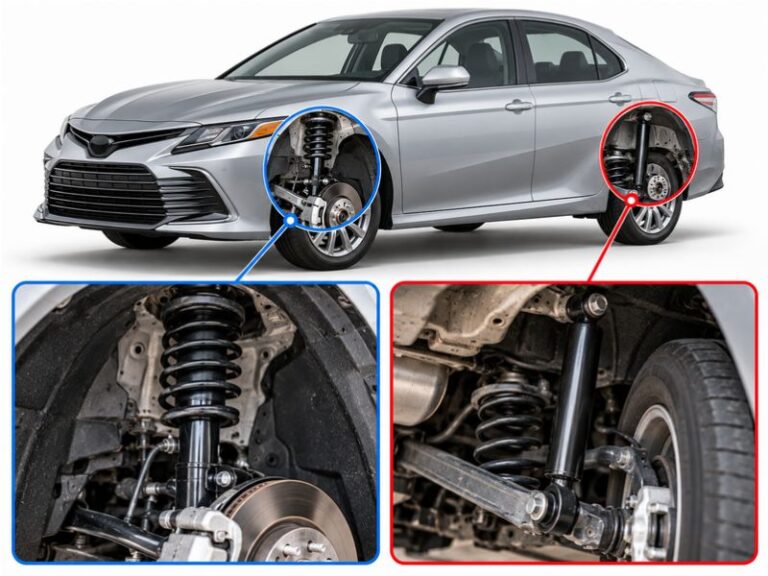
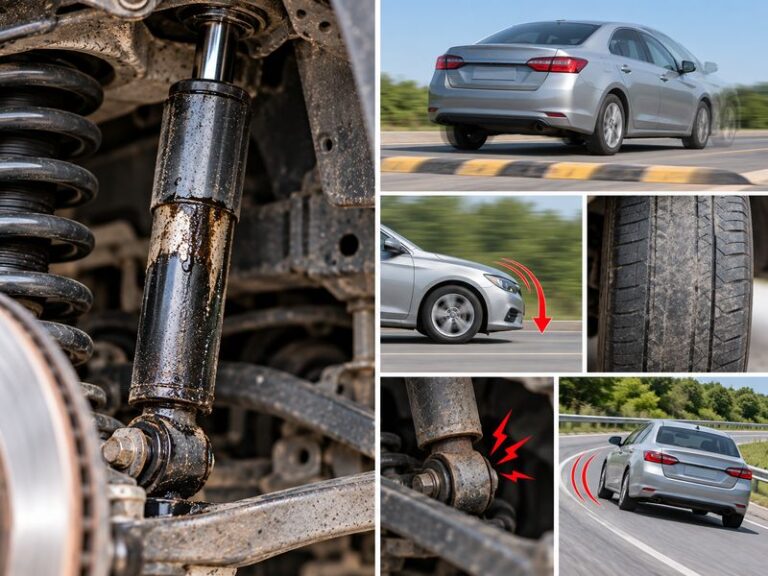
Yes. A shock absorber with a confirmed, active hydraulic fluid leak usually needs replacement. A light film of oil or road grime alone does not always mean the shock has failed. The key is to identify the leak, assess the shock’s condition, and check whether the vehicle remains safe to drive.
For drivers in the United States, a leaking shock absorber is a suspension problem that deserves prompt attention. Potholes, rough roads, heavy loads, and long highway trips can place repeated stress on suspension parts. A failed shock may let a vehicle bounce more than normal, pitch during braking, or feel unstable when changing lanes.
Shock absorbers help control the movement of the springs and keep the tires in contact with the road. They do not normally support the vehicle’s weight in the same way that springs do. When a hydraulic shock loses enough fluid, it may no longer control suspension movement as designed. This can affect handling, tire wear, braking behavior, and comfort.
The right decision depends on what is leaking and how severe the damage is. A small amount of residue near a seal may need cleaning and reinspection, while fresh oil running down the shock body is a stronger sign of failure. If the shock is wet with fluid, damaged, or paired with serious handling symptoms, arrange an inspection without delay.
Does a Leaking Shock Absorber Always Need Replacement?
A shock absorber with a confirmed active fluid leak generally needs replacement. Most conventional hydraulic shocks are sealed units. Their internal fluid helps control suspension movement, and a leak can reduce the amount of fluid available for proper damping. Many modern passenger-car shocks are not designed to be opened and refilled as a routine repair.
However, not every damp-looking shock has failed. Some shocks develop a slight film around the shaft seal during normal operation. Dust can stick to this film and create a dirty patch that looks worse than it is. Road spray, cleaning products, and fluid from nearby components can also cause misleading marks.
The deciding factor is whether there is clear evidence of fluid loss or another defect. Fresh oil that runs down the housing, repeated wetness after cleaning, a damaged shaft, or poor damping behavior all strengthen the case for replacement. If the source is uncertain, have a technician inspect the shock and nearby components before buying parts.
A shock can also wear out internally without leaking. Worn valves, damaged internal components, or deteriorated seals may reduce damping even when the outside looks dry. Therefore, a dry shock is not automatically a healthy shock, and a damp shock is not automatically a failed one.
Source: testingautos.com
Replace the shock
Replacement is usually appropriate when fresh hydraulic fluid runs down the housing, the shock is visibly damaged, the shaft is bent or scored, or inspection confirms poor damping caused by internal failure.
Inspect before deciding
A light residue without dripping, running fluid, or handling symptoms needs closer assessment. Clean the exterior only when safe and reinspect for fresh fluid rather than assuming the shock has failed.
Check the complete suspension
Noise, bouncing, or uneven tire wear can also come from worn bushings, springs, mounts, tires, or other suspension parts. Diagnosis should identify the actual cause.
What Counts as a Real Shock Absorber Leak?
A real leak occurs when hydraulic fluid escapes from the shock’s sealed body or shaft-seal area. The fluid may leave a wet trail on the outer housing, collect dirt in a sticky band, or form drops near the lower part of the unit. Fresh, spreading fluid is more concerning than a dry stain that has not changed.
A thin film around the seal can be difficult to interpret without knowing the design and condition of the shock. Some manufacturers permit a limited amount of seal residue, while others provide different inspection criteria. The vehicle’s service information and the shock manufacturer’s guidance should take priority over a universal visual rule.
Stronger evidence
Fresh oil, a wet trail running down the shock body, fluid drops, or recurring wetness after cleaning suggests an active leak.
Weaker evidence
A dusty, slightly dark ring near the seal with no fresh fluid or symptoms may be residue rather than a significant leak.
Can a Shock Be Bad Without Leaking?
Yes. Internal wear can reduce a shock’s ability to control spring movement even when no fluid escapes. A shock may feel weak, make noise, or allow repeated bouncing because of internal wear, damaged valves, or other mechanical faults.
The reverse is also possible: a shock may show minor residue while still providing acceptable damping. This is why technicians consider the full pattern of evidence instead of making a replacement decision from one photograph or a single bounce test.
Dry but weak
Excessive bouncing, poor body control, or a failed performance inspection can indicate internal wear without an external leak.
Damp but uncertain
A small oily area without other signs should be assessed against manufacturer inspection guidance before the part is condemned.
Why Does a Shock Absorber Leak?
The most common direct cause of a hydraulic shock leak is a failure at the shaft seal or another part of the sealed assembly. The shaft moves in and out as the suspension travels. Its seal must keep fluid inside while limiting dirt and moisture from entering the unit.
Over time, the seal can wear or become damaged. Corrosion, a scratched shaft, contamination, or physical impact may make sealing harder. A bent shock, severe impact damage, or an incorrectly fitted component can also create problems.
Road conditions affect how hard the suspension works. Repeated impacts from potholes, broken pavement, and rough roads may speed up wear, although road conditions alone cannot establish the cause of a particular leak. Age, mileage, part quality, vehicle loading, and maintenance history also matter.
Fluid on the shock does not always originate from the shock itself. Engine oil, grease, brake fluid, or fluid from another nearby component can travel along surfaces and collect around the suspension. Identify the fluid source before deciding which part needs repair.
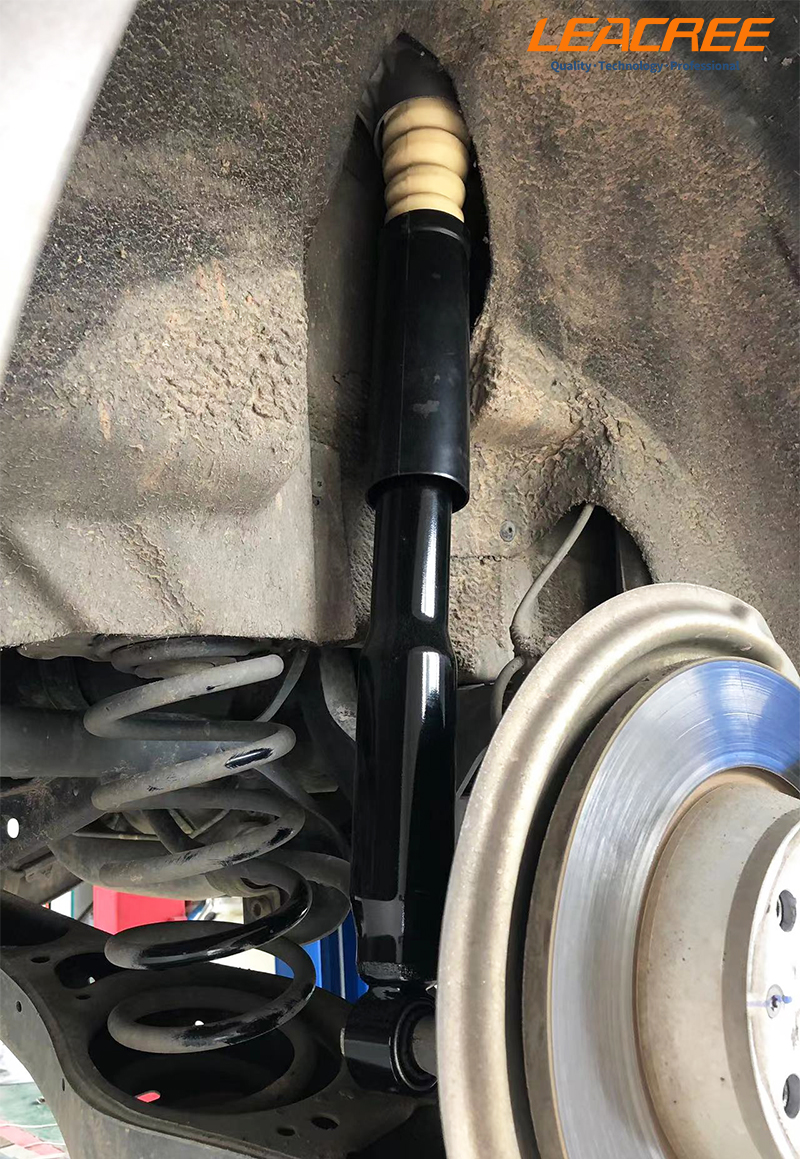
Source: leacree.com
Worn or damaged shaft seal
A seal that no longer holds hydraulic fluid can allow oil to escape during normal suspension movement.
Corroded or scored shaft
Rust, pits, or scratches on the moving shaft can damage the sealing surface and contribute to leakage.
Impact or physical damage
A severe pothole strike, road debris, or collision can damage the shock or its mounting points.
Age and operating conditions
Repeated movement, environmental exposure, and accumulated wear can affect seals and internal parts over time.
Can You Repair a Leaking Shock Absorber?
For most conventional passenger vehicles, replacing a leaking sealed shock is the practical repair. Replacing an external seal or adding fluid is not a suitable universal fix. The shock must retain the correct fluid, pressure where applicable, and internal function to control the suspension as designed.
Some specialized dampers are rebuildable by trained technicians using the correct parts and procedures. This depends on the exact design and manufacturer support. Do not assume that a shock is rebuildable simply because its housing can be opened or because a repair kit is advertised for another model.
If the leak comes from a separate nearby component, repairing that component may solve the problem without replacing the shock. A technician should verify the source before authorizing work.
Sealed factory shock
Replacement is usually the recommended option after a confirmed failure.
Rebuildable performance damper
Professional rebuilding may be possible if the manufacturer supports it and the internal parts remain suitable for service.
Fluid from another component
Repair the confirmed source and then inspect the shock for separate damage or leakage.
Signs That a Leaking Shock Absorber Needs Replacement
The clearest warning is a visible hydraulic fluid trail combined with signs that the shock no longer controls suspension movement. One symptom alone may have several causes, but several matching signs make a shock problem more likely.
Pay attention to changes in how the vehicle handles. A shock may gradually lose performance, so the driver can become accustomed to excess movement without realizing how much the ride has changed. Compare the vehicle’s behavior with its normal condition, while remembering that tires, springs, alignment, and other parts can produce similar symptoms.
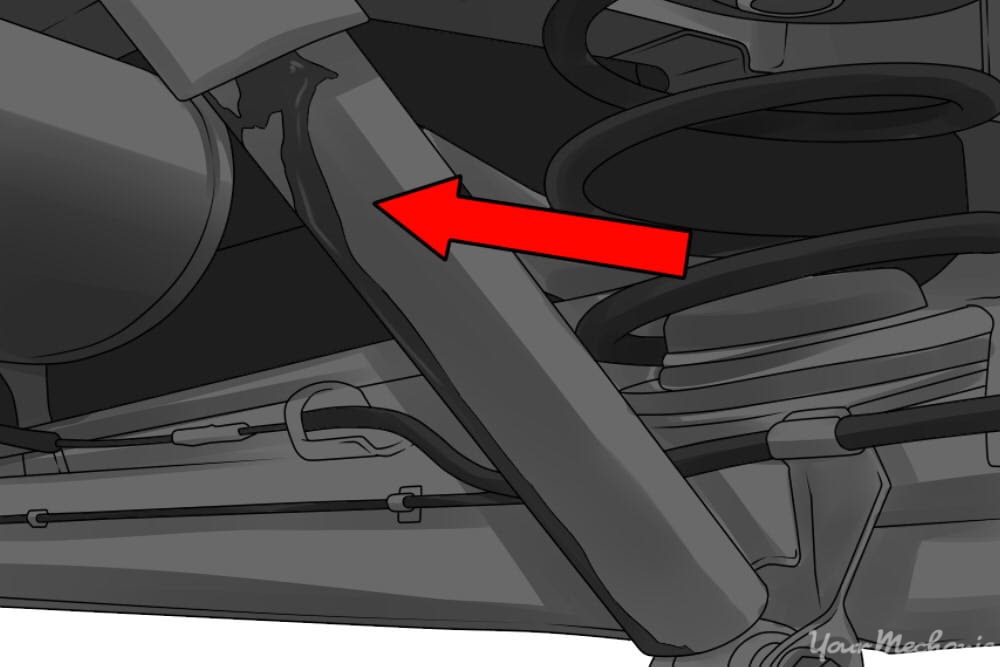
Source: res.cloudinary.com
Repeated bouncing
The body continues to move after a bump instead of settling promptly. Worn damping is one possible cause, but spring and tire conditions also matter.
Excessive nose dive or body roll
The vehicle may pitch more under braking or lean more in turns. These symptoms can also involve springs, tires, loading, or other suspension faults.
Reduced stability
The vehicle may feel unsettled over uneven pavement or during lane changes, particularly if a shock cannot control wheel movement properly.
Uneven or cupped tire wear
A worn shock can allow repeated tire movement that contributes to irregular wear. Incorrect alignment, imbalance, and tire defects must also be checked.
Knocking or clunking
A damaged shock or loose mount may make noise over bumps. Worn bushings, sway-bar links, and other components can cause similar sounds.
Visible damage
A bent body, badly corroded shaft, broken mounting point, or substantial fluid loss warrants prompt inspection and likely replacement.
Do Not Use the Bounce Test as the Only Diagnosis
Pressing down on a vehicle corner and watching it rebound can reveal severe loss of damping in some vehicles. However, the result depends on the suspension design, spring rate, vehicle weight, and other factors. Some modern suspensions do not respond to this test in a way that gives a reliable pass-or-fail result.
A vehicle that settles quickly can still have a leaking or internally worn shock. A vehicle that moves more than expected may have a spring or mount issue. Use the test only as a rough observation, not as proof that a shock is safe.
Never crawl beneath a vehicle supported only by a jack. A proper inspection under the vehicle requires a suitable lift or correctly rated jack stands on a firm, level surface, along with the vehicle manufacturer’s lifting procedure.
Look first
With the vehicle parked safely, inspect the visible shock area for fresh fluid, damage, and loose or broken mounts.
Compare symptoms
Consider bouncing, noise, tire wear, and changes in handling together instead of relying on one sign.
Get a proper assessment
Ask a qualified technician to check the shock, mounts, springs, tires, and other relevant suspension parts if the cause remains uncertain.
Is It Safe to Drive With a Leaking Shock Absorber?
A vehicle with a leaking shock may still move, but that does not mean it is safe to drive. The level of risk depends on the amount of fluid loss, the shock’s remaining damping ability, the condition of the other suspension parts, and the vehicle’s handling.
A minor suspected seep with no handling symptoms is different from a shock that is wet with fresh oil and no longer controls wheel movement. Even when the vehicle seems normal, a confirmed leak should be inspected promptly because suspension performance can decline without a dramatic warning.
A failed shock can allow the tire to move excessively over bumps. This can reduce consistent tire contact with the road and make the vehicle less settled during braking, cornering, or sudden maneuvers. The precise effect varies by vehicle, road surface, speed, tire condition, and the severity of the failure.
If the vehicle has severe bouncing, strong swaying, a broken mount, a bent shock, tire contact with bodywork, or a sudden change in control, do not continue driving it. Arrange a tow or roadside assistance. If the leak is minor and the vehicle behaves normally, a short, cautious trip to a repair shop may be reasonable only after the vehicle has been assessed as safe enough to move. When in doubt, do not drive.
Source: shockabsorberpro.com
Stop and arrange assistance
Do this if the suspension appears broken, the vehicle is unstable, a tire rubs against the body, or steering and handling have changed sharply.
Avoid high-speed travel
Do not take a vehicle with suspected shock failure on a highway, through sharp turns, or over rough roads while waiting for an inspection.
Do not carry heavy loads
Extra weight can increase suspension demands and may worsen handling when damping or related parts are already compromised.
Can a Leaking Shock Affect Braking Distance?
A damaged shock can affect how well a tire follows an uneven road surface, which may influence braking stability and tire grip. However, there is no single braking-distance increase that applies to every leaking shock or vehicle.
Actual braking performance also depends on tire condition, road surface, brake components, vehicle speed, load, and the operation of systems such as anti-lock braking. Do not assume that a vehicle is safe because the brakes still feel normal. Have a confirmed shock leak checked alongside any braking or stability concerns.
Uneven pavement
Poor damping can make it harder for the wheel to remain controlled over repeated bumps.
Emergency maneuvers
Reduced suspension control can make sudden steering or braking inputs harder to manage.
How to Check Whether a Shock Absorber Is Leaking
A basic visual check can help you decide whether to arrange a professional inspection, but it cannot confirm the shock’s internal condition. You need a safe parking area, good lighting, and access to the visible suspension components without placing yourself under an unsupported vehicle.
Do not remove suspension parts or loosen a shock mount just to inspect a suspected leak. On vehicles with struts, springs can store substantial energy, and incorrect disassembly can cause serious injury. Leave spring removal and any work involving compressed suspension components to a trained technician with the proper tools.
Source: briskoda.net
Step 1: Park and Inspect Safely
Park on firm, level ground, set the parking brake, switch off the engine, and let hot components cool. Use a flashlight to inspect the visible shock body, shaft-seal area, and mounting points. Do not reach into a moving suspension or place any part of your body beneath a vehicle that is not properly supported.
Check the housing
Look for fresh, wet fluid running down the shock body rather than judging only by dirt or a dark stain.
Check the shaft area
Look for corrosion, scoring, visible bending, or signs of damage near the seal, where accessible.
Inspect nearby parts
Look for wetness from another component, torn boots, damaged bushings, loose mounts, or broken suspension parts.
Step 2: Distinguish Residue From Active Leakage
If the shock has only a light film and no other warning signs, a technician may clean the exterior and inspect it again after normal use. Fresh fluid returning to the same area provides stronger evidence of an active leak. Follow the manufacturer’s inspection procedure because the acceptable level of residue differs by design.
Do not use a pressure washer or harsh chemical near shock seals, rubber boots, electrical parts, or other suspension components simply to make the surface look clean. Cleaning is useful only when it does not create damage or hide the source of the problem.
Light, dry residue
Record the location and arrange a closer inspection if you cannot determine whether it is normal.
Fresh wet trail
Treat this as a likely active leak and arrange prompt inspection.
Fluid drops or severe damage
Avoid further driving if the suspension is compromised and arrange professional assistance.
Step 3: Assess the Vehicle’s Behavior
Think about whether the vehicle has begun to bounce more, sway in turns, make new suspension noises, or develop unusual tire wear. Note when the symptoms occur, such as over potholes, during braking, or while changing lanes. These details help a technician narrow down the cause.
Do not perform a high-speed road test or deliberate hard braking to test a suspected failure. If handling has changed significantly, leave the assessment to a professional and arrange towing when necessary.
Normal handling but visible fluid
The shock still needs inspection because loss of performance may not be obvious to the driver.
Poor handling and visible fluid
The combination increases concern about failure and supports prompt repair or replacement.
Symptoms without visible fluid
Have the suspension inspected for internal shock wear and other faults rather than ruling out the shock.
Should You Replace One Leaking Shock or Both?
When one shock has failed, replacing both shocks on the same axle is often the preferred approach. A new shock paired with a substantially worn unit may produce uneven damping and different responses on the left and right sides. Replacing the pair can help preserve balanced handling and predictable suspension behavior.
This does not mean every shock on the vehicle must be replaced at once. The condition of the opposite axle, the vehicle manufacturer’s service guidance, mileage, suspension design, and repair budget all affect the decision. If the opposite shock is relatively new and the manufacturer permits single replacement, a technician may recommend a different approach based on the exact circumstances.
A strut is not identical to a conventional shock absorber. A strut can form part of the suspension’s structural arrangement and may incorporate a spring seat and other mounting functions. Some vehicles use shocks at one axle and struts at the other, so the correct parts and replacement procedure depend on the vehicle.
Ask the repair shop to explain whether the leak is confirmed, whether the opposite shock shows wear, and whether the manufacturer recommends replacing components in pairs. A clear diagnosis helps prevent both unnecessary work and incomplete repairs.
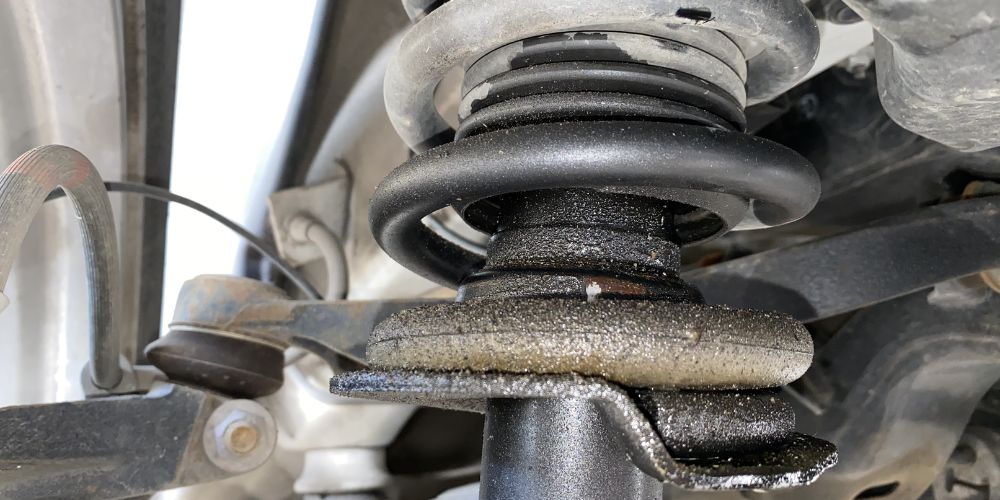
Source: i.ytimg.com
Same-axle replacement
Often advisable when one shock is worn or leaking, particularly when the opposite shock has similar age and mileage.
Opposite shock is newer
A single replacement may be considered if the parts and service guidance allow it and a technician confirms the remaining unit is in suitable condition.
Different axle
Do not assume the front and rear must be replaced together. Base the decision on their condition and the vehicle’s repair requirements.
What Else Should Be Inspected During Replacement?
A leaking shock can be only one part of a larger suspension problem. The technician should inspect the mounts, bushings, springs, protective boots, and nearby components for wear or impact damage. Tires should also be checked for irregular wear and damage.
Some vehicles require a wheel alignment after certain suspension repairs, especially when work changes the position of alignment-related components. A simple shock replacement does not automatically require the same alignment procedure on every vehicle. Follow the manufacturer’s repair instructions and check alignment when the design or symptoms call for it.
Mounts and bushings
Look for cracked rubber, excessive movement, corrosion, looseness, or noise-producing damage.
Springs and protective parts
Check for broken coils, severe corrosion, damaged dust boots, and signs of contact between components.
Tires and alignment
Inspect uneven wear and confirm whether alignment measurement is required after the repair.
How Much Does It Cost to Replace a Leaking Shock Absorber?
The total cost depends on the vehicle, the type of suspension, the part selected, labor rates, and the extent of related damage. A straightforward rear shock replacement on one vehicle can require far less work than replacing front struts on another vehicle. There is no reliable single price for every car in the United States.
A repair estimate should identify the parts, labor, any required alignment, and additional components that need replacement. Ask whether the quote covers one shock or an axle pair, whether new mounts or hardware are needed, and whether the part carries a warranty. Compare estimates using the same repair scope rather than looking only at the lowest total.
A leaking shock that has damaged nearby components can increase the final bill. For example, a worn mount or broken spring may require separate work. However, a shop should explain the evidence for each recommended part rather than adding unrelated repairs without a clear reason.
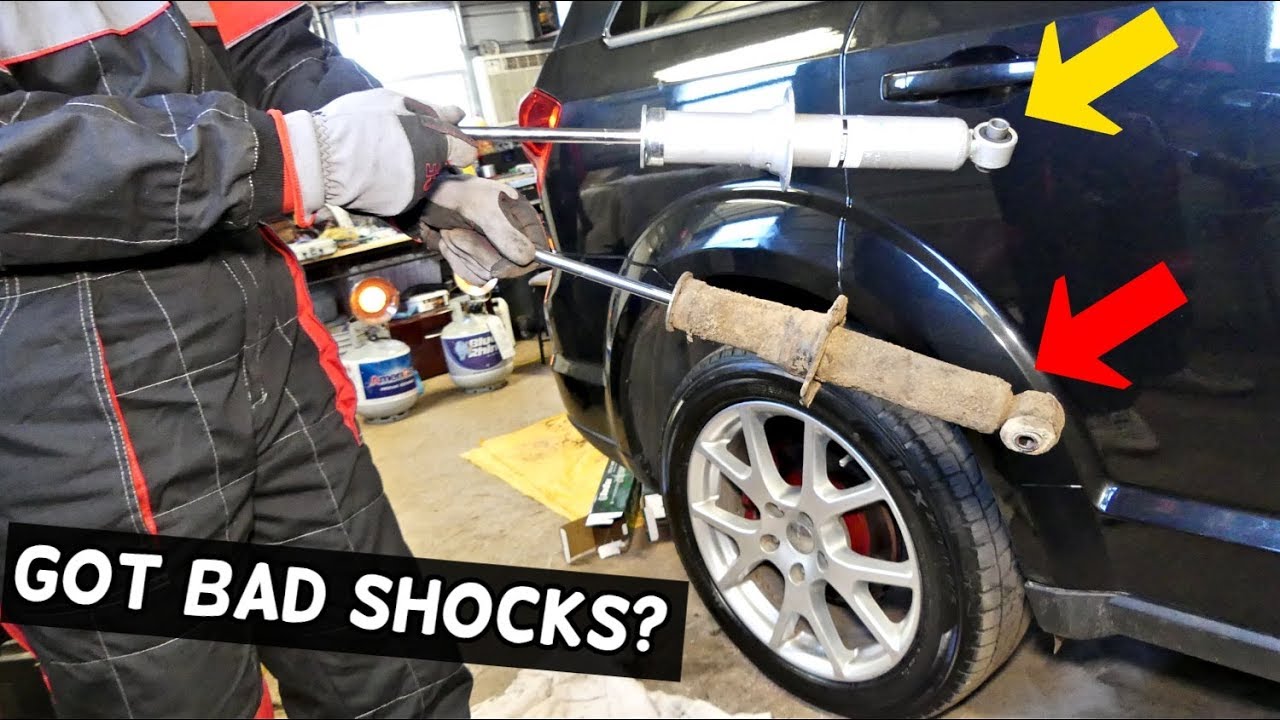
Source: i.ytimg.com
Part type
Conventional shocks, strut assemblies, adaptive dampers, and specialized suspension systems can have different part prices and installation needs.
Labor requirements
Access, corrosion, seized fasteners, and spring-handling requirements can affect labor time.
Related repairs
Mounts, bushings, springs, tires, or alignment work may add cost when inspection identifies a genuine need.
Repair scope
A pair replacement usually costs more initially than one part, but may avoid an imbalance caused by combining a new shock with a worn unit.
How to Judge a Repair Estimate
Request a written estimate with the exact parts and labor listed. Ask the shop to show you the suspected leak and explain whether it is active or only residue. If the evidence is uncertain and the vehicle remains safe, a second opinion may help you avoid replacing a serviceable component.
Do not delay a necessary repair solely to compare prices if the vehicle is unstable or has severe suspension damage. In that situation, arrange safe transport and prioritize restoring proper suspension control.
Confirm the diagnosis
Ask what evidence shows that the shock itself is leaking and whether other fluid sources were ruled out.
Confirm the parts
Check the part numbers, axle position, and whether the parts suit the vehicle’s suspension system.
Confirm related work
Ask why mounts, alignment, or other components are included and whether the manufacturer requires the work.
Common Mistakes to Avoid
The biggest mistake is treating every damp shock as failed or assuming that a shock is healthy because it looks dry. Both shortcuts can lead to the wrong repair decision. Diagnosis should consider fluid patterns, physical condition, symptoms, and the applicable service information.
Another mistake is ignoring a confirmed leak because the vehicle still feels comfortable. Suspension wear can develop gradually, and drivers may not notice reduced control until they encounter an abrupt maneuver or rough road. A comfortable ride does not prove that damping performance is adequate.
Source: shockabsorberpro.com
Replacing parts based only on dirt
Road grime can hide the source of fluid or make a small amount of residue appear severe. Verify whether fresh fluid is escaping.
Ignoring other fluid sources
Fluid may travel from another component. Confirm the source before authorizing a shock replacement.
Using a bounce test as proof
The result varies by suspension design and cannot reliably identify every failed shock.
Replacing only one worn shock without assessment
An old shock paired with a new one may create uneven damping. Assess the opposite side and follow the manufacturer’s guidance.
Attempting unsafe spring removal
Coil springs can store dangerous energy. Do not loosen strut components or remove springs without proper training and equipment.
Continuing to drive despite instability
Severe bouncing, a broken mount, or major handling changes call for stopping and arranging professional assistance.
What If the Leak Returns After Replacement?
If fresh fluid appears on a replacement shock, return to the installer and request a prompt inspection. The cause could involve a defective part, installation damage, a damaged mounting point, or fluid coming from another component. Do not assume the new shock itself is necessarily defective.
Keep the repair invoice, part details, and any warranty information. Photographing the affected area can help document the condition, but photographs do not replace a physical inspection. If handling is poor or the suspension appears damaged, do not continue driving merely to reproduce the problem.
Document the condition
Take clear photographs of fresh wetness and note when it appeared after the repair.
Request source verification
Ask the installer to distinguish shock fluid from contamination or leakage elsewhere.
Review warranty coverage
Check the supplier’s and installer’s terms before assuming that replacement labor or parts will be covered.
Frequently Asked Questions
Q
Can I drive for a week with a leaking shock absorber?
There is no safe universal time limit. A confirmed leak should be inspected promptly because the shock may be losing its ability to control suspension movement. Severe bouncing, unstable handling, a broken mount, or substantial fluid loss means you should stop driving and arrange assistance. Even if the vehicle seems normal, do not assume that a week of driving is safe.
Q
Can a leaking shock absorber damage my tires?
Yes, a worn shock can contribute to irregular or cupped tire wear by allowing repeated wheel movement. However, uneven wear can also result from incorrect alignment, poor tire inflation, wheel imbalance, or worn suspension parts. Inspect the tires and correct the underlying cause rather than replacing tires alone.
Q
Is a small amount of oil on a shock absorber normal?
A thin film near the shaft seal may be acceptable on some shock designs, but the permitted condition depends on the manufacturer. Fresh oil running down the housing, recurring wetness, or fluid drops are stronger signs of a leak. If you cannot distinguish residue from active leakage, have the shock inspected.
Q
Should leaking shock absorbers be replaced in pairs?
Replacing both shocks on the same axle is often recommended because the opposite shock may have similar wear and different damping can affect balance. However, the correct repair depends on the vehicle, the age and condition of the other shock, and the manufacturer’s instructions. Ask the technician to assess both sides before deciding.
Q
Can I replace a leaking shock absorber myself?
Some conventional shock replacements are suitable for a capable home mechanic with the correct tools, safe lifting equipment, and vehicle-specific instructions. Strut work can be more hazardous because the spring stores substantial energy. If the job requires spring compression, involves severe corrosion, or exceeds your experience, use a qualified repair shop.
Q
Will replacing a leaking shock improve ride quality?
Replacing a failed shock with the correct part can restore suspension control and reduce excessive bouncing or unsettled movement. The result depends on the condition of the other suspension parts, tires, and mounts. A new shock will not fix a separate problem such as a broken spring, incorrect tire pressure, or worn bushing.
✦ Wrapping Up
Conclusion
Does a leaking shock absorber need to be replaced? In most cases, yes, if inspection confirms that hydraulic fluid is actively escaping from a sealed shock. A confirmed leak can reduce damping performance, and the resulting loss of wheel control may affect handling, stability, and tire wear. The sooner the fault is identified, the easier it is to plan the correct repair.
Do not replace a shock based only on a dirty surface or a small, uncertain film of oil. Check for fresh fluid, physical damage, and changes in vehicle behavior. If the source is unclear, a qualified technician can inspect the shock and related suspension parts, then recommend whether one unit or an axle pair should be replaced.
Safety should guide the decision. A vehicle with severe bouncing, unstable handling, a broken mount, or major suspension damage should not be driven to the repair shop. Arrange towing when necessary, and use the vehicle manufacturer’s repair guidance to ensure the replacement parts and procedures are appropriate.
💡 Key Takeaway
Inspect the shock for fresh, running fluid and visible damage. If an active leak is confirmed, arrange replacement and have the opposite shock and nearby suspension parts checked. Stop driving and arrange assistance if the vehicle is unstable or the suspension is visibly damaged.
Eric
Hi, I’m Eric Bennett, the person behind OffRoadTruckAccessories.com.
I created this blog to share my interest in trucks, off-road driving, automotive accessories, and DIY modifications. I enjoy learning how different truck accessories work, testing their usefulness, and understanding whether they are truly worth buying.
Shock absorbers are located near the wheels as part of the suspension system, usually between the vehicle’s body, frame, or subframe and a suspension component such as a control arm, axle, or wheel assembly. However, the exact answer to where are shock absorbers located on a car depends on the suspension design. Some vehicles have…
You should change shock absorbers when they are worn, leaking, damaged, or no longer controlling suspension movement properly. There is no single replacement interval that applies to every vehicle because shock absorber life depends on road conditions, vehicle weight, driving habits, suspension design, and component quality. If you are wondering when to change shock absorbers,…