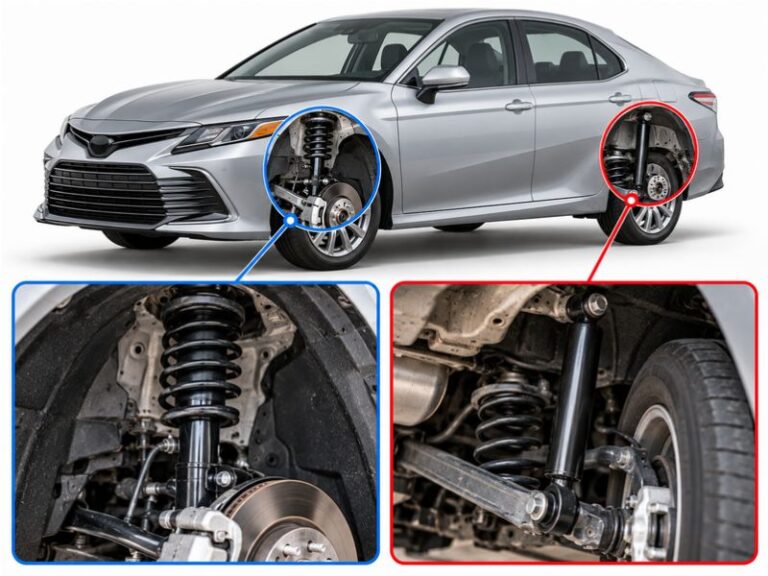
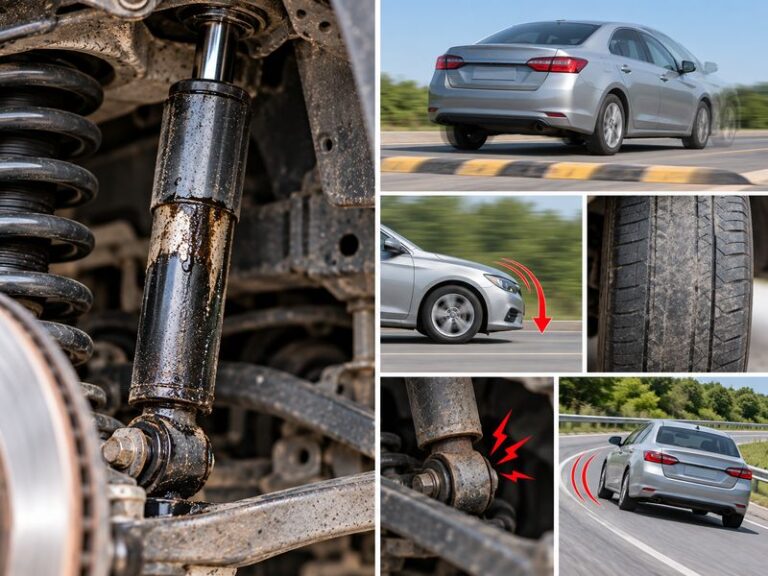
No, driving without a shock absorber is not safe for normal road use. A missing or detached shock absorber can reduce tire contact, weaken vehicle control, and make emergency braking or steering harder. Arrange a tow if a shock absorber is missing or its mounting has failed.
On roads across the United States, from city streets to interstate highways, a car needs stable suspension to respond to bumps, turns, and sudden stops. Shock absorbers help control the movement of the springs and keep the tires in better contact with the road. Without one, the vehicle may bounce, sway, or react in ways the driver does not expect.
The exact risk depends on the vehicle, the location of the missing shock, the condition of the remaining suspension parts, and the road. A leaking shock that still provides some damping is not the same as a shock that has fallen off or broken away from its mount. Neither condition should be ignored, and a fully missing or detached unit calls for professional inspection before driving again.
If you discover that a shock absorber is missing, do not take the car onto a public road to see how it handles. A qualified mechanic can inspect the spring, strut or shock mounts, control arms, tires, and related hardware. If the vehicle has a loose suspension part, a damaged mount, or an unstable wheel, use a tow truck rather than attempting to drive to a repair shop.
A vehicle can sometimes move even when one shock absorber is missing, but it should not be driven normally in that condition. The engine and transmission may still work, and the wheel may still turn. However, the suspension has lost a key part of the system that controls wheel and body movement.
A shock absorber is designed to resist rapid suspension movement. When a wheel hits a pothole or crosses a road joint, the spring compresses and then expands. The shock absorber slows this repeated motion so the tire can follow the road more consistently.
Without the shock, the spring may continue to oscillate after a bump. The body can rise and fall more than expected, and the tire may lose contact with an uneven surface for short periods. This can reduce steering response and make the vehicle less predictable during braking or cornering.
There is no universal safe speed or distance for driving with a missing shock absorber. A smooth parking lot at low speed presents a different situation from a wet highway, but neither makes a missing component suitable for regular use. A driver cannot reliably judge the remaining safety margin from how the car feels during a short test.
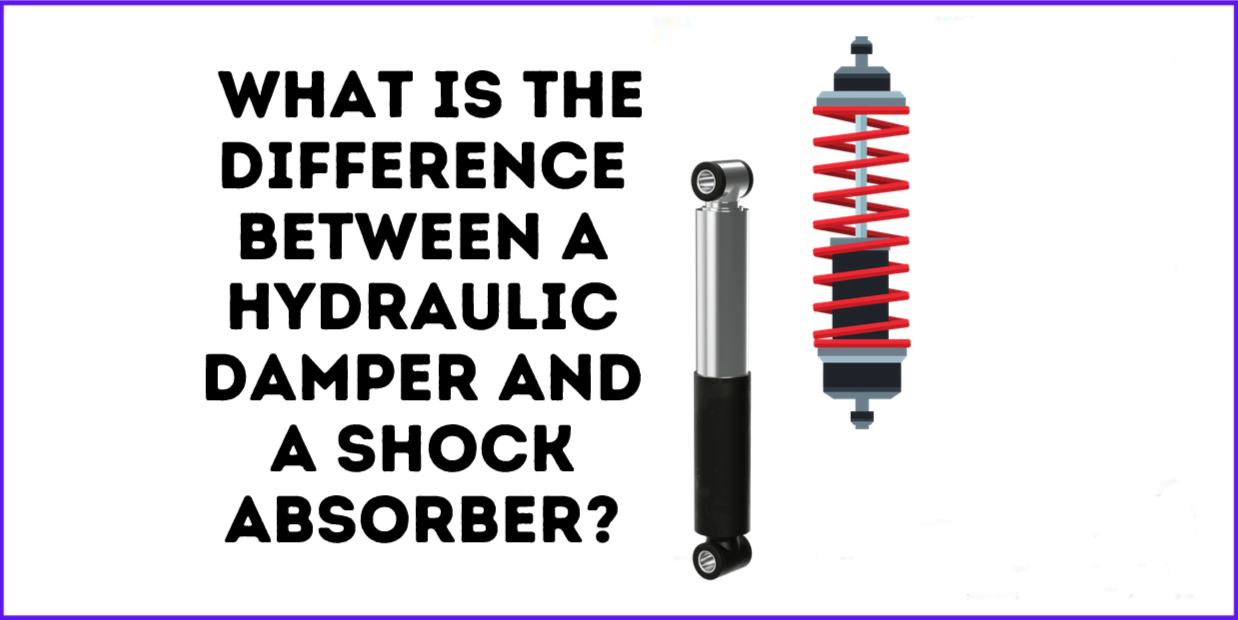
Source: driversdrift.com
If the shock absorber is completely missing
Do not drive the vehicle on public roads. Arrange towing and have the suspension and mounting points inspected.
If the shock absorber has come loose
Do not continue driving. A loose unit or broken fastener may strike nearby components, interfere with wheel movement, or indicate wider suspension damage.
If the shock absorber is only leaking
The unit may retain some damping, but its performance can be reduced. Have it inspected promptly, and stop driving if handling, tire contact, or suspension stability is affected.
Does One Missing Shock Make the Car Undriveable?
Not every vehicle becomes physically immobile when one shock absorber fails. A car may still roll, steer, and stop under some conditions. The problem is that normal operation does not prove that the suspension can control the wheel safely during an unexpected event.
The risk can be greater when the missing shock is on a front wheel, when the vehicle carries a heavy load, or when the road has sharp bumps and uneven surfaces. Rear suspension failure can also affect stability, especially when the vehicle is loaded or towing a trailer. No axle position makes the failure harmless.
Front suspension
Poor damping can affect steering response and stability during braking or turns.
Rear suspension
Excessive bouncing or sway can affect directional stability and weight control.
Modified or specialized suspension
Some vehicles use struts, integrated spring-and-damper assemblies, or other designs. The consequences depend on the exact system and which part is missing.
What Does a Shock Absorber Do?
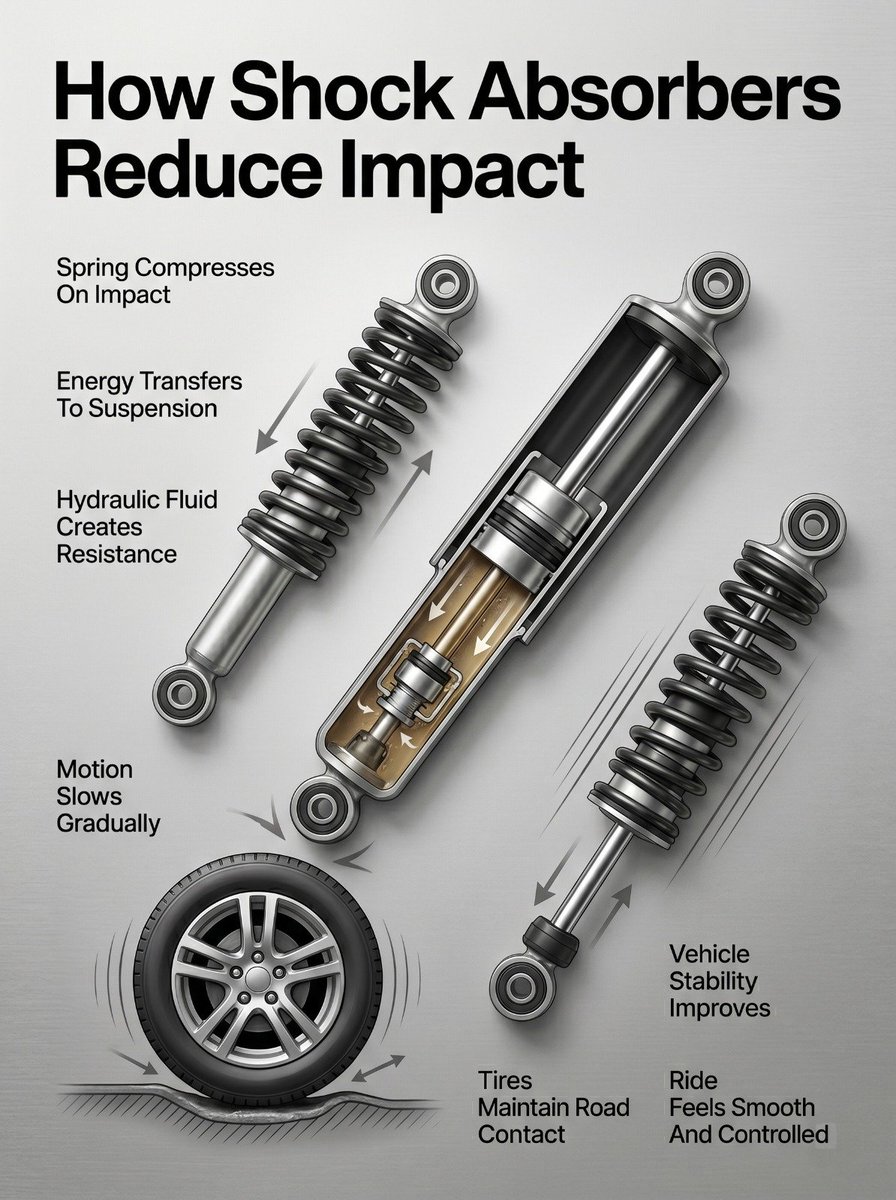
A shock absorber controls suspension movement by converting some of that movement into heat through hydraulic resistance. Many automotive shock absorbers use a piston that moves through oil inside a cylinder. Valves regulate the oil flow and create resistance as the suspension compresses and rebounds.
The spring supports the vehicle’s weight and allows the wheel to move over bumps. The shock absorber performs a different job: it limits repeated spring motion. Both parts work together, but they are not interchangeable.
A tire needs consistent contact with the road to generate useful grip for steering, acceleration, and braking. Excessive wheel movement can reduce that contact on rough surfaces. Good damping helps the suspension respond in a controlled way, although it cannot compensate for worn tires, poor alignment, damaged springs, or unsafe driving.
Some vehicles use a separate shock absorber and coil spring. Others use a strut assembly that combines structural and damping functions, often with the spring mounted around it. This difference matters because removing a strut can affect wheel support and suspension geometry in ways that differ from removing a separate rear shock.
Source: x.com
Controls bouncing
Damping limits repeated up-and-down movement after the wheels cross bumps.
Helps maintain tire contact
Controlled suspension motion helps the tire follow uneven pavement more consistently.
Supports predictable handling
Proper damping helps control body movement during braking, cornering, and changes in road height.
Works with other suspension parts
Springs, tires, bushings, control arms, ball joints, and mounts all affect the result. A shock absorber cannot correct every suspension fault.
Shock Absorber vs. Strut: Why the Difference Matters
A conventional shock absorber mainly controls movement, while a strut may also serve as a structural part of the suspension that helps locate the wheel. The terms are sometimes used loosely, but the parts are not always interchangeable.
If a separate shock absorber is missing, the spring may still support the vehicle, depending on the design. If a structural strut or its mounting has failed, the wheel’s position or the suspension’s integrity may be affected. In either case, the exact design must be checked before anyone decides whether moving the vehicle is safe.
Separate shock absorber
Often mounted near a separate spring, although layouts vary by vehicle.
Strut assembly
May carry structural loads and help locate the wheel, making some failures especially serious.
What Happens When You Drive Without a Shock Absorber?
Driving without a shock absorber can affect control, ride comfort, tire behavior, and the condition of other suspension parts. The effects vary with the vehicle’s design, road surface, speed, load, and condition of the remaining components. A severe failure can also involve loose hardware or damage beyond the shock itself.
The first noticeable effect may be extra bouncing after a bump. However, the most serious concern is not discomfort alone. The suspension may respond poorly when the driver needs to brake hard, steer around an obstacle, or cross an uneven patch of pavement.
Source: autoguru.com.au
Reduced handling control
The body and wheel may move more than expected, making the vehicle harder to guide through turns or sudden lane changes.
Less predictable braking
Poor damping can interfere with tire contact on uneven roads and may make stopping behavior less consistent.
Excessive bouncing
The spring may continue to move after a bump instead of settling quickly.
More tire wear
Uncontrolled wheel movement can contribute to uneven tire wear, although tire pressure, alignment, and worn suspension joints may also be responsible.
Possible damage to nearby parts
Repeated uncontrolled movement or loose mounting hardware may put added stress on related suspension components.
Can a Missing Shock Affect Braking Distance?
It can affect braking performance, but there is no single extra stopping distance that applies to every car with a missing shock absorber. Braking depends on tire grip, road conditions, speed, brake condition, weight transfer, and suspension behavior.
A wheel that does not follow an uneven road well may have less consistent contact with the pavement. That can reduce the grip available for braking and steering at the moment it is needed. Do not assume that working brakes make the vehicle safe to drive with a missing shock.
On dry, smooth pavement
The car may feel more stable than it does on rough roads, but the suspension defect remains.
On wet or rough pavement
Reduced tire contact can be more concerning when grip is already limited by water, bumps, or loose surfaces.
During emergency braking
A sudden stop leaves little time to compensate for unpredictable suspension movement.
Can Driving Without a Shock Damage Other Parts?
It can contribute to further wear or damage, especially if the shock has broken away from its mount or loose parts are striking the suspension. The spring, mounting brackets, bushings, tires, and nearby components should be checked for signs of impact or unusual movement.
Not every missing shock causes immediate damage to other parts. The extent depends on how it failed, how long the vehicle was operated afterward, and whether the surrounding suspension remained correctly positioned. An inspection is needed to distinguish existing damage from possible future wear.
Mounting hardware
Check for broken bolts, damaged threads, cracked brackets, or elongated mounting holes.
Spring and suspension links
Look for a displaced or broken spring and damage to arms, joints, or bushings.
Tires and wheels
Inspect for unusual wear, cuts, impact damage, or signs that the tire has contacted another component.
Signs That a Shock Absorber Is Missing or Has Failed
Visible damage and unusual suspension behavior can point to a missing or failed shock absorber. These signs are useful for deciding when to stop, but they do not replace a mechanical inspection because several suspension faults can produce similar symptoms.
If the car suddenly begins to bounce, lean, clunk, or handle differently, pull over somewhere safe. Do not crawl under a vehicle supported only by a jack, and do not reach near a spring or suspension assembly that may be under load.
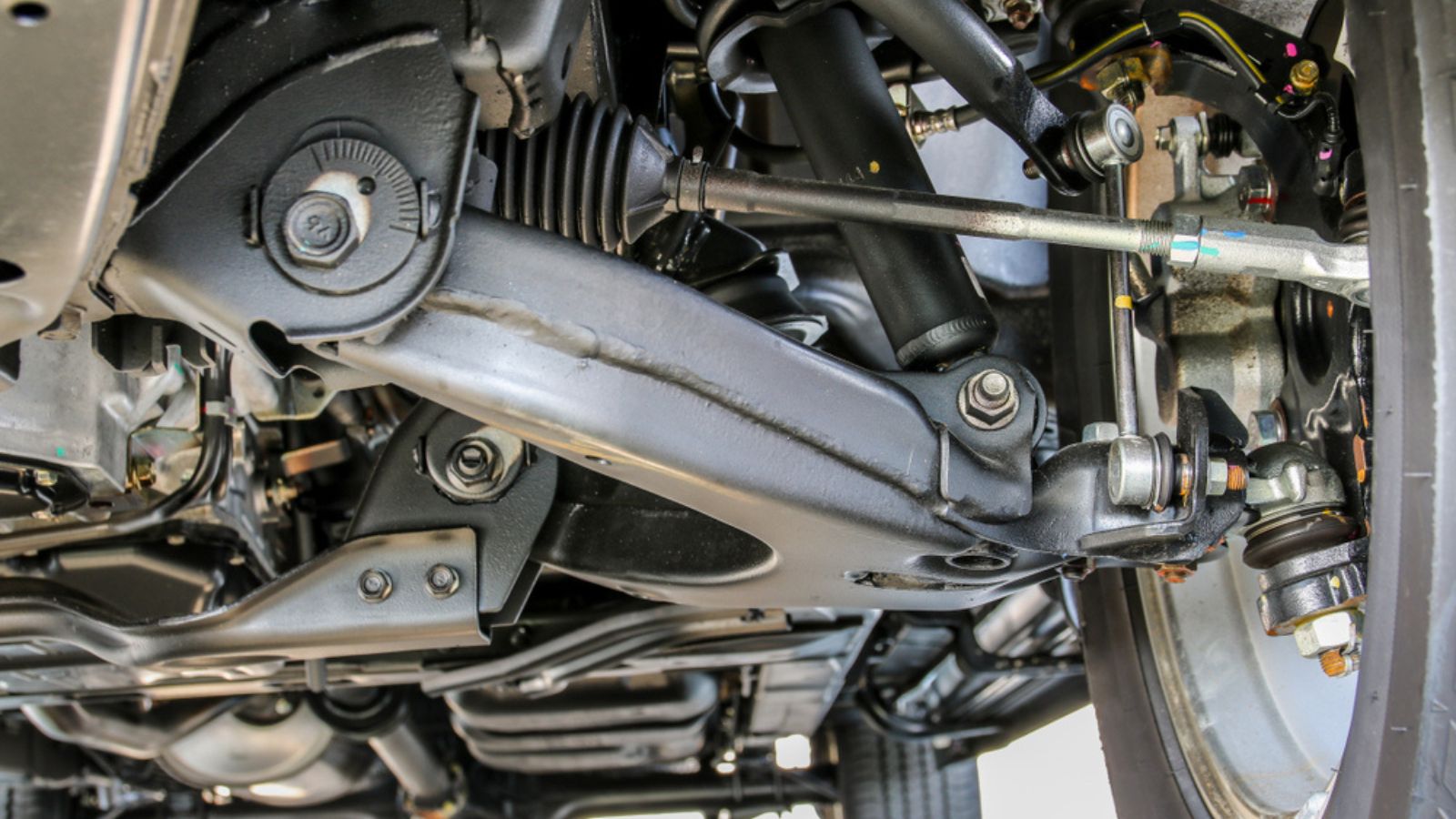
Source: club.autodoc.co.uk
A shock absorber is visibly absent
The expected damper body or mounting connection is missing from the wheel area.
The suspension corner sits unusually low
A broken spring or failed mount may be involved, so do not assume the shock alone caused the change.
Repeated bouncing after bumps
The suspension may no longer control spring movement effectively.
Clunking or banging noises
Loose hardware, a failed mount, a damaged link, or another suspension fault may be present.
Unusual tire wear
Cupping or irregular wear can be associated with poor damping but can also result from alignment, tire, or other suspension problems.
Poor stability during turns
Excessive body motion or a loose suspension component can make the car feel less controlled.
How to Check for a Missing Shock Safely
Park on level ground away from traffic, switch off the engine, set the parking brake, and let the vehicle cool if necessary. From a safe position outside the wheel area, look for an obvious gap where a shock should be, a dangling component, or a broken mounting point.
Compare the affected side with the other side only if the parts are visible without moving the car or reaching under it. Different suspension layouts can make the sides look different, so use the vehicle’s service information rather than relying on appearance alone.
Do not perform a road test to confirm a suspected missing shock. A bounce test, where someone pushes down on the body, cannot prove that a vehicle with a detached or missing component is safe. A mechanic should inspect the assembly on suitable lifting equipment and verify that all related parts are secure.
What you need
A flashlight, the vehicle owner’s manual or service information, and a safe, level parking area.
What to look for
An absent damper, a loose lower or upper mount, damaged fasteners, fluid leakage, a broken spring, or parts touching the tire.
When to stop checking
Stop if a component is loose, the wheel looks displaced, the car is leaning sharply, or inspection would require going under an unsupported vehicle.
Should You Drive to a Repair Shop Without a Shock Absorber?
If the shock absorber is completely missing, detached, or accompanied by a damaged mount, towing is the recommended option. A repair shop may be only a short distance away, but distance alone does not determine whether the vehicle can remain stable during braking or steering.
A flatbed tow truck is often a practical choice, especially when the suspension condition is uncertain or the vehicle has low ground clearance. Tell the towing provider which corner is affected and whether the wheel appears displaced or any parts are hanging loose. The provider can then determine the appropriate loading method.
If you are unsure whether the part is missing or merely leaking, treat the situation as a potential safety fault until it has been checked. A mechanic can confirm the type of suspension, assess whether the vehicle can be moved safely within the shop or property, and identify any related damage.
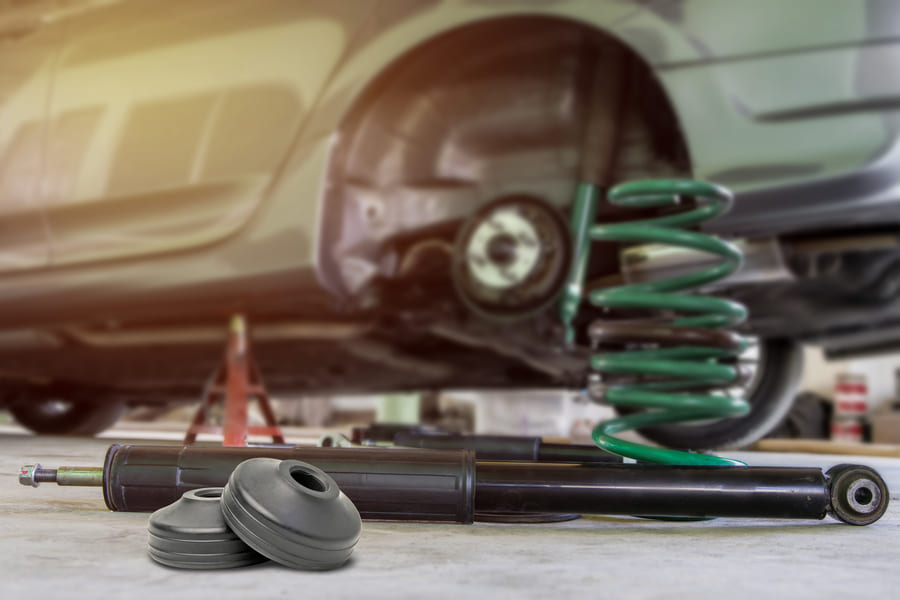
Source: mareena.lk
Choose towing immediately if
The shock is absent or detached, the mount is broken, the suspension corner is sagging, the tire contacts another part, or steering and braking feel abnormal.
Do not attempt a highway trip
Higher speeds leave less time to respond to sudden suspension movement, road hazards, or changes in grip.
Do not carry a heavy load
Extra weight can alter suspension movement and increase the consequences of a damaged spring, mount, or damper.
Tell the mechanic what happened
Explain when the symptom began, whether a noise occurred, and whether the shock was seen hanging loose or completely missing.
What If the Repair Shop Is Only a Mile Away?
A short trip is not automatically safe. A mile can include traffic, intersections, speed bumps, potholes, or an emergency stop. A driver also cannot know whether the failed shock has damaged its mounting point or allowed another part to move.
Keep the vehicle parked and arrange help. If it is in a dangerous place, prioritize your own safety, move away from traffic when possible, and contact roadside assistance or local emergency services when needed. Do not risk entering traffic simply to avoid a tow charge.
At home or in a parking lot
Leave the car parked until it can be inspected or transported.
On the shoulder of a busy road
Follow local roadside safety guidance, stay clear of moving traffic, and request appropriate assistance.
Can You Drive With One Bad Shock Absorber Instead of No Shock?
A worn shock absorber that remains attached is a different condition from a completely missing unit. A worn damper may still provide some resistance, while a missing or detached unit provides little or no damping at that wheel and may leave unsafe hardware or mounting damage.
Even so, a shock that leaks heavily, fails to control bouncing, or causes poor handling needs prompt attention. The fact that the wheel is still attached does not mean the vehicle is safe for every trip. If the car is unstable, makes severe noises, or shows signs of suspension damage, stop driving and arrange a tow.
For a minor leak or gradual decline in ride control, a mechanic can assess the severity and advise whether the vehicle can be driven to the shop. That decision depends on the actual condition, not a universal rule about how far a car can travel with a bad shock.
Source: YouTube > MasterMilo
Minor seepage
A light film may need assessment, but the shock’s condition and damping performance should be checked rather than judged by fluid alone.
Heavy leakage or repeated bouncing
The damper may be losing effectiveness and should be inspected promptly.
Broken mount or detached shock
Do not drive on public roads; use towing.
Abnormal wheel position or severe clunking
Stop and have the complete suspension inspected before moving the vehicle.
Do Shock Absorbers Need to Be Replaced in Pairs?
Replacing shocks in axle pairs is often recommended because the two sides should provide reasonably balanced damping. If one unit is badly worn and the other is much newer, the difference may affect handling and ride behavior.
The correct repair depends on the vehicle manufacturer’s guidance, the age and condition of the other shock, and the type of failure. A mechanic may recommend replacing both shocks on the same axle, while a particular suspension design or repair procedure may have additional requirements.
Do not fit a random shock simply because its length appears similar. The replacement must match the vehicle’s suspension specification, mounting arrangement, and intended load and use.
Check the vehicle specification
Use the exact year, make, model, trim, and suspension configuration to select compatible parts.
Inspect both sides
Check the opposite shock, mounts, springs, bushings, and related hardware before deciding on the repair.
Follow the repair procedure
Use the correct fasteners, torque specifications, and safety equipment. Spring-loaded strut assemblies may require specialist tools.
How to Repair a Vehicle With a Missing Shock Absorber
The safe repair starts with identifying why the shock is missing, not simply installing another part. A shock may have been removed during earlier work, broken at a mount, separated after corrosion, or damaged by an impact. The cause affects which additional parts need attention.
Suspension components can be heavy, spring-loaded, and difficult to access. A coil spring can store enough energy to cause severe injury if released incorrectly. If the repair involves a strut, compressed spring, damaged mount, or uncertain suspension geometry, use a qualified technician with the right equipment.
Source: fitness-fellows.de
Step 1: Identify the suspension design
Confirm whether the vehicle uses a separate shock, a strut, or another damping assembly. Consult the service manual for the correct procedure.
Step 2: Inspect the failure area
Check the upper and lower mounting points, fasteners, surrounding metal, spring, control arms, bushings, and tire clearance.
Step 3: Find and correct the cause
Replace damaged fasteners or mounts as required and address corrosion, impact damage, or other faults rather than hiding them with a new shock.
Step 4: Install compatible parts
Use the correct component and specified hardware. Follow the manufacturer’s procedure and torque values.
Step 5: Verify the repair
Confirm that all mounts are secure, the suspension moves as intended, and no component contacts the tire or brake parts.
Step 6: Complete any required alignment or checks
Some suspension repairs can affect wheel alignment. Follow the service information and have alignment measured when required.
How Do You Know the Repair Is Complete?
A repair is not complete just because a new shock is installed. The mounting points must be sound, the correct hardware must be secured, and related suspension components must be free from damage that could affect control.
A technician should verify the installation against the service procedure and inspect for tire interference, abnormal suspension movement, and warning signs of a remaining fault. If the repair involved alignment-sensitive parts, the required alignment check should be completed before normal driving.
If the vehicle still clunks, leans, bounces excessively, or feels unstable, do not treat the new shock as proof that the problem is solved. Stop using the vehicle until the remaining cause is found.
Successful repair
The correct part is installed, all required mounts are secure, and no related damage or interference remains.
Unsuccessful repair
Noise, poor handling, visible movement, or abnormal tire contact remains and requires further inspection.
Common Mistakes to Avoid
The biggest mistake is assuming that a car is safe because it can still move. A vehicle may drive out of a driveway while remaining difficult to control during a sharp turn, a pothole impact, or sudden braking.
Another mistake is treating every suspension problem as a shock absorber problem. A broken spring, failed mount, damaged control arm, worn ball joint, or tire defect can produce similar symptoms. Replacing the damper without checking the cause may leave a serious fault in place.
Source: autoguru.com.au
Driving slowly as a substitute for repair
Low speed may reduce some forces, but it does not make a detached or missing shock safe for public-road use.
Ignoring loose mounting hardware
A broken bracket or fastener may be the main hazard and must be repaired correctly.
Using the wrong replacement part
A shock that does not match the vehicle’s suspension can have incorrect travel, mounting, or damping characteristics.
Working under a car supported only by a jack
A jack alone is not a safe support for under-vehicle work. Use properly rated stands on suitable ground and follow the service procedure, or leave the repair to a professional.
Assuming a new shock fixes every symptom
Persistent clunks, sagging, tire wear, or poor control may point to additional faults that need diagnosis.
Is It Legal to Drive Without a Shock Absorber in the United States?
There is no single nationwide rule that makes every shock absorber failure legally identical in every situation. Vehicle equipment and inspection requirements can vary by state, and the legal effect depends on the vehicle, the defect, and the applicable rules.
A missing or detached suspension component may make a vehicle unsafe to operate and could lead to an inspection failure or enforcement action under applicable law. Do not interpret the absence of a specific shock-related rule in a summary as permission to drive an unsafe vehicle.
For a legal question, check the current official motor vehicle inspection and equipment rules for your state. Regardless of the precise legal classification, the practical safety recommendation remains the same: repair the defect before normal road use.
Check local requirements
Consult your state motor vehicle agency or official inspection program for current equipment rules.
Separate legality from safety
A vehicle’s ability to pass a basic visual check does not prove that its suspension is safe under all driving conditions.
Frequently Asked Questions
Q
Can I drive a short distance without a shock absorber?
A short distance does not guarantee safety. Even a nearby repair shop may require you to cross traffic, stop suddenly, or drive over uneven pavement. If the shock is missing or detached, arrange towing rather than driving on public roads.
Q
Can a car run with only three shock absorbers?
A car may still move with three functioning shock absorbers, but the remaining suspension will not behave as designed. Handling and stability may become less predictable, and the missing unit may indicate damage to its mounts or nearby parts. Do not use the car normally until it has been repaired and inspected.
Q
Can I drive without a rear shock absorber?
No, not as a normal road-use decision. A missing rear shock can cause excessive bouncing and affect stability, especially when carrying passengers, cargo, or towing. The rear location does not make the failure harmless, so have the vehicle transported for inspection.
Q
Can I drive without a front shock absorber?
Driving without a front shock absorber is unsafe because uncontrolled suspension movement can affect steering response, tire contact, and braking stability. If the vehicle uses a structural strut and that assembly or its mount is missing or damaged, the wheel’s support and alignment may also be affected. Do not drive the vehicle until a mechanic has assessed it.
Q
Will a missing shock absorber damage my tires?
It can contribute to irregular tire wear because the wheel may move excessively over uneven surfaces. However, tire damage and uneven wear can also result from incorrect pressure, poor alignment, worn joints, or other suspension faults. Inspect the tires and the entire affected suspension before returning the vehicle to service.
Q
Can I replace only the missing shock absorber?
Sometimes, but the decision should account for the condition of the opposite shock and the vehicle manufacturer’s repair guidance. Replacing shocks in axle pairs is often recommended when the other unit is similarly aged or worn. A mechanic should also check the mounts, springs, hardware, and related components for the cause of the failure.
Q
How much does it cost to repair a missing shock absorber?
The cost depends on the vehicle, the type of suspension, the replacement part, labor rates, and whether the failure damaged other components. Replacing a separate shock may involve less work than repairing a structural strut assembly or a broken mounting point. Request an estimate that separates parts, labor, related repairs, and any required alignment.
✦ Wrapping Up
Conclusion
You should not drive a car without a shock absorber as part of normal road use. Although the vehicle may still move, it can bounce excessively, respond poorly to steering, and lose consistent tire contact on uneven roads. A missing or detached shock can also signal damage to the suspension mounts, spring, or other nearby parts.
The safest next step is to leave the vehicle parked and arrange towing if the shock is missing, detached, or associated with abnormal wheel position, severe noise, or poor control. Have a qualified mechanic identify the failure, inspect the complete affected suspension, and install the correct replacement parts. Return the car to normal use only after the repair and required checks are complete.
💡 Key Takeaway
If a shock absorber is missing or detached, do not road-test the car or drive it to a repair shop. Park safely, arrange a tow, and request a full inspection of the shock mounts, spring, suspension links, tires, and related hardware.
Eric
Hi, I’m Eric Bennett, the person behind OffRoadTruckAccessories.com.
I created this blog to share my interest in trucks, off-road driving, automotive accessories, and DIY modifications. I enjoy learning how different truck accessories work, testing their usefulness, and understanding whether they are truly worth buying.
Shock absorbers are located near the wheels as part of the suspension system, usually between the vehicle’s body, frame, or subframe and a suspension component such as a control arm, axle, or wheel assembly. However, the exact answer to where are shock absorbers located on a car depends on the suspension design. Some vehicles have…
You should change shock absorbers when they are worn, leaking, damaged, or no longer controlling suspension movement properly. There is no single replacement interval that applies to every vehicle because shock absorber life depends on road conditions, vehicle weight, driving habits, suspension design, and component quality. If you are wondering when to change shock absorbers,…