New shock absorbers usually do not need a long settling period. They should work properly as soon as they are installed correctly. However, your vehicle may feel different as you get used to the new suspension, and some new parts may need a short period of normal driving to feel consistent. There is no universal break-in distance for every shock absorber.
When drivers in the United States replace worn shock absorbers, they often expect an immediate change in ride comfort and handling. New shocks can reduce excess bouncing, help the tires stay in contact with the road, and improve control over bumps. Still, a new suspension setup may feel firmer or different from the old one.
The key is to understand the difference between normal adjustment and a mechanical problem. A driver may need time to get used to the new ride, but a correctly installed shock absorber should not need hundreds of miles before it can control suspension movement. The exact behavior depends on the vehicle, shock design, spring condition, tires, and installation method.
This guide explains what happens after shock replacement, whether new shocks need to break in, how to drive during the first few trips, and which warning signs deserve attention. It also covers gas-charged shocks, complete strut assemblies, and common installation mistakes so you can judge whether your vehicle is behaving as expected.
In most cases, new shock absorbers do not need a long settling period. They are designed to control suspension movement as soon as they are installed correctly. A driver may notice changes over the first few trips, but this does not mean the shocks must wear in before they function.
Shock absorbers control how quickly the suspension compresses and extends. They convert some of the energy from suspension movement into heat, which helps limit repeated bouncing after a bump. Springs support the vehicle’s weight, while shocks control the movement of the springs and suspension.
When worn shocks are replaced, the car may feel firmer, more controlled, or less floaty. The difference can be especially noticeable on highways, uneven pavement, and roads with repeated dips. The result depends on the condition of the old parts and the characteristics of the replacements.
Some manufacturers may specify a particular preparation, installation procedure, or inspection routine. That guidance takes priority over general advice. Do not assume that every shock absorber needs a fixed number of miles to settle.
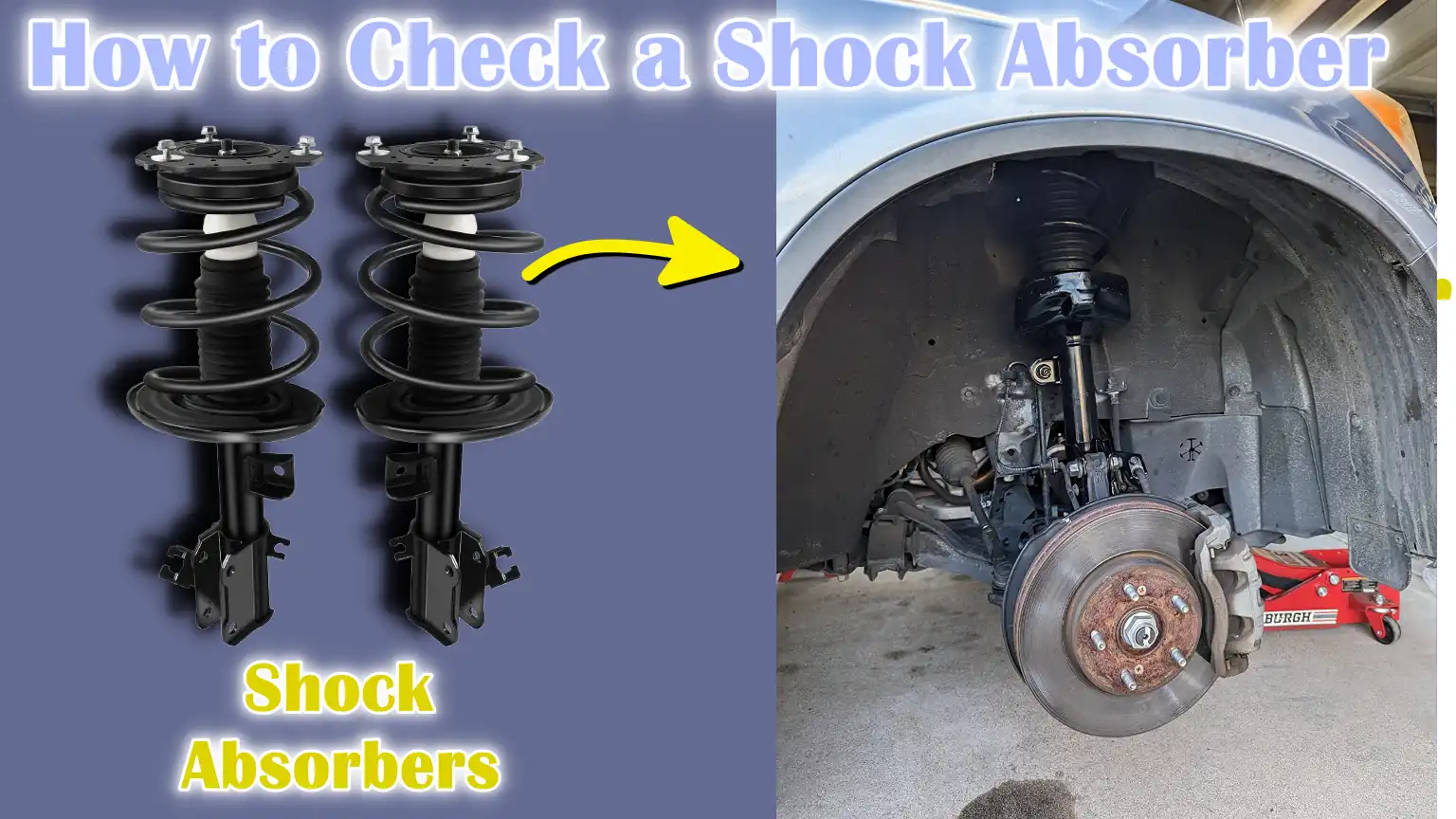
Source: media.gosciencegirls.com
Normal behavior
The vehicle feels more controlled, with less repeated bouncing and more predictable suspension movement.
Possible adjustment
The ride may feel firmer or different from what you remember, and you may need a few drives to judge the new feel.
Potential problem
Persistent clunks, severe bouncing, fluid leaks, loose fasteners, or sudden changes in handling should not be dismissed as settling.
What Does Settling Mean for Suspension Parts?
The word settling can refer to several different things. A driver may mean getting used to a changed ride, while a mechanic may use it to describe the position of parts after assembly. These are not the same as a required shock absorber break-in period.
A new shock should not need to become worn before it can damp suspension movement. If the vehicle continues to bounce excessively or handle poorly, inspect the complete suspension system rather than waiting for the parts to settle.
Driver adjustment
Your perception of ride comfort changes as you become familiar with the new suspension response.
Spring or mount position
Some components may settle into their intended position after assembly, but the installation procedure must establish the correct position and preload.
Shock performance
The shock should provide damping from the start, subject to the manufacturer’s preparation and installation instructions.
How Long Do New Shock Absorbers Take to Settle?
There is no universal number of miles or days for new shock absorbers to settle. Some drivers notice the difference immediately, while others need several ordinary trips to judge ride comfort. The time needed to become familiar with the new feel is not a technical break-in requirement.
If a manufacturer gives a specific run-in or inspection procedure for a particular shock model, follow that procedure. Otherwise, do not invent a mileage target or delay an inspection because you believe the parts need more time.
A practical approach is to check the vehicle after installation, take a cautious first drive, and monitor its behavior during normal use. If everything works as intended, there is generally no need for a special settling routine.
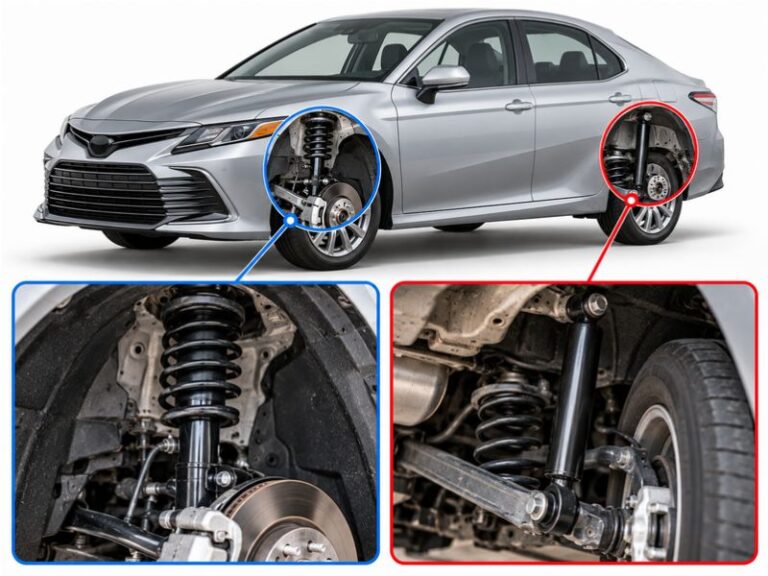
Source: dondodicarcustoms.com
Before driving
Confirm that installation is complete, all required fasteners are tightened to the specified torque, and no tools or loose parts remain near the suspension.
During the first drive
Use a familiar route with moderate speeds and ordinary road conditions. Listen for unusual sounds and assess steering and stability.
After the first trip
Look for visible fluid leaks, displaced components, or new warning signs. Follow any inspection schedule specified by the manufacturer or installer.
Over the following days
Notice whether the ride remains consistent. Persistent problems need diagnosis rather than additional break-in mileage.
Is 100 Miles Enough for New Shocks to Settle?
A distance of 100 miles is not a universal requirement for new shock absorbers. A properly installed shock should function from the first drive, and a vehicle should not need to cover a set distance before it becomes safe to handle.
If the vehicle still feels unusually harsh, unstable, or noisy after 100 miles, investigate the cause. Possible explanations include an incorrect part, installation errors, worn suspension bushings, tire pressure problems, or a mismatch between the replacement parts and the vehicle.
Do not wait for a mileage target
Arrange an inspection as soon as you notice a serious or persistent fault.
Use the correct instructions
Any model-specific break-in or reinspection requirement should come from the shock manufacturer or vehicle service information.
Why New Shock Absorbers May Feel Different
A different ride after shock replacement does not automatically mean something is wrong. The old shocks may have lost much of their damping ability, so the suspension could have felt soft, floaty, or slow to recover. New parts can make the same road feel noticeably different.
However, new shocks do not always make a car softer. Their damping characteristics, the vehicle’s springs, tire sidewalls, suspension design, and road surface all influence comfort. Some replacement shocks are designed to provide firmer control than the original parts.
The best comparison is not whether the vehicle feels softer than before. It is whether the new suspension behaves as expected for the installed parts and vehicle, without excessive bouncing, unusual noise, instability, or other faults.
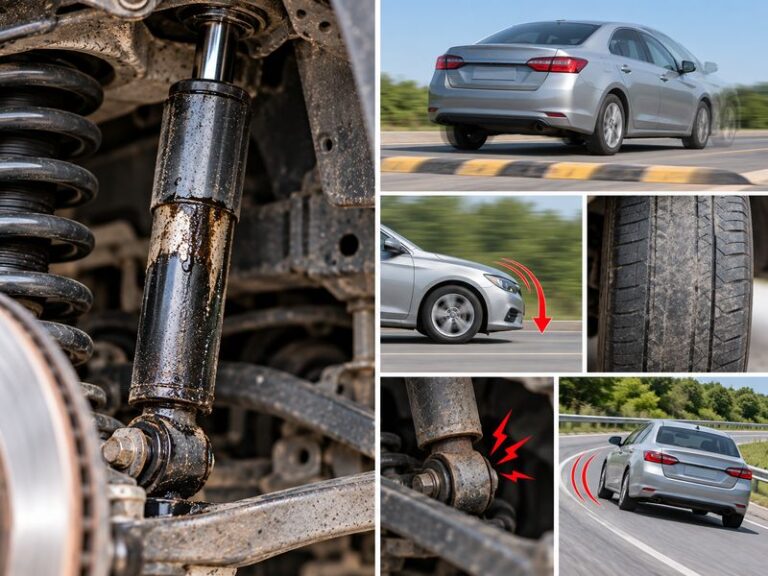
Source: ic.carid.com
Improved control
The body may settle more quickly after a bump, and the vehicle may feel less floaty on a highway.
Firmer ride
A replacement shock with different damping characteristics may transmit more road texture to the cabin.
Different cornering response
The vehicle may respond more consistently to steering inputs, although springs, tires, bushings, and alignment also affect cornering.
Ride height changes
A conventional shock absorber normally does not support the vehicle’s static weight. A change in ride height after shock replacement may point to a strut or spring assembly, mounting issue, or another suspension change.
Can New Shocks Make a Car Ride Rough?
Yes, new shocks can make a vehicle feel firmer, particularly when the replacements have a different damping design from the original equipment. That does not necessarily indicate a defect. However, a very harsh ride may also point to incorrect fitment, damaged mounts, overinflated tires, or another suspension fault.
Check the replacement part number against the vehicle’s exact year, make, model, trim, and suspension package. Vehicles with sport suspension, towing packages, adaptive damping, or other special equipment may require different parts.
If the vehicle hits bumps sharply, makes metallic noises, or feels unsettled, do not assume the shocks will become comfortable after more driving. Have the fitment and installation checked.
Check tire pressure
Use the cold tire pressure listed on the driver’s door placard or in the owner’s manual, not the maximum pressure molded into the tire sidewall.
Check part compatibility
Verify that the replacement shocks match the vehicle’s original suspension configuration.
Inspect related parts
Damaged strut mounts, bushings, springs, and suspension joints can change ride quality even when the new shocks are correct.
Do Gas-Charged Shock Absorbers Need to Settle?
Gas-charged shock absorbers do not normally need a road-based settling period to begin working. Many modern shocks contain pressurized gas, often nitrogen, to help reduce oil aeration and maintain more consistent damping under suitable operating conditions.
Some gas-charged shocks extend when removed from their packaging because internal gas pressure pushes the piston rod outward. This is a normal characteristic of many designs. It does not mean the shock has expanded incorrectly or must be driven for a certain distance.
The correct handling procedure depends on the product. Some manufacturers require a particular orientation, cycling procedure, or preparation before installation. Others do not. Read the instructions supplied with the exact shock model rather than applying one preparation method to every design.
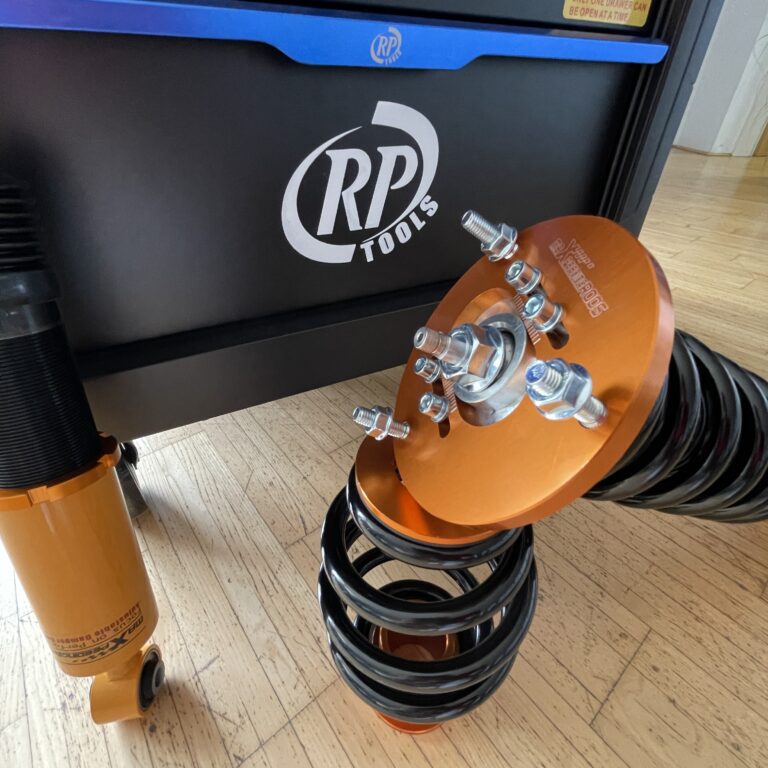
Source: pmmonline.co.uk
Rod extension
A rod that extends on its own may be normal for a pressurized shock, depending on its design.
Manual compression
Do not force the rod through repeated strokes unless the manufacturer specifically instructs you to do so.
Storage and handling
Protect the rod and seals from scratches, dirt, and impact. Damage to the polished rod can lead to premature seal failure.
Should You Pump New Shock Absorbers Before Installing Them?
Some shock manufacturers specify that a shock should be cycled before installation, while others do not require this step. There is no single preparation procedure that applies to every gas-charged, hydraulic, or electronically controlled shock.
If the instructions call for cycling the shock, follow the stated number of strokes, orientation, and handling method. If the instructions do not call for it, do not assume that pumping the shock will improve its performance.
Never clamp a shock by its polished piston rod, damage its seals, or use an improvised method that could cause injury. If the part behaves very differently from the manufacturer’s description, contact the supplier before installing it.
Follow model-specific guidance
Use the instructions supplied with the exact part number.
Avoid unnecessary force
Do not twist, strike, or force the piston rod to make the shock move.
Do New Struts Need to Settle Differently From Shocks?
A strut assembly may require more attention during installation than a separate shock absorber because a strut can serve as both a structural suspension member and a damping unit. Many strut designs work with a coil spring and mount, and some complete replacement assemblies include these parts already assembled.
A conventional shock absorber mainly controls suspension movement and does not normally carry the vehicle’s static weight. A strut, by contrast, often helps locate the wheel and transfer suspension loads into the body. This difference affects installation, alignment, and the risks involved in disassembly.
A newly installed strut should function correctly from the first drive when properly fitted. The spring and mounts should not be left loose or allowed to shift during an informal settling period. Follow the vehicle service procedure and arrange a wheel alignment when the repair instructions call for it.
Source: img.youtube.com
Complete strut assembly
A unit supplied with the spring and mount assembled can reduce the need to handle a compressed spring, but correct fitment and torque are still essential.
Strut-only replacement
Reusing the original spring and mount requires inspection of those components and the proper service procedure.
Alignment
Strut removal can change alignment-related settings on some vehicles. Follow the manufacturer’s alignment requirements rather than assuming the settings remain correct.
Can New Springs Settle After Installation?
New coil springs and complete suspension assemblies are different from new shock absorbers alone. Springs support the vehicle’s weight, and a new spring may have a different free length or load specification from a worn or incorrect old spring. The resulting ride height depends on the spring design, load, mounting position, and vehicle configuration.
A spring must be seated correctly in its upper and lower mounts during installation. A spring that is misaligned, a mount that is incorrectly assembled, or a part that does not match the vehicle should not be left in place in the hope that it will settle.
If ride height changes noticeably after a strut or spring replacement, compare the measurements with the vehicle’s service information and check both sides on level ground under the specified conditions. Seek professional help if the spring is displaced or the assembly appears unsafe.
Check spring seating
Confirm that the spring ends sit in the specified locations and that the mounts are assembled correctly.
Compare both sides
A large unexplained difference in left-to-right ride height may indicate a wrong part, assembly issue, damaged spring, or other fault.
How to Check New Shock Absorbers After Installation
The best way to assess new shock absorbers is to combine an installation check with a cautious road test and a follow-up inspection. Do not rely only on how soft or firm the suspension feels. Correct installation, predictable handling, and the absence of unusual symptoms provide a more useful assessment.
If a shop performed the repair, ask whether it inspected the mounts, bushings, springs, and other related components. Also ask whether the vehicle needs a wheel alignment or a follow-up inspection under the manufacturer’s procedure.
If you installed the shocks yourself, use the vehicle service manual and the shock manufacturer’s instructions. Suspension components can carry substantial spring force and vehicle weight, so never work beneath a vehicle supported only by a jack.
Source: i.ytimg.com
Inspect the installation
With the vehicle safely supported according to the service procedure, check that the shock, mounts, bushings, and required hardware are correctly positioned. Do not reach near a loaded spring or unsupported suspension.
Check fastener torque
Use the exact torque specifications for the vehicle and part. Some rubber-bushed suspension fasteners must be tightened at a specified suspension position to prevent bushing preload.
Take a cautious test drive
Start at low speed on a familiar route. Avoid aggressive cornering, hard braking, rough off-road surfaces, and high-speed testing until the installation is confirmed.
Monitor handling
The vehicle should respond predictably to steering and road changes, without persistent excess bouncing, pulling, or new suspension noises.
Reinspect as directed
Follow the manufacturer’s or installer’s inspection schedule. Do not retighten suspension fasteners indiscriminately or exceed the specified torque.
Signs That New Shocks Are Working Properly
Correctly installed shocks should help control suspension movement. When the vehicle crosses an ordinary bump, the body should recover in a controlled way rather than continuing to oscillate excessively.
The steering should remain predictable, and the vehicle should not develop new clunks, grinding sounds, or signs of parts contacting the tires. A change in ride feel is normal; a serious change in vehicle control is not.
These signs are practical observations, not a complete diagnostic test. Springs, tires, alignment, steering joints, and bushings also affect handling, so a professional inspection may be needed to confirm the cause of a symptom.
Controlled body movement
The body should not keep bouncing repeatedly after ordinary road bumps.
Stable handling
The vehicle should track and steer predictably under normal driving conditions.
No new mechanical noise
There should be no persistent knocking, metallic clunking, or obvious movement at the mounts.
No visible active leak
A new shock should not show a clear trail of escaping fluid. If you see fluid, have the part checked against the manufacturer’s inspection criteria.
Warning Signs You Should Not Blame on Settling
New shock absorbers should not need an extended period of poor handling before they work correctly. If the vehicle develops serious symptoms after replacement, stop treating the issue as normal settling and investigate it promptly.
A problem may come from the shock itself, an incorrect replacement part, a damaged mount, a loose fastener, or another suspension component disturbed during the repair. The timing of the symptom is useful evidence, but it does not prove that the new shock is defective.
If the vehicle feels unstable, a wheel appears out of position, a suspension component is loose, or a tire rubs against another part, stop driving when it is safe to do so and arrange a professional inspection or tow. Do not attempt a high-speed test to see whether the problem disappears.
Source: 6hoursofwarriorcreek.com
Persistent clunking
Possible causes include loose mounting hardware, worn bushings, a damaged mount, or another suspension part that was disturbed during installation.
Continued excessive bouncing
Possible causes include an incorrect or defective shock, poor installation, worn springs, or another suspension problem.
Vehicle pulls to one side
Check tire pressure and consider alignment, tire condition, brake issues, and suspension geometry rather than assuming the shocks need more time.
Uneven ride height
Inspect spring condition, spring seating, mounts, part compatibility, and any height-adjustable or air-suspension components.
Fluid leakage
Have a suspected leak assessed using the manufacturer’s criteria. A light film or residue can differ from an active leak, but a clear trail of escaping fluid warrants attention.
Tire wear or rubbing
Uneven wear can have several causes, including alignment, tire pressure, worn joints, and damping problems. Tire contact with the body or suspension requires prompt attention.
Why Do New Shock Absorbers Make Noise?
A new clunk or knock after installation is not a normal break-in requirement. The sound may come from a loose fastener, incorrectly seated bushing, damaged mount, sway bar link, or another part that was moved during the repair.
Noise can also result from incorrect hardware or a replacement shock that does not match the vehicle. On some vehicles, a strut mount or bearing can make noise as the steering turns.
Record when the noise occurs, such as over bumps, while turning, or during braking. Share those details with the installer. Avoid crawling under a vehicle to inspect suspension parts unless it is safely supported and the service procedure permits the check.
Noise over bumps
Ask for a check of shock mounts, fasteners, bushings, sway bar links, and nearby suspension components.
Noise while turning
The upper strut mount, bearing, spring seating, or steering components may need inspection.
Noise with braking
The cause may involve brakes, suspension joints, or loose components. It should be diagnosed rather than attributed to settling.
What Affects the Settling Period and Ride Quality?
The time it takes a driver to become comfortable with new shocks depends on more than the shock absorbers themselves. Vehicle design, replacement part specifications, tire condition, road surface, passenger load, and the condition of the rest of the suspension all affect the result.
A pickup truck used for towing may behave differently from a small sedan, and a vehicle with adaptive damping may need a specific setup or calibration procedure. Some vehicles also use electronic ride-height systems that require model-specific service steps.
A useful diagnosis begins with the exact vehicle and installed part, not a general assumption that all new shocks behave alike. Check the part number, installation instructions, and any vehicle-specific service requirements before deciding that a change in ride quality is normal.
Source: askcarmechanic.com
Shock design
Different damping rates, gas pressure, valving, and construction can affect how a replacement shock feels.
Vehicle configuration
Sport suspension, towing packages, different trim levels, and electronically controlled systems may require specific parts or procedures.
Springs and mounts
Worn, damaged, incorrectly seated, or unsuitable springs and mounts can affect ride height, noise, and comfort.
Tires and wheels
Pressure, tire type, wheel size, and tire damage can change the perceived firmness of the ride.
Road conditions
A rough road may make a firmer suspension feel harsh, while a smooth highway may make improved body control more obvious.
Load
Passengers, cargo, and towing loads affect spring compression and suspension response. Stay within the vehicle’s load ratings.
Should Shock Absorbers Be Replaced in Pairs?
Replacing shocks in axle pairs is generally advisable because the left and right sides of the same axle should have compatible damping characteristics. Installing one new shock beside a badly worn shock can produce different responses on each side, depending on the vehicle and the condition of the old part.
The exact recommendation depends on the vehicle manufacturer’s guidance and the shock design. If only one shock has failed, have the condition of the matching shock assessed and confirm whether the manufacturer recommends replacing both sides.
Pair replacement does not eliminate the need to inspect springs, mounts, bushings, and alignment. A vehicle may still ride poorly if another worn or damaged component remains.
Balanced damping
Compatible shocks on both sides of an axle help provide consistent suspension response.
Check the remaining shock
Inspect for leaks, damage, worn mounts, and poor damping before deciding whether one replacement is appropriate.
Common Mistakes to Avoid After Shock Replacement
The most common mistake is assuming that every new noise or harsh ride will disappear after a few hundred miles. New parts should be checked when they show symptoms of incorrect fitment or poor installation, and safety-related faults should never be ignored.
Another mistake is testing the suspension with aggressive maneuvers. Hard braking, sharp turns, high-speed driving, or deliberately hitting potholes can put the vehicle and other road users at risk. A cautious road test provides useful information without creating unnecessary danger.
It is also unwise to retighten every bolt without checking the service procedure. Suspension hardware may have specific torque values, tightening sequences, replacement requirements, or loaded-position rules. Use the correct instructions for the vehicle and replacement part.
Do not wait for severe symptoms to disappear
Persistent noise, instability, fluid leakage, or poor control deserves timely diagnosis.
Do not use a jack as the only support
Use properly rated jack stands or approved lifting equipment at the specified support points. Follow the service manual.
Do not dismantle a compressed spring casually
Coil springs can release dangerous stored energy. Use suitable spring-compression equipment and trained assistance, or choose a complete assembled strut.
Do not ignore alignment instructions
Some suspension repairs alter alignment settings. Have the alignment checked when the vehicle procedure requires it.
Do not assume a bounce test proves everything
Pressing down on the body may reveal excessive movement in some cases, but it cannot reliably confirm the condition of every modern shock or electronic suspension system.
When Should You Contact the Installer?
Contact the repair shop promptly if the vehicle develops a new clunk, uneven ride height, steering change, or persistent harshness after the repair. Tell the shop which parts were replaced, when the symptom occurs, and whether it began on the first drive.
If the vehicle has severe instability, a visibly displaced spring, a loose wheel or suspension component, or tire interference, do not drive it to the shop. Arrange suitable roadside assistance or towing.
Keep the invoice, part number, and any installation instructions. These details help the shop check compatibility and determine whether the issue involves the replacement part, installation, or another component.
Provide clear symptoms
Describe noises, handling changes, and the road conditions that bring them on.
Share repair details
Provide the part number, work order, and any manufacturer instructions supplied with the parts.
Prioritize safety
Do not continue driving if the suspension or steering appears unsafe.
A Practical Decision Guide for New Shock Absorbers
Use the symptoms you observe to decide whether to continue normal driving, check a basic setting, or arrange a repair inspection. This approach is more reliable than relying on a fixed settling distance that may not apply to your vehicle.
The table below is a general guide, not a substitute for the vehicle service manual or the shock manufacturer’s instructions. When a symptom affects steering, braking, wheel position, or vehicle stability, safety takes priority over additional testing.
Normal ride feels firmer
If the vehicle handles predictably and has no new mechanical symptoms, compare the installed shock specifications and monitor the ride during ordinary driving.
Harsh ride with no other symptoms
Check cold tire pressure and confirm that the parts match the vehicle. Arrange an inspection if the harshness is severe or persists.
Clunking or knocking
Have the mounting hardware, bushings, and nearby suspension parts inspected.
Severe instability or a displaced part
Stop driving when safe and arrange professional inspection or towing.
Symptoms and Recommended Next Steps
A new shock should not require a driver to accept unsafe behavior while waiting for a settling period. Use the following comparison to select the next step based on the symptom and its severity.
Firmer but controlled ride
Usually warrants a compatibility check and normal monitoring, provided the vehicle remains stable and no other warning signs appear.
Repeated bouncing
Requires inspection of shock performance, installation, springs, and related suspension components.
New noise after repair
Requires a check of mounts, fasteners, bushings, and any parts disturbed during installation.
Uneven height or wheel position
Requires an inspection of springs, mounts, fitment, suspension geometry, and any height-control system.
Unstable steering or tire contact
Stop driving and arrange professional assistance because continued operation may be unsafe.
Next Questions to Ask After Replacing Shocks
Once the vehicle has passed its initial inspection and road test, the next steps are straightforward. Confirm whether an alignment is needed, retain the replacement-part information, and follow the service schedule for any additional inspections.
Questions about a specific vehicle can have different answers because suspension layouts and manufacturer procedures vary. The most useful details are the vehicle’s year, make, model, trim, the axle where the shocks were installed, and the exact replacement part number.
Check alignment needs
Ask whether the repair changed any alignment-related components or settings and whether the service procedure calls for an alignment.
Confirm replacement specifications
Keep the part number and installation instructions so you can verify compatibility if the ride feels unusual.
Record new symptoms
Write down when any noise, bounce, or handling change occurs. This can help a mechanic reproduce and diagnose the issue.
Editorial Next-Question Gap Map
This guide prioritizes practical follow-up needs that arise from the main question. The questions below are inferred from the repair task, not claims of verified search volume or measured future demand. No competitor pages were directly inspected for this article, so their coverage is marked as not checked rather than missing.
How many miles do new shocks need to break in?
Reader stage: after installation. Basis: inferred next need from the word settle. Competitor coverage: not checked. Reader benefit: avoids waiting for an unsupported mileage target. Evidence: manufacturer-specific instructions and shock design. Priority: high. Placement: break-in section.
Why do new shocks make noise?
Reader stage: troubleshooting. Basis: inferred next need following a replacement. Competitor coverage: not checked. Reader benefit: helps distinguish installation faults from normal ride changes. Evidence: service procedures and inspection of mounts and fasteners. Priority: high. Placement: warning signs section.
Should new struts and springs settle?
Reader stage: part selection and installation. Basis: inferred next need because struts and springs are often replaced with shocks. Competitor coverage: not checked. Reader benefit: separates damping behavior from spring and mount issues. Evidence: vehicle service information and part-specific instructions. Priority: high. Placement: struts and springs section.
Do new shocks require a wheel alignment?
Reader stage: after repair. Basis: inferred next need. Competitor coverage: not checked. Reader benefit: helps prevent overlooking altered alignment settings. Evidence: the exact vehicle’s repair procedure. Priority: medium. Placement: installation checks and next steps.
Should shock absorbers be replaced in pairs?
Reader stage: repair planning. Basis: inferred next need. Competitor coverage: not checked. Reader benefit: helps maintain compatible damping across an axle. Evidence: vehicle and shock manufacturer recommendations. Priority: medium. Placement: replacement considerations.
Frequently Asked Questions
Q
Do new shock absorbers need a break-in period?
Most new shock absorbers do not require a long break-in period. They should control suspension movement from the first drive when correctly installed. Follow any preparation or run-in instructions provided by the manufacturer of the exact shock model.
Q
How many miles should I drive before new shocks feel normal?
There is no universal mileage requirement. You may become more familiar with the changed ride after a few ordinary trips, but the shocks should not need a set number of miles to start working. Persistent noise, excessive bouncing, or unstable handling calls for inspection.
Q
Is it normal for new shocks to feel stiff?
A firmer ride can be normal when replacement shocks have different damping characteristics from the old parts. However, an unusually harsh ride can also result from incorrect fitment, tire pressure, damaged mounts, or other suspension problems. Check the part specifications and vehicle requirements.
Q
Do new gas shocks need to be pumped before installation?
It depends on the manufacturer’s instructions. Some models require a specified cycling procedure, while others do not. Do not pump or compress a shock repeatedly unless the instructions for that part call for it.
Q
Should I get a wheel alignment after replacing shock absorbers?
An alignment is not automatically required after every separate shock replacement. It may be needed when the repair affects alignment-related parts or settings, particularly during some strut replacements. Follow the service procedure for the exact vehicle and check the alignment if steering or tire-wear symptoms appear.
Q
Can I drive normally immediately after installing new shocks?
You can generally drive after the installation has been completed and checked correctly. Begin with a cautious road test, confirm that steering and handling are predictable, and avoid aggressive driving until the repair is verified. Do not drive if the suspension is loose, unstable, or visibly damaged.
Q
Why does my car still bounce after replacing the shocks?
Continued excessive bouncing may indicate incorrect or defective shocks, installation problems, worn springs, or other suspension faults. Check part compatibility and have the complete suspension inspected rather than waiting for the new shocks to settle.
Q
Can new shocks change my vehicle’s ride height?
A conventional shock absorber normally does not support the vehicle’s static weight, so replacing it alone should not cause a major ride-height change. If ride height changes after a repair, check whether a strut, spring, mount, height-adjustable system, or other component was also replaced or assembled incorrectly.
✦ Wrapping Up
Conclusion
New shock absorbers generally do not need a long settling period. When the correct parts are installed properly, they should provide damping from the first drive. A different or firmer ride may be normal, and a few ordinary trips can help you become familiar with the change.
Do not confuse getting used to a new ride with waiting for a mechanical part to start working. Persistent bouncing, new clunks, active fluid leaks, uneven ride height, or unstable handling should prompt an inspection. Some faults require the vehicle to be taken off the road immediately.
For the most reliable result, follow the shock manufacturer’s installation instructions and the vehicle service manual. Check tire pressure, confirm part compatibility, inspect related suspension components, and obtain an alignment when required by the repair procedure.
💡 Key Takeaway
Check the installation and take a cautious first drive. If the vehicle handles predictably and shows no warning signs, continue normal use while following any manufacturer-specific inspection guidance. If new noise, severe bouncing, leakage, or instability persists, arrange an inspection instead of waiting for the shocks to settle.
Eric
Hi, I’m Eric Bennett, the person behind OffRoadTruckAccessories.com.
I created this blog to share my interest in trucks, off-road driving, automotive accessories, and DIY modifications. I enjoy learning how different truck accessories work, testing their usefulness, and understanding whether they are truly worth buying.
Shock absorbers are located near the wheels as part of the suspension system, usually between the vehicle’s body, frame, or subframe and a suspension component such as a control arm, axle, or wheel assembly. However, the exact answer to where are shock absorbers located on a car depends on the suspension design. Some vehicles have…
You should change shock absorbers when they are worn, leaking, damaged, or no longer controlling suspension movement properly. There is no single replacement interval that applies to every vehicle because shock absorber life depends on road conditions, vehicle weight, driving habits, suspension design, and component quality. If you are wondering when to change shock absorbers,…