
How to Adjust Coilovers for Smooth Ride: A Complete Step-by-Step Guide
Learning how to adjust coilovers for smooth ride comfort is less about finding one magic setting and more about balance. A coilover can make a car feel sharp and controlled, but a poor setup can also make normal roads feel rough. Small changes often make a bigger difference than large adjustments.
For a street car in the U.S., the goal is usually different from a track setup. You may need to deal with potholes, rough pavement, speed bumps, freeway joints, and long drives. A comfortable setup needs enough suspension travel and sensible damping, not just a low stance.

What Makes a Coilover Ride Smooth or Harsh?
Before learning how to adjust coilovers for smooth ride comfort, it helps to know what the suspension is doing. The spring supports the car and controls how far the suspension moves. The shock controls how fast that movement happens.
A ride can feel harsh when the suspension cannot move freely over small bumps. Too much damping, too little travel, very low ride height, high tire pressure, or stiff springs can all play a role. A smooth ride comes from getting these parts to work together.
The first step is to find out what type of coilover you have. Some kits let you change damping only. Others let you change ride height and preload separately. Your manufacturer’s manual should always take priority over a general setup guide.

- ✦ Spring rate
A stiffer spring needs more force to move. If the spring rate is high, the car may feel firm even with soft damping.
- ✦ Damping
Damping controls suspension movement. Too much damping can make small bumps feel sharp.
- ✦ Suspension travel
The suspension needs room to move. Very low ride height can reduce that space and cause harsh bottoming.
- ✦ Tires
Tire size, sidewall height, construction, and pressure can change ride comfort before you touch the coilovers.
Why a Low Car Is Not Always a Smooth Car
Lowering the car changes how much suspension travel remains. If the car sits too low, it may hit bump stops or run out of travel on rough roads. That can feel much harsher than the spring itself.
For a street car, use the ride height range listed by the coilover maker. Avoid lowering the car only for appearance if it causes poor travel or frequent contact with the bump stops.
- ✦ Watch for bottoming
A hard hit at the end of suspension travel can feel much worse than a normal bump.
- ✦ Keep useful travel
Enough compression and rebound travel helps the suspension deal with uneven roads.
How to Adjust Coilovers for Smooth Ride Step by Step
The safest way to learn how to adjust coilovers for smooth ride comfort is to change one setting at a time. Write down the original settings before you begin. This gives you a known point to return to if the new setup feels worse.
Park the car on a level surface and follow the coilover manufacturer’s instructions. Use the supplied adjustment tools when required. Never force an adjuster, and never change spring preload or ride height without understanding how your specific kit is designed.

- ✦ Step 1: Record the current setup
Count damping clicks from the manufacturer’s reference point and measure ride height at each corner. Record everything.
- ✦ Step 2: Check tire pressure
Set tire pressure to the vehicle or tire maker’s recommended cold pressure before judging suspension comfort.
- ✦ Step 3: Check ride height
Make sure the car is not so low that it has very little suspension travel or regularly hits bump stops.
- ✦ Step 4: Set damping
Start at the manufacturer’s recommended baseline. If the ride feels too firm, try a small move toward softer damping.
- ✦ Step 5: Test the car
Drive the same familiar road at normal speeds. Pay attention to small bumps, larger bumps, body motion, and steering feel.
- ✦ Step 6: Make one more small change
If needed, adjust only one setting by a small amount. Test again and record the result.
Start With the Manufacturer’s Baseline
Every coilover is different. A damping knob that turns clockwise on one model may not behave exactly like another. The manufacturer’s starting point is therefore more useful than a generic number of clicks found online.
When learning how to adjust coilovers for smooth ride comfort, begin at that baseline. Then move in small steps. This method makes it easier to understand what each adjustment does on your car.
- ✦ Write it down
Record the setting at every corner before making changes.
- ✦ Change one thing
Do not change ride height, damping, tire pressure, and alignment at the same time.
Adjust Damping for Better Comfort
If your coilovers have adjustable damping, this is often the first setting to check after tire pressure and ride height. Damping changes how quickly the suspension compresses and rebounds. Too much damping can stop the wheel from following small road bumps well.
For a harsh street ride, try moving the damping toward the softer end in small steps. Test the car after each change. If the car begins to bounce, float, or feel poorly controlled, you may have gone too soft.
- ✦ Too firm
The car may feel sharp over small bumps and may seem unable to settle over rough pavement.
- ✦ Too soft
The car may bounce more, take longer to settle, or feel less controlled after a bump.
- ✦ Useful target
Aim for a ride that absorbs bumps without repeated bouncing or excessive body motion.
Set Ride Height Without Making the Car Harsh
Ride height is a major part of a comfortable coilover setup. Lower is not automatically better for ride quality. A small change in height can affect suspension travel, bump-stop engagement, steering geometry, and alignment.
For a daily driver, use a practical ride height that leaves useful travel. The exact height depends on the car, coilover design, wheel and tire package, and the roads you drive on.
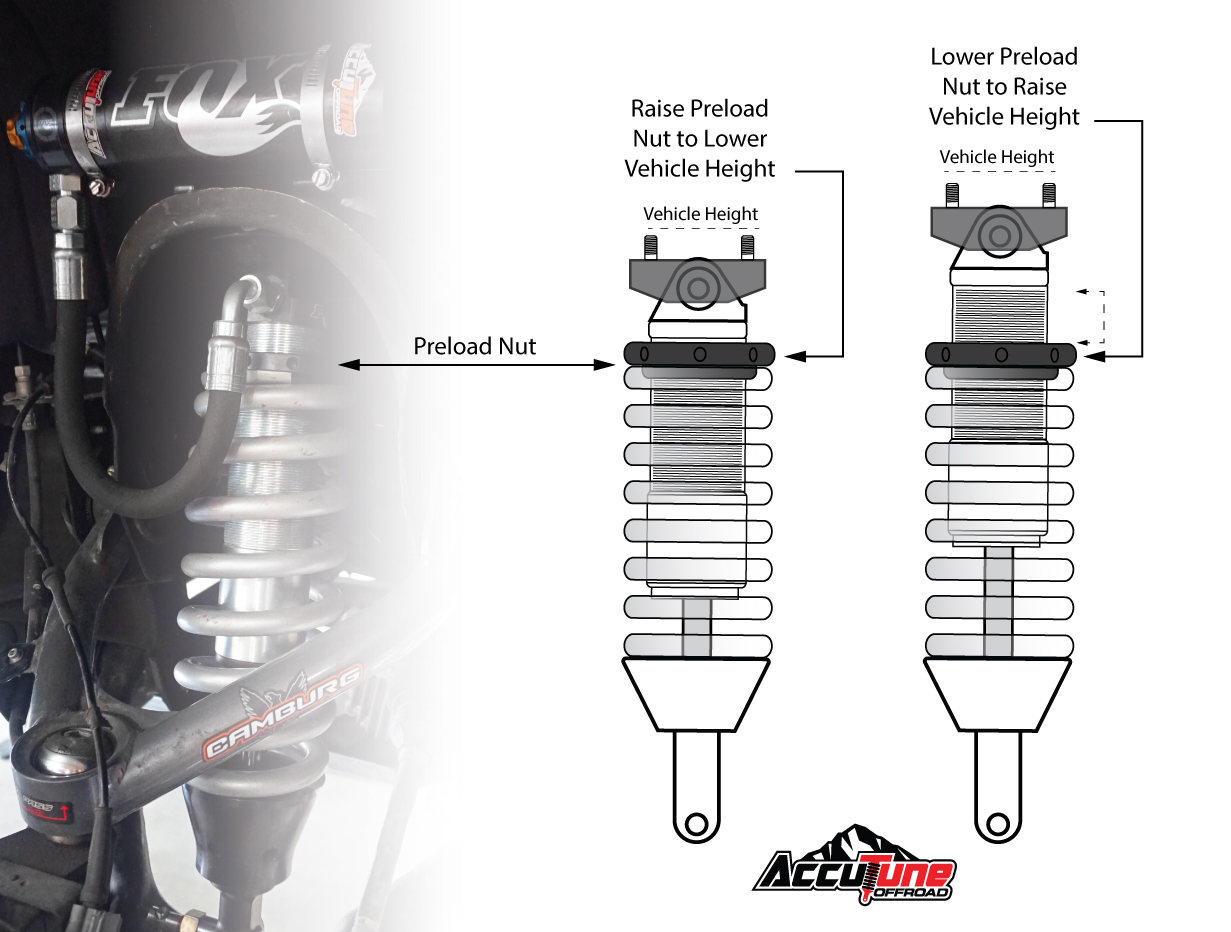
Separate Ride Height From Spring Preload When Possible
Many quality coilovers use a separate lower mount or threaded body so you can change ride height without greatly changing spring preload. This is different from simply winding the spring perch up and down on every design.
Do not assume every coilover adjusts the same way. Follow the kit instructions. Incorrect adjustment can create poor spring seating, reduced travel, or other suspension problems.
- ✦ Use the correct method
Follow the adjustment procedure for your exact coilover model.
- ✦ Measure both sides
Measure from a repeatable suspension or body reference to the wheel center or another consistent point.
- ✦ Keep the car level
Set left and right heights consistently unless the manufacturer specifies another method.
Avoid Excessive Preload Changes
Spring preload is often misunderstood. On many coilovers, the spring is installed with a specified amount of preload so it stays seated through the suspension’s full range. Adding large amounts of preload does not simply make the car more comfortable or less comfortable in a predictable way.
If your goal is a smoother ride, do not use preload as a shortcut. Use the spring preload and ride-height method specified by the coilover maker.
- ✦ Do not guess
Use the kit’s spring preload instructions rather than copying a setting from a different coilover.
- ✦ Protect travel
A correct setup helps keep the spring seated while preserving useful suspension movement.
Check Tires Before Blaming the Coilovers
When people ask how to adjust coilovers for smooth ride comfort, tire pressure is easy to overlook. Tires are part of the suspension system because the air inside them absorbs some road shock. A tire with too much pressure can make a car feel noticeably harder.
Check pressure when the tires are cold. Use the vehicle manufacturer’s recommended cold pressure as your starting point unless a tire maker, suspension specialist, or vehicle-specific setup calls for another safe setting.

- ✦ Check cold pressure
Measure pressure before driving or after the tires have cooled.
- ✦ Consider sidewall height
A very short tire sidewall usually gives less room for the tire to absorb sharp impacts.
- ✦ Inspect tire condition
Uneven wear, damage, or an unsuitable tire can create ride problems that coilover adjustments cannot fix.
- ✦ Do not chase comfort with unsafe pressure
Never reduce tire pressure below safe recommendations just to soften the ride.
Get the Alignment Checked After Ride Height Changes
Changing ride height can change wheel alignment. Depending on the suspension design, lowering the car may alter camber, toe, and other geometry. These changes can affect tire wear, steering feel, and how the car behaves on the road.
If you change ride height by a meaningful amount, have the alignment checked. A smooth ride is not useful if the tires wear quickly or the car pulls because the alignment is outside the intended range.

Why Alignment Matters to Comfort
Alignment is not only about tire life. Incorrect toe can make the car feel nervous or less settled. Excessive negative camber can also change how the tire contacts the road.
After you learn how to adjust coilovers for smooth ride comfort, use a proper alignment to finish the setup. Tell the alignment shop that the car has adjustable coilovers and explain how you use the vehicle.
- ✦ Toe
Incorrect toe can affect straight-line feel and tire wear.
- ✦ Camber
Camber affects tire contact with the road and can change with ride height on some suspension designs.
- ✦ Steering wheel
A steering wheel that sits off center after suspension work can be a sign that an alignment check is needed.
How to Test Your Coilover Settings on the Road
Good testing is a key part of how to adjust coilovers for smooth ride comfort. Do not judge a new setting from one pothole or one short trip. Use the same road whenever possible so you can compare each change fairly.
Drive at normal, legal speeds and focus on clear signs from the car. Note whether the suspension feels sharp over small bumps, hits hard on larger bumps, bounces after a bump, or takes too long to settle.

- ✦ Test small bumps
Look for sharp impacts over road joints and small cracks.
- ✦ Test larger bumps
Notice whether the suspension absorbs the bump without a hard stop or repeated bounce.
- ✦ Test body control
Check whether the car settles quickly after a bump without feeling stiff and unsettled.
- ✦ Keep notes
Record each damping change and your road impressions so you can return to a known setting.
A Simple Street Test Method
Start with the manufacturer’s baseline. Drive the same route and note the ride. Then make one small damping change and repeat the route under similar conditions.
This method helps separate real suspension changes from changes caused by traffic, temperature, road surface, or driving style. It also makes it easier to find a setting that works for your daily use.
- ✦ Baseline
Drive the route with the original setting.
- ✦ Small change
Make one modest adjustment.
- ✦ Repeat
Drive the same route again and compare the feel.
Common Coilover Adjustment Mistakes to Avoid
A comfortable setup can become difficult when several changes are made at once. If you lower the car, change preload, alter damping, change tire pressure, and align the car at the same time, you may not know which change caused the result.
The better approach is simple. Start from a known setup, make one controlled change, test it, and record the result. This is one of the most useful habits when learning how to adjust coilovers for smooth ride comfort.

- ✦ Going too low
Excessive lowering can reduce suspension travel and increase bump-stop contact.
- ✦ Making huge damping changes
Large changes can make it hard to tell what setting works best.
- ✦ Changing several settings together
Multiple changes make cause and effect difficult to identify.
- ✦ Ignoring the tires
Incorrect pressure or a very stiff tire can make even a well-set coilover feel harsh.
- ✦ Skipping alignment
Ride-height changes can alter suspension geometry and tire wear.
- ✦ Forcing adjusters
A stuck or damaged adjuster should not be forced. Check the manufacturer’s instructions or ask a qualified suspension shop.
Do Not Copy Someone Else’s Click Settings
An online setup can be useful as a starting idea, but it is not a universal answer. Two cars can use different springs, tires, weights, suspension designs, and coilovers.
Use your manufacturer’s baseline and your own road conditions as the main guide. A setup made for a smooth track may feel poor on broken city streets.
- ✦ Car weight matters
A heavier car can respond differently from a lighter car with the same coilover model.
- ✦ Roads matter
A setting that works on smooth pavement may not work well on rough daily roads.
What to Do If the Coilovers Still Feel Too Harsh
If you have followed the basic steps and the car still feels harsh, do not keep turning adjustment knobs at random. The problem may come from the spring rate, bump stops, suspension travel, tire setup, worn parts, or the basic design of the coilover.
Some coilovers are built with performance goals that naturally produce a firmer ride than a stock suspension. If comfort is your main goal, a different spring rate or a different coilover designed for street use may be more effective than trying to force an unsuitable kit into a soft setup.
- ✦ Check bump stops
Frequent bump-stop contact can create a harsh impact that damping changes may not solve.
- ✦ Check suspension travel
Very low ride height can leave too little room for normal suspension movement.
- ✦ Check mounting hardware
Loose, damaged, or incorrectly installed suspension parts can create noise and poor ride behavior.
- ✦ Review spring rates
A spring that is much stiffer than needed for street use may limit how soft the car can feel.
- ✦ Inspect the suspension
Worn bushings, ball joints, wheel bearings, and other parts can affect ride quality and safety.
When to Ask a Suspension Professional
Get professional help if you find damaged parts, uneven ride height, unusual noises, leaking dampers, poor steering behavior, or repeated bottoming. Suspension parts affect vehicle control, so uncertain work deserves careful inspection.
A qualified shop can also measure ride height, check alignment, inspect travel, and review the coilover setup. This can save time when basic adjustments do not solve the problem.
- ✦ Safety first
Stop testing the setup if the car feels unstable or develops a serious steering or suspension problem.
- ✦ Use the manual
Keep the coilover manufacturer’s instructions available during adjustment and installation.


