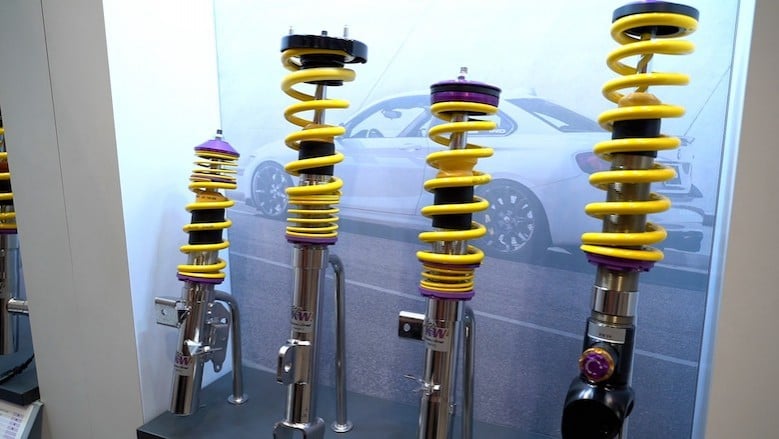
Most new coilovers show their initial ride-height changes within a few days or several hundred miles of normal driving. Some need longer, while others show little change. The exact time depends on the spring design, installation, vehicle weight, and road conditions. Always follow the coilover maker’s instructions.
In the United States, drivers often install coilovers to lower a car, improve handling, or prepare a vehicle for track days. After installation, the car may sit a little higher or lower than expected. This can lead to questions about whether the springs need more time to settle or the ride height needs an adjustment.
Coilovers combine a spring and a shock absorber in one adjustable suspension unit. The spring supports the vehicle, while the shock controls how the spring moves. After installation, the suspension may shift slightly as its parts seat and the car returns to its normal resting position.
There is no single settling time for every coilover kit. A small change in ride height can be normal, but a large change, uneven stance, clunk, or loose part should not be blamed on settling alone. Measure the car, check the maker’s guidance, and correct any safety issue before normal driving.
Most coilovers show any early ride-height changes during the first few days or several hundred miles of normal driving. This is a general expectation, not a guaranteed break-in period. Some suspension kits stabilize quickly, while others may need more time or show almost no measurable change.
The word settle can mean several things. A spring may undergo a small initial change in free length under load. Suspension joints and bushings may also move into their normal positions after installation. The tires, springs, and dampers then work together as the car travels over bumps and through turns.
A car that sits lower after a short period does not always mean the spring itself has permanently compressed. The cause may be a change in suspension position, a part seating against its mount, or a measurement taken on a different surface. Careful checks help separate normal changes from installation faults.
For this reason, use the coilover manufacturer’s stated break-in or inspection guidance rather than a fixed mileage rule found online. If the maker does not give a settling period, monitor ride height and inspect the system instead of assuming that every kit needs the same amount of driving.
Source: vehq.com
First drive
Check for rubbing, unusual noises, warning signs, and correct wheel clearance. Do not use the first drive to test extreme handling.
First few days
Recheck ride height under consistent conditions and look for clear differences between the left and right sides.
After the initial use period
Follow the maker’s inspection guidance, correct the final ride height if needed, and arrange an alignment.
What Does It Mean When Coilovers Settle?
When people say coilovers have settled, they usually mean that the car’s ride height has become more consistent after installation. The term can also refer to the suspension returning to its normal position after movement. These processes are related, but they are not identical.
A coilover spring supports part of the vehicle’s weight. Its compression under load is a normal part of suspension operation. When the car is parked, the spring compresses until the suspension reaches its resting position, based on the vehicle’s weight, spring rate, suspension geometry, and adjustment settings.
Initial settling is different from excessive spring sag. A small change may be expected, but a spring that keeps losing height or a corner that drops much more than the others needs inspection. A damaged spring, loose mount, incorrect adjustment, or worn component can cause symptoms that normal settling cannot explain.
The damper also matters. It controls how quickly the spring compresses and rebounds, but it does not determine the static ride height in the same way as the spring and adjustment settings. Changing damper stiffness alone will not reliably correct an incorrectly set ride height.
Source: i.ytimg.com
Spring compression
The spring compresses under the vehicle’s weight and responds to bumps. This is normal suspension action, not proof of permanent settling.
Mount and joint seating
Some components may move into their intended positions after installation, depending on the design and assembly.
Ride-height adjustment
Threaded spring seats or lower mounts can set the height. Any adjustment must follow the kit’s specified method.
What Affects Coilover Settling Time?
The time needed for coilovers to reach a stable ride height depends on the parts and the way they are installed. A light car with one spring design may behave differently from a heavy sedan or SUV with another. The amount of driving alone cannot tell you whether a suspension system is correctly set up.
The most useful approach is to consider the spring, vehicle load, adjustment method, installation quality, and measurement conditions together. These factors can explain why two cars fitted with similar-looking coilovers may show different results.
Source: hpacademy.com
Spring design and quality
Spring material, construction, rate, and design affect how the spring behaves under load. A well-made spring should operate within its intended limits rather than continue to sag without cause.
Vehicle weight
The load on each corner affects suspension compression. Passengers, cargo, fuel level, and heavy accessories can change the measured ride height.
Installation method
Incorrect preload, a poorly seated spring, a misaligned mount, or incorrect hardware can create a height difference or unwanted movement.
Ride-height settings
Different adjustment methods affect spring preload and suspension position in different ways. Use the instructions for the exact kit rather than copying settings from another vehicle.
Road conditions
Bumps and normal suspension movement exercise the system, but rough roads do not guarantee faster or better settling. Avoid harsh driving to force the process.
Measurement conditions
Uneven pavement, tire pressure, steering position, and vehicle load can affect measurements. Compare the car under the same conditions each time.
Does Spring Rate Change Settling Time?
Spring rate describes how much force is needed to compress a spring by a given distance. A higher spring rate generally means a stiffer spring, while a lower rate means a softer spring. The correct rate depends on the car, intended use, and suspension design.
Spring rate alone does not provide a reliable formula for settling time. Two springs with different rates can both show little initial change when properly installed. Do not choose a softer spring or change the preload just to make a coilover settle sooner.
Do Heavier Cars Take Longer To Settle?
A heavier car can place more load on its suspension, but vehicle weight alone cannot predict how long a coilover takes to settle. Spring rate, motion ratio, mount design, and adjustment settings also affect compression and ride height.
If a car sits unevenly after installation, first check the manufacturer’s ride-height procedure and the actual measurements. Do not assume that one side simply needs more time because it carries more weight.
How To Check Whether Your Coilovers Have Settled
The best way to check settling is to record ride height before and after normal use. A visual guess can be misleading, especially when the car has different fender shapes or wheel sizes. Consistent measurements make it easier to spot real changes.
You do not need to dismantle the suspension to perform a basic height check. However, inspecting spring seats, mounts, and fasteners can require suitable tools and experience. Never work beneath a car supported only by a jack.
Source: i.ytimg.com
1. Park on level ground
Use a firm, flat surface. Set the tire pressures to the vehicle or tire manufacturer’s specified values and remove unusual cargo.
2. Set the vehicle in a consistent condition
Keep fuel, passenger load, and cargo as similar as practical between checks. Make sure the steering is straight.
3. Measure each corner
Measure from the wheel center to the fender edge at each wheel. This reduces the effect of tire diameter on the measurement.
4. Record the results
Write down the date, mileage, and four measurements. Repeat the process under similar conditions after normal driving.
5. Compare the changes
Look for a small, consistent change or a stable height. A large difference at one corner, continued height loss, or sudden change needs investigation.
6. Check for warning signs
Look for fluid leaks, damaged springs, loose parts, tire contact, or new clunks. Have a qualified suspension technician inspect anything uncertain.
Example Of A Ride-Height Check
Consider a hypothetical car that measures 14.0 inches from the front-left wheel center to the fender edge after installation. After a period of normal use, the same measurement is 13.8 inches under the same conditions. That is a measured decrease of 0.2 inches.
This result alone does not prove that the spring has permanently compressed. The change could involve the suspension settling into its resting position, a difference in measurement, or an installation issue. Compare the other corners and repeat the check before drawing a conclusion.
If the height continues to drop, one side changes much more than the others, or the car develops new noises, seek an inspection rather than waiting for another mileage milestone.
Should You Drive Before Adjusting Coilover Height?
You should not use driving as a substitute for correct installation or adjustment. If the coilovers are installed according to the manufacturer’s instructions, the fasteners are correctly secured, and the suspension has proper clearance, a cautious initial drive may help reveal noises or clearance issues. If the installation has not been verified, have it checked first.
Some kits have specific instructions about settling, preload, and when to measure or adjust the final ride height. Follow those instructions before changing the settings. Other kits allow the ride height to be set during installation and do not require a long settling period.
Do not deliberately drive over potholes, take sharp turns at speed, or load the vehicle heavily to force the suspension to settle. Such actions can damage parts, cause loss of control, or hide a problem that needs repair.
Source: i.ytimg.com
Before the first drive
Confirm the installation is complete, the required fasteners are secure, the wheels are correctly fitted, and the tires do not contact suspension or body parts.
During the first drive
Use a short, cautious route at low speeds. Listen for new noises and watch for rubbing, pulling, or unusual steering behavior.
After the drive
Park safely and inspect for signs of contact, leaks, or loose components. Follow the manufacturer’s reinspection instructions.
When Should You Get A Wheel Alignment?
Arrange a wheel alignment after the coilovers have been installed and the ride height has been set to its intended final position. Lowering or raising a vehicle changes suspension geometry on many designs. This can affect camber, toe, and sometimes caster, which influence tire wear and handling.
If the manufacturer’s procedure calls for a settling period before final height adjustment, follow it and then arrange alignment. If the instructions permit alignment immediately after installation at the final height, there is no general need to delay it for an arbitrary number of miles.
A wheel alignment measures and adjusts the angles of the wheels to the vehicle manufacturer’s or approved setup specifications. It cannot correct loose suspension hardware, damaged parts, or an incorrectly assembled coilover. Those issues must be fixed first.
If you change ride height after alignment, the alignment settings may change again. Ask the shop whether another alignment is needed. For a car used on public roads, prioritize safe, predictable handling and suitable tire wear over an aggressive stance.
Source: youramazingcar.com
Set the final ride height first
Choose a height that provides adequate suspension travel, ground clearance, and tire clearance.
Confirm the hardware and suspension condition
Correct any installation or mechanical issue before alignment measurements are taken.
Request a printout
Keep the alignment report to document the settings and help identify changes if the car later develops handling or tire-wear problems.
What If Your Coilovers Do Not Settle Evenly?
Uneven ride height is not always a sign that one spring needs more time. A sloping parking surface, uneven load, incorrect preload, a misseated spring, or a suspension part installed in the wrong position can create a difference. Start with safe, simple checks and move to a professional inspection if the cause is unclear.
Compare the measurements from all four corners and check that the car is parked on level ground. Review the kit’s instructions for the correct adjustment points and method. Avoid changing multiple settings at once because doing so makes the cause harder to identify.
If one corner drops sharply, the spring looks damaged, a mount moves, or the car handles differently, stop driving and arrange an inspection. A suspension fault can affect tire contact, steering, braking, and vehicle control.
Source: i.ytimg.com
One corner sits lower
Check the measurement method, vehicle load, spring seating, adjustment settings, and suspension components. A technician may need to inspect the assembly.
Ride height keeps changing
Repeated changes may indicate a measurement issue, a loose or incorrectly seated part, spring damage, or another mechanical fault. Do not assume the car only needs more miles.
The car clunks or knocks
Possible causes include loose hardware, incorrect assembly, worn mounts, or contact between parts. Have the source identified before continued use.
The tires rub
Check wheel and tire clearance at steering lock and through the usable suspension range. Do not keep driving if contact is severe or damages the tire.
The car feels unstable
Poor alignment, insufficient suspension travel, incorrect damping settings, or an installation fault may contribute. Stop using the car until the issue has been assessed.
Can Incorrect Preload Cause Settling Problems?
Preload is the initial compression applied to a spring by its seat or adjustment mechanism. The correct setting depends on the coilover design. Some systems specify a defined amount of preload, while others use a different setup method.
Too much or too little preload can affect suspension behavior, available travel, or ride-height adjustment, depending on the design. Never copy a preload measurement from an unrelated kit. Use the manufacturer’s instructions and have an experienced technician check the setup if the correct procedure is unclear.
Common Coilover Settling Mistakes To Avoid
The most common mistake is assuming that every ride-height change is normal. Coilovers vary by design, and a vehicle’s stance can change for reasons unrelated to spring settling. Use measurements and the kit’s instructions instead of relying on appearance alone.
Another mistake is changing ride height before checking the installation. An adjustment may hide a symptom without correcting its cause. Inspect the parts and confirm the setup before turning adjustment collars or moving threaded mounts.
Source: i.ytimg.com
Assuming all kits need the same mileage
There is no universal mileage figure for all coilovers. Follow the instructions for the exact kit and monitor the car’s condition.
Using rough roads to speed up settling
Harsh driving is not a safe break-in method. It can cause damage and make a fault harder to diagnose.
Ignoring noises
A new clunk, knock, or scrape may point to a loose part, incorrect assembly, or contact. Do not dismiss it as normal spring movement.
Aligning before the final height is set
Changing the ride height after alignment can change wheel angles. Set the final height first unless the manufacturer’s procedure says otherwise.
Working under a car supported by a jack alone
Use correctly rated jack stands on firm, level ground and follow the vehicle’s lifting points. If you lack the tools or skills, use a qualified shop.
Changing preload without checking the instructions
Different coilover designs use different adjustment procedures. Incorrect changes can reduce suspension travel or cause unsafe operation.
A Practical Timeline For New Coilovers
A simple timeline can help you plan your checks, but it should not replace the instructions supplied with the suspension kit. The schedule below is a general monitoring plan for a correctly installed system, not a guaranteed break-in schedule for every vehicle.
Some coilovers may be ready for final measurement and alignment soon after installation. Others may have a maker-specified initial use period. Mechanical safety checks should never be postponed just because the suspension is new.
Source: vehq.com
At installation
Record the initial ride height, verify the installation, and check the manufacturer’s requirements for preload, torque, and adjustment.
Before and during initial use
Confirm the car is safe to drive. Use a cautious route and watch for rubbing, leaks, noises, and changes in steering or handling.
After the maker’s initial use period, if specified
Repeat the ride-height measurements under the same conditions. Carry out any required inspection or adjustment using the prescribed method.
Once the final height is set
Arrange a wheel alignment and keep the alignment report. Recheck the setup if you later make a meaningful ride-height change.
Whenever a warning sign appears
Stop and investigate a sudden drop, severe uneven stance, loose hardware, tire damage, or unstable handling. Do not wait for the timeline to finish.
Research Notes And Questions For Further Coverage
The main reader need is to understand the likely settling period and know when a height change requires attention. The article addresses that need with a qualified time estimate, a measurement method, alignment guidance, and a clear distinction between normal movement and possible faults.
The timing guidance is general rather than a verified specification for a particular brand or model. No single coilover kit, vehicle, or installation procedure was identified in the question. The exact maker’s manual remains the best source for kit-specific settling, adjustment, and inspection requirements.
The following gap map distinguishes practical follow-up needs inferred from the main question from observed search questions. No live People Also Ask results, Search Console data, support records, or competitor-page review findings are claimed here. The coverage assessment therefore describes this article’s treatment of each need, not a verified comparison with current search results.
Source: hpacademy.com
Question: How can I tell whether the ride height has stabilized?
Reader stage: after installation. Basis: inferred next need from the main query. Competitor coverage: not checked. Benefit: repeated wheel-center-to-fender measurements under consistent conditions provide a more useful check than visual estimates. Evidence: repeatable measurements and the kit manual. Priority: high. Placement: ride-height measurement section.
Question: Should I get an alignment before or after settling?
Reader stage: after installation and height adjustment. Basis: inferred next need. Competitor coverage: not checked. Benefit: helps avoid aligning the vehicle at a height that will later change. Evidence: vehicle alignment procedures and coilover instructions. Priority: high. Placement: wheel alignment section.
Question: What if one side sits lower than the other?
Reader stage: troubleshooting. Basis: inferred next need. Competitor coverage: not checked. Benefit: helps separate measurement differences from installation or mechanical faults. Evidence: the specific kit’s setup procedure and an inspection of the suspension. Priority: high. Placement: uneven settling section.
Question: Can I force coilovers to settle by driving hard?
Reader stage: initial use. Basis: inferred next need. Competitor coverage: not checked. Benefit: discourages harsh driving as a substitute for correct installation and inspection. Evidence: manufacturer instructions and basic vehicle safety principles. Priority: high. Placement: initial driving section.
Question: Does my exact coilover kit need a break-in period?
Reader stage: before installation or first drive. Basis: inferred next need. Competitor coverage: not checked. Benefit: provides a model-specific answer when the exact brand and kit are known. Evidence needed: the current installation manual for the precise kit. Priority: medium. Placement: a future kit-specific supporting article if a clear reader need is established.
Frequently Asked Questions
Q
Do coilovers settle overnight?
Some initial changes in suspension position may appear after the first drive or overnight, but this is not guaranteed. A small change can reflect the suspension returning to its resting position rather than permanent spring compression. Measure the ride height under consistent conditions and follow the kit’s instructions.
Q
How many miles does it take for coilovers to settle?
There is no universal mileage figure. Some kits show initial changes within a few days or several hundred miles, while others show little change. The manufacturer’s guidance for the exact kit should determine when to inspect or adjust the suspension.
Q
Do coilovers get lower after installation?
They can show a small change in ride height after installation, but not every kit becomes lower with use. Suspension position, spring behavior, vehicle load, installation details, and measurement conditions can all affect the result. A large or continuing drop should be checked.
Q
Should I wait for coilovers to settle before alignment?
Set the ride height to its intended final position and follow the kit’s installation instructions before arranging alignment. If the manufacturer specifies an initial use period before final adjustment, follow it. If the final height is already set and the instructions permit alignment, an arbitrary waiting period is not necessary.
Q
Can coilovers settle unevenly?
Ride-height measurements can differ between corners because of vehicle load, suspension geometry, setup settings, or measurement conditions. However, a pronounced or increasing difference can signal an installation fault or damaged component. Measure on level ground and have the suspension inspected if the difference persists.
Q
Do new coilovers need to be broken in?
Some manufacturers specify an initial use or inspection procedure, while others do not require a fixed break-in period. Follow the exact kit’s manual. Do not assume that hard driving or rough roads are needed to break in the springs or dampers.
Q
Why does my car still feel bumpy after coilover installation?
A firm ride can result from spring rate, damper settings, limited suspension travel, tire pressure, tire construction, or the condition of the road. Incorrect installation or interference can also cause poor ride quality. Check the manufacturer’s setup guidance and seek a qualified inspection if the car makes new noises or handles poorly.
✦ Wrapping Up
Conclusion
Coilovers may show their initial ride-height changes within a few days or several hundred miles of normal driving, but there is no settling period that applies to every kit. Spring design, vehicle load, adjustment settings, installation quality, and measurement conditions all affect what you see.
The safest way to track progress is to record the ride height on level ground, repeat the measurements under similar conditions, and follow the manufacturer’s instructions. Once the final height is set, arrange a wheel alignment as directed. Do not treat uneven height, loose parts, unusual noises, tire rubbing, or unstable handling as normal settling.
💡 Key Takeaway
Check the manual for your exact coilover kit, record the height at all four corners, and compare it after the specified initial use period. If the car drops sharply, sits unevenly, makes new noises, or handles poorly, stop driving and have the suspension inspected.
Eric
Hi, I’m Eric Bennett, the person behind OffRoadTruckAccessories.com.
I created this blog to share my interest in trucks, off-road driving, automotive accessories, and DIY modifications. I enjoy learning how different truck accessories work, testing their usefulness, and understanding whether they are truly worth buying.
Will G37 coilovers fit G35? Learn which model years may share fitment, what changes with coupe, sedan, and AWD setups, and how to verify compatibility.