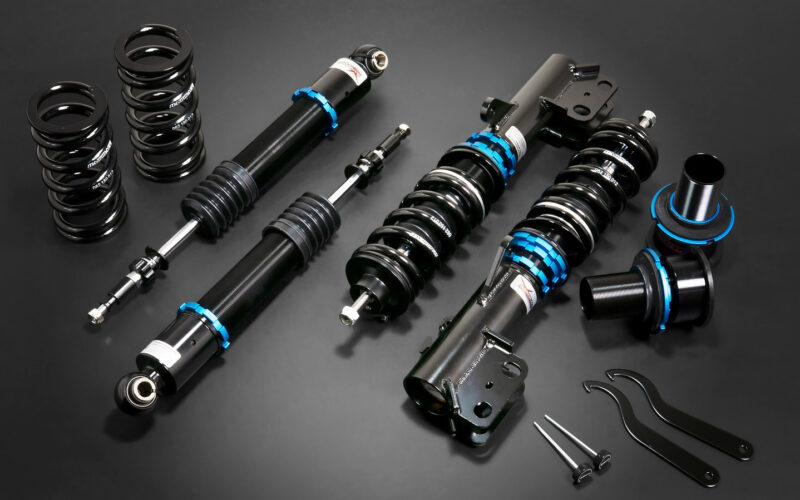
Coilovers are not automatically bad for your car. A well-matched kit, correct installation, sensible ride height, and regular maintenance can improve handling. Poor-quality parts, excessive lowering, and incorrect setup can harm ride comfort, tire life, suspension parts, and vehicle safety.
Across the United States, drivers install coilovers to lower their cars, improve cornering, or gain more control over suspension settings. These upgrades are common on sports cars, daily drivers, and vehicles built for track use. However, a lower car is not always a better-handling car, and a costly suspension kit does not guarantee a safe result.
Coilovers combine a spring and a shock absorber or strut in one suspension assembly. Many kits also allow height adjustment, while some offer damping controls that change how quickly the suspension responds to movement. The exact features depend on the design and vehicle.
The main risks come from how the parts are designed, fitted, adjusted, and maintained. A suitable kit can work well for years, but an unsuitable kit or an extreme setup can reduce suspension travel, cause tire rubbing, and increase wear on other parts. Drivers should consider road conditions, everyday comfort, and the car maker’s specifications before making a change.
Coilovers are suspension assemblies that place a coil spring around or near a shock absorber or strut. The spring supports the vehicle’s weight and compresses over bumps. The damper controls spring movement so the car does not keep bouncing after a bump.
Many aftermarket coilovers use threaded bodies or adjustable spring seats to change ride height. Some kits also let drivers adjust damping, which affects how the suspension resists movement. More advanced systems may offer separate compression and rebound settings, but these features are not present on every kit.
The goal is to manage the balance between comfort, body control, grip, and ride height. A setup for a smooth race track may feel harsh on broken city streets. A setup intended for daily use may provide a better balance for potholes, speed bumps, and long highway trips.
Source: suspensionsetups.com
Spring
Supports the vehicle and compresses when the wheels move over bumps.
Damper
Controls suspension movement and helps the tires remain in contact with the road.
Height adjustment
Changes the vehicle’s ride height within the kit’s permitted adjustment range.
Damping adjustment
Changes how the suspension responds to movement on kits designed with this feature.
Are Coilovers The Same As Shocks And Struts?
Not exactly. A shock absorber controls spring movement, while a strut is also a structural part of many suspension systems. A coilover is an assembly that combines a coil spring with a damper. Depending on the vehicle and kit, a coilover may replace an existing strut assembly or use a different mounting arrangement.
Some kits reuse factory mounts, while others include replacement top mounts. Compatibility matters because the mounting points, spring dimensions, damper design, and suspension geometry must suit the specific vehicle.
Check the application
Confirm the exact year, make, model, trim, drivetrain, and suspension type before buying a kit.
Review included parts
Check whether the kit includes top mounts, adjustment tools, and any required hardware.
Can Coilovers Damage Your Car?
Coilovers can contribute to damage when they are poorly designed for the car, installed incorrectly, or adjusted beyond a sensible range. The biggest concerns are reduced suspension travel, tire contact, altered suspension geometry, excessive impact loads, and loose or worn hardware.
A correct installation does not guarantee that every aftermarket setup will suit every driver. Spring rates, damper tuning, road surfaces, vehicle weight, tire size, and ride height all affect the result. A setup that works on a smooth track may be unsuitable for rough public roads.
Damage is not inevitable. A compatible kit installed to its maker’s instructions and maintained as required can operate safely. The key is to avoid treating the lowest possible ride height or the stiffest setting as the best setting.
Source: shunauto.com
Reduced suspension travel
Lowering the car too far can leave less room for the wheels to move over bumps. The suspension may hit its bump stops more often, sending stronger impacts through the vehicle.
Tire and body contact
Incorrect ride height, wheel offset, or tire size can cause rubbing against the fenders, liners, or suspension parts.
Premature component wear
A poor setup can increase stress on mounts, bushings, ball joints, and other suspension parts. The actual effect depends on the vehicle and how it is driven.
Incorrect alignment
Changing ride height can alter camber and toe. If the alignment is not checked, the car may handle poorly or wear its tires unevenly.
Do Coilovers Damage The Chassis?
Properly matched coilovers do not normally damage a sound chassis simply because they are installed. Problems can arise if the kit is incompatible, mounting hardware is incorrect, the suspension binds, or the vehicle repeatedly bottoms out over severe bumps.
A heavily lowered car may also strike the underside on driveways, potholes, steep ramps, or road debris. Repeated impacts can damage underbody panels, exhaust parts, and other low-mounted components. Inspect the car for contact marks and unusual noises after installation.
Watch for impact marks
Scrapes, dents, or fresh contact marks beneath the car may show that ground clearance is insufficient.
Investigate new noises
Clunks, grinding, or repeated harsh impacts require inspection rather than further lowering or random adjustment.
The Main Disadvantages Of Coilovers
The main drawbacks of coilovers are possible ride harshness, higher upfront cost, added maintenance, and the risk of a poor setup. These drawbacks matter most when the suspension is used on rough roads or adjusted without a clear understanding of the vehicle’s needs.
A coilover kit is not automatically an upgrade over every factory suspension system. Manufacturers tune original suspension parts to balance handling, comfort, durability, noise, and cost. An aftermarket kit may improve one area while making another worse.
Source: motorbiscuit.com
1. A Firmer Or Less Comfortable Ride
Some coilovers use higher spring rates or firmer damping than the factory suspension. This can reduce body movement during cornering, but it may also make potholes, sharp road joints, and rough pavement feel more severe.
A stiff ride does not automatically mean better grip. If the suspension cannot follow uneven pavement well, the tires may lose contact more easily over bumps. The right balance depends on the car, tires, road surface, and intended use.
Daily commuting
Look for a kit designed for street use with spring rates and damping suited to ordinary roads.
Track driving
A firmer setup may help control body movement on a smooth circuit, but the best settings depend on the track and vehicle.
2. Higher Purchase And Installation Costs
Coilovers can cost more than standard replacement shocks and springs. The total expense may include installation, alignment, replacement mounts, new hardware, and future maintenance. Some systems also need specialist setup to achieve their intended performance.
A low purchase price does not always mean a low long-term cost. If a kit has poor corrosion protection, limited replacement parts, or unsuitable damping, repairs and replacement may erase the initial savings.
Budget for alignment
Include a professional alignment after installation and after later changes that affect ride height or alignment.
Check service support
Before purchase, confirm whether replacement dampers, seals, mounts, and other service parts are available.
3. More Setup And Maintenance Work
Adjustable suspension gives drivers more control, but it also creates more ways to make a poor adjustment. Incorrect spring preload, uneven ride height, unsuitable damping, or improperly secured collars can affect handling and safety.
Road salt, moisture, dirt, and corrosion can make threaded adjusters harder to move. The required inspection and cleaning routine depends on the kit maker’s instructions and the environment where the vehicle is driven.
Follow the service schedule
Inspect the suspension for leaks, corrosion, loose hardware, and damage at the intervals specified by the manufacturer.
Avoid random adjustments
Record existing settings and change one permitted setting at a time so that the effect can be assessed.
4. Less Ground Clearance
Lowering a car reduces the space between its underside and the road. That can make steep driveways, speed bumps, parking ramps, and deep potholes harder to cross without scraping.
Ground clearance also affects how much room remains for suspension movement. If the car is lowered beyond the kit’s intended range, the suspension may spend too much time near its bump stops and become less composed over rough surfaces.
Keep usable clearance
Choose a ride height that works with the roads, ramps, and obstacles you encounter regularly.
Check wheel travel
A qualified installer should confirm that the suspension can move through its usable range without binding or causing contact.
How Coilovers Affect Handling, Braking, And Tires
A well-matched coilover setup can improve body control and make steering response feel more direct. However, results depend on the full suspension system rather than the coilovers alone. Tire condition, alignment, bushings, brakes, and vehicle geometry remain important.
The suspension helps keep each tire in contact with the road. If the springs are too stiff for the surface, the dampers are poorly matched, or the car has too little suspension travel, the wheels may struggle to follow bumps. This can reduce grip even if the vehicle feels firm and sporty.
Coilovers do not automatically shorten braking distances. Braking performance depends on tires, road grip, brake condition, vehicle balance, and other factors. A badly configured suspension can make the car less predictable during hard braking or sudden steering.
Source: i.ytimg.com
Can Coilovers Cause Uneven Tire Wear?
Yes, coilovers can contribute to uneven tire wear if the installation changes alignment and the settings are not corrected. Excessive negative camber can wear the inner shoulders, while incorrect toe can cause rapid or feathered tread wear. Tire pressure and worn suspension parts can create similar symptoms.
A wheel alignment should follow a ride-height change. The technician should check the vehicle against suitable alignment specifications and account for any changes required by the vehicle or suspension maker. Performance settings should not be chosen without considering tire wear and road use.
Inner-edge wear
May be linked to camber, toe, tire pressure, or worn components. An inspection is needed to identify the actual cause.
Feathered tread
Can indicate incorrect toe settings. Have the alignment checked rather than assuming the tires are defective.
Rubbing damage
A tire that contacts the fender or suspension may be damaged. Stop driving if the contact is severe or the tire structure may be affected.
Do Coilovers Make A Car Safer?
Not by default. A correctly designed and tuned suspension can improve control in suitable conditions, but an unsuitable setup may reduce comfort, grip, or predictability. Safety depends on the complete vehicle and the conditions in which it is used.
For ordinary public-road driving, a reliable factory-style suspension in good condition may be a safer and more practical choice than an aggressive lowering setup. Drivers should not trade essential clearance or predictable handling for appearance alone.
Keep the car predictable
Choose settings that allow controlled movement over the road surfaces you normally use.
Maintain the full system
Check tires, brakes, steering joints, mounts, and bushings along with the coilovers.
Signs Your Coilovers Are Causing Problems
New noises, repeated bottoming out, leaking dampers, uneven ride height, and unexpected changes in handling deserve attention. These symptoms do not prove that the coilovers alone are at fault, but they show that the suspension needs a proper check.
Do not try to solve every symptom by turning the adjustment knobs. A loose mount, damaged spring, worn tire, or incorrect installation needs a different fix from a damping setting that is too firm. Safety-related symptoms should be checked before the car is driven again.
Source: static1.squarespace.com
Clunking or rattling
Possible causes include loose mounting hardware, worn top mounts, spring movement, or contact with nearby parts.
Repeated harsh impacts
May indicate insufficient suspension travel, a setup that is too low, or incorrect bump-stop use.
Fluid around a damper
A significant or recurring oil leak may indicate a failed damper. Have it inspected and repaired or replaced as required.
Uneven ride height
Could result from incorrect adjustment, a damaged spring, worn parts, or an installation problem.
Poor steering response
Unexpected pulling, wandering, or instability can be linked to alignment, tires, suspension parts, or other faults.
Tire rubbing
Contact between the tire and bodywork or suspension can damage the tire and must be corrected.
What Should You Check First?
Start with visible damage and symptoms that could affect safety. Park the vehicle on a level surface, turn it off, and look for obvious tire damage, fluid leaks, broken springs, and signs of contact. Do not crawl under a car supported only by a jack.
If you suspect loose suspension hardware, a broken part, severe rubbing, or a major change in steering or braking, do not continue driving to test it. Arrange a professional inspection or towing when needed. Do not tighten safety-critical fasteners by guesswork; use the correct service procedure and torque specifications.
Check the tires
Look for cuts, exposed cords, unusual wear, and evidence of contact with bodywork.
Look for leaks and damage
Inspect accessible parts without touching hot components or entering an unsafe position beneath the vehicle.
Review the installation
Ask the installer to confirm compatibility, hardware, spring seating, clearance, and the specified torque values.
Verify alignment
Obtain an alignment check if the car was lowered or its steering and tire behavior changed.
How To Choose And Install Coilovers Without Harming Your Car
The best way to reduce risk is to choose a kit made for the exact vehicle, use a sensible ride height, and follow the manufacturer’s installation and setup instructions. Avoid buying based on price, appearance, or maximum lowering alone.
Before ordering, confirm the kit’s intended use, adjustment range, spring rates, damping features, corrosion protection, service options, and warranty terms. A kit designed for track use may not provide the comfort or durability needed for a daily driver.
Installation should follow the vehicle and kit instructions. Suspension work may require specialist tools, safe lifting equipment, correct fastener torque, and knowledge of parts that affect steering and vehicle control. If you lack the required tools or experience, use a qualified suspension shop.
Source: static.wixstatic.com
Step 1: Confirm Vehicle Compatibility
Check the application list and any exclusions. Two vehicles that share a model name may use different suspension parts because of trim, engine, drivetrain, production changes, or factory options. Never assume a kit fits because it fits a similar-looking vehicle.
Match the vehicle
Verify the year, make, model, trim, and drivetrain against the manufacturer’s fitment information.
Check the intended use
Select a street, mixed-use, or competition kit that matches how the car will actually be driven.
Step 2: Set A Sensible Ride Height
Use the kit’s approved adjustment range and preserve adequate suspension travel and ground clearance. Do not assume that the lowest setting is safe or that height adjustment alone determines spring preload. Follow the specific instructions for the kit’s spring seats and lower mounts.
Measure ride height consistently on level ground and compare the left and right sides. The final result should allow the wheels to move freely without tire contact, binding, or interference with brake lines and other components.
Avoid extreme lowering
Leave enough clearance for the roads and obstacles the vehicle must handle.
Check full movement
Have a technician verify that suspension movement does not cause contact or strain on connected parts.
Step 3: Complete The Installation Correctly
The installer should inspect related components and replace worn or damaged parts as needed. Mounting hardware, spring seating, brake-line routing, sensor wires, and clearances must all meet the applicable instructions.
Fasteners should be tightened using the specified method and torque values. Some suspension fasteners require the vehicle to be at a defined ride position during final tightening. The correct method varies by vehicle, so a generic torque value or procedure should not be substituted.
Use safe lifting equipment
Support the vehicle with appropriately rated equipment on a stable surface and follow the vehicle’s lifting points.
Protect connected parts
Ensure that brake hoses, wiring, and other nearby parts are not stretched, pinched, or exposed to moving suspension components.
Step 4: Get A Wheel Alignment
After installation and ride-height adjustment, obtain a professional wheel alignment. The technician should measure toe, camber, and caster where adjustable, then set them to appropriate specifications for the vehicle and intended use.
A change in ride height can alter alignment even when the steering wheel appears straight. Record the alignment results and address any settings that cannot be brought within the required range.
Keep the alignment report
Use the before-and-after measurements to document the settings and identify limits that may need further work.
Recheck after changes
If later adjustments change ride height or suspension geometry, ask whether another alignment is needed.
Step 5: Check The Setup And Maintain It
After the installer confirms the vehicle is safe, follow the kit maker’s instructions for initial checks and any settling period. There is no universal number of miles that applies to every coilover kit. Check for unusual noises, leaks, changes in ride height, and contact during normal use.
Inspect the system at the intervals stated by the manufacturer. Clean threaded areas as directed, watch for corrosion, and have damaged or leaking parts repaired. Do not dismantle a loaded spring assembly unless you have the proper tools and training.
Record adjustments
Write down ride-height measurements and damping settings so you can return to a known configuration.
Respond to warning signs
Stop using the vehicle if a serious suspension fault could affect steering, braking, tire integrity, or vehicle control.
Are Coilovers Worth It For A Daily Driver?
Coilovers can be worth the cost for a daily driver if the kit is designed for street use and the owner values adjustable ride height or improved body control. They are less appealing when the main goal is simply to make the car lower without accepting changes in comfort, ground clearance, and maintenance.
Drivers who travel over rough pavement, unpaved roads, steep ramps, or frequent potholes should give comfort and suspension travel extra weight. A mild setup that preserves useful clearance may be more practical than a very low setup that looks good but strikes the road often.
If the factory suspension is worn, quality replacement shocks, struts, and springs may restore the vehicle’s intended behavior at a lower cost. Replacing worn stock parts can be a better solution than changing the suspension design when adjustability is not needed.
Source: i.ytimg.com
Coilovers may suit you if
You need adjustable height, want a carefully selected handling change, and can budget for proper installation, alignment, and maintenance.
Stock-style parts may suit you if
You want factory-like comfort, predictable everyday use, fewer setup choices, and a simpler repair path.
Professional advice is useful if
Your vehicle has unusual suspension modifications, carries heavy loads, is used for competition, or needs changes that may affect safety or legal compliance.
Coilovers Compared With Stock Suspension
Stock suspension and aftermarket coilovers serve overlapping but different needs. Factory suspension is generally developed around a broad mix of comfort, handling, durability, and cost. Coilovers offer more control over certain settings, but the outcome depends on the kit and how it is adjusted.
The comparison below is a general guide rather than a promise about every vehicle. Factory sports suspension may outperform a low-cost aftermarket kit, while a well-matched coilover setup may offer useful adjustability for a specific driving goal.
Source: autoimage.capitalone.com
Ride comfort
Stock suspension often offers a balanced ride. Coilovers may feel firmer, though street-focused kits can be comfortable when correctly matched and set up.
Ride height
Stock height is set by the factory. Many coilovers allow adjustment within a defined range.
Handling response
Both systems can handle well. Results depend on the full design, tires, alignment, and road surface.
Initial cost
Stock-style replacement parts can be less expensive, while coilovers may add installation and setup costs.
Maintenance
Both need inspection. Adjustable coilovers may require extra attention to threaded parts and maker-specific service needs.
Best use
Stock-style parts often suit simple daily use, while coilovers may suit drivers who need adjustment or a specific handling setup.
Will Coilovers Void Your Warranty?
Installing coilovers does not automatically cancel every vehicle warranty in every circumstance. Warranty coverage depends on the contract, the applicable law, and the cause of a failure. A manufacturer or warranty provider may dispute coverage for damage linked to an aftermarket modification, even if unrelated coverage remains in place.
Before installation, read the warranty terms and ask the vehicle maker or provider how the modification may affect relevant coverage. Keep the kit documentation and installation records, and check local rules concerning ride height, inspections, and roadworthiness.
Review the written terms
Ask specific questions about suspension, steering, wheel, tire, and related component coverage.
Check local requirements
Make sure the modified vehicle remains compliant with applicable inspection and road-use rules.
What Affects Coilover Lifespan?
Coilover lifespan varies by product design, build quality, weather, road conditions, driving style, maintenance, and exposure to dirt or road salt. There is no reliable single mileage figure for every kit. A street car used on rough roads may place different demands on its suspension than a track car used for short sessions.
Seals, dampers, springs, mounts, and adjustment threads can wear or corrode at different rates. Some systems can be rebuilt, while others are intended to be replaced when they fail. Check the product documentation before buying so that repair costs and service options are clear.
Source: motorbiscuit.com
Road conditions
Frequent impacts and rough surfaces can place more demand on the suspension and expose low-clearance setups to damage.
Weather and corrosion
Moisture, dirt, and road salt can affect exposed metal and adjustment threads. Use the care routine specified by the maker.
Driving style
Hard use and track sessions may increase heat and mechanical demands compared with ordinary street driving.
Serviceability
Rebuildable dampers can offer a repair path, but service availability, labor, and parts cost vary by kit.
When Should Coilovers Be Replaced?
Replace or repair coilovers when inspection shows a failed damper, a damaged spring, unsafe corrosion, cracked or bent parts, or other faults that cannot be safely corrected through permitted service. Fluid leakage, repeated uncontrolled bouncing, or a major change in handling should prompt an inspection.
Do not wait for a fixed mileage if warning signs appear. Likewise, do not discard a working kit solely because it has reached a generic age or mileage estimate. Follow the maker’s service guidance and have uncertain parts assessed by a qualified technician.
Repair when supported
Use the manufacturer’s approved rebuild or replacement procedure when the system is designed to be serviced.
Replace damaged parts
Do not continue using cracked, bent, severely corroded, or otherwise unsafe suspension components.
Frequently Asked Questions
Q
Are coilovers bad for your car over time?
No, not necessarily. Compatible coilovers that are installed and maintained correctly can work well over time. Excessive lowering, poor damping, incorrect alignment, corrosion, and neglected faults can shorten component life or cause other problems.
Q
Do coilovers ruin your suspension?
Coilovers are suspension parts, so a correctly selected kit does not automatically ruin the suspension. However, an unsuitable spring rate, poor installation, reduced suspension travel, or repeated bottoming out can increase wear or damage connected parts.
Q
Are coilovers bad for daily driving?
They can work for daily driving when the kit is designed for street use and the ride height and damping suit the roads. A very stiff or low setup may make potholes, speed bumps, and rough pavement less comfortable and harder on the vehicle.
Q
Do coilovers wear out tires faster?
They can contribute to faster tire wear if ride-height changes leave the alignment incorrect or if the tires rub against nearby parts. Correct alignment, suitable tire pressure, and regular tire checks help reduce these risks.
Q
Can I install coilovers without an alignment?
A professional alignment should be performed after coilover installation and ride-height changes. The suspension can alter camber and toe, and those changes may affect handling and tire wear even if the steering wheel looks straight.
Q
Are cheap coilovers bad?
Low price alone does not prove that a kit is unsafe, but quality, compatibility, service support, corrosion resistance, and clear installation instructions matter. Check independent evidence where available, the maker’s specifications, warranty terms, and the availability of replacement parts before buying.
Q
Should I choose coilovers or stock replacement shocks?
Choose stock-style replacement parts if your main goal is to restore factory-like ride comfort and handling. Consider coilovers if you need adjustable ride height or a specific handling setup and are willing to pay for proper installation, alignment, and maintenance.
✦ Wrapping Up
Conclusion
Coilovers are not inherently bad for your car. The right kit can improve body control and provide useful adjustment, while the wrong kit or an extreme setup can create a harsh ride, reduce suspension travel, increase tire wear, and place extra stress on other parts.
For a daily driver, focus on fit, quality, road comfort, ground clearance, alignment, and service support rather than choosing the lowest ride height. If you mainly need to replace worn suspension parts, quality stock-style replacements may be the more practical option.
After installation, take warning signs seriously. Leaks, broken parts, severe rubbing, loose hardware, or changes in steering and braking behavior need prompt inspection. Safe setup and regular care matter more than how low the car sits.
💡 Key Takeaway
Before buying coilovers, confirm exact vehicle compatibility, review the kit’s street-use specifications, budget for professional installation and alignment, and choose a ride height that preserves safe clearance and suspension travel.
Eric
Hi, I’m Eric Bennett, the person behind OffRoadTruckAccessories.com.
I created this blog to share my interest in trucks, off-road driving, automotive accessories, and DIY modifications. I enjoy learning how different truck accessories work, testing their usefulness, and understanding whether they are truly worth buying.
Will G37 coilovers fit G35? Learn which model years may share fitment, what changes with coupe, sedan, and AWD setups, and how to verify compatibility.