
How Do Coilovers Work? A Simple Guide to Coilover Suspension
If you have ever wondered **how do coilovers work**, start with one simple idea: the spring holds the car up, while the damper controls how fast the suspension moves. A coilover puts these parts together in one compact unit. Many coilovers also add threaded adjustment, which lets you change ride height and, on some designs, damping.
The main goal is not just to make a car sit lower. A well-matched coilover system can help keep the tires in better contact with the road, reduce body roll, and give the driver more control. The trade-off is that an aggressive setup can make a daily driver feel firm, especially on rough U.S. roads.
What Is a Coilover?
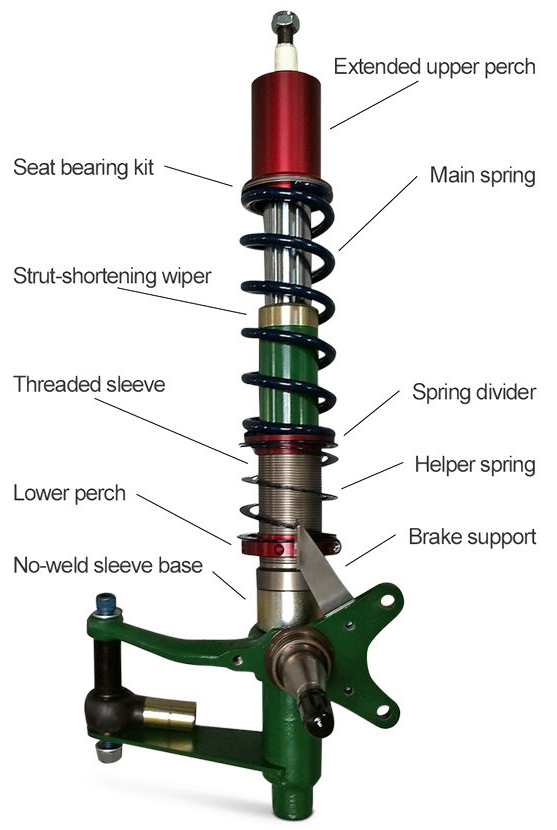
A coilover is a suspension unit that combines a **coil spring** with a **shock absorber or damper**. The spring supports the vehicle’s weight. The damper slows the spring as it moves up and down. Together, they help the wheels follow the road while keeping the car controlled.
The name comes from “coil over,” because the coil spring sits around the shock body. Many aftermarket coilovers use a threaded body or threaded sleeve. This design gives the user a way to change the suspension’s installed position and, depending on the design, other settings too.

- ✦ Coil spring
The spring supports the car and absorbs energy when the wheel moves over a bump or dip.
- ✦ Damper
The damper controls spring movement so the car does not keep bouncing after a bump.
- ✦ Spring perch
The perch supports the spring and can often be moved to change the spring’s installed position.
- ✦ Threaded body or sleeve
Threads allow suspension height or spring position to be adjusted, depending on the coilover design.
- ✦ Top mount
The upper mount connects the coilover to the vehicle and may use a rubber mount or a performance-oriented pillow-ball mount.
Coilovers vs. Regular Shocks and Struts
A normal suspension can use separate springs and shocks. A coilover packages these parts together. This can make ride-height changes easier and gives suspension builders more control over spring and damper combinations.
Not every coilover replaces every suspension part in the same way. On a MacPherson-strut car, a complete front coilover may replace the factory strut assembly. On other designs, the rear system may use a separate spring and shock. Always check the exact kit for your vehicle.
How Do Coilovers Work When the Car Hits a Bump?
When a tire hits a bump, the wheel moves upward. The suspension must allow that movement without letting the car bounce out of control. The coil spring compresses and stores some of the energy created by the road impact.
The damper then controls that stored energy. Oil moves through small passages inside the damper as the piston travels. This creates resistance, which slows suspension movement and helps the car settle after the bump.
This spring-and-damper relationship is the key to understanding **how do coilovers work**. The spring controls support and movement, while the damper controls the speed of that movement. Neither part can do the whole job alone.

- ✦ Compression
The suspension moves upward as the wheel meets a bump. The spring compresses while the damper resists the movement.
- ✦ Rebound
The spring tries to return to its normal length after compression. The damper controls this return so the wheel does not move too quickly.
- ✦ Tire contact
Controlled suspension movement helps the tire stay connected to the road instead of skipping over bumps.
Why Damping Matters
Without enough damping, the spring can make the car bounce several times after a bump. Too much damping can make the suspension slow and harsh. The goal is controlled movement that matches the spring, tire, vehicle weight, and road.
How Do Coilovers Control Ride Height?
One of the biggest reasons people install coilovers is adjustable ride height. Most adjustable coilovers use threaded sections and locking collars. Turning the collars changes the position of the spring perch or the coilover body, depending on the design.
Lowering the car reduces the distance between the chassis and the ground. Raising it creates more clearance. The exact adjustment method matters because some coilovers let you lower the car by moving the entire body while keeping spring preload close to the intended setting.
This distinction is important when learning **how do coilovers work**. Simply moving the spring perch is not always the same as changing the whole suspension length. Follow the manufacturer’s adjustment method so you keep enough suspension travel and maintain proper spring seating.

- ✦ Threaded adjustment
Threaded collars or bodies allow precise changes to the coilover’s installed height.
- ✦ Suspension travel
Lowering too far can reduce available travel and cause the suspension to hit its bump stops more often.
- ✦ Ground clearance
A very low ride height can create problems with speed bumps, driveways, ramps, and rough roads.
- ✦ Alignment
Changing ride height can alter wheel alignment, so an alignment check is often needed after installation or major height changes.
Does Lowering a Car Always Improve Handling?
No. A lower center of gravity can reduce some body movement, but a very low setup can lose useful suspension travel. If the car hits the bump stops often, grip and ride quality can suffer. Good geometry and enough travel matter just as much as ride height.
How Do Coilovers Work With Spring Rates?
The spring rate tells you how much force is needed to compress a spring by a given amount. A higher spring rate usually means a firmer spring. A lower rate usually allows more movement under the same load.
Coilover manufacturers choose spring rates based on the vehicle, intended use, damper design, and suspension layout. A street car often needs a different balance from a track car because comfort, bumps, tires, and road conditions all matter.
Spring rate also affects how the car responds to steering, braking, acceleration, and cornering. The right rate is not simply the highest rate available. The spring and damper need to work together.

- ✦ Softer spring
A softer spring can allow more suspension movement and may feel more comfortable on normal roads.
- ✦ Stiffer spring
A stiffer spring can reduce suspension movement but may feel firmer and can expose weaknesses in damping or suspension travel.
- ✦ Vehicle weight
A heavier car places more load on its springs, so spring selection must match the vehicle and axle load.
- ✦ Use case
Street driving, autocross, track use, and show builds can call for different spring and damper choices.
What Is Spring Preload?
Spring preload is the amount of compression placed on a spring when the suspension is assembled or at rest. Preload should not be treated as a simple way to make a coilover stiffer. On many systems, ride height and preload have separate adjustment methods, and the manufacturer sets a specific range for proper operation.
What Are Damping Adjustments on Coilovers?
Many performance coilovers let you adjust damping. This changes how strongly the damper resists suspension movement. Some systems offer one adjustment that affects compression and rebound together. More advanced systems may provide separate adjustments.
A softer damper setting can allow easier suspension movement. A firmer setting can slow movement and give a more controlled feel. However, turning an adjustment toward firm does not automatically make the car faster or safer.
If you are learning **how do coilovers work**, think of damping as motion control. The spring provides the main support. The damper manages how quickly the suspension responds to changes in the road.

- ✦ Rebound damping
Rebound controls how quickly the suspension extends after compression.
- ✦ Compression damping
Compression controls resistance as the suspension moves into its compressed position.
- ✦ Single-adjustable systems
One control may influence several damping characteristics at the same time.
- ✦ Multi-adjustable systems
More advanced coilovers may provide separate controls for different parts of damper behavior.
How Should You Adjust Coilovers?
Start with the manufacturer’s recommended baseline. Change one setting at a time and make small adjustments. For a street car, focus on stable tire contact, predictable steering, and reasonable comfort rather than simply choosing the firmest setting.
How Do Coilovers Affect Handling and Ride Quality?
Coilovers can change how a car feels in corners, under braking, and over uneven pavement. By controlling ride height, spring rate, and damping, they can give the suspension a more specific setup than many factory systems.
The effect depends on the entire vehicle. Tires, alignment, sway bars, bushings, wheel weight, suspension geometry, and road surface all affect the result. A coilover cannot fix every handling problem by itself.
For a daily-driven car in the United States, it is wise to leave enough clearance for driveways, parking garages, speed bumps, and uneven roads. A setup that looks good while parked may become frustrating if it constantly scrapes or rides on its bump stops.

- ✦ Cornering control
A properly matched setup can reduce unwanted body motion and make steering response more consistent.
- ✦ Ride comfort
Firm springs, aggressive damping, and limited travel can make a car feel harsh on rough pavement.
- ✦ Braking and acceleration
Controlled suspension movement can influence how weight shifts during braking and acceleration.
- ✦ Tire grip
Maintaining useful suspension movement can help the tires stay connected to changing road surfaces.
- ✦ Daily usability
A moderate height and sensible damping setting usually make more sense for a car that sees regular street use.
Street Coilovers vs. Track Coilovers
Street-focused coilovers often aim for a balance between control and comfort. Track setups can use firmer springs, more adjustment, and settings designed around smooth pavement and higher cornering loads. The correct setup depends on where and how you drive.
What Are the Main Benefits and Drawbacks of Coilovers?
Coilovers give drivers more control over suspension setup than many basic factory systems. That control can be useful when you want a specific ride height or need to tune the suspension for a certain type of driving.
At the same time, more adjustment creates more chances to choose a poor setting. A very low car, very stiff spring, or overly firm damper can make a vehicle less pleasant on normal roads. Installation and setup quality matter just as much as the hardware.

- ✦ Adjustable ride height
Many coilovers let you set the vehicle height within the manufacturer’s usable range.
- ✦ More suspension tuning
Adjustable damping and replaceable springs can provide more ways to tune the car.
- ✦ Potential handling gains
A properly matched setup can improve body control and make the car feel more consistent.
- ✦ Possible loss of comfort
Aggressive settings can transmit more road impact into the cabin.
- ✦ Reduced clearance
Lowering can increase the chance of scraping on ramps, curbs, potholes, and speed bumps.
- ✦ More setup work
Correct height, preload, damping, alignment, and corner balance may require careful adjustment.
- ✦ Maintenance needs
Threaded parts should be kept clean and checked as recommended by the manufacturer, especially in areas with road salt and harsh weather.
Are Coilovers Worth It for a Daily Driver?
They can be, but the answer depends on your goals. If you want adjustable height and more control over the suspension, coilovers can make sense. If your main goal is a soft, trouble-free ride, a quality factory-style suspension may better match your needs.
How Do Coilovers Get Installed and Set Up?
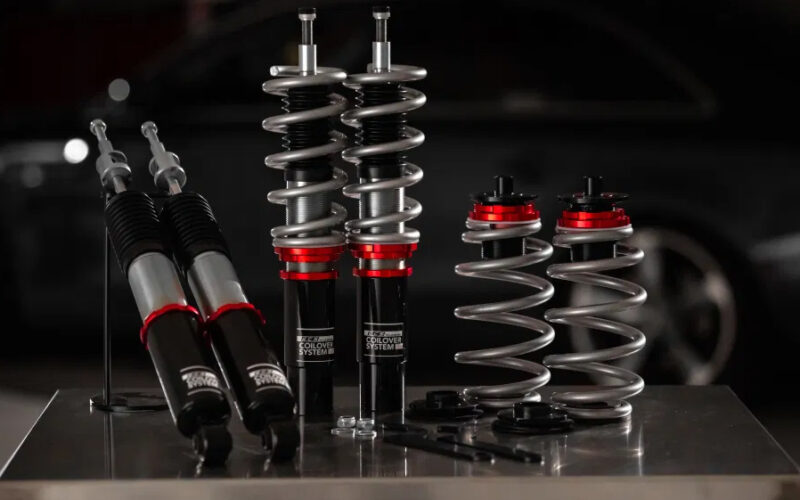
Installing coilovers usually involves removing some or all of the original spring and shock or strut assembly. The new units must then be installed with the correct hardware, torque values, spring position, and clearance. The exact steps vary by vehicle.
After installation, the suspension should be checked for proper seating and clearance. Ride height should be measured rather than judged only by eye. A professional alignment is often needed because changing suspension height can change camber and toe.
For anyone asking **how do coilovers work** in real-world use, setup is just as important as the parts themselves. A well-designed coilover installed at the wrong height or with poor alignment may perform worse than expected.
- ✦ Read the instructions
Use the coilover maker’s vehicle-specific installation and adjustment instructions.
- ✦ Measure ride height
Record measurements before and after installation so changes can be made with a clear reference.
- ✦ Check clearances
Make sure the tires, wheels, brake lines, sway bars, and other components have adequate clearance through suspension travel.
- ✦ Get an alignment
Check and correct wheel alignment after changing ride height or suspension components.
- ✦ Recheck the setup
Inspect hardware and settings after initial driving and follow the manufacturer’s maintenance schedule.
Common Coilover Setup Mistakes
Common mistakes include lowering the car too far, setting damping too firm, ignoring alignment, and using the wrong adjustment method. Another mistake is assuming that a harder ride always means better handling. The best setup keeps the suspension controlled while preserving useful travel and tire contact.


