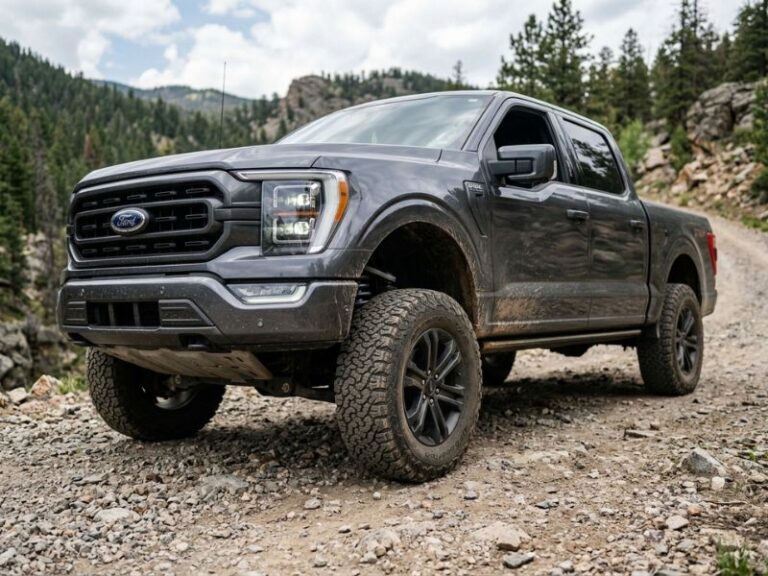
Does a Leveling Kit Void Chevy Warranty? What Owners Should Know
Installing a leveling kit is a popular way to improve a Chevrolet truck’s stance, create more front-end clearance, and make room for larger tires. However, modifying a new or certified pre-owned vehicle naturally raises concerns about its factory warranty.
So, does a leveling kit void Chevy warranty? No, installing a leveling kit does not automatically cancel the entire Chevrolet warranty. However, Chevrolet or an authorized GM dealership may deny coverage for a particular repair if the leveling kit, its installation, or another related modification caused or contributed to the damage.
In practical terms, your engine warranty should not disappear simply because you raised the front suspension. However, a claim involving ball joints, CV axles, control arms, wheel bearings, steering components, shocks, or uneven tire wear may receive additional scrutiny.
This guide explains how a leveling kit may affect Chevrolet warranty coverage, which components are most vulnerable, and what you can do to reduce the risk of a denied claim.
Does a Leveling Kit Void Chevy Warranty?

A leveling kit does not automatically void Chevy warranty coverage for the entire vehicle. Chevrolet’s limited warranty generally covers repairs needed to correct defects in factory materials or workmanship. It does not normally cover damage caused by improperly installed aftermarket products or modifications.
The distinction between a factory defect and modification-related damage is important.
Suppose a leveling kit is installed on your Chevrolet Silverado and the infotainment screen later stops working because of an internal manufacturing defect. The suspension modification would have no reasonable connection to the screen failure, so the presence of the leveling kit alone should not eliminate coverage.
Now suppose the truck develops premature CV joint wear after the suspension height and axle angles were changed. A dealer may investigate whether the leveling kit contributed to that failure. If the modification caused or accelerated the damage, coverage for that specific repair could be denied.
Therefore, the most accurate answer is that a leveling kit can affect related warranty claims, but it does not automatically erase every part of the factory warranty.
How Aftermarket Parts Affect a Chevrolet Warranty
In the United States, using an aftermarket or recycled part does not automatically terminate a vehicle warranty. The Federal Trade Commission explains that warranty coverage generally remains in effect when aftermarket parts are used. However, damage caused by a defective aftermarket part or incorrect installation may not be covered.
This principle is commonly associated with the Magnuson-Moss Warranty Act, a federal law governing consumer product warranties. It prevents manufacturers from broadly conditioning warranty coverage on the use of specific branded parts or dealership services, subject to certain exceptions.
The law does not make every modification risk-free. It also does not require Chevrolet to repair damage created by a leveling kit at no cost.
Your factory warranty protects you against eligible factory defects. It is not insurance against problems caused by aftermarket suspension geometry, oversized tires, poor installation, off-road abuse, or parts that are incompatible with the vehicle.
Which Chevy Models Are Commonly Leveled?
Leveling kits are most commonly installed on Chevrolet trucks and truck-based SUVs, including the Chevy Silverado 1500, Silverado 2500HD, Silverado 3500HD, Colorado, Tahoe, and Suburban.
The potential warranty impact can differ by model because these vehicles do not all use the same suspension design. A Silverado 1500 may use front struts, while a heavy-duty Silverado can use a different suspension arrangement. Some newer vehicles may also include electronic dampers, advanced driver-assistance systems, or factory suspension packages that require additional calibration or specialized components.
A kit should always match the exact:
- Model and model year
- Two-wheel-drive or four-wheel-drive configuration
- Suspension package
- Engine and cab configuration
- Factory ride-control system
Using a kit intended for a different configuration can create poor fitment, abnormal suspension angles, warning lights, or alignment problems.
What Parts May Lose Warranty Coverage?
The parts most likely to face warranty questions are those directly affected by the increased front suspension height.
CV Axles and CV Joints
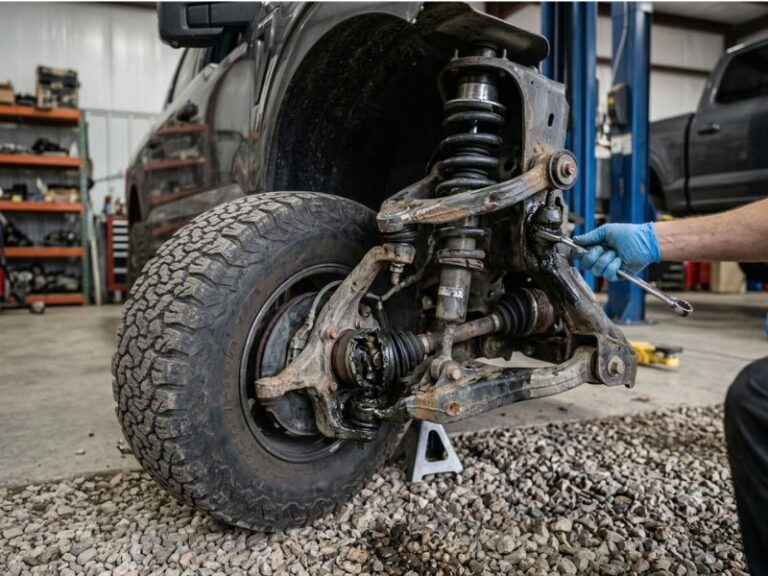
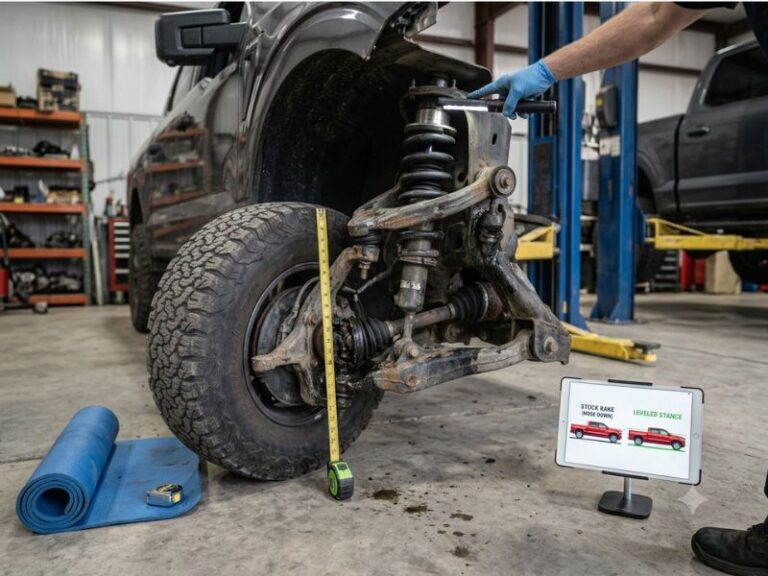
On four-wheel-drive Chevrolet trucks, a leveling kit can change the operating angle of the CV axles. A moderate height increase may remain within acceptable limits, but excessive angles can accelerate wear on joints and boots.
If a CV joint fails unusually early, the dealer may examine the leveling height, axle angle, tire size, and installation quality before approving the repair.
Ball Joints and Upper Control Arms
Raising the front suspension changes the resting position of the upper control arms and ball joints. A larger leveling kit may push these components closer to their operating limits.
Some applications benefit from aftermarket upper control arms designed to restore better geometry. However, those aftermarket parts carry their own warranties and are not automatically covered by Chevrolet.
Shocks and Struts
A spacer-style kit may retain the factory shocks or struts while changing their operating position. If the setup reduces available suspension travel or causes repeated topping out, the factory dampers may experience additional stress.
A dealership may deny a shock or strut claim if inspection shows that the aftermarket setup directly caused the failure.
Wheel Bearings and Steering Components
A leveling kit alone may not substantially increase wheel-bearing stress, but owners often combine it with larger tires, wider wheels, or aggressive wheel offsets. Those changes increase leverage on wheel bearings, tie rods, steering components, and suspension joints.
A warranty decision may therefore involve the complete wheel, tire, and suspension setup rather than the leveling spacer by itself.
Tires and Alignment
Factory warranty coverage generally does not protect against abnormal tire wear caused by poor alignment or modified suspension geometry.
After a leveling kit is installed, the truck should receive a professional four-wheel alignment. Driving without proper alignment can lead to inside-edge wear, steering pull, an off-center steering wheel, and reduced tire life.
Does a Leveling Kit Affect the Chevy Powertrain Warranty?
A basic leveling kit normally has no direct effect on the engine or transmission. Therefore, an unrelated internal engine defect should not lose coverage simply because the front of the truck was raised.
However, related modifications can complicate the situation.
Larger and heavier tires increase rotational mass and can place more strain on the transmission, axles, differential, and braking system. Aggressive off-road use can also increase loads on drivetrain components. If a drivetrain failure occurs, the dealer may evaluate whether the complete modified setup contributed to the problem.
This does not mean that larger tires automatically cancel the powertrain warranty. It means that a claim may require diagnosis before Chevrolet determines whether the failure resulted from a factory defect or the vehicle’s modifications.
Can a Chevrolet Dealer Deny Every Warranty Claim?
A Chevrolet dealer should not reject every warranty repair merely because a leveling kit is present. The vehicle normally needs to be diagnosed before the dealer can determine whether a particular repair qualifies for coverage. Chevrolet’s warranty support information similarly notes that diagnosis is necessary before coverage can be determined.
Dealerships may still differ in how they approach modified vehicles. One service department may be comfortable working with mildly modified trucks, while another may inspect the suspension more carefully.
If a claim is denied, ask the service adviser to provide:
- The exact component that failed
- The specific warranty exclusion being applied
- An explanation of how the leveling kit caused the damage
- The diagnosis and supporting inspection findings in writing
A written explanation makes it easier to understand the decision, contact Chevrolet customer assistance, or seek an independent mechanical opinion.
Is a Dealer-Installed Leveling Kit Safer for Warranty Coverage?
Dealer installation can reduce some uncertainty, but it does not guarantee that every future suspension repair will be covered.
The main advantage is documentation. An authorized shop can record which parts were used, who installed them, and whether an alignment was completed. Chevrolet also states that qualifying Chevrolet accessories installed by an authorized GM dealer may receive accessory warranty coverage under specified terms.
Before authorizing the work, ask the dealership to confirm in writing:
- Whether the kit is a genuine Chevrolet or GM accessory
- Which warranty applies to the kit
- Whether installation affects any factory coverage
- Whether alignment and system calibration are included
- Who covers labor if the aftermarket part fails
A third-party leveling kit installed by a Chevrolet dealer does not necessarily become a GM-covered component. Always distinguish between the vehicle’s factory warranty, the kit manufacturer’s warranty, and the installer’s labor warranty.
How to Protect Your Chevy Warranty After Leveling
Choose a kit designed specifically for your exact Chevrolet model and suspension. Avoid selecting a product based only on advertised lift height or price.
A modest 1.5-inch to 2-inch leveling kit generally creates fewer geometry concerns than an aggressive setup, although the correct height depends on the vehicle. If the manufacturer recommends upgraded control arms, shocks, differential components, or other supporting parts, include them in your budget.
Professional installation is also valuable. Suspension fasteners must be tightened to the correct torque, and some bushings must be torqued at normal ride height. Incorrect installation can preload bushings, cause noises, or create premature wear.
After installation, obtain a printed alignment report and keep it with the following documents:
- Kit receipt and product information
- Installer invoice
- Alignment results
- Maintenance records
- Before-and-after measurements
- Any written dealership guidance
These records do not force approval of a warranty claim, but they help demonstrate that the modification was selected, installed, and maintained responsibly.
Should You Remove the Kit Before Visiting the Dealer?
Removing a leveling kit before routine service is usually unnecessary. The modification will not normally matter during an oil change, battery inspection, software update, or unrelated electrical repair.
Returning the truck to stock immediately before a suspension claim may also fail to resolve the underlying issue. Technicians may still identify altered hardware, previous alignment settings, wear patterns, or damage caused while the kit was installed.
It is generally better to be honest about the modification and provide installation records. Attempting to conceal relevant changes can make the diagnostic process more difficult.
Does a Leveling Kit Affect a Certified Pre-Owned Warranty?
A Chevrolet Certified Pre-Owned warranty may also be affected only where the modification conflicts with the applicable warranty terms or causes the failure.
Before modifying a certified vehicle, review its specific warranty booklet rather than assuming it follows exactly the same rules as a new-vehicle warranty. Also review any separate service contract, extended protection plan, or dealer-issued warranty.
Third-party service contracts can contain exclusions that are different from the factory warranty. A modification acceptable under one agreement may be excluded under another.
What About Leased Chevrolet Trucks?
A warranty and a lease agreement are not the same thing.
Even when a leveling kit does not cancel the factory warranty, the lease contract may restrict vehicle modifications or require the truck to be returned in original condition. You could be charged for restoration, missing factory parts, excess tire wear, or suspension damage at lease return.
Review the lease agreement and obtain permission before modifying a leased Silverado or Colorado.
Frequently Asked Questions
Will a 2-inch leveling kit void my Silverado warranty?
A 2-inch kit does not automatically void the Silverado’s entire warranty. However, Chevrolet may deny coverage for suspension, steering, axle, or tire-related damage if the kit caused or contributed to the failure.
Will bigger tires void a Chevy warranty?
Bigger tires do not automatically cancel the complete warranty. However, a dealer may deny a related claim if the additional size, weight, or wheel offset caused damage to the steering, drivetrain, suspension, or wheel bearings.
Does installing the kit myself affect coverage?
DIY installation does not automatically eliminate the factory warranty. However, Chevrolet does not have to cover damage caused by incorrect installation. Keeping receipts, instructions, torque records, and alignment documentation can be helpful.
Can I use an aftermarket leveling kit during the factory warranty?
Yes, but you accept some risk for components directly affected by the modification. Choose a reputable vehicle-specific kit and understand which company covers the aftermarket parts and installation labor.
Is a leveling kit different from a lift kit for warranty purposes?
Both are suspension modifications, but a full lift kit generally changes more components and may have a greater effect on suspension and drivetrain geometry. As a result, a larger lift can create more potential areas for warranty disputes.
Final Thoughts
So, does a leveling kit void Chevy warranty? No, a leveling kit does not automatically cancel all Chevrolet factory warranty coverage. Unrelated factory defects may remain eligible for repair, while damage caused by the leveling kit, improper installation, altered suspension geometry, or related wheel and tire upgrades may be excluded.
The safest approach is to select a moderate, vehicle-specific kit, use a qualified installer, complete the required alignment, and retain detailed documentation. Before modifying a new, certified, leased, or service-contract-covered Chevrolet, read the applicable warranty documents and ask the dealership how the proposed setup could affect future claims.