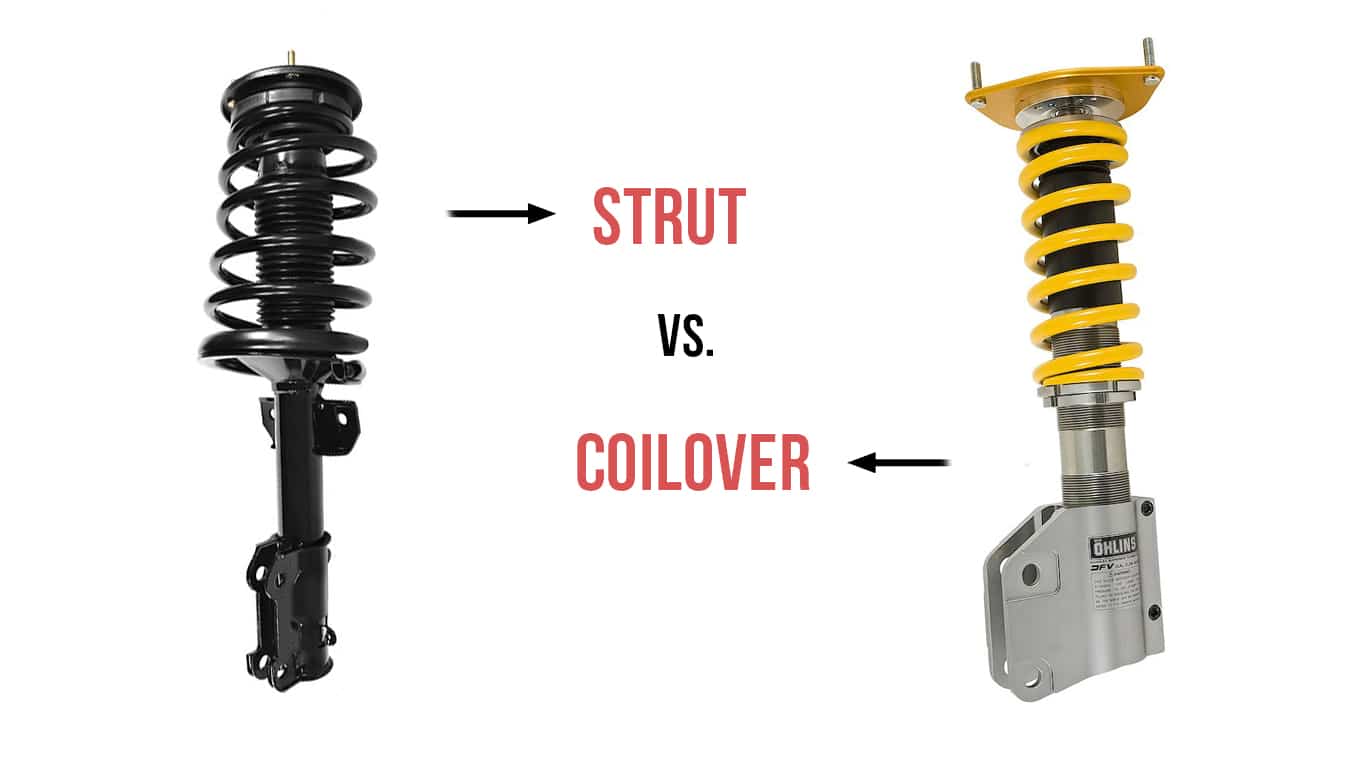
No, you usually do not need separate shocks with a complete coilover kit. A complete coilover assembly already includes a shock absorber, a spring, and the parts that connect them. You may need extra parts if your kit is incomplete or your vehicle requires separate components.
For drivers in the United States, coilovers are a common option for changing ride height, improving handling, or setting up a car for track use. Before buying a kit, it helps to know what the parts do. A coilover is not just a spring that fits over an ordinary shock. It is a suspension assembly that combines a spring and a shock absorber in one unit.
The main question is whether your chosen kit is a complete assembly or a set of parts that must work with other suspension components. Most complete coilover kits include their own dampers, so adding another shock is usually unnecessary. However, some vehicle designs use separate front and rear suspension parts, and some conversion kits reuse certain factory components.
The safest way to choose is to check the exact kit contents and your vehicle’s fitment requirements. A kit made for one model, trim, or suspension layout may not fit another. This guide explains when coilovers replace factory shocks, when extra parts may be needed, and how to avoid common installation mistakes.
In most cases, you do not need separate shocks with a complete coilover kit because the shock absorber is already built into each coilover assembly. The spring supports the vehicle’s weight, while the shock controls how quickly the spring moves after a bump. These parts work together to keep the tires in contact with the road.
A complete coilover replaces the factory spring and damper arrangement where the kit is designed to do so. The assembly may also include a threaded body, adjustable spring seat, and mounting hardware. Depending on the design, you may reuse some factory parts, such as top mounts or rubber isolators.
There are exceptions. Some products called coilover kits are conversion systems or spring kits rather than complete assemblies. Such products may require a specified shock absorber or other compatible parts. The product name alone does not prove that every component is included.
Source: ar.inspiredpencil.com
Complete coilover kit
The spring and damper are supplied as a matched assembly. Separate replacement shocks are usually not needed.
Coilover conversion kit
The kit may reuse selected factory components or require additional parts listed by the manufacturer.
Coil springs sold separately
A spring-only kit may require compatible shocks or struts. It should not be treated as a complete coilover system.
What Does a Coilover Include?
A typical coilover has a coil spring fitted around a shock absorber. The spring compresses under load and returns toward its normal position. The damper controls that movement so the car does not keep bouncing after each bump.
Many kits also include threaded spring seats for ride-height changes. Some include adjustable damping, which lets the user change how strongly the damper resists motion. Others have fixed damping and allow only limited setup changes.
The top mount, lower bracket, bump stop, dust boot, and adjustment tools may or may not be included. Check the parts list for the exact vehicle application rather than assuming every kit has the same contents.
Spring
Supports vehicle load and stores energy as the suspension compresses.
Damper
Controls spring movement to reduce repeated bouncing and help maintain tire contact.
Mounting hardware
Connects the assembly to the vehicle. The supplied kit may require certain original mounts or fasteners.
How Coilovers Differ From Shocks and Struts
A shock absorber is mainly a damper. It controls suspension movement but does not usually support the vehicle in the same way a coil spring does. A coilover combines a spring and damper into one assembly, while a strut is a structural suspension component that also helps locate the wheel.
The terms can overlap in product names. A coilover may contain a shock-type damper or a strut-style damper, depending on the vehicle. This is why it is more useful to check the suspension design than to rely on a label alone.
On many cars, the front suspension uses struts while the rear uses separate springs and shocks. Other vehicles use coilover-style units at both ends. A coilover kit may replace the factory strut assembly at the front and replace the rear spring and shock arrangement with a different design, if engineered for that vehicle.
Source: storage.googleapis.com
Shock absorber
Controls suspension motion. It may be mounted separately from the spring.
Strut
Acts as a damper and a structural part of the suspension, often supporting steering and wheel-location functions.
Coilover
Combines a coil spring and damper in one assembly, often with adjustable ride height.
Do Coilovers Replace Factory Shocks?
Yes, a complete coilover kit normally replaces the factory damper at each position covered by the kit. If the kit replaces the front strut assemblies, you generally do not keep the original front struts alongside the new units.
The rear arrangement depends on the vehicle and kit. If a car has separate rear springs and shocks, a coilover conversion may use a combined unit in place of both. Another kit may use a separate spring and damper arrangement with different mounting points.
Read the installation guide before removing any original parts. The instructions should state which factory components to remove, which to reuse, and which new components are required.
Direct replacement
The new coilover replaces the original spring and damper assembly specified by the kit.
Partial conversion
Some original hardware may remain if the kit instructions call for it.
When Might You Need Separate Shocks With Coilovers?
You may need a separate shock absorber when the product you purchased is not a complete coilover assembly. For example, a lowering spring kit may use the factory shock if it remains compatible, or it may call for a shorter or otherwise suitable replacement damper. This is different from buying a complete coilover kit.
A vehicle may also use separate rear springs and dampers even when the front suspension has coilovers. In that case, the rear shocks may remain in use unless the chosen rear kit replaces them. Do not assume a front coilover package automatically includes every rear suspension part.
A damaged, worn, or leaking shock may also need replacement if the suspension design still uses that shock. However, adding an extra shock to a complete coilover assembly is not a normal repair. The correct response is to identify the faulty part and follow the kit maker’s repair or replacement guidance.
Source: animalia-life.club
Spring-only upgrade
Check whether the original damper is approved for use with the new spring and ride height.
Separate rear suspension
Verify whether the rear kit replaces the factory shock or retains it as a separate component.
Incomplete or used kit
Confirm whether dampers, mounts, and required hardware are missing before installation.
Damaged damper
Replace or service the affected unit according to the manufacturer’s instructions instead of fitting an extra shock beside a complete coilover.
Can You Use Stock Shocks With Coilover Springs?
It depends on the kit. Some lowering spring setups are designed to work with selected factory dampers, while others need dampers suited to the new spring rate and operating range. A spring placed around an unsuitable shock does not become a complete, correctly matched coilover system.
The damper must have enough travel for the intended ride height and spring movement. If the suspension frequently reaches its travel limit, the car may ride harshly, lose tire contact over bumps, or wear parts faster. The correct combination depends on the vehicle, spring specification, and intended use.
Use only a combination approved by the kit manufacturer or confirmed by a qualified suspension specialist. Do not choose a shock based only on whether its mounting points appear to fit.
Check travel
Confirm that the damper can operate through the required compression and extension range.
Check spring compatibility
Use the specified spring rate and spring dimensions for the intended damper and vehicle.
Check mounting
Verify the upper and lower mounts, shaft, and other interfaces against the kit instructions.
How to Check Whether Your Coilovers Include Shocks
The most reliable way to confirm what you need is to identify the exact kit and compare its contents with the manufacturer’s installation instructions. Product photos can help, but they may show optional accessories or a setup for a different vehicle.
Start with the part number, vehicle year, make, model, trim, and drivetrain. Suspension fitment can vary between versions of the same car. A kit intended for one configuration may not fit another even when the model name is the same.
Next, read the parts list and installation guide. Look for a complete spring-and-damper assembly, any required top mounts, bump stops, dust boots, and instructions about reusing factory hardware. If the listing does not clearly state what is included, ask the seller or manufacturer before buying.
Source: shocksurplus.com
Step 1: Identify the kit
Record the exact part number and confirm that it matches your vehicle’s year, model, trim, and drivetrain.
Step 2: Read the contents list
Confirm that the kit includes dampers and springs for the suspension positions it claims to cover.
Step 3: Review the installation guide
Check which original parts must be removed, retained, or replaced.
Step 4: Confirm missing parts
Ask the supplier whether top mounts, bump stops, isolators, and fasteners are supplied or must be purchased separately.
Step 5: Confirm the final setup
Make sure the spring, damper, mounts, and ride-height range are approved for the intended vehicle and use.
Signs That a Kit May Be Incomplete
A kit may be incomplete if the listing describes springs or threaded sleeves but does not identify the dampers. Missing mounting hardware or an installation guide that refers to parts not supplied can also signal that additional components are required.
Used coilovers need extra care. A used assembly may have missing collars, damaged threads, leaking dampers, worn bushings, or springs that do not match the original specification. A visual inspection cannot confirm every internal damper condition.
Do not install a questionable assembly simply because it can be bolted into place. Confirm the missing components and condition with the manufacturer or a qualified suspension shop.
Unclear contents
The seller does not confirm whether the dampers are included.
Missing hardware
Required mounts, seats, locking collars, or specified fasteners are absent.
Visible damage
The assembly has fluid leaks, bent parts, damaged threads, or other defects that could affect operation.
Do Coilovers Need New Top Mounts?
Not always. Some coilover kits include new top mounts, while others are designed to reuse the original mounts. The answer depends on the vehicle and the kit’s design, so check the parts list before ordering extra hardware.
A top mount connects the upper end of the suspension assembly to the vehicle body. It may include a rubber isolator, a bearing, or other parts that help manage movement and noise. Front mounts on a strut-type suspension may also allow the assembly to turn with the steering.
Worn original mounts can cause clunks, excess movement, or noise. If the kit permits reuse, inspect the original mounts and replace damaged components as needed. If the instructions require a supplied mount, do not substitute an unapproved factory part.
Source: accutuneoffroad.com
What Other Parts May Be Required?
Besides the shock and spring, the installation may require mounts, bump stops, dust boots, spring isolators, and specified fasteners. Some kits include these parts, while others retain certain original components. The vehicle’s design determines which parts are needed.
Bump stops limit suspension travel near the end of compression, while dust boots help protect damper shafts from dirt and debris. Incorrect or missing parts can affect how the suspension moves and how long its components last.
Follow the exact parts list rather than buying every possible accessory. Extra parts are useful only when they match the kit and vehicle.
Top mounts
Support and attach the upper assembly. Reuse them only when the kit instructions allow it and their condition is suitable.
Bump stops
Help limit excessive compression. Use the specified type and length.
Dust boots
Help protect exposed damper surfaces from road debris.
Fasteners
Use the correct specified hardware and tightening procedure for each mounting point.
Can You Add Extra Shocks to Coilovers?
You should not add a second shock absorber to a complete coilover assembly unless a vehicle-specific suspension design explicitly calls for it. Most passenger-car coilover kits are designed to use one damper at each specified suspension position. Adding another damper without engineering guidance can change suspension behavior and introduce mounting or clearance problems.
Some specialized vehicles use multiple dampers at one wheel, but those systems are designed around specific loads, motion ratios, mounting points, and damper settings. Their design does not mean that adding an extra shock to an ordinary street-car coilover is beneficial.
If a car bounces, feels unstable, or makes noise after a coilover installation, investigate the setup instead of adding parts. The cause may be incorrect damping, poor spring adjustment, insufficient suspension travel, worn mounts, loose hardware, or a damaged component.
Source: ar.inspiredpencil.com
Troubleshooting Common Coilover Problems
Repeated bouncing can point to insufficient damping, a damaged damper, or a mismatch between the spring and damper. A harsh ride can result from excessive spring stiffness, limited travel, unsuitable damping settings, or contact with bump stops. These symptoms have several possible causes, so one adjustment will not fix every problem.
Clunking or knocking may indicate a loose mount, worn bushing, incorrect spring seating, or contact between parts. Uneven ride height may result from setup differences, a binding component, or a damaged spring. Fluid around a damper can signal a leak and needs inspection.
If the car feels unstable, a tire loses contact with the road, or a suspension component appears loose or damaged, stop driving and arrange a safe inspection. Do not attempt to correct a serious suspension fault by changing damping settings alone.
Repeated bouncing
Check damper condition, spring and damper matching, and the approved adjustment settings.
Harsh ride
Check spring specifications, suspension travel, bump stops, tire pressure, and damper settings.
Clunks or knocks
Have mounts, bushings, spring seats, and specified fasteners inspected.
Fluid leakage
Have the damper inspected and serviced or replaced according to its design.
Choosing the Right Coilover Setup for Your Car
Choose a coilover kit based on your vehicle, driving needs, and the range of adjustment you actually require. A street car used for daily travel has different needs from a car built for regular track sessions or off-road use. The most adjustable kit is not automatically the best choice for every driver.
For a daily driver, consider ride comfort, damper quality, corrosion resistance, replacement parts, and the manufacturer’s approved ride-height range. For track use, consider spring and damping options, heat management, available service support, and setup guidance. Off-road applications need parts designed for their suspension travel, loads, and operating conditions.
Do not select coilovers only by how low they can make the car sit. Excessive lowering can reduce available suspension travel, alter suspension geometry, and cause tires or components to contact the body. It can also affect headlight aim and alignment. Use the kit’s approved limits and check local vehicle requirements.
Source: storage.googleapis.com
Compare Your Options Before Buying
A complete coilover kit is often the simpler option when the goal is an integrated spring-and-damper replacement. A spring-only kit may cost less at the start, but its suitability depends on the condition and compatibility of the original dampers. Replacing worn factory parts can change the total cost of either setup.
Ask whether the kit includes all required assemblies, top mounts, bump stops, and installation hardware. Confirm the warranty terms and whether servicing is available. Some dampers can be rebuilt, while others are intended to be replaced as complete units.
The right comparison is the total cost of a correct, compatible installation, not just the price on the box. Include required accessories, professional labor if needed, alignment, and any manufacturer-specified follow-up checks.
Daily driving
Prioritize a suitable spring rate, good road manners, enough suspension travel, and service support.
Track use
Prioritize a documented setup range, suitable damping control, and access to correct replacement parts.
Off-road use
Choose a kit designed for the vehicle’s load, travel, terrain, and mounting requirements.
Budget build
Compare the complete installed cost and avoid mixing unapproved springs, dampers, or mounts.
Installation and Safety Checks
Correct installation matters as much as choosing the right parts. Suspension assemblies store spring energy, and mistakes during removal or assembly can cause serious injury. Use the vehicle service manual, the coilover maker’s instructions, and the specified tools and procedures.
If the job requires spring compression, use suitable equipment and follow its instructions. Do not loosen a loaded spring assembly or improvise with unsafe tools. If you lack the training or equipment for the task, have a qualified suspension technician perform the work.
After installation, check that the assemblies are correctly seated, all required hardware is installed, and no brake hoses, ABS wires, tires, or other components bind or rub through the intended steering and suspension range. Fastener torque values must come from the relevant vehicle or kit instructions, not from a generic figure.
Source: storage.googleapis.com
Before installation
Verify fitment, kit contents, service instructions, required tools, and specified fasteners.
During installation
Follow the correct lifting and support procedure and handle spring-loaded parts only with suitable equipment.
After installation
Check clearance, inspect the work, and obtain a wheel alignment when required by the vehicle and suspension manufacturer.
Before normal driving
Confirm that there are no loose parts, leaks, abnormal noises, or signs of tire contact.
Why Wheel Alignment Matters
Changing ride height can change camber, toe, and other suspension angles. Camber describes the inward or outward tilt of a wheel when viewed from the front, while toe describes whether the front edges of the tires point inward or outward. Incorrect settings can affect handling and tire wear.
A professional alignment helps bring the wheel angles within the vehicle’s suitable specifications. Some modified setups use different targets, but these should be selected for a clear purpose and checked against the vehicle’s needs.
Have the alignment checked after the installation and any later ride-height changes that affect the suspension geometry. If the car pulls, the steering wheel sits off center, or the tires show unusual wear, arrange an inspection.
Camber
Affects the wheel’s tilt and the way the tire meets the road.
Toe
Affects the direction in which the tires point and can strongly influence tire wear.
Ride height
Can change suspension geometry and available travel, so use the kit’s approved adjustment range.
Frequently Asked Questions
Q
Do coilovers come with shocks?
Most complete coilover kits include shock absorbers as part of the assembly. They combine a coil spring and a damper in one unit. Always check the product’s contents list because some spring kits and conversion kits require additional components.
Q
Can I keep my stock shocks when installing coilovers?
Usually, a complete coilover kit replaces the original dampers at the positions covered by the kit. Some spring-based conversion systems may retain factory shocks, but only when the manufacturer approves that combination. Follow the exact installation instructions for your vehicle.
Q
Do coilovers replace both shocks and springs?
A complete coilover assembly replaces the factory spring and damper arrangement where the kit is designed to fit. On vehicles with separate rear springs and shocks, the rear replacement method depends on the kit. Confirm the front and rear parts separately.
Q
Do coilovers need new top mounts?
Not in every case. Some kits include new top mounts, while others require the original mounts to be reused. Inspect reused mounts for wear and follow the manufacturer’s instructions about the correct mount type.
Q
Can bad shocks make coilovers bounce?
Yes. A damaged or poorly matched damper can fail to control spring movement. Repeated bouncing can also result from incorrect setup or other suspension faults, so inspect the complete assembly before changing parts or settings.
Q
Are coilovers better than regular shocks?
Neither option is always better. Coilovers can combine spring and damper functions and may offer ride-height or damping adjustment. Standard replacement shocks can be a simpler choice when the original suspension is in good condition and the goal is to restore factory behavior.
Q
Do I need an alignment after installing coilovers?
A wheel alignment is generally recommended after a coilover installation because changing ride height can alter suspension angles. Follow the vehicle and kit instructions, and check alignment again after any adjustment that changes suspension geometry.
✦ Wrapping Up
Conclusion
You usually do not need separate shocks with coilovers because a complete coilover assembly already contains a spring and shock absorber. The main exception is a partial kit or a suspension design that retains separate dampers at certain wheels. The kit’s contents and vehicle-specific instructions determine which parts you need.
Before buying, confirm the exact fitment, review the included hardware, and check whether the original top mounts or other parts must be reused. After installation, verify the setup, inspect for clearance issues, and arrange a suitable wheel alignment. If a coilover leaks, bounces excessively, or feels unstable, have the system checked rather than adding an unapproved shock.
💡 Key Takeaway
Check the coilover part number and installation guide first. If the kit is complete and approved for your vehicle, its built-in dampers normally eliminate the need for separate shocks at the covered suspension positions.
Eric
Hi, I’m Eric Bennett, the person behind OffRoadTruckAccessories.com.
I created this blog to share my interest in trucks, off-road driving, automotive accessories, and DIY modifications. I enjoy learning how different truck accessories work, testing their usefulness, and understanding whether they are truly worth buying.
Will G37 coilovers fit G35? Learn which model years may share fitment, what changes with coupe, sedan, and AWD setups, and how to verify compatibility.