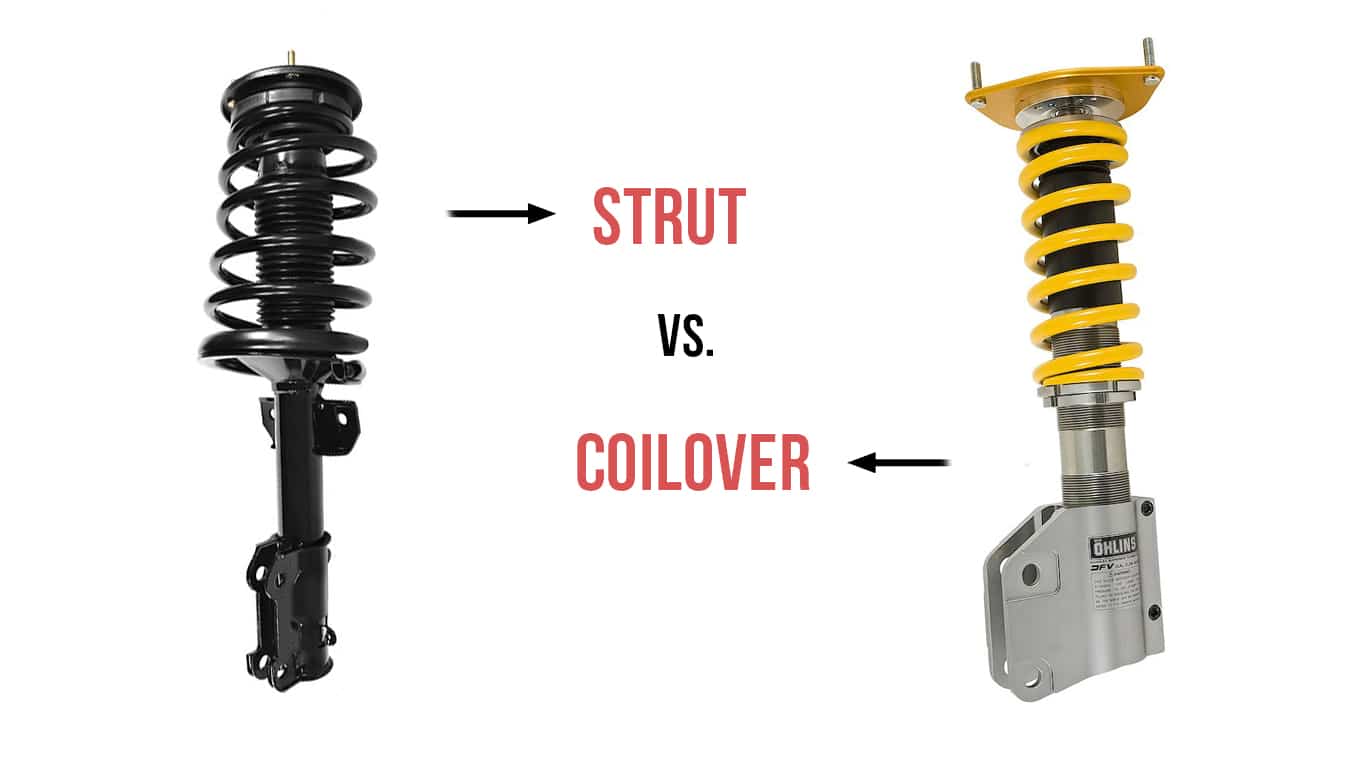
Yes, coilovers can replace separate shocks and springs when the kit is designed for your vehicle and suspension layout. A coilover combines a spring and shock absorber into one assembly, but not every kit replaces every original suspension part.
In the United States, drivers may consider coilovers when they want a lower stance, better control in corners, or a suspension setup suited to track days. A coilover kit can replace the original spring and damper assembly on many cars. The exact parts removed depend on the vehicle and the kit.
The key difference is how the parts fit together. A conventional suspension may use a separate coil spring and shock absorber, while a coilover places the spring around the damper as one unit. Some factory suspensions already use this design, so installing aftermarket coilovers may replace the original assembly rather than introduce a new type of suspension.
Before buying a kit, check its vehicle fitment, spring rates, adjustment range, mounting points, and installation requirements. A complete coilover conversion may also require changes to related hardware. The right setup depends on your car, your driving needs, and the suspension design that the manufacturer intended.
Coilovers can replace the original shocks and springs by combining their main functions in one assembly. The spring supports the vehicle’s weight and compresses over bumps. The shock absorber, also called a damper, controls that spring movement so the car does not keep bouncing after a bump.
In a conventional setup with separate components, the spring and damper may mount at different points. A compatible coilover places the spring around the damper body. This arrangement can reduce the need for separate spring and shock mounting locations, although the car still needs its other suspension parts.
The term coilover describes a design, not a guarantee that every original component will be removed. Many factory vehicles already have coilover-style struts at the front. An aftermarket kit for such a car replaces the factory strut assembly, while a car with separate springs and shocks may need a different arrangement.
Source: ar.inspiredpencil.com
Spring
Supports the vehicle and stores energy as the suspension moves over bumps.
Shock absorber or damper
Controls spring movement and helps the tires stay in contact with the road.
Coilover assembly
Combines a coil spring and damper, often with a threaded body or other provisions for adjustment.
What Does a Coilover Actually Replace?
On a compatible suspension, a complete coilover assembly generally replaces the original spring and damper unit or the corresponding spring and shock components covered by the kit. It may reuse factory top mounts, mounting bolts, or other hardware if the manufacturer specifies that arrangement.
Some kits include new upper mounts, adjustable spring seats, or other components. Others require reuse of selected factory parts. Read the installation guide before ordering, because the parts supplied vary by vehicle and kit.
Usually replaced
The compatible original spring and shock or strut assembly identified in the kit instructions.
Often retained
Control arms, steering links, hubs, and other suspension parts that remain compatible and in good condition.
May need additional work
Mounts, worn bushings, alignment adjustments, or electronic suspension integration, depending on the vehicle.
Are Shocks and Struts the Same as Coilovers?
Shocks and struts both control suspension movement, but a strut also serves as a structural part of the suspension. A coilover is a spring-and-damper arrangement, and some coilovers are designed as structural strut assemblies.
This distinction matters when choosing parts. A replacement damper may not provide a spring seat or the structural mounting points required by the vehicle. Likewise, a coilover intended for a nonstructural shock location may not be suitable for a strut-based suspension.
Shock absorber
Controls suspension movement and usually works with separate structural suspension links and mounts.
Strut
Controls movement while also serving as a structural part of the suspension and often carrying the spring.
Coilover
Combines a coil spring and damper; its role and mounting design depend on the specific assembly.
Do Coilovers Replace Both Front and Rear Suspension Parts?
Coilovers can replace front and rear spring and damper components, but the exact arrangement depends on the vehicle. Many cars have front strut assemblies and rear suspensions with separate springs and shocks. Other cars use coilover-style assemblies at both ends.
A full kit may include four coilover assemblies, or it may use coilovers at one end and separate matched springs and dampers at the other. Some applications require a special rear conversion kit. Never assume that a kit advertised as a full set uses the same assembly at all four corners.
Check the kit’s application list and installation manual. Confirm that it covers your exact model, model year, body style, and drivetrain when those details affect fitment. A similar-looking kit for another trim may have different mounts, lengths, or spring specifications.
Source: ar.inspiredpencil.com
Front Suspension Fitment
The front suspension often carries steering loads and uses specific mounting points. If your car has factory struts, a compatible coilover may replace the complete strut and spring assembly. The kit must match the mounting design and allow the steering and suspension to move through their intended range.
Check brake hose brackets, ABS sensor wire routing, tire clearance, and any factory electronic damping systems. These details can affect whether a kit fits correctly and operates as intended.
Confirm mounting points
Check the upper mount, lower mount, and any steering knuckle attachment requirements.
Check clearance
Verify clearance for the wheels, tires, brake lines, and other nearby parts throughout suspension travel.
Rear Suspension Fitment
Some rear suspensions place the coil spring in a pocket on a control arm or axle while the shock mounts separately. A conventional coilover conversion may move the spring load to the shock mounting points, which must be designed to handle that load.
Do not install a universal coilover in a separate-shock location unless the manufacturer approves the conversion and the mounting structure is suitable. A vehicle-specific kit should identify any required brackets, reinforcement, or retained factory parts.
Separate rear spring and shock
Use a kit specifically designed for this layout and follow its mounting requirements.
Integrated rear assembly
Confirm that the replacement matches the original mounting points and suspension travel.
Coilovers vs. Stock Shocks and Springs
Coilovers offer a combined spring-and-damper assembly, and many aftermarket kits add ride-height adjustment. Standard replacement shocks and springs usually aim to restore the vehicle’s original ride height and handling when matched to the factory specification.
Neither option is automatically better for every driver. A well-matched stock-style setup can offer good comfort, predictable handling, and straightforward maintenance. A suitable coilover kit can offer more control over ride height and, on adjustable models, damping settings.
The meaningful comparison is between specific parts designed for the same car and use. A poorly matched coilover can ride harshly, reduce suspension travel, or handle worse than a healthy factory suspension. A well-designed kit with suitable settings may work better for a driver who needs its particular features.
Source: ar.inspiredpencil.com
Comparison Table: Coilovers vs. Separate Components
Use this comparison to identify the main differences before choosing a suspension upgrade. The exact features depend on the vehicle and the parts being compared.
Assembly design
Coilovers combine a spring and damper. Separate setups mount the spring and shock in different locations or as distinct components.
Ride height
Many aftermarket coilovers allow height adjustment. Standard replacement parts generally aim to retain factory height.
Damping adjustment
Some coilovers offer adjustable damping. Standard dampers may have fixed settings or electronic control, depending on the vehicle.
Ride comfort
Comfort depends on spring rate, damper tuning, tire choice, suspension travel, and road conditions, not simply on the presence of coilovers.
Maintenance
Both systems need inspections. Coilovers may also require attention to threaded collars, seals, and adjustment mechanisms.
Cost
Coilovers can cost more than standard replacement components, especially when installation, alignment, and supporting parts are included.
When Are Coilovers Worth It?
Coilovers may suit drivers who need adjustable ride height, a specific handling setup, or a suspension designed for regular performance driving. They can also help meet a carefully planned stance goal when the kit preserves safe suspension travel and proper geometry.
If your main goal is to fix worn shocks, stop excessive bouncing, or restore a comfortable daily ride, a quality stock-style replacement may be the more practical choice. You do not need adjustable suspension to maintain a safe and well-controlled car.
Consider coilovers
When adjustment is useful and the selected kit is designed for your car and driving conditions.
Consider stock-style replacements
When restoring factory comfort, ride height, and normal road behavior is the main goal.
What Coilovers Do Not Replace
Coilovers replace only the suspension components covered by their design. They do not automatically replace control arms, ball joints, tie rods, wheel bearings, sway bars, bushings, or other steering and suspension parts.
These parts have different jobs. Control arms guide wheel movement, ball joints and bushings allow designed movement at their joints, and sway bars help resist body roll. Replacing springs and dampers does not correct wear or damage in these parts.
A suspension inspection is useful before a major upgrade. Worn joints or bushings can cause noise, loose handling, uneven tire wear, or alignment problems even after new coilovers are fitted. Fix those faults as required rather than expecting adjustable dampers to hide them.
Source: ar.inspiredpencil.com
Electronic Shocks and Adaptive Suspension
Vehicles with factory electronic damping or adaptive suspension need extra care. A basic mechanical coilover kit may not preserve the original electronic functions, warning-free operation, or drive-mode changes.
Some kits are designed to work with specific factory systems, while others require compatible electronic modules or approved cancellation devices. Confirm the exact compatibility before removing factory parts, and check whether the change affects warranty coverage or local inspection requirements.
Check the vehicle specification
Identify whether the car has adaptive dampers, electronically controlled suspension, or ride-height sensors.
Confirm system support
Use a kit and any required components approved for that exact system.
Air Suspension and Leaf Springs
Coilovers do not directly replace every type of suspension. A car with air springs needs a purpose-built conversion if its owner wants to change to coilovers. The conversion may affect ride-height controls, load support, and electronic functions.
Leaf-spring suspension, common on many trucks and some rear axles, uses a different spring design. Replacing leaf springs with coilovers is a substantial suspension conversion, not a simple shock replacement. It may require engineered mounting points and changes to the suspension layout.
For trucks that carry heavy loads or tow, check the vehicle’s axle ratings, spring support, and manufacturer guidance before considering a conversion. A suspension change must retain suitable load capacity and safe handling.
Air suspension
Requires a vehicle-specific conversion plan and attention to the original air system.
Leaf springs
Require a designed conversion with appropriate load-bearing mounts and geometry.
Can You Install Coilovers Without Replacing Other Parts?
Yes, if the kit is compatible and the remaining suspension parts are serviceable. Many vehicle-specific kits are designed as direct replacements for the factory spring and damper assemblies, so a complete suspension redesign is not always needed.
However, direct replacement does not mean that every factory component can be reused. Some kits need specific top mounts, new hardware, or compatible supporting parts. Follow the manufacturer’s instructions rather than choosing parts based only on appearance or a similar vehicle’s setup.
Before installation, inspect the existing mounts, bushings, joints, brake hoses, and related hardware. If a part is worn, damaged, corroded, or outside the manufacturer’s reuse criteria, replace it as required. A new coilover cannot make a damaged mounting point safe.
Source: ar.inspiredpencil.com
What to Check Before Buying
A fitment check can prevent expensive returns and unsafe installation problems. Use the vehicle identification information and the suspension details required by the kit manufacturer.
Exact fitment
Confirm make, model, model year, trim, drivetrain, and any relevant factory suspension package.
Kit contents
Check whether the kit includes four assemblies, separate rear springs, top mounts, adjustment tools, and required hardware.
Adjustment range
Make sure the permitted ride-height range suits your needs without sacrificing required travel or clearance.
Electronic compatibility
Check for adaptive dampers, ride-height sensors, and any required system interfaces.
Road use
Verify the kit’s suitability for public roads and any applicable state or local vehicle rules.
Why Ride Height and Alignment Matter
Lowering a car changes the position of its suspension at rest. Depending on the design and amount of adjustment, this can change alignment, suspension travel, tire clearance, and how the suspension responds to bumps.
After installation, obtain a wheel alignment using the vehicle and kit specifications. Check for rubbing, binding, loose hardware, and contact between tires and suspension parts. If the car sits too low or the alignment cannot be set within the required range, have the setup assessed before normal driving.
Alignment
Set wheel angles to suitable specifications after the installation and any settling or adjustment required by the kit maker.
Suspension travel
Retain adequate compression and rebound movement for the intended roads and loads.
Tire clearance
Check clearance at steering lock and through the suspension’s usable travel.
Installation and Safety Considerations
Coilover installation involves supporting the vehicle safely and working with suspension components that can store substantial spring force. The exact procedure varies by vehicle, so the manufacturer’s service information and kit instructions should guide the work.
Do not loosen a loaded spring or dismantle a spring-and-damper assembly without the correct equipment and training. Spring compressors and suspension mounts can be dangerous if used incorrectly. If the procedure requires spring removal, structural changes, or work you cannot perform safely, use a qualified suspension technician.
After installation, the car should be checked for correct fastener torque, proper routing of brake hoses and sensor wires, and freedom of movement. The installer should also verify that the suspension is seated correctly and that the wheels and tires clear nearby parts.
Source: storage.googleapis.com
Signs the Setup Needs Attention
New clunks, repeated bouncing, scraping, steering changes, or uneven tire wear are reasons to inspect the suspension. These symptoms do not identify one cause by themselves, so avoid making random adjustments before checking the basics.
Clunks or rattles
Possible causes include loose hardware, worn mounts, incorrect fitment, or parts contacting each other.
Harsh ride or frequent bottoming
Possible causes include inadequate travel, unsuitable spring or damper settings, or incorrect ride height.
Continued bouncing
Check damper function, spring matching, installation, and adjustment settings.
Pulling or uneven tire wear
Check alignment, tire condition, and worn or damaged suspension parts.
Electronic warning lights
Check compatibility and diagnostic information for the factory suspension system.
What to Do if Problems Appear
If the vehicle develops abnormal steering, severe vibration, tire contact, or a loose suspension feel, stop driving as soon as it is safe to do so. Arrange an inspection before returning to normal road use.
For less urgent issues, record when the symptom occurs and whether it started immediately after installation. Give that information to the installer, along with the kit model and adjustment settings. This helps separate a fitment issue from an alignment problem or an unsuitable setup.
Stop if safety is in doubt
Do not continue driving a vehicle with suspected loose, damaged, or binding suspension parts.
Avoid guesswork
Use the kit instructions and professional inspection to identify the cause before changing spring seats or damper settings.
Common Mistakes When Replacing Shocks and Springs With Coilovers
The most common mistake is assuming that all coilovers fit all cars or replace the same components. Suspension geometry, mounting points, spring locations, and electronic systems vary widely. A kit must be selected for the exact application.
Another mistake is treating maximum lowering as the main goal. A car set too low may have less usable travel, poor alignment, tire rubbing, or unpredictable handling over rough roads. The lowest permitted setting is not necessarily the best setting for street use.
It is also a mistake to assume that a higher price guarantees a better ride. Spring rate, damper tuning, build quality, adjustment range, and the condition of the rest of the suspension all affect the result. Compare the kit’s documented features with your real driving needs.
Source: storage.googleapis.com
Avoid These Installation Errors
Use the specified installation method and do not change the spring preload, ride height, or damping settings without understanding what each adjustment does. These settings are related but are not interchangeable.
Spring preload sets the initial compression of the spring in the assembly. Ride height may be adjusted through a separate threaded body or spring seat, depending on the design. Follow the instructions for your exact coilover because changing the wrong adjustment can affect travel and suspension behavior.
Do not ignore the manual
Use the manufacturer’s torque values, adjustment limits, and assembly instructions.
Do not skip alignment
Suspension changes can alter wheel alignment and tire wear.
Do not overlook related parts
Inspect mounts, bushings, joints, and electronic connections as applicable.
Do not assume adjustability means better performance
Adjustable parts need suitable settings and cannot correct an unsuitable spring rate or poor fitment.
Choosing the Right Suspension Setup for Your Car
The best suspension choice depends on what you want the car to do. Daily driving, occasional track use, off-road travel, and heavy-load work place different demands on springs and dampers. Start with the intended use instead of choosing parts by appearance alone.
For a daily driver, a well-matched factory-style replacement may provide the most direct way to restore normal comfort and handling. For a driver who needs adjustable ride height or a specific performance setup, a vehicle-specific coilover kit may be worth the added cost and setup work.
For track use, the correct spring rates and damping settings depend on the car, tires, track surface, and driving goals. For off-road use or towing, confirm that the suspension is designed for the loads and travel required. A street coilover kit is not automatically suitable for either task.
A Simple Decision Guide
Use the following checks to narrow the choice. The recommendation remains conditional on the vehicle’s design and the specifications of the available parts.
You want factory-like comfort
Consider replacement shocks, struts, and springs matched to the original specification.
You want adjustable ride height
Consider a compatible coilover kit with an adjustment range that preserves suitable suspension travel.
You want better track control
Choose a kit designed for the car and track use, then arrange proper setup and alignment.
You have electronic suspension
Confirm compatibility with the factory control system before ordering.
You have a truck or leaf-spring layout
Use a conversion specifically engineered for the vehicle and its intended loads rather than a generic coilover.
Account for the Full Cost
The cost of a coilover upgrade includes more than the assemblies themselves. Depending on the vehicle, you may also need labor, mounts, hardware, electronic compatibility parts, an alignment, and repairs to worn suspension components.
Ask the installer for a complete estimate that lists the kit, any supporting parts, labor, alignment, and follow-up checks. Compare that total with a quality stock-style replacement before deciding. This gives you a clearer view of whether adjustability and performance features justify the extra expense.
Parts
Confirm exactly which spring and damper components are included.
Labor and setup
Include installation, alignment, and any manufacturer-required adjustment checks.
Long-term care
Consider inspections, cleaning of adjustment threads where recommended, and future damper service or replacement.
Frequently Asked Questions
Q
Do coilovers replace all four shocks and springs?
A complete coilover kit can replace the front and rear spring and damper components, but its exact design depends on the vehicle. Some kits use four coilover assemblies, while others use coilovers at one end and separate springs or dampers at the other. Check the kit contents and fitment guide before ordering.
Q
Can I install coilovers without changing my shocks?
A coilover assembly includes its own damper, so a complete coilover replacement normally replaces the original damper at the location covered by the kit. Some suspension designs retain separate rear shocks or use other specified components. Follow the kit instructions rather than mixing parts without confirmed compatibility.
Q
Do coilovers make a car ride rougher?
They can, but a rough ride is not inevitable. Ride comfort depends on spring rate, damper tuning, adjustment settings, tire choice, suspension travel, and road conditions. A well-matched kit can provide controlled handling, while a poorly matched or excessively lowered setup can feel harsh.
Q
Do coilovers replace factory struts?
On a car with compatible front struts, a complete coilover kit often replaces the factory strut and spring assembly. However, the replacement must match the vehicle’s structural mounting design and any electronic suspension requirements. Not every coilover is suitable for every strut-based car.
Q
Do I need an alignment after installing coilovers?
Yes, a wheel alignment should be checked and set to suitable specifications after installation. Changing suspension components or ride height can affect wheel angles and tire wear. Also check clearance, fastener torque, and suspension movement according to the kit instructions.
Q
Can coilovers replace leaf springs on a truck?
Not as a simple direct swap. Replacing leaf springs with coilovers is a suspension conversion that may require engineered mounting points, changes to suspension geometry, and a suitable way to support the vehicle’s loads. Use a vehicle-specific conversion designed for the intended use, and have structural work assessed by a qualified professional.
✦ Wrapping Up
Conclusion
Coilovers can replace shocks and springs when the assembly is designed for the vehicle and suspension layout. They combine a coil spring and damper, and many aftermarket kits add ride-height adjustment. However, they do not automatically replace every suspension component or guarantee a better ride.
The right choice depends on your goals. A stock-style replacement may be the practical option for restoring factory comfort, while a suitable coilover kit can help drivers who need adjustable ride height or a specific handling setup. Electronic suspension, separate rear spring layouts, and leaf-spring trucks need special attention.
Before buying, verify exact fitment, check the full kit contents, inspect related suspension parts, and plan for proper installation and alignment. If the conversion changes structural mounting points or load support, consult a qualified suspension professional.
💡 Key Takeaway
Check your vehicle’s suspension layout and the manufacturer’s fitment guide first. Confirm which original parts the coilover kit replaces, whether extra hardware is required, and whether the finished setup will retain safe suspension travel and correct alignment.
Eric
Hi, I’m Eric Bennett, the person behind OffRoadTruckAccessories.com.
I created this blog to share my interest in trucks, off-road driving, automotive accessories, and DIY modifications. I enjoy learning how different truck accessories work, testing their usefulness, and understanding whether they are truly worth buying.
Will G37 coilovers fit G35? Learn which model years may share fitment, what changes with coupe, sedan, and AWD setups, and how to verify compatibility.