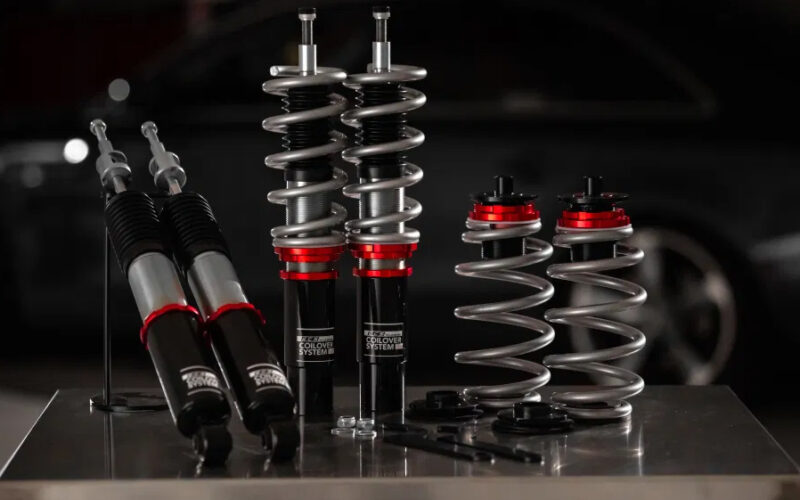
Yes, coilovers can make your car bounce when they are poorly adjusted, worn, damaged, or mismatched to your vehicle. Properly chosen and correctly installed coilovers should control spring movement rather than make the car keep bouncing after a bump.
On American roads, a car may cross potholes, bridge joints, speed bumps, and uneven pavement in a single trip. A well-set suspension helps the tires follow these surfaces while keeping the body under control. If your car keeps bobbing after a bump, your coilovers may need attention.
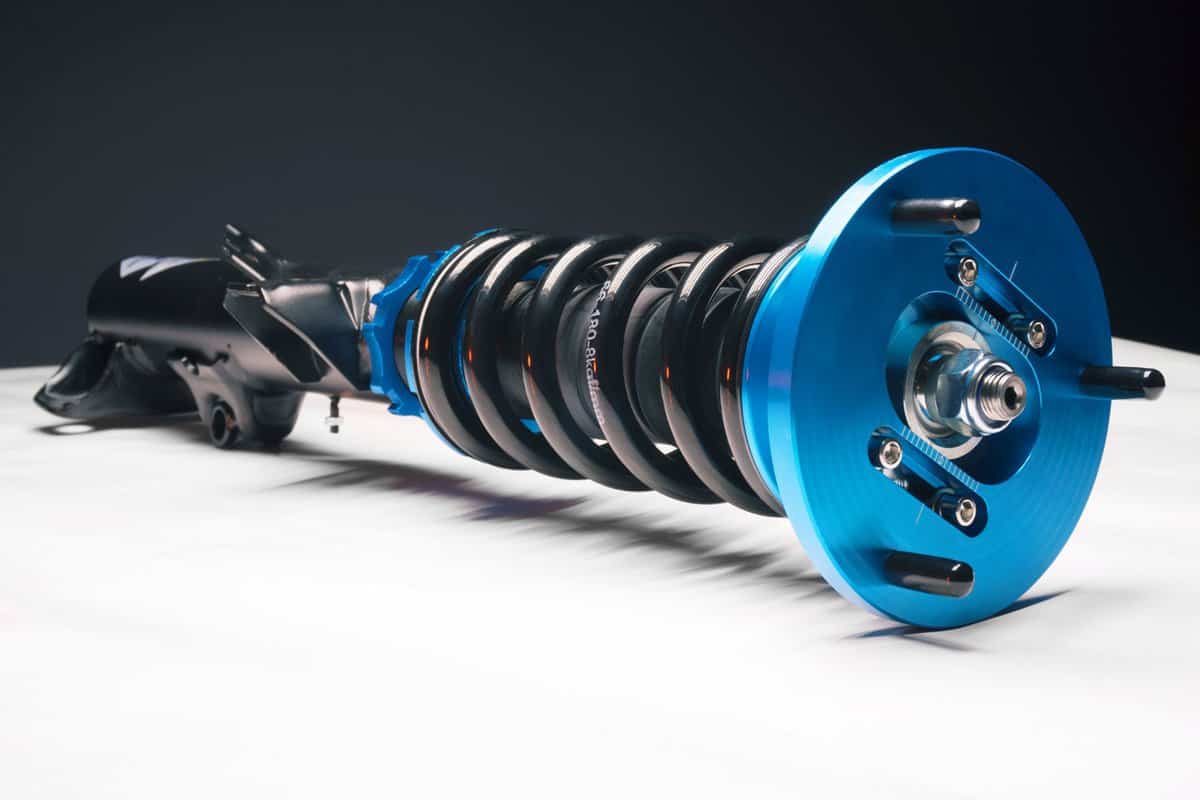
Coilovers combine a coil spring with a shock absorber, also called a damper. Many kits also allow ride height and damping adjustments. These features can improve handling, but a poor setup can reduce comfort and make the car feel unsettled.
The key is to find out why the car bounces before changing any settings. Excessive rebound damping, weak dampers, incorrect spring rates, limited suspension travel, and installation faults can create similar symptoms. Each cause needs a different fix, so random adjustments may waste time or make the ride worse.
Coilovers can cause excessive bouncing when the spring and damper do not work together correctly. The spring compresses as the wheel hits a bump, then pushes back as it releases stored energy. The damper controls that movement so the car does not keep rising and falling.
If damping is too weak, the spring may continue moving after the first impact. If damping is too strong, the suspension may struggle to respond to closely spaced bumps. Either condition can make the car feel unstable, although the symptoms are not always the same.
The first step is to identify the type of movement. One extra body movement after a bump differs from a wheel that skips over rough pavement, and both differ from a suspension that strikes its bump stops. The right diagnosis depends on what the car does and when it happens.
Source: hitchesguide.com
Repeated body movement
The front or rear of the car rises and falls several times after a bump. Weak damping or an unsuitable spring and damper combination may be responsible.
Harsh impacts
The car feels as if it hits every road joint. Stiff springs, excessive damping, low tire pressure or unsuitable tires, and limited suspension travel are possible causes.
Wheel skipping
A tire appears to lose contact with rough pavement or the car feels nervous over repeated bumps. Damping, spring rate, tire condition, and suspension geometry need inspection.
A sudden clunk or knock
Loose mounts, worn bushings, damaged links, or a spring that is not seated correctly may be at fault. Do not assume that changing damper settings will fix a mechanical problem.
What Normal Suspension Movement Looks Like
A suspension must move to absorb road bumps. A small rise or dip in the body is normal, especially when a car crosses a large speed bump or a deep road depression. The goal is controlled movement, not a body that stays perfectly still.
After a single bump, the body should settle without a series of large, repeated oscillations. The wheel must also remain controlled as it moves through the suspension’s available travel. How quickly the car settles depends on its design, load, speed, tires, and damper settings.
Normal response
The suspension compresses, returns in a controlled way, and settles without repeated large movements.
Possible fault
The body continues bobbing, the tires skip, the suspension bottoms out, or the vehicle becomes difficult to control.
How Coilovers Control Spring Movement
A coilover uses a spring to support the vehicle and a damper to control the spring’s movement. The spring compresses when the wheel moves upward over a bump. It then releases stored energy as it returns toward its normal position.
Without enough damping, the spring can continue oscillating. The damper resists movement and turns some of that motion into heat. This helps the suspension settle and keeps the tire under better control.
A coilover is not automatically better or worse than a factory suspension. Its performance depends on the spring, damper, mounting points, suspension geometry, available travel, and intended use. A track-focused kit may prioritize body control over comfort, while a street-focused kit may allow more compliance on rough roads.
Source: vehq.com
Spring rate
Spring rate describes how much force is needed to compress a spring by a given amount. A higher rate generally means a stiffer spring, although the full suspension design affects the result.
Rebound damping
Rebound damping controls the spring as it extends after compression. Too little control can allow repeated movement, while too much can prevent the suspension from recovering quickly over a series of bumps.
Compression damping
Compression damping resists the suspension as it compresses. Too much may make sharp impacts feel harsh or reduce compliance over rough surfaces.
Suspension travel
Suspension travel is the distance the wheel and suspension can move through their usable range. Too little travel increases the risk of hitting bump stops or other mechanical limits.
Why Spring Rate and Damping Must Match
A stiff spring needs a damper that can control its movement across the intended operating range. If the spring and damper are poorly matched, the car may feel unsettled even when both parts are new.
A softer spring is not always the answer. If the damper cannot control the spring, the car may continue moving after each bump. A much stiffer spring can also make the tire skip across rough surfaces when the rest of the setup cannot maintain suitable contact.
Spring too stiff for the road and setup
The car may transmit sharp impacts into the cabin and struggle to follow uneven pavement.
Spring and damper poorly matched
The suspension may oscillate, feel overdamped, or respond inconsistently to different road surfaces.
Common Reasons Coilovers Cause Excessive Bouncing
The most useful diagnosis starts with the symptoms, installation history, and current setup. A problem that began immediately after installation may point toward an incorrect adjustment, fitment issue, or installation fault. A problem that developed over time may indicate wear, damage, or a change in the vehicle’s condition.
Do not assume every bounce comes from the coilovers themselves. Tires, bushings, control arms, top mounts, and other suspension parts affect how the car responds to bumps. A worn part elsewhere can make a new coilover setup feel defective.
Source: progressiveparts.com
Damping set too soft
The damper may not control the spring well enough, allowing the body to continue moving after a bump. Some adjustable kits provide separate rebound and compression controls.
Excessive rebound damping
The suspension may extend too slowly to recover between closely spaced bumps. This can cause the wheel to lose compliance as the suspension progressively uses up its available travel.
Springs that are too stiff
An unsuitable spring rate can create a harsh ride and make the tires struggle to follow uneven surfaces.
Ride height set too low
Lowering the vehicle too far can reduce available suspension travel, increase the chance of bottoming out, and alter suspension geometry.
Worn or damaged dampers
Damper wear, leaks, damaged shafts, or internal faults may reduce control. A damper can also have an internal problem without showing an obvious external leak.
Incorrect spring preload
Preload affects the initial compression of the spring and may affect ride height depending on the coilover design. Incorrect adjustment can reduce usable travel or produce an unsuitable setup.
Installation errors
Incorrect mounting, a spring that is not seated correctly, unsuitable hardware, or a loose fastener can create noise and poor suspension control.
Tire and wheel problems
Incorrect tire pressure, damaged tires, unsuitable tire construction, or wheel damage can contribute to a harsh or unstable ride.
Can Brand-New Coilovers Bounce?
Yes. New coilovers can cause bouncing or harsh movement if the settings are unsuitable, the kit does not match the vehicle, or installation is incorrect. New parts are not proof that the complete suspension system is working properly.
Some drivers also mistake a firmer ride for a suspension fault. A performance-oriented setup may transmit more road texture than the original suspension without actually bouncing excessively. Repeated oscillation, wheel skipping, bottoming out, or a sudden change in handling deserve closer inspection.
If the problem began after installation
Check the installation, fitment, ride height, damper settings, and spring specifications with a qualified installer.
If the problem appeared months later
Look for signs of wear, leaks, damaged components, loose hardware, or changes in tire condition and pressure.
How to Diagnose a Bouncing Car Step by Step
Diagnose the problem before adjusting the suspension. Start with visible signs and simple checks that do not require lifting the vehicle or handling loaded springs. If the car has become unstable or a suspension part looks damaged, do not continue road testing it.
Record when the bouncing occurs, whether it affects the front or rear, and whether the problem began after a recent change. This information can help a technician separate damping issues from tire problems, installation faults, and worn suspension parts.
Source: hitchesguide.com
Step 1: Identify the symptom
Note whether the car bounces once or repeatedly, feels harsh over small bumps, bottoms out, or skips over rough pavement.
Step 2: Check the tires
When the tires are cold, compare their pressures with the vehicle manufacturer’s recommended values on the door placard or in the owner’s manual. Inspect for damage, bulges, uneven wear, and other visible faults.
Step 3: Review recent changes
Check whether the problem followed a coilover installation, ride-height adjustment, wheel change, tire replacement, or suspension repair.
Step 4: Review the coilover specifications
Confirm that the kit, spring rates, permitted ride-height range, and adjustment method suit the exact vehicle and intended use.
Step 5: Arrange a mechanical inspection
Ask a qualified suspension technician to inspect damper function, mounts, bushings, fasteners, spring seating, bump stops, and available travel.
Step 6: Make controlled adjustments
Only after ruling out faults, adjust the settings according to the manufacturer’s procedure. Change one variable at a time and record each setting.
Why the Usual Bounce Test Is Not Enough
Pushing down on a parked car and watching it rise is sometimes used as a basic suspension check. However, this test cannot reliably measure damper performance across all suspension designs, especially when the vehicle has aftermarket coilovers.
A car may pass a simple push test and still have worn dampers, excessive rebound control, poor wheel contact over repeated bumps, or limited travel. A proper inspection and an assessment of the actual symptoms are more useful than relying on one test.
Use the test only as a limited observation
Repeated body movement can be a clue, but it does not identify the exact failed component.
Do not test at speed
Avoid deliberate high-speed runs over bumps or aggressive driving to reproduce the problem. If road testing is needed, a qualified technician can choose a suitable and safe method.
How to Adjust Coilovers to Reduce Bouncing
The correct adjustment depends on the coilover design and the type of movement. Some kits have a single damping control that changes rebound and compression together. Others have separate controls, while some use fixed dampers with no user adjustment.
Before changing anything, find the manual for the exact kit. Count and record the existing settings if the manufacturer provides a defined adjustment procedure. Never assume that every coilover uses the same number of clicks or that turning a knob in one direction always has the same effect.
If a mechanical fault, damaged part, or incorrect installation is suspected, repair it before tuning. Damping adjustments cannot safely compensate for loose hardware, a bent shaft, a damaged spring, or insufficient suspension travel.
Source: wuling.id
Start with the specified baseline
Use the manufacturer’s recommended settings for your vehicle and intended use. Do not assume the midpoint is correct unless the manual says so.
Adjust one control at a time
If the kit has separate rebound and compression controls, follow the manual to understand which adjustment affects the symptom. Avoid changing both at once.
Make small changes
Use only the adjustment increments allowed by the manufacturer. Record each change so the previous setting can be restored.
Check ride height and travel
Confirm that the vehicle remains within the kit’s approved height range and has sufficient usable suspension travel.
Stop if the response worsens
Return to the documented baseline if the car becomes less stable, harsher, or less predictable. Seek professional diagnosis if the symptom remains.
Should You Increase or Decrease Rebound Damping?
Neither direction is correct for every bouncing complaint. If rebound damping is too low, the spring may extend too freely and the body may continue moving. A modest increase may improve control when the manufacturer’s setup guidance supports that change.
If rebound damping is already excessive, increasing it further can make the suspension recover too slowly over repeated bumps. The wheel may not return toward its normal position before the next impact, which can reduce compliance and make the car feel unsettled.
The deciding factor is the actual symptom, not a universal rule. If you cannot distinguish underdamping from excessive rebound damping, use the kit’s documented baseline and have a suspension specialist assess the setup.
Repeated oscillation after a single bump
Insufficient damping is one possible cause, but worn parts and an unsuitable spring-damper combination must also be considered.
Harsh response over repeated bumps
Excessive rebound damping, limited travel, and spring rate may all contribute. Confirm the cause before changing settings.
Does Adjusting Preload Stop Bouncing?
Spring preload is the initial compression applied to a spring during setup. Its effect on ride height and usable travel depends on the coilover’s design, including whether it uses a separate height-adjustment mechanism.
Changing preload is not a universal cure for bouncing. Excessive or incorrect adjustment can affect spring seating, suspension travel, and handling. Follow the manufacturer’s setup procedure rather than using preload as a substitute for correct damping or spring selection.
Check the spring specification
Confirm the correct spring rate and length for the specific kit and vehicle.
Protect suspension travel
Verify that the spring stays properly seated throughout the permitted movement and that the suspension does not reach its mechanical limits prematurely.
Can Lowering Your Car Make It Bounce?
Yes. Lowering a car with coilovers can increase bouncing, harshness, or wheel skipping if the new ride height leaves too little usable suspension travel or places the suspension outside its intended operating range.
A lower center of gravity can reduce some aspects of body roll, but lowering does not automatically improve ride quality or grip. The result depends on the springs, dampers, bump stops, alignment, tire setup, and suspension geometry.
Some coilover kits adjust ride height through a separate lower mount, while others use a different design. That distinction matters because lowering the vehicle by the method approved for the kit may preserve more spring preload and damper stroke than an unsuitable adjustment.
Source: stanceauto.co.uk
Bump-stop contact
When the suspension reaches its bump stop too often, impacts can feel sharp and the car may seem to jump over road irregularities. Bump stops are functional suspension components, not parts to remove casually.
Reduced damper travel
An unsuitable ride height can leave too little room for compression or extension. The suspension may reach its limits before it can absorb the next road input.
Changed suspension geometry
Lowering changes control-arm angles and may affect alignment, steering behavior, and tire contact. The size of the effect varies by vehicle and suspension design.
Poor tire clearance
A low setup can cause the tire to contact the body or other parts during suspension movement. Any rubbing needs correction before normal driving continues.
How Low Should You Set Your Coilovers?
Set ride height within the range approved by the coilover manufacturer and keep enough travel for the roads you use. A car driven daily over potholes and uneven pavement needs a setup that can cope with those conditions, not just one that looks low while parked.
Check the vehicle manufacturer’s alignment requirements and the coilover instructions after changing ride height. If the suspension cannot maintain proper clearance, alignment, and travel, raise the car or use a more suitable setup.
For everyday driving
Favor usable suspension travel, tire clearance, predictable handling, and a height suitable for local roads.
For track use
Use a setup matched to the vehicle, tires, track conditions, and suspension geometry, with professional tuning when needed.
Are Coilovers Supposed to Feel Stiff or Bouncy?
Coilovers may feel firmer than a factory suspension, but stiffness and bouncing are not the same thing. A firm setup resists movement and may transmit more road texture into the cabin. A bouncy setup allows unwanted movement to continue or fails to keep the wheel controlled over uneven surfaces.
A firm ride may be normal for a particular performance kit, especially one designed for smooth tracks. It is less suitable if your main goal is a comfortable daily driver on rough streets. The right choice depends on the vehicle, the kit’s intended use, and the quality of its spring and damper design.
A suspension that feels stiff can still be poorly controlled, and a softer suspension can still handle well when properly designed. Ride comfort cannot be judged from spring stiffness alone.
Source: storage.googleapis.com
Firm but controlled
The car reacts quickly to road inputs, with limited unwanted body movement and predictable tire contact.
Soft and poorly controlled
The body may continue to oscillate because the damper does not adequately control spring movement.
Stiff and unsettled
The car may feel harsh, skip over bumps, or lose compliance because of excessive damping, high spring rates, limited travel, or a combination of factors.
Do Adjustable Coilovers Always Ride Better?
Adjustable coilovers provide setup options, but adjustability alone does not guarantee better comfort. A well-designed fixed-damper suspension can offer a better result than a low-quality adjustable kit that is poorly matched to the vehicle.
The number of adjustment clicks is not a measure of quality. What matters is the range of useful control, the consistency of the damper, the spring match, the available travel, and whether the settings suit your road conditions.
Choose for your actual use
A street-focused kit is generally a better starting point for daily driving than a setup built mainly for track use.
Check support and instructions
Look for clear fitment details, spring specifications, adjustment guidance, service options, and replacement-part availability.
How to Choose Coilovers That Avoid a Bouncy Ride
Choose coilovers based on the vehicle, intended use, road conditions, and the manufacturer’s technical information. A low price or a large number of adjustments does not establish that a kit will deliver good ride quality.
Before buying, verify the exact model and year fitment, the spring rates, the damper design, the approved ride-height range, and the maintenance requirements. Check whether the kit is intended for ordinary road use, competitive driving, or a mixture of both.
The original suspension may still be the better choice if comfort and low maintenance are the main priorities. Quality replacement dampers and springs designed to work with the factory suspension can be a sensible alternative to a full coilover conversion.
Source: ar.inspiredpencil.com
Correct vehicle fitment
Confirm the exact vehicle model, trim, axle configuration, and any relevant suspension differences before ordering.
Suitable spring rates
Choose rates that match the vehicle’s weight, intended use, tire setup, and damper design.
Useful damping range
Look for documented adjustment guidance and a range suitable for the roads and driving conditions you face.
Adequate suspension travel
Verify that the intended ride height preserves usable compression and extension travel.
Serviceability
Check whether dampers can be serviced, seals or replacement parts are available, and the manufacturer provides support.
When Factory Suspension May Be the Better Option
A well-maintained factory suspension is often suitable for drivers who want predictable comfort, everyday reliability, and minimal setup work. Factory engineers generally design the spring and damper package around the vehicle’s intended use, although the exact quality and behavior vary by model.
If the original suspension is worn, restoring it with suitable replacement components may solve bouncing without introducing new setup variables. Compare the complete cost of coilovers, installation, alignment, and maintenance with the cost of repairing the existing suspension.
Best fit for comfort-focused drivers
Retaining or restoring a suitable factory setup may provide a more practical result than choosing a stiff aftermarket kit.
Best fit for adjustable ride height
Coilovers may make sense when height adjustment is genuinely needed and the chosen kit supports the intended use.
When Bouncing Becomes a Safety Problem
Excessive bouncing is more than a comfort issue when it affects steering, braking, or tire contact. A poorly controlled wheel may have less consistent contact with the road, and a suspension that bottoms out can respond unpredictably to another bump.
Do not continue driving normally if the car suddenly becomes unstable, a tire repeatedly skips, a suspension mount appears loose, a spring is damaged, or a damper has obvious structural damage. Arrange professional inspection and towing if the vehicle cannot be driven safely.
Suspension springs can store substantial energy. Never loosen spring seats, dismantle coilovers, or remove loaded springs without the correct equipment and training. A qualified technician should handle repairs that involve compressed springs or uncertain mounting hardware.
Source: suspensionsetups.com
Stop driving and seek help
Do this if the vehicle has severe instability, a broken spring, a loose suspension component, significant tire damage, or a sudden loss of control.
Arrange a prompt inspection
Do this if repeated bouncing, bottoming out, new clunks, fluid leakage, or uneven ride height persists.
Avoid improvised repairs
Do not remove bump stops, use unsafe spring compressors, loosen loaded spring hardware, or adjust parts beyond the manufacturer’s permitted range.
What to Tell a Suspension Technician
A clear description of the symptom can shorten diagnosis time. Explain whether the problem began after installation, a height adjustment, a wheel change, or an impact with a pothole. Mention whether the front, rear, left, or right side seems affected.
Bring the coilover brand and model, the installation details if available, and any recorded damping settings. Ask the technician to assess the damper condition, spring specifications, suspension travel, mounting hardware, tire pressures, alignment, and signs of tire contact.
Record the timing
Note when the symptom started and whether it occurs on small bumps, large bumps, or a series of road joints.
Record recent changes
Share any adjustments, repairs, new parts, unusual noises, or warning signs.
Frequently Asked Questions
Q
Do coilovers make your car bounce more than stock suspension?
They can, but they do not have to. A poorly matched spring and damper combination, incorrect damping settings, low ride height, or worn parts can increase bouncing. A correctly selected and installed coilover kit should control suspension movement within its intended operating range.
Q
Why does my car bounce after installing new coilovers?
Possible causes include unsuitable damping settings, an incorrect spring rate, limited suspension travel, incorrect ride height, installation faults, or a kit that does not suit the vehicle. Check the manufacturer’s setup instructions and arrange an inspection if the car is unstable or the cause is unclear.
Q
Will stiffer coilovers stop my car from bouncing?
Not necessarily. Stiffer springs can reduce some body movement, but they can also make the ride harsher and cause the tires to skip over rough pavement. The spring rate must work with the damper and available suspension travel. Replacing parts without finding the cause may not solve the problem.
Q
Can too much rebound damping cause bouncing?
Yes. Excessive rebound damping can prevent the suspension from extending quickly enough between closely spaced bumps. The suspension may progressively lose available travel and become harsh or unsettled. Follow the kit’s instructions to check the settings rather than assuming more damping is always better.
Q
Should I adjust preload to fix a bouncy suspension?
Not as a first step. Preload affects the initial compression of the spring, and its effect on ride height depends on the coilover design. Incorrect adjustment can affect spring seating and usable travel. Check the damper settings, ride height, spring specifications, and mechanical condition before changing preload.
Q
Can bad tires make a car feel bouncy with coilovers?
Yes. Incorrect pressure, damaged tires, unsuitable tire construction, or wheel problems can contribute to harshness and unstable handling. Check cold tire pressures against the vehicle manufacturer’s recommended values and inspect for visible damage. Tire issues can coexist with a suspension fault, so one check does not rule out the other.
Q
How long should a car bounce after hitting a bump?
The body may move briefly after a bump, depending on the suspension design and the size of the road input. Repeated, large oscillations are a reason to investigate the setup or condition of the suspension. There is no single settling time that applies to every car and coilover system.
✦ Wrapping Up
Conclusion
Coilovers can make a car bounce when damping is unsuitable, springs are poorly matched, ride height limits suspension travel, or parts are worn or installed incorrectly. A firm ride does not always mean the suspension is faulty, but repeated body movement, wheel skipping, bottoming out, and new suspension noises should not be ignored.
Start by identifying the symptom and checking tire condition, recent changes, coilover specifications, and visible signs of damage. If the setup is mechanically sound, use the manufacturer’s documented baseline and make only small, controlled adjustments. When the cause remains unclear or the car feels unsafe, have a qualified suspension technician inspect it.
💡 Key Takeaway
If your car keeps bouncing after a bump, do not immediately increase damping or change spring preload. Check the tires, document the symptoms, verify the approved coilover setup, and correct any mechanical fault before tuning the suspension.
Eric
Hi, I’m Eric Bennett, the person behind OffRoadTruckAccessories.com.
I created this blog to share my interest in trucks, off-road driving, automotive accessories, and DIY modifications. I enjoy learning how different truck accessories work, testing their usefulness, and understanding whether they are truly worth buying.
Will G37 coilovers fit G35? Learn which model years may share fitment, what changes with coupe, sedan, and AWD setups, and how to verify compatibility.