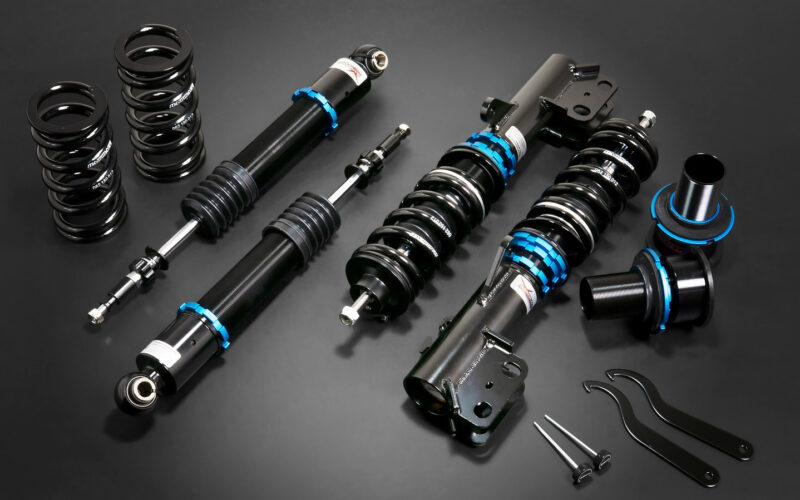
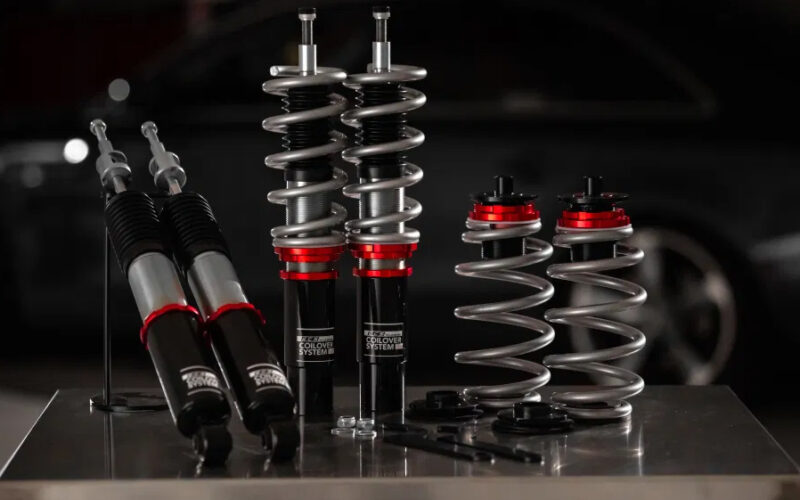
Coilovers can improve ride quality, but they do not always make a car more comfortable. The result depends on spring rates, damper tuning, ride height, road conditions, and installation. A well-matched kit can improve control and stability, while a poorly matched setup can make daily driving harsh.
Across the United States, drivers face very different road conditions. A commuter in Los Angeles may deal with rough city streets, while a driver in Michigan may face frost heaves and broken pavement. A car that feels smooth on a clean highway may feel harsh on either road if its suspension is too stiff.
Coilovers replace or combine key suspension parts in one assembly. Many kits let drivers adjust ride height, and some also let them change damping. These settings can help balance comfort and handling, but the word adjustable does not mean every setting will suit every road or car.
The main goal is to match the suspension to the way the car is used. A daily driver needs to absorb bumps and keep its tires in contact with the road. A track car may need firmer control during fast turns. The right coilover setup depends on which of these needs matters most.
Coilovers affect ride quality by changing how the suspension supports the car and controls its movement. Their springs carry the vehicle’s weight and compress over bumps. Their dampers control how quickly the springs move after they compress or extend.
A good setup can reduce excess body motion while still letting the wheels move over uneven pavement. A poor setup can send sharp impacts into the cabin, make the car bounce, or cause the tires to lose contact with rough roads. Both spring and damper behavior matter.
Factory suspension is often designed to balance comfort, safety, cost, load capacity, and a wide range of road conditions. Aftermarket coilovers may offer more control over ride height and damping, but their quality and purpose vary. A performance kit is not automatically an upgrade for a family car or daily commute.
Source: suspensionsetups.com
Spring rate
Spring rate describes how much force is needed to compress a spring by a set distance. A higher rate usually means less spring movement under the same added load, but it can also make bumps feel sharper when the rest of the suspension is not tuned to suit it.
Damping
Damping controls suspension movement. Too little can leave the car bouncing after a bump. Too much can stop the suspension from responding freely to quick road changes and make the ride feel firm or unsettled.
Ride height
Ride height changes the position of the suspension at rest. Lowering can improve the car’s stance and may reduce body roll, but it can also reduce the room available to absorb bumps.
What Makes a Ride Feel Comfortable?
Comfort is more than a soft spring. A comfortable car absorbs bumps without sharp jolts, settles quickly after dips, and stays calm over repeated road waves. The seats, tires, bushings, cabin noise, and suspension geometry also affect what the driver feels.
A very soft setup may float or bounce on a highway. A very firm setup may feel controlled on a smooth road but tiring on broken pavement. The best balance limits unwanted body movement without making every small bump feel severe.
Single bumps
The suspension should absorb the impact without a harsh strike or repeated bouncing.
Repeated bumps
The wheels should recover between bumps instead of becoming unsettled or losing grip.
When Do Coilovers Improve Ride Quality?
Coilovers are most likely to improve ride quality when they correct a real suspension problem or offer better tuning for the way the car is driven. A well-designed kit can improve control during turns, reduce unwanted bouncing, and help the car settle sooner after a change in road level.
The benefit depends on the car’s starting condition. Replacing worn factory dampers with a suitable matched suspension kit may restore control. However, a healthy factory setup may already offer better comfort than a stiff aftermarket kit.
Drivers should also separate ride comfort from handling. A car can feel more stable in a corner but less comfortable over a pothole. If the main goal is a smoother commute, the kit’s comfort range matters more than its maximum performance.
Source: hondatheotherside.com
The factory suspension is worn
If the original dampers no longer control spring movement, a suitable replacement may reduce bouncing and improve stability. Check the full suspension before choosing coilovers, because worn bushings or damaged parts may also be to blame.
The car needs adjustable ride height
Coilovers can help drivers set a suitable height for their needs. The final setting must preserve adequate suspension travel, tire clearance, and safe ground clearance.
The kit is designed for street use
A road-focused kit with appropriate spring rates and damper tuning is more likely to suit everyday travel than a setup built mainly for racing.
The suspension is tuned as a system
Matched springs and dampers work together. Good parts can still give poor results if their settings, installation, or ride height are unsuitable.
Can Coilovers Make a Car Feel More Stable?
Yes, a well-matched coilover setup can improve body control. It may reduce excess roll in turns, limit nose dive under braking, and help control the car’s movement during quick changes in direction.
These gains do not mean the car can stop in a shorter distance in every situation or that it will always grip better. Tires, road surface, alignment, vehicle weight, and suspension geometry all affect results. A setup that is too stiff can make a rough road harder to manage.
Better body control
The body may lean or pitch less during changes in speed and direction.
More consistent response
Suitable damping can help the car settle after a bump or turn.
When Do Coilovers Make Ride Quality Worse?
Coilovers can make a car less comfortable when the springs are too stiff for the roads, the dampers are poorly matched, or the car sits too low. A setup built for smooth race tracks may not cope well with potholes, sharp road joints, and uneven streets.
A low car has less room for its suspension to compress before reaching its bump stops. Once the suspension runs out of useful travel, a bump can feel like a sudden hit rather than a controlled movement. This can also affect tire contact and handling.
A harsh ride can also come from installation faults. Incorrect preload, loose parts, damaged mounts, or settings that differ from the maker’s instructions may cause noise or poor control. Do not assume that adding softer damping will fix every problem.
Source: thecarhow.com
Excessive spring stiffness
High spring rates can pass more road impact into the cabin, especially on uneven surfaces and when paired with unsuitable dampers.
Too little suspension travel
A very low ride height can make the suspension hit its bump stops often, leading to sharp impacts and reduced control.
Poor damper settings
Too much damping can make the suspension resist quick movements. Too little can cause bouncing and repeated body motion.
Incorrect installation
Loose mounts, wrong assembly, uneven settings, or incorrect preload can cause problems that need a proper inspection.
Why Does My Car Feel Stiff After Installing Coilovers?
First, check whether the car was lowered too far. Look for frequent bottoming, tire contact, or signs that the suspension has little room to move. Do not crawl under a car supported only by a jack or try to inspect moving suspension parts while the vehicle is running.
Next, confirm the recommended damper settings and check the tire pressure against the vehicle maker’s guidance. If the car still feels harsh, ask a qualified suspension shop to inspect spring rates, preload, bump stops, mounts, and installation. A fault should be ruled out before changing settings at random.
Sharp hits over small bumps
Possible causes include high spring rates, excessive damping, tire pressure, or a suspension part reaching its travel limit.
Repeated bouncing
Possible causes include weak damping, incorrect settings, or worn parts elsewhere in the suspension.
Clunks or rattles
These may point to loose fasteners, mounts, links, or other faults. Have the cause checked rather than treating the noise as a normal feature of coilovers.
How Spring Rates Affect Comfort
Spring rate is one of the main factors that shape how a coilover feels on the road. A stiffer spring needs more force to compress by the same amount. It can help control body movement, but it may also transmit more impact from sharp bumps when the full suspension system is not tuned to absorb them.
A softer spring can improve comfort in some conditions, yet it is not always the right answer. If the spring is too soft for the vehicle’s weight or intended use, the car may roll more, use too much suspension travel, or feel less controlled.
Spring rate should be chosen for the car, its weight, the suspension design, the damper range, and the way it is used. Do not choose a spring based only on a product’s race rating or on the assumption that a higher number always means better performance.
Source: storage.googleapis.com
Soft Springs Versus Stiff Springs
The following comparison shows the usual trade-offs. Actual ride quality depends on the spring and damper combination, the available travel, the tires, and the road. These descriptions are general guidance, not a guarantee for every vehicle.
Softer spring rates
May absorb some bumps more easily and suit comfort-focused driving, provided the spring remains suitable for the vehicle and has enough travel.
Stiffer spring rates
May limit body movement and support demanding driving, but can feel harsh on rough roads when the rest of the setup is not matched.
Matched spring and damper rates
Help the suspension control movement without excessive bouncing or resistance. This balance matters more than spring stiffness alone.
Does Vehicle Weight Matter?
Yes. A spring that works well on a light sports car may not suit a heavier sedan or SUV. Front and rear axle loads can also differ, so the same spring rate at every corner is not always suitable.
Use a kit designed for the exact vehicle and intended load. If the car carries passengers or cargo often, account for that use when selecting a setup. Do not exceed the vehicle’s load limits to compensate for suspension changes.
How Damping Adjustment Changes the Ride
Damping adjustment changes how quickly the suspension compresses and extends. Many adjustable coilovers use a dial or knob to change damper force, though the range and design vary by model. Some kits adjust compression and rebound separately, while others link them through one control.
Compression damping affects the suspension as it shortens over a bump. Rebound damping affects how it extends afterward. Both influence how the tire follows the road, so a setting that feels good over one type of bump may not be ideal on another surface.
More damping is not always better. Too much can make the wheel struggle to respond to quick road changes, while too little can let the body keep moving after an impact. The best setting is one that controls motion without creating harshness or repeated bouncing.
Source: hondatheotherside.com
How to Find a Comfortable Damper Setting
Start with the coilover maker’s recommended baseline. If the instructions specify a number of clicks from fully soft or fully firm, follow that exact method. Different brands count adjustment steps differently, so do not copy a setting from another kit.
Test the car on a familiar, safe route with a mix of smooth pavement and ordinary road bumps. Change only one setting at a time and keep a simple record of each change. Stop if the car becomes unstable, makes unusual noises, or shows signs of a mechanical problem.
Begin at the recommended baseline
Use the manufacturer’s instructions rather than guessing where the adjuster should sit.
Change settings in small steps
Small changes make it easier to identify what improves or worsens comfort.
Test the same route
Keeping the road and driving conditions similar makes comparisons more useful.
Keep safety first
Do not test high speeds on public roads. If the car feels unstable or a fault is suspected, stop the test and arrange an inspection.
Does Lowering a Car With Coilovers Affect Comfort?
Yes. Lowering a car can change ride quality because it changes the suspension’s resting position and available travel. A moderate drop within the kit’s intended range may work well, but a very low setting can make the car more likely to bottom out over dips and potholes.
Lowering also changes suspension geometry. Depending on the vehicle, it can affect camber, toe, bump steer, and the way the tires meet the road as the suspension moves. The size of each change depends on the design and the amount of lowering.
Ride height adjustment is not the same as spring preload adjustment. On many threaded coilovers, the height is changed by moving the spring perch or body according to the kit’s design. Preload changes how much the spring is compressed at its installed position. The correct procedure depends on the specific assembly.
After changing ride height, arrange a proper alignment and verify that the tires do not rub the body or suspension. Check ground clearance and suspension travel as well. A car that looks low in a driveway may behave poorly when it meets a real road.
Source: suspensionsetups.com
Keep useful bump travel
The suspension needs room to compress over road dips and bumps. Follow the maker’s ride-height limits and bump-stop instructions.
Check tire clearance
Confirm that the tires clear the body and suspension through steering movement and normal suspension travel.
Align the wheels
Ride-height changes can affect wheel alignment. Use the vehicle’s appropriate alignment specifications and account for any modified geometry.
Avoid extreme settings for daily use
A very low car may be less practical on ramps, driveways, potholes, and raised road features.
Coilovers Versus Factory Suspension
Factory suspension is often the better choice for a driver who values comfort, quiet operation, and low maintenance. It was designed around the car’s original weight, geometry, and expected road use. A quality factory replacement can restore the intended ride without the extra tuning needs of adjustable parts.
Coilovers make more sense when the driver needs adjustable height, wants a particular balance of handling and comfort, or has a clear performance goal. Their value depends on the kit’s design and how well it fits the car. A low-cost kit with unsuitable rates may deliver a worse result than a good standard replacement.
Compare complete systems rather than looking at the word coilover alone. Check spring rates, damper adjustment, service support, warranty terms, corrosion protection, replacement parts, and installation requirements. Confirm that the kit is approved for the vehicle and suitable for use on public roads where required.
Source: hondatheotherside.com
Factory-style replacement parts
Often suit drivers who want predictable comfort and a straightforward repair, especially when the original suspension design meets their needs.
Street-focused coilovers
May suit drivers who want height adjustment and a road-friendly handling balance, provided the kit is well matched to the vehicle.
Track-focused coilovers
May prioritize body control and performance over rough-road comfort. They can be tiring on daily routes if their spring and damper setup is too firm.
Low-cost adjustable kits
Should be judged by design, fit, service support, and documented specifications rather than the number of adjustment options alone.
Can New Factory Shocks Be Better Than Coilovers?
Yes. If the main goal is a smooth daily ride, replacing worn shocks or struts with suitable factory-spec parts can be the more sensible choice. This keeps the car close to its intended suspension behavior and may cost less than a full coilover conversion.
If the original suspension is healthy, changing it may not produce a clear comfort gain. First identify the problem, such as bouncing, harsh impacts, noise, or poor control. The symptom helps determine whether the right answer is repair, replacement, or a different suspension design.
Choose standard replacements
Best to consider when factory comfort, normal ride height, and simple maintenance are the main goals.
Choose coilovers
Best to consider when adjustable height or a specific handling balance is needed and the selected kit can meet comfort and safety needs.
How to Choose Coilovers for Daily Driving
For a daily driver, choose coilovers based on comfort, fit, and safe suspension travel rather than how low the car can sit. Start with the exact make, model, year, trim, and suspension type. A kit that fits one version of a car may not fit another version correctly.
Read the maker’s technical specifications and installation instructions before buying. Look for a street-focused design, spring rates suited to the vehicle, useful damping adjustment if offered, and clear guidance on ride height. Confirm whether the kit requires other parts or changes.
Think about the roads you use most. A driver who regularly crosses broken pavement may benefit from a setup that preserves travel and avoids extreme spring rates. A driver who spends more time on smooth roads and wants sharper cornering may accept a firmer ride.
Budget for more than the kit itself. Installation, alignment, replacement mounts, related repairs, and later service can affect the total cost. Some coilovers also need periodic cleaning or maintenance, especially when exposed to road salt, dirt, and moisture.
Source: quiketalk.com
Verify vehicle fitment
Check the exact vehicle version and any compatibility notes. Do not rely on appearance or a broad model name alone.
Review spring and damper details
Look for documented specifications and a clear explanation of the intended use. Avoid assuming that more adjustment always means better comfort.
Check service and warranty terms
Confirm how the maker handles corrosion, leaks, replacement parts, and routine maintenance.
Plan for installation and alignment
Include professional installation when needed, the correct alignment, and checks for clearance and suspension travel.
What Should You Tell a Suspension Shop?
Explain what you dislike about the current ride. Say whether the car bounces after bumps, hits hard over potholes, leans too much in turns, or sits at an unwanted height. Clear symptoms help a technician diagnose the issue instead of recommending parts based on appearance alone.
Also explain your usual roads, passenger and cargo needs, and whether the car is driven on a track. Ask how the proposed kit affects comfort, ground clearance, tire wear, service needs, and legal requirements. A good setup should match the actual use of the car.
Describe the main problem
Identify the road conditions and the behavior you want to change.
Ask about travel and alignment
Confirm the planned ride height leaves suitable suspension travel and allows a safe alignment.
Request a clear total estimate
Include parts, labor, alignment, related repairs, and any recommended follow-up inspection.
Common Coilover Mistakes That Hurt Comfort
Many poor coilover results come from setup choices rather than the basic idea of adjustable suspension. A kit can be suitable for a car but still feel bad if it is installed incorrectly, set too low, or tuned without a clear plan.
The safest approach is to follow the kit maker’s instructions and check one issue at a time. Avoid copying another driver’s settings unless the vehicles, kit versions, and use are genuinely comparable. A setting that works on a smooth track may not suit a rough commute.
Source: storage.googleapis.com
Buying based on price alone
A low price does not tell you how well the springs and dampers are matched or whether service parts are available.
Setting the car as low as possible
Extreme lowering can limit travel, affect alignment, reduce clearance, and make road impacts worse.
Changing several settings at once
Changing ride height, preload, and damping together makes it hard to identify the source of a poor ride.
Ignoring tires and tire pressure
Tires are part of the suspension system. Incorrect pressure, unsuitable tire construction, or damage can affect comfort and grip.
Skipping alignment
Incorrect toe or camber can lead to uneven tire wear and poor handling after ride-height changes.
Ignoring new noises
Clunks, grinding, leaks, or sudden changes in handling call for inspection, not simply another damper adjustment.
Frequently Asked Questions
Q
Do coilovers make a car ride smoother?
They can, but it depends on the kit and setup. A well-matched system may improve control and reduce unwanted bouncing. A stiff spring rate, unsuitable damper setting, or very low ride height can make the car feel harsher than it did with factory suspension.
Q
Are coilovers comfortable enough for daily driving?
Yes, some coilovers are designed for daily use. Look for a street-focused kit with suitable spring rates, a useful damping range, and enough suspension travel. Even then, ride comfort varies by vehicle, road surface, tire choice, and setup.
Q
Do expensive coilovers always ride better?
No. Price alone does not prove that a coilover kit will be more comfortable. Fitment, spring and damper matching, adjustment range, service support, and the intended use matter more than cost by itself. A good factory-style replacement may be a better choice for some drivers.
Q
Should I set coilovers to the softest setting?
Not always. The softest setting may reduce some harshness, but it can also allow too much body motion or bouncing. Start with the maker’s recommended baseline, make small changes, and assess the result on a familiar route. If the car feels unsafe or has unusual noises, stop and have it inspected.
Q
Do coilovers improve handling and comfort at the same time?
They can provide a useful balance, but comfort and handling sometimes involve trade-offs. A setup that limits body roll may feel firmer over rough pavement. The best result comes from matching the spring rates, damping, ride height, and alignment to the vehicle and its main use.
Q
Can coilovers damage tires or other suspension parts?
An unsuitable setup or poor installation can contribute to uneven tire wear, reduced clearance, harsh impacts, or extra stress on suspension parts. Incorrect alignment is a common concern after ride-height changes. Use the correct kit, follow the installation instructions, and have the alignment and clearances checked.
Q
Are coilovers worth it for a car used on rough roads?
They may be worth it if the kit is designed for road use and can preserve adequate travel. On rough roads, comfort depends on how well the suspension responds to repeated bumps. A factory-style replacement may be the better option when the main goal is a smooth ride with minimal tuning.
✦ Wrapping Up
Conclusion
Coilovers can improve ride quality, but the result depends on the design, setup, and condition of the car. A suitable kit can improve body control and stability while keeping the ride comfortable. A stiff or poorly set kit can do the opposite, especially on rough roads.
For daily driving, focus on a street-friendly spring rate, well-matched damping, a sensible ride height, and enough suspension travel. Check tire pressure and alignment, and address worn or damaged parts before changing the suspension. The goal is a car that feels controlled without sending every road bump into the cabin.
💡 Key Takeaway
Before buying coilovers, identify the ride problem you want to solve, compare the kit’s documented spring and damper specifications, and confirm that it fits your exact vehicle. If comfort is the main goal, consider whether a quality factory-style suspension replacement may meet your needs with less cost and tuning.
Eric
Hi, I’m Eric Bennett, the person behind OffRoadTruckAccessories.com.
I created this blog to share my interest in trucks, off-road driving, automotive accessories, and DIY modifications. I enjoy learning how different truck accessories work, testing their usefulness, and understanding whether they are truly worth buying.
Will G37 coilovers fit G35? Learn which model years may share fitment, what changes with coupe, sedan, and AWD setups, and how to verify compatibility.