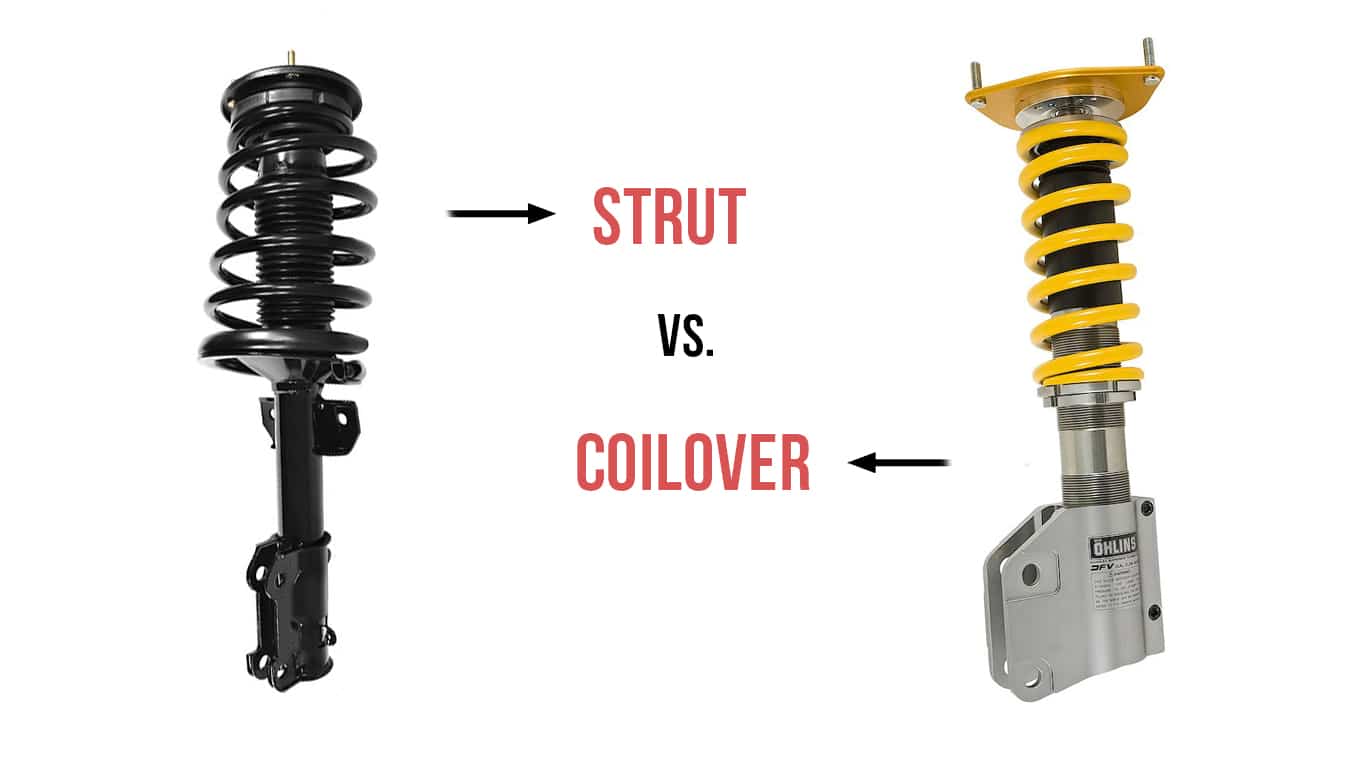
Coilovers are better for drivers who want adjustable ride height and a sportier setup. Standard struts are often better for everyday comfort, lower cost, and simple repairs. The best choice depends on your car, driving needs, and budget.
Drivers across the United States face many road conditions, from smooth Florida highways to rough streets in Michigan and steep roads in Colorado. The right suspension helps a car stay stable, absorb bumps, and keep its tires in contact with the road. When it is time to replace worn parts or improve handling, coilovers and struts are two options worth understanding.
The main difference is that a strut is a structural part of a vehicle’s suspension, while a coilover is a spring-and-damper assembly with a spring fitted around the damper. Many aftermarket coilovers also allow ride height adjustment, and some let drivers change damping. However, many factory vehicles already use a spring-over-strut layout, so these terms are not direct opposites.
A quality coilover kit can improve handling when its spring rates, damping, and ride height suit the car. Yet a well-matched factory strut can provide better comfort and value for a daily driver. Before spending money, consider how you use your vehicle, whether you need adjustable height, and how much maintenance you are willing to handle.
What Is the Difference Between Coilovers and Struts?
The main difference is their design and intended use. A strut is a suspension component that controls spring movement and also supports the vehicle’s suspension structure. A coilover combines a coil spring and a damper in one assembly. Many aftermarket coilovers add threaded height adjustment and sport-oriented tuning.
The terms can overlap. Many cars use MacPherson struts, which have a coil spring mounted around the strut. In that design, the factory assembly already resembles a basic coilover. An aftermarket coilover kit usually differs through its construction, adjustment features, spring and damper tuning, and intended performance.
This distinction matters when shopping for parts. Replacing a factory strut with a compatible replacement is not the same job as changing the car’s suspension design. A coilover conversion must match the vehicle’s mounting points, suspension layout, weight, and intended ride height.
Source: ar.inspiredpencil.com
Standard replacement struts
These restore the original suspension design and are available in different quality levels. Some are sold as bare dampers, while complete assemblies include parts such as the spring and mount.
Aftermarket coilovers
These usually combine a spring and damper in a matched assembly. Depending on the kit, they may allow ride height adjustment, damping changes, or both.
Complete suspension kits
Some sport suspension kits use matched dampers and lowering springs without threaded ride height adjustment. They can offer a sportier setup without all the features of a coilover.
What Does a Strut Do?
A strut controls how quickly the suspension compresses and rebounds after a bump. It also serves as a structural part of many suspension layouts. It may support the spring, carry side loads, and help locate the wheel in relation to the vehicle body.
Because struts affect wheel control and suspension geometry, worn or incorrectly fitted units can affect steering, braking, tire wear, and stability. A replacement should match the vehicle’s original design and specifications.
Comfort
The damper controls spring movement so the car does not continue bouncing after a bump.
Control
A properly working strut helps the tire follow the road and supports stable handling.
What Does a Coilover Do?
A coilover uses a coil spring fitted around a damper. Many aftermarket designs use threaded spring seats or bodies to change ride height within a specified range. More advanced kits may provide damping adjustment, but not every coilover offers the same features.
A good coilover system matches spring rates and damping to the car and its intended use. Adjustability gives the owner more control, but it also creates more ways to set up the suspension poorly.
Ride height control
Many kits let the installer set the vehicle’s height within the manufacturer’s approved range.
Damping control
Some models let the driver or technician change the damper response to suit road or track use.
Are Coilovers Better for Ride Comfort?
Standard replacement struts are often the safer bet for a comfortable daily driver, especially when the original suspension was designed for a smooth ride. A quality coilover can also work well on the street, but comfort depends on its spring rate, damper tuning, ride height, tire choice, and the roads you use.
A stiff spring does not always improve handling on public roads. If the suspension cannot move enough to absorb a pothole, the tire may lose contact with the road surface more easily. The car may feel firm and responsive on smooth pavement but harsh and unsettled on broken roads.
Damping matters just as much. Too little damping can allow repeated bouncing, while excessive damping can make the suspension resist bumps and feel rough. A well-matched spring and damper package is more useful than simply choosing the firmest setup.
Source: storage.googleapis.com
Choose standard struts when comfort comes first
A factory-style replacement is often a practical choice for commuting, family travel, and regular highway use.
Consider street-focused coilovers for a tuned ride
A suitable kit may offer a balance of comfort and handling, provided its design and adjustment range suit the vehicle.
Avoid extreme lowering for comfort
Less suspension travel can make bumps harsher and increase the chance of the suspension reaching its travel limits.
Which Suspension Works Better on Rough Roads?
On rough roads, the best system is one with suitable spring rates, enough suspension travel, and damping that controls movement without making the ride harsh. A quality standard strut often meets these needs well because it is designed around the vehicle’s original weight and geometry.
A coilover can work on rough pavement if it is designed for street use and set at a sensible height. However, an aggressive track setup may perform poorly on potholes and broken pavement. Check the manufacturer’s intended use before buying.
Check usable suspension travel
The suspension needs enough room to move over bumps without repeatedly hitting its compression limits.
Keep tire and wheel fitment in mind
Low-profile tires and large wheels can make road impacts feel harsher, even with a well-tuned suspension.
Are Coilovers Better for Handling and Performance?
Coilovers can be better for performance when their spring and damper settings suit the car, tires, and driving conditions. They can let an owner fine-tune ride height and, on some models, damping. These features can help with a track setup or a carefully planned street build.
However, coilovers do not guarantee more grip or faster lap times. A poorly chosen kit may have unsuitable spring rates, weak damping control, or an adjustment range that compromises suspension travel. A well-engineered factory suspension can outperform an inexpensive or poorly set up aftermarket kit.
Lowering the center of gravity may reduce some body motions, but it is not the only factor in handling. Suspension geometry, tire grip, alignment, weight distribution, and damper control also matter. A lower car is not automatically a safer or more capable car.
Source: ar.inspiredpencil.com
Better tuning options
Adjustable systems can help experienced owners tune the vehicle for a specific tire, road, or track setup.
More consistent setup
Matched springs and dampers can improve control when their specifications suit the vehicle and use.
No automatic performance gain
The result depends on component quality, setup, tire choice, alignment, and how the car is driven.
Are Coilovers Better for Track Days?
For track days, a suitable coilover can be useful because it may allow changes to ride height and damping. These adjustments can help a qualified technician tune the car for a particular circuit, tire, and driving style.
Not every coilover is intended for repeated track use. Check the manufacturer’s specifications for thermal performance, service requirements, and intended application. A street kit may not offer the same range or durability as a dedicated competition setup.
Match the kit to the use
Choose a system with documented support for the vehicle and the type of driving planned.
Set up the whole vehicle
Tires, alignment, brakes, and driver skill all contribute to performance. Suspension parts cannot compensate for problems elsewhere.
Are Coilovers Better for Daily Driving?
For daily driving, the answer depends on the coilover model and the driver’s priorities. A street-focused kit may deliver useful height adjustment and controlled handling, but a factory-style strut is often more cost-effective when the goal is to restore normal ride quality.
If the car travels over speed bumps, steep driveways, rough streets, or long highway routes, consider ground clearance and comfort before choosing a lowered setup. The best suspension is one that works consistently in the conditions the car actually faces.
Daily commuting
A quality replacement strut is usually the practical option when no height or damping adjustment is needed.
A modified street car
A street-oriented coilover may suit a driver who wants adjustable height and accepts extra cost and setup work.
Coilovers vs. Struts: Cost and Long-Term Value
Standard replacement struts usually cost less than a full aftermarket coilover conversion. The total depends on the vehicle, parts quality, labor rates, and whether springs, mounts, or related parts also need replacement. A complete loaded strut assembly may reduce assembly work compared with reusing old components.
Coilovers often cost more because they are sold as matched suspension systems with extra adjustment features. Installation may also require more setup time, followed by alignment and checks after the ride height is set. Some models need periodic cleaning or servicing, especially when used in harsh weather or on track.
The purchase price is only part of the decision. A lower-cost part that does not suit the car can create extra expenses through repeat work, poor tire wear, or unwanted ride quality. Compare the complete installed cost and the manufacturer’s service guidance before making a choice.
Source: suspensionhq.com
Initial purchase
Replacement struts are generally the lower-cost route for restoring a factory suspension. Coilovers usually require a larger upfront budget.
Installation
Both options need correct fitment and safe installation. Coilover height settings may add setup work.
Ongoing care
Some coilovers need more frequent inspection or servicing than conventional replacement parts. Requirements vary by design and use.
Long-term value
The better value is the setup that meets your needs for the longest time without unnecessary upgrades or repair costs.
Which Option Is Cheaper to Install?
A direct replacement strut is often cheaper to install when the vehicle retains its original suspension layout. A loaded strut assembly can simplify the work because it arrives with several assembled parts, although fitment and labor still vary by vehicle.
A coilover installation may cost more if the system needs careful height adjustment, extra alignment work, or changes to related components. A shop should confirm compatibility and explain which services are included in its estimate.
Request an itemized estimate
Ask for the parts, labor, alignment, mount replacement, and any required calibration to be listed separately.
Compare like with like
Compare complete kits of similar quality and intended use, rather than comparing a bare strut with a full coilover package.
Which Option Is Easier to Maintain?
Standard replacement struts are often simpler to own because they usually require no ride height adjustment after proper installation. Routine inspection can identify leaks, damaged mounts, unusual noises, or uneven tire wear. Replacement intervals depend on the part, vehicle, road conditions, and wear rather than a single universal mileage figure.
Coilovers add adjustment parts that may need inspection and care. Threaded bodies can become difficult to adjust when exposed to road salt, dirt, and corrosion. Some designs also have serviceable dampers or other parts that require maintenance according to the manufacturer’s schedule.
Neither system is maintenance-free. Any suspension can develop leaks, worn bushings, loose fasteners, or damage after hard use. Follow the vehicle and component maker’s instructions, and have unusual noises or changes in handling checked promptly.
Source: ar.inspiredpencil.com
Inspect for leaks
Oil around a damper, damaged seals, or a noticeable change in ride control calls for further inspection.
Watch for tire wear
Uneven wear can point to alignment issues, worn components, incorrect pressure, or other problems that need diagnosis.
Follow service guidance
Use the specified inspection and maintenance schedule for the exact suspension kit rather than assuming all coilovers need the same care.
Can Coilovers Last as Long as Struts?
Either system can last for years, but lifespan depends on component quality, design, climate, road surfaces, installation, and driving conditions. There is no reliable universal rule that all coilovers last longer or shorter than all standard struts.
A coilover used for frequent track sessions may face different loads and heat than one used for commuting. A standard strut on rough roads may also wear sooner than one used in mild conditions. Compare the warranty and service requirements for the exact parts you are considering.
Review warranty limits
Check whether the warranty covers street use, competition use, corrosion, and damper servicing.
Check replacement options
Find out whether individual dampers can be rebuilt or replaced, or whether the manufacturer requires a complete assembly.
Safety, Fitment, and Common Coilover Mistakes
Correct fitment matters more than adjustability. Before buying a coilover kit, confirm the exact year, make, model, trim, drivetrain, and suspension configuration. Two versions of the same car may use different mounts, electronic controls, or suspension parts.
Lowering a vehicle changes more than its appearance. It can affect suspension travel, alignment, steering geometry, tire clearance, and the position of components such as brake hoses. A poorly chosen ride height may cause rubbing, harsh impacts, or unpredictable handling.
Suspension work also carries physical risks because springs store substantial energy and the vehicle must be supported correctly. Spring compressors, lifting equipment, and fasteners must be used as directed. If you do not have the required tools and training, use a qualified automotive technician.
Source: segurovehicular.net
Do not lower beyond the approved range
Stay within the manufacturer’s specified adjustment range and preserve enough suspension travel for the vehicle’s intended use.
Check wheel and tire clearance
Confirm clearance through steering movement and suspension travel, not only while the car is parked.
Get an alignment
Have wheel alignment checked after changing ride height or replacing suspension parts, using the appropriate vehicle specifications.
Check electronic systems
Vehicles with adaptive dampers or other electronic suspension features may need compatible parts, special procedures, or calibration.
Will Lowering Springs or Coilovers Damage a Car?
Neither lowering springs nor coilovers automatically damage a car. Problems can occur when the parts are incompatible, the ride height is excessive, or the spring and damper combination is poorly matched. The wrong setup can reduce travel and place extra strain on some suspension components.
Before changing the ride height, review the kit’s fitment notes, limits, and installation instructions. Check local rules that apply to modified vehicles, including requirements that may affect inspection or road legality. Have a qualified shop check the setup if there is rubbing, pulling, abnormal noise, or a change in braking or steering.
Stop if handling changes sharply
A sudden pull, severe bouncing, metal contact, or unstable steering needs prompt inspection before further routine driving.
Do not ignore warning signs
Unusual noises, fluid leaks, damaged tires, or loose suspension parts should be assessed by a technician.
Are Coilovers Compatible With Every Car?
No. Coilover kits are designed for specific vehicles and suspension layouts. A kit that fits one model year or trim may not fit another, and electronic suspension systems can add further requirements.
Use the manufacturer’s fitment information and installation instructions. Do not assume that similar dimensions or a shared vehicle name prove compatibility.
Confirm exact fitment
Check the full vehicle details and the suspension configuration before ordering.
Verify related parts
Ask whether mounts, electronic modules, or other components are required for the chosen setup.
How to Choose Between Coilovers and Struts
Start with your main goal, then compare compatible parts that meet it. If your car needs routine suspension repairs and you like its factory ride, replacement struts are usually the most direct option. If you want to change ride height or tune damping, a suitable coilover may be worth the extra expense.
Next, check the quality of the components rather than relying on the product category alone. Look for vehicle-specific engineering, clear specifications, a suitable adjustment range, warranty terms, and support for replacement or service. A well-designed kit with the right setup is more valuable than a long list of adjustment features you will never use.
Finally, consider the full cost and your local roads. If you regularly face potholes, steep driveways, or uneven pavement, preserving ride height and suspension travel may matter more than achieving a low stance. If you attend track events, discuss your goals with a suspension specialist who understands your vehicle and driving conditions.
Source: ar.inspiredpencil.com
Choose replacement struts for routine repairs
This is usually the sensible route when restoring factory behavior, keeping costs controlled, and avoiding unnecessary changes.
Choose coilovers for useful adjustability
They may be worthwhile when ride height or damping changes are important and the kit is suited to the car.
Choose a fixed sport suspension for a middle ground
A matched spring-and-damper kit can offer a firmer or lower setup without requiring threaded height adjustment.
Ask a technician when the setup is complex
Professional advice is especially useful for electronic suspension, track-focused changes, or major alterations to ride height.
A Practical Decision Table
Use the following comparison to narrow the options. It describes common patterns, not a guarantee for every product or vehicle.
Best for a standard daily driver
Quality replacement struts are usually the first option to consider.
Best for adjustable ride height
A compatible height-adjustable coilover is generally the more direct solution.
Best for track tuning
A coilover designed and supported for the intended track use may offer useful adjustment options.
Best for a lower-cost repair
A compatible replacement strut or complete strut assembly is often the more economical choice.
Best for rough public roads
Prioritize adequate suspension travel, suitable damping, tire clearance, and a sensible ride height over adjustability alone.
What to Check Before Buying Suspension Parts
A short checklist can prevent an expensive mismatch. Identify the vehicle’s exact suspension layout, confirm the part numbers, and decide whether the goal is repair, comfort, handling, or ride height adjustment. Then compare compatible systems on the basis of their specifications and service needs.
Do not judge a suspension only by photographs or advertised lowering amounts. A very low setup may not work well on your roads, and a high adjustment range does not prove that the damper is suitable for every setting. Ask the supplier for the approved range and the intended use of the exact kit.
Before installation, ask the shop how it will set the ride height, check clearances, tighten fasteners, and confirm alignment. After the work, follow the maker’s inspection instructions and return for a check if the car develops new noises, pulls to one side, or shows uneven tire wear.
Source: ar.inspiredpencil.com
Vehicle details
Confirm model year, trim, drivetrain, and factory suspension features.
Kit specifications
Review spring rates, damping features, adjustment limits, intended use, and warranty.
Total budget
Include parts, labor, alignment, possible mounts, and any required electronic calibration.
Road and driving conditions
Consider road quality, cargo needs, wheel and tire size, and whether the car is used on public roads or at track events.
How Can You Tell If the Choice Was Right?
A suitable suspension should provide controlled movement, stable steering, predictable braking, and enough clearance for normal use. The ride should match the intended setup without repeated bouncing, harsh impacts, or tire contact with bodywork.
No single feel test proves that a suspension is safe or correctly installed. Use the manufacturer’s specifications, a proper alignment, and a professional inspection when needed. If the vehicle behaves differently after the work, do not assume that the suspension simply needs time to settle.
Check alignment and tire wear
Have a technician investigate abnormal readings or uneven wear rather than masking the issue with further adjustments.
Check for noises and contact
Rattles, clunks, tire rubbing, or metal contact can indicate a fitment or installation problem.
Frequently Asked Questions
Q
Are coilovers better than struts for everyday driving?
Not always. Quality replacement struts are often the better choice for a daily driver because they restore the original suspension behavior at a lower cost. Street-focused coilovers can also work well, but the result depends on the kit, ride height, damping, and road conditions.
Q
Do coilovers replace struts?
A compatible coilover assembly can replace the factory spring-and-damper assembly on many vehicles, but fitment depends on the suspension design. A coilover is not a universal replacement for every strut. Confirm the vehicle-specific application before buying.
Q
Are coilovers more comfortable than stock suspension?
Some coilovers can provide a comfortable street ride, but many performance-oriented kits feel firmer than stock. Spring rates, damper tuning, tire choice, ride height, and available suspension travel all affect comfort. The word coilover alone does not tell you how soft or firm the ride will be.
Q
Do coilovers improve handling?
They can improve handling when the spring rates, damping, geometry, and setup suit the car. Adjustable height and damping can help with tuning, but poor settings or an unsuitable kit can reduce grip and comfort. Tires and alignment remain important parts of the result.
Q
Are coilovers worth the extra money?
Coilovers may be worth the cost if you need ride height adjustment, useful damping control, or a suspension setup for a specific driving goal. If you only need to replace worn parts and want the car to drive as it did from the factory, standard replacement struts usually provide better value.
Q
Can you install coilovers without an alignment?
You should have the alignment checked after coilover installation, especially when ride height changes. Suspension geometry can affect camber, toe, and other alignment settings. Driving without checking the alignment can lead to poor handling or uneven tire wear.
Q
Do all coilovers have adjustable damping?
No. Some coilovers adjust ride height only, while others also allow damping changes. More advanced designs may provide separate adjustments for different damping functions. Check the specifications of the exact kit rather than assuming all coilovers have the same features.
✦ Wrapping Up
Conclusion
Coilovers can be better than standard struts when adjustable ride height, damping control, or a tailored performance setup matters. However, they are not automatically more comfortable, safer, or longer-lasting. Their value depends on the quality of the kit, correct fitment, proper setup, and the way the car is used.
For most drivers replacing worn factory parts, a quality replacement strut is a practical and cost-effective choice. Drivers who want a modified stance or more control over suspension tuning may benefit from a suitable coilover system. In either case, correct installation, adequate suspension travel, and proper alignment are essential.
💡 Key Takeaway
Before buying, write down your main goal, confirm the exact vehicle fitment, compare the full installed cost, and check the manufacturer’s specifications. Choose replacement struts for a straightforward repair or a compatible coilover when its adjustment features solve a real need.
Eric
Hi, I’m Eric Bennett, the person behind OffRoadTruckAccessories.com.
I created this blog to share my interest in trucks, off-road driving, automotive accessories, and DIY modifications. I enjoy learning how different truck accessories work, testing their usefulness, and understanding whether they are truly worth buying.
Will G37 coilovers fit G35? Learn which model years may share fitment, what changes with coupe, sedan, and AWD setups, and how to verify compatibility.