How to Tell If Your Silverado Has a Leveling Kit Installed
If you recently purchased a used Chevrolet Silverado, inherited a truck from a family member, or simply can’t remember whether a suspension modification was installed, it’s natural to wonder if your truck has a leveling kit. Since leveling kits are one of the most popular upgrades for Silverado owners, many used trucks already have one installed, even if the previous owner never mentioned it.
A leveling kit raises the front suspension to reduce or eliminate the factory rake—the difference in height between the front and rear of the truck. Besides giving the Silverado a more aggressive, level appearance, it can provide extra clearance for larger tires and improve the truck’s overall stance. However, identifying a leveling kit isn’t always as simple as looking at the truck from a distance, especially if the installation was done professionally.
The good news is that you don’t need specialized tools or extensive mechanical experience to find out. By inspecting the front suspension, measuring the truck’s ride height, checking for aftermarket spacers or replacement components, and comparing your Silverado’s stance to factory specifications, you can usually determine whether a leveling kit is installed.
In this guide, I’ll walk you through the most reliable methods to tell if your Silverado has a leveling kit, explain the differences between the most common leveling kit types, and share a few tips to help you avoid confusing a leveling kit with other suspension modifications.
How to Tell If Silverado Has a Leveling Kit
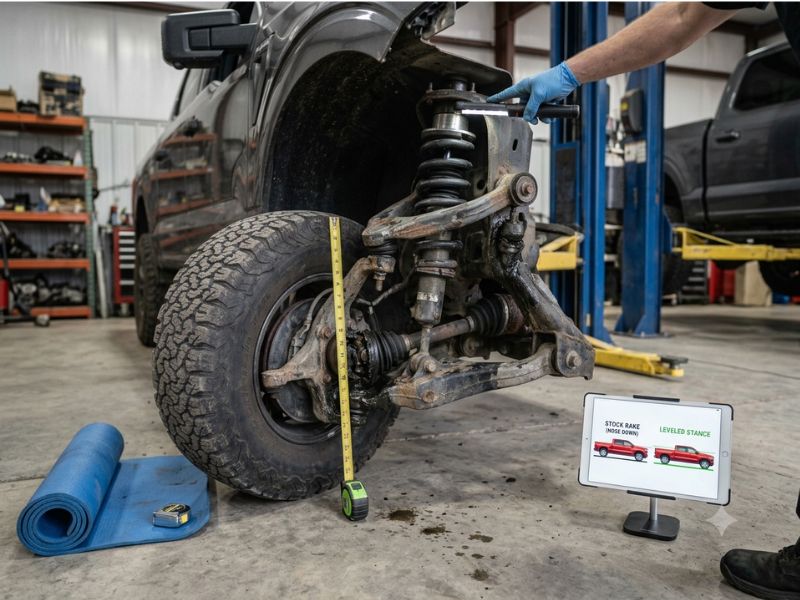
Before diving into identification, it’s helpful to grasp what a leveling kit does and why owners install them. From the factory, most Chevrolet Silverados, like many pickup trucks, are designed with a slight “rake.” This means the rear of the truck sits a bit higher than the front. This design choice isn’t arbitrary; it’s engineered to prevent the truck from squatting excessively in the rear when carrying heavy loads in the bed or towing a trailer. Without this rake, a heavily loaded truck would appear nose-high, potentially affecting handling, headlight aim, and even tire wear.
However, for many owners who rarely haul or tow at maximum capacity, this factory rake isn’t ideal. It can make the truck look less aggressive or “nose-down” when unloaded. A leveling kit’s primary purpose is to eliminate or significantly reduce this rake by raising the front end of the truck to match the height of the rear. This creates a more level, aggressive stance that many find aesthetically pleasing.
Beyond aesthetics, leveling kits offer practical benefits. They can provide additional clearance for fitting slightly larger tires than stock, which is a common motivation for installation. This extra height can also improve approach angles for light off-roading, though it’s important to remember that a leveling kit is not a full lift kit and doesn’t offer the same level of suspension travel or ground clearance for serious off-road adventures. Understanding this fundamental purpose helps frame what you’ll be looking for when inspecting a Silverado.
Visual Cues: The Stance and Wheel Wells
The most immediate and often telling indicators of a leveling kit are visual. You don’t always need to get under the truck to make an initial assessment. I always start by observing the truck’s overall posture.
Assessing the Truck’s Stance
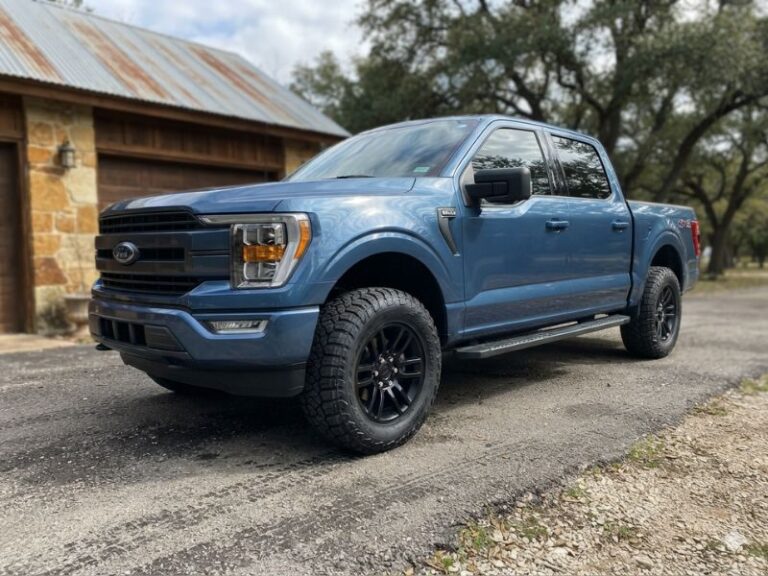
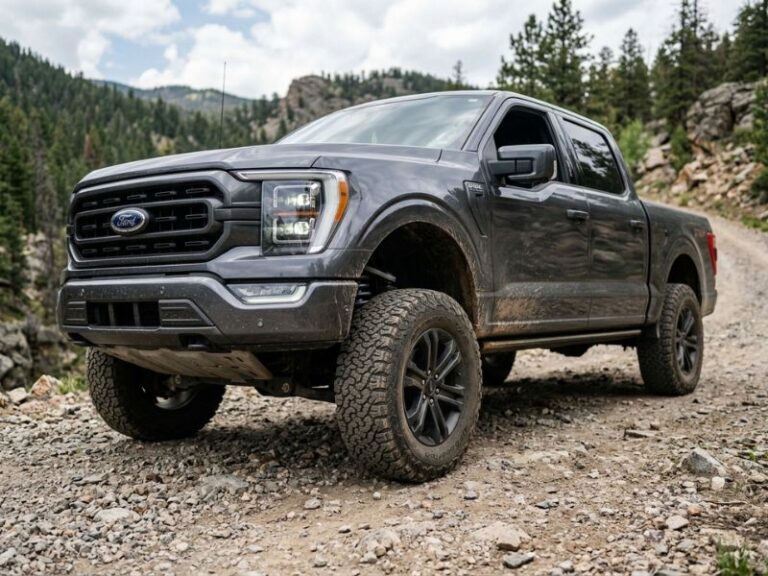
The first thing I look for is the truck’s profile. A stock Silverado will typically have a noticeable rake, with the rear fender well sitting higher than the front. If the truck appears perfectly level from front to back, or if the front looks slightly higher than stock, it’s a strong indication that a leveling kit has been installed.
I often stand a short distance away, on level ground, and eye the bottom edge of the rocker panels or the top of the tires relative to the fender flares. If these lines appear parallel to the ground, a leveling kit is likely at play.
Examining Front Fender Gap
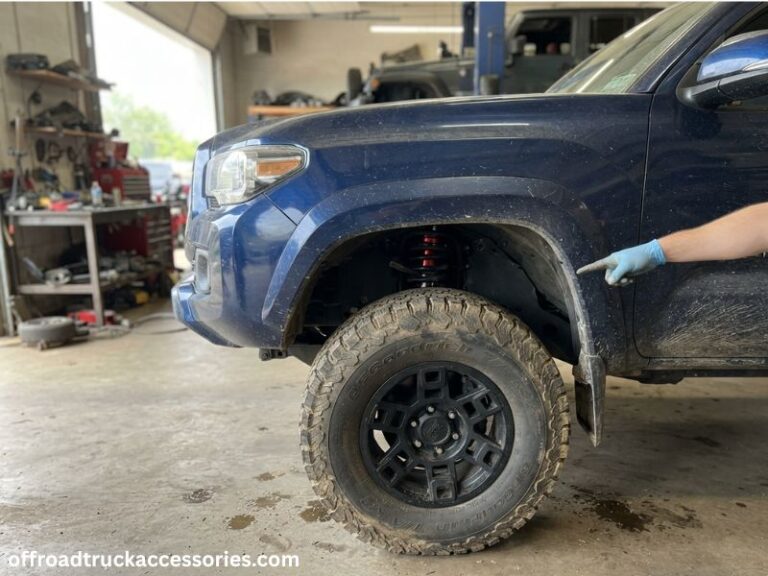
Another crucial visual cue is the gap between the top of the tire and the bottom of the front fender flare. On a stock Silverado, this gap is usually smaller in the front than in the rear. When a leveling kit is installed, the front suspension is raised, increasing this gap. If the front fender gap appears significantly larger than what you’d expect on a factory truck, or if it’s roughly equal to the rear fender gap, it’s a strong sign of a modification. Keep in mind that larger aftermarket tires can also fill the wheel wells more, so it’s important to compare the relative gaps front to rear, not just the absolute size of the gap.
Tire Size and Fitment
While not a direct indicator of a leveling kit, the tires can offer supporting evidence. Leveling kits are often installed specifically to accommodate slightly larger tires than stock. If you see a Silverado with tires that look noticeably bigger than what came from the factory, especially if they fill the wheel wells nicely without rubbing, it suggests the owner likely made suspension adjustments. Factory tire sizes for Silverados vary by trim and year, but a quick online search can give you a baseline for comparison. If the tires are clearly larger and the front end is level, the probability of a leveling kit increases significantly.
Under-the-Truck Inspection: Key Components to Look For
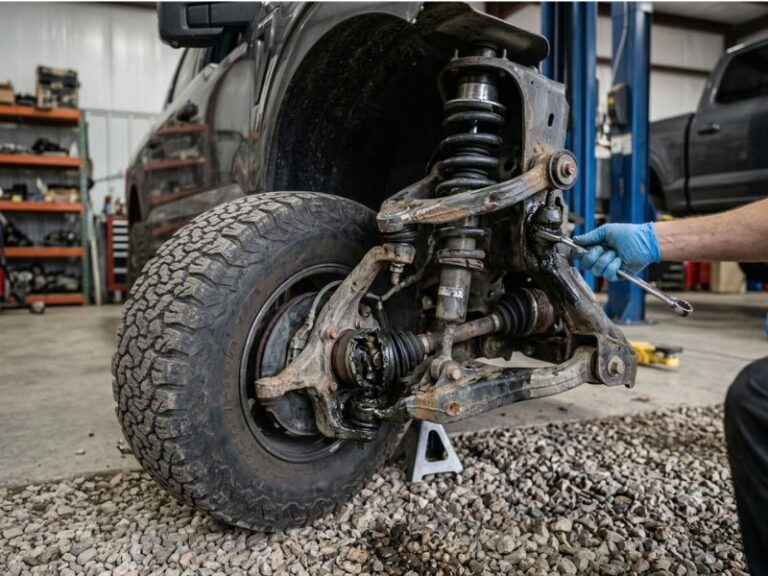
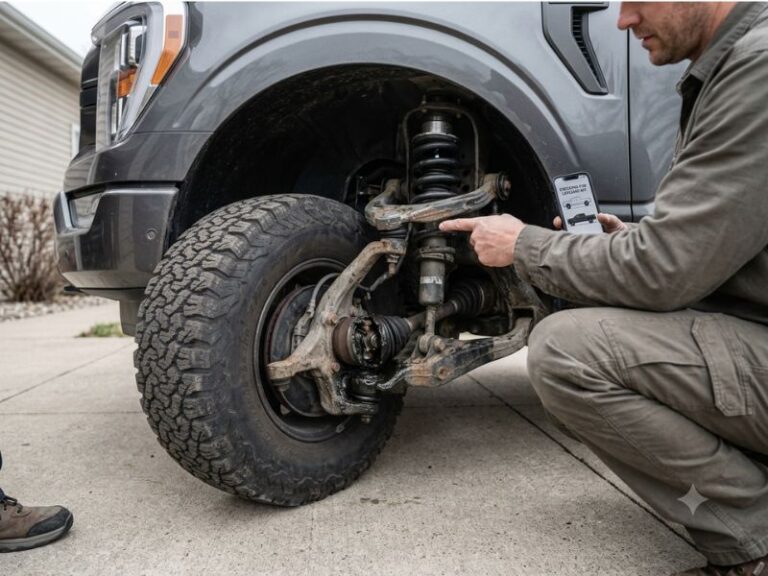
While visual cues provide a good starting point, a definitive answer often requires getting a closer look underneath the front end of the Silverado. This is where you’ll find the actual components of the leveling kit.
Spacer Above the Strut (Coil-Over Suspension)
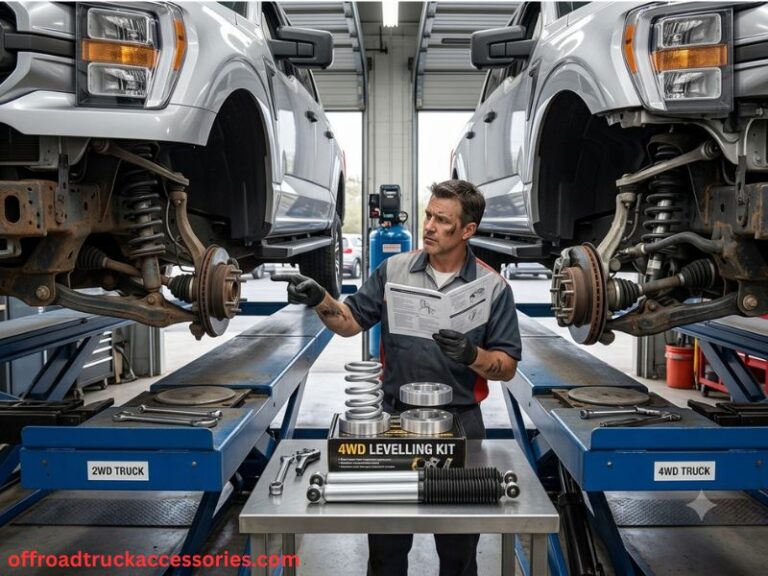
Most modern Silverados (e.g., 2007-present) utilize a coil-over strut assembly in the front suspension. This is a common design where the coil spring surrounds the shock absorber. The most prevalent type of leveling kit for these trucks involves a spacer that is installed on top of the factory strut assembly. I look for a solid block, typically made of aluminum, steel, or high-density composite material, positioned between the top of the strut mount and the truck’s frame or upper control arm mount. These spacers are usually 1 to 2.5 inches thick, but because of suspension geometry, a 2-inch spacer might provide 3 inches of lift at the wheel. They are often unpainted or powder-coated black, and their presence is a clear indicator of a leveling kit.
Lower Strut Spacers (Less Common)
While less common than top-mount spacers, some leveling kits incorporate a spacer at the bottom of the strut assembly, between the strut and the lower control arm. These are harder to spot without removing the wheel, but if you can get a good view, look for an additional block or plate extending the lower mounting point of the strut. Again, these will look like an aftermarket addition, not a factory component.
Torsion Bar Keys (Older Models)
For older Silverado models (typically pre-2007, and some heavy-duty models), the front suspension might use torsion bars instead of coil-over struts. Torsion bars are long metal rods that twist to provide spring action. To level these trucks, aftermarket “torsion keys” are installed. These keys replace the factory keys in the torsion bar adjustment system, allowing the torsion bars to be cranked up higher, thus raising the front end. Identifying these requires looking near the frame rails, usually around the transmission crossmember area, for aftermarket keys that might be a different color or shape than the stock ones. They often have a more aggressive angle or a different bolt pattern for adjustment.
Coil Spring Spacers (Rare for Front, More for Rear)
While not common for front leveling on Silverados with coil-over struts, some older independent front suspension designs or specific aftermarket setups might use a spacer placed directly within or under the coil spring itself. For the front of a modern Silverado, if you see a coil spring, it’s part of a strut. However, it’s worth noting that coil spring spacers are more frequently used in the rear suspension of trucks or SUVs to add lift.
Aftermarket Upper Control Arms (UCA)
Sometimes, especially with leveling kits at the upper end of the height range (e.g., 2.5 inches or more), the factory upper control arms (UCAs) can bind or operate at extreme angles, leading to premature wear on ball joints and bushings. To correct this, some owners will upgrade to aftermarket UCAs. These are often made of stronger materials, have a different design (e.g., tubular), and may include improved ball joints. While not a direct component of the leveling kit itself, the presence of aftermarket UCAs alongside a leveled stance is a strong indicator that the front end has been modified for height. Look for UCAs that don’t match the factory stamped steel or cast iron appearance.
Ride Quality and Handling Characteristics
Beyond visual and component checks, how the Silverado feels when driven can also provide clues about a leveling kit, though these are more subjective and require a test drive.
Stiffer Front Ride
A common side effect of many leveling kits, particularly those that use spacers on top of the factory struts, is a slightly stiffer front ride. This is because the suspension geometry is altered, and the factory struts are operating closer to their maximum extension. While not always dramatic, I’ve noticed that a leveled Silverado can sometimes feel a bit harsher over bumps and road imperfections compared to a stock truck. If the front end feels noticeably firmer or less compliant than you’d expect from a Silverado, it might be due to a leveling kit.
Alignment Issues and Tire Wear
Proper alignment is critical after installing any suspension modification, including a leveling kit. If the alignment wasn’t done correctly, or if the kit pushed the suspension angles too far, you might notice uneven tire wear on the front tires. Look for excessive wear on the inner or outer edges of the tread. Additionally, a truck with poor alignment might pull to one side or have a steering wheel that isn’t centered when driving straight. While these issues can stem from many causes, they are common problems if a leveling kit was installed without proper follow-up alignment or if the kit itself is poorly designed.
Steering Feel
Some owners report a slight change in steering feel after a leveling kit installation. It might feel a bit lighter or less precise, especially if the caster angle was significantly altered and not fully corrected during alignment. This is often subtle, but if you’re sensitive to steering dynamics, it’s something to pay attention to during a test drive. I always recommend a thorough test drive on various road surfaces to get a full sense of the truck’s handling.
Distinguishing Leveling Kits from Full Lift Kits
It’s important to differentiate a leveling kit from a full lift kit, as they involve different levels of modification and have different implications for the truck’s performance and longevity.
What Defines a Leveling Kit?
As I’ve discussed, a leveling kit primarily focuses on raising the front end of the truck by a modest amount, typically 1 to 2.5 inches, to achieve a level stance. They usually work with the existing factory suspension components (struts, control arms, etc.), often by adding spacers or adjusting torsion keys. The goal is to correct the factory rake, not to significantly increase overall ground clearance or suspension travel.
What Defines a Full Lift Kit?
A full lift kit, on the other hand, is designed to raise both the front and rear of the truck, typically by 3 inches or more. These kits are much more comprehensive and often involve replacing or significantly modifying multiple suspension components. I look for:
- New Lifted Struts or Coilovers: Instead of just spacers, a full lift kit often includes entirely new, longer front struts or coilover assemblies designed for the increased height.
- Drop Down Brackets: For lifts over 3 inches, you’ll almost always see “drop down” brackets for the front differential and often the lower control arms. These brackets are crucial for maintaining proper CV axle angles and suspension geometry at greater heights.
- Aftermarket Knuckles: Some larger lift kits replace the factory steering knuckles to correct steering geometry.
- Rear Lift Components: For the rear, full lift kits will include components like taller leaf spring blocks, add-a-leaf kits, or entirely new leaf springs (for leaf spring setups), or taller coil springs/spacers and longer shocks (for coil spring setups).
- Longer Brake Lines: Very tall lift kits may require longer brake lines to prevent stretching at full suspension droop.
The distinction is important because a full lift kit significantly alters the truck’s center of gravity, suspension travel, and often requires more extensive modifications to maintain proper alignment and component longevity. A leveling kit is a much simpler, less invasive modification.
Potential Downsides and Considerations
While leveling kits are popular, it’s important to be aware of potential downsides and considerations when you identify one on a Silverado.
Accelerated Component Wear
Raising the front end, even by a modest amount, changes the operating angles of various suspension and steering components. The most commonly affected parts are the upper control arm ball joints, tie rod ends, and CV axles (on 4WD models). When these components operate at steeper angles than designed, they can experience increased stress and wear out more quickly. I always recommend inspecting these parts for excessive play or torn boots on a leveled truck.
Impact on Ride Quality
As I mentioned, a leveling kit can sometimes lead to a slightly stiffer or harsher ride in the front. This is because the factory struts are extended closer to their maximum length, reducing their effective travel and potentially making them “top out” more easily over bumps. While some owners don’t mind, others find it compromises the comfortable ride of a stock Silverado.
Alignment Challenges
Achieving and maintaining proper alignment after a leveling kit can sometimes be a challenge. The increased height can push the camber and caster angles out of specification. While most alignment shops can adjust for minor changes, some kits might require aftermarket upper control arms to bring the alignment fully back into spec, especially for kits on the higher end of the leveling spectrum. If alignment isn’t correct, it leads to premature tire wear and compromised handling.
Warranty Implications
It’s worth noting that installing an aftermarket leveling kit can potentially void portions of the factory warranty related to suspension and steering components. While the Magnuson-Moss Warranty Act generally prevents manufacturers from voiding an entire warranty due to aftermarket parts, they can deny warranty claims for components that fail as a direct result of the modification. This is a consideration, especially for newer Silverados.
Headlight Aim
Raising the front end of the truck without adjusting the headlights can cause them to aim too high, potentially blinding oncoming drivers. After installing a leveling kit, it’s crucial to re-aim the headlights. If you’re test driving a leveled Silverado at night, pay attention to the headlight pattern.
Conclusion
Identifying whether a Silverado has a leveling kit installed doesn’t have to be a mystery. By systematically observing the truck’s stance, examining the front fender gaps, and performing a detailed inspection of the front suspension components, you can confidently determine if this common modification has been made.
Remember to look for spacers above or below the front struts on newer models, or aftermarket torsion keys on older ones. Understanding these indicators will not only help you accurately assess a truck’s setup but also inform you about potential changes to its ride quality, handling, and maintenance needs.
Knowing how to tell if Silverado has a leveling kit empowers you to make more informed decisions, whether you’re a prospective buyer, a current owner, or simply a curious enthusiast. A reliable answer to “how to tell if silverado has a leveling kit” comes from applying these points to the specific situation rather than relying on one rule.