
How Long Do BC Coilovers Last? Lifespan, Maintenance Warning
If you are asking, “how long do BC coilovers last,” there is no single mileage or year mark that fits every car. A set used on smooth roads and checked often can stay useful for years. A set that sees potholes, salt, track use, or very low ride height may wear much sooner.
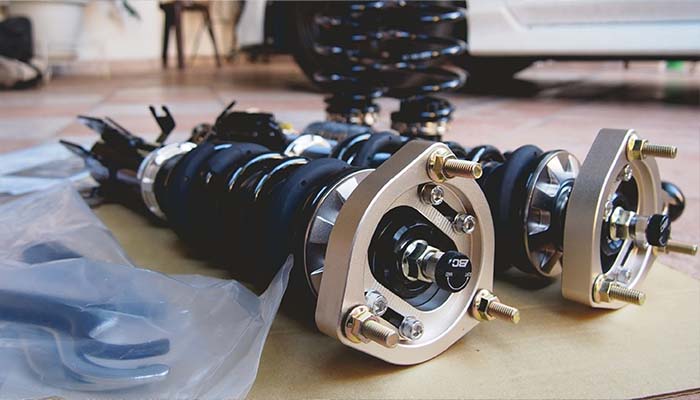
BC Racing coilovers are adjustable suspension units. They let you change ride height and damping to suit your car and driving needs. That flexibility is useful, but it also means correct setup and regular checks matter. In the real world, the condition of the dampers tells you more than the odometer does.

How Long Do BC Coilovers Last on a Daily Driver?
For a daily-driven car, BC coilovers can provide years of service when they are installed, adjusted, and maintained well. There is no fixed replacement date. Many owners judge their coilovers by ride quality, damping control, leaks, and overall condition instead of age alone.
So, how long do BC coilovers last in normal street use? A reasonable expectation is several years, but actual life can vary widely. A car that sees smooth highways will usually put less stress on its suspension than one that travels over broken city roads every day.
Mileage also matters, but it is only one part of the picture. Two cars with the same mileage can have very different coilover wear because their roads, weather, loads, and driving habits may be very different.

- ✦ Mostly smooth roads
Coilovers may stay in good condition for a long time when the car sees gentle roads and normal street driving.
- ✦ Rough roads
Potholes, broken pavement, and repeated hard impacts place more stress on dampers, mounts, springs, and other suspension parts.
- ✦ Track use
Frequent track days can increase heat and mechanical stress, so inspection and service may be needed sooner.
- ✦ Good maintenance
Cleaning exposed parts and checking for leaks, rust, damage, and loose hardware can help catch problems early.
Why There Is No Exact BC Coilover Lifespan
A coilover does not wear at one steady rate. Driving conditions can change from week to week. A car may spend most of its life on smooth pavement and then suffer a hard hit from one deep pothole.
The damper also has seals, oil, and moving parts. Heat, dirt, water, and impact can affect these parts over time. This is why condition-based inspection is more useful than a simple rule such as replacing every set after a fixed number of miles.
- ✦ Driving style
Hard acceleration, braking, cornering, drifting, and repeated bumps can raise suspension loads.
- ✦ Climate
Water, road salt, dirt, and long exposure to harsh weather can speed up corrosion and seal wear.
- ✦ Vehicle setup
Incorrect ride height, poor alignment, excessive preload, or other setup issues can affect how the suspension works.
What Affects the Life of BC Coilovers?
The answer to how long do BC coilovers last starts with the environment around them. A coilover works close to the road, where it faces water, dust, heat, dirt, and road debris. The more severe the conditions, the more important regular inspection becomes.
Your ride height can also affect suspension behavior. Lowering a car too far can reduce available travel and make the suspension hit its bump stops more often. That can create harsh impacts and may increase stress on suspension components.
Wheel and tire choices matter too. A very short tire sidewall gives the suspension less help when the car hits a sharp bump. The coilover may then absorb more of that impact.

- ✦ Road surface
Smooth pavement is easier on suspension parts than potholes, broken asphalt, gravel, and rough construction zones.
- ✦ Weather and salt
Moisture and road salt can cause corrosion on exposed hardware and suspension components.
- ✦ Ride height
An extremely low setup can reduce suspension travel and make harsh impacts more common.
- ✦ Damping setting
Damping should match the car and use. A very firm setting does not automatically mean better control on every road.
- ✦ Vehicle weight
Heavy vehicles and extra loads can increase the work done by the suspension.
Street Driving vs. Track Driving
Street use and track use place different demands on coilovers. A street car may see many small bumps and changes in road surface. A track car may see high cornering loads, hard braking, curb strikes, and much higher heat.
That does not mean a track coilover must fail quickly. It means the owner should inspect it more often and treat service as part of normal performance-car care. If you track the car often, do not wait for a major symptom before checking the dampers.
- ✦ Daily driving
Focus on smooth operation, ride quality, leaks, corrosion, tire wear, and normal ride height.
- ✦ Track days
Check for heat-related wear, leaks, damage, unusual noise, and changes in damping after hard sessions.
- ✦ Drifting or competition
Frequent hard impacts and high loads can shorten service life and may require more frequent rebuilding.
Signs Your BC Coilovers Are Wearing Out
Knowing how long do BC coilovers last is useful, but knowing when they are worn is even more useful. A healthy damper should control the spring without excessive bouncing or sudden changes in behavior. If the car starts to feel different, inspect the suspension before assuming the problem is normal wear.
A fluid leak is one of the clearest warning signs. Dampness around the damper body can point to a seal problem, although dirt and other fluids can sometimes make the source hard to identify. Clean the area and inspect it again before deciding what repair is needed.
Changes in handling can also matter. If one corner feels softer, the car bounces more than it used to, or the ride height changes without adjustment, the coilover or another suspension part may need attention.

- ✦ Oil or fluid leakage
Visible fluid around the damper can indicate a seal or damper problem and should be inspected.
- ✦ Excessive bouncing
Repeated bouncing after a bump can suggest that damping control has become weaker.
- ✦ New knocking or clunking
New suspension noise can come from the coilover, mount, hardware, or another nearby component.
- ✦ Uneven ride height
A corner that sits lower than expected can point to a spring, adjustment, mounting, or damper issue.
- ✦ Poor handling
More body movement, reduced control, or a new unstable feel can be a reason to inspect the suspension.
- ✦ Visible corrosion
Rust on threads or exposed hardware can make adjustment harder and may signal the need for cleaning or service.
Do Not Blame Every Noise on the Coilover
A noisy suspension does not always mean the damper has failed. Top mounts, bushings, end links, ball joints, spring seats, and loose hardware can all create similar sounds.
A proper inspection should look at the whole suspension. This can prevent an unnecessary coilover replacement when the real problem is a smaller part.
- ✦ Check mounting hardware
Loose or worn hardware can create noise and can be unsafe.
- ✦ Check nearby parts
Inspect mounts, bushings, links, joints, and other suspension parts before blaming the damper.
How to Make BC Coilovers Last Longer
If you want to know how long do BC coilovers last in the best conditions, maintenance is a major part of the answer. Coilovers need more than a good installation. They also need periodic checks, especially when the car sees rain, salt, dirt, potholes, or frequent hard driving.
Keep the threaded bodies and adjustment areas clean. Dirt on the threads can make height changes difficult and can damage the finish when adjustment tools are used. Follow the maintenance and adjustment guidance supplied for your specific BC Racing setup rather than forcing a stuck adjuster.
Alignment matters after changing ride height. Lowering or raising the car can change suspension geometry. A proper alignment can help protect tires and keep the car predictable.

- ✦ Keep threads clean
Remove dirt and road debris from exposed threaded areas so height adjustments remain smooth.
- ✦ Inspect for leaks
Look over the damper bodies during routine service and investigate any new fluid leakage.
- ✦ Protect against corrosion
Clean road salt and grime from suspension parts, especially after winter driving.
- ✦ Use correct adjustment methods
Use the proper tools and adjustment points for the specific coilover model.
- ✦ Check alignment
Have the vehicle aligned after major ride-height changes and when tire wear or handling suggests a geometry issue.
- ✦ Inspect after hard impacts
After a major pothole or curb strike, check the coilover and related suspension parts for damage.
Winter Care for U.S. Drivers
Drivers in parts of the United States that use road salt should pay extra attention to exposed suspension hardware. Salt and moisture can remain around threads and other metal parts long after a winter drive.
A careful wash can remove much of this grime. Avoid damaging seals or forcing water into areas where the vehicle maker or suspension maker advises against direct high-pressure spray.
- ✦ After salty roads
Rinse road salt and dirt from exposed suspension areas when practical.
- ✦ Before adjustment
Clean threaded areas before changing ride height so grit does not get dragged through the threads.
Can BC Coilovers Be Rebuilt?
One reason the answer to how long do BC coilovers last can extend beyond the first period of use is that performance dampers can often be serviced or rebuilt. A rebuild can restore damper performance when internal wear or seal problems develop. The exact service options depend on the coilover model and the condition of the unit.
A rebuild is different from simply adjusting damping or ride height. Adjustment changes how the existing damper behaves. A rebuild involves opening the damper and replacing or servicing internal parts as needed.
If a coilover is leaking, badly damaged, or no longer controlling the spring well, professional inspection can help determine whether rebuilding makes sense. A damaged body, badly corroded threads, or other major problems may change that decision.

- ✦ When a rebuild may help
A rebuild may be considered when the damper has internal wear, seal problems, or reduced performance but the main components remain serviceable.
- ✦ When replacement may be needed
Severe physical damage or corrosion can make replacement more practical than rebuilding.
- ✦ Use qualified service
Damper work involves internal pressure and precision parts, so it should be handled by an appropriate suspension service provider.
Rebuild or Replace?
The choice should be based on condition, cost, parts availability, and the intended use of the car. A rebuild can make sense when the coilover body and major components remain in good shape.
If several parts are badly worn or damaged, a new set may be the more practical route. Do not choose based only on the age of the coilovers.
- ✦ Consider rebuilding
A rebuild can be useful when the unit is structurally sound and the issue is serviceable internal wear.
- ✦ Consider replacing
Replacement may make more sense when damage is severe or repair costs approach the price of a suitable new set.
How Ride Height and Damping Settings Affect Coilover Life
BC coilovers are designed to provide adjustment, but more adjustment does not mean every setting is ideal. Ride height should leave enough usable suspension travel for the car’s intended roads and use. A very low car may hit bumps, driveways, and road dips harder.
Damping settings also affect how the car responds to bumps and body movement. The correct setting depends on the specific coilover, vehicle, tires, road, and driving goal. There is no universal setting that works best for every car.
If you change the setup, pay attention to how the car feels. A setup that is too harsh for daily roads can make the car less comfortable and may increase impact loads on the suspension.

- ✦ Avoid extreme lowering
Keep enough suspension travel for the roads and driving conditions the vehicle will face.
- ✦ Adjust damping with care
Make small changes and assess the car rather than assuming the firmest setting is always best.
- ✦ Check alignment after height changes
Suspension geometry can change when ride height changes, so alignment should be checked as needed.
How Often Should You Inspect BC Coilovers?
There is no need to wait until the car rides badly before checking the suspension. A quick visual inspection during routine maintenance can catch leaks, corrosion, damaged hardware, and other problems early.
Drivers who use their cars on rough roads, at track events, or in severe weather should inspect the suspension more often. The goal is simple: find small problems before they become larger and more expensive problems.
If the car has recently received a hard impact, inspect the affected corner even if the vehicle still feels normal. Some damage may not show up as an obvious handling problem right away.
- ✦ Routine inspection
Look for leaks, corrosion, damaged threads, loose hardware, and unusual changes in ride height.
- ✦ After major impacts
Inspect the suspension after severe potholes, curb strikes, collisions, or other strong impacts.
- ✦ Before track events
Check the suspension before hard use so obvious problems are not carried onto the track.
- ✦ When handling changes
A new bounce, pull, noise, or unstable feel is a reason to inspect the car.
A Simple Home Check
Park the car on a safe, level surface and look at each coilover. Check for visible leakage, damaged threads, heavy corrosion, loose parts, or anything that looks different from the other corners.
Do not place yourself under a vehicle supported only by a jack. If you need to inspect parts underneath the car, use proper support equipment and follow safe vehicle service practices.
- ✦ Compare all four corners
Differences between corners can make a developing problem easier to spot.
- ✦ Look for fluid
Fresh or repeated fluid around a damper deserves further inspection.
- ✦ Watch for changes
New noises, bounce, tire wear, or ride-height changes can provide useful clues.
Are BC Coilovers Worth Keeping After Several Years?
If you are still wondering how long do BC coilovers last after several years of use, age alone is not a reason to remove them. A set that remains dry, quiet, correctly adjusted, and able to control the car can still be useful.
On the other hand, an older set with leaking dampers, damaged threads, severe corrosion, or poor damping should not stay on the car just because it has not reached a certain mileage. Suspension parts affect steering control and tire contact with the road, so condition should come first.
For many owners, the best approach is to inspect the current set and compare the repair cost with the cost of replacement. That gives you a more useful answer than relying on a fixed lifespan number.
- ✦ Good condition
If the coilovers work correctly and show no meaningful damage, continued use may be reasonable.
- ✦ Minor service needs
Cleaning, adjustment, or professional service may solve some issues without replacing the entire set.
- ✦ Major wear
Persistent leaks, serious corrosion, structural damage, or poor damping can justify professional repair or replacement.
The Bottom Line on Long-Term Ownership
The best answer to how long do BC coilovers last is that they can remain useful for years when the car is set up well and the suspension receives sensible care. There is no universal expiration date.
Think of coilovers as serviceable performance parts rather than lifetime parts. Inspect them, keep the adjustment areas clean, respond to changes in ride or handling, and have questionable dampers checked before deciding what to do next.
- ✦ Judge condition first
Age and mileage provide context, but leaks, damping, corrosion, noise, and handling give stronger clues about actual condition.
- ✦ Plan for service
Performance suspension may need service over its life, especially when used hard.


