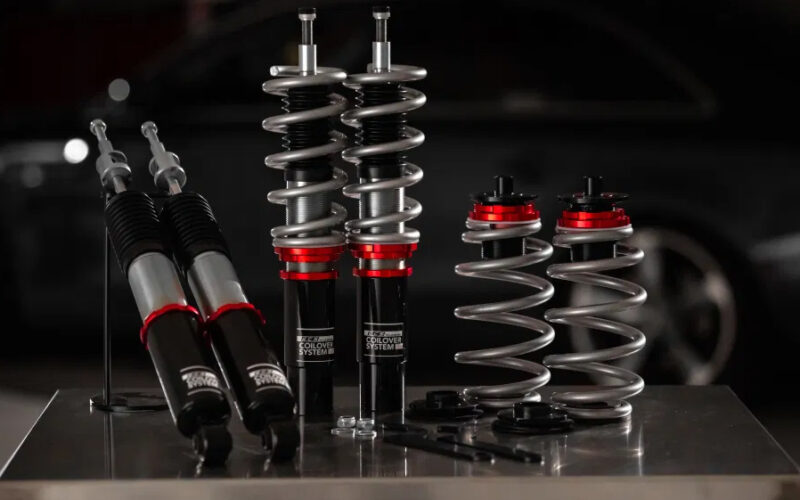
The most comfortable coilovers are usually street-focused systems with well-matched spring rates, quality dampers, enough suspension travel, and a ride height close to the factory setting. KW Street Comfort, selected Ohlins road-oriented systems, and properly configured Fortune Auto or BC Racing kits may suit different needs, but the best choice depends on your car, roads, tires, and budget.
For drivers in the United States, choosing comfortable coilovers means balancing rough city streets, highway joints, potholes, and the desire for a lower stance. A suspension kit that feels controlled on a smooth road may feel harsh on broken pavement. The right setup should absorb sharp bumps, keep the tires in contact with the road, and avoid excessive body movement without making every trip tiring.
Coilovers combine a spring and shock absorber, also called a damper, into one suspension assembly. Many kits let you change ride height, and some let you adjust damping. These features offer more control over the car’s stance and handling, but they do not guarantee a soft ride. Spring design, damper tuning, suspension travel, tire sidewalls, and installation quality all affect comfort.
There is no single coilover brand that delivers the softest ride on every vehicle. A kit designed for street use may suit a commuter better than a competition-oriented kit, even when the latter costs more. Before buying, check the exact application, the manufacturer’s intended use, the available adjustment range, and whether the system preserves enough travel for the roads you drive.
For a daily-driven car, start with coilovers designed for street comfort rather than maximum cornering grip or track performance. KW Street Comfort is a relevant option to investigate because its product category focuses on road use. Selected Ohlins road-oriented systems and correctly specified kits from Fortune Auto or BC Racing may also work well, depending on the vehicle and available spring and damper options.
These brands do not offer one universal setup for every car. Each product line has its own design goals, adjustment features, fitment limits, and tuning. A system that works well on a sports sedan may not be available for your compact car or may use a different spring and damper combination.
The most useful comparison is therefore not simply which brand is best. It is which exact kit gives your vehicle enough suspension travel, suitable spring rates, controlled damping, and a ride height that works for everyday roads.
Source: suspensionsetups.com
Best starting point for street comfort
Look at road-focused systems such as KW Street Comfort where an application-specific kit is available. Verify the manufacturer’s intended use and adjustment range for your vehicle.
Best for drivers who want to tune the setup
Consider adjustable systems from brands such as Fortune Auto or BC Racing only after confirming the spring rates, damper design, and street suitability of the exact kit.
Best for a performance-oriented road car
Investigate the applicable Ohlins road-oriented suspension options if available for your vehicle. Do not assume every Ohlins product is designed for a soft daily-driving ride.
Best for preserving factory-like comfort
Compare quality replacement shocks and struts with stock-style springs before committing to coilovers. If you do not need adjustable ride height, a conventional replacement may better match your goal.
Why Street-Focused Coilovers Usually Feel Better
Street-focused suspension must handle a wide range of conditions. A damper needs to control spring movement while allowing the wheel to respond to small bumps and sharp road edges. A setup that is too firm may keep the body flat in corners but transmit more impact into the cabin.
A comfortable system also needs sufficient wheel travel. When a suspension repeatedly reaches its bump stops, the ride can become abrupt. A street kit that works at a moderate ride height may therefore feel better than the same kit installed very low.
Check intended use
Choose a kit designed for normal roads if commuting and long trips are your main priorities.
Keep useful travel
Use the manufacturer’s recommended ride-height range rather than lowering the car as far as the adjustment threads allow.
Comfortable Coilover Brands Compared
A brand comparison is useful when it focuses on product purpose rather than reputation alone. Some manufacturers sell street-oriented systems, others emphasize adjustable performance, and some offer several product families for different drivers. Always compare the exact kit numbers for your vehicle.
The following table summarizes sensible starting points for research. It is a category-based comparison, not a laboratory ranking of ride softness. No standardized, directly comparable comfort measurements are provided here, so the products should not be treated as proven winners in a universal comfort test.
Source: f2suspension.com
KW Suspension
Investigate KW Street Comfort for road use where available. Its intended use makes it a relevant candidate for drivers who want a refined ride and adjustable ride height. Confirm the exact kit’s damping features and compatibility.
Ohlins
Ohlins offers performance suspension products, including road-oriented applications. Its suitability depends on the specific system and vehicle, so check whether the kit prioritizes street use, competition, or a blend of both.
Fortune Auto
Fortune Auto is worth researching for drivers who want adjustable performance suspension and application-specific tuning options. Ask which spring rates and damper settings suit daily use before ordering.
BC Racing
BC Racing offers multiple coilover lines and adjustment options across supported applications. The appropriate model and spring specification matter more than the name on the damper.
ST Suspensions
ST Suspensions is another brand to compare when a street-oriented lowering setup is the goal. Confirm the available model, ride-height range, corrosion considerations, and damping adjustment features for your car.
KW Street Comfort
KW Street Comfort is a logical product to investigate when comfort and a lowered stance are both priorities. A road-focused system can be a better match for daily use than a competition-oriented kit with a firm setup.
Do not assume that the product will ride like the original suspension in every car. The result depends on the vehicle’s weight, suspension geometry, wheel and tire package, chosen ride height, and condition of the other suspension components. Confirm the exact application and manufacturer instructions before buying.
Potential advantage
A road-focused design may provide a more suitable balance for commuting and ordinary driving than a kit built mainly for competition.
What to verify
Check fitment, available adjustments, recommended ride height, included parts, warranty coverage, and service support.
Ohlins Road-Oriented Systems
Ohlins is associated with performance suspension engineering, but brand reputation alone cannot establish comfort. Look for a specific system intended for street-driven vehicles and read its documented adjustment and maintenance requirements.
Some performance-focused systems can feel controlled and composed on the road, while others may be too firm for drivers who want a plush ride over broken pavement. Ask a specialist familiar with your exact car about the intended spring rates and street settings.
Potential advantage
A suitable road-oriented application may offer a balance between body control and everyday driving needs.
What to verify
Confirm the exact product’s purpose and service requirements instead of assuming all systems from the brand share the same ride quality.
Fortune Auto and BC Racing
Adjustable coilovers from Fortune Auto and BC Racing can appeal to drivers who want to fine-tune a car’s stance and handling. Adjustment is useful only when the available range and tuning match the driver’s needs. A high number of adjustment clicks does not prove that a kit can provide both a very soft ride and sharp track handling.
Before choosing either brand, ask whether the offered spring rates are suitable for street driving, whether alternative rates are supported, and whether the damper can be serviced or retuned. A correctly selected specification is more important than choosing the stiffest or most adjustable model.
Potential advantage
Adjustment and application-specific options may help a driver find a useful balance between ride control and comfort.
What to verify
Ask for the exact front and rear spring rates, damper adjustment instructions, service policy, and street-oriented setup guidance.
What Makes a Coilover Comfortable?
Comfort comes from how the complete suspension responds to a road surface, not from one specification alone. A soft spring can still feel harsh if the damper is poorly matched, while a well-controlled spring and damper combination can feel composed without excessive body motion.
The car’s tires, seats, suspension geometry, and available wheel travel also affect what the driver feels. These factors explain why two vehicles fitted with similar coilovers may deliver different results.
Source: suspensionsetups.com
Spring rate
Spring rate describes how much force is needed to compress a spring by a given distance. Higher rates generally resist compression more strongly, but their effect on ride quality depends on the complete suspension design.
Damper tuning
Dampers control spring movement. Poorly matched damping may make the car bounce, feel sharp over bumps, or continue moving after a road impact.
Suspension travel
The wheel needs room to move over bumps. Too much lowering can reduce usable travel and cause harsh impacts when the suspension approaches its limits.
Tire sidewall
A tire with a shorter sidewall usually has less room to flex over sharp road edges. Large wheels and low-profile tires can make a comfortable suspension feel harsher.
Vehicle weight and design
The car’s weight distribution, suspension layout, and motion ratios affect the spring and damper combination needed for a controlled ride.
Understanding Spring Rates
Spring rates are often listed in pounds per inch in the United States or kilograms per millimeter in some product listings. These units describe spring stiffness, not a direct comfort score. Front and rear rates may differ because each axle supports a different load and performs a different role.
Do not compare two kits by spring rate alone. A spring mounted through a suspension linkage may act differently at the wheel, and the damper, travel, and vehicle setup also influence ride quality. Ask the manufacturer or suspension specialist whether the full specification is appropriate for your car and intended use.
Avoid choosing the lowest number blindly
A very soft spring can allow excessive movement or bottoming if it is not suited to the vehicle and damper.
Use the intended application
Choose a documented street setup instead of adapting a track specification without proper engineering advice.
Understanding Damping Adjustments
Some coilovers allow the driver to adjust damping through a knob or other mechanism. Depending on the design, this may alter rebound damping, compression damping, or a linked combination of settings. The adjustment mechanism and range vary by product.
A softer setting may reduce the sharpness of some impacts, but turning the knob to the softest position does not guarantee the best ride. Too little damping can allow repeated bouncing, while excessive damping can limit the suspension’s ability to respond smoothly to uneven roads. Follow the manufacturer’s instructions and change settings in small, recorded steps.
Start with the recommended baseline
Use the manufacturer’s street setting as the starting point, counting adjustments from the specified reference position.
Change one variable at a time
Keep ride height, tire pressure, and other settings constant while comparing damping changes on the same familiar route.
How to Choose Comfortable Coilovers for Daily Driving
Start with your daily driving needs, then narrow the choice by vehicle fitment, intended use, and setup options. A driver who travels on highways and city streets has different needs from someone who spends most weekends at a track.
Before comparing prices, decide how much lowering you actually want. A modest drop can improve the car’s stance while preserving more suspension travel than an aggressive drop. If ride comfort is your first priority, keeping the car near the manufacturer’s recommended street ride height is usually a sensible starting point.
Source: ranwhenparked.net
Choose the exact vehicle application
Confirm the make, model, model year, trim, drivetrain, and relevant suspension differences. Do not assume that a kit for one version fits every version of the same car.
Confirm street use
Read the manufacturer’s description and installation documentation. Avoid selecting a competition-focused kit simply because it has more adjustment features.
Check ride-height limits
Look for the recommended operating range and the method used to adjust height. A low advertised maximum drop does not tell you how comfortable the kit will be.
Compare support and service
Check replacement parts, damper rebuilding or service options, warranty terms, and access to qualified installers.
Budget for installation and alignment
Include labor, any required supporting parts, and a proper alignment. The cheapest kit may not be the least expensive option over its full service life.
A Practical Comparison Table
Use this table to match the suspension category to your main goal. It is a buying guide rather than a measured ranking, because comfort depends on the exact kit and vehicle.
Street-focused coilovers
Best starting point for daily use when you want adjustable ride height and a road-oriented balance.
Performance street coilovers
Useful for drivers who want more body control but are willing to accept a firmer ride or spend time tuning the setup.
Track-focused coilovers
Primarily suited to competition priorities. Their spring rates and damping may be less comfortable on rough public roads.
Stock-style shocks and springs
Worth comparing if preserving factory-like comfort matters more than lowering or frequent adjustments.
Questions to Ask Before Buying
A knowledgeable seller or suspension shop should be able to explain the exact kit’s intended use and limitations. If the answers focus only on lowering range, appearance, or adjustment clicks, ask for more detail about the setup that will actually be installed.
What spring rates are included?
Request the front and rear specifications and ask whether they are intended for street use on your vehicle.
How is ride height adjusted?
Find out whether the design allows height changes without improperly changing spring preload or compromising the intended geometry.
What happens if a damper needs service?
Check the process, expected maintenance needs, warranty limits, and availability of replacement components.
Can Coilovers Ride as Comfortably as Stock Suspension?
Yes, some coilover systems can provide comfortable road manners, but stock-like comfort is not guaranteed. Factory suspension is developed around the vehicle’s weight, tire package, suspension geometry, noise control, and intended driving conditions. An aftermarket kit changes some or all of that balance.
If your current suspension is worn, a quality replacement may improve ride control. However, a coilover kit is not automatically the best repair. If you like the original ride height and handling, replacing worn shocks, struts, mounts, or bushings with suitable parts may be a simpler route to restoring comfort.
Source: ranwhenparked.net
When coilovers may make sense
You want adjustable ride height, a tailored road setup, or a specific handling balance and can accept the cost of installation and tuning.
You mainly want to restore a quiet, compliant ride and do not need a lowered stance or adjustable suspension.
When to inspect other parts first
Clunks, uneven tire wear, repeated bouncing, steering changes, or harsh impacts can point to worn or damaged parts that should be diagnosed before buying an upgrade.
Comfort Versus Handling
Comfort and handling are not always opposites, but tuning involves trade-offs. A well-matched suspension can reduce excess body motion while allowing the wheels to follow the road. A very firm setup may respond quickly during aggressive cornering but transmit more impact over potholes and broken pavement.
Think about the conditions you face most often. If your car is a commuter, frequent rough pavement and long highway trips should carry more weight than occasional high-speed cornering. If you drive on a track, a firmer setup may be justified, but you should not assume that a track-oriented specification will also be the most comfortable on public roads.
Prioritize the normal use case
Choose a setup for the roads and driving style you encounter most, not a rare situation.
Avoid judging by body roll alone
Less body movement does not necessarily mean better comfort or greater safety in every condition.
Why Even Expensive Coilovers Can Feel Harsh
A premium coilover kit can ride poorly when it is set too low, paired with unsuitable tires, installed incorrectly, or adjusted outside its useful range. Price and brand reputation cannot overcome a lack of suspension travel or a problem elsewhere in the vehicle.
Before replacing a kit that feels harsh, identify when the problem occurs. A sharp impact over a small road joint suggests a different set of possible causes from repeated bouncing, bottoming over dips, or noise during slow turns.
Source: kwsuspensions.com
Excessive lowering
A low ride height may leave too little room for the wheel to move over bumps, increasing the chance of hitting bump stops.
Incorrect spring or damper setup
An unsuitable spring rate, poor damping match, or incorrect adjustment can make the car feel stiff, unsettled, or bouncy.
Low-profile tires
Large wheels with short tire sidewalls can transmit sharper impacts than a suitable tire and wheel package with more sidewall.
Incorrect tire pressure
Pressure above the vehicle or tire manufacturer’s recommendations can contribute to a firm ride. Set cold tire pressure according to the vehicle placard unless a qualified specialist specifies otherwise.
Installation or worn-part problems
Incorrect assembly, binding, damaged mounts, worn bushings, or other faults may create harshness or noise and require inspection.
A Simple Comfort Troubleshooting Sequence
If your coilovers feel harsher than expected, begin with checks that do not require disassembling the suspension. Record the current ride height and damper settings so you can return to the original configuration if an adjustment makes the ride worse.
Do not crawl under a car supported only by a jack or loosen loaded suspension components without the right equipment and training. If the suspension has unusual noises, visible damage, severe bottoming, or changes in steering, have a qualified shop inspect it before continued driving.
Check tire pressure and tire condition
Use the vehicle’s recommended cold pressure and inspect for damage, uneven wear, and unsuitable tire sizing.
Review ride height
Compare the installed height with the coilover manufacturer’s recommended range and look for signs of bottoming.
Verify damper settings
Confirm the correct adjustment reference and baseline in the manual. Do not assume that the same number of clicks means the same damping across brands.
Inspect alignment and hardware
Have a qualified installer check alignment, fasteners, mounts, bushings, and suspension movement if the ride remains harsh or noisy.
How Much Should You Spend on Comfortable Coilovers?
The right budget depends on your car, the exact suspension kit, installation needs, and whether you want adjustable damping. There is no reliable universal price for a comfortable setup across all vehicles. Prices can change with fitment, product revisions, retailer, shipping, and included hardware.
Compare the total installed cost instead of the kit price alone. A complete budget should account for professional installation when needed, a wheel alignment, any required mounts or supporting components, and future service. A lower-priced kit that needs replacement sooner or does not meet your comfort goal may cost more in the long run.
Source: suspensionsetups.com
Entry-level kits
May provide lowering and basic adjustments at a lower initial cost. Confirm materials, application, support, and the street suitability of the included spring and damper specification.
Midrange kits
May offer more adjustment options or support, depending on the model. Check whether those features improve your intended use rather than paying for settings you will not use.
Premium kits
Can offer specialized tuning, service support, or road-focused designs for selected vehicles. Higher cost still does not establish that a kit will ride more softly than a less expensive alternative.
Installation and alignment
Get a written estimate that separates parts, labor, alignment, supporting components, and any follow-up adjustments.
Do Not Pay for Adjustments You Do Not Need
If your main goal is a modest drop and a comfortable commute, a complex competition-oriented system may offer features you rarely use. A suitable street kit or stock-style suspension replacement may be better value.
If you want to adjust the car for different road conditions, learn what each adjustment controls before spending more. Separate compression and rebound adjustments, for example, may provide more tuning options but also require more knowledge to set correctly.
Match features to your driving
Choose only the adjustment range and service features that support your actual needs.
Check the warranty details
Read the coverage period, exclusions, maintenance requirements, and rules for professional installation before purchase.
Installation, Setup, and Maintenance for a Smooth Ride
Correct installation and setup are essential to getting the comfort you paid for. A good kit can perform poorly if it is assembled incorrectly, installed at an unsuitable height, or paired with an alignment that does not suit the vehicle.
Follow the exact kit instructions, including specified torque values, spring preload, ride-height adjustment, and damper settings. These details vary by application, so generic values should never replace the manufacturer’s service information.
Source: suspensionsetups.com
Inspect before installation
Check the condition of tires, mounts, bushings, control arms, and other suspension parts. Replace worn or damaged components as needed.
Use the correct installation procedure
Follow the kit and vehicle service manuals, use suitable tools, and have a qualified installer perform work that requires specialized equipment or training.
Set ride height within the documented range
Avoid extreme lowering that reduces travel or causes interference with tires, bodywork, or suspension components.
Get a professional alignment
Have the alignment checked after installation and again after significant ride-height changes, following the manufacturer’s recommendations.
Recheck the setup
Follow the manufacturer’s instructions for post-installation inspections and fastener checks. Investigate new noises, leaks, or handling changes promptly.
How to Test Ride Comfort After Installation
Evaluate the car on a familiar route with a mix of ordinary road surfaces. Begin at low speeds, check for rubbing or unusual sounds, and increase speed only when the car feels stable and safe. Do not perform aggressive tests on public roads.
Keep a short record of the ride height, tire pressure, damper setting, and conditions. This makes it easier to identify whether a change improves the ride or introduces new problems.
Sharp bumps
Notice whether the car absorbs road joints cleanly or sends abrupt impacts through the seat and steering wheel.
Long dips and undulations
Look for repeated bouncing, excessive pitch, or signs that the suspension is reaching its travel limits.
Low-speed turns
Listen for new clunks, rubbing, or binding that could indicate an installation or clearance issue.
Normal highway driving
Assess stability and comfort at legal speeds without assuming that a firmer ride automatically means better control.
Frequently Asked Questions
Q
What are the most comfortable coilovers for daily driving?
Street-focused coilovers with suitable spring rates, well-matched damping, and enough suspension travel are usually the best starting point. KW Street Comfort is one product line to investigate, while selected Ohlins, Fortune Auto, BC Racing, and ST Suspensions options may suit certain cars. Compare the exact application and setup rather than assuming that one brand is universally the most comfortable.
Q
Are expensive coilovers more comfortable?
Not necessarily. A premium kit may offer better tuning options, specialized engineering, or service support, but those features do not guarantee a softer ride. A correctly selected street kit at a lower price may suit your needs better than an expensive track-oriented system.
Q
Can I make stiff coilovers more comfortable?
Sometimes. Check tire pressure, confirm the ride height is within the recommended range, and review the damper settings using the manufacturer’s instructions. If the spring rates are unsuitable or the car has too little suspension travel, adjustment alone may not solve the problem. Have a qualified suspension shop inspect the setup if harshness persists.
Q
Are coilovers more comfortable than lowering springs?
Neither option is automatically more comfortable. Lowering springs retain the vehicle’s existing dampers, which may or may not be suitable for the new spring rates. Coilovers provide a matched spring and damper package, but their comfort depends on the design, setup, and ride height. Compare the complete systems for your exact vehicle.
Q
Do softer spring rates always improve ride comfort?
No. Softer springs may absorb some impacts more gently, but a spring that is too soft for the vehicle or suspension design can allow excess movement or bottoming. Damper tuning and available travel also matter. Use the manufacturer’s recommended specification or seek advice from a qualified suspension specialist.
Q
Should I buy coilovers if I want a factory-like ride?
Not always. If you are happy with the original ride height and mainly want to restore comfort, suitable replacement shocks or struts and factory-style springs may be a better choice. Consider coilovers when adjustable ride height or a specific handling change is important enough to justify the extra cost and setup work.
Q
How low should I set comfortable coilovers?
Use the manufacturer’s recommended ride-height range and choose a height that preserves useful suspension travel and safe tire clearance. A moderate drop is generally a more sensible starting point for daily driving than an extreme stance. Check alignment, clearance, and applicable state or local requirements after installation.
✦ Wrapping Up
Conclusion
The most comfortable coilovers are not necessarily the most expensive or the most adjustable. For daily driving, prioritize a street-focused design, a spring and damper combination suited to your vehicle, enough suspension travel, and a moderate ride height. KW Street Comfort is a useful starting point for research, while selected Ohlins, Fortune Auto, BC Racing, and ST Suspensions kits deserve consideration when their specifications match your needs.
Before making a purchase, confirm the exact fitment, spring rates, damping features, service support, warranty, and total installed cost. If your main goal is a factory-like ride rather than adjustable height, compare quality stock-style replacement suspension parts as well. A suitable setup, correct installation, and proper alignment will do more for everyday comfort than choosing a brand based on reputation alone.
💡 Key Takeaway
Identify your exact vehicle and intended ride height, then compare at least two street-oriented suspension options by spring rates, damper design, usable travel, service support, and total installed cost. Ask a qualified installer to confirm the setup before ordering.
Eric
Hi, I’m Eric Bennett, the person behind OffRoadTruckAccessories.com.
I created this blog to share my interest in trucks, off-road driving, automotive accessories, and DIY modifications. I enjoy learning how different truck accessories work, testing their usefulness, and understanding whether they are truly worth buying.
Will G37 coilovers fit G35? Learn which model years may share fitment, what changes with coupe, sedan, and AWD setups, and how to verify compatibility.