
How Much Do Coilovers Cost? Complete Guide to Coilover Prices and Installation
If you are asking, “how much do coilovers cost,” the short answer is that there is no single price. A basic street kit can cost well under $1,000. A high-end racing or premium street setup can cost several thousand dollars. Your car also matters, since some applications have more complex suspension designs or higher parts costs.
The price tag on the box is only part of the budget. You may also pay for installation, an alignment, corner balancing, new hardware, or repairs to worn suspension parts. A useful way to plan is to price the full job, not just the coilover kit. This simple step can prevent a cheap kit from becoming an expensive project.
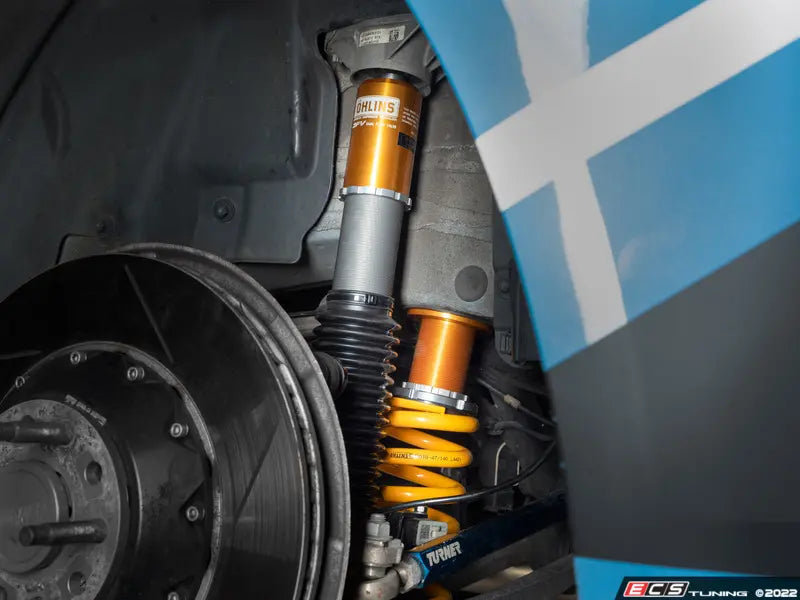
How Much Do Coilovers Cost on Average?
For many street cars, a complete coilover kit falls somewhere between $700 and $3,500. Budget kits may start around $500 to $800, while mid-range systems often sit near $1,000 to $2,000. Premium systems can reach $2,500 to $4,000 or more.
So, how much do coilovers cost for your car? The exact number depends on the brand, suspension design, adjustment range, damper quality, spring options, and intended use. A kit for a common Honda or Subaru may cost less than a specialized kit for a high-end sports car.
These figures are useful planning ranges, not fixed prices. Retail prices change, and some kits include features that others sell as upgrades. Always check what comes in the box before comparing two prices.

- ✦ Budget kits
About $500 to $900. These can work for basic lowering and street use, but features and adjustment range vary.
- ✦ Mid-range kits
About $900 to $2,000. These often offer better damping control, build quality, and tuning options.
- ✦ Premium street kits
About $2,000 to $3,500. These may use higher-grade dampers, better materials, and more precise adjustment.
- ✦ Competition-focused kits
Often $3,000 to $6,000 or more. These systems can include advanced dampers, custom spring rates, and track-focused tuning.
What Does the Coilover Kit Price Include?
A complete kit normally includes the coilover assemblies and springs for the car. Depending on the design, it may also include mounts, helper springs, adjustment tools, or other hardware.
Do not assume every kit includes every part you need. Some cars need special top mounts, camber plates, or other parts for the setup you want. Read the exact application details before buying.
- ✦ Check the contents
Look for springs, mounts, hardware, adjustment tools, and any required accessories before comparing prices.
- ✦ Check the warranty
A clear warranty can matter when comparing kits with similar prices.
Coilover Installation Cost
Installation is a major part of the answer to how much do coilovers cost. A shop may charge around $500 to $1,500 for labor, depending on the car, shop rate, rust, and how much setup work the suspension needs.
Some jobs take only a few hours. Others take longer when bolts are seized, factory parts are worn, or the suspension needs extra adjustment. Performance shops may also charge more because they spend more time setting ride height and checking the car.
Ask for a full estimate before the work starts. A good quote should explain labor, alignment, setup work, and possible extra parts.

- ✦ Basic installation
A straightforward job on a common car may cost about $500 to $800 in labor.
- ✦ More complex installation
Specialized cars, difficult access, rust, or extra setup can push labor toward $1,000 to $1,500 or more.
- ✦ Shop labor rate
Your local hourly rate has a large effect on the final bill.
- ✦ Rust and seized hardware
Old or rusty suspension bolts can add time and replacement parts to the job.
Do You Need a Wheel Alignment After Coilovers?
Yes, a wheel alignment is strongly recommended after changing ride height or suspension parts. Lowering the car can change camber, toe, and other alignment settings.
A typical alignment may cost about $100 to $250, though performance alignments can cost more. Skipping this step can lead to poor handling and uneven tire wear.
- ✦ Standard alignment
Often around $100 to $250, depending on the shop and vehicle.
- ✦ Performance alignment
May cost more when the shop sets specific camber and toe targets for street or track use.
What Affects the Cost of Coilovers?
The biggest price difference comes from the type of coilover system. A simple height-adjustable kit has fewer tuning features than a system with adjustable damping, separate compression and rebound control, or motorsport parts.
Your car also affects the price. A popular platform may have many kits to choose from. A less common car may have fewer options and higher parts costs.
Another key factor is how you use the car. A daily driver does not need the same suspension setup as a dedicated track car. Paying for features you will never use can waste money.

- ✦ Brand and build quality
Materials, damper design, seals, manufacturing quality, and warranty support can all affect price.
- ✦ Damping adjustment
Kits with adjustable damping usually cost more than simple height-adjustable systems.
- ✦ Camber adjustment
Adjustable top mounts or camber plates can add cost but may help with performance tuning.
- ✦ Spring options
Custom spring rates or track-focused spring packages can raise the total price.
- ✦ Vehicle application
Rare, complex, or high-performance vehicles can require more expensive kits.
Street, Show, and Track Use
For a daily driver, comfort and predictable handling should matter more than the lowest ride height. A moderate kit with useful damping control can be easier to live with every day.
A show car may focus on ride height and appearance. A track car needs a different balance, with spring rates, damping, tire grip, alignment, and heat control playing larger roles.
Think about your real use before you shop. This is one of the simplest ways to control how much do coilovers cost without buying features you do not need.
- ✦ Daily driver
Focus on ride comfort, reliability, reasonable height adjustment, and good road manners.
- ✦ Show car
Ride height and appearance may be major priorities, but safe suspension travel still matters.
- ✦ Track car
Damping, spring rates, alignment control, and repeatable performance become much more important.
How Much Do Coilovers Cost With Everything Included?
A realistic budget should include the kit, installation, alignment, and possible extra parts. For example, a $1,200 kit could become a $1,900 to $2,500 project after labor, alignment, and small replacement parts.
A higher-end example can climb much faster. A $2,500 kit plus $1,000 in labor, $200 for alignment, and other parts can put the total near $4,000.
This is why asking only how much do coilovers cost can give an incomplete picture. The better question is, “What will my complete installed setup cost?”

- ✦ Example budget: budget setup
A $700 kit, $600 installation, and $150 alignment would put the basic total near $1,450 before extra parts.
- ✦ Example budget: mid-range setup
A $1,500 kit, $800 installation, and $175 alignment would put the basic total near $2,475 before extra parts.
- ✦ Example budget: premium setup
A $2,800 kit, $1,000 installation, and $200 alignment would put the basic total near $4,000 before extra parts.
Other Costs to Keep in Mind
Coilovers can expose worn suspension parts that were already near the end of their life. You may need new bushings, end links, mounts, bearings, or other hardware.
You may also spend money later on re-adjustment, corner balancing, or another alignment. These costs are not required for every car, but they are worth considering when you build your budget.
- ✦ Replacement hardware
Old bolts, nuts, mounts, or other hardware may need replacement.
- ✦ Suspension repairs
Worn bushings, bearings, end links, and mounts can add to the job.
- ✦ Corner balancing
Track-focused cars may benefit from corner balancing after ride height and spring changes.
- ✦ Future alignment
Another alignment may be useful after major height changes or additional suspension work.
Are Expensive Coilovers Worth It?
The answer depends on what you need from the car. A more expensive kit may offer better damping control, materials, adjustability, support, or durability. But those benefits only matter if they match your driving needs.
A common mistake is to buy the most expensive kit without knowing how its features work. A good mid-range kit can make more sense for a street car than a complex race setup.
Price alone also does not tell you how well a kit will perform on your specific car. Spring rates, damper tuning, suspension geometry, tire choice, and setup all affect the result.

- ✦ Pay for useful features
Choose adjustments and hardware that support your actual driving goals.
- ✦ Do not chase the lowest price
Very cheap suspension can lack the quality, support, or tuning range you need.
- ✦ Do not chase the highest price
A premium race-focused kit may offer little value on a normal daily driver.
- ✦ Consider support
Good technical support, replacement parts, and warranty service can be valuable over time.
A Practical Lesson When Comparing Kits
One practical lesson from suspension setup is that the most expensive part is not automatically the right part. A well-matched kit with the correct spring and damping setup can work better for your needs than a costlier kit chosen only for its price.
Compare the full specification, not just the brand name. Look at adjustment range, spring rates, damper design, included mounts, warranty terms, replacement parts, and the type of driving the manufacturer supports.
- ✦ Compare specifications
Check what each kit actually offers instead of comparing prices alone.
- ✦ Check real-world use
Make sure the kit suits street driving, spirited driving, or track use as needed.
Coilovers vs. Lowering Springs: Which Costs Less?
Lowering springs usually cost less than a full coilover system. They replace the factory springs but keep the original dampers, assuming those dampers are suitable for the new springs.
Coilovers cost more because they combine a spring and damper system and usually let you adjust ride height. Some also offer damping adjustment and other tuning features.
If your goal is a modest drop at a lower cost, lowering springs may be worth considering. If you want adjustable ride height and more control over suspension setup, coilovers offer more flexibility.

- ✦ Lowering springs
Usually have a lower upfront cost and provide a fixed ride-height change.
- ✦ Coilovers
Usually cost more but provide adjustable ride height and, on some kits, adjustable damping.
- ✦ Ride quality
Either setup can ride well or poorly depending on spring rates, dampers, installation, alignment, and vehicle setup.
When Coilovers Make More Sense
Coilovers make more sense when you want to change ride height later or tune the suspension for different driving conditions. They can also help drivers who want more control over the balance between ride comfort and handling.
That extra flexibility comes with a higher cost and more setup work. If you never plan to adjust the suspension, a simpler setup may meet your needs.
- ✦ Adjustable height
Useful when you want control over the car’s stance and suspension height.
- ✦ Tuning
Some systems let you change damping to suit different roads or driving conditions.
How to Save Money on Coilovers Without Cutting Corners
You can control how much do coilovers cost by planning the entire job before you buy anything. Start by choosing the right type of kit for your car and use. Then get quotes from several reputable shops.
Buying a cheap kit is not the only way to lower the bill. A better approach is to avoid unnecessary features, find a fair installation rate, and make sure the kit includes the parts you would otherwise need to buy separately.
Do not skip the alignment to save money. Suspension geometry affects tire wear and handling, so the small saving can lead to larger costs later.

- ✦ Get several labor quotes
Ask reputable shops for complete estimates that include installation and alignment.
- ✦ Choose features carefully
Do not pay extra for race-focused adjustments if you mainly drive on public roads.
- ✦ Check the complete kit
Confirm that required mounts, hardware, and other parts are included.
- ✦ Inspect the suspension first
Find worn parts before installation so they do not become surprise costs.
- ✦ Budget for alignment
Include an alignment in the initial project budget rather than treating it as optional.
Questions to Ask a Coilover Installer
A few simple questions can make the final price much clearer. Ask what the labor covers, whether ride height setup is included, and whether the quote includes an alignment.
Also ask what happens if the shop finds worn or seized parts. Knowing the answer before work begins can help you avoid surprises.
- ✦ Ask for total labor
Confirm the full installation charge rather than relying on an hourly rate alone.
- ✦ Ask about alignment
Find out whether the shop includes alignment or charges it separately.
- ✦ Ask about setup
Confirm whether ride height and basic suspension adjustments are part of the installation.
- ✦ Ask about extra parts
Find out how the shop handles worn hardware and unexpected repairs.
What to Check Before Buying Coilovers
Before you spend money, confirm that the kit is made for your exact vehicle year, model, trim, and drivetrain. Suspension parts can differ even between cars that look nearly identical.
Next, decide how low you really want the car. Very low ride height can reduce suspension travel and ground clearance. It can also create issues with steep driveways, speed bumps, tire clearance, and alignment.
Finally, think about comfort. A stiff setup may feel sharp on smooth roads but tiring on rough streets. For most daily drivers, a balanced setup is easier to enjoy over time.
- ✦ Vehicle fitment
Verify the exact year, model, trim, drivetrain, and suspension configuration.
- ✦ Ride height range
Check the usable height range instead of focusing only on the lowest possible setting.
- ✦ Spring rates
Make sure the springs suit your intended street or track use.
- ✦ Damping adjustment
Understand what the adjustment changes and whether you will use it.
- ✦ Replacement support
Check whether replacement parts and service are available for the kit.
- ✦ Warranty
Read the warranty terms before buying, especially for a high-cost suspension system.
Do Not Forget Tire and Wheel Fitment
Lowering a car changes the space around the wheels and tires. Wheel width, offset, tire size, and ride height can all affect clearance.
If your new setup causes rubbing, you may need different wheels, tires, spacers, or additional adjustments. Include these possible costs if you are planning an aggressive stance.
- ✦ Wheel clearance
Check that the wheel and tire do not contact suspension parts or bodywork.
- ✦ Tire clearance
Check clearance at full steering lock and through suspension movement.


